Half the entrepreneurs I meet are d- going too slow, half the entrepreneurs I meet are going too fast. It's just go at the right pacing. The root cause of that is sales. People think that the root cause of a retention issue is product or the account manager post-sale. No.
It's sales. It's who you chose to sell to and the expectations you set along the way. Hello everyone, and welcome back to the show. Today's guest is a true unicorn in the world of building companies. Mark Roberge is the founding CRO of HubSpot, where he took the company from zero to a billion dollar plus IPO by treating sales not as an art, but as a science.
After teaching the next generation of leaders at Harvard Business School, he's now the managing partner at Stage 2 Capital and the author of the book The Science of Scaling. He's here today to challenge the growth at all costs mantra and give us a data-driven playbook for earning the right to scale. This, if you're a nerdy salesperson, if you're like into nerdy sales stuff, scripting, philosophy, compensation, you are going to absolutely love this episode. This is a sales nerd episode at its core. Let's get on to Mark Roberge.
Why is the narrative about scaling that you see like on X or Instagram so much different than the reality the founders actually face on a day-to-day basis? Like, why are we sold this like scale at all costs, 20 hours a day, lose your frigging mind- Mm-hmm ... burn every bridge, spend every dollars, like what you see, you know- Yeah ... in the memes. But, but we both- Yeah, yeah ... know that's not s- to be successful, that's not how it really works. So why then? Yeah, yeah.
I, I'm, yeah, that's a really good question why it happens. I mean, I would think like it might- we're gonna have to do a minor history lesson here where it's like if we go back decades in entrepreneurship, it was absurd to lose money on a business for years. Like un- the, the venture capital was such a small like, you know, piece of on- and it still is. People will get confus- it makes all the headlines, but people are still shocked to hear that more wealth is generated in entrepreneurship in non-venture capital backed startups. That's like shocking to people.
Like especially in the US, they think it's the only way to like do a startup is to do V- V- you c- I can't even tell you, Ryan, how many founders show up to me looking for money and I'm like, "Don't raise venture capital." And that's when I'm selling, you know what I mean? Like you get the whole... So I think maybe it's a history there where it's like you had this, you know, startups y- is the whole point of the business, make money. And then like all of a sudden, maybe, maybe we'll call it like 2000, where you had the dot com craze which was like up and down, but like VC like catapulted and that kinda entrepreneurship catapulted.
Like it, it crashed but then it, it stayed high and went bananas. And p- you know, work like the blitzscaling came out where it's like, dude, you gotta go fast, break things, burn money, get into orbit. And it just went too far, right? 'Cause I think we could all sit around and, and just like, uh, too far in certain contexts. So let, let's like kinda frame that for a sec. 'Cause like, um, I think first off we, we all could agree that if you're a founder, unless you're like Elon Musk which is an extreme era, and you're doing SpaceX, which is a very different context. For most startups you're not gonna burn a billion dollars a year.
Okay? And then for like a VC-backed startup, burning $100,000 a year is just not being aggressive enough. We can agree on those ex- parameters. But where is optimal in between there? And like that, that, that w- what came out of that was this obsession with top line revenue growth as the only way to measure success, 'cause that largely drives your valuation, and to burn at all costs to do it.
And there's just not enough scaffolding. And l- like Ryan, I'm not saying you should go slower or go faster. I, I find that half the entrepreneurs I meet are d- going too slow, half the entrepreneurs I meet are going too fast. It's just go at the right pacing. And the answer to that can be approached with the rigor that we have in economics and finance and strategy and marketing today, and it's kindergarten level today.
When I first got into business was, uh, right after the dot com bubble, uh, crash, uh, 2002. And I remember back then it's almost flipped from the way it is today. Like if you were an entrepreneur back then it was 'cause you couldn't hack it in the big businesses- Exactly ... in the corporate world. And now it's the flip. Now the badge of honor is, "I'm an entrepreneur."
You know, like, you can't hack it as an entrepreneur- ... so you go work in corporate. And it's, it's such a different- It's funny ... reality. I agree with you, Ryan, 'cause I get jokingly, when I was in business school around that time, it w- it just crashed and there was a joke that B2B and B2C meant back to banking and back to consulting, to your point, right? It was like that. And I was like, I was at MIT at business school.
There was like 500 kids in my class. I think three of us were doing startups and everyone was like, "What a bunch of morons." You know? Like, "What are you doing? That was so 1998."
Yeah. If you watch, if you like look at depictions of entrepreneurs it's like gri- greasy kids in a, in a- Yes ... college dorm room that like- Yes ... can't make it in the social world, the antisocial kids. Right. Those were the entrepreneurs back then, you know? Um- It's funny ... it's so funny how that has flipped and now they're like the rock stars.
And that's, that's probably where some of the mythology comes from. You know what I mean? You get these ... people that just don't know how to, to, to pass this down and sell it. I, I guess when it comes to this, this idea, and, and what I love about your book is how you've taken this idea that for so long has almost been sold as like an art form. Like you're this- Yeah ... you're an entrepreneur, you're a- Yeah ... you, you have this magic wand and you can see.
And it's really just math. I mean, there, there's a little bit of you gotta make the call- Mm-hmm ... for sure. Yeah, yeah. Guts, instinct, these things are important. But like, do you think...
Is it intellectual laziness? Is it just that there's 10 million things they have to think about and, and this idea of scaling smart is just a brain cycle too far? Uh, there's-- I think there are a couple layers on why it occurs. I would say when you're faced with a decision, the people around the table don't have a ton of at-bats at that moment. In a lot of cases, the founder, it's the first time.
Like literally we're, we're at this moment, Ryan, it's like you're a group of six engineers, you got dozens of customers, it's starting to fly, you're at a million in revenue, and someone hands you 8 million bucks. That's fucking, uh, like as a first-time founder, that's like intimidating. Holy shit, I've never seen this much money in a bank account, and now I'm in charge of it. And the person that gave it... So, so they don't, they've never done it.
They just, they're like, "I don't know what to do. I, it si- it feels like I should go fast 'cause I, I read about the top three stories in the history of the world on how fa- like how fast OpenAI went, how fast Databricks went. It seems like that's what I should do." And um, and then the VC that gives it to you, a lot of times they hadn't operated. What their career has been is they've sat on 10 boards, and one hit it.
And w- the one that hit it did that. They hired 10 reps the next month and it took off. So they're like, "Oh, that's how you do it." But what happened in that case was like that company, whether it was Databricks or OpenAI or Google back in the day it happened, their strength of product market fit was so outrageous that they could have hired chimpanzees and they would've hit their quota. Like it was like it was order taking.
And there's no assessment for the current company around the strength of the product market fit, which is not that-- If you look at Wikipedia, it's like people talk about it like it's a feeling, and it can be totally qua- um, quantified, which is a precursor to that massive scale. And then the premise of go-to-market fit, which is like product market fit, is just like does your product deliver the value promised? And we can measure that. And then the go-to-market fit is like, now that I know that, can I sell it profitably? Like quotas, commissions, territory, blah, blah, blah.
And then we can go into the scale mode, right? So but like I think that's probably one of the root causes is the people around the table have very little experience around many, many at-bats of the different contexts in which you can be faced with this, "Okay, we're gonna-- are we ready to g- scale fast, and how fast can we go?" You, you have this concept that when I-- That coming out of the insurance industry, so I, I shared with you before we went live- Yes ... that my home industry was the property casualty insurance industry. Yes. I worked in there for 20 years, mostly on the retail side.
Um, and had, uh, started my own digital commercial insurance agency, founded my own agency- Made it ... seven days before the zombie apocalypse hit- Ugh ... upstate New York. Ugh. Not a great time to have just sunk about 50K into starting- Yes ... your own insurance agency every... And, and it was commercial, so there's another great part. Right.
It was a commercial agency. Every customer in the world. My TAM was literally zero for about three months. Yes. Um- Holy cow ... so that was an interesting experience, and we were able to grow out of it and all this kind of stuff.
But you have this concept of a leading indicator of retention. And that, one, I hadn't, I had never thought about a leading indicator of retention. And as someone coming out of the insurance industry where in- retention is our entire business. Yeah. The reason that the property casualty insurance world can operate like it's 1992 technology-wise is because the business model is so good.
Don't tell anybody. But it's- ... it's really good. And you can be a C player- I know ... and be a billionaire. You crush it. Right.
This I-- Talk to me a little bit about like... And where I, what I liked about this was in the product market fit section because I, I'm framing this question poorly, but the idea here is I like, I really like the idea and would love for you to expand on in the product market fit stage, thinking about who's gonna retain and what- Exactly ... we're looking to retain out of it. I had never thought about thinking into it that early in the process. That's where I'm trying to go with that question. Oh, it's beautiful.
I know exactly what you're asking about. And it's like, I remember... I'll kinda root this in a funny story, and it's about our w- our Series D investment at HubSpot we got from Sequoia and the partner there, who's like, by the way, like a billionaire. Like I'm just, I'm gonna kinda like poke at them for a second, even though like I sat down with Pat Grady in January, brought my students to him, like best friends, like high respect, bow down, whatever. Let's just cut.
But like they did our Series D investment, I remember. And it was a while ago, right? It was like 2008. So like we were still in this, exactly where your question is, Ryan, where we hadn't quite gotten how important retention was in the cloud journey and how important sales was to retention, which is kind of what you're getting at, and it is shocking to people. And I remember I was being peppered by the Sequoia partner as he was deciding whether to make the investment, and he's like, "Oh, I need to talk to the sales leader."
And I was talking a lot about this, of like selling into high-value accounts, qualifying against their willingness to use the product, and he was like, "Dude, just go close business." Like, sales' job is to drive revenue. Like customer success and product is in job of making it work. And it's fine. Like again, bow down and we're all in that.
But that is like not an, a ca- a correct statement in a lot of situations. Um, and when I go in and having to help these companies that are flat-lined, which a lot of case the root cause is, um, is retention, and surprisingly, the root cause of that is sales. People think that the root cause of a retention issue is product or the account manager post-sale or the person that onboarded it. No, it's sales. It's who you chose to sell to and the expectations you set along the way.
Like in my world, it's like if you don't get IT involved, if, if there's setup work needed on your product and you don't get IT involved pre-sale, that, that customer's cooked. And by the way, I can get a contract and a wire without talking to IT. You want me to sell? Fine, I can do it. I'll, I'll sell ice to Eskimos.
But like that's not good business. And so, so yeah, like to your point, you know, the underlying theme there is retention starts with sales, and the objective of sales is not to get a wire and a contract, it's to generate a lifetime value customer, which is what you experience in the insurance world. And that's why one of the key wor- you know, one of the works in the book is around defining your leading indicator of retention because like when you're trying to like, you're kind of pulling away from that like, okay sweet, like I need to incentivize my salespeople to sell lifetime value customers, and their comp plan is not set for that. Their comp plan is like, "Go close 500,000 this quarter and I'll pay you," which has nothing to do with LTV. So the immediate instinct is like, okay, why don't I just start paying them an annuity?
Like every time I get paid, every month they get paid. And I don't know if that's how it works in insurance, Ryan, but that wouldn't work in a lot of businesses because then you'll have reps who, first off, they come in, they have to build their book of business, so that means you're like probably attracting a bunch of junior reps because it takes a while to make money. And then once they've hit it two years later where they have the book of the business, they're just on the beach all day. They're not motivated to work, right? You gotta like, when they have a good quarter, they gotta get paid.
When they have a bad quarter, they get a feel on their paycheck. And that's where the lead indicator retention comes in, which is like, what is it that you can see in the first month of a customer's engagement with you that if that occurs, they'll be with you forever, and if it doesn't, they'll leave? And some classic examples of that were like Slack, if the customer sent 2,000 team messages in a month. HubSpot, if they used five or more features in the 25-feature platform. These were the lead indicators of retention that you could see in the first month that if they happen, they're with you forever.
If they don't, they leave. And you can over time statistically correlate that to long-term retention to be sure. And once you have that, you can do a whole bunch of things with it, including pay your reps. So now the comp plan is like, yeah, you get paid half when you get the signature and wire, and half when they hit the lead indicator retention. And it's like, I'm not, I'm not screwing you over.
Most people hit the lead indicator retention in the first month, and some, some people, if you have a free trial, hit it before they even send, send the wire. So just do both jobs. Get the wire, get the money, and get them... And you're not like turning your-- A lot of people think, "Oh, I'm turning my rep into a technical consultant." No.
It's just like you still have the technical onboarder, you still have the customer success manager, you still have the account manager. The rep is just saying the things necessary that they should be to tee up the expectations of the account to w- work. But how does that translate in insurance, Ryan? Directly. So one of the things that I've- One of the things that I have always, uh, thought about with SaaS and SDR compensation is ins- this has been a, this is a conversation that has probably been had more than any other space in the property casualty insurance industry.
Wow. Because the reason that property casualty insurance, or I'll just say insurance, 'cause I wanna separate out, separate out life 'cause it's a completely different monster, and health. Um, so we're talking, guys, we're talking home and autos, commercial insurance, that kind of stuff. Is that the upfront commissions are very small. Hmm.
So, so it's called building a book of business. Yes. Um, and essentially you get a front-end new business split and a renewal split. And one of the things that when I'm working with founders of, of agencies, um, you know, 'cause I work in that space a lot, is that those levers are really important to what you want your business to do. So if you want, and you know, big fa- incentives drive action, right?
Yes. So if you want top-line growth, if that's what matters to your point, then you ramp up your new business commission, you ramp down your renewal commission, and guess what they're incentivized to do. Right. Fog the mirror, put it on the books. Yes.
Now, the interesting part about that is a- business owners, agency owners, in this case, uh, founders if it's a SaaS company, they love to thump their chest about that new business revenue. Oh, Dude, you, you should see the year I had, man. Oh, and then it's rolling off the back, just like you said, you're, you're, you're pushing 60, 70% retention rates and you can't grow an insurance business that way. A year later. Yeah.
Which is too bad. Now you've like de- buried this, you've dug this hole for a year. Holy cow. So h- here's my question for you, 'cause I, I have, I have- I have a whole bunch of thoughts on this, i- in this area, and I think it's very goals, what you're trying to do with your company, what season you're in specific. But you, you said, you said something and, and I just, I'm very interested in this question from sales leaders.
Let's say that SDR has a retention piece to their business, right? So some form of, hey, you bring it in, you get half, you... They hit their, uh, leading indicator retention, you get another half, and then we give you a, a 3% ongoing spiff for the lifetime- Mm-hmm. Yeah ... of the account for- Yeah ... you know, if you need to come in and touch them or, you know, be that kind of, uh, second set of hands or whatever. And they get to 500,000 in personal income, right?
And they- Mm-hmm ... just like you said, downshift into second. Um- Umbrella goes in the drink. Right. Feet go up on the stool. Mm-hmm.
But they're maintaining a half- Yep ... a million dollar book of business- Yep ... every year. Yes. Why is that bad? Like, what, why would you- Because you're wasting- ... have an army of people- Yeah ... managing a half a million- Yeah ... dollar book if the retention can... Let's assume for this thought experiment, the retention is higher if they're continuing to touch it.
Yeah. This is like, this is cool, Ryan, 'cause we could, we could, like, maybe try to push the frontier on insurance commission plans and strategy, which would be great. 'Cause we c- I can learn from you and more in my tech world and, and we can d- do some things in the tech. So, I have a answer to that, which the asterisk is gonna be, like, ability to attract talent. But the problem with that strategy, and I get it, it's like you, you, you busted your hump for two years, five years, whatever it took, and now you got your big book of business. This happens in, uh, wealth management to some degree.
You know, like, it happens in other industries. The problem is you're wasting a skill set. That person has the capability to not only maintain that book of business at the, you know, the 98% that you want, but also go find another two million every year. They're not, they're just not motivated to do so. And you could devise a...
Now, I'm gonna take, like, talent, uh, competition aside for a sec. You can devise, if the whole industry moved in this way, you would get way more out of those folks. And you could do what they call a gated commission plan, which is like, all right, congrats, Ryan. You've got... What's the book...
What, what, when do you relax? Is it five million? When, when do you start to put the... What's the book of business at? I'd say the, the industry standard is when you hit, uh, about 10 grand in monthly renewal commission, so about a buck 20, is when you see the first downshift, and at- Yeah ...
250 is when they start to coast usually. Okay. So good for you. You've got your huge book of business. You're, you've got 250K coming in every year just to maintain that.
And so basically I'm gonna pay you... W- what, what do you get paid? Like, what, is it 3% on the renewal? What, what's the... So we can talk through it.
You get, uh, maybe you, 40% new, 20% renewal, something like that. Okay. So I'm gonna give you twen- you're making 250K, so you've got a five million dollar book of business. I'm paying you 20 percen- I'm paying you 20% and you're just coasting. So here's how you...
Well, the problem is you're wasting that hunter skill, 'cause that's a gifted person that could be just doing more business for you and them. And so you could use a gated commission plan, which is this. I'm gonna pay you, um, if your new sales in 2026 is under, um, 200,000, I'm gonna pay you 15% on renewals. If your new sales in 2026 is between 200,000 and 500,000, I'm gonna pay you 20% on renewals. If your new sales is between 500 and 750, I'm gonna pay you 25% on renewals.
And if your new sales is between 750 and, um, or over 750, I'm gonna pay you 30% on renewals. I like that. I mean, pushback though. I mean, my, my first pushback would be- I, I- ... dude, what, what senior person's gonna come there? It's like, I, I have to work forever now.
I can't just do... The whole reason I got into insurance was to work my ass off for five years and then go buy a beach house, but this Ryan's comp plan is shit. I have to work every year. So that's definitely a problem because, you know, w- burnout for, I mean, burnout for sales professionals is a real thing- Yeah, of course ... in every industry. There's no doubt.
Yeah. But I will say there is a particularly, a particular acuteness to burnout in insurance if you are nose to the ground grinding for- Yeah ... five, seven years. Like- Yeah ... there's... Insurance is a odd business, dude. Yeah.
Like when I first got- I can work on it with you though. I wanna- Yeah ... get, get a chance at working on that, but keep going on your- Yeah. So, so- Keep going. Yeah ... so what my... It's an odd business in that, and I fought this for a decade.
Yeah. A decade. I fought this idea that, like, there was actually something unique about the ecosystem, the fact that there's 50 states, every state is regulated independently. There's also federal reg- regulation, all, there's all this. The data, like, I don't know if you've ever dug into the data issue in the insurance industry, but it is like, it'll make smoke come out of your ears.
Um, it's really bad. So there's like this, there's like this frictional grind to the process as well. There's, there's no straight through processing, like none of that exists. So my, my, here, so what I've seen a lot of founders turn to, and I'm really interested in your take, I love this gated idea. Yep.
Where does- Yeah, it has issues ... like a phantom equity play as well? 'Cause I've seen, I've seen guys and gals try to use something like a phantom equity or- Yep. Cool ... um, some sort of ownership plan as a way to incentivize- Perfect ... long-term growth as well. Love it. Yeah. There's multiple different ways to do this.
So there's that play, and then yeah, there's, you can, uh, it's, you're just trying to like give them a reason To, you know, continue to grind and, and get out there. Okay? Now, my only counter my, to my personal devil's advocate, which was, like, competition for talent, where it's like I can go to one firm, work my ass off for five years and sit on a beach. I can go to Ryan's firm, work my ass for five years, and I still have to work to get the true pay. My counter to that, though, is remember that I-- yes, I did say that if your sales suck, your renewal commission drops from 20 to 15.
But I also said that if your sales are good, your renewal commission goes from 20 to 30. So I believe that word will get around, and there are, uh, you tell me if I'm wrong, but, like, every sales industry has those frigging grinders. They just are addicted to the quota. They love to do this. It's their art.
They wanna wake up every morning from the age of 22 to 65 and frigging go find new people. They're coming to your firm 'cause they're getting paid. So, like, that, that would be my slight counter is, like, I think this plan will suss out the mediocre, I wanna do, you know, and really attract the, the bigger performers. I would say, like, the other thing that was, like, wound up in your comment was burnout. And that's in everything, dude.
Like, tech is a grind, too. Like, these are all grinds. And I had this innovation at HubSpot that while in the midst of a, um, a tech sales climate where the average tenure is 2.2 years, I was able to pull off 6.5. And the key to it was this. 'Cause I would like-- I would get these interviews from-- I would interview, like, these top reps coming from other places. I'm like, "Why are you leaving?"
They were like, "Well, I'm just kinda like burnt out there. I like-- I have the same OT, the same quota, the same territory. And yeah, guess what? We just did our annual planning. They cut my territory in half.
They doubled my quota." I'm like, "Why are they doing this to their top talent?" Like, these people just leaving for these, like, absurd scaling strategies of, like, cut quota in half, double quota. Like, that's the formula? And so I was like, "Okay, we're not doing that."
I'm like, these-- And, and the other thing that was happening was I kept having top reps come to me and be like, "I wanna be a manager." And I'm like, "Why?" They're like, "Oh, that's the only way you can grow in sales." And I'm like, "Dude, there's so many studies that show that the top reps make the worst managers." And, like, everybody, all the top reps become-- Like, if they try it, they're like, "Dude, I hate this.
It's like adult daycare. I've lost all my personal independence. I'm making less money 'cause I used to just crush it on my own, now I'm trying to crush it through eight people." So, like, I'm, I'm putting these things together. I'm like, "Dude, there's gotta be a way to grow without becoming manager."
So I created this promotion path, which is kinda what you're getting at, Ryan, with this probably this equity share, where the way I did it was, like, you come in as a level one rep, and you get, like, your, you know, 50K base, 50K commission, and, you know, like, you gotta hit your, your, your quota's whatever, like 800,000. And then the way that you get to level two, if you get to level two, I'm gonna increase your commission to 60K, so your, you get a 10K OTE bu-bump, and I'm gonna give you 1,000 stock options. That's how it worked. Like we-- It was very common, actually. And they're like, "Oh, sick.
That's awesome. How do I get to level two?" It's like, once you hit an $800,000 install base, and then you can put other stuff in there like, oh, your, your leading indicator retention needs to be this, right? So that's another way to, like, have them as an LTV hunter, you know? And this is where you could-- Uh, let's do the insurance example.
Let's do it the-- So you come in at level one, you get your, your payment, and if you get to level two, I'm gonna bump you to now 25% renewals instead of 20. Um, and the way you get to level two is you need an install base of, you know, a million bucks, and your new sales average per trailing six months has to be like, whatever, 10,000. So that gets them hunting all the time. Once you hit that, some people do it in four months, some people it takes two years. You go to level two, you get the bump.
Now you gotta go for level three. Level three is to get to a three million install base, and your new, your average monthly sales has to be 50,000. I, I apologize if my numbers in insurance are off, right? But you guys get the point. And when you get to level three, we bump you another t- your renewal rate goes up a little more, and we give you a little equity.
You, you get what I'm saying? And what happens- Yeah ... Ryan, is there's this game that they're playing that motivates them. Like this, this six-year journey, seven-year journey insurance is no longer just-- It's like, "Oh, shit, I'm level four. I'm trying to get to level five this year."
And you could correlate with like skill certifications, certain trainings, mentor-- You know, like, it could become this whole, like, c-college experience. And maybe you've seen it. Like, I apologize if I'm, like, talking about stuff- Oh, no ... that was done 20 years ago. I, I, I'm-- No, I, I love this. I would say there are a few more sophisticated organizations that do have and run sales departments with, I'm not gonna say anything like that, but certainly more sophisticated and well-thought-out versions.
Um, but they're rare. I think the online- Do they work? I'd give leadership in general in the insurance industry a C minus. So- All right. Yeah ... it's hard for me to say.
Yeah, yeah. Um- Yeah ... you know, and I, and there's a common joke that, you know, if you're even a B+ player and you come to the insurance industry, you feel like an A+ player. Like it just- Well, I, I wanna work- ... just sort of- ... on that together, too. But like, okay, I gotcha. Yeah.
And, and there, there's a whole conversation there. Um- Yes, yes ... it's a very odd space. But- What I think an unlock that, that you have given my mind in this call is I love the idea of attaching, uh, variable stages of compensation to this leading indicator of retention. Yeah. Because especially- Right ... you know, it's, we're, it's not a one-off business.
It's not, we're not selling- Exactly ... a T-shirt even though you can have T-shirt renewal, I guess. But, um, you know, this is a very retention heavy business. And, you know, things-- Now, there are, there are absolutely indicators, particularly if you own a niche, you have a s- you know, a specific industry you're going after or a specific product you sell, it's not hard to figure out what the ret- the leading retention indicator is going to be on these fairly quickly. What was an example? Like a simple one would be the number of policies you have.
Great. Uh, industry average, if you have one policy, 36%- Yes ... retention, two policies, 72, 3%, 93. Perfect. So three policies- That's like very classic like platform sale when you get multiple modules, it sticks. It's great.
Yep. So that would be an easy one. And, um, you know, what's funny though, and, and so here, here's what I'll put in front of you. Uh, my agency, the reason that we-- Uh, so for one year we were the fastest growing small commercial agency outside of the top 200 in the entire industry. So think of top 200 agencies as like Marsh & McLennan, Brown & Brown, some of them are publicly traded, et cetera.
Then you have everyone underneath that. That's essentially the way the industry works. There's like top 200 mega agencies, and then there's everyone else. And we were the fastest growing small commercial agency in the country for, uh, 2021 because I built-- We were wholly inbound, so everything we did was based on YouTube and SEO. We were driving north of 35 inbound leads a day for a team- Amazing ... of about 14.
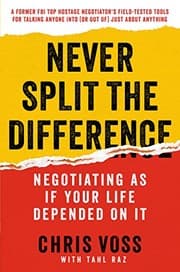
And, um, I built this like sales process that was all psychology based. It was basically Chris Voss' Never Split the Difference- Beautiful ... but rigged to insurance, right? Nice. So at the end, the person had been, you know, psyoped to the point where they couldn't say no. Now, and so this is my, this is where my question comes from.
Our philosophy, because on inbound, my personal philosophy is sell the problem, close the account later, right? So you round out later. Yes. You sell, you sell the problem- Yes ... at the point of sale, so. Yes. 'Cause with inbound, right, I mean, you know this as well as anybody, you worked at HubSpot, right?
When they have-- Inbound is more like, "I have a problem, and I have decided that you are the person that I want to solve my problem." So what I taught my reps was sell that problem. Clo- solve that problem for them. Take that concern off their brain, which is often one policy. But the, the numbers don't lie.
You need multiple policies if you wanna retain. So we then would go back around, and we had a process for going back around and trying to close out and round out the rest of the account. But at the point of sale- Same meeting or later? Yeah. So in general, what are your thoughts on that?
And we, we did flail quite a bit with compensating because of that model, um, getting the reps to go back around and close out. Do, do you have account managers do it? There was a lot there. Oh, yeah. That's a great question.
Yeah. Let me, let me unpack that. By the way, when you went back around, was that like in a separate meeting or you try to do it in the meeting, same meeting, to get the second policy and the third one? Uh, unless they, unless they just said, "H-here, take all my stuff," it was a separate meeting we would come back to automatically. Yeah, that's fine.
That's cool. Okay. Yeah. I think it's-- I, I like it in general, and then you're, you're asking a abstract question. So first off, let me just frame, like, like the-- You're asking an abstract question of like, do you specialize or not?
And the quick answer in that context is I don't think you do. Um, I think they're, they're full cycle. But I have actually, I'm, I'm faced with this strategic decision all the time in very different contexts, from pharmaceuticals, to trackers, to software, to whatever. And the, there's a two-part question to help you de-determine it. The first question is, what percent of the lifetime value of that account is captured in the first sale?
Like the, the LTV potential. If like it's 90%, then you're gonna specialize, 'cause this is around, um... The, the toughest skill in all the whole go-to-market journal for-- journey from marketing to customer success, whatever, is just that hunting closing skill. I don't wanna waste that on retention if I'm gonna capture 95% of the potential on the first sale. But in this case, it's not.
One policy, we can get four. We're talking like on average, maybe 25% to 40% of the potential is in the first sale. So that's like, second question is, that's leaning toward full cycle. But the second question is, what's the skill set necessary to, to capture the other 70%? 'Cause there's some places like n- like OpenAI, like they just trip compute wires, and like they just have to click buy more. Like, I'm not gonna waste a hunter on that.
But like in this case, no, it's a skill. Like you gotta get back in front of that, you know, husband or wife. You gotta like, probably even more difficult 'cause their pressing need was life insurance 'cause they're about to have a baby, but now you gotta s- get their home and auto too. You know what I mean? So it's like, that's tough 'cause they're already like with someone else.
So I think the answer is definitely full cycle, um, is keep people there. Because the reasons are like, there's always pros and cons to specialization. I think we batted away the, the pro is you're, you're, you're taking that very hard to find hunting skill and making them hunt and close all day, as opposed to waste them with minute skills. But the, the cons are, I just spent like, you know, a month with Ryan talking about his family, his kids, his wife. I-- That's like a relationship and knowledge that is gonna be super useful for me to go get the auto and home insurance, and if I ha- hand that off, that's a, that's headwinds.
Yeah. Right? So, so- I agree. Yeah. Yeah.
And so, um, but yeah, to your point, like I like the, we call it the land and expand in software And I think it's the way to go. I think it's the way to go, and it just takes deep discovery on, like, what, you know, when you look at it from their lens, why would they wanna, after they bought life insurance with you. Is there a common path, like what they started with and then what you had upsell them to? Or was it all over the place? In our business, because we sold commercial insurance- Yeah ... uh, exclusively- Yeah ... it was most people started with us for workers' compensation, and then we would expand from there.
So we would get the workers' comp, we'd get it on the books, 'cause it was also v- uh, very often time sensitive. Um, and then from there we would dig into all the other stuff that they had. Yeah. Right. Um, and, you know, what I was trying to get the reps, so for me, uh, because 90-plus percent of the leads in our business were inbound, om- you know, I didn't want them doing anything other than talk to people.
Yeah, just close it. Right. We used, we used, like, this, we called it the one call close process and, um, and video proposals to sell. So we, we sold on video proposals. And, um- That's amazing.
Sick ... never wanted my reps to talk to a, a prospect more than once. It happened, but the goal was ... And we, we actually got it. The highest mark we had was 63% of 102 accounts were sold with the rep only talking to the prospect one time. That's insane.
That was our high mark. That's amazing. I mean, you crushed that first experience. Let's double-click into the bundle for, 'cause this is classic bundling, and I think when you look at it in a buyer-centric, which I t- I write a lot about in the book and stuff, it's like how do you be buyer-centric versus sales-centric, which will help you build a better business, a more durable business. Um, when you look at this decision from a buyer-centric way, it's like you just take the extreme s- uh, options here, which is like can I bundle everything with you guys, have all three policies, or why not have the best policy and here, here for, with three different agencies?
And what is, what's the bundling advantage? And obviously there's, I, you know, I'm curious what you say to that, and I have a follow-on to that. But, like, I imagine there's just, like, you know, administrative shit, you know, three different relationships. I imagine there's some discounting around bundling. Like, talk me through what you guys were doing.
That's essentially, I mean, the, the good news was because people were coming to us, and w- it wasn't based on ads, so we weren't w- w- There's trust ... wedging in with an ad. Yeah. It was all content marketing. Mm-hmm. So I had people that had watched, and this is insane, 30 videos on YouTube before they'd call us.
So, like, they were already closed, right? So, like, what I would- Amazing ... tell my team is, like, "Guys, we're not selling them anything." Yeah. "We're validating the d- their decision to buy from us-" Right "... and taking an order." Totally.
"That's what we're doing." Yes. And, and the, but what I found, so, so, so based on this process, I was able to get a new rep who would come in at a 30 to 40% close ratio, and when we talk- taught them the one call close process, w- we would get them north of 80%. Crazy. So they were closing eight- north of 80% of our qualified leads.
Whenever, and I, I, I wanted to bundle. So I wanted to always, I mean, 'cause I know the numbers. It's easier, it's less calls, it's less time, it's more money, it's higher retention. I, I g- I know all the math. But what I found, and, and I was never able to get my head around this, was if someone called me for a workers' comp policy because they had a problem with their workers' comp, if I injected, "Hey, send me your liability and your property and your auto, too," close ratio will go down approximately- Sure ...
10 points. I totally agree with you. I think if we could run a scientific experiment running those two sales motions side by side, what you landed on with the land and only focus on workers' comp is absolutely the right decision on the first call. And my follow-up question that I wanted to dissect with you was thinking through now the intention, now that you've got them closed and you wanna go to the bundle, what was the biggest block? What was the biggest reason for lack of success?
No more, no more acute pain. Would you be able to get them back on the meeting? Yeah, so it would be, you know, it would just be ghosting. 'Cause, you know, remember, a lot of these are guys- Sure, sure ... with, in a truck- Right ... with three workers with them doing- Okay ... landscaping. Right, cool Or, you know, a truck pulling off. So I think, like, what I, that's what I figured, and that's when you have to, like, this is gets down to, like, this really cool stuff about, like, sales process design, is you have to, like, really isolate it down to the step and this psychological moment and strategize around that.
So it's like we got them on the land, signed contract, payment. We gotta get them to the bundle, and the blocker is getting back on the phone. And so, like, what can we do there? So now what I'm trying to think is in that moment of the land, what's the offer that is like they have to get back on the phone with me after this is done? It's kinda like I don't know what it is.
It's like, "Hey, I ..." There's gotta be something in there. Um- Well- It's, like, it could, I, I wonder if, like, what it, I, this could get into, like, moral hazard, manipulative, slimy stuff. But, like, did you ever try, "Hey, Ryan, um, hope you're doing well. I know it's been six weeks.
Uh, there's a q- little issue on the policy. Could you, um, mind emailing me back with a good time to talk?" Um, I d- I didn't ever try that, but I would say we tried a lot of stuff around it. Um, you know, we would ... Uh, so the best success was table setting the roundout without asking for the business.
So- Sure, I like that. I like that. Yeah, so you- That's classic ... kind of just information- You know it's in there ... gather at the end. Yep. Yep.
Get, understand what the portfolio actually looks like. Yeah. And then you just kind of say- That's good ... "Hey, and if everything goes smoothly, you know, I know you got liability and property. I'll come back to you in about a month."
Yes. "And we can get that all squared away, too." Right. 'Cause I, like I w- I was a big assumptive seller. Um- Yeah, good ... I just think it's the easiest psychological hack- Yep ... from a sales perspective.
And, um, and so we would just kind of assume the sale a month later, and that, that worked. But it was, it was definitely It was definitely a challenge. Um, we had to use, you know, we used all the kind of drip campaigns- Yeah, yeah, good ... cold video outreach and stuff. I wanted to abstract, 'cause I know some people in insurance are gonna be like, "Oh, this is cool. I wanna play with this," and I wanna abstract this out for everyone else- Yeah ... into some principles here.
Yes, please. Yeah. Um, there's two things that happen there, and this has to do with platform sales and bundle sales, where I have the, I have a company right now that's crushing, that's completely messing this up. They have a, a, a p- a, a platform with five features, and the reps are just, like, getting these customers on the call and being like rushing to tell them about all the features. And I know the close rate is one-third of what it could be, and it's like there's tons of data that shows that what you've done is correct.
In a, in a bundle platform offering, that that's your unique advantage, you have to do deep discovery to understand the module or s- two modules that are most applicable and spend 80% of the call on that. And then it's like a before they leave, "Oh, by the way, just wanna make sure you're aware of this, this, and this. We're not gonna talk about that now. Don't focus on that route. Just wanna make sure you're aware of it."
And then to your point, you're kinda qualifying some of the other stuff. So it's just this like don't try to get through it all. Lean toward the... That's an abstract point. The other one that's coming out here too, Ryan, is aligning the sales.
The point of a sales process is not to get your product out there and pitch your product. It's to help the buyer buy. And y- one of the un- one of the fundamentals of any strong, I talk about this in the "Science of Scaling" book. One of the key foundations of every good sales process is designing a buyer journey. People have their pitch deck, objection handling, discovery guide, qualifying matrix.
No one has a buyer journey, and that's the framework. And like, it's coming to life here in what Ryan's saying, where if you did a buyer and surety of a, of a po- policy buyer, in the beginning, they're just like trying to figure out what workers' comp to get, and Ryan's crushed that with his content marketing. Now they bought his working comp. Guess what's next? They need to understand the advantages of bundling and why, like, the cost savings.
So his marketing's totally different, and now he's doing drip campaigns, right? So just like some, some abstract principles on this mini case we're teaching right now that like applies to no matter if you're selling software, pharmaceuticals, or tractors. Yes. A- and I, I completely agree. I, uh, so I tested to the, I had a, built a sales script for them.
Literally tested every word in the script and, um, every word. And I'd have different reps working different versions and all this kind of stuff. You know what the ultimate, the biggest jump in close ratio was the very first question that we asked, which was quite simply, "Hey Mark, thank you for choosing Rogue Risk. My name's Ryan Hanley. What's going on?
How can I help?" Beautiful. And then you shut- Yes ... the fuck up. Yes. Like teaching silence to salespeople, it's like a superpower and it's the hardest thing in the world to do.
And I would literally say to them, "Shut the f-" like in a nice way, like, but, but like you're, you're, I- no one cares that we have 50 carriers. No one cares that you've been in the business for 17 years. Right. No one c- like nobody cares. Exactly.
Guy's standing outside of a job site and he needs a workers' comp policy to get fucking paid. Like just, just shut up and listen to him. He'll literally tell you. And that's, this, and this is my question. For having run so many sales teams and worked with so many founders, right, I get a lot of questions, um, you know, 'cause of my past about, like what do you do when you have a process that works and you have a talented salesperson who seemingly wants to make the process their own and you know they're not maximizing because of it, right?
I get that tension between do I just go hardcore like, "You're not doing it, you're out," or is it do I coach them? Like how do we coach up that talented but underperforming salesperson? Like what's the best way to maximize their, their performance? That's a beautiful question. In my first book, I, um, elaborated on a statistical study I did where after hiring 200 salespeople, I had, um, quantified all the interview assessments and scored everyone on a one to ten on eight different attributes and then over time was able to correlate that to success.
It took me two years to figure this one out, but it became the number one attribute that I interviewed for and it's rare for me to find a sales context where it isn't a top three if not number one: coachability. So the answer to your question, dude, is like there are some hiring attributes that you have to be super precise on because if you hire them and they have the negative of it, it takes a psychology degree to unwind it and you just gotta like suss those out. A classic one is like people that are new to sales, like some people have call reluctance. You know, they get anxiety and that does take kind of a, it's something in your wiring of a childhood. You have to go to a psychologist to like fix it versus like product knowledge learning.
Like okay, we can get there. You know what I mean? But, but coachability, the biggest answer to your question, Ryan, is make sure that's a huge part of your interview. And like I just, I, I just say, "Hey listen. Hey Ryan, love your resume, love the 15-minute screen.
I'm gonna have you come in the office. I think you're great. Um, part of the interview that we're gonna do is I'm gonna send you our, um, training manual, uh, and we're gonna do a role play. I'm gonna send you a LinkedIn profile as well for a prospect and we're gonna do a role play and just be prepared for that." And so we'll do the role play in the interview and then I'll, the, there's a bunch of things I'm testing in there but the f- um, uh, w- after the role play I'm like, "Okay Ryan, great job.
Like how do you think you did?" I'm letting him self-assess because their ability to self-assess is a attribute of their coachability. Like low coachability people think they did great. High coachability people are very analytical about their self-assessment. And then I coach them and I say, "Hey, here's..."
I- in every interview I give one piece of positive feedback on the role play and one piece of negative. 'Cause I don't want them to think that they're bombing and have an anxiety attack. So the positive thing was great rapport, the negative thing was you could've had deeper discovery on the problem set. And I coach them and I watch how they pay attention. And then I either repeat it in the moment or I'll say, "Listen, I'm putting you through to round two. We're gonna do another role play as part of that interview."
And I'm getting a real good view on coachability. Um, now that, that's the biggest thing, 'cause it's really hard to take an uncoachable person and make them coachable. Um, the-- if I do, if someone sneaks through and like, you know, there's, God, there's so much to this, dude. But like, first off, like there's instilling a coaching culture in your organization. So many people are on the hamster wheel and they're reactive and they're on calls and they never get to it.
First day of every month is coaching setup day. As manag- as director of all my managers, I'm like, all right, we're going through each rep's diagnosis, coaching plan, and how we're gonna measure how we did with that coaching inv- involvement. And we're looking at data, everyone toge- And the manager's with the rep working on that. Like, "Hey Ryan, like let's look at your data after all this and like your reflections. What do you wanna work on this month?
Like urgency development? Great. How should we do it? Great, I'm gonna jump into three calls. Let's book those three calls right now for the month."
So my whole coaching's booked in the month. So that's like proactively driving a coaching culture. And the final wrinkle to your question, Ryan, is that God forbid someone's like, "Dude, thanks for the coaching, but I'm good. I have my process." Then you just need a culture where it's like performance plans are factual.
First day of the job, welcome to the company, here's the CEO, here's the commission plan, here's the product, here's the way you get fired, is if you are miss your quota two quarters in a row, if you're l- below 80% you're on a performance plan, and if in that next quarter you're not above 90% you're fired. No hard feelings, it's just how it works. So then the system's there to catch it. And if I got a non-coacher, then it's like, okay dude, you do your thing. And that person watches me sitting with Julie, sitting with Bob, sitting with whatever.
90% of the time they come back crawling to me a week later with their, their tail between their legs. So there's a couple nuggets for you. Yeah. No, I love how, h- establishing how we break up at the beginning. That was a big unlock for me in my hiring process because you'd have people when you outlined, 'cause when you outlined, okay, here's all the best case scenarios, blah blah blah, and everyone loves that, right?
You triggers on how much you do, and you got your scaled retention numbers that we talked about, and that's all great. Oh, there's an equity plan if you hit stage three. What-- When I implemented the, and here's what happens if you don't hit your numbers- Right ... you'd get people who self-select out at that point because- Perfect ... they know they can't coast, right? Like just having that in there will get people to self-select out. That was a hu- I mean I, I completely agree with that part.
That's a-- I know a lot of people don't do that, and it was a huge unlock because the coasters will go, "Oh wait, they're actually gonna track my progress and like I'm gonna ha- I'm gonna have like real hurdles if I don't hit my numbers? Like I don't wanna work here. I wanna go-" Keep that at the comp-- Keep them at the competition. What a great way to build your culture. Yeah.
The other thing we did, which I think, uh, I've t- I've talked about very briefly on the show, and I'm, but I'm interested in how you would do this in tech as well, um, I created a profitability s- monthly profitability scorecards for every sales rep. So, um, one of the things I realized was that, uh, I, I felt a disconnect between our reps and their contribution to the overall growth of the company. And, and on both sides, right? If they're not doing their job, the negative impact, and on the top, top side, their positive impact. Perfect.
We created these little PDFs, and every month we'd send one out to every- And it would be basically their salary, their benefits, their commission split on new and renewal, um, so their total cost to the company versus how much actual rev- top line revenue they were bringing in, and we gave them like this, this net profitability score, and then pulled it out month over month. And I'll tell you, our high performers saw that, and it was like we put, you know, Elon Musk level rocket fuel up their ass. Like- So good ... they, they just took off 'cause they were like, "Wait, I'm contributing five grand? 10 grand?" Like they saw their profitability number go up and like those accumulators, those, those people that are driven just by progress, they wanna see that up and to the right, they like couldn't freaking handle it 'cause now they, they f- had like ...
It was almost like there, there was like this sense of pride of like, "Look how much profit I put back- ... in the company." It was really cool. Um, and- So good, man ... not my original idea. That came from a mentor of mine, but that was a huge unlock for us as well. I think it's brilliant, and I'll abstract it for everyone on here, which is like it's totally incorrect in the way we all measure our salespeople.
Which is just like you put it up on the board, how many new sales did you generate this quarter? That's a part of the story. What you're saying, Ryan, is like the end picture in your business profitability, which is pretty much everyone. But like they're, like for a high blitz scaling business, like it's a l- it's, it really like the way we talk about it is in unit economics contribution, right? And like which is a big part of it, like the LTV, getting back to that.
Your how much you sold in a quarter gives zero visibility into the lifetime value of what your customers. And that needs to be more of the end game, which is what you're getting at. So like where, where I see it translating to other businesses, like yeah, fine, measure, measure the quarterly revenue, new revenue from these reps, but also measure their LIR of their install base. Measure the LTV, the retention of their install base, right? Like so, so I think that, that's the key point there is like- The microscope we put on and measure-- classically measuring sales teams is, like, incomplete.
I wanna pivot away from this, uh, sales thought experiment as we, uh, kinda come into the close of our conversation. Um, you went from private to public to academic to investor, and have seen this, this incredibly broad swath and an incredible number of companies. What are some of the biggest differences in mindset, and they can either be positive or negative, between those different places, right? 'Cause I know most people tend to sit in one of those buckets, right? They, they just live in private, or they get into public, they just live in public. And, like, what sh- can they be learning from each other?
Or, you know- ... very freeform, but. Wow, man. Yeah. There's a lot in there. Thank you.
That's a cool question 'cause, like, you're right, there's not a lot of people that sit deeply in all those places. I guess I'll try to give, like, the general, and I, I hope I don't offend people through this, but I'm just gonna try to generalize the average of those that are sitting in each of those. Private, it's a hustle. You work your ass off. There's really amazing people.
Uh, it's a little more athletes than specialists. You don't see as much of, like, I did this one little job for 25 years and I'm the expert. It's a little bit of like, my job could change next month, and I love that. Uh, big upside. Can I just clarify something?
Yeah. You called that athletes- Mm-hmm ... versus specialists. Yep. I've never heard that type of person referred to as an athlete before. Yeah.
Is there something there? Yeah, for sure. We talk about that a lot in broad spectrums. It's like, think of your first salesperson at a startup with five engineers, what they have to do, and compare that to the 100th salesperson hire into a 10,000-person company. Like, their, their job is like they have the, the Midwest territory for the SMBs with a coach and a bitch- a pitch deck.
Like, the first rep at the s- uh, they have nothing. I mean, it's like that's an athlete. I mean, they're doing everything from like setting meetings, building scripts, like setting up the CRM, like doing the first demo, like talking to the engineers on what to build. That's an athlete. Versus the 100th hire who's like, "Dude, you're gonna run the, um, San Francisco, uh, healthcare territory for us in mid-market."
That's a specialist, right? And you could translate that into R&D, finance, whatever. So yeah, that's what you have in there. I like that stuff. Personally, that's what I'm most attracted to.
Once you approach public and go public, very, very polished, very buttoned up. Um, the politics comes in quite a bit. Um, a little less risky. People who wanna hit doubles consistently through their career rather than like massive home runs, which is fine. I mean, I'm not offending anyone.
It's just like this is what you start to see. Little more nine to five. Um, uh, just a lot of like more about like-- It's a lot about setting up systems and people movement stuff as opposed to like writing code and selling deals. You know, 'cause you're just so far from it. You're setting up the strat- And also like in the beginning, I would say 10% strategy, 90% execution.
Once you get to public, it's 90% strategy, 10% execution. 'Cause these like-- When you're set-- When, when you're like six people, you're like, "Okay, like I have an idea. Good. Let's try it." Two days later, we've tried it and we know the answer. When you're in like running a 7,000-person company, you're like, "I have an idea.
Let's try it," it takes you 18 months to try it 'cause you're like mobile. You know what I mean? So, so that's where-- And that's why McKinsey and BCG make a lot of money, 'cause the strategy is so important, okay? So you get into academia. I mean, again, I don't-- Like, it's just a lot slower paced.
Um, I mean, and, and rightly so. Like, uh, the people who are like tenure tracked, dude, like you're gonna take any question that we ask today, like, um, the optimal way to like specialize your reps. That's a five-year research study for a professor to make tenure. You're spending five years researching every single angle of that to come up with new law. Which is like, you know, for me, I'm like, I just can't.
I don't-- I have ADHD, like career AG. I can't do that. There are some people-- But it's important 'cause that's where breakthroughs in medicine and economics and all this stuff came from, was that rigor. So that-- I mean, this is really important today where it's like, you know, like we didn't talk much about this, but like I think there's a ton of energy being put into building and driving the new AI technology and next to zero energy in understanding the implications. And I think academia can play a massive role in that because of just the way they're set up, right?
So, so like that, that's what it's like there. It's all about truth. It's very abstract. It helps you. A lot of operators think they know the truth, but it's only the truth in their context, whether it's tech or insurance or SM- or US versus Asia, you know, North America versus Asia.
In academia, you know truth abstract 'cause you have to look at it from every... You know, get what I'm saying? Like when I talk about- Yeah ... like this is how sales works. Here's a first principle of sales. I have pressure tested that in North America, Africa, and Asia.
I have pressure tested that in a ton billion dollar business and a 10, $10 business, and I have pressure tested that in healthcare and tech, right? And that's where academia like shines. And then the last part is, before you ask the follow on, is like VC, pattern recognition. Um- You know, dude, like we look at 500 companies for every investment we make. So, eh, it's about founder picking.
It's about validating that it's a big enough market. And I would say one of the big surprises is, um, there's two things. Uh, just because we have money to invest and you're looking for money, that's not a fit. You have to remember that, like the MIT endowment's my main anchor. They look at 1,000 VCs, they pick 30 to do business with.
They pick those 30 to fill a hole. Like there's-- they need consumer, B2B, life sciences. They need growth. They need pre-seed. So when I walk in and say I'm a B2B software investor at the seed stage, and you come to me with a life sciences business at the growth phase, you might have a sick business.
I can't do that deal, right? So it's like, so just, you have to-- there's a qualification there. And then I think the other thing, um, yeah, and there's like fun math associated with it. Um, and I would also say there's like a, a little bit of a capitalization fit, like I said at the beginning. Like there's a lot of people that show up with a great idea, but I'm like, "Don't raise venture capital."
Yeah. 'Cause it, there's certain ideas that should be bootstrapped. There's certain ideas that should be private equity, and that's kind of a surprise too. That was one of the biggest things that I had to learn the hard way, um, in my career. So I was telling you, I scaled my business, uh, and I ended up selling it. Um, coming out of- It's awesome ...
COVID, a whole bunch of stuff happening. Just over t-t, just over 24 months, we spin the business and sell it, which is great. Except I sold it to the wrong people, and I didn't-- If you've never been through selling a business like that before, and I didn't have anyone, I didn't have anyone in my corner who had enough experience, um, to, to kinda tell me, "Look, like these guys are saying the right things, but structurally what they're going to want out of your company just doesn't align with, you know, going back to incentives, what they were trying to do." And it was friction, you know, three months-- from three months in till I hit my first exit trigger, it was just friction, friction, friction. How...
You know, when, when I-- This was a huge eye-opener to me because in my mind, like I was selling my business to these people who were gonna inject it with all this capital, and I was rolling equity into the, into this, you know, PE-backed company and, and, you know, we're going to the moon. And then come to find the reality hits of, you know, PE economics and their obligations to their LPs and all this kinda stuff, and it becomes this, this major issue. How-- What are just some reverse vetting metrics? I'm a founder, I'm an entrepreneur, I'm going out. I either need money or I've, I've built this business for seven years and now I'm looking to actually, you know, maybe be acquired or merge with someone.
Like I know this is a very deep question- I get it ... that you probably do hours and hours. Yeah. But what are just some of those, the things commonly missed that lead to friction post-sale? What are some of those little- Oh, yeah ... pieces that people commonly miss? Yeah.
I mean, we can talk about the exit path for a moment, and like obviously if like this is just a transaction with nothing after, you don't have to think too much about it. If like you're selling this thing for 500 mil and you're getting it cash on the day it closes, then you're, you don't have to think too much about it other than like, yeah, you wanna take care of your employees, you wanna take care of your customers, so like you wanna know a little bit there, but personally it's not as much. Um, but people get burned a lot here 'cause they just think that like, "Okay, I've been growing this business 20% for the last 10 years. Like as long as I keep growing it for 20% for the next three, I'm gonna hit each of my exit triggers." But they don't realize that like they're no longer solely in charge.
Like this gets embedded into the system. So like you gotta first off just appreciate that and then like dig into those questions. Like, "What are we doing here? Like once this deal closes, are you leaving us alone here in Albany and letting us, uh, do our thing? Like how are we...
What is the integration path? Can we just run? Or do I now have a boss? Am I, is my sales team gone and my, I'm selling through this team? How do these products work together?
What's the pa-" Like so many of those questions need to be walked through if you're being dependent on exit triggers to deal with just your personal situation. And like this, that same narrative can carry to through like a fundraise. Like dude, like okay cool, like okay, I wanna invest 30 million at a 500 million evaluation. Okay, great. Like, like, like is there, is there any like, um, is there any, uh, preference stack on that?
Like is it clean? Blah, blah, blah. Is you taking a board seat? Blah, blah. Dude, that's like not the whole conversation.
Like once the deal's done, what is the plan for next year revenue-wise? How many salespeople do we need to hire? Like I wanna make sure we have that discussion to make sure philosophically we're in sync so that we don't have that boardroom eruption. 'Cause I would say like boardroom eruption is a top five killer in these like growth journeys. Yeah. I, I, the experience for me was...
And I think part of it is I'm probably a little too trusting as a human in general. Um, and what I found very interesting was they bought me because we were lean, mean selling machine. We just sold. We were fucking good at it. And I thought when they bought us that why, why wouldn't you just wanna keep pulling that lever?
We had a cash machine, right? Mm-hmm. It's the insurance industry. We had figured out- Mm-hmm ... how to sel- sell, sell with a CAC that was, like, near zero, and was literally, like, just my time. So, like, we're talking, like, near zero CAC.
I mean, we were crushing. And what I found very interesting is all of a sudden I started getting calls about the professional nature of my tech stack, and the human resources guidebook, and hasn't been properly delivered to the employees. And, you know, all of a sudden I got a $8,000 enterprise IT cost associated to my budget line, 'cause if I wanted to call tech support to help them with my, with my Mac, you know what I mean? Like, it was... I started looking at that going, "I...
Wow, like, I'm 42 years old and I feel like a b- like a baby. I feel like I'm 18 again learning these lessons, like, right on the nose." And I, I just couldn't wrap my head around a 17-person board meeting in which I was told my CRM wasn't professional enough. I, I was like, "I don't even understand what that means." And I'm also hardcore ADHD, Irish Catholic- ... former Navy SEALer.
Like, I, you know, so I, I'm struggling just to deal with these people who I don't think have the brain capacity to keep up what I'm doing to begin with. Ha. And now they're telling me that I need to go from, from, you know, a $15 a month user seat CRM to Salesforce, which is $275 a user seat, and I gotta eat that, that cost on my balance sheet. Like, I don't... Can't I just go back?
Like, you bought me to make money. Can't I just go back- Right ... to doing that thing? Like- Yeah ... that's all. I had no idea what founder life would look like post-sale. Right.
And it is my... one of the biggest mistakes I have ever made in business is not spending more time on, like, what does my day-to-day look like when this, when I put my signature on that piece of paper? And I say that only because we've hit this point and it's just a cautionary tale of founders. Like, that is such... Like, having someone else who's buying you describe what they think your world looks like, that is, like, question number one now. I'm helping a couple other businesses raise money, and I'm like, "Guys, what is your-- What do they think?"
Not what do you think your life- Mm-hmm ... is gonna look like. Mm-hmm. What do they think your life is gonna look like? I didn't ask that question, and I, you know, it was, it was brutal. I think that's the abstract takeaway for everyone here on that point, is, like, during an investment or an acquisition, 90% of that work is done to, like, transact that thing, and you have to do way more work, like 50/50 on post-transaction, post-investment, post-transaction life.
That needs to be dealt... And it's key, because, like, most people go through these things one, two, or three times in their life. This isn't like a sales call that you just, like, skin your knees for the first 10 and then you eventually get it. So yeah, that's a great takeaway. All right.
I mean, I, I wanna ask you about AI, but we don't have a lot of time left- Oh, no ... and it's such a big question. Yeah. Um, I almost just wanna table it. Yeah, you have to. I think you do.
We just, minutes we have left. Yeah. It's a huge bubble. I mean, it's a- It's a huge bubble. Lean as an in- It- Oh, a huge bubble right now.
Yeah. Like, just, like, it's gonna define the whole world. You have to start playing with it. It's gonna slow you down at first. You have to be patient.
Become an AI-enabled leader, seller, whatever. Um, I think, like, a lot of what you read about in the f- right now is, like, more pets.com and Webvan than it is Google. Like, just do the re- just go into ChatGPT and ask, "Do first movers usually win, or do fast followers?" Just ask them that and read all the studies, and then you'll find out. With that little treasure hunt in mind, Mark, this has been an incredible conversation.
I appreciate the hell out of you, man. I mean, I, I could pepper you with questions and have this back and forth for n- for hours, dude. I love the way you think about the business. The book is The Science of Scaling. I, I, you know, I'm just gonna advocate that y- we can't go off gut anymore.
There are gut decisions we have to make, but to do this right based... You know, you need math. You need to work in the numbers and have a real plan. I love the way that you've outlined this. Um, besides going to Amazon, picking up the book, where's the best place to go deeper into your world?
Yeah, LinkedIn, I'm very active. And thank you for the plug, Ryan. And just wanna remind everyone that I'm donating 100% of the proceeds to mental health. So if this... I hope that the reason you buy it is for the scaling curiosity, but just know you're doing good as well.
I appreciate you, man. Wish you nothing but the best. Thanks for coming on the show. We're out of here. Peace.