Happy Holidays! Want to give your host a gift? Consider subscribing, rating, and reviewing the show this holiday season. It really helps the show grow. From all of us at Believe, have a Merry Christmas, everyone, and a Happy Holiday!
In a crude laboratory in the basement of his home. He's growing his agency and got new producers, one of which is his son, and they're growing and he's training them and he's always got 10 million things going on. And frankly, we just hadn't really caught up in months, months and months. So I decided to jump on the show and do kind of a catch-up call in general, record it and share it with you guys where we just kind of dive in and talk about all kinds of different things. State of the industry, technology, we talk a lot about how some of the early calls that we made, some of the calls that we got the most flack for, have actually kind of played out and that our prognostication skills seemingly are at least semi-dialed in and what that means and then kind of position that as to where we see the industry going and how agencies can position themselves.
It's fast-paced. It's a little wild. I think you're going to love it. There's definitely some educational value, but there is certainly some entertainment value. These are the kind of episodes that I enjoy the most because free-flowing, very open, and not trying to pull any punches.
So hopefully you will enjoy this. If you do, guys, just share the episode. That's really all that I ask. I know I run a few ads every once in a while on the show, especially at the beginning. That's the next section of what I'm going to do here.
But really, sharing the show helps us grow the audience. Growing the audience helps us get these concepts, these ideas, and ultimately the guests that come on the show, it gets them in front of more people like you. And that's really the key. That's what we're trying to do here. I mean, last episode with Tanya Adelson, she's sharing a message that more people need to hear.
And if more people listen to the show, the more people get in front of it, the more people sell environmental insurance, the better we all are at our job. So that all being said, if you enjoy this show, all I ask is that you share it. Just would absolutely love that if you would do that for me. So, okay. I want to go on to our sponsors.
Sponsor, Podium, P-O-D-I-U-M.com, P-O-D-I-U-M.com, P-O-D-I-U-M.com. If you want to get more comms in front of your customers via text message, via web chat, Podium is the way to do it. It's the tool we use. We've used it for over a year now. We absolutely love it.
You can check it out on our website. That's Podium. That web chat feature is Podium. And we love it because you get a 95 plus percent response rate. And that's why we keep using it.
So, P-O-D-I-U-M.com. Go to Podium. Check them out. If it works for you, awesome. I also want to give a quick shout out to my man, David Carruthers, who just launched his new book, The Dirty 130.
Go to dirty-130. So, dirty-130.com. That's the URL. Make sure you put that dash in there. If you don't put the dash in there, who knows what's going to come up on the screen.
But dirty-130.com. This book and the workbook. I got the workbook as well. I'm going to be getting it for our entire team. The book coupled with the workbook are just an absolutely dynamic program for producers.
Just absolutely dynamic. If you're the type of agency principal who feels like you don't have the time, the energy, or really the know-how to teach your producers how to be better at what they do, get the Dirty 130. And guys, full disclosure, you're not paying me to say this. You don't even know that I'm saying this. I just, you know, I'm about three quarters of the way through the book already.
I've flipped through and looked through the workbook. This thing is gold. Go get it. Dirty-130.com. I'm reading it like an ad, but it's not.
I just, Carruthers is my man. You guys all know that. Love what he does. I am not only hopefully a friend, but ultimately a client of his in so much as I just believe everything that he says. I think it is the way to prospect, particularly middle market.
But the philosophies, the concepts spread all the way down to small business as well. And we use a lot of derivation of his work in how we approach our inbound small business that we do here at Rogue Risk. So go to dirty-130.com. Guys, as always, I love you for listening to this show. Thank you for listening to the show.
Let's get on to this absolutely rambunctious episode with Jason Kass. Jesus, why don't I make this easy? God damn, is this my first time? So everyone knows who's listening. The podcast master guru, OG, 20 minutes late, didn't get the email invite, then couldn't find the Zoom link that I sent to him in Facebook Messenger, then comes on muted.
I'm here, man. I'm here. So what's up, bro? It's been a minute. We haven't...
Dude, Ben, everyone's been so busy. You've been busy. I've been busy. We haven't chatted in a long time. Everything that we have done and talked about is here, Hanlon.
Remember when we were talking, the thing we would always say is, in 8 to 10 years. Remember? In 8 to 10 years. Well, you know what, brother? It is 8 to 10 years.
And God, that we got more stuff wrong than we got right. But I'm saying it's here. You know? It's... I don't know that that's true.
We definitely got a lot of stuff wrong, but I don't know that we got more wrong than we got right. I feel like you and I had today pegged pretty close. Not exact, but I feel like if you went back and listened to old recordings of some of the crazy shit we said, today, it wouldn't sound so crazy. Let me give you one. Got a recording of me, a live recording of video.
I'm at a country club in Illinois, and I tell them that YouTube will come out with its own... This is in 2013, that YouTube will come out with its own subscription to where you can watch television, and JDC Insurance Group, because that's who I was at the time, JDC Insurance Group will be right next to CBS if I wanted to have my channel that way. You know? But you'll be watching sports on there and everything, and sure enough, here they damn well come. I also predicted after Dan Burris that AI would invent art that's never been invented before, and just if you look at the Colorado Festival that happened like two or three days ago, the guy who won with the artwork, it was completely AI generated, and everybody's in a uproar that he cheated, and I'm like, if you saw the picture, it's something that no human would ever think about.
And all how he made it was, it's one of those AI things that you just type into, like you type what the picture should look like, and the AI generates the image. Seth Godin was talking about it a couple weeks ago in one of his newsletters as well. I think other things would be, we talked, we had, geez, we had the re, one of the things that I was, I went back and was thinking a little bit about that we were talking about is how this rush of new agencies, startup agencies that's happening right now, which is absolutely happening. There was a mad rush of startup agencies, small spinoffs from producers, spinoffs, you know, bought out books from, from agencies, like to backfill all the mergers and acquisitions. We said, it's not the, the, the, the market is not going to contract.
We're going to just going to see young agencies backfill and come in and be digitized. And man, you look at like, you know, I'll take an example, like Steven Turnbull, who's up by me, super good guy, had some stuff go on. Uh, he just launched T5 insurance, which, um, and he's out in the Utica area and Utica, New York. Um, and, uh, you know, kind of hybrid digital local coming in, but man, with the tools and resources, the cost of them, how easy it is to spin up some of these things, he's off to the races, right in, right in pretty good. I mean, he was just telling me some of his numbers.
I'm not going to share them, but, but very, very more than respectable, like, well, you know, a good production month right out the jump, like month one, putting business on the books, killing the game. And like that kind of stuff wasn't possible 10 years ago. You couldn't even do it. You couldn't get the appointments. You couldn't get the access.
The tools were too expensive. So like, I look at that kind of thing and say, that's something that we were talking about. Everyone's like, ah, mergers and acquisitions are going to kill the industry. And well, you know, I think what's happening, at least what we're seeing, dude, is that the M&A activity is creating, in my opinion, and I know a lot of you aren't going to agree with this because your recruiting efforts are absolutely terrible, but like, is that it is one of the best times to hire talented people that have ever existed in our industry. There are talented people flying all over the place.
And if you have the ability to offer them a lifestyle employment versus the classic, I'm going to bang on you and you should thank God that you have a paycheck style employment. You can get amazing people throughout the country. Absolutely amazing. I mean, it's, it's, it's wild. I mean, it's, it's absolutely wild.
So I think we hired in January of 2021. I actually talked to him in December of 2020. He worked for Amtrak, been with Amtrak for about eight years. They elevated him up. He got into admin.
They moved him way up. He's been a friend of mine since we were in high school. We actually play golf together as a big guys group. One of those kinds of guys. Right.
And we hired him as personal line sales. He took literally a 75% pay cut. He's 41 years old. He's got a new baby coming at the time. Um, 18 months later, we just promoted him to COO of, I mean, of all, every fricking company that Travis and I have, because he's absolutely unbelievable.
And when we went to hire him, we really didn't have the money to hire him because we had just hired a CSR, um, to help take care of some of the help us on our commercial side. So it came about, but you know, that's, uh, sometimes where you just got to figure it out. And we did. And now the, you use the word talented people. I have been using this word just for about the eight last eight months inside my agency of capable.
We have capable people, people who have so much experience, who are, who are detail oriented, who can take a project from A to Z. Those are the people that we're missing in the industry. Those are the people that are retiring, right? Those are that. And I think it's important because for the sales side, right?
You need, you need talent, you need capable, you need experienced or not experienced, but you need people who are going to go out there. I want to tie back to your first point. Got to keep in mind, I started in the basement at home in 2010. And guess what? It was very inexpensive for me to start an agency, but I did have problems with appointments.
Like you said, but SIAA, given the credit where the credit's due, they're the ones who gave me the contract. They got me the appointments that even though I was in the basement of my home, I was able to do it. Yep. I don't know if that's what they still do today. I'm just telling my story and, and, uh, and that was very, very helpful.
Right. But I was able to do it. I could run my agency for like, you know, $1,500 a month, you know? So, I mean, that's, I, I go to you at your point is, and it's a lot easier today than it was then. Yeah, it's, um, it's wild, man.
So, you know, I, I, I know what you were saying and being kind of self deprecating and, you know, whatever, uh, just kind of tossing out a, a, a cliche to a certain extent, but I actually think that, you know, and we've also said some wacky shit that didn't happen. So, you know, just in full candor, but I am proud that, you know, and I always, it always kind of hits me when, when you and I have a chance to talk just because we've been doing this for so long that, you know, we, you know, we definitely said some things that didn't happen. We definitely had some opinions, thoughts, you know, whatever, for sure. But I think I, I feel like, you know, I'm proud of our history and our track record of calling out trends and things that are coming down the pipe. And I think a lot of it, you know, if someone, and, and look, you, I'm sure you get this too.
I get people who are like six years ago, you said this, bam, bam, bam. And now this is happening. It's amazing. And so, you know, I think the people who follow along, I feel like, you know, it's always nice to just think for a second and it feels like I'm bragging. I don't, I don't mean to be, I just, it is nice every once in a while, sit back and go, Hey, we have done the industry, some, some level of service and trying to see what's happening and share with people.
And, um, you know, it's just, I don't know. It's wild. It's wild, um, how much, you know, my perspective not it's changed today. It's wild how much we doubted our own thoughts. Yeah.
Yeah. So it's not so much what other people were like, ah, I don't know. I don't know. But it was that, ah, I don't know. I don't know.
That would make us doubt. And then the wisdom of those who are older, who we were challenging, we're like, ah, you know, so it was so tough. And to take a, yeah, we did get those wins of people saying, yeah, I did this and it changed things, but man, you got the, we also ruined, uh, I probably, and I'm just not speaking for you. I've probably ruined some friendships in my outspoken ways of being the way it is, but Hey, I now run an agency. That's almost a million dollars in revenue.
We did it the way that we thought we were going to do it. And we are growing tremendously with, uh, with some of these producers that are coming on once again, as you said, talented people. Yeah. It's pretty, pretty damn good. You know, we start a conversation.
Yeah, it's, uh, it's wild, man. You know, it, it's funny. The thing that I've always loved about this business, and we've talked about this a lot is like, you can do this pretty much whatever way you want. Right. I mean, obviously you have to sell insurance.
I mean, that's the job, but like outside of kind of the real blocking and tackling that is just the business, how you do it. I mean, just think about, just think about like, just take some of the guys on the podcasters, Facebook, instant messenger thing that we chat about, right? Like every dude there, and it's, it's just all guys. There were a couple of women, but they left because they're not podcasting more or whatever. So I don't want to be sexist.
It's just this particular thing. Correct. Um, um, if there was a female, she would be welcome, of course, or, uh, non-binary or whatever the hell people are calling themselves these days. Sis, sis, sis, Jen. I love sis.
Um, something about that term. Sis, Jen. I don't know. Someone said, um, you're a sis male something. They used a whole bunch of words.
I didn't, it sounded like Latin. I didn't understand what they were saying, but, um, um, but long story short, but you guys in there, you're either male or female. I don't give a shit. It's, it's, it's, it's, it's, it's one or the other. That's yeah.
You can, yeah. I mean, I guess that's my opinion. You can call yourself whatever you want, but in reality, you're one of two things. So whatever, it's all good. But I do get that people are men want to be women and I feel like they should be able to do that.
No, I don't get that, but that's okay. That's okay. I, it's not my choice, nor is it the way I want to live my life, but it would be very difficult for me to say, and this is my opinion on most things for me to say, I love America because you get to be what you want to be. And then tell someone who was born a dude and thinks they're a chick that they can't do that. I don't like when anybody, myself included shoves anything down anyone's throat.
So like I, one of my biggest beats with Catholicism is I don't like a Catholic shove Catholicism down people's throats. Like that's cool that it's your thing. It's like kind of my thing. I take pieces from Catholicism, but like, I don't like when people are like taking, shoving it down someone else's throat. It's like, it's cool.
It's yours. Why? It doesn't have to be his. This is America. Like, right.
So that's kind of my. We need to have parade. We don't have to have parades about it and holidays and throwing it in people's and Hey, this part of the neighborhood is this. And it's like, wait, I thought we're trying to get away from that. And yeah, it's like almost, we're going back to like a segregated society.
Like, and not just like what, but depending on what, but depending on what orientation you are, which is really only two. So I'm just confused. I don't know. I, yeah, I just, we won't, I don't mean to get into. I mean, is this our generation to blame?
Is this the generation before? No, it's the fucking boomers. This is all the boomers fault. So boomers, this is your fault. And the reason it's your fault.
Okay. You and I said this five years ago, it's because you won't get out of the fucking way. Retire, man. Get out. We love you.
We'll pay you your trail fees. We don't want you to die. We just want you to get the fuck out and let us make some decisions. God damn it. Right.
You know, like. We're just trying to take what you built and make it better. That's all we're trying to do. Or, or don't, you know, start adapting your ideas to a more modern environment. But I think what we're experiencing today personally is that the boomers have stayed too long.
So this is the counter reaction. This is the pendulum swing reaction to the, to the fucking boomer bullshit. They stuck. Normally they would cycle out like they're supposed to. And the next generation comes in and they're a little, they, you know, they transition things a little this way or that way, right, left, whatever, more to the middle, whatever it is.
And then the next generation does the same. And unfortunately the boomers been around forever and it hasn't changed and shit is the way, you know, and then now you have these wackadoos who are responding to the fact that the boomers been around for too long and it's like, I'll pay a price. I'm sorry, boomers. I fucking love you, but your time has come and gone. Boomers have a, could essentially be a big factor in why we have so much radicalism on both sides.
I can definitely see that because of what you said, longevity. I've almost said it's like an accordion, right? It just keeps getting stretched out further and further and further. But yeah, that's good stuff. Wow.
We just went all around. I think that, um, that right there was a hat Canley or a Canley, a Canley hasmo. So, um, all right. So pivoting off of that, um, that moment. Hey, you see this button?
I have everybody who's watching this on YouTube. You get to see this, this button and it says L O V E. I just wanted to just, I was wearing this today. Not because of this. Cause as you know, I forgot that we were having this.
Um, that's a cold play. Went and saw him in Tampa Bay. Oh, nice. Oh, bro. It was one of the best concerts I've ever been to ever in my life.
Really? Oh, and I've been to a lot of concerts, but dude, it was incredible. They had these wristbands and everybody had different colors on and you had them and dude, they would like, it was unbelievable. They wouldn't come out until it was dark. So they didn't come out to like nine 40.
It was driving me crazy, but it was the most unbelievable thing. That's what my wife and I and my son, we took a three and a half week, um, vacation to Florida. I took like five weeks off in the middle of summer. I took the whole month of June off in the first week of July. I'm definitely not there yet.
People young, capable people. I don't think so. I'm going to push back on the young. So I'm just playing on the boomers. And now I'm going to say something that kind of, uh, kind of conflicts with that.
It actually has nothing to do with age. It is true. It's the, it's the, it's the antiquated, hyper-conservative boomer mentality that I don't, I think has to be retired because I have, I have two people in their sixties on my team and they're amazing and I love them to death and I would never want them to leave. So it's not, I, so I, I, I'm going to pivot slightly off of my very hyperbolic early statements there about boomers and say, it's just the, it's, it's that mentality that the cliched boomer mentality, which still persists, that's what we need to retire and let the next generation figure out really the Gen X never got a chance to do anything because the boomers basically just said, F you, you're never getting a shot. So there's like a whole podcast dedicated to how the boomers just like sat on the freaking Gen X and we're like, Nope, you never get a chance.
You're out. And so, but it's that it's the mentality is, is the issue, not the people. And, and, and I, so that's what I, this is something you talked about in 2010, 11, 12, going back. This was the number one thing that people used to hate on me for. No, this was actually something that the boomers liked you for, and it was the connected and unconnected generation.
You remember that? Yeah. You were the one that really started to have the industry look at, Hey, quit trying to go hire the 23 year old to come in who doesn't know shit about Facebook, nothing about insurance, doesn't know how to, um, show how they communicate in the community, all the things you need to be pushing in those channels. And it made, I think a lot of the people go, yeah, I'm 55 and I'm pretty good on that. And I got a young person.
So you were, you were really big in that, the connected versus unconnected generation. So it shocks people when I tell them that the average age, so average, not mean, but average, the mean would actually be higher, but the average age is 37 and a half at rogue risk. Everyone assumes that we're like this young, you know, it's a bunch of 25 and 30 year olds and whatever. And we're this young, that's not the case at all. Like, cause I don't hire for age.
I don't hire for whatever. I hire people who have a certain mentality and culturally are good fits and capable and talented. And, um, and we're willing to train people. So like, don't you think the boomers are laughing at you again now? Probably.
Because you said 37, these people are 60 and 70, and they're thinking that you are considering 37 to not be young, right? I think 37 is young. Well, I'm saying the disposition, most people assume that our average age would probably be in the twenties. But when they get a digital agency, they're thinking, they're thinking we're super young, connected. You know, that's what they're thinking.
We are. And that's just not the case. Like, I mean, that's what I said. The mean would actually be higher that, or wait, I have that back. Whatever.
What does your typical person look like? How much experience do they have? How old are they? Dude, it is all over the map. Like I got Marie.
She's, you know, been in the business for 35 years, um, started as a CSR for us, absolute killer. And now handles all our small contractor risks that come in and is a salesperson. Um, so I got one, two, three guys with more than 10 experience. I have, we, so we have a, we're basically a producer training ground. Um, we have a first of its kind, you know, no ceiling insurance career.
Um, and we've now successfully, uh, taken a woman who was in the medical industry, trained her as a new business coordinator, got her licensed. She's now, um, hit her numbers the last two months in a row as a select producer for us. And eventually she'll become a premier producer. And then hopefully someday she wants to open her own agency. So like we're, we're working the process.
We're bringing people. We brought in another guy from the medical industry and he's now being fast tracked to be, um, one of our top service people. He just absolutely, he's awesome. And like, so it's finding the right culture and what I'm realizing when we had a, uh, we lost a person this week because he was not a cultural fit. Um, is that.
That's good. Talent is awesome and I love talent and I'm willing to work and sculpt and train and mentor talent all day long. I'm willing to put that work in, but if you're not a cultural fit, if you're not willing to be part of the team, fuck you, get out. Don't care. I do not care.
And the, and I will tell you one of the thing, the issue in general, um, that I have the number one reason people don't fit here. And it wasn't that I'm not going to speaking specifically about the case of the person this week. I'm just talking in general. Right. Um, yeah.
So I don't want to say that this was the reason for this person. I'm just the number one thing that we find with people who don't work here. And we've had probably four people now work out. Uh, we've 16 or 17 people total now, and probably three or four now work out. Um, had a bunch of interviews where we got to the second or third interview and then punted.
Um, and the number one reason is if you're one of those chest pounding producers who thinks that because you produce revenue, fuck everyone else on the team, they all need to like bow down and do everything for you. Don't want you. I have absolutely zero interest in that mentality. I understand that it feels good to like, Oh, I'm a producer. Everyone needs, you know, I bring in the red.
I don't care. I don't. Cause you know what? I'll go hire an army of, uh, of people who, you know, we, we, we've referred to ourselves like the Island of misfit toys. Like you don't come to work for rogue.
If you're a corporate person, like if you love corporate culture, you do not come and work here. We, that's not who we are. Yeah. Like I have a five-year-old tattered Lululemon army fatigue, fucking long sleeve shirt on. And this is what I'll wear to work all day.
And that's who we are. Like we, we are, you know, I got one woman who wants her, her, uh, specialty, her vertical specialty to be adult toy stores. Like I got another woman who, you know, like I said, she's, she's in her sixties and she's now one of our top producers. Like, you know, it is not about what you look like. It doesn't matter.
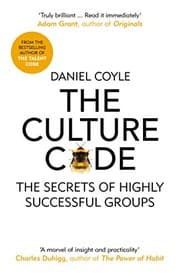
God, you know, thank God. No one on my team is like a true liberal. Cause that would just not work. But like, it's fucking tough. Hey, have you read the book culture code?
No, I know of this guy just, I'm not got done with it. I'm about 80% done with it. Um, you should check that out. It has a lot to do with teams and stuff. Shit that kind of blows your mind.
So yeah, well, that's good for you, man. I really, I really like, uh, I really, really sounds good. And I love the fact that you're helping people. Cause that's, I know that of you, but you like Ben Shapiro so much. That makes me doubt if you really are trying to help.
What are you talking about? He's a national treasure. I, I, I would just, I was doubting you an anti-semi. I'm like, Oh, is that what it is? Cause he's Jewish.
You don't like him. What are you taking supplements? You taking supplements? What, what are you doing? What are you, how do you like him?
Hey, Hanley, what the hell are you doing on the side of these rocks? What? What in the hell are you doing on the side of these rocks? I'm flipping open my face. Oh yeah.
And I'm seeing your rock climbing, man. Gordon, what in the hell? You know, Gordon, Gordon came to the mastermind day. I'm like, where did this come from? He's a bad-ass, like adventure mountaineer.
Dudes like cross the continental divide and done all kinds of wild shit. I mean, that was, I did not know that. Okay. Dude, that was like, that was like a cream puff day for him. Like he, he, I was done.
I was toasted completely. I couldn't do it anymore. And he's like, ready to go up again. And I was like, dude, am I like, and I'm, I don't want to like ruin your day. Cause I'm, I like, I was done.
Like my fingers are bleeding. I got scrapes all over my arms. My knees, my legs are like shaking as I'm climbing. And, um, and you know, Gordon's rocking it out. But, but yeah, he'd been, he'd been, uh, Gordon had been kind of saying for a while, let's go do something.
Let's go do a tough month. Cause, cause Gordon is my accountability partner. I actually, this morning we had our call every other Friday for like three years. We have an hour long call where we just kind of check in with each other and push each other. And he kind of walks me off the ledge with some of my more crazy ideas.
I run them by him first. Then he says like bananas or, you know, maybe that's reasonable. And, uh, so, so he's been kind of saying, Hey, come do these things for a while. And finally, you know, with the divorce and everything, I'm like trying new stuff and trying to be like, find Ryan again, I guess you could say. And, um, uh, I just said, fuck it.
Let's do it. Like that sounds like, let's do it. Let's go rock climbing. It's an hour away. It's perfect.
So I met there. He brought another buddy and dude, it was awesome. I don't know that I would want to do it all the time, but I'll tell you, I will definitely do it again. And it was a blast. It was an absolute blast.
Like the sense of accomplishment. I mean, you're climbing a sheer rock face and like the guide that was with us. I mean, when I tell you, I mean, people can't see this, but like you are holding onto crevices with your bare fingers that are like fingernail size and you're pulling yourself up on him. And like in a million years, I would never think like you could do this. But when you have a guide down there going, here's how you do it, bam, pull.
And like, he's like, look at that ledge. That's a huge ledge. Dude, I'm telling you, the ledge might be half, half an inch wide. And he's like, that's huge. Put your foot on that.
And like, it's just funny. And so we made it up about 195 feet was the top summit. And it took two, they call them pitches. I'm just, I'm learning the language. You know, I didn't know this.
So like we pitched up to a platform about a hundred feet up. And then we pitched up to another platform about 95 feet from there. And that was wild. Cause you're looking out over your shoulder, dude. And you know, so we're from where we started the climb, we're 175, 180 in the middle of this climb and looking over your shoulder.
But the valley floor was like 1200 feet down. So like, you're looking out for this and it just feels like you could fall into the abyss. That's what it looks. I mean, obviously you're all harnessed up and shit, but like, it was wild. It was very, very cool.
Like, what do you mean harnessed up though? Like, I'm thinking like, how the fuck are they getting? Sorry. Like, belay on belay, man. I mean, and they just drool it into the whole, I'm just so sorry.
I'm not scared of heights. Yeah. I mean, I will tell you that when I got to, so the first three climbs we did were on this kind of like beginner rock face, about 60, 60 foot climbs. You just, he's, you know, somebody's on the bottom, you know, and it goes up, goes up the mountain. And then there's a, there's a, uh, an anchor hook on top and it comes back down and you climb it.
And if you fall, you drop about a foot, but then the person who's got you, he's got you and you don't go anywhere. Okay. So who put the anchor on the top? He did. So the guide climbs all the way up, puts the anchor in and does all this thing.
The guide's doing all this, a lot of this for you. And then you climb. So, so really, you know, the first time I slipped off the wall, there was a brief moment of, I'm going to die. And then all of a sudden you can catch yourself, you grab back on the wall, you keep going. So you kind of, in that climb, you kind of learn like, okay, this is fun.
I'm probably not going to die. Like this guy's got me the rope. It's all, it's pretty good. So we do that three climbs up and down. A couple of them were, were really difficult, but you know, there's nowhere for you to fall.
So it's all good. So this, so then we do that. We stopped for lunch. That's the morning. And then he goes, let's go.
How's everybody feeling? You want to do more? So we're like, yeah, sure. Let's do it. We've got the afternoon.
So, so we go to, um, to, uh, this other part of the mountain. Now I'm looking up that 250, the very tippy top of this climb would be like 250 feet in the air. I mean, you're looking straight up this thing and you're like, holy shit, how do we get up there? So he starts showing us and he's talking and he's, and it takes a lot of work. Like the one thing I realized about this is like the amount of effort, consideration, time of getting all your equipment, right.
Like getting everything set up, making sure you're hooked in, tied, double, there's all these like double checks and acronyms for like making sure all your gear is right on and all that kind of stuff. Cause we, you know, you don't want to die if you fall. That's the key. Kind of serious. Yeah.
So, so this is definitely a serious thing. Like you're not, this is not like a fuck around moment. Like this is like, if you don't do all this stuff, you die. Like that's how it works or you are serious. That's simple.
Yeah. So, so then we get up to the first, so we, so we climb up and you're climbing and we get to the first platform. And this one was a little bigger cause all four of us had to stand on it. It's probably about a foot and a half off the mountain. There's four of us on this platform and you turn around and look over your shoulder and you're like, and literally like I grabbed onto the mountain, like my hand, like just went whack and I grabbed on and he looks at me and he goes, and he was kind of funny, but you know, but he was like, give me shit.
He's like, bro, you're tied in. You're good. Like, you don't have to hold onto the mountain. I'm like, ah, I'm going to hold onto the mountain. I hear what you're saying.
I appreciate that, but I'm going to, I'm just going to keep my hand right here for a minute, you know? And then finally you start to like ease up a little bit, but your heart is like whack, whack, whack, whack, and you lose your breath and you get that whole like feeling of like, holy shit, like this is, this is, this is wild. And then, you know, but the other thing, and this is the last thing I'll say about it that I thought was really cool was, um, I don't know if you do any like meditation or hot yoga or run really long distances, but, um, what I really liked was when you're in it, when you're actually feet and hands on the mountain and you're trying to climb this straight up rock face and find the next ledge. And, you know, it's like, it's like putting a puzzle together. Like, where does my foot go?
It's not like there's just steps. Like it's just the face of a mountain. Like you have to figure out and, and based on your body size and strength, you have to use different grips and whatever. And, um, you are completely in it. 100% in that moment, you're not thinking about your personal life.
You're not thinking about work. You're not thinking about your kids. You're not thinking about some email you got to respond to. You're not thinking about anything. All you're thinking about in that moment is climbing the face of that mountain.
And, you know, I don't want this to get too fufoo-y, but, um, it is a very kind of like Zen-ish meditation thing because you are, I mean, how often are we able to give 100% of our attention to something? And for that 15, 20 minute period that it would take to traverse one of these pitches, one of these climbs, you are not thinking about anything else. You're not thinking about, you know, you're not thinking about it. You're thinking just about that thing. So you get to the top and you pull yourself up and you have this major sense of accomplishment and your body kind of goes, oh shit, we're not going to die.
So that kind of happens. You feel good about that. And then you kind of like realize like, oh my God, like I was in it. Like I was in it. I was, I don't know if you call it blow or Zen or whatever the hell you want to call it.
You were in the pocket. And that part of it, that was probably, I don't know that I would say it was my favorite part because it was just a great experience, but I was, it was something I didn't expect and really, really enjoyed about it. And could be the thing that brings you back, right? Yeah. It's the, it's the adrenaline of that, the addiction of it.
What's up guys. Sorry to take you away from the episode, but as you know, we do not run ads on this show and in exchange for that, I need your help. If you're loving this episode, if you enjoy this podcast, whether you're watching on YouTube or you're listening on your favorite podcast platform, I would love for you to subscribe, share, comment. If you're on YouTube, leave a rating review. If you're on Spotify or Apple iTunes, et cetera, this helps the show grow.
It helps me bring more guests in. We have a tremendous lineup of people coming in, uh, men and women who've done incredible things, sharing their stories around peak performance, leadership, growth, sales, the things that are going to help you, uh, grow as a person and grow your business. But they all check out comments, ratings, reviews. They check out all this information before they come on. So as I reach out to more and more people and want to bring them in and share their stories with you, I need your help.
Share the show. Subscribe if you're not subscribed. And I'd love for you to leave a comment about the show because I read all the comments. Or if you're on Apple or Spotify, leave a rating review of this show. I love you for listening to this show and I hope you enjoy it.
Listening as much as I do, creating the show for you. All right. I'm out of here. Peace. Let's get back to the episode.
You know what? Outside of that, that last five minutes you talked about, as you were talking about that, the rest of it, I thought to myself, God, this sounds like being an entrepreneur. You know, like, like, you know, focusing and having to every hand what's, what's dependent upon you. And I mean, there's not like, like you said, there's not steps, right? It's freaking like, okay, you're going here and you're going there.
And, and, and the person who's behind you is not necessarily taking the same thing. Right. So you really don't have a ton of guidance. You've got a guy at the bottom who's usually our mentor that says, well, you could go this way and that way. That's usually the best way.
Um, and, but at the end, if you fall, you have people. Like me that catch you, you know, when, when you fall, you got people that, that help you. And that's the point. And what's the greatness of the IA network is it kind of takes away that fear a little bit. Cause it's like, you're thinking, let's be funny for a minute.
Cass is dumb ass is doing it. And I'm thinking, well, if Hanley's dumb ass can do it, you know, it makes us go. So, you know, this is, um, and this is in no way a judgment of her or a knock in any way, but one of the things that was always, um, space between my ex-wife and I was that she was coming up in a very successful family agency, which she has helped grown and done a tremendous job. So I'm not talking shit about her in any way, but like the fact that no, no, you know, she was, her mindset was, you know, her next paycheck is coming, right? There's never a moment, you know, that's an established agency that she is growing and do a tremendous job, all that kind of stuff, but like, none of the risk, none of the, like, I'm going to put my hand here.
Like I would yell to the guy who, uh, was the, the, the, the play on guy, the guy who, who was holding me. Like if I fell that it was his body weight was what's going to catch me at certain times I would yell to him. Like, I'm about to do something right now. Like I'm about to make a move and I could fall on this move. Like some of the moves, you know, you're not going to fall.
Like you just know, Hey, I'm going to pull myself up. But the moves are like, I kind of have to reach with my left foot way out and pull with my right arm. And if my hand slips, I'm coming off the mountain. Like, and you would, I would yell to him like, Hey, you know, so those moments, if you haven't had to, if you haven't had to make those moves, right. If you've never had to take a step where if you fuck it up, you fuck it up and there's real ramifications, like your business could be over.
You can take, set yourself back years or months or whatever. Like you could lose employees. You could lose contracts, customers. Like when you're an entrepreneur, you, those are things you, you do almost on a daily basis. And anyone who hasn't experienced it, I'm not knocking anyone who hasn't experienced it.
I'm just saying it is very, very, very difficult to have some types of conversations with people who've never actually had to take real risk like it today. And honestly, up until Rogue, maybe I had done it a little bit that, you know, I'd have like a speaking business. I've done a couple of things. I've been part of some, but, but not really, really. Um, but after having Rogue now, it's almost like it's changed me.
I, I, one, I'm so much more comfortable and I've always been a little bit of a risk taker today, I'm so much more comfortable with risk and even in things like, like, God, like I hit a couple of nice bets on the bills game last night. Like I bet you did even stupid shit, like betting and gambling and stuff, which I, which I like, I like that stuff. I mean, I, it's not like I'm wasting my fortune on it, but I do enjoy it. Um, uh, you know, you just start to get a little more comfortable with, with, you know, and, and the other thing you do, and I'd be super interested in your, this is really the take I'm interested in is like, you almost start to get like this risk calculator or risk filter in your head. Like you develop this section of your brain that is constantly evaluating risk to reward and you almost start to get a feel for, and I don't mean it's like an absolute or some like genius, but no, we're all start to develop this.
Is that a risk worth taking or not? And you can make that in a snap. You can kind of make that decision on the fly where before I had to, before two years plus of not making a single dollar, every decision could, could blow up the business. I got $50,000 of my own money sunk into this thing. And it's, you know, I'm lighting it on fire every day until that time period.
I didn't have that. Now I feel like I do. And it's very hard sometimes to talk about certain topics with people who haven't experienced it because you can tell they don't know what you're talking about. Do you, do you, does that make sense what I'm saying to you? You know, Billy says it all the time.
He says, Jason, the one, the day that you stopped selling in your agency is the day your agency blows up, blows up, meaning like expands, grows huge. Um, and we did that three or four years ago in it, and I didn't quit selling. I always had to sell. Um, but yeah, I don't sell it in more anymore. The last couple of counts we've went in, the guys sold it.
You know, I've got these two 20, I've got two 22, 23 year olds. Now, uh, one of them is my son. One of them is, uh, Jake, Jake and Gavin played, uh, basketball together. They've won two national championships when they were in fifth grade and seventh grade. Um, and he, Jake six fives.
So he was the down low guy. My son was the shooter. It was fun, but Jake calls me last year. And once, uh, once Dakota work, we, uh, him and my son, we bring up my son calls basically at the same time, but these guys haven't talked in like four years. Um, it was just really weird.
We got them licensed in August. We put them through some serious training, put them through David's training, became members of Charles Specht, done the Billy stuff. I really got them lined up, started prospecting around November, December. They started going and seeing appointments in January. And I mean, these guys have written a little under a little tad more, well, it'd be a little tad more than a million dollars in premium.
Um, and you know, Jake's up there around six 50, six 80 Gavin's up there probably around five. And I mean, the last account they just closed on nine one, um, anybody can call and you can ask. It's a true story. $572,000, uh, account that they, they closed themselves. And it was, it was pretty impressive because I was there with them. Um, I think I, there was a couple areas where I had to guide them back to what they needed to tell the CFO, but I was really proud of them for what they were doing.
Um, and I think once again, with those capable people, uh, I have not, I mean, I really feel blessed like you. I feel, I feel really good and secure. That's why I'm saying that stuff that we said 10 years ago, um, it hasn't made this life easy for us, but we knew that we had seen the right light and we just had to keep going. Whether it was people that were in our lives that were making it tough or whether it was the business or the market or, you know, I mean a lot of different stuff and a man, the next in 10 years, um, I, it's going to be even wild because we know it's going to be data driven, right? We know the, the, it is the data driven.
We went from customer service. We went to customer experience. I think there's a lot of other customers. I think we're going to customers excellence. I've said in the past, I said this in 2018, when I came out with the great separator, the presentation, it's not, it's about finding our customers on expectations, not so much their expectations, but what are they not expecting that they need in the experience?
And I think it's, it's data that's going to show those behavioral traits. And I think that that is going to be the biggest factor going forward. What do you think, buddy? I, I agree with you. I think data is going to play a large role.
Um, I think that, I think there's also going to be a lot of mistakes that are made with data. I think, and the reason I say that is I think data, data is, um, data can be as much as it can be a boon. It can also be a trap, right? So you can, you can, if you dad, the right data analyze the right way. And, and I'm going to put right in quotes, because that's going to mean a lot of different things to a lot of different situations, a lot of different companies, but just taking that for what it is.
Um, incredible. The things you see, the pivots, you can make the decisions you can make. It's unbelievable. It's, it's absolutely a big part of the future. The days of your intuition alone, alone being enough.
I still believe human intuition, gut feeling. There's a part of that that is so important, even if just from a cultural standpoint for your company, but I believe it's very important. Um, that being said, data used the right way. Incredible. The same time as we can, as we've seen from some of the startups that have come out from, you know, some of the people who, you know, rose to prominence in our industry.
And now where the hell are they on the back of data is everything data, data, data, data, data, data, data, data, it can be too much, it'd be a trap. You can get lost in data. And at a certain point, and this is a conversation that I I'm super interested in your opinion and love your take on at a certain point, the data doesn't help. Like it has to be helpful, right? That's the thing is data.
People have pitched me data products, data dashboards, and I look at it and I'm like, what does that give me? I get it. I think it's cool. Like cool that you can do this and this and point to here. And I find out this thing I Hartford is 37% of this part of your boat.
I'm like, okay, that's great. But what is that? What do I do with that? Do I, are you telling what, what is the, what is the action item? I don't care about the data.
Honestly, I give, I give two shits about the data. I, I would rather God just came down and told me what to do. But being that I don't think he's going to take time out of his day to help Ryan run rogue risk better. You need to show me not the data, but how, what is, what is the data telling me to do? Right.
That's what I, that's it. That's where we're going to be in 10 years. Yeah. We will have the software, the behavioral, it's going to take a while to build that. But I also want to go to what you said here.
Um, uh, this is actually, if you're coming to IAOA, any of you listeners, this is actually in the presentation. I'm reading this off my phone just to make sure I'm just giving the little notes to make sure the year's right. But in 1997, Watson for the first time ever beat a master chess chess, uh, champion and no, from that point further, no other chess master champion ever beat them until 2008. They found out that a human and Watson could beat Watson. It's about that behavioral of what's happening with the client.
It's about the agent and how they're going to use that AI technology, that data to be able to meet that person in, in, in a difference, in a different type of way, what those ways are, what those ways that are going to analyze that. That's where I think we're going to say, holy shit. I mean, we just had data, but we didn't have anything. One of the things that Nicholas Ayers, I'm going to throw it out there. He said this a long time ago.
He's like, data, data, data, data, data. What are you going to do when you get the data? Right. You know, if you're watching YouTube, what are you going to do? Oh no.
And I mean, I could make fun of Hanley too, and his pointing things, but no, he asked that question. And when he asked that at a conference one time, I thought to myself, wow, that is point. We've got all this data and we want all this data. What the hell are you going to do with it? What does it mean if you don't have a plan?
And kudos to Nick for saying that a couple of years ago. And he's right. He's still right about that. And I think that's what you're saying. Yeah.
That's exactly what I'm saying is that it is a trap to think that data is worth anything. It's not. Data is not worth shit. Don't fall for any trap that data is worth anything. It's not.
It's numbers in a freaking database. It means nothing. What are you going to do with it? If you can't extract usable insights from that data, it is worthless. It's meaningless.
It doesn't mean, you know, I mean, I guess if you're being prudent, you should collect as much data as you can, because maybe down the line, we find ways to make it useful, I guess, just being hyper practical. But like in general, the idea that, you know, you're going to pay all this money and spend all this time for data of its own. And again, this is one of the things that enamored me to Seth and Neon way back in the day was that his, you know, I don't know as much of where they are today. I'm just not as dialed in for a few reasons, but like the original vision of we're going to give agency owners access to their data and then create ways through working together and kind of a cooperative environment, extract insights that allow us to work. That's what turned me on.
What turned me on was not data. It was, I'm going to be able to, I'm going to be able to give my people actionable things that they should do to improve our business based on the data. So if you're evaluating a tool, whatever. This is important. Yep.
This is important. So it's what you're saying here. Seth is nothing more than you and I were for the last 10 years that we would come out with DEMA. We would come out with grow. We would come out with things and like, it was really great.
And then like only a certain amount of people because of the adoption curve. Right. And then in three, four years, five years, everybody was doing it. And Hanley and I were like, man, we were too early. Yeah.
I think that's what Seth was. Yeah. And I believe, like you said, okay, and I'm just using what you said as just an example. It doesn't mean anything. Hartford's 30% of my book.
Let's get wild here for a minute. When we know that Hartford is 34% of our book and we know the behavioral traits of that and we can track it. Now, all of a sudden, when we go to sell our book, we don't sell it at two and a half times or 10 times EBITDA or whatever. We now start to look at each piece. Maybe someone wants to buy the piece of Erie.
Maybe someone wants to buy the piece of Hartford because what's worth one more to the other. If I've got $250,000 with Hartford and premium, who cares? Well, an agency who needs to get $200,000 to hit a bonus this year may be wailing to pay a little bit more for that, right? So that allows us to separate it there. Now, let's even go a step further.
Let's go into Seth's zone that only few people have heard him talk about. And this shit's going to happen and it's going to be wild. Think FanDuel, but for insurance agencies. I believe that there will be at a time that Seth does, and I believe him, that there will be a time where data will be transferable so easily amongst agencies that we'd actually be able to almost have like a FanDuel to where you could bet on certain agencies and bet on certain profiles. It's really kind of cool.
But let's take it to what Seth actually says. He believes in a stock exchange to where data can be changed and interchanged between carriers or agencies of different carriers to where you could own a traveler's book today, but you may not own a traveler's book next month. But yet, because the data is so easily switched back and forth, this could be a, you could have 15 carriers in one simple year based on the fact that they could be different. And I own three of yours that you had last year because you built up the small business and we're slow on small business and I'd like to have that. So let's just me buy you now and you transfer it over.
He's got like this stock exchange idea. That's just a douche if you hear him out on it. Yeah, I've heard him do that before. I'll be honest with you guys. And I mean, no disrespect, Seth, if you're listening, it's one of the few ideas that I completely disagree with him on.
And the reason it's going to be right. And the reason I disagree with him on it is because who the fuck services the business? If I'm buying your traveler's book this year and you, you know, Bradley buys it next year and then Paradiso decides he wants some travelers and he who's servicing that business. You're assuming the same service model that we have today, though, because it's a good question, but we're also assuming the same service. Well, I'll tell you, you know, I have based my entire agency around the bet.
Right. So, again, this is, again, where I place my chips that humans have to be involved in the process. And what you just described to me, I don't know how. So, like, let's take a consumer. All right.
So let's take a consumer in this model right here that we're talking about. So you have the traveler's book. I do business with Jason Cass. Jason Cass is my guy. Actually, I really don't like Jason.
He's kind of a prick. I like Gavin. Gavin's the best. So I'm doing business. Yes.
Okay, great. Good kid. Like it. Good jump shot. Awesome.
Okay. So now all of a sudden I get a notification. You know, John Thomas at Portal Insurance from Bradley Flowers. They're now my agent. Who the fuck is John Thomas?
Where am I going? Am I going to travel? Now, maybe it's a traveler service center. Okay. Boom.
That's it. Yeah. Except how do you solve retention in that model, Cass? Because you can't, without a human involved in the process, you cannot break 40% retention. Can't do it.
Can't break. Right. But there will be a human. There will be a human. Who?
That's like staying a lawyer. Jimmy Jones, who you call? No. Carrier. And the service center.
There's people that answer. And AI technology helps write that. Small business carrier service centers. Their model does not work. They're terrible.
They blow. Middle market carrier service centers. Central has a decent one. Cincinnati is a decent. Hanover's is okay.
But the account has to be big. And every line of business has to be with that carrier. So, in order for a commercial carrier service center to work, and there's only a few that are good. And the ones that I named are good. But the only way they're even good is if every line of commercial business.
Now, for any of you who have ever sold a commercial account before, how many of your accounts have every line of business with the same carrier? Almost zero. Almost zero. Unless you're just writing a single bop. No, no, no.
20% to 30% of ours are. Yeah, if it's a single bop, that's different. I'm talking about a decent size account. Yeah, $500 bop, and that's all they have with no comp? Yeah, sure.
I'm sure that's fine. Yeah, yeah, yeah. You're talking about a large account. Not even large. Just, I have a $2,500 bop.
I got $7,000 in comp. I got commercial auto. If just those three policies, there's no way they're all with the same carrier. I bet it's less than double digit percentage for someone who has those three lines in commercial to all have them with the same carrier. Because half the carriers won't write commercial auto, comp rates are all.
Okay, so that being the case, now I buy your traveler's book. So now I'm calling the traveler's service center for my bop if I'm a customer, but where's my comp? Well, I call Gavin. Gavin goes, we're not your agent anymore. Oh, wait, no.
We are your agent for the Hartford part, but we're not your agent for the traveler's part. And we, and then, but we sold our progressive book to Scott Howell's agency. So, so now for progressive, you got to call progressive direct or Scott Howell's agency for your travelers. You got to call the traveler's service center, or you got to call Bradley flowers agency, but you can still call us for the bop or for the comp that you have at Hartford. It doesn't fucking work.
It's an amazing idea. I like it as a, as a marketplace where I could buy it and it's mine forever and I don't sell it for a while. But this idea that you're going to interchange books of business and pass them around like their securities is fucking bananas to me. That's the one I think of all the ideas that I get, I get mad at people who use the lens of today to look back and try to make judgments for and against them. I'm not using the lens of tomorrow.
I think you're using the lens of today to look forward and not understand that there you're basing it on a sales model of today that may not be here. That's all that's all I'm saying middle management fucking hack from some large carrier who, you know, has to throw out one decent idea idea to keep their business. This is what I think about all day. I believe in the future, thinking about the future that you, unless, unless carriers go to a model where they are willing to write all lines for everybody. What about their cyber cast?
Where do you put their cyber? What about when they call for cyber? Where does that go? So now they're going traveler service center through Bradley's flower agents for travel. But what you're saying is we have a service center that services all of it.
We have a service center that services all of it. You're not going to make any money that way. You're not going to make any money. You could have four, you could have five regional service centers across America, and you've got to be part of one of those regions. I'm just saying.
Whichever one of your people are listening to this, have them bookmark this. We'll come back in five years and see what's happening. No, I say 10. It's because this is way out there. But, but also it's like a lawyer.
The lawyer today has 13 paralegals. We'll also be flying cars. We'll be beaming ourselves around. And the paralegal will be the currency of the world. We'll do that because Republicans are holding us back.
So the problem with it is, is that you have to, you have to think about that. I mean, how that is. We're using a model that is, that we're trying to compare. I'm literally talking about a stock exchange of our, of our fricking. I know exactly what you're talking about.
If we're, no, no. If we're at that point over there, we're not doing the service side. I'm just saying. Like we are. I think it's an incredible idea.
A lawyer who has 13, a lawyer who has 13 paralegals today will still be here in 10 years. But he's only going to have one or two paralegals and AI that's surrounding. That's a completely different thing. No, no, no, no. When you use that and you use data transfer, you don't have to have 600 people in a service center.
You can have 10 people in a service center who are able to actually route this stuff to where it's not a person saying, Hey, I'm calling Jim or I'm calling them. That's not the way it'll look like in 10 years is what I'm saying. This service model we have now is not working. They can't keep trying to cut my expenses and keep trying to put things on me and force me into aggregate. There's the only way I can get extra commission.
That doesn't work. That doesn't work. So I think I'm, I'll be honest with you. We're talking about, we don't know. Yeah.
I'm just saying, I think you're wrong. I also, I heard you take that pot shot at Republicans. Your boy, Gavin Newsom just said, everyone needs to have an electric car, except you can't charge your electric car. So there you go. There's a Democrat.
He's one of the top 10. Where's my mic? He's one of the top 10 worst individuals in America. He's one of the top 10 worst individuals. This sound right here is me dropping the mic.
That's me dropping the mic right there. And you're 100% right, but he's the worst individual. Top 10. I can't stand it. He's going to be your, he's going to be your nominee.
He's going to be your nominee. I am a Republican. I am a Republican. I'm voting Santis the whole way. So it doesn't matter.
That's who I'm voting for. Democrat and Republican close. Son of a bitch. Never voted for a Democrat once in my life. There, there, I did have a friend when I was younger who was running for state's attorney for Marion County.
I voted for Matt Swalback and he's a Democrat, but I think that might be the only time I ever. If I'm confessing my sins, I voted for Obama the first time. I did not vote for him the second time, but I voted for him. No, I was a McCain guy and I was a Romney guy. I hated McCain.
God, me too. Hated him. Hated him. I didn't hate him, but I didn't like him as a president, right? I liked him and who he was.
Yes. You know, fine as that brings in Sarah Palin. What the hell? I was actually a little excited at first on that. She was hot.
She's hot. She was actually smart for like the first week. You know, I guess this after she got past the talking points, it was real bad. So, but anyways, no, good politics. Good politics.
Politics are just so crazy today. So crazy. It will calm down. It will calm down. And I've said this for the last three or four years and I changed this, my family.
I said over the last three or four years, there will come somebody, this or someone that will come along and will unite us because that's what leaders do. I've changed that in the last three, four months. I believe there will be something. I believe there is no doubt a showdown getting ready to come up in the next four, seven, ten years. That's going to have to, that's going to be a showdown with China.
World War three against China, China, but you're going to have Russia. All the, all of them are aligning right now. And I do not want that. Listeners, I am not saying that. You can't have Democrat warmongers running the country the way they are.
And I mean, I do not want this. One of my, what I'm saying, Hanley and I don't want war. One of my filters for if someone is an idiot or not is when, if I ask them about who, who's a bigger warmonger, Democrats or Republicans and everyone, idiots default to Republicans. Now, if you give me a case, I will not consider you an idiot. I'll just consider you wrong.
But like when they just go Republican and it's like, defense spending is what someone would say 30 years ago. Yes. But today, not even the last decade, basically since Obama there, I mean, it's fight a war to, to jack up or get whatever that it's just, it's insane. It's absolutely insane. Like to think today, if you, if you're looking, the other thing too is, and this is my biggest beef with politicians today.
This is the, the issue that, that bothers me the most. Cause like all this like trans and, and, and ethnic stuff is so fucking stupid. Like we had all this, we were on the right path. It wasn't perfect. Don't get me wrong.
I'm not saying that there wasn't racism or all that shit for sure. And all, and I hate all that. I hate it. Um, all need, you know, we need to do the things we need to do, but like we were on the right path. It wasn't until Democrats needed this turmoil and spun it all up into making it into this terrible thing that it is today, that it's just so sad because this is such a great place to live.
And we'll talk about how you switched it though. You said like the warmongers and who not. And I agree with that. I actually agree with that 100% and also think of the other parts, like the Republicans were kind of the rich, kind of the ones who the rich kids went to school and stuff, and then they all became Democrats. And now the Democrats are the ones with the money and the hardworking guy, which used to be the blue collar guy with the Democrat, the hardworking guy now today is represented.
My dad worked for the railroad. My dad worked for the railroad and was a lifelong Democrat because that was the working person's part. I mean, I'm back then working man's party, but the working person's party was raised the Democrat and then just lived through the nonsense of now all these coastal elites trying to push all their shit down onto everyday people. And I'm like, in a day-to-day basis, everybody kind of gets along. And then you watch TV and you're like, everyone hates each other.
You're like, wait a minute. That doesn't really seem like the world that I live in. Like, I don't understand. Come on. Come on.
Here's my, here's my issue. This is the issue that drives me the most crazy. Come on. Where the fuck are the nuclear plants? All this nonsense with California, with the power grid, with needing Russia, with needing all this shit.
If we, and look, Gen4 and do a little, if you're like, Ryan, you're an idiot. This is a stupid topic. Think about all the problems, energy, all the, I mean, here's another thing. Every wind turbine and fucking solar panel that we put up, you are polluting the world just as badly as when you, is when you, except for coal, take coal out of the equation. Cause that's terrible.
The fact we still burn coal is bananas, but like outside of that. Like, uh, uh, uh, petro and natural gas is cleaner than the fucking lithium and all the chemicals and shit that they have to dig out of the earth to put into all these turbines. Okay. So all of this batteries for the electric cars, all of this nonsense is solved with Gen4 nuclear reactors. Do a simple Google search on it.
They are self-sustaining self eating, which means that the waste isn't, doesn't need to be stored anywhere. The reactor actually eats as you feed more, um, uh, radioact material in the old material. So they, they, they self-sustain and like, I get it. No one wants to see smokestacks in their backyard, but the Gen4 reactor is about a third of the size of the old school double, double silo, whatever. So like, if we just had a power grid based on nuclear energy, we would be completely self-sufficient.
We could probably run the entire country on electric cars. No problem. Right. There would be no issue. We could all have electric cars.
The cost could come down and all of these. They're having power outages in Texas and Mississippi and California. And I'm like, are we a first wheel? Because it's solar panels. Because it's solar panels.
It's the least efficient way. I know, but it's like, come on. Oh my God. You see this. Regardless, if it's solar panels or not, we shouldn't be in this situation.
It's like, this is freaking ridiculous. Morons. I hear you. Hanley. Hanley, we got to get back to our empires.
All right. Last final thought. So I'm going to give it to you. You start, we just went off the rails like we do. Hopefully people stuck with us.
Final thought. Let's pull it back to the insurance industry. Final thought. It could be anything. It could be something today.
It could be, you know, whatever's on your brain. Last thought. Last thing you want to share with the audience before we get out. If you need time, I will go. Go.
I believe today that, um, more than ever in having hired across the spectrum from, you know, baby boomer age to whatever the hell you call 24 year olds today, I've hired people within that span across the board for almost every position in the company. I believe today that mindset and culture is the driving for, and I know that's not a new thought, but I think it's becoming more and more important as we go remote and remote and work lifestyle. What we've seen as a trend in our agency is that people care less about. So I was taught in you to maximize your income potential, get as much money as you can, and then build the life you want yourself. And what I've seen people want across the board, across the spectrum, more than ever is a good place to work.
That's going to facilitate their lifestyle. And in exchange, they're willing to make less money. You know, they're not, they're not, their first thought isn't pin the income lever as far to the right as you can. It's okay. What can I get in exchange for being able to leave at three o'clock to get my kids off the bus, having the flexibility to come in late if my kids are sick or, or if I have to take my spouse who has this chronic illness to the doctor or whatever.
So sorry, my computer just did something wacky. Sorry guys. So, you know, I believe that today how we build, how we build culture and work style into our businesses is, is, is as important almost as any other decision as we make, because it's how you get talented people. And, um, it's been one of the biggest revelations to me is I just thought everyone wanted to pin max income potential. And that is, we are over and over and over again, we are seeing that that is not the thing.
And, um, I feel like we've been fairly successful in hiring. I'm very proud of the team that we've built. And we're at, like I said, 16 or 17 people. And so much of that is positioning our business around facilitating lifestyle, not just maxing income. I mean, obviously you can make a lot of money.
I like the word facilitating. I like that. That's a good word in that situation. I don't thought. Yeah.
Um, I've got a lot, I mean, also to be, to be, you know, um, uh, self, uh, advertising, I believe truthfully that virtual, um, employees are absolutely essential in agencies. They allow for me, as I said, to be able to go on these vacations. But what I think is a unique is one of the things you said earlier really kind of helped me with one of the things I've been thinking a while is this unique thought, and this is just this isn't in the insurance industry. I have friends who are successful in the real estate business or own a manufacturing facility and they're 40 and 44. And they're just thinking about selling because they want to take their one.
They want to take their five. They want to take their $10 million and go do what they want. And it's weird because as the baby boomers have stayed and extended, we have been, a lot of us have been successful enough that we actually could shorten us, which actually will help the generation before in a very unique way. I had never really thought of that until you had pinned those, those boomers is going out so far. And I think that you will see an exodus of agency owners between the age of 45 and 55 that will not do what the boomers did.
And you're going, you're going to see those people do it. And if you do it right and you come in, I'm not saying doing it wrong means you're doing personal lines, but to look at Jake and to look at Gavin, they will have a completely different life than you and I had at the age of 25 and 26. Jake's talking to me the other day. Gavin's done this too. And he, they'll say, um, Hey Jason, I'm working on this account.
They're not allowed to prospect anything less than $10,000 in revenue. If they got a buddy, who's got a body shop down the road that wants them to write their insurance. Yeah. You don't walk away from that, but this is what they're allowed to go after. And he said to me, Hey, I've got this smaller account.
We start discussing it. And, and I said, well, what's the premium? And he's like, ah, it's not really that big. And so finally I said, well, what is the premium? And he's like, well, the work comps just 50,000.
And I, at that point in time, I heard Billy in my head about Jason. It's the denomination in which you think of, you gotta think big. That's one of my favorite Billy isms. Yeah. And it's still hard for me to do that.
But when you start a producer off with that thought and they get that successful that early, that means I get to leave early. Yeah. Right. Doesn't necessarily even mean I have to sell because a lot of these guys will tell me, I don't, I don't want to be an owner right now. I mean, they're, they're 23, 24 drinking at night, spinning the time on code.
They're going to concerts fricking five times a week. You know what I mean? That's what they do. They don't want to be a leader. You know, they don't even want to lead.
They don't even want to learn leadership skills right now. They just want to learn, Hey, how do I get the next prospect? So I think that there's going to be that. And, um, I'm, I'm, I'm really excited about that. But yeah.
Hey, hey, listeners, I know it's been a long one before we get out. Last question. You're looking super young. You Botoxing, you Botoxing, what are you doing? You're looking good.
No, it's nice, dude, bro. 75 hard right now. I'm in the middle of a 30 hard. So I'm doing a 30 hard set to for the month of September. Um, bro.
I went from one 76 down to one 62. I'm starting to, you know, I'm starting to build mass and shit like that. And yeah, so no, that's what I did. I'm not even going to lie to you. Hanley.
I want you to know this. This is 1000% the truth. When I saw you at brain share in San Antonio, I was like, look at that motherfucker. What is, who's he think he is? And see, I was getting ready to start 75 hard the next week.
Right. And so I'm like, he gave me some motivation. I know who he is. Hey guys, if you go back to our Facebook page, go back to 2013, when we are in San Antonio, Texas, do you remember this picture we took outside of the Mexican restaurant? Yeah.
Look at Hanley back then. I was about 210 back then. You were huge back then, dude. Yeah. Now I look good too.
Don't forget that. I swing between 190 and 193 now, but yeah, back then I was 210. Yeah. I, I, I carried a lot of extra weight now. I'll never forget that picture.
Yeah. But anyways, dude. All right, man. Love you, brother. It's always amazing.
I, if anyone was able to keep up with this podcast, God bless you. There should be like an award if you were able to follow along this crazy fucking ADD trail that we just went down. This was one of the best I think we've done in a while. But no, appreciate you as always. This is amazing.
You're the man. Be good, homie. See you, brother. See you. Close twice as many deals by this time next week.
Sound impossible. It's not. With the one call close system, you'll stop chasing leads and start closing deals in one call. This is the exact method we use to close 1200 clients in under three years during the pandemic. No fluff, no endless follow-ups, just results fast.
Based in behavioral psychology and battle tested, the one call close system eliminates excuses and gets the prospect saying yes more than you ever thought possible. If you're ready to stop losing opportunities and start winning, visit masteroftheclosed.com. That's masteroftheclosed.com. Do it today. Happy holidays.
Want to give your host a gift? Consider subscribing, rating, and reviewing the show this holiday season. It really helps the show grow. From all of us at Believe, have a Merry Christmas, everyone, and a happy holiday. If you like the show, please take a moment to rate, review, and subscribe.
It really does help the show to grow. Thank you for listening.