Did you know that driving under the influence of marijuana is illegal? That's right. Driving high could get you a DUI. And if you're wondering if law enforcement can tell when you're driving high, well, everyone else in your life can. Your friends can tell.
Your co-workers can tell. Even your parents can tell. So what makes you think law enforcement can't tell? Well, they can. If you feel different, you drive different.
Drive high, get a DUI. Paid for by NHTSA. Hello. I'm here during the lunch rush with Janice, who owns her own food truck. Best cheese steaks in town.
Janice traded up to Geico Commercial Auto Insurance for her food truck business. We're here where she needs us most. They sure are. We make it so easy for her to save, with customized coverage that grows with her business. Sorry, I just get so emotional talking about saving folks money.
Not this onion I'm chopping? It's just so beautiful. Oh yeah, nice, the onion. Get a commercial auto insurance quote today at geico.com and see how much you could save. It feels good to Geico.
Happy holidays. Want to give your host a gift? Consider subscribing, rating, and reviewing the show this holiday season. It really helps the show grow. From all of us at Believe, have a Merry Christmas, everyone, and a happy holiday.
In a crude laboratory in the basement of his home. Hello, everyone, and welcome back to the show. Today, we have an absolutely tremendous episode for you. Conversation with Ricky Hader, the owner of A&R Insurance Group out in Oregon. Ricky's also highly involved in Killing Commercial, David Crothers Community, been a huge part of the protege.
And Ricky's just an all-around great agency owner, great guy. Someone who I had the chance to be co-coaches with on the protege season one helped get Ryan Keating into the finals of the protege. And it was just fun to catch up with Ricky. Like, he's one of the people, you know, sometimes I, you talk to people so much out in the digital world, and I realize they just haven't been on the show yet. And I'm like, man, I can't believe you haven't been on.
Like, come on on, and let's just wrap. And this is just a great all-around episode talking about business and insurance and the industry and owning an agency and sales. And I just think you're absolutely going to love this episode. Before we get there, I want to give a quick shout-out to the sponsors that make this show possible. First, Propeller Bonds.
Propeller Bonds is changing the way independent agencies deliver a surety bond experience, making it incredibly easy. They have over 6,000 bonds in every state across the country. We're writing five to 10 bonds a month just by sending out simple links to our customers and saying, hey, if you have any bonding needs, start here. And, you know, it's like, again, not to bring up Crothers again, but something Crothers talks about all the time, mailbox money. It's mailbox money.
It just comes in. And, you know, you're becoming the bonding resource for your customers. Obviously, if there's some more intense bonds, stuff like that, you may want to look at them. But, man, notary bonds, janitorial bonds, municipal bonds, utility bonds, all the way up to $3 million performance bonds, you can get a lot of your clients. It's an absolutely tremendous resource.
Highly, highly recommend Propeller Bonds. We use them almost every day here at Rogue Risk and couldn't be a bigger fan of what Aaron and Taylor and the entire team over at Propeller Bonds is doing. Go to Propeller Bonds.com. Go to Propeller Bonds.com. Sign up.
Get appointed. You will not regret that decision. Also want to give a big shout out to Coterie. Coterie is changing the way we do small commercials. Coterie is pushing the envelope in what is a digital experience for independent agents in delivering small business insurance.
Coterie is another huge partner of Rogue Risk, another company that we do a lot of business with, really enjoy working with, and the customer experience is just so easy that they're going to start pushing some of these traditionals to change the way they do business because Coterie is just too easy. And they've got good paper and good people and good products, and with the ease of business, it's just a no-brainer, especially for some of the smaller stuff, consultants that need to maybe package their GL and PL together. Coterie is a no-brainer solution. Guys, go to C-O-T-E-R-I-E-Insurance.com. That's Coterie Insurance.
C-O-T-E-R-I-E-Insurance.com. Go to Coterie Insurance. Get appointed. Start writing more small commercial. You won't regret that decision either.
All right, let's get on to Ricky Hitter. Yo, what's up? What up, dude? It's another day in the neighborhood, you know? What's going on?
Yeah, man. Oh, looking forward to kind of a short week, you know? Yeah. I am and I'm not. Like, you know, Thanksgiving's the best.
Love Thanksgiving. You know, there's, you know, it's the best. At the same time, I am in this, I'm at this moment, which I'm sure you can relate to, where I just feel like any moment that I'm not doing family time, which I'm trying to be very diligent about family time. I feel like I feel like I need to be doing work time. Oh, my God.
Well, I have so much work to do. That's what that's part of what I'm looking forward to the short week, because no one at my office cares about my attention this week. So I could kind of like, maybe move some stuff forward. Yeah. Oh, dude, it's been, yeah, it is.
This has been, I'd say, since probably about August to now, and it's still going. This has been one of the most, maybe outside of planning the two Elevate conferences that I did. I'd say this has been the most hectic period of, like, my professional career, just in terms of how many things are happening, how many balls are up in the air, how many decisions need to be made each day. You know, the triage, where you're just letting things fall to the ground, knowing that, like, there's just no other, you can't get to them. Like, you're just, you can't get to them, no one on your team can get to them, and you're just like, I don't know what to do.
I'm just going to let this fall on the ground. Like, I don't know how to handle it. And, you know, that, it's been that way since August, really. It's been wild. Yeah, I feel you.
Yeah, we're making the turn to start building niches and really getting after it and being intentional after the last year, and to take the mindset from surviving and transitioning and an acquired agency into that right now and keep everybody all positive is really hard. It's a really big thing to move. Yeah, that's the, you know, and I'm just interested in your take on this too, because, you know, that's the hard part is, you know, our team, our team is growing, which is great. You know, you know, you know, you bought or acquired an agency and took on that and, you know, everything that comes with that. It's, it's wild how it is easy to operate under the assumption that everything's all good.
And it is wild how much that cannot be true and you just don't realize. Yeah, well, yes. It's, when you feel good, it's easy to, you know, do the good stuff, right? It's during the hard times to keep that up. That is the hardest.
And our job as the leaders of the organizations, we can't buy into that and have to keep people staying focused and positive. Yeah, and that to my, in my mind is the hardest because like, okay, so right now, we've all been all hands on deck for the last year. We've all just been trying to take this agency that was all paper, super old school, convert it digital, keep everything, get our hands around it, rebuild the team, the whole, the whole thing. Now we want to go and grow and sell and implement everything that we like to do, right? But they, because our processes aren't totally dialed in and filled out, the only thing holding them back to go and, and do that is that they don't feel they can deliver on the promise that we make as good agents to new business.
So I've got like six weeks to make them feel good that our agency, we, we are good enough. It's just, we feel the inside chaos of the challenge of the transition, but we're still better than most. Yeah. So keeping them positive to make a jump like that. And listen, we can still deliver on this promise.
As soon as we hit X, we bring in the next person. We've already got that person waiting. We've got, I mean, like it's coming. So sharing trans, trans, I would say taking your vision and having the team stay positive with it. I mean, that's the biggest challenge I have right now.
Yeah. Yeah. Now, are you primarily in person? Are you primarily virtual? What is the, what's the setup?
With what, staff or a client? Yeah, with your staff. Yeah. We're in person. Yeah.
We're all in person. We, uh, I just, I'm not afraid of being virtual. I like the idea of that, but because it's so fresh and young and kind of raw, it's really kind of hard to define all of that when everyone's in different places. Yeah. You know, like I was just gone for two weeks in Florida.
Missed you at IAOA, by the way. Yeah. I missed being there. And, uh, and the reason that was possible is because my team is super strong and has my back to the point where it's like, they know what I would do at this point or say, or want to do enough that even if they kind of mess something up, big deal, they, their intentions are right. They do well enough.
And so like, because we're here all day together, they just know me now and we know, and I know them and right. And so I don't, I maybe, maybe I know others do it very well, but the only way I know to really create that kind of atmosphere. So I can leave or someone else can leave and we know how they would handle their clients and this and that is being in person together all day. Yeah. And I have to have a place to go.
I'm not disciplined enough to work at home, man. Yeah. I, I, uh, no, no, I don't know how you do it. Wow. I don't know that I'm a, well, there's a reason that there's a bottle of whistle pig over my right shoulder and I went ahead to dry and I drove 45 minutes of the dispensary the other day, you know?
So, yeah, but, but you have your own room that you go to. That's like an office dedicated in your house. Right. Yep. Yep.
So, so I don't have that. If I had that, maybe it would be different. So I have to like set my computer up in the living room or whatever. No, that doesn't work. Nope.
Nope. Nope. You can't do it that way. So I have, this would be, um, I don't technically when we bought the house, they called this a fourth bedroom, but the closet is also where the water system is. So I'm not sure who's putting like there, putting like a coat in there or whatever.
So, um, you don't even need a rack. You can hang your shirts on the pipes, right? Yeah. Yeah. Yeah.
It worked out perfectly because it's just, it's in the basement. It's kind of in this section that my wife would never want to use this for anything. We would never put someone down here if they came to visit us, you know what I mean? It's just not. So I've been able to turn this into like a really nice space for me.
And I will, if I'm being completely candid, the view that you get through the viewfinder, which no one else can see since I don't publish the video of this for people listening at home, but it's not, looks a lot more buttoned up than necessarily all this stuff you can't see off camera. But, um, my point in saying that is this has worked great. I also lose my effing mind sitting at home all the time. Like it drives, there are days when I just like, cannot focus. I'm just like, man, I would love to just be in an office interacting with other people, like doing office stuff.
Cause there are days when you need that. Like you just mentally, you know, it's difficult to kind of lock in or, you know, something's going on and you just can't, you just can't, I don't know. You can't get dialed in. Like right now there's guys working in my basement right over there and I can hear them. And they came down the stairs and they just walked by and I just have to kind of like who saw that and go about the day, you know, there's no escape.
So I guess I asked you that question because my team is a hundred percent virtual, you know, I got two guys in California, a guy in Michigan, a guy, uh, another woman in Florida. I got the agency VA in the Philippines, Nat, I got, uh, you know, and then, uh, Sarah, uh, she lives locally, but we never see each other because we don't have an office. So it's, it's, it's, it's very interesting. The dynamics are very interesting, you know, building culture, getting to know people. How do you do it?
It's, you know, it's an interesting, it's very interesting dynamic. Yeah, I, and, and, and again, I mean, I really like it. I just, I don't know how to bring the same energy and the same sort of like thing that makes me a good leader with my team being remote, right? Like I almost feel like for me to do it, you would, you would, not you, well, the employee, the team member, whatever would have to start in the office for a few months and then go remote, right? Like now we know each other.
Now we know how to talk to each other. Um, and I know that that's just a me thing and I need to get past that at some point and other people like yourself do it very, very well. I just haven't been able to get my mind there yet. Um, yeah, I, I, yes, I, I completely get where you're to. I, I mean, I would be lying if I said in a perfect world, everybody that I hired didn't, we didn't all just show up at the same office.
I would love that. I have found a couple of things though. I found it's very difficult to acquire the talent that I need locally. Yep. So I live in Albany, New York.
Like if you're awesome at insurance, you're working for Gallagher or you're working for, you know, a P firm just bought another one. You know, they're all big. They pay tons of money. Like I had this one woman who was great. She's great.
She got an offer for 20,000 more than what I could pay her. It is. What am I supposed to do? I can't, you know, you know, I, yeah, we're remote. Yeah.
We got this kind of more flexible culture and, you know, we use gifts on Slack and it's cool, but like, I don't know. I don't have a ESOP with a 401k, with a healthcare plan, with an FSA, you know, we, you know, it's just like, at the end of the day, they're probably paying $150,000 for this woman, which I'm not saying she's not worth that. I just can't even come, I can't even compete. So I have to find people who are willing to make the value transfer of, hey, this company may not be able to pay me tippy top, top dollar, but what I get in exchanges, flexibility, some freedom. Culturally, I think we're very, I don't know what the right word is to describe, but we're very, I don't know.
It's, it's a, I feel like we're very real. I don't know. I don't know. Authentic. I think, I think you guys are pretty authentic.
What I know about what you guys got going on over there. I'm pretty transparent, you know, try to be, I think, I think that the biggest thing I've noticed with my team, what, and this is whether you're in person or remote is creating safety for them, a safe place. Like, right. I mean, they need to be able to know that they can come to me with a problem or that something isn't working right in the office, whatever it is, and come and talk to me. And it's not, and it's going to be met with like me listening, understanding and helping solve the problem.
Not this, this doubt. Well, this is how we do it. This is what's proven to write, get, read the script or get out of here. Right. And there's a lot of agents like that.
A lot of older, old school agents like that. Who's, I guess, I guess treating my team with mutual respect. And like, if I want to get a new piece of technology or I want to go and build a new niche or do this, I need to get their input first. Cause it's impacting them day in, day out much more than myself. You know, I think the other way is true too, is people need to be able to bring their good ideas to you and that you're willing to listen.
That's what I'm saying. Yeah. Like, I think there's this, you know, I, I literally just said this and I don't mean this to come off in like braggy way. We just said before this call, I had a sales meeting and we just onboarded our third new producer in three weeks this morning. So, um, look at you getting after it out there.
I just hiring cats. All I do is I just facilitate awesomeness. That's what we do. We facilitate awesomeness, um, bro. Just wait till, just wait till I launch what's coming from rogue.
You guys don't even realize you've been sleeping on rogue for a long time. You think I'm just a podcaster. You sons of bitches. Um, Oh, I love it. I love it.
Um, that all being said, uh, I said to him, I was like, his name's Mike. Good dude coming from USI. Like, you know, very traditional, very buttoned up culture. Very bureaucratic. And I just was like, you know, and I kind of knew the answer to this because I had talked to him, obviously multiple times where we hired him, but I just was like, bro, what do you want to do?
And he's like, man, I really like automotive stuff. So fuck it. Let's do it. Yeah. I said, give him my guy, will, will's going to help you build out a vertical.
Like what do you, and I kind of knew this. He wasn't, you know, it wasn't like, I would just, Hey, what do you, what do you feel like writing? Like, I knew that that was one of his niches that he was coming from and all this kind of stuff. But like, but like now this guy has the ability to own, you know, own this project of building and he'll write other stuff too, but to start to work towards building out this vertical and whether he actually chooses that vertical or not is, is another thing. But I think that for too long, it's been what, what do you want?
What is, what does Ricky want? It's what Ricky wants, right? Whatever. If Ricky doesn't want it, it don't happen in the agency. And if you didn't come up with the idea, that idea don't exist.
And I just think there's a tremendous number of incredibly talented people in our industry out in this, out there who just want to feel like they're building something, you know, I don't necessarily think it's just about ownership. I don't think it's just about big, huge bonuses and salary. Although I know all that stuff is great. I think people just want to feel like if I'm going to put 30 years into this company, like I didn't just do car changes for 30 years. And then it was like, have a nice day.
Well, it's, I think, I think, and I think that's part of the, one of the keys to it is a 40, not only being that transparent and having that safe place for your team to come with, to you with ideas, problems, issues, whatever the case may be, but also affording them the same, the same freedom that you have, right? Hey, what do you like to do the best? What is the, your favorite thing to sell? Class of business. What, what you do in your job?
How can we, how can I, as the leader of this, help you focus most of your time on that? Because that leads to them being happier. That leads to them being more productive. That leads to them even succeeding better. Because think about it.
I mean, think about like, like, why should I go and say, Hey, you need to build a cyber niche and you need to be in charge of our restaurant niche. Why, like, let, you know, I, so, so we're doing our planning for 22 and how we want to sell and this and that. Right. And I, when I was gone in Florida, I was gone for two weeks. That's a, that's a long time to be gone.
I think on that, I haven't been that gone that long in years and, uh, um, I tasked each of them for while I was gone, their homework due to me when I got back was their business plan for 2022. It's here's how much you get in commission. Here's how much your base is. Here's, you know, we want to go and sell. I want to know what you want to sell and how much you want to make next year.
I know you don't have the same experience and skill as me to go and make a whole marketing plan and long with it and how we're going to plug everything in together. I'll take it and run with that part. But I want you to tell me how much do you want to make next year and how do you want to do it? And so they all came and picked what they want to sell and we're just going to focus and stay in that lane. And now I don't have to manage them into sales needs or production needs or revenue.
They just gave it to me. It's their plan. Yeah. I love that idea. I love that.
I, um, yeah, I think that I, well, you know, it's, it's, it's part of how I've built Rogue, but like, to me, the great travesty of, and I think there's, there's so many things that we've done right as an industry for a long time. I'm not, uh, bang on the drum, you know, everything that the, the quote unquote old guard has done is wrong. That that's not my position in any regard. One thing I do think that has been missing is that sense of, um, the sense of buy-in from the team feel like the ownership usually has buy-in and, but then the team is kind of just like, ah, this is what he tells me to do. This is, you know, this is what he tells, you know, this is what it, and there's not that like sense that they can grab something and make it their own.
And not everybody wants that. I mean, that's not saying that every single person wants that from their career, but I think for a long time, we've been so top down heavy and, and have really missed the, and I'm not a flat culture guy either. Don't, you know, I don't want to make that mistake, but there's a really good mix. When you look at, when I look at organizations that I envy, there's a mix between a hierarchical structure where someone is making decisions and getting shit done. And there's accountability for that mixed with the, the openness of a, of a, of the more kind of Neo, uh, flat culture type organization where you have a good mix of that.
There's, there's, there's communication up and down the chain. There's, there's input, there's buy-in at the same time, you're still giving people responsibility, which when I hear what you just did for your employees, it sounds like that. It sounds like you gave them accountability and responsibility, but at the same time, they got to give feedback on what they actually wanted, which to me seems like a winning strategy. Well, yeah, because I want to manage the least amount possible, right? I mean, okay.
I, managing people can be an absolute nightmare and, but, but we can't grow the way I know that you want to grow and I want to grow without people. And quite frankly, a lot of them. Yeah. Right. So like when I interview people currently, I, I don't necessarily care about skillset, much of their resume.
I'm looking for good people who can't, who want the freedom, who, who want the, um, who can manage them, self-managed, self-motivated type people that are reliable. Like, Hey, so that, you know, well, what are your hours? Well, we get in around eight 30 and we try to be gone by five. What does that mean? Well, it means, you know, sometimes it's eight 45, sometimes it's eight 15, sometimes it's nine depends on traffic.
And when I can get my kids out of the house, they're nine and four, that doesn't always just happen right away. And, you know, we try to leave at five, but this is insurance. You could have someone call at four 50 and have their kitchen on fire in their restaurant. And we got to deal with help with the claim of that, or who the hell knows? Maybe you've got this big prospect that can't talk to you until six o'clock, right?
It all evens out. This is insurance. It's to just say, Oh, I'm done. It's five o'clock, but I have XXX to do. That's not very reasonable.
That's not being a good agent. You know, or they ask how long is lunch? I mean, I guess in the handbook you get an hour, but you don't want an hour every day. Some days you're going to just want to eat and power through a whole bunch and get out of there. Other days you might have an errand to run and you're gone for an hour and a half.
It's only a problem if we all wonder, Hey, where the hell has Ryan been all day? Yeah. You know, we're all adults. And so the people that can buy into that and can manage, not everybody can handle that kind of freedom. You know, I have one girl here who came, she came from state farm girl.
I should say lady, sorry. And, um, she, I, when she first started, she's like, Hey man, you know, I'm really, I'm talking to Heidi all the time. And I hope you're not upset about that. I, I, and I was like, I don't care. You guys sit next to each other all day.
You should get along. Apparently her old state farm agent, Hey, you're talking too much. Get on the phone. And I said, and she goes, you know, it might, it were, it means, you know, we're, we're, it might have to take a little longer to get things done. And I just told her, listen, we're task task-based here.
You have work to do. Here's what you need to do every day and every week. You know what it is. If you're sitting there talking with Heidi for two hours and you end up being here until six 30, that's not my problem. I got my work done.
I'm going home, you know, get it done. Yeah. And, and now she thrives in that. And it's awesome. That, um, so what I heard you just describe is what I would call a performance-based culture and what's interesting.
And so I was doing, the reason I missed, uh, I away is I had, uh, a speaking gig, uh, at the big eye of Arkansas, which was actually in Nashville, but it was Arkansas. And I was actually makeup from 2020. So, um, so I was excited. I hadn't Arkansas has a good crew. A lot of good people there.
I was excited to go good audience. And, um, I got this really interesting question around like, uh, from actually from a woman who teaches at one of the universities in the risk management program. And she was asking about like leadership style and, you know, just traditionally it's been a very siloed structure and all spirit, Brock Brock bureaucracy and whatever. And I just, I said to her, you know, you're going to find different leadership structures from everybody and different philosophies. Depends a lot on how big an ego does your, does the, whoever's at the top of the pyramid have depends on, you know, how much liberal college they went to.
Right. Maybe they believe that unicorns fart rainbows and we all should get along. Um, you know, and, and, and, and, and in some way we're in between there is every structure that exists. So I said, what we implement at rogue is what I call performance based, which is really just what you just described is we have shit that has to get done. I don't care, nor do I need to know if your kid is sick and puking at school, you need to go get your kid.
You should not have to go, Oh shit. I need to ask my boss if I can leave and get my kid. You need to stop what you're doing. Send out a quick note that says, Hey everybody, my kid's puking at school. I got to go get them.
Mark yourself as a way and go get your kid because that's, what's important to your life because you got to get that done. Now, does that mean like you said that you may need to plow through shorter lunches? Hey, pick up some stuff at night or in the morning and get it done. Yes. Cause if we get to the end of the month and you've only done half your work, that's a problem.
But what I would like to believe is as again, your word as adults, we should over the aggregate be able to get our work done. And that that flexibility, if you're able, if you can give your people the respect of, you don't have to ask my permission to go get lunch. You don't have to ask my permission to take your kid to the doctors. If they have to go to the doctors or whatever, right? These are things in life that keep our people from doing their job.
Well, when they're here, I want them thinking about this. That's what I want them thinking about. Not, Oh no, what am I going to do? I have this doctor's appointment. And, and, and, you know, I had to take a day off on Monday because surely school, and now I got this doctor's appointment, I can't ask for that time off.
No, thank you. It evens out. Yes. It evens out. And, and the other thing I'll say to that is I make them take time off.
It's like, Hey, how much PTO do I get? Or my days off, whatever anybody wants to call it. And I say, well, I guess your first year you get 10 days on the handbook, but like, I don't know, you need, you need to go to the dentist. You don't need to take a half day off. Just go and come back.
Yeah. I don't even need to know. Just let us know. The only thing is just don't leave us hanging. Hey, I'm going to be gone for a couple hours.
If this person calls, they just need to make a quick payment. Is someone free to do that today? Yeah. I'll take care of that. If they call while you're gone, no problem.
Don't leave us hanging with some like disaster that all of a sudden you got to go clean up because you know, and, and I'll say, I, when I once the thing that really made me realize about this, that it's working, that I have the right people when I was gone in Florida. So I had, I went to Tampa for innovation. It ended on Saturday on Saturday night. My family flew into Orlando and I stayed with a friend of ours. And in the morning he took me up to meet them Sunday morning in Orlando.
Orlando to then go to Disney and universal studios for a week on Sunday, that Sunday, I was in our hotel, the hotel responding to a week of emails, forwarding stuff to my team. And on Monday, I got one response to, I mean, I probably sent 50, 60 emails and I got one response. Hey, with someone in my team copied the rest of the team. Hey, we are on top of it. We got it.
Go enjoy Disneyland. And I didn't hear from them for the rest of the week. And everything was just done. It was awesome. It's awesome.
That dude, that is the way, you know, that, that type of flow is the way it should be. Because what it says is if you can be out for a week, then any member of your team can be out for a week and you guys can roll. And that's the example that I want to set. Yeah. Right.
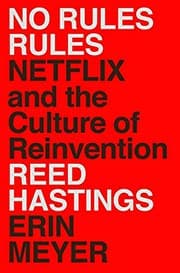
So like a book, I don't know if you've read that you would really like is the Netflix, no rules, rules about culture. And, and there, so it's like, Hey, they have unlimited time off and all these things that are kind of, you know, people argue back and forth and all the groups and the only way, and therefore the way they do this. And I believe in this too. The only way you can truly achieve a healthy, unlimited time off this freedom culture is you have to start it from the beginning and you have to do it with the right kind of people who can handle that. What's up guys.
Sorry to take you away from the episode, but as you know, we do not run ads on this show in an exchange for that. I need your help. If you're loving this episode, if you enjoy this podcast, whether you're watching on YouTube or you're listening on your favorite podcast platform, I would love for you to subscribe, share, comment. If you're on YouTube, leave a rating review. If you're on Spotify or Apple iTunes, et cetera, this helps the show grow.
It helps me bring more guests in. We have a tremendous lineup of people coming in, men and women who've done incredible things, sharing their stories around peak performance, leadership, growth, sales, the things that are going to help you grow as a person and grow your business. But they all check out comments, ratings, reviews. They check out all this information before they come on. So as I reach out to more and more people and want to bring them in and share their stories with you, I need your help.
Share the show. Subscribe if you're not subscribed. And I'd love for you to leave a comment about the show because I read all the comments. Or if you're on Apple or Spotify, leave a rating review of this show. I love you for listening to this show and I hope you enjoy listening as much as I do, creating the show for you.
All right. I'm out of here. Peace. Let's get back to the episode. Well, this is my point to this philosophy, is flat organizations and strictly hierarchical organizations, in my opinion, are facilitation mechanisms for lazy leadership.
When I hear someone say we have a flat org, what I hear is you as a leader don't want to take responsibility for making a decision and having to stick to it. You want to outsource all the responsibility to your people and distribute that responsibility out over them and the accountability instead of taking it on yourself. And when I hear highly hierarchical, like strict hierarchical structures, what I think is you do not want to allow anyone else to have an idea so that you can take everything yourself and be in control of everything and that's a control mechanism. So this hybrid model that you're describing, I'm describing all the versions that are around it, it takes active management and leadership. Like you have to be a better version of a leader in this method because you have to hire well.
And think about these things when you hire. If you have someone who needs to have a 15-minute break in the morning and an hour in the middle of the day and another 15 in the afternoon and they won't work past five and they won't step in the building before 830 and they need this, that's probably not a good fit for us, right? That's not someone who's going to work. And we have to be willing to walk through the process with them and say, hey, look, you might not work if that's the type of person you are and vice versa. If someone isn't working, you have to be willing to document records.
You have to do performance reviews. You have to get them out of the building if they're not working. Well, but your culture is also your safeguard to that, right? Now, I have the base now with this team and I am human and someone could give me all the right answers and be super attracted and they're just not honest with themselves that they can't handle that kind of freedom and culture. I don't have to be the one to grab the handbook and start managing themselves out.
They're going to know because the whole team knows because the whole thing knows this person just doesn't fit. Oh, I agree with that. I just think that this model, you have to be intentional, you have to be active, you have to be very cognizant of what's going on and be willing to have hard conversations with people. And I think a lot of times what happens is, you know, a lot of leaders just don't want to have hard conversations. They don't want to have to sit someone down and say, you are not hitting your goals.
What is going on? Right. And then listen. And a lot of times what you get is sometimes you get the truth. Sometimes you get bullshit.
You have to be able to weed that out. And then when you hit a point where it's not working, you have to be willing to tell that person you're going in a different direction. And that is an incredibly hard and difficult thing. I don't mean fire fast. That's not what I'm saying.
I'm not, you know, that's not the culture that we want to have here. But if someone's not a fit, you got to get them out. And I think that's the part of this that a lot of people don't want to deal with is they want to say we're a performance based culture. But then when someone doesn't perform, they don't take the actions necessary that come along with underperformance. I had a producer here about two months ago.
You know how long he lasted? Four days. And I didn't even get a chance to know if you could or couldn't produce. But it was all it was known to everybody. He didn't he couldn't he didn't fit in.
It just he was never going to fit in with that kind of freedom and culture. And when I look at how did he slip through me. He was a producer ready to work and I got lazy going through my process. Yeah. It was all on me.
I didn't I didn't vet him enough and get enough into can he handle the responsibility, because I guess in my mind, producers just naturally do that because they have to because they need to go out and produce. So it's kind of you're free to do that. And I'm wrong. It was I was wrong. But right.
It's all it's all on me. And the thing that I protect more than anything in this building is that culture. Yeah, you're not going to know I don't care. You could be the best producer if you're going to screw up my culture and you're a toxic person. You just can't be here.
Yeah, I agree with that. I agree. You. That, you know, and the other thing, too. And, you know, I've had to have this talk already was, you know, I had to remind a producer who is, you know, that.
You know, like our. My client service people are way more important to me than my producers. Like, you don't fuck with my client success people like they're the ones that pay the bills. Now you you bring in new business like that's a skill. Don't get me wrong.
But like the people who are clients love the ones that they stay for the ones that help them through their problems are not you. It's our client success people. So don't fuck with them. You know what I mean? Like, absolutely.
Absolutely. That's that's you can train. It's like, you know, what stresses me out is if I have to hire a CSR, a good CSR, a good account manager, hiring producers doesn't stress me out at all. I can teach anyone who's willing to put in the work to go and how to sell insurance. Yeah, that's not I don't care if you're outgoing enough and you like people enough, I can teach you how to sell insurance.
I mean, shit, you you could just ask, can I quote your insurance enough time and eventually someone's going to give you a chance. You know, we all the killing commercial stuff, all the high level stuff. I mean, get there once you know sales is your thing. And absolutely. Then you can start honing, learning your craft from the experts that are there.
But in the beginning, you know, you want to you want to sell insurance, make some money. Great. Just do these activities. Talk like similar. Let me listen to how you talk and dial it in a little bit and you'll sell enough insurance to at least know it's for you or not.
Do you let anyone else from your team talk to someone before you hire them or is it just you? Oh, no way. Before it's always I do the first interview. Someone or two from my team does the second and then I listen to what they say. And we go.
Yeah, I do the reverse. I have my operations manager. Her name is Sarah. She's she's been with me since we're coming up on a year. I think it was February.
I she talks to everybody first. So you got to make it through her. And if she feels and she is a strong defender of cult of our culture. So I know if the person gets past her. Culturally, they will be, you know, they will be a good fit and everything.
And then and then I'll you know, then I come in after. So I talk to the second because because there are people that she'll talk to. So that guard your time that guard your time pretty well. Yeah. Yeah, that's what it is.
I want to talk to the people that I know are serious. And if they get through her, then I know they're serious and that she's serious about them because she won't pass anybody to me. If she has question marks, she just won't pass them to me. So what the way that I have had success with it, I do the interviewing first, although I think I might on my next round try what you're doing. Like this, I haven't heard of it this way before, but then what I would do is have and I haven't for these ones, because, again, I had to just build this team this year with a new agency.
But moving forward, I want them to take the one or two of them to go to lunch. And get them out of the office and get them in a setting that is more relaxed and free. Yeah. And really talk to them out there and hang out instead of where they're here and have to be on guard in an interview setting. Yeah.
Yeah, I like it this way because, one, I don't want to talk to all these people. Two, I have a propensity to sell Rogue to everyone, right? It's my baby. So I want everyone to know how amazing it is. And I can't help it.
You know what I mean? Like, I just immediately start selling how awesome we are. Yeah, and then so I would point out its flaws and you get all pissed off, but then you can go and talk about its flaws because it's your baby, right? Yeah. Yes, it's like Sarah goes first.
She weeds out all the people who aren't serious or aren't really a good fit or have wanky, I mean, oh, my God. I'm sure everyone has crazy stories, but I had this guy interviewed for a producer spot once, and he called me while he was in the drive-thru line at McDonald's for his first phone interview. He goes, hey, hold on, man. Get out of here. Are you serious?
Yeah, so I pick up the phone. I call him. He picks up. He goes, hey, I'm sixth in line. Okay, I didn't really know what that meant.
I don't know why. It just didn't register me what he was saying. I said, okay. So we started talking like two or three minutes in. I mean, McDonald's must have been working this day because like two or three minutes later, he goes, he didn't even mute the phone.
He doesn't even tell me to stop talking. He just goes, I just hear him go, hey, I'll have a number one with fries, big size, Diet Coke. And I said, oh, what are you at, Wendy's? Because I'm thinking biggie size is not what they call it. And he goes, no, no, no, McDonald's.
And I said, oh, great. And then he goes, hey, can I have a six-piece nugget with that too? He didn't make it. Ryan, I'm going to bring it to you. Yeah, he didn't make it to the time he went to pay.
He just said, well, hey, man, it sounds like you're busy. I'm going to go. He goes, no, no, I'm good. I go, no, I think you're busy. All right, have a good day.
Bye-bye. Yeah. I mean. You blew it. You blew it, bro.
Yeah. Sorry. Could you, I mean, one, here's what I, I mean, and so I don't want to knock. So one thing, I don't eat fast food. So I'm a little biased against that.
I know a lot of people do. I don't eat fast food. I don't particularly care for it and I have my own viewpoints on fast food. So that's that, but that's a judgment and I'm not going to follow up with you offline on that because I feel like we may share those. I think, I mean, it's freaking poison.
It's toxic. I mean, if you're, if you're, if you're eating McDonald's, you're essentially silent saying I'm willing to put like sludge in my body and expect to perform at a high level. Like, yeah, it's just not happening. So whatever. So I, but I'm, everyone knows I'm judging.
So, so, but that's beside the point. That's my personal view. I'm not going to put that I'm on him. That's, you know, I can't yell at liberals for this if I'm then going to do it to other people. So whatever.
I'm not, you're so woke, Ryan. So, so I, God, I hope no one just took you seriously. So, um, so I, uh, I, I, I, whatever, not a judgment. It was more that here's how you handle that situation. Hey, Hey, Ryan, I'm really sorry, man, but I only get 45 minutes for lunch.
And I didn't want to do this at the office. So I'm actually in line to get lunch. But when it's, when I got to pay, I'm just gonna put you on mute real quick. Is that cool? I would have went, no problem.
No problem. And then when it was his turn to make his order, he could have just gone, Hey man, like I said, I, can I just put you on hold for two seconds? Yeah, no problem. Or he could have said, Hey Ryan, I'm just grabbing my lunch. Can I call you back in 10 minutes?
And I also went, no problem. Like the fact that he just thought it was completely okay to go through this line to order talking over the top of me. Like I was in the middle of a sentence and he just goes, Hey, I'll have my big Macs. So, well, he, he just, he just basically told you that you aren't important to him. Yeah.
Or the job or whatever. And your time and your time doesn't matter. Yeah. And that was the thing was like, I, in my postmortem of what happened, because obviously all my instincts were like, yeah, this guy's not going to fit with switch, you know, so whatever. But then I started thinking like about all these things.
Cause I, cause you know, I, I, I think about this stuff after I do it. I mean, I'd make jokes, but like, I do dissect like what happened. Yeah. And it was like, if he was willing to do that with my time and I would be the one literally signing his checks, then what the hell would he do with our client's time? Right.
I mean, think about that. You bet. So absolutely. No, I mean that goes, yeah, no, I'm, I'm glad that you ended that early and didn't, I mean, as hard as it is to find people these days, you don't need, you still don't, don't take somebody because you're in a hurry. Don't, don't just take somebody.
Yeah. And I don't mean, and I think the drive-through thing is a fairly egregious, obvious. Yeah, yeah, yeah. It's a good, it's just a good story now. I mean, that's awesome.
But, but still, I mean, I think guarding that culture and making sure that you do have the right person is so critical to the success of anything because I'm not good at customer service. I'm not good at that because I don't like doing it. I can get people just hyped and super stoked that they want to be in my agency and my client and in our team. But, but when it comes and, and get them, yes, I'm, I'm with it. I love it.
Here's a five-star review. I had an excellent experience working with you. But then when it comes time to do anything else, mid cycle, change a car, do this, it to me is just a nightmare. I personally hate doing that work. I could pick up the phone and call strangers all day and get them to let me quote them insurance or, or get them to talk about their risk program, whatever it is.
And I love doing that where people cringe at doing that kind of work. Right. So I am very, I, what I look for are super skilled customer service people, because I know I have to fill that gap from myself. So that way, when I get people that stoked to come and be insured and protected by me and my team, I know that I have the best behind me doing the work that I don't like to do. Yeah.
And I don't, and I, and I don't, and I don't mean that like, it's not important. It's critically important. Like we just talked about our CSRs are like the most important people. I just know that I'm not the person to do it for you. Yeah.
Or I'm not the person you want doing it. Yeah. I think that, um, you know, I think, I think one of the things that we're, we're circling around a lot is, you know, as, as, as, or just leading our own career or whatever, uh, all the way up to being the owner of a business, um, that, that self-awareness component is, is one of the biggest things. And I know at different times in my own career, it has not been, you know, I think, I think it's something you kind of mature into a lot of times is a general self-awareness. I think a lot of people just don't ever, but, um, being able to sit back and say, like, I'll give you another example, accounting.
I effing hate accounting. Oh, you're going to start me. I hate it. I, you would rather me print your certificate to do your customer service than the accounting of my place. I know I now like commission reconciliation is now a thing.
The idea, I can be honest with you, the idea of stopping, of slowing down and looking and reconciling commissions. I mean, I would rather just overpay producers and not get paid. I would rather just do that. You just not even do chargebacks. Oh, I just don't do anything.
Yeah. I just pay him what feels like the right amount and hope they don't get mad at me. How much do I owe you? How much do I owe you this month? Yeah.
It's more like, it's more like a drug dealer setup than it is a, than it is a, now I have to fix that. And I am, I'm going to outsource it. But like, that's another thing where like, so. I guess, you know, what I've learned about myself is I, I am a lean forward guy. If I, anything that makes me feel like I need to lean back or slow down or like apply the breaks, like accounting, like commission reconciliation, like document management, like fucking trying to figure out now certs and, oh, I just, all this stuff.
I'm just like, this is, like you said, critically important. I mean, vitally, critically important to the success of the agency. And I, and I'm not discounting that in any regard, but oh my God, the idea of me doing it, I would much rather just run headfirst into a brick wall. I, I, I, I, I couldn't agree more. I, I mean, I, I exactly.
And, and again, that's why I think hiring people around your weaknesses. Yeah, make you better because it's just like, I want them to give me their plan and the type of business they write. So like my commercial person, she had a really hard time with this and, and she said, well, I'm good at contractors. And I said, I know you are, but what kind of contractors do we want to go after? Well, I can do anything.
I know you can't, but what kind do we want to target? That is our specialty. Well, I don't want to get pigeonholed as a one trick pony. No one says that you are, but listen, who are your favorite clients that can give you 50 to a hundred grand in premium a month? Oh, well, there are general contractors who this, this, and this.
Yes. Thank you. That's what I'm looking for. That's what we're going to go and target. And anything else that comes in, if you have time and it's kind of easy and the risk works, yeah, take it because you aren't a one trick pony, but if it gets in your way of doing that, your favorite thing, we're just not going to do it.
We'll pass it on. It's okay. And that's going to make you happier and make you more money. And then it's finally started to click, but like, it's hard to get people to think that way. Yeah.
Yes. Because it's a scarcity versus abundance mindset. Where did you go? But, and why? And ego.
Yeah. I, you know, I think, I think a lot of times, well, I think the, I don't want to be a run jerk pony thing is, is more scarcity mindset is like, I'm worried that if I only focus on general contractors, I won't hit my numbers. Right. Like, or I, because, because this electrician came in and man, I can, I can, I can, man, that, that 20 grand in premium. I know it's not exactly what Ricky wants, but geez, you know, that would be good.
Why would I toss that away? Right. Or, you know, that, that kind of stuff. And I think it's just the sense that the, the lack of belief in the process that if I just really do the general contractor thing, that eventually I'll have so many general contractors coming in. And I'll know them so well that I'll just be able to dominate them and write them and there'll be no problem.
And, and I think that it takes a lot of support from leadership. I think it takes some training, you know, and just a general cultural sense of like, we're going to get there to, to open, to, to get someone to transition from thinking, I just need to take everything I can get. So I don't go broke to, if I focus on this thing, the endless opportunities are going to present themselves and everything will be fine. That's a very tough thing. I think that's a very, I mean, I'm not going to say that I'm great at it either.
I think it's a very tough thing to do. I, it is, it is hard. It is, it is hard to do. I, I mean, I remember when I first changed and became independent, I wanted as many carriers, every carrier I could get. And I would bend over backwards to find a home for anyone because I'm independent.
No one should be able to slip out of my agency because I can have a home for everything. Holy shit. That was not the right way to do it. The, I mean, if I got to bend over backwards to find a place for somebody to fit here. They are, it's going to be harder to handle them later.
They're not the kind of client that I want to work with. And it is all around just a poor experience for them and for me. Once I finally started saying no, if you don't fit in on personal lines, if you don't fit in travelers, safe, go or progressive, sorry, I don't have a home for you. All these side one-off little carriers, weird thing that non-standard, this regional, this no, no, no, no. Here are the three, here are the three that pay the best here.
The three that give me the biggest bonuses here are the three, like, we're just going to go deep on them. The easiest to use the better with the claims easiest on the customer to use. Like we're just going to focus there and move right on. It's made my life so much better. Yeah.
You know, it has made my life so much better. Fewer carriers, I think, can be valuable. And I don't mean that for everybody. Everybody runs different places. But for me, I'm just not the kind of person that likes to, I'm kind of stubborn and I kind of like what I like, like, I think, I think you're a lot of the same of that.
And so it's like, you know, I'm free as an independent agent to work with the customers I want and the carriers that I want and the type of risks that I want. So why am I wasting my time with others just because I'm independent and have the ability to? That doesn't mean that I should. Yeah. So I, my mentality is exactly the opposite.
Um, and that's the brilliance of the independent agency. And my stubbornness is, so I see, so your stubbornness is the opportunity that I want to take advantage of. Not because I think what you're doing is wrong, but because there's going to be a roofing contractor that you don't place because they don't, it's not one of the things that you write and that's fine. And I'll write them all day. And my stubbornness is I'm going to find a way both technologically process and market driven that allows me to write 90 plus percent of the opportunities that come through our pipeline because no customer left behind.
And I like what you're doing with that. It's hard as shit. Don't get me wrong. And all my carrier reps hate me because I have all this distributed premium out over that. They look at my total numbers and they look at how much they got and they're like, well, how about I didn't get more?
And I'm like, it's because I also have this guy and I also have this guy and I also have this guy and you weren't the best on that one. And they were, and you know what I mean? And like, so they all hate me, but I also don't care because I think they're all liars. So, you know, I mean, that's when I take on a new appointment, they're not looking after you anyway, with those questions there. I mean, yeah, that's my thing.
That's a whole different, that's a whole different topic. You know, I've said it before on the show. Like I, I try to treat all of my carrier partners with a tremendous amount of respect. And I really, absolutely. Yes.
But I think that just like, I'm a liar. So are they like, they're going to say, Hey, can you give us a hundred thousand? And I'm going to say yes. And they're going to tell me they can write all this shit. They can't write.
And I'm probably not sending them a hundred thousand because I got 20 other carriers to feed. So, so like, you know, I kind of just upfront with them, go, look, I'm going to lie to you about how much I'm going to send you. You're going to lie to me about your appetite and pricing and somewhere in the middle over the next two years, we're going to figure out where the truth is. And, you know, and then, and then kind of the reason that I've liked this path, although it's happened by accident, I won't say that I like plan this is the carriers that deserve the business, get the business. Hartford.
Incredibly easy, incredibly easy for a traditional carrier, their digital quote bind issue, the breadth of markets, the ease of their system, the ability to add coverages and package up PL and, you know, employee practice, all these other things onto the, onto an account. They're winning the lion's share of my commercial lines business right now, because they're the easiest to deal with. They have good pricing and they write a broad spectrum of appetites. I like Chubb. They're just not as easy to deal with.
So it's, it's so funny. I like Chubb. I like the idea of their marketplace and their rep. So, so, so I, I use Tarmica right now and their rep was all makes this big point to me all the time. Well, you know, we have 10,000 classes and Tarmica that, that system only has a lot of has a few.
So make sure you're including the marketplace. And I'm like, Hey, okay. So every once in a while when I'm like, okay, I'll go try the marketplace on this one. Guess what? They don't write everything that I'm submitting.
They always, there's always some, and it's like, man, you tell me you got thousands of all of these, but I, I can't find something that really fits well in there. Dude. And I, uh, I, with what I do anyway. Yeah. So I had this with Amtrust.
So I got Amtrust because I had a really, not a really big, I didn't get a nice size Amtrust BOR and you know, all the workers comp stuff that we do. We still, you know, since day one workers comp has been a focus. It still is today. We still write a ton of workers comp. And I was like, it makes sense to get a direct with Amtrust.
So I wrote this BOR, I got the direct, they're telling me, we do this, we do this, but awesome. And then the first nine accounts I sent them, they declined. And I'm like, guys, I mean, you know, nine for nine declines. Like, I'm not an idiot. Like I know these, well, this one doesn't have two years of experience and this one doesn't have this and we can't get the premium to where we want to be here.
And I'm just like, Oh, come on. Like I, I'm trying, like I'm sending, you know, like you have to say yes once in a while. And it's not just them. I don't want to put them on blast. And I do like writing Amtrust and I've had a good experience with them on other accounts.
So it's not a knock on them. And we'll write more and we are, we're starting to grow more with them. And, um, but it's just in a general sense, this is why I lie to every marketing rep and just tell them whatever, what's your number. You want a million in first year premium. Yup.
Sure. We can do that. Yeah. No problem. We'll do it by June.
Yeah. Cause I also know that you're going to tell me you have 10,000, 10,000 class codes and you write about 20 and you know, and that's the game. And it's like, okay, we can either be honest with each other. And I'll tell you, I can probably get you 50 or, and you tell me you really only want like 30 class codes or we can both lie to each other. And either way, let's just do business and figure out what happens.
And well, but look how much, okay. We can, we can tie this right back into the whole conversation of team and culture. I could lie to my team and tell them we're going to do all of this or do whatever, or it's going to be this kind of experience when you want to work here as far as new higher prospects. Right. But at the end of the day, I mean, I got to do what I say I'm going to do.
That's it. Yeah. And that just goes so far. They, they buy in because I tell them what we do. And I also tell them what we can't do and why.
Like if marketing reps, if these marketing reps would just tell us more of what they can't do, and this is exactly what they did, how much, why, why do this dance for two years and figure each other out? I, I agree with that completely. You know, I don't, and that's really my point. I mean, I'm being a little facetious. I do tell them whatever they want to hear.
At the same time, I make it clear that I can't actually do some of these numbers. Um, you know, I don't want to act like I'm being disingenuous. It's more funny when I tell us, Oh, I, I, I, I know. I think, I think it's just, but at the same time, I do tell them right up front and I'm a hundred percent honest about this. I know you're lying to me or, or, or I know you don't know what the appetite actually is because, you know, I can tell you this experience that I had with Amtrust, I had the same experience with pie and we write a lot with pie.
I like pie. I think they're a good company and I'm, and I'm a fan of what they're trying to do. I really am. They're taking on class codes that other carriers have completely cut out of the market and they're giving them standard options and States where normally these people would have to go to a state fund. I think that's a great thing, but they also do underwrite in a more classic sense than you would think an insure tech would.
And I literally had to call my rep and go, you need to say yes to something. I don't care what it is. Pick one of these 15 declines and just say yes to one of them so I can go sell it. I just need, you know what I mean? Like, or charge double, like, give me a number.
Like just a decline is freaking crazy. Man, I was listening to, was it you and Ciara talking about how you got this carrier and you were the new rep. So they kept turning it down just because you were the new guy. Yes. Was that you?
Yes. Yeah. Yeah. How that right there, like you appointed me. That should be enough for you to trust the work that I am submitting to you for an underwriter to review, to just bust my balls because I'm new and, and give, make it harder, more hoops for me to jump through.
Why did you appoint me in the first place? What a waste of time for all of us. It makes no sense. It makes no sense. Dude, this has been, we could talk for another three hours.
This has been absolutely tremendous. I appreciate you. I appreciate this conversation. We legitimately had no game plan. It was just go and roll.
And this has been awesome. Dude. I, okay. So I just talked with James Jenkins on Friday and I feel like we taught, we were typical rabbit hole all over the place. I, I can't, I, that's what I expected for you and I today, just cause I know you and that's what we do, but this was on focus for an hour.
Can you, I mean, like, I can't believe it. I must be doing some, I'm feeling good today or something. It's not Monday morning, man. Yeah. That Monday morning juice.
I got a little lifting this morning. All right, man. Hey, I appreciate you so much. Thank you. Love you, bro.
Out. Later. Cheers. Close twice as many deals by this time next week. Sound impossible?
It's not. With the one call close system, you'll stop chasing leads and start closing deals. In one call. This is the exact method we use to close 1200 clients in under three years during the pandemic. No fluff, no endless follow-ups, just results fast.
Based in behavioral psychology and battle tested, the one call close system eliminates excuses and gets the prospect saying yes, more than you ever thought possible. If you're ready to stop losing opportunities and start winning, visit masteroftheclosed.com. That's masteroftheclosed.com. Do it today. This is the story of the one.
He's responsible for keeping a leading healthcare facility clean and safe. And he trusts Grainger's high quality HVAC cleaning and safety products combined with their world-class supply chain to consistently deliver, ensuring he's covered inside and out so he can focus on keeping his facility clean to help protect the health of everyone inside. Call 1-800-GRANGER, click Grainger.com or just stop by Grainger for the ones who get it done. If you like the show, please take a moment to rate, review, and subscribe. It really does help the show to grow.
Thank you for listening. Happy holidays. Want to give your host a gift? Consider subscribing, rating, and reviewing the show this holiday season. It really helps the show grow.
From all of us at Believe, have a Merry Christmas, everyone, and a happy holiday. Thank you.