Hello. I'm here during the lunch rush with Janice, who owns her own food truck Best cheese steaks in town Janice traded up to Geico Commercial Auto Insurance for her food truck business. We're here where she needs us most They sure are We make it so easy for her to save, with customized coverage that grows with her business. Sorry, I- I just get so emotional talking about saving folks money Not this onion I'm chopping? It's just so beautiful.
Oh, yeah. No, it's the onion Get a Commercial Auto Insurance quote today at geico.com and see how much you could save. Get more with Geico Happy holidays. Want to give your host a gift? Consider subscribing, rating, and reviewing the show this holiday season.
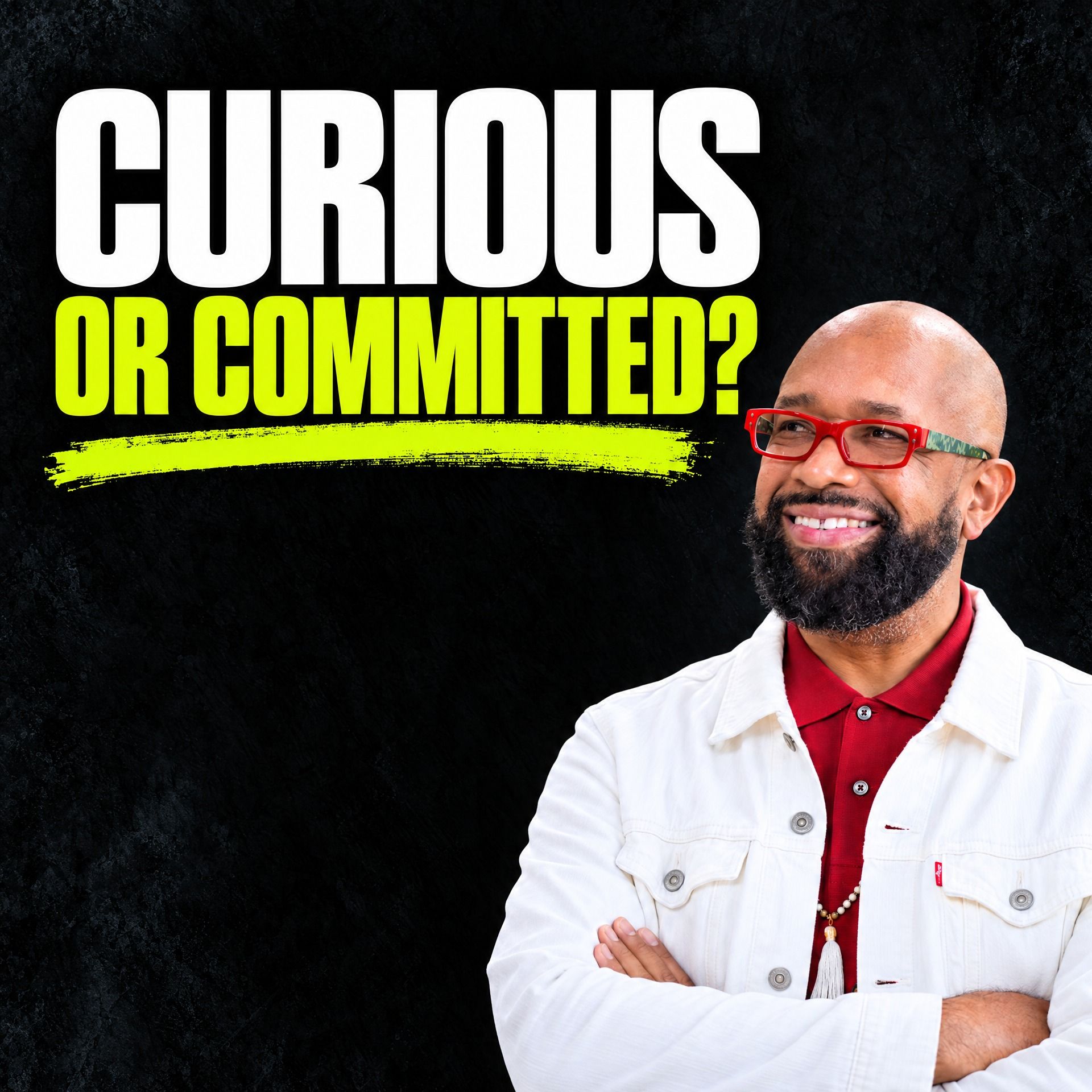
It really helps the show grow. From all of us at Believe, have a Merry Christmas, everyone, and a happy holiday Hello, everyone, and welcome back to the show. Today we are joined by Eric North, a lifelong entrepreneur turned happiness coach. Happiness is something we all want in our lives, but yet we oftentimes do not prioritize or pursue. This is an incredible conversation.
You're gonna get a ton out of this, particularly if you're an ambitious and driven person. Lots of tidbits, lots of ideas, lots of tactics to build moments of happiness into your life that can culminate in, ultimately, a happier life in general. If you enjoy this show, guys, make sure you subscribe, whether you're listening to the audio podcast or watching on YouTube, and know that I love you for watching this show. Let's get on to Eric North. Let's go.
Yeah. Make it look, make it look, make it look easy. Hey, stand up guy, bum 10 toes. Big body, pull up in a Range Rover. I can chase the whole game when I say so.
I pull up, shut it down, yeah My mindset is very, very... I used to be, I'm a very, I, I, I'm, I'm a businessman, so I'm a very, I'm entrepreneur and I'm, I'm, I, I, I had spent so many years building my businesses that I stopped having fun and being creative, you know? Yeah You know? And I just was like, "Oh, what's going on?" So I started doing all this stuff to kinda change my direction and I wanna make money with my mouth- Yeah ... and my words, okay?
And that, that, that's, that's where I am. So I'm, I'm getting ready to publish a book with a, I'm working on negotiations, it's really rough, with a major publisher. Um, and what I really am trying to do, just so you know, my goal is, Thomas, the, the pub- my publicist, is ma- his, his vision is that I will be like a household name, someone that people will say- Yeah ... "Hey, man, s- we're having a really bad day. Let's, you know, hold on, let's click into the Happiness Warrior, see what he has to say," okay?
Yeah. That's my dream. That's what I could really do. And that, and that's what I know I can do. Yeah.
So that's where we're going with it. Anywhere you wanna go with me. Ask me any questions, I don't care. I'm very open. I don't, I don't have any...
You can't trip me up because I'm open, so I'm an open book, okay? Yeah. So. No, I, I love it. And, and I'll be honest with you, uh, my journey is, is very similar.
Yeah I'm actually in a weird moment where I just exited from a business that I started in 2020, seven days before COVID hit, uh- Oh ... upstate New York I know that story. And, uh, you know, got rocked by that. You know, invested all this money in starting this business and put all this work in, launch day, seven days later everything gets shut down, blah, blah, blah. Well, I, uh, sold it two years later. We were acquired, I worked there, and then negotiated an, uh, early exit in November of 2023, and have kinda been of two minds.
And I- I've had one foot in the I love being an operator, I love running businesses. Uh- Right ... I feel like I have the disposition for it. Uh, I've been, you know, executive multiple times, both a C- CEO, CMO, and, and then as a founder, and, and I, and I love that side. The, I also have this other equally powerful and equally driven side, very similar to you, where I love helping, I love educating- Yeah ...
I love sharing, I love creating, and, um, this podcast has been a through line for- Oh, yeah ... my career. Oh, it's- And- ... it's, it's amazing, and you're just such an, you're just such a professional... You're, you're, you're in charge. I can tell that you're- Yeah ... this is your thing, you know? So that's great.
Yeah. Um, I feel the same way. I ha- and I tell you, I had a very similar experience. I had a partnership, um, with one of my businesses, which grew kind of, it, 2019 was a boom year for me. So 2019, and then the first quarter of 2020 we opened up a really expensive extra stu- new studio, and I let one of my other partners go crazy with the budget and for everything, and then all of a sudden we were shut down, and I had health insurance to pay for for everybody.
You know, I had all kinds of, you know, I had a lot to do. And then I had to get rid of that partner, and I had a huge financial cr- You know, I look at money as if you do the right thing, you'll make money. I've never, you know, I, I don't wanna lose money ever, but if I have to part with it to get away from something, it's gonna be like a divorce maybe, okay? Yeah So, you know, I look at it that way. So be really careful who you go into business with, right?
Yes. And that's, that's really the lesson that I learned, and it's more about I don't really need anyone. Okay? Yeah. I have myself, okay?
So maybe that's how you are too. Yeah. I, you know, I struggle with that as well because, uh, you know, I, it, it's been weird, man. This has been, like, an existential time for me because- Sure ... I love working with teams.
At the same time- I do too. I love creating teams. Yeah Yeah. I found that there are certain, there are v- very particular and certain types of people that I work really well with- Mm-hmm ... and there are a larger number of personality types that I do not work well with, so... And I've had to learn that lesson the hard way a couple times.
So it's just business and life is so interesting, man, and I think y- y- you said it, like, it, it's, it's, it's driving towards what your calling is. And, and really that, that's- Yeah ... where I wanna start the show here- Okay. Do it ... is my, you know, my first, my first question is, is really around, uh, you know, in, in researching you, and I think you posted this, I found this particular thing on Instagram. And, uh, of all the things that, that I wanna get into, this was the first one- Uh-huh ... that popped out at me- That's what I put ... was this idea that, that, uh, you said, "A, a happier life is a easier life." And- Oh, yeah ...
I have not necessarily found that to be the case. And I don't mean easy in a negative way, I just mean oftentimes in, in the pursuit of happiness you have to do hard things. Yes. So m- maybe just break down this concept, 'cause I think- Well- ... some people m- may not necessarily understandI, when I write, first of all, it just flows out. I have a writing time every day.
It's designated by 8- if you see me doing anything else at 8:30, 8 o'clock in the morning, then I, I, there's something really crazy going on. And, um, the word... And I, and I don't even know what I'm really gonna write about that day. I'm gonna write a, a column. I'm writing two columns a week that, that get published all over the web.
But I start thinking about sort of themes and, and, and trends that I see with, with people, and how they're talking about themselves, and how they're feeling about themselves, and how angry everyone is all the time, and how quick they are to judge and run away. And I think about my past life and how I was raised, and there was not, it was a sort of dysfunctional home. Great parents, but they didn't really do a great job, um, always with their example. It's okay. But they were, they were loving, good parents.
And I just, I, I wanna teach. So, like, when I started this, my... I kind of teach, I wanna help people, so I started thi- I started this kind of mindset about talking about how important it is to have a cheerful attitude. A cheerful attitude can really show a really strong sense of power and strength. Because over everything that's going on, there's a cheerful attitude I can take, and there's usually a twinkle in that person's eye.
You know those people you're, you're probably thinking about. With me, it was my aunts. I had three aunts that were super, super, super intelligent and really good people that they did all, their, all their lives were devoted to doing good. And there was always a twinkle in my aunt's eye, even though she was going through a really hard time or she was, you know, facing a lot of, a lot of stuff that came at her at once, and she just got through life, and everyone res- she was, she was the original happiness warrior. So everywhere she went, people just flocked to her and came to her and shared their life, and she listened to them, and she gave them love.
Everywh- every person that came to her, she gave part, some, part of her love. And I just thought, if there's fairnes- She's not with us now, but I think that's... All the other good things she did, I can go into that forever, but that just, that was the basic lesson that I learned from her. And also, I was kind of a weird kid. Okay?
So I, I was, I was, I thought differently than other kids. I, I, I, I solved problems faster and different, and different solutions than anyone else sort of thought of, and it kept me kind of apart and kind of... I was part of every- I was part of everything, but in a way I wasn't. And, um, sometimes I felt kind of, I felt dis- very disconnected. I felt like I was on different, I was on a different track, a different age group or anything like that.
And it was my, my happiness warrior aunt that always made me feel like I was incredible, always, throughout my entire life. And t- e- every success and victory I had, everything that was heartache, any- anything, she, she was always there. But she always was like a warrior, so she kept things going, and it kept me going, and it kept me feeling a sense of self-esteem. So when I'm writing these things, you know, it's, it's hard to be happy every day sometimes, you know? So let me stop.
Ask another question, because I'm obviously, I'll, I'll ramble on. But that's- Yeah ... that's really, my heart gets into it for, for people, 'cause I feel, I feel for them. Yeah. I think, you know, w- what I've found in my own life, and, and I'm interested in your take on this, uh, being that you've studied happiness so much, is, uh, I feel people get hung up on happiness as a goal. Yeah.
And to me, that is not the appropriate way to think about happiness. It's so much more about the pursuit. And, and for a long time, and I'll just give you, like, the context of this question is, for a long time I, I believed that, uh, you know, that, that cliche phrase, "Life is about the journey, not the destination"- Yeah, I do too ... was complete bullshit. I, I, I was, I, I, I was like, "That's nonsense." I think part of it was that I grew up poor in a tiny little town- Yeah. ... in the middle of nowhere, and I was like, "Yeah, the journey.
Okay, try being poor as shit for a while," uh, you know, living on garage sale and, you know, going to school with holey sweatpants 'cause it was the only pair of pants that you had and, you know what I mean? Tell me it's about the journey, right? And but as I, you know, fought and scrapped and, and made my way out and went to college and all these different things, um, I started to really understand that this, this pursuit of a destination or, or, or focusing on the destination- Mm-hmm ... did not bring any happiness. In, in all the success I've achieved, it was never when I was there. It was, it really was the grinding time of, of working through problems- Mm-hmm ... sweating with people, being in the foxhole, whether it's on a sports team or in business- Mm-hmm ... or in a community group, that I actually found happiness.
And s- so- Yeah ... why do you think so many people get hung up on the destination and, and never take the time to enjoy the moment when they're actually in it, in that grind time? Well, that's the thing. When we're, when we're in the moment and I'm having a really good time, I generally forget to take pictures. Okay. Okay?
So if I'm in a special moment with a lot of special people, I generally forget to take pictures 'cause I'm having such a good... I'm so involved and I'm so into what I'm doing at the, in the present, and that's where you find your happiness. Happiness comes from within. You have to have a sense of I'm capable. I give myself permission to, I can give myself permission to be happiness.
I deserve to be happy. Those are all things anyone can say. Those are all things that anyone can deserve to say and should be able to say in their lives. I deserve to be happy. You know, I, I give myself permission to be happy, and I can, and I am happy.
Those are so important. And, you know, it starts, like we just said, it starts... It's, it's not the, it's not the... What's the destination? Is, is, is a, a, a trip to Paris for three days that's gone like that, is that gonna make you happy?
It's gonna t- you're gonna tell a lot of people and show off, but when maybe some people get happy showing off with conquest, I think. Sometimes I think it's, it's a s- it's a, it, uh, we live in such a competitive world. You know, my happiness is better than your happiness, that kind of thing. And then sometimes that comes down to, ah, uh, showing off, okay? So think about it, too.
And I tend to think that we're, we're, we're much better when we're m- when we're quiet about our accomplishments and when we show our strength through our actions and behaviors and our, and our values. Yeah. I- And that's where we find the happiness is the grind. It is the grind because it's like the, the, the satisfaction of figuring out a problem is so amazing, you know? Yeah.
So. So if we agree that, you know, kinda being present in the moment and, and living through the experience as it's happening can, can yield a lot more happiness than maybe focusing on the destination, how can people be more present in the moment? How can they actually take that deep breath, look around for a sec, and go, "Wow," like, "This might be hard, but geez, I'm having a lot of fun while I'm here"?Okay. Well, I am the happiness warrior, but I've had a lot of unhappy times in my life, and I think that's how I got here in some ways too. So went through a really bad period in my life where s- w- and it's usually another person involved that causes us for s- trouble, and, um, and I walked, I got out of that relationship and everything was really, my life was just, had just blown up.
I had to start over again and I, and that was daunting. And I was, like, in my late 30s, and I was like, "Oh, this is kind of embarrassing. I'm starting over again. I'm not..." And I screwed up my career.
It was going really well, and now I have, all I have left really are, is, is, um, my body and my mind, and I need to work on that. And, and I, and I, and I thought, "I can do anything as long as I start taking care of myself." So I started taking better care of myself. I started working out really hard, and then I started l- l- looking for jobs that challenged me, that I wanted to work in. And then I started working for myself, and that was kind of another way to, to feel confident in myself and get out of that, that, get out of that period where I, I...
Forget about that, you know, f- forget and forgive myself for the past, and that was really important too. Do you think you have to go through conflict in order to be happy? Yes. Yes. I think we can't hide from conflict.
I think the best thing in life is to face conflict head-on, make sure, and f- and, and have a plan for it, and have a, have a, have a measured reaction, you know, and not to do it just haphazardly or, or, um... And, um, and we need, we n- I think everybody, I, I have horrible things that happen to me sometimes. You know, a, a dog of mine will die, or something will happen. I had a major accident a couple years ago and I couldn't, I, I, I had to get my, my legs rebuilt. I had to rebuild that.
And then, you know, and, and I only, I only felt bad one time, I felt, like, a little bit, when I couldn't really walk, I was feeling, like, a little bit an- I was sliding into some dark space and I, I closed my eyes, I opened them up, and I looked around the room and I started saying, "Hey, there's my sofa, there's my TV, there's my dog," and then I felt better. And I'd, I had heard that that was something that helps people deal with anxiety. And at that moment, that's all it took to save me. And from that moment on, I went up. I went up, and every day I got better, and every day I got stronger, and every day I was able to m- m- to move better.
And it was just that, I think that dark period that was like, it was a wake-up call. So very fast, it was like an explosion in my brain that was like, "Don't go this way," you know, "Don't go this direction. Let's, let's, let's stop right now." So. Is, is this why gratitude is so, such an important component to happiness?
Gratitude is everything. I always say that all the time. If we're not grateful, then we're, then we're not living our lives fully. We're not experiencing happiness fully. We're just taking, and taking things for granted.
How, how does that go for most people that take things for granted? Not very well. So we, th- those things are just... I'm, I'm not, I'm not a scientist of, of happiness, but I'm just, it's, it's observations and feelings in life that I wanna share just of how I can turn a life that did have a, has had a lot of adversity and that will have more adversity, I'll have further adversity, um, and keep happy all the time. And I'm always hap- I'm always happy.
I'm always, I'm always in a good mood. I- I wake up every day- Yeah ... uh, with an affirmation saying, "Today's gonna... Hey, Eric, today's gonna be a great day." And I say that aloud. It's kinda crazy, right?
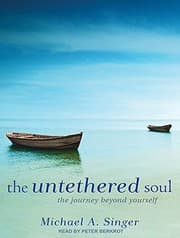
Yeah. No, it's- "Good morning, Eric. It's gonna be a great day." Sometimes verbalizing is the best way- It- ... you know, to get out of our own heads. Uh, have you ever read The Untethered Soul by Michael Singer?
I've seen the book, but I have not read it though, no. It is- But I like the word on that. I like the word un- u- u- untethered though. It's fun. Yeah.
Uh, incredible. A very quick read. You can read it in a weekend, no problem. And what he talks about in that book, and one of the reasons that it's one of the core books that I've probably recommended dozens- Okay ... of times on this show- Yeah ... and people listening are probably sick of hearing me recommend it, is 'cause he, he breaks down in probably the most, um, tangible way that I've experienced this idea that, that we're not our mind and we're not our body, and that the voices and, and, and feelings that we experience from these things are not actually who we are, that we're this separate thing, you know, you can call it the soul- Mm-hmm, mm-hmm ... you can call it whatever you want. But that all the voice in our head is oftentimes i- i- is there strictly to keep us alive in the next moment, right?
The, the, the- Yes ... feelings and emotions and pain that we feel in our body, et cetera, is, are just, they're just data points meant to keep us- Mm-hmm ... alive for the next moment, and that if we can untether our soul from- Mm-hmm ... uh, you know, the voices and the feelings and the emotions, then we can start to experience who we really are. And I believe, as you do, that gratitude is an incredibly important part of de-tethering oursel- or un- de-tethering, untethering ourselves from these voices because it pushes back against all the negativity that you get- Yeah ... quite often. Now, so I guess my next question is, being that gratitude is so important to happiness, how can someone who's listening to this who wants to build more happiness into their life, and maybe isn't being intentional about it, how can they start to experience more gratitude or practice more gratitude in their life? Well, I think, here's what I do, and I, I, I have routines. I have routines for everything, and I have things that I, I, spiritual routines that I do, and I, my, my biggest one is, is I'm not so much praying, but I, at the, at, at, before I go to sleep at night I am sitting here and I'm doing some deep breaths on the side of my bed, and then I say, I say, "I did my best today.
I'll do better tomorrow." And that is my mou- that is my mantra every single night. That is what I say before everything, before I... I wanna rest myself. I wanna go to rest, sleep peacefully, and I'll have to check myself and make sure I...
And I, and when I say that statement, if there's anything that I, that I regret, I'll, I'll say that aloud too and I'll say, "This is something I don't need to do ever again," or, "This is something that I can handle differently." And I think about that, and then the next day is awesome. Yeah. The next day I wake up and I'm in a great mood, and I have a good day every day. Even if something hits me hard, you know what?
S- s- s- something better shows up in the next minute. That happens a lot too. Yeah. Serendipity. So.
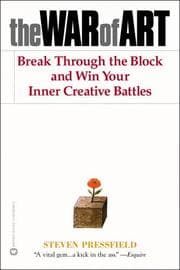
I, I firmly believe in serendipity, and particularly how, um, Steven Pressfield talks about serendipity in, in, uh, the art of, or The War of Art, uh, when he talks about- Mm-hmm ... the muse and the resistance and what comes out of feeding the muse. Uh, again, if, if you guys at home haven't heard, read, uh- Yeah ... The War of Art, regardless of, you know, take the art part out of it because you can insert whatever it is that you do in your life. That book is incredible. Very good book.
I've read that. Yeah, yeah. It's tremendous. Pressfield's, Pressfield's wonderful. So- Um, you know, I think one of the things that you talked about was, uh, permission to be, to be happy.
Mm-hmm. Uh, I think, I think the idea of giving ourselves permission to do things is incredibly powerful. So when we're talking about happiness in particular, there's a lot of people who I run into and, and a l- a lot of my work has to do with advising startups and executive coaching. Yeah. Yeah.
So I run into a lot of people who are either one of two scenarios most of the time when people reach out to me. They're either incredibly overwhelmed or they're stuck on something. Right. And oftentimes when they're stuck, they, they find themselves in a place of they start doubting themselves. Incredibly talented, brilliant people, uh, 99 out of 100 times, you know, exponentially more brilliant than I will ever be in my entire life.
Mm-hmm. Yet, yet they find themselves in these places where they're doubting themselves, and I'm like, "You can do things that other people can't even imagine, yet you're questioning your ability." So, and, and it's mostly because of what you, you said. They, they're, they're not giving them per- theirsen- themselves permission. So how would you recommend to someone who does find themselves in a moment of darkness or despair, negativity, or just, just a brief moment of self-doubt, how, how, how would you recommend that they give themselves that permission to, to turn that corner and start to- Yeah ... uh, come back to the light?
There's two easy things. There's two easy little tricks. First one, just close your eye- well, you don't have to close your eyes. You can do anything you want. Think of three things that make you happy right away, okay?
The first three things that make you happy, and you just reflect on that. That'll usually raise happy- that'll usually raise happiness. Maybe smile from that too, 'cause a fake, even a fake smile is actually a real smile and it, it does, it raises, it raises our endorphins and makes us feel happier. And the second thing I think is really important is to be able to, like, write down your accomplishments in life. 'Cause sometimes we're not really, when we, we kind of forget all the great things that we've done, and we kind of forget all the thing, people that we've helped, and we kind of forget about all the value that... I think a lot of people forget about all the value they've created in their lives.
And they take one little setback, or they'll look at somebody else that's doing s- better than they are, and it'll just kind of be a step backwards where, where a lot of, we're, we're missing out on a lot of talent 'cause people are afraid to move forward because they're afraid of failure, they're afraid of success. Success is a big one. Mm-hmm. Success is really kind of hard to take. Yeah.
It's not easy. I agree with you. So. I, uh, I'm interested in your take on this particular concept. I talk a lot on, uh, the s- I do solo episodes as well.
I know. So the cadence of this show is, uh, an interview and a solo episode, and the solo episodes I talk a lot about, uh, a fear of status, and that I actually do not believe... Uh, failure to me is just a label. It's a, it's a, it, it, it really- Yeah ... it doesn't exist. It's, it's not real.
However, what I think people are actually saying when they may have a sense of a fear of failure or a fear of success, uh, 'cause, 'cause I think these both play into the same thing, is that they actually have a fear of status, and that they're- Mm-hmm ... very worried about their status changing. Yeah. And, you know, w- for the better or, you know, for, for the consequences that come if you improve your status, as well as the consequences that come if your status, uh, uh, falls in a particular community or group, et cetera. Yeah. And there's so much negativity attached to a change in status.
And so I think how do we internalize... To me, a big part of, of being able to weather a status change in your life is, is an intrinsic motivation or, or happiness that you have regardless of where you are in a social structure. So how do we cultivate that so that it's not just something that we can call on when we need it, but we're literally living in a sense of happiness, uh, kinda every moment of every day as, as much as possible? I think it's, it's, it's that, it's that removal of nee- th- that, that cutting off that need for external validation, first of all. If we need external validation for something that we do, then we're not on the right track anyway, you know?
So we're not doing anything for o- for us, we're doing it for the sake of others. And I think this plays into what you're just saying, is we do much in our life, we do... Most, most people get stuck in a trap where they're, they think they're ha- they're, they're, they're doing, they're living their lives and expe- expectations of others, under the rules of others, under the dictations of others. They're being told what to do, told how to think, told how to do everything, and they get used to that, and then it puts you in a big trap, and then you've kinda lost every sense of, of, of who you are. There's no happiness there.
There's no sense of accomplishment. So the first thing to do is to, is to stop that and to stop the ego right in its tracks. Change of status is, is, is a change in direction, a change... It doesn't necessarily mean it's, it's per- n- nothing's permanent. Time changes everything.
So time changes everything, and we have lessons to learn. There's al- there are always messages. Everywhere we are at any point in the day, there are messages. Sometimes we see them, sometimes we receive them, sometimes we just, they get lost in the, in, in the uni- in, in, in the energy of the universe, but they're always there. There's always the next step ahead that's right in front of us, so it's- Yeah.
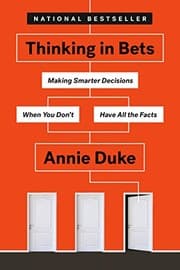
I, I'm reading a, a, a good book on decision m- I love reading about decision-making, and I'm reading a book by Annie Duke called Thinking in Bets, and she references a strategy, and I apologize, anyone who's listening or watching, if you can leave it in the comments on YouTube if you, uh, if you know the name of the person, then I'll go back and try to find it. Uh, she references someone else's work called the 10 10 10 strategy for this. Mm-hmm. And this time element, which I think is so incredibly important. I, and I'm so glad you brought this up.
In which the, the, the creator of this strategy, who again, I apologize that I forget, I just know it's in Annie Duke's book, um, uh, she says, "Think about how this thing will impact you 10 minutes from now- Mm-hmm ... 10 days from now, and then 10 years from now." And she said, "If, if it's not gonna, if it's not gonna change your life 10 years from now, then 10 days from now and 10 minutes from now doesn't matter," right? And, and i, I'm not doing the full strategy justice, but I think we, we put so much pressure on things as if this small change in our life is gonna last forever. Right.
And oftentimes we attach a preconceived notion that a change is gonna be for the negative, right? Something'll happen- Mm-hmm ... and maybe, yeah, it doesn't feel good to get fired or to miss a promotion or not get a sale or be rejected by, uh, uh, a partner, a, a relationship partner or whatever, but- We, it doesn't, just because that thing isn't perceived publicly as a positive doesn't mean it's not a positive for you. Right. And, you know, do you have any strategies for reframing the events that happen in our life to, to kinda swing them towards what could potentially be the, the positive aspect of that change, versus focusing only on kinda the external, maybe, uh, a societal negative impli- implication of that change? I, I, well, I have a rule that I, I won't let my, I won't let my thinking, I won't let my mindset go into a negative space.
I won't start thinking what ifs. I won't start th- 'cause I don't think you can ever tell what's gonna happen. We have no idea what's gonna happen. I also believe that we don't know anyone else is ever thinking at the, at, at any time. We don't know what's inside our partner's brain or in our hu- husband and wife's brain.
We don't know what they're really thinking. We, we, we have a general idea, but we don't, we, we make too many assumptions, and we make too many assumptions that hold us back, keep us from moving forward, keep us from being happy, keep us from showing up for life, really, is what it comes down to. I use that term of terminology a lot. My, my, my, my, m- my work is very simple, so I think I use, I use, uh, things like show up, you know? Learn it, and that means, that actually has a lot of meaning.
Show up has a lot of meaning. But just simple things that we can take... I always have, uh, one, one of the reasons I love what I do is because throughout my life, as I was trying to find out my calling, is I would, I would listen to people, and they would talk to me, and they would start telling me, you know, and I, and I, ab- and how they feel about their value and where they're going in their lives. And I would always say, "I don't wanna solve anyone's problems. That's not who I am.
I'm not gonna tell you what to do." But I'll put a little spark in them with some words. Now, you, you, you've used some really good s- phr- phrasing today of how you talk to people. It's putting that spark in. You have so many th- great things about you.
Find me, and there's like those words, your words changed my life. And I have a lot of, I have a lot... So as I was becoming the Happiness Warrior, in the stage that, I haven't even gotten to that yet, but I, um, was with a really, w- was with, with my best friend down in, in, on vacation in Miami, and I was talking about, you know, being an ent- being an entrepreneur and owning businesses and, and I was, you know, I was, I was feeling like I'm on the go, I'm on the go all the time, but I'm not getting a chance to really express myself other than being kinda like this important guy out in public in a, a conference or something, and I wanted to be more authentic. And so, and he, my, and my friend said, "You are a way better ver-" I'm not gonna say someone's name, but, "You're a way better version of, of, of a, um... You know how to make people feel good.
You know how, you know how to bring the best out in people. You're, you're, you're, you're, you're, you're, you're, you're a motivation expert, and you do it in a way that people don't feel threatened, and they don't feel, they, they, they don't feel like their finger, that someone pointing a finger at them. It empowers them instead. And you can forget about me and forget what I've s- told you, and but still those words will stay in your head." And to me, it's just about helping others have a better journey.
You know? Yeah. Have a better time in life. So how did you become the Happiness Warrior? Well, it's a little...
But I'll make it really short. I, um, when I was about 18, I, I kinda thought I had potential to be a model, and I was like, "Well, I'd be a model in New York City," but I never would g- I was too afraid to ever have any voice that ever. But in my 40s, I, um, I did some of, I did some of, of, uh, men's physique competitions, N- NPC men's physique competitions. I got kinda into that. I got kinda into that, the self-discipline and all that stuff.
And then as I did that, I started getting a lot of, uh, invitations to do photo shoots. And then I be, and then I, I, um, I kinda liked that kinda life for a little while s- 'cause I'd travel somewhere and take some shoots. And then I said, "Okay, I wanna take this to, to a professional level. I wanna get a, a, an, an agent in New York City." And this agent that I had visualized that does all the, all the, all the body builders, all the guys that were fit.
A lot, a lot of the athletes would come to this agency and sign there. I'd see them getting signed all the time on, on, you know, on- online. So I said, "Okay, no one's ever done this before. Let me go to LA and do a photo shoot and get discovered." No one's ever done that before.
No one's ever gone to LA and go, "Oh, I wanna get..." No. Yet, yes, they have. Thousands of people come every day to LA to get discovered and find, and do photo shoots, and become ac- and then they get jobs as waiters for a while. They, they have to be patient.
And I wasn't really very patient. I'm in my late 40s. I don't have a lot of time. And I took a really, I did a really good photo shoot with a, with a new photographer that I'd never worked with before, and I, and I, and I, and, um, on Monday morning, I'm in the air- I'm in, I'm on the plane getting ready to take off, and the phone rings, and it's the agent in New York that I, that I had visualized as signing me, saying, "Hey, how fast can you get to New York?" So I get to New York a couple weeks later, signed, signed as a, as, as a model.
And then that was a, that was another l- learning experience and humbling experience. And, um, you know, pounding the pavement literally, uh, you know, and, and going to auditions and being, and being, um, you know, a lot of really incredible people that, that you're up against. And the same, and my, my whole mantra with New York is always, "The best of the best come to New York. I need to make sure I'm my best, but I need to be happy." So I, I always had this kinda happy expression.
People always tend to like me when I came into the office to, you know, get lined up. And, and, um, my agent, I had another agent that came along, and she was, uh, she was really incredible. And I, and but COVID, all these things were happening, and I was kinda tired, and that kind of... I was in N- I was in New York, and I, I'm living in DC. Got a little hectic, so I stopped, stopped modeling.
And I still wanted to do it. I still wanted to be really good at it, but I, I had to stop for a while and, and concentrate on my business. And then one day she called me up, and she said, "I know you don't wanna hear from me, but..." And that, and that's not true, but I, she goes, "I know you don't wanna hear from me, but I'm determined that, that y- you're gonna be on television. You know, I'm gonna start us- I, I want you to be a, I want you to go in a whole new direction with your career."
And then COVID hit, so then we stopped. New York shut down. Everybody shut down. She moved to Hawaii. Uh, I was very happy for her.
She fell in love, mo- moved to Hawaii. And, uh, one of the last things she said with me was, "Here's a publicist. Call him, and, um, he's gonna help you." So I said, "What the heck is a publicist? I have no idea what a publicist even really does at that point."
So called my publicist, had a, had a, had about a one-hour conversation with him. It was, I remember it was a beautiful, like, perfect October day. The sun was perfect. The sky was blue. And he said, "I'm getting chills."
I'm gonna call you the Happiness Warrior. And that's gonna be my next, gonna be my next big thing I'm gonna create. I'm gonna create the Happiness Warrior. We're gonna be, we're, we're gonna do, we're gonna write books and be on TV and, you know, all this stuff. And that's how it kinda happened, and it's a lot of work.
It's hard work. It's, it's a lot of discipline every, e- every week. There's, there's, there's, there's... giving, giving myself permission to write a column every week. It's a big, big life-changing steps in a man in his late 50s, okay? So, um, it take, it also takes a lot of faith in that, too, the faith in that I c- I am the Happiness Warrior.
H- who, who gave me permission other than myself, you know? And that's, that, that's the only permission that I need. So that, that's why I'm the Happiness Warrior, okay? And it's just, I, I, I, unapologetic about it, so. Yeah.
Well, I, I- I'm proud of it. I'm proud of it Yeah, no, and I, I think it's phenomenal. I mean, I think the world is in a moment, our society's in a moment where anyone who is working to spread happiness and positivity and connectivity, uh, throughout our culture is, you know, i- is someone who needs to be shared, their story needs to be shared, their voice needs to be shared because, uh, you know, every day you, if you turn on the TV, you turn on social media, whatever, look in your email, all you see is negativity. So do you think that this is a particular moment in time in which, you know, you are needed, and have you seen, uh, have you seen that in your work? Have you seen the response to your work, uh, kinda play that out?
I have been, um, I'm not surprised, but I've had s- I ha- I have so many people who believe in me, who wanna help me, who do, who are all, like, they're, they're, they're, they read my stuff. They, they comment on what I'm doing. But they follow me, and they, and they look, and they look at what I'm doing as, uh, something really important in their lives, too, and they tell me, "Oh, I read your column today," or r- or, "I saw your video, and you know what? Your video was 15 seconds, but it changed my whole day because you were up there helping someone, h- helping all of us." And it's just, it's just, I can see it growing.
Like, and I, I don't wanna be the only Happiness Warrior. I'd like to have a lot of Happiness Warriors. I'd like to have kids become Happiness Warriors because ultimately, it's, it's really, it's really our young people that, that need so much right now. And, uh, you know, us, us older folks, you know, we've, we've survived a lot of things, and we've been through a lot, but I think it's the kids that I want them to have a better future. You know, a safer, emotionally safer, happier, you know, self-confident future.
And all kids, all, e- I don't wanna leave anyone out. Yeah. Yeah, I, I, I agree with that. I think that, um, I think that, you know, I'm, I'm, I'm of, I, I'm always of two opinions on kids. Obviously I, I have two young kids right now, and I'm trying to raise them as best I can.
Uh, you know, I, I'm divorced, but I co-parent pretty well with my ex-wife, so- That's good ... that works out pretty well. But it's, it's tough, you know? I think there were a lot of things in my own childhood that obviously, you know, per that time, were not necessarily positives, uh, in the way certain things were handled. But at the same time, there were, there are things that I, I feel like we've gone, the pendulum has swung a little too far towards safety. Uh- Oh, yeah ...
I think that, you know, we have to, there's a good balance. Like, kids shouldn't run wild. Uh, you know, intense bullying and things like that definitely, you know, it's definitely, those things need to be, be taught out and trained out of kids and, and understanding and communication and all that kinda stuff. But we've also, you know, in an effort to curb se- you know, just using as a microcosm bullying, we've made our, our, our, our youth programs and schools and education so helicopter-y that the kids don't even know- Right ... how to react to mild situations. And- They need to be able to stand on their own.
They need to be able, uh, yeah, I agree- Yeah ... 100%. They don't need a helicopter parent. They don't, they don't need to be involved in what they're learning. They can just, kids are gonna learn what they're gonna learn.
Yeah. Right? They're, they're intelligent. I mean, most, most of them figure things out on their own. They know more than we think they do- Mm-hmm ... most of the time.
And you'll, you'll, I'm sure you're always like, "What?" You know? So. Yeah. And, um- Yeah ...
I, so I, I don't, I don't have any kids, but I, I, I kind of have, I've always had a very sort of mentor approach to a lot of young people, and I have a lot of young employees that are- Yeah ... really important to me because they, they work with me for years. They s- they stick around because I give, I try to give, I, I don't even try. I give everyone that works for me a really great opportunity t- to be successful. Yeah. And, and, um, that's also important.
It's important. Everything's, everything, happiness comes from so many, it, it, it's, it, it, it's, it's, it's just a collage of things because so many things make me happy. I, I think to myself, one of my responsibilities every day is to hold myself up for my employees and to be a good example, to set a good example, and to communicate effectively and, you know, and to give them some hope in life, too. Because I came from, I mean, I had a lot of, I had a lot of, uh, things in my life that were very difficult and, and, you know, and, and, and I had to also kind of go along with a lot of, um, secondhand clothes and things like that at some, at, at some points in my life, too. So, um, I know what it's like to have very little money for lunch when you're working all day, you know?
Yeah. So, and now my, now my situation has changed. It's really important for me for not, I don't want anyone else to have to, to have to live that way. Yeah. But I do think you need to make your own way, and I do think this whole, I, the safety, I, I said to have a safe environment, like, without any, any predators, but to have a safe environment, they need to fight it all out.
They need to work things out themselves and, and learn. Yeah, yeah. And they have good, good examples. They have good examples in their lives. And, and I think that's the key.
Um, you know, what I try to talk about with a lot of my friends when they're having kids and stuff is like, it doesn't, you know, what you say is important, but understand that it's what you do that's gonna shape your kids. Right. Right. And, you know, if they, you can, you can say, "Respect women," but if you treat their mom like shit- That's what they're gonna pick up on, right? Yeah.
And it's, and it's, and it's the body language, it's the way that you respond to them. You know, if they make a simple mistake and you're overly sharp because you're tense because you, you know, you can't leave work at work- Mm-hmm ... that's, that's gonna impact them. Yeah. And, you know, it's these little things that, that we don't, that we don't think about. And a big part of why I do this show is, one, I, you know, I think that personal development and personal growth is, is the key to, to, to not just happiness, but satisfaction, purpose- Sure ... meaning, you know, meaning in our lives.
I think it's incredibly important. Additionally, I, I like to bring on people like yourself who, who can help give just a new perspective on, on independent thinking. I, I... We've lost, we've, we've- Mm-hmm ... I feel like too, we've, we've outsourced our thinking to talking heads and, you know, and I, and I know I do a podcast so maybe it seems a little, uh, like I'm, I'm, um, you know, I'm being disingenuous, but I try not, I try not to tell people how to live, I just try to show them, you know, not even really the way I, I live as much.
I try to just highlight you guys because the, the, the guests, because we need to be independent thinkers, and I don't think you can be happy if you're allowing someone else to dictate what you think about and how you think about things. Yeah. And, and, and to your point, going all the way back to kind of failure and status and all those kind of things, it's like it's okay to have an opinion, have that opinion be wrong, and change that opinion, right? Mm-hmm, yeah. It's okay to think, you know- It's amazing, but that, that, that would, that would solve almost all of our divisions in this country right now.
Yes. But it's- If we could just... Seven words, you know? And- Yeah ... and, and it's, it's my, my, my, my, my, one of my really heartfelt goals with this is I've have, I, most of us have relationships and things that have been really strained in the last few years, and we've... And how do we get that back again?
How do we, how, how do we move forward? Yeah. And I'm not gonna solve that problem, but I wanna solve the problem of how we think about ourselves. Yeah. And if we have a better positive image of ourselves, we wanna share that with our friends again.
We wanna share our positive things that we're doing in our lives, and I think that's how we come together. Energy builds up and there's, you know, and, and, you know, you f- oh, that guy, he's not so bad. You know, a- and you can s- and you can say, "I made a mistake, and I'm thinking differently now," and that's okay. Yeah. And we s- and we don't need to go into a big apology session.
I don't like those either, but just a little acknowledgement and respect- Yeah ... is really what it comes down to. I, I- And- ... completely agree. I completely agree. You know, one of the episodes, uh, I had an episode about three months ago that, uh, I, I don't wanna say it went viral, but it, it, it was very, it did very well for, you know, kinda commonly how the show does, you know, just exponentially more. And the, it was all about how to have a political conversation with a friend who disagrees with you and still love each other, was what the, was what the show was about.
And- Mm-hmm ... and I had a friend on who had different political views than I do, and basically... And, and I, and we've had so many conversations about stuff, you know, I knew that we would still be friends after, but what I wanted to show everyone is like, we can have different takes, we can see things from different angles. Ultimately, when we're, when we're approaching any conversation, not just a political conversation, from different viewpoints from a place of being a good actor, tr- trying, you know, not trying to impose my will or be right, but to ultimately just have a conversation and express views- Yeah ... that you, most of the time we're, we're going for the same goal, just approaching it from different angles. And if we could come at things in our life from the standpoint of, I believe this person has best interests in mind, they're just approaching it from a different angle, then you can find all these common places, even if ultimately your end, you know, your end viewpoint is different. Um, there's so many commonalities, and we've lost that, right?
We've lost that like, I pick a side on a topic, and then I'm given 17 other topics that I have to have this view on because I've taken this view on this one thing, and I can't change because I said I was this thing now, and it's like, that's just not actually how any of us work. And I feel like it creates, y- you know, it creates so much, um, angst and anxiety and, and, and, and dissension in inside of organizations and in community groups and families. And it's like really we're all pretty good people trying our best- Mm-hmm ... who, when we, when we actually look at the crosscuts, there's so much goodness and love and, and gratitude. And, um, uh, it, to me it's, it's this ability to think independently that allows us to see through the nonsense to get to the really good stuff in the middle, which is where all the happiness is. Well, there you go, and I, I, I agree with you 100%.
That was something I would've said almost ex- almost the same words. I have a, um, a, a... Last summer I got, I sort of reconnected with an old friend, and I got to, and I started getting together with like five or six guys that I've known since I was in my 20s or h- college, and we started walking. We were walking together. Ev- We walked every Sunday morning.
We meet at 8:00 AM. It's early. If, if someone else wants to come along, great, but most people don't make the 8:00 AM. They, they, they just cut out. So the five of us usually go walk six or seven miles.
Sometimes it's in the park, so it's kind of strenuous. And we all have d- we're all entrepreneurs. We all have our businesses. We've all, we're all established. You know, we've all been around town for a long time.
There's no competition. We're all successful, and we're all different types of nationalities and everything too, and we got d- d- different political views. We don't talk politics, but we talk about the issues that we have in our lives and our businesses and how dishwashers are $24 an hour now and, you know- Yeah ... things like that. And let me tell you what- Our political differences may be, I mean, I, I, I think the overall, like you said, the overall goal, the overall, like the end point, we're all the same. Okay?
But I tell you, if I'm slipping down that hill and I'm going down the side of a cliff, one of those guys is gonna push me up. Okay? I, I know that we're all there for each other. Yeah. And we tell each other every week, "Hey, love you guys," and we think to our- and so we say, "Hey, if we don't say that, we're gonna really be sad that we don't say that to each other."
And if we can do that, everyone else can do that too, and a lot of times the best thing to do, and this is me too, 'cause I think it's the body-mind connection, go for a walk. Yeah. Go for a walk with a friend. I do a lot of that. I do have a lot of videos about walking and with friends, and I think walking with a friend is one of the most healthy things we can do.
Yeah. So- I, I- ... if you wanna solve a problem, go for a walk with a friend. I- I have more in- interesting things happen in my life with, on walks with friends and hikes with friends, so- Yeah, I, I completely agree ... trust. I'll tell you, and then we, we can, we can leave it here. One of the best things that I, I think about in our society today, particularly for men, this is particularly true for men.
Yeah. Uh, when I was growing up in, in my teens, so I'm, I'm 43, so this is 30 years ago, um, hugging a dude and telling him that you- Oh ... love him, you know, you just d- Or- You know, you'd slap guys up, you know, whatever, but it wasn't, today when I see someone, you know, big bear hug, "Love you, man. Great to see you." Like that part, I, that's, that's a part of our society that I think I, I'm so, you know, th- I think, I'm very happy and I think we should celebrate the fact that, uh, it is much more, um, socially acceptable m- to express joy, compassion, love for other people, uh, openly and, and especially for men. I think women traditionally have been better at this, um, but, but men in particular have really taken th- you know, the culture has shifted to where men can be much more open with each other in terms of the, the, the feeling of connection and, and, and how they express that.
I think that's a wonderful thing for our society and something that we need to cultivate. I'm, I'm, I'm really big on this, on that principle as well. I think that men need to reconnect with each other and have friendships, and I think- Yeah ... those friendships, they grow. I mean, they, they, they spread too, and then they become, "Hey, I know you guys. We trust you.
Y- y- you know this guy." You know, and then it's becomes, becomes something bigger than ourselves. So that's what, that's what it's all about. Everything that we do in life is really, it's really bigger than us. Our actions are bigger than u- than us.
Everything is, it's about th- it's about the, it's the community of people that we all share this planet with, and, um, it's not getting any, it's not getting any less crowded, so we better figure it out, right? That, that's for sure. So Eric, it's been, it's been a great pleasure speaking with you, man. This has been wonderful. Uh, I love the work you're doing.
I love the message you're sharing. So if someone's listening to this, wh- where can they get more from you? Where's the best place for them- Hey, best place- ... to go to learn more about you and your work? I love, I love Instagram. The, the, the Happiness Warrior official.
Same thing on, on TikTok, which I'm starting to do a lot of videos on there. My Facebook is also the Happiness Warrior, and then I have a website, thw, thwarrior.com, where I just started selling a merchandise. So I've, I have, uh, baseball caps and, and, and hoodies and T-shirts, so- Awesome. Love- ... get, I'm getting out there ... awesome. I love it.
Thank you. Well, guys, I'll have, uh, links to all that in the show notes, or you can just look up Eric directly. But if you're, uh, listening, wherever you're listening to this or if you're watching on YouTube, just go in the description and you'll find links to all of Eric's social properties. Eric, it's been such a pleasure, man. Oh.
I appreciate you. I'm so grateful, Ryan. It was so awesome. I could talk to you for hours. Okay?
So we're, we're, we're, we're great. Okay? All right. Thank you so much. Thank you.
Really appreciate it. Let's go. Yeah. Make it look, make it look, make it look easy. Hey, stand up guy, I'm on ten toes.
Big body, pull up in a Range Rover. I can change the whole game when I say so. I pull up, shut it down, yeah, they know. Huh. Running this game ain't a thing for me.
I never switched up, no changing me. The only thing changing is- Close twice as many deals by this time next week. Sound impossible? It's not. With the one-call close system, you'll stop chasing leads and start closing deals in one call.
This is the exact method we used to close 1,200 clients in under three years during the pandemic. No fluff, no endless follow-ups, just results fast. Based in behavioral psychology and battle-tested, the one-call close system eliminates excuses and gets the prospect saying yes more than you ever thought possible. If you're ready to stop losing opportunities and start winning, visit masteroftheclose.com. That's masteroftheclose.com.
Do it today. I'm here on a job site with Tim, who owns his own electrical contracting business. Three employees and two work trucks. Tim traded up to GEICO Commercial Auto Insurance. We're positively here where he needs us most.
They sure are. With step-by-step help on all his insurance needs, all for shockingly low rates. Shockingly low, huh? It's just a little bit of electrician humor. Do you get it?
I got it. You know, it feels like we have a real connection. All right, I'll stop. Get a commercial auto insurance quote today at geico.com and see how much you could save. It feels good to GEICO.
If you liked the show, please take a moment to rate, review and subscribe. It really does help the show to grow. Thank you for listening. Happy holidays. Want to give your host a gift?
Consider subscribing, rating and reviewing the show this holiday season. It really helps the show grow. From all of us at Believe, have a merry Christmas, everyone, and a happy holiday.