I just, I just have lived the absolute most incredible life. And if I didn't believe that I should try, I wouldn't have done any of it. There's so much left for you to do that you should do it. You should jump right on board. Why a hypnotist?
Like, of all the things, I find that the, the, the conversations that I've listened to from people, a podcast or whatever, uh, um, you know, different interviews, I find hypnotists to be, uh ... And I know you do a lot of things. It's not the only thing that you do. I know that. But, but that particular skill set I find very intriguing because I think, I think there may be a general perception of, of hypnotism that's like, "Ah, this is foo-foo-y" or, "It's all bullshit," or...
But it, you know, my understanding and in the research that I've done, just 'cause I'm so interested in human psychology, is that you're, you're, you're tapping into things that people just don't realize our brains work certain ways, and they don't, they don't necessarily understand. So it's, it's not, it's not a trick necessarily. You're, you're using a skill set to unlock certain, we'll call it motivations or activations in a human that are always there. You just, you do it in a way that might make a situation funny or interesting or entertaining, et cetera. Um, but what, what drew you into that?
Was it a love for psychology or was it just like, "Shit, hypnotism sounds fun. I'll, I'll do that"? Uh, it was none of those. Uh, I was a morning show broadcaster on a radio station in Niagara called 97.7 Hits FM. I was Danimal on 97.7 Hits FM, and you know, you slide right into that role.
And I also was a business owner. Of all things, I owned a chain of tattoo shops. So I went to work at 3:30 in the morning as a radio broadcaster. My show wrapped up about 9:30 in the morning. I'd get a couple hours sleep, and then I'd open up my business.
At 12 o'clock, 1:00, 2:00, I'd city jump to each one and open up the businesses. And then when they were open, I'd go back and sleep for a couple hours. Then I would close the businesses, sleep a couple hours, and then get back into radio. And I did that for many years because anybody who's in business knows that a successful business doesn't just happen. It takes a lot of work.
And I supplemented the growth of that business by working in broadcasting. And after a number of years of doing it, one day I stopped sleeping. And when I say I stopped, I stopped. I didn't sleep for weeks, about six weeks. And not for a minute or two minutes or five minutes, no minutes.
And my skin turned gray, and my hair started to fall out, and my fingernails discolored. I was dying. I mean that sincerely. My body was shutting down without being able to stop. And I went to a number of sleep clinics and a number of doctors.
And in the very end, there was a small portion of my brain that, um, makes REM work. And the doctor's choice was to give me a pill. I was gonna become, uh, Neo. I was gonna take the blue pill in the morning and the red pill at night. Like, that was gonna be my life.
And having never been on, a, a pill taker, a drug user, or any of those things, it just didn't feel right to me. Like, I just didn't wanna be the guy that had to take pills every day to exist. And a friend of mine said, "You should see a hypnotherapist." And I was really at my wit's end. So I went and seen a hypno- therapist, and in about 50 minutes they cured me, and it was so impactful.
It changed my life so significantly that I quit everything and I went and became a hypnotherapist. That's how it worked. It changed my life so dramatically in one hour that I quit radio, I reduced my hours at the tattoo shops, and I went back to school and became a hypnotherapist and just poured myself into the, the neurological triggers of the subconscious mind. And it just affected me in such a fashion that I knew that it was something that I needed to do. Now, as time went on, I became an, a hypnotist as an entertainer.
I mean, it was a, a great field to be in, especially backing myself in radio broadcasting and, and being the type of person that I was. But I can say to you, there's no bells and whistles. There's no tricks behind it. The truth of the matter is I utilize the words that I say, the speed in which I say them, and the tone that I use to trick your subconscious mind into taking a nap while your, your, uh, your, t- trick your conscious mind into having a nap while your subconscious mind takes over the mechanics of your body. And our mind is like a huge dry erase board, and it's just filled with absolutely everything that we've ever done, every memory, everything that we see.
And hypnosis just gives you the opportunity to go in and circle or highlight or erase something on that dry erase board. It's not magic. It's not secret powers. It's not any of that stuff. It's programming.
I mean, you and I are talking on a computer right at this very moment, and if we needed to delete an application or throw something in the trash, we would do it ef- effortlessly, and we would never look back at it and think of it differently. The subconscious mind works on that same way. It's just having the opportunity to go in there and, and make those adjustments. It's a pretty interesting mix that you have the radio broadcasting, you have running a small business and a chain of small businesses, and then you also have this entertainment side, which is a lot of what you do today is entertain. Mm-hmm.
So when you, so you, you have this amazing experience and you go, you know, you say, "I, I want to learn this because I just, it changed my entire life," and all this. And then what was the driver to take that- And then turn it into, you're gonna say, "I c- I can use this for, for entertainment. I wanna get up on stage." Right? I mean, there's probably a lot of paths you can take with that, uh, good and evil I'm sure.
Um, and you chose to, to, to entertain people, to, to get up on stage, to be a performer. What was the trigger for that, or was it just felt like the next natural step? No, well, I'd been working in the entertainment industry already in broadcasting for a long time, and I, I, I think that anybody who has an audience of any size, and if they work that audience well, it really does something to them. It, it, it certainly feeds their ego perhaps, or it, it helps, uh, their, their, uh, agenda for what they're trying to build or what they're trying to do. So when I left broadcasting and I started doing hypnosis, the one-offs, sitting in an office all day and helping one person or two people was still very, very important, but I lacked the, the, uh, gratification I guess you would call it of what an audience and what the applause would get.
So I started doing shows on the weekends, and it started off just with friends and family, but it took off so significantly. Within one year I went from learning how to do it to two shows a day, seven days a week for seven years without missing a show in a, in a theater of 685 people. Whoa. I'm not kidding. Whoa.
So sometimes you get what you ask for. So. Yeah. I mean, it... That's like, that sounds like the Beatles in, when they went to Germany, you know, and they, they did their, their kind of 10,000 hours.
I mean, that's, that's how you develop that time. You, where... So okay. So you have this- ... seven years, two shows a day, right? And you're, you, you're starting and there's two, there's so many pieces in there that I wanna dig into.
Let me... Listen, let me- Yeah, go ahead. Go ahead, yeah ... lead you. Let me lead you down a path. Yes.
You see, um, I live in Canada, uh, very close to Niagara Falls, Ontario, which is a tourist capital of the world. Everybody goes to Niagara Falls. They all wanna see the water go over the hill, okay? So, uh, the opportunity there is like mini Las Vegas. Niagara Falls is Las Vegas of Canada.
So as a business person, I had a very strong hold with a franchised business that I had created throughout the Niagara region, so I was already known in business. I had already did six years on the number one radio morning show as a broadcaster. So when I put together this show, I already knew who I would present it to or who I would talk to about making it grow. And I hooked up with one of the largest hotel chains in Niagara Falls, and they had a famous theater, the famous Crown Plaza Theater, and it was just, I said, "Let me have it. Let me try."
And it didn't... I just didn't sign on for seven years. I mean, we started it and it became the number one attraction in Niagara Falls on TripAdvisor. I, my show was number one. It beat Niagara Falls for, for votes on TripAdvisor.
And, uh, um, when somebody watches this or listens to this on replay, it sounds like I'm the luckiest person. Success isn't lucky. You have to work your ass off. If anybody doesn't think that I didn't have to study and go to school for this, and then put together a show, and hire staff, and, and sacrifice time away from my family, and, and then go on stage and fail, and l- lick my wounds and do better and better and better. Like, I mean, there was so many things that had to happen in order for me to achieve the success that I got to.
But once the momentum started, it was a, a sought-after form of entertainment. And I think that when you create a product that's clean content and family-friendly, because I'm a father, I mean, I would wanna do a show that I would be proud to have even my young children or my grandparents in. When you put together that program, it's such a niche market because there's so many people that play blue or they're, they're just child entertainers. Like, it's hard to find something that checks all of the boxes, and I, I managed to put together a program that checked all the boxes. I was financially secure, so I could hold a supporting staff that could work with me during the growing stages of the business.
And then once it took off, there was just no stopping my career in the entertainment industry. Just skyrocketed. So as a fellow speaker, and, and we talked about this before we went live, everyone, but, but we met each other at a hotel bar, or, or hotel, at an airport bar. A lounge. Yeah.
Uh, I had just got done, um, in Vegas at a, a, emceeing an event and, and, and we s- I sit down, and I'm, guys, I, I'm kind of miserable. Like, I just... And, and I'm miserable. Miserable is the wrong word. I was emotionally and energetically drained.
I just was on E, and I was, like, sat down with my beer. And what I normally would do is just kinda put my head down on my phone and, like, let my introvert side of me, like, you know, kinda, kinda regain its energy. And, and then we started chatting. I can't even remember how the conversation started, but- Well, I know how it started. Yes.
Yeah. I said, I, I said, "I don't wanna sit next to you and not network. We're both strangers at a lobby going somewhere." That's my line. That's right.
That's right. That's right. And then we, and then we got, we got really deep really fast, and, um, and, and I loved that because, uh, I think one of the things, like, there's a lot of people, a- as a speaker, and I'm sure this is the sa- same for you and 'cause you perform a lot more than I do. Um, but I get asked a lot about presenting in front of audiences, about speaking, et cetera. And, you know, some of the questions I think are, you know, kinda the normal shallow questions you would get.
But, um, you know, the, the question that I, that, that I think keeps people from going, I think a lot of people can get a stage or a couple stages, but then it, it fizzles. It's like that initial, either that initial energy goes, or, uh, they don't like, they don't like the feedback. They don't like the, the pressure of the event. Like- And we all can work through that. You obviously have had, uh, just so much experience in this, and, and I'm really interested in how with your, your, your background in, in hypnotherapy and how just I- what a, a deep thinker you are about these things, how much experience you have.
Those, that initial journey for someone who's coming into presenting, right? Whether that's workshops or keynotes or however you're gonna do it, you're gonna be a comedian. That first year, three years, even five year, and, and then beyond there's additional challenges, it's so hard when you're trying to find your voice. How do you, how did you work through... And, and again, I know you had the broadcast experience, et cetera, but when you're developing what your voice is going to be, that seems to me to be the most emotionally chaotic moment, 'cause you, you kinda maybe you don't know what you wanna say, you don't know how to say it yet, it doesn't always hit, you're inconsistent.
Like, how do you guide young performers in those days, like that emotional journey that you have to get through in order to become a version that you feel proud of every time you go out on the stage? Yeah, that's a great question, and it's, it's a question that I've had many, many times. I entertain under the name Danny Z's, which is the Z's are for sleeping like hyp- hypnotist. That's why the Z's started that way. Although I wear many hats now, that's the name that stuck.
But I had to create a character. Even in radio as, as Danimal or whatever the character is on radio, in radio you create a character because you want the audience to fall in love with you. In the entertainment industry, whether you're a speaker or an entertainer, you have to have a visual character as well. So I always say that character development has to be the very most per- f- most important because for you as a speaker, you and I briefly talked about you, a husband and a father and, and all of the things and the journeys that you've went through to become the man that you are today. When we step out on stage, if we are just the genuine person that we are ourselves, it's too much to carry because sometimes there's topics that are very, very hard, or there's many things that we need to go through or share, and if you're just the genuine you, it gets too heavy.
So I always suggest with anybody, your character development has to be right on the money. Who do you want people to perceive you to be, and how do you want people to read that person? So Danny Z is a character that I play. I'm very brave, and I'm confident when I step out on stage. I'm-- truly believe the words that I say and the, the illusions that I create.
But when I step off stage, I get to be Daniel Paul, and it allows me to be a father, and it allows me to be vulnerable or sad or, or happy or any of those things. Because if I don't separate the two, then I'm preaching to my kids something that I, I would say from stage. Or if somebody on stage says something to me, I take it home and it hurts. So I think that you gotta separate those two. You have to allow yourself to become the entertainer, speaker, author, personality that people need to see in order to have self-growth.
But I think that you need to detach that and leave that cape hanging up on the side stage and be able to get on the knees and play blocks with your kids as a father, be able to kiss your wife because she's your best friend and you love her, and be able to hold your friend when he loses his parents and, and not be th- that speaker. If you don't separate the two, I don't think you really are doing the best that you can for both type of audiences. Okay. So I, I, I love that. I think that is a very contrarian answer from what the advice that most people get.
I think the advice that most people get is be authentic, you know, be exactly who you are. You know, if you, if you like to wear hoodies and jeans, wear that. Or, you know, you get this very... And, and I've-- that to me is always... Like, I've never-- Like, when someone asks me what I do, I might say, "Hey, I speak," but, but when I, when I really...
I, I perform. It's a- Yeah ... it's perform. There's a- It, it, it's not a fair answer, and I don't mean- Yeah ... to interrupt, but I have to say it in this fashion. One of the things that you and I talked about over a beer in that lounge one day was about, um, loss and hardships and all of those things, and I can remember when my father passed away, I still had to do a show. I got 700 people in the audience that bought their tickets.
They don't care that I'm having a bad day. They don't care that I'm not getting along with my wife or my leg hurts or my stomach isn't right. They don't care. They traveled from wherever they lived all over the world. They pre-bought their tickets in advance, and they're in their seat, and I can't come out and say, "Hi, everybody.
I'm Danny Z's. I'm not having a great day. We're gonna do a mediocre show today." You cannot be that character. When you talk about being your, uh, authentic self or you're trying to be true to that, that person, well, y- you and I would never get booked anywhere because that's not what they're paying for.
They're paying for the, the celebrity or the person who's confident that's going to motivate the people who are, are there in the audience, who are going to make significant change and impact. You don't, you're not allowed bad days. So if you don't separate the two, and if you're not strong enough to separate the two, how do you get on stage after burying your father? Or how do you get on stage when your stomach hurts or when you're scared or when you're jet lagged and you've just got off the third talk in, in two days and you've just been running from airport to airport? You don't get to do that.
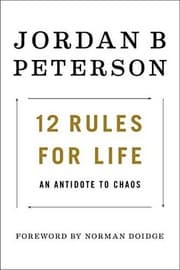
Couldn't agree with you more. Um, and I, I, I brought this up when we were talking, uh, uh, over the beer was there's a concept that I've ex- that I heard from Jordan Peterson that I've extended to many other aspects of my life. Um, uh, and it, and it kind of fits with what you're saying. It's this idea of act as if. And where it came from, just for those listening, it came from, uh, his first book tour, uh, 12 Rules for Life.
I went and saw him, and, um, w- someone in the crowd asked, 'cause, uh, uh, he references God a lot in the book, and someone asked if he was a believer And at that time, this is like 2016-ish, um, how he answered the question was, um, essentially, "I'm not sure, but what I know is when I act as if I believe in God and I love God and I'm connected to God, my life gets better. So what I'm doing today is acting as if," right? So I thought that was a wonderful way of describing where he was. Uh, but I then, I, that, I kind of, uh, internalized that to be, to be this is what we need to do. Like, when you, when you, you might not be having a, you might have had the worst day ever at work, right?
And what do so many of us do if we're not properly calibrated, is we come home, and we yell at our kids, and we give our wife shit, or we ignore her, or, you know, we're, you know, we d- we, we, we neglect the animals or what, you know, whatever needs to happen because, oh, I'm in a bad mood, I had a bad day, I lost a sale, or my boss yelled at me or whatever. Well, no. When you come home, you could be, it could've been the biggest POS day you've ever had, and you're freaking miserable. I need to now act as if I'm a great dad because my kids n- neither deserve nor care that I had a crappy day that day, right? Like, maybe I don't need to be super dad, but I can't be shitty dad.
I need to be at least, you know, the b- you know, the good to great version of myself, and that's just performing. It's just performing, like you said. It's, I, I, you know, I just had to do this show after losing my dad, and even though I got through it as a pro, am still absolutely racked with emotion, and now my kids want me to play blocks with them, and what am I gonna do? I'm gonna go lock myself in a bedroom and pound beers t- to try to mask the pain? No, get down on the floor and act as.
And what happens, and dude, and this is where I'm, I'm really interested in your insights on this and your experience, is what I've found, and I think this is what Jordan was saying with his thoughts, is that even if you don't believe or you aren't that thing today, when you act as if you are, it, that, that's the only way to become it. It's the only, it's the only way to grow, is to act as if you are that thing even if you're not. And that idea has paid so many dividends in my life in times when I was miserable or unhappy or broke or, you know, when I was getting divorced. Like, just okay. Like, just act as if you're a great boss today.
Act as if you're a great dad today. And you just play a role. Yeah. You perform the role as it should be done even though, you know, your real feelings are this other thing. I mean, a- a- I don't know.
I, we, we, I've ... That has just been something that has stuck with me for so long. I always say when somebody's negative around me, "You're getting on me." I, I like that term because it's almost like getting dirty, so to speak, on a rainy day. And it's pretty hard for me to have that attitude that I don't want somebody's negativity to get on me if I'm spreading that negativity as well.
And, um, it, it's, it's funny when you talk about, uh, your children or, or divorce or relationships or all of those things, we've all been in that experience, every one of us, where you're with your significant other and you're having a little bit of an argument of some fashion. You're mad at each other, and then you bump into somebody at the mall. And you immediately, you're like, "Hey, how are you?" Right? Like, you slip into character.
Now, the question that you have to ask yourself is, are you doing that because you don't want them to see you negative or to understand that you are having shortcomings? Um, are, are you doing it for them or are you doing it for you? And I really think, especially being a father, it's not the kids' fault that I'm having a bad day. To them, I'm still Superman. To, to my wife, I'm still an excellent lover.
To my friends, I'm the person that they can call on a bad day. So I, I just don't want my life, which is so incredibly short, to be filled with the bad times. And you know what? A lot of the times when I'm talking on stage or trying to help coach people or helping to inspire them, I talk about when you look back at your childhood how easy it is to remember the bad days and how hard it is to remember the good ones. I often say that I can remember ever spa- every spanking I got, but I can't tell you what I got for my sixth birthday.
Do you understand? For some reason, the negativity sticks. So if I can have as little negativity moving forward, I'm just not filling my subconscious mind with enough poison that gets on the people around me. What do you say to someone who would view that as dishonest, right? You're playing roles.
Like, how do I know who the true you is if you're performing for me when you see me in the mall? Well, I guess. I, I, and I guess that's a fair question, but if that's the only character that I ever perform, how do you know that's not me? I mean, this, this is, this is who I am, and how is it not me? It just, it's a matter of strength, really.
I mean, somebody who goes to the gym and will run on the treadmill for 30 minutes doesn't run all day. That's all the running that they do. For somebody who eats, uh, very, very carefully, but on Fridays has, uh, pizza and wings, I mean, w- w- we all have our own time, our own personal way of doing things. I think that I would like to think the character I play is the best version of me. I would like to think that the version that struggles and is sad and has hardships is, is not.
I mean, the, the Danny Z. is so much better than the vulnerable Dan Pollen. I can tell you that already. So if I had to pick between one, I would want the successful one that brings joy to people than the, the negative one who wallows in self-pity. Yeah. I also think, 'cause, 'cause I've, uh, I've, I've, I've talked to people about this, right?
And they, you know, and there's, there's tends to be, like, a bifurcation. There's people that, like, completely get this concept of, of kind of performing and, and this idea of, like, your kids don't deserve your bad day at work. And then there's people that are like, "Well, this is, you know- That's not being honest, that's not being authentic, that's not being genuine. And I, I struggle with that because th- these, these ideas of authentic and genuine, they really, eh, they- they're only valid in a, in a snapshot in time. Because you could say something to me on this show that changes my viewpoint on something, and now I'm a completely different person after this.
When we, when we close this down, I've taken in this concept, and I'm a completely different person. Well, was, w- was this not the genu- genuine version? Because now 15 minutes later, I have a slightly different perspective on the world and operate differently because of something you said to me? Like, it's genuine and authentic is just a snapshot, and if in the moment when I'm on stage, I want to pull out five or six qualities of my personality that, that present really well and create an entertaining, educational, valuable, uh, moment in time, well, that doesn't mean it's not genuine. It just means I chose those five characteristics.
Like, when I'm with my golfing, beer-drinking buddies, they're... That version of me is a crass, locker room degenerate, right? But that's, you know, that's just one small portion that I bring out with that group of friends because that's funny and we're having a good time, and blah, blah, blah, and we got 20 years of history, and like, but it... Okay, but if I'm not like that when I go home, is that not the genuine me? Like, so I think that argument breaks down really quickly.
I think everybody shaves the sharp points off of their lives, whether they admit it or not. So somebody who says, um, "That Danny Z who plays a character, he's not giving me his genuine self," I would be sitting with that person, you or anybody, having a lunch and talking about our day, and you would never say during that lunch, "I gotta get up and use the bathroom. I think I have diarrhea." Okay? No one would ever say that.
Somebody would say, "I'm just gonna go wash my hands," or, "I have to use the restroom quickly." They shave the ends off because they don't wanna be embarrassed or uncomfortable, or perhaps the environment doesn't allow it. You... There's no way you're with your significant other and say, "I don't wanna sit on the couch with you, I'm super gassy." Like, we all shave our edges off in order to the audience and the environment we're in.
So how can you say that person isn't being genuine and then shave an edge off of a time that you're with somebody else? That's all. So you really gotta pick it. I, I can say to you that with my own faith, my, my relationship with my children and my wife, all of those things, I'm as genuine as the situation needs to be for the health and welfare of the relationship, and I think that that's what's most important. So, um, I don't mind, I don't mind playing a strong, respectful, fun character that is liked by others if it brings joy to the people around me.
I got no problems with that. How do you handle feedback and criticism? I punch them in the face. That's a good answer. Yeah, that's so great.
Sorry. I thought we were bo- going back to that genuine thing. Um, um, I, I love criticism, which is something most people don't hear. As an entertainer and a speaker, every time somebody criticizes something I've said or done, it makes me better the next time. And because I'm trying to make a living from this character and from the things that I say and that I do, I think that criticism is essential.
Somebody always knows something that you, you don't. In that same respect, there's lots of people that don't have the same views as me or belief system or, or political views or financial views. I mean, you can pick whatever category you'd like to put that on. And sometimes you have to listen to those views and those criticisms, even if you don't support them. It's, it, it...
What do you do? I mean, you, you, you try to be polite and you try to listen and you thank them for, for, for sharing, and, uh, you try to defuse whatever's coming from it. But I've never heard somebody criticize me and me not recognize that there's probably a shortcoming that I should address. So I think that it takes a strong person to criticize somebody, and, um, it takes a bad person to do it poorly. But it's hard to tell somebody that they need to change or need to fix something or could improve on something.
I think it takes a, a strong person to share. How do you balance ego, right? My... I think I told you this. My, my TEDx talk that I did in February was on, uh, ego, and essentially how...
It was called Stop Living a Life That You Didn't Choose, when we let that negative side of ego drive our decision-making. And, y- you know, you find a lot of, a lot... Most of the commentary around ego is the negative side. But as someone who's done incredibly, uh, been incredibly successful, been on amazing stages, I mean, just go to your homepage, you're standing on the America's Got Talent, uh, uh... America's Got Talent, right?
That was America's Got Talent? Yep. Yep, uh- America's Got Talent, America's Got Talent: Extreme, all of them. I did them all. Yeah, and, uh- Yeah ...
Simon Cowell's sitting right there. Like, like, you know, it takes ego, right, to develop yourself, to keep pushing, to wanting to be better, to wanting to be the best version of yourself, to be able to, to, to get to the stage and then to do a great performance, right? I mean, there's, it's your ego driving you, the positive side of ego, to get there, right? But then there's also the other side of, you know, "I'm not getting paid as much as this," or, "He's got 10 more gigs than me," or, "Why did they hire him versus me?" And like, and that balance, I find, especially for successful people, and particularly for performers, um, it, it's...
I'm very interested in how you handle that. Like, when you get the chirp from the, you know, from the negative side, right? And you can hear yourself going, "Oh, I wanted that gig," or something, right? Or, or maybe you don't have that, but I know most, most people do. They may not listen to it, but it's there.
Like, how do you balance that in your mind to make sure that you're coming as often as you can From the most positive version of that voice versus the, the negative side that wants you to play the zero-sum game and, you know, try to box other people out and look at everything as competition. Yeah. That... You know what? That's another question that I've heard more than once, and my answer isn't what you think.
I mean, I cry a lot, okay? I'm not brave. My... I, I got very lucky and fell into the career that I am in. None of the path that I've taken has ever been my own.
I didn't mean to become a hypnotist. It happened because of that issue. I, I do escapology, which is something we haven't talked about, but I'm an escape artist, and I did that because I was asked to do a commercial, and I tried something I'd never done before. The entertainment industry, radio broadcasting, I mean, I became a radio broadcaster 'cause I won a contest. I mean, there's, I, there's...
None of my... None of the history of who I am today was a choice and something that I wanted to do. It just happened, and I feel like I haven't got to where I need to go yet. I feel like I'm still trying to climb that ladder to be what I'm supposed to be in the, in the end of my journey. And my, uh, my life is like a book.
It's just a, a cluster of pages, and I, I get to write in every page of what I'm going to do that day, but I don't know how many pages are left or what, what they're gonna say. So if you say to me, "You know, what's that look like?" I don't have a clue because I haven't achieved what I've been meant to achieve yet. So when I step out on stage, I'm super nervous. When I, um, get off stage, I'm just a shaky, babbling mess because although I'm there, I don't feel like I, I deserve to be.
And I think that if I ever stepped out on stage and felt like I should be there, I don't wanna do that anymore. I... It's a blessing. The people that I get to meet and the things that I get to do every single day is a, a blessing. I mean, I, I have the opportunity to inspire people and share my, my journey and my life and all of the incredible things that I've done.
And I think that, I think that, uh, God gives you what you can handle. I... And He has tremendous faith in me because He throws a lot at me. And when I look at my entire life, when I look at starting in broadcasting and then starting, and then having a business, and then becoming an entertainer, and then finding stages, and then getting on television, I feel like I'm climbing towards a journey that is supposed to affect people in a fashion that is going to be positive. I haven't achieved it yet, but I feel like being an author and a speaker and all of these things are meant because I'm supposed to say the right thing at a right time for the right people that need it the most.
So when I'm there, I'll let you know. I, I, I'm, I'm still chasing that. Yeah. Uh, God didn't give David a kingdom, He gave him Goliath. I keep that in my head all the time.
Every time something happens that isn't what I would want, necessarily have wanted to happen, I say that in my head, "God didn't give David a kingdom, He gave him Goliath," right? There's a reason, and I completely agree with you. Uh, and, you know, if you're even, you know, taking out the, the biblical nature if that bothers anybody, although if you're listening to this show, I reference God enough that it can't bother you that much. Um, you know, it's so easy to get caught in, in the negativity of where we thought we were supposed to be. And the nature of my next question for you is, is this, this...
You f- you feel like it, your life has just happened to you. You've, you've, you've... My interpretation is you have been, you have been willing to capture the opportunity as it was presented in those moments, right? Versus driving, you know, trying to drive to an opportunity and determine an opportunity. You've let fate or destiny or whatever, uh, make that determination.
I'm very interested in why you feel like you're not where you're supposed to be. Like, like, how is... Like, how do you know that what you're doing today, the amount of joy, entertainment, connection, laughter, you know, all this stuff that you bring when you stand up on stage or, or, or someone's listening to you for three hours while they're on a long drive on a broadcast or listening to, you know, something you've done, right? Like, how do you know that that's not what you're supposed to do, that this isn't the thing? Like, what is it inside you that says, you know, there's another, there's another thing that's gonna happen.
There's something else. There might be 10 more something else's that's gonna happen. Like, how do you know that that's the case? Yeah. It's a pretty easy answer.
There's a, a few steps to this answer based on what you just said. I have a raging ignorance to doubt, a raging ignorance. So I can say to you that when I'm walking down the hallway of life, there's all kinds of doors as we pass, and they're all cracked open, and there's so many people in life that peek in to see what's on the other side, to see if it, they enjoy the flavor, the smell, the taste, the experience. I just kick the door open and be like, "What's going on in here?" And I go door after door, and I'm like, "Hi, I'm a stranger.
What's happening? I just... I seen the door was cracked. I, am, am I interrupting something?" I don't miss the opportunity because when we look back at our lives, we can always see the missed things, and I, I mean this sincerely.
At the end of my life, I don't want to ever regret something that I didn't try or didn't do. What a tragedy my life would be if I didn't experience it. We only get one. So- I don't miss that. I don't miss...
If it's a new restaurant I've never seen, I'm gonna order it. If it's a country I've never been, I'm gonna fly there. If it's a stranger at a lounge bar, I'm gonna turn and talk to them. I don't miss the cracked door. And I don't know what I'm going to be when I grow up.
I don't have a clue. But I can say to you that this incredible journey, I, I-- as briefly as I can share it, I, uh, was homeless at 13. I was self-sufficient. I got a job. I went to high school.
I was the first person in my family to graduate high school. I opened a business. I did what every businessman would do. I worked twenty hours a day for no money to make it successful. I got a job in broadcasting with no experience.
I just put myself out there and tried something new, and I did that with, uh, uh, magic and hypnosis and escapology. And you and I briefly talked about this at the lounge. My-- Right now, my main job is as a speaker, but in the last six or eight years, I've done a tremendous amount of work in escapology, which is why you see me on all of these Got Talents, America's Got Talent Extreme. I just got back from Romania a couple of weeks ago. India is next on my list.
I've done seventeen Got Talents, and I've performed in fifty countries. And there's one thing that I can say to you every single time, and my daughter summed it up when we were doing France's Got Talent, is I was going into a box that they were gonna raise a hundred and eighty feet with a one-minute automatic timer, and I had to escape my shackles and clip a safety line on before the automatic box dropped. And we were being interviewed, and my daughter looked at me and said, "Daddy, are you afraid to escape the box?" And I looked at her and said, "No, baby. I'm afraid to step into it."
Because stepping into the box is the hardest thing that we have. When you and I talk about being parents or a divorce or if we look at the people that we've lost or the jobs that we've had, we're all in a box. You're in a box right now. You'd like to be in a bigger house, a better job. You'd like to be in a different financial bracket.
You'd like all of those things. You're boxed in on every single aspect, and we become so complacent with the box that we're in. We're used to the four walls that are around us that we just exist. So when I'm in the box and I'm shackled up, I have an order of operations just like you. I gotta pick the locks, remove the shackles, take off the, the stuff to get the harness to get out of the box.
You have to go to work, pay the bills, have a relationship, watch the kids, do all of those things. It's still an order of operations for day to day to day. But when you're in your eighty-thousand-dollar-a-year job and you wanna step into that hundred and twenty thousand dollar job or whatever, I'm making it up, of course, for conversation, but when you wanna do that, getting out of the box is easy. Stepping into the new box is what's so fearful because you don't know what's in there. You don't know what danger you're going to be in because if I don't step in that first box, I'm never in danger.
I'm not raised in the crane or on fire or shackled up. If I don't get in the box, I'm safe. So getting out of the box when you're in is easy. Stepping into that new box, everybody's in a bad relationship because they're worried they'll never find somebody. So they just harbor a horrible relationship out of fear of not meeting somebody new.
Or they have a dead-end job they've been in for fifteen years, and they're already capped at their financial goals at that position, but they don't wanna change it because everything in the desk drawer is as they've left it. My raging ignorance of doubt means I step out of the box and into a new box, and as, as, uh, as afraid as I am to step into it, I'm excited to see what's inside. For the person who's listening to this that they're listening to you talk and they're examining their own life at the same time, I'm doing this as you're talking, and their self-evaluation comes back that they over-index on safety. And, and hearing you speak, they're going that, that pain, that discomfort, that frustration, that anxiety, that dull sense that we have when we're misaligned, when we're w- you know... H- what h- what's something they can do?
How, how would you guide them to break out of this safety cycle of just always over-indexing towards safe if, if they're unhappy with that, right? With the advice always being if you're, you know, on cloud nine with, with that, then that's wonderful. But you're sitting here and you have that dull sense of, "Ah, man, I'm stuck," but like you said, "I'm right now more fearful of, of what the next move would be or stepping out on my own," whatever. How do they start to crack that mentality, right? With-- How do they start to break that down to, to...
Maybe they'll never be uncomfortable taking that dangerous step, but how do we get them to do it if their happiness lies down that path? Well, the first thing I'm gonna say is look around. You and I are talking on computers in different parts of the world real time. We have lights around us. I see books behind you and all kinds of things.
All of these are because people failed and succeeded. I mean, the, uh, th- the light bulb alone didn't work the very first time it was tried. Like, I mean, pick, pick anything around you, and we have it because somebody didn't give up, and they pushed it until it was a product that we could buy, invest in, or use. And when I look at my own life, I often wonder if I'm bringing something tangible to the market that is valuable to somebody else. So when you're stuck in that spot, the first thing you gotta do is look at the character that you play.
Me, it's that character development. We talk about Danny Z. Have I invested in my character enough to believe that it's valuable to somebody else? And then the product, what I'm saying or what I'm providing or the entertainment that I'm bringing, is it good enough that people would want to invest in that? So One of the things that I already said to you in this conversation is I don't know what I'm gonna be when I grow up, or I don't know what's next, or I'm fearful because I, I, I still got so much to do.
So if you're looking at your life and, and you're stagnant and not going somewhere, then you're one of those people that really needs to evaluate what the next step is. Because to be comfortable and complacent for the rest of your natural life, you're, you might as well be a program that's doing nothing. Like you're just in, you're just in the Groundhog Day. Every day is the same. What value is that?
And how do you inspire others? You and I are both parents. Shame on me if I stop and don't show my children that they can achieve anything if they work hard with good ethics and good moral backbone. I, I want my children to far exceed anything that I've ever done. I don't want them to be on fire in a box hanging from a helicopter, but I can say to you that I want them to challenge themselves and find out what is out there.
I don't want them to just be happy or that be good enough. And if, if you're listening and watching this and you, you're, you're in that relationship or that job or that house, nobody ever moves to a bigger house without it being uncomfortable. Moving day sucks. Nobody ever breaks up from a relationship thinking that they're gonna be lonely for the rest of their life. But that first kiss with that new person, the magic of falling in love again, is the most incredible thing.
My firstborn, if I just gave up, I wouldn't have all the children that I have. Each one is a magical memory and an expression of myself and, and my proof that love exists and, and that there's so much more. So yeah, if you're watching this and it's uncomfortable, good. It should be uncomfortable because growth is uncomfortable. That's why we had growing pains when we were young.
Growth isn't easy for everybody, and it requires sacrifice and failure. I've fallen and broken so many bones. I carry my medical papers with me where I go so that when I hurt myself, I can just hand them in at the hospital, okay? Um, it's not easy, and it's hard to get back up on the horse after you've been bucked off. But the journey is so incredible when you get there that you realize the value isn't in the journey but the destination.
And when you've looked around and you've tasted the food and seen the sunset, it's time to move to the next place. Keep going. It's an incredible, incredible way to live. It does seem like a lot of people get stagnant for a whole bunch of reasons. One of those reasons being, um, or one of the reasons that was recently given to me by a guy who called, randomly called me, a colleague/friend, and he had questions about a couple of stuff, and the conversation, kinda similar to ours, uh, devolved into, uh, more headier topics, we'll say, right?
And he, he had kind of expressed that, that while he's been successful, he felt very stagnant, and he's like, "You know, I, I, I really would like to, to kind of spit- spin up this side project, um, or side quest, but, you know, I'm just... I got so much going on and blah, blah, blah." And, and ultimately, when I asked him what those things were, they were all just distractions, right? Now, I'm assuming in order to, when you're in a box that's on fire, that is, uh, elevated at a distance that the fall would be something you don't want to happen, right? You have to be supremely focused and present in the moment to execute that.
That, that's my assumption, right? So focus seems like a superpower today, maybe more than ever before. Not that it always hasn't been incredibly important, but maybe more than ever before with focus seems so incredibly important. How do you stay focused at the macro level, uh, career, life, family, the things that are important to you, right, with all the opportunities that probably come to you on a day-to-day basis? And then maybe I'd love for you to dig in even how do you be as present and focused as you need to be in that box?
Like, how, how do you on a micro level? The box is an interesting analogy, not just the one that we talk about like we did, like escaping the box. But when I get in there, it's, it, uh, I'm only able to do it from muscle memory and repetition. The truth is, picking a lock, it, it's... Even picking a lock is such an interesting concept when you think about it.
I mean, the truth is, I can't see what I'm doing, and I have to reach in, and with a very delicate touch, I gotta feel the pins, and I have to count, and I have to think, and I have to-- can't let anything else around me bother as I micromanage the simple simplicity of picking a lock. That's all. Like, I mean, there, there's just no room for error. And you, you have to be focused on that enough that you're able to achieve that and then go on to the next order of operations. So having a plan, even though it sounds like I just wing my life, I just went on and be like, "I'm going to the next door.
Kick it open." I mean, you st- you still have to have a plan in some fashion. And when I get into the box and have to escape it, I do have a box at home that I get in, and I practice over and over and over and over and over and over and over again. And, and I do try to work all of the bugs out, and I do drop my picks and have to find them in the dark. Like, I try to challenge myself under the worst circumstances to have the most positive outcome.
And the fact that I'm nine operations and probably seventy hospital visits later means I didn't always make it, but, um, uh, it didn't stop me either. The, the, the focus and the ability to, to, to, to deal with what I have to under that pressure is horrible. It's not a joke that I cry the whole time or I'm stressed out about it before or after. I mean, what I do is very extreme and not for many people. But When you peel back all the layers, literally every single thing we do is the exact same.
It's just we look at it in a different way. You can look at it and say being in a high-pressure box at that stake is way more dangerous. I don't know. Is it just as... I, I, I'm certainly in less danger in that box than somebody texting on the highway.
I can tell you, less people have died falling from a crane in a box on fire than on the highway while they're texting. So it's, it's, um, it's making advanced proper choices that put me in the best situation for the most positive outcome, and if you really just think about the words that just fell out of my mouth, you look at any situation you're in, analyze what the best things that you can do for the most positive outcome, and do your best to achieve that, and in the end, you'll find success in whatever it is you're doing. Why do you think it is that so many people get derailed then? 'Cause, 'cause, you know, I come across so many, like, wa- I, I wanna wannabe in the way that they want to be an entrepreneur, not wannabe in, like, they tried and they never... Right? Like, they, the...
I just hear, "Well, I started and then I got distracted," or, or, "I started and then we morphed and then it never really became anything." It's like why, why is it so difficult for us to, as you said, prepare and execute over and over and over again the routine that leads to success? It, it's so rare that someone doesn't know the things they need to do to be a success. Yeah. Ryan, do you have a coach?
I have, I have a mentor that I talk to, yeah. Yeah, perfect. And, um, I, I, I, I, as, as I do, and I have a circle of friends, okay? Uh, that I count on or I have conversations with, and I'm lucky enough to be on, uh, shows like this where you talk to other like-minded people or motivated people. Why do people stop?
Because if you don't have somebody that holds you accountable, self-accountability is the easiest way to fail at anything. I can tell you yesterday after we had dinner, my daughter didn't wanna bring the dishes to the sink. She'd rather talk on TikTok or whatever platform she's playing on her phone. Uh, my wife didn't wanna put the laundry away 'cause we were playing with the baby, and I... Like, I could give you a laundry list of failures that we don't want to do, and my success comes from having to be accountable.
Because if I come on this show with you and I say, "Tomorrow, I'm going for a world record, and I'm doing this," and a whole bunch of the listenership and the people who follow you log on to watch me, and I don't do it, they have nothing positive to say about me. I have to follow through. So having a platform in radio or television or having a good coaching platform that follows me or mentorship p- uh, program makes me accountable because I said to you, "I'll meet you today for this time to be on a call with you and to do this." It's being accountable. When we go to a job, we get paid at the end of the week because we went for our 44 hours a week or whatever it is.
Being self-accountable isn't enough. You gotta put yourself out there. You have to promise. If you wanna lose weight, go on social media and tell everybody you're gonna lose weight, and then tell them you're gonna come back on every single day and tell you how you're, how you're achieving it. And the first day you're not on there, you'll have 10 of your friends message you and say you were supposed to be on at 4:00.
Accountability is the hardest thing, self-accountability. Don't do it. Challenge yourself to find a friend to go to the gym with. Two people will always go to the gym. One person won't.
Find a reason to be self-accountable and have somebody mentor you or coach you and find somebody that you believe in to motivate you. My, my success, I, I, I could say the accolades of my success are mine because I achieved it, but I did it because I had a great spouse, children that were proud of me, and a team of people who inspired me and I could communicate with. It doesn't happen on your own. It'll never happen on your own. I couldn't agree with that more.
Um, you know, I, I've, I've... It wasn't until later in my life that I found, um, a s- a good mentor, and then I also have an incredible group of, of friends, you know, s- tight circle that, you know, you can talk to and be very honest with and, and understand where you're coming from and will hold you accountable. But for, for the, the early part of my life, I felt very much alone. Um, my parents were... My dad was a laborer on the railroad.
Mom's a receptionist. Like, when I was growing up, their advice to me was go work for a big company and get a safe job and, you know, whatever, and, like, that was always a disconnect for me, like, just my mentality. And so I, I couldn't really count on them. They were great at love, the parental love, so I'm bl- very blessed in that regard, but, but beyond that, they weren't really good. And then I...
There was no one really in my life. I grew up in this very small, very poor town. Uh, we used to say you could leave the doors open at night 'cause the criminals lived in our town. They didn't steal in our town. And so I wasn't, I didn't have anybody there, and then coming out of high school, there weren't really any coaches.
You know, it just, I never had that person, and then I got... In my 20s, I was very lost. I, you know, kinda, I, I feel very similar to you that my life has happened to me. Um, I would not grade myself maybe as high on always kicking the door open. Um, although I will say in the moments when I have kicked the door open have usually been the moments when I was on the right path, and when I tiptoed in or took a look and closed the door because of fear, I, the, you know, I often regret those decisions.
But when you find that person, and I, and I, and I h- guys, I, I just, I hope you're taking in what Danny's saying here 'cause, 'cause I, I... So many of us, and I think ego is another driver of this, is if I don't do it on my own, then I didn't achieve it. It's not mine or, you know, people aren't gonna look at me the same. Like, you know, I don't need a coach. I've...
You know, I already exited from one business, or I had a, a successful sales career, so I don't need a coach here, and I have a, I have a counselor I go see every week, and I have a mentor that I talk to every single week. And the last, the success that I've seen in the last seven years of my life, bus-b-business-wise in particular, is one hundred percent, not one hundred percent, but I can tie it back with a large percentage to the convers-- to the weekly, bi-weekly conversations that I have with those two individuals. That like, like, you know, you, you come in, and you got this scrambled thought because somebody just, you know, said, "Hey, Danny, you know, I know you do hypnotist shit, but we want you to get in this box, and we're gonna light it on fire and see if you can get out of it. Are you in?" Right?
And you're going, "Oh my God, that sounds really cool, but I also don't wanna die. I've never done it before. What will people think? Will they be..." You know what I mean?
Like all this mishmash. And then, and it's another reason I love this show and ha- and like you said, having conversations, because when you actually hear yourself explaining what's going on between your ears, you often don't even need the person to respond. You, but you need to have that person. If you were just to talk out loud into the air, it's not the same. But if I'm explaining to you all the crazy mishmash thoughts and fears and stuff that's going on, and I get it out of my face, and you're listening to me, there's something about that activity that allows you to frame things.
Even if they don't give you any advice, even if they're just like nodding along, all of a sudden you're like, "Oh, what was I even scared about?" You know, or, or whatever, right? Um, but so many people struggle for that relationship where they, they feel like they, it's too early, or I'm not ready, or, you know, y- y- whatever excuse it is. And guys, I just, I know I'm pontificating here, but I can't push you sh- enough to finding somebody. Find somebody that you can talk to on a consistent...
And, and I think, I think you would agree, but, but push back if not. It's the consistency, in my opinion, that's important. It doesn't have to be every other week. It doesn't have to be every week. It can be once a month.
It can be once a quarter. But that consistency of conversation where that person's gonna go, "Hey Danny, you told me you were gonna do three locks, and you only did one lock. Like, what the F, bro? Like, you told me that this is what you were gonna do, and you didn't do it. Why, why didn't you do it?"
Right? And now, now you have to explain why you didn't do it, and, you know, it just, it's so incredibly valuable, and so few people take advantage of a coach or a mentor or a counselor that I hope, uh, I hope in so- small part, part of what people get out of this podcast is maybe a push to start to look for that. Self-doubt is an easy passenger on the journey that you're going. It's, uh, certainly one that'll cling onto you like a backpack and allow you to fail. And, um, yeah, you're really not going anywhere with that baggage.
You just gotta let it go. And, and you have to also wage what value is and, and what you're hoping to get out of your life. And if you so worry that what you're trying to achieve is unachievable, then, then you need to be thinking about something else, really. Like it's, uh, um, I just, I just have lived the absolute most incredible life. And if I didn't believe that I should try, I wouldn't have done any of it.
So it... There's so much left for you to do that you should do it. You should jump right on board. And I, I just love, you know, in kind of wrapping up our conversation, I want, I could talk to you for another four hours 'cause there, like you said, there's, we've literally, and the guys, and, and we're gonna get to how to follow along with your journey and, and where your shows are and all that kind of stuff. But like, I, I feel like we've literally just like tiny scratched the surface, um, 'cause there was like three more things that, that we talked about, whatever.
But, uh, this has been a wonderful introduction to, to your mentality and why I wanted to have you on the show. And, you know, uh, just kinda calling back two of the things that, that really caught me were this idea of a raging ignorance to doubt. I love that idea. I absolutely love that idea. And I also think, I think, you know, we as an audience and, and, you know, I consider myself as part of the audience of, of you on this show, is this idea of, of developing the characters of our life, right?
The, the, the spouse character, the parent character, the, the boss character, the, the perform-- whatever characters are relevant and necessary for you to be successful. Um, I've never really thought about developing them necessarily. I, that, that is not something that I've ever wrapped my head around, and, and I really appreciate that from, from my heart. I appreciate that 'cause I'm gonna spend time in that, and, uh, that was incredibly valuable to me, man. I, I, I appreciate it so much.
Um- We, we will work all day for an avatar on our social media. You just gotta figure out who you need to be for you. Yeah. It's incredible how we'll, we'll work on that persona and how a, a, a character we play in a video game or, uh, um, uh, how we are meant to be perceived publicly, but we don't work on ourselves in that same fashion. That's ridiculous.
You gotta know who you are and how you present and how you want people to perceive you and what's that look like. And as silly as it sounds, don't be afraid to write it out. Write how you wanna look. You'll never find me anywhere on media or television without white sneakers, a pair of jeans, and a T-shirt. You'll never find me anywhere.
It's the same character I've been playing for twenty years. If there's a picture of me, that's what I look like. It's the character that I've chosen to play, and it's how I wanna be perceived, and that's just visually. And you see me around children or family, and I'm going to acknowledge the kids and shake the man's hand. I'm gonna ack-acknowledge the woman.
An elderly man, I'm gonna say sir. An elderly woman, I'm gonna say ma'am. And you could say that that's etiquette, and I could say that's character development because I would like the people to perceive me as somebody who cares and loves and, and is chasing the same success as hopefully they are. So who do you wanna be when you grow up? How do you want people to see you?
And, uh, at the end of the night, when I put my head down on my pillow, I have to feel good about that person and what that day looks like. Otherwise, I've just failed myself.Daniel, Danny Zez Paullin, my, I've, I've-- Dude, I am so glad that, uh, fate put us in contact, uh, at the, uh, Delta Club in Detroit, I think it was. And, um, eh, man, I just appreciate the way that you view the world and way you approach your work, and, um, I consider it such a blessing that you'd spend time with us today. For- I hope you'll let me on again sometime. Oh- I hope I get to do it again ... open invitation.
Open invitation. I, uh, I-- We, we could do it tomorrow again if you want. Um, no, it-- Not no. Yes, if you did, we can. But, uh, but where do people who wanna get deeper into your world, where's the best place for them to do that?
Well, there's two ways. Um, Danny Zez, with four Zs, if you do a search on any platform, you're gonna find a ton of stuff. My website is dannyzez.com. If you can see my name and you're watching on screen, my real name is Daniel Paullin, and, uh, danielpaullin.com is where I do, uh, elite hypnosis training and, and, um, coaching and therapy for people who wanna take their executive level to a higher level. Um, I don't take a lot of people on that.
It's, uh, it's really hands-on, and it's a life-changing experience for those who do it. So for those people who want to go there, please find me there. But otherwise, uh, my phone number on all of the websites is really my cell. Just give me a call. I'm not hiding from anybody.
If, uh, I can, uh, have a conversation, there's somebody who's watching and listening to this right now that heard something I have said that resonates with them and they wanna talk about it, reach out to me. I'm just a guy like you. I'm happy to, uh, to, to take the call and put my hand around your shoulder and tell you that tomorrow's a new day. I appreciate the hell out of you, my friend. Thank you so much.