I'm here on the job site with Dale, who's a framing contractor. Hey, good morning. Dale traded up to GEICO Commercial Auto Insurance for all his business vehicles. We're here where he needs us most. Yep, they sure are.
We make it easy for him to save on all his insurance needs, all in one place, with coverage that fits his business and bottom line. Ooh, I shouldn't have looked down. It's all right. We're, we're so far up here. Look at me.
Take a deep breath. No, I'm good. S- so good. Get a commercial auto insurance quote today at geico.com and see how much you could save. It feels good to GEICO.
Hiring isn't just about finding someone willing to take the job. You need the right person with the right background who can move your business forward. If you want candidates who truly match what you're looking for, trust Indeed Sponsored Jobs. With Indeed Sponsored Jobs, your post stands out to quality candidates who actually fit the role. According to Indeed data, 90% are more likely to be hired and trusted by 1.6 million companies.
Spend more time interviewing candidates who check all your boxes. Less stress, less time, more results now with Indeed Sponsored Jobs. And listeners of this show will get a $75 sponsored job credit to help your job get the premium status it deserves at indeed.com/podcats13. Just go to indeed.com/podcats13 right now and support our show by saying you heard about Indeed on this podcast. Indeed.com/podcats13.
Terms and conditions apply. Hiring? Do it the right way with Indeed. If you're a maintenance supervisor for a commercial property, you've had to deal with everything from leaky faucets to flickering light bulbs, but nothing's worse than that ancient boiler that's lived in the building since the day it was built 50 years ago. It's enough to make anyone lose their cool.
That's where Grainger comes in. With industrial-grade products and dependable fast delivery, Grainger can help with any challenge, from worn out components to everyday necessities. Call, click grainger.com, or just stop by. Grainger, for the ones who get it done. Probably starts at a young age, this negative connotation around failure.
Failure, um, is where you really, that's where the learning begins. But no one really cares about you. They all care about themselves, and that's, we're consumed with ourselves. So the quicker you can kind of get over that, I think the better. Let's go.
Yeah. Make it look, make it look, make it look easy. Ice tea. The Ryan Hanley Show shares the original ideas, habits, and mindsets of world-class original thinkers you can use to produce extraordinary results in your life and business. This is the way.
Hello, everyone, and welcome back to the show. We have a tremendous conversation for you today with serial entrepreneur Jeremy Delk, founder of Delk Ventures, where we discuss failure, specifically how to come back from failure. We dissect what failure means, how we emotionally rationalize the excuses that we make when we do fail, and ultimately we dissect and build off of Jeremy's largest failure, which was losing $2 million in a four-day period as a day trader. Jeremy's an incredible guy. This is packed with entrepreneurial insights, leadership, growth, sales, mindset.
This is the kind of episode I love delivering to you guys. If this is your first time here, whether you're listening on Apple, Spotify, wherever, or watching on YouTube, please hit the subscribe button. That way you don't miss future episodes of the show. If you have a thought, a comment, an idea that you want to share, leave them in the review section of Apple, Spotify, or jump into the comments on YouTube, and I always try to draw ba- the guests back into that conversation to get your question answered directly. Guys, I love you for listening to this show.
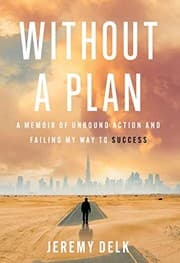
Let's get on to Jeremy Delk. Jeremy, a big part of your story is coming back from failure, and a topic that you touch on a lot in your new book, uh, Without a Plan, is, is that particular thing. So how do we fail? Yeah, I mean, I think it's, the big part of the book that I wanted to, to really focus on, um, as opposed to just having opinions, is just to show, like, real-life examples, and I think we have so many of us, and it probably starts at a young age, this negative connotation around failure, right? You know, how'd you do in school?
You're graded, and just like it's, failure's such a bad thing. And I think it's the absolute oppos- opposite, right? I think failure, um, is where you really, that's where the learning begins, and I try to really encourage failure, taking those chances and kind of going through it. You can't fail and do the same thing over and over. That's a definition of insanity, right?
But not be defined, 'cause we, we get wrapped up so much emotionally, like, "Oh, what's, what happens if I fail," right? It's this fear of failure and, and usually it's what other people are gonna think, and I, I talk about that all the time. Like, no one cares about you. Maybe your mom, but no one really cares about you. They all care about themselves, and that's, we're consumed with ourselves.
So the quicker you can kind of get over that, um, I think the better. But yeah, I, I try, I don't try to fail, but I set these, you know, paths out to go and see, you know, take a chance, go through and evaluate and not get hung up with, you know, the actual outcome until it gets to where I want to be. I want to pitch something to you and have you respond. So I have struggled with this idea of failure for a long time, and where I've come to it is I don't actually believe failure exists. I don't think it's a real thing.
It's a construct. It's a, it's a, it's a name we give to something. Mm-hmm. I think what we're actually scared of is not failure. I'm scared of what Jeremy would think of me- Yeah ... if this thing doesn't work out.
So the way I've started positioning it is that We're afraid of our status changing in a group, whether it's a community locally or on a national stage or in our company. W- where does that sit for you, that idea? No, 100%. I mean, it, it's kind of the core of... And just what...
First, to expand on what you're saying that you don't believe failure exists, I, I would, and I've said this on probably 100 podcasts and on stage, you know, I don't really believe there's anything that's a good thing or a bad thing that happens to us. Um, it's the actions, reactions, and the emotions that we put towards this thing that determines whether it was a gooder thing, right, um, good or bad thing. So me losing 2 million bucks in a few days when I was, you know, 20 years old day trading, in the moment, absolute catastrophic, worst thing, biggest failure, suck at life, I shouldn't be here anymore. Retrospectively, in 20 years, probably one of three of the best things that ever happened to me, right? So you get context with time and, and evaluation.
So, um, that's number one. But two, yeah, when I say no one really cares about you other than your mother, I think that's it. We, we get so hung up on it, and I've had big decisions, and you think about it, and yet people want an escape, right? So there's always something that's trending and kinda going through it, but they want a distraction from themselves, so they may engage, and, like, you may be the talk of the town for a day, a week, but after that, it's kinda, it's kind of over. So the quicker you kind of, you know, look in and say, "Well, what am I scared of, of failure," right?
And if it, if it's failure, hey, if I bet my house on it and now my kids are homeless, that's a real fear, and that's something that's real. But if it's because of, you know, what they may say about you, uh, w- that's the piece. And I think unfortunately most people aren't comfortable enough in their own skin, and they, they put so much value in that. And the reality is, you know, the opinions that you get from other people, that'll never work. I mean, it's, that's, they're, they're saying that about themselves, not, not you.
Just happens to be about you, but that's how they actually feel, and they internalize it. So it, it gets easier with time once you've proven it to yourself a couple times and you've taken some steps, and, hey, it was scary, but I pulled it off. But yeah, I, I agree with that construct completely. I love that there's no such thing as good or bad. I think that is a wonderful construct to hold in your head, a wonderful framework or mindset, because it gives you power, right?
If there's no good or bad, it's basically wins and lessons, right? That's, I try- It, it's an event. Yeah. All it is is an event. Yeah.
And you can, you can reframe that event in any way. I, I had a woman, um, uh, Deanne DeMayo is her name. She's a, she's a artist, she's a jazz musician, and I had her on the show a few weeks ago, and three years ago she lost her 23-year-old son, passed away. Fucking awful. I mean, I, I, literally I started to come to tears as she's telling the story.
And she said for the first year she could barely move, and then all of a sudden her producer started bringing her back into the studio a little bit. And now, three years later, she has this wonderful album that's getting national play on all these radio stations, more than she's ever gotten before, because she was able to take this horrifying, awful thing that, God, you just don't even wish on your worst enemy, and she was able to start to reframe it as I'm going to keep living for my son, for his memory- Right ... and I'm gonna do the work that I told him I was gonna do. And now she's... You know, she even said she's more energized than she's ever been before. So, like, you could sit and wallow in that moment, which, which is awful, and no one, no one would question you, right?
Hey, you lost, you lost a child. That, it, there, there really isn't a worse thing. Yeah. And instead she was able to reframe that and turn it into passion and positivity that has amplified her career and her soulfulness to a level that she didn't even know was possible. And I think this, these types of conversations with people like you who've, who've been through these failures, like, like Deanne, it, it...
I, I hope what it shows people is that it's simply just what's going on between our ears, and if we can spend a little bit of time and re- and reframe these things, man, sky's the limit on the other side of something. It is. And one thing I, I try to give an example that anyone can apply to it, like that's devastating. Like, that's... I, I agree.
There's probably not an event that could happen that would be more catastrophic. But, you know, we have all... Give me, point a- at, at a crowd, any one of a million people, everyone, just point to a random person. We've all experienced trauma, loss, and these things, and we've all probably said to ourselves, like, you know, "This is the worst thing that's ever happened to me." Everyone has those two or three things that this is the worst thing that's ever happened to me.
Humans innately are a pretty advanced species, right? And we al- you know, always have the self-protective properties that go there. So... And I don't believe in looking at the past and dwelling in the past, but we really, you know, china and tune out most of these big traumatic events, um, and just don't ever think about them again. I think there's a massive amount of power, I don't think, I know there's a massive amount of power in looking back at that, not dwelling on the event, but the fact that, you know, you're here now listening to your podcast, and I don't, "I lost my job yesterday," or what- whatever the thing is, and it's worse, but now I've gotten through it, whatever it is.
They took, the bank took my house, or whatever, whatever the thing that happened to you or your family, you're still alive and you've gotten through it. So as opposed to blocking that out, go back. 'Cause when I w- when, when I, you know, lost all that money and when I, when I made the decision to go out and start Delk Enterprises 20 years ago, I was making more than my... I was on Wall Street, very successful, and I went out and made six grand my first year in business. I never would've had the balls to do it, but you know what? I, I, I looked back and said, "Well, I lost 2 million bucks in four days trading."
Um, and I got back. So what's the worst... Can it be worse than that? Yeah And I think that was the most powerful thing that literally gave me the, it gave me the, the, the courage to go and do it, 'cause like, fuck, it can't, it can't be any worse than that and I'm still here breathing, so kinda going through it. So I don't think people should look back and, and dwell on things, but we've all had those events that are obviously much less catastrophic than losing, uh, a child, but we've all had that.
We've lost a parent, we've lost this thing, a job, whatever it is, and we're very resilient as a species. And I think if you can go back and look at those pieces, that gives you courage within yourself to say, "You know what? I can do this, and I can take that," and that's worth taking it. 'Cause I, I would argue the, the fear of failure just, it's debilitating to so many people, and I always ask the, or ask this question when I hear the response like, "Well, you know, what if I do this and these things happen?" I always, you know, rebuttal, "Well, what if you don't do it?" Right?
Um, and, and what if, uh, but if you, if you did do it and these things happened, right? What's the, what's that opportunity cost and kind of- Yeah ... look at it from that perspective. I love that you use the word resilient, 'cause one of the things that I talk a lot about with, um, the entrepreneurs that I coach is, is building resiliency into their business, right? You can take as many risks as you want as long as you have an understanding of the resilient points in your business. And one of the first things that I, I started to realize when I started doing this work was most people do not give themselves enough credit for how resilient they actually are.
They think, "Well, I'm not strong enough," or, "I don't have enough this," or whatever, whatever they think their limitation is. Mm-hmm. But when you... But, like, let's just, let's think through some things that- Are you tired of endless follow-ups and missed opportunities in your sales process? Chasing leads is a losing game.
That's why I created the One Call Close system, a battle-tested sales system that uses behavioral psychology to close deals in just one call. No more, "Let me think about it." No more, "I'll get back to you." Using the One Call Close system, we took new reps from 25% close ratio to over 80% in just three months. To grow fast, you must close deals faster at zero extra marketing cost.
The One Call Close system allows you and your reps to build trust, address pain points, all while watching your revenue skyrocket. Ready to stop chasing leads and start closing? Visit masteroftheclose.com today. Close twice as many deals this time next week. Visit masteroftheclose.com to learn how. ... happened in your past.
Tell me about what happened." And you're like, "Wow, you did that? W- you survived that? You got through that moment? You, you, you were able to maintain your business through 2008, 2009 or, or the dot com crisis or whatev- like, you got through that?
Like, wow, that's incredible." And they're like, and you... Like, sometimes you see them, they're like, they've never even gone back in their mind- Pro- yeah ... and processed how resilient they actually are. It's, it's crazy. Yeah.
So I, uh, I think, and one of the questions I wanted to, to dive in with you came out of a, a previous interview I had and some feedback I got from that, which was I had, I had an entrepreneur on a- and who's talking a lot about the business and what they had done, and it was all incredible stuff. And, uh, I got a comment, it was actually a DM, so it, no one can find it, but, uh, it, the person said, "You know, that's all great advice, except that person doesn't have kids. They don't know what it's like to get a phone call i- in the middle of a business meeting that their kid's puking all over the classroom. Or the, you know, something happened with the buses and you gotta end your day at 3:00 because they need to be picked up." Like, you have kids, yet you're highly successful as an entrepreneur.
What do you think some of the things are, and maybe talk to the, the entrepreneurs with parents out there a little bit, like, what are those differences that you see, the primary differences in, in how are you successful? I don't wanna say despite, 'cause that kinda make, puts kids in a negative light. But- ... when you're operating with children, it is just a different world. There are just certain realities to your responsibility. H- how are you able to navigate that world? 'Cause I think a lot of people say, "Well, geez, I'm in my late 30s or my early 40s.
I got kids who are still not, you know, completely self-sufficient at this point. Like, I don't know if I can be an entrepreneur at this point. I don't know if I can make that jump." What, what do you say to those individuals? Yeah, I mean, it adds a massively dynamic layer, um, that definitely complicates things or creates opportunity, right?
I mean, one of the reasons... Well, first off, I don't, I, I think you don't choose to become an entrepreneur. Like, you a- are one or you're not. You've just chosen to take the stamp and be one, right? But I think in- innately, you're, you're, you're, you're built and bred to, to, to be one of these, 'cause it, it's a masochistic kind of- Yeah ... we, I don't know why we do it sometimes- It's horrible ... but we love it.
Yeah. But for me, one of the early drivers before I even knew what, you know, having kids were like, and I'm like, I've got a six-month-old. I just, like, look at here, I've got, like, uh ... So it gets, the struggle is real, guys. Yeah, the struggle is real.
But, uh, but- For those on audio, he, uh, who are just listening on audio, he's got the classic baby drill strains on his kind of shoulder tattoo. 'Cause he's teething really bad. Yeah. So I've just got a black shirt, just, yeah, not, not a good choice today. But, um, one of the reasons, again, this was before kids, I don't, like, I, I, I wanted to be an entrepreneur 'cause I thought what it would be like. And one of those freedoms where like, oh, I wanna be an entrepreneur so I can make my own hours and, and work when I want to.
Um, obviously that's bullshit, 'cause, like, you work when you have... Like, you just always work when entrepreneurship. Yeah. And it, and it never stops. But having that flexibility is massive.
But then you just get creative on when you go, and I think the positivity of being an entrepreneur with kids- Far outweighs, yeah, of course you, you've gotta be flexible, you gotta move things around. But what it's, what I've allowed my kids to be able to see, and, like, just from a work ethic standpoint, right? Like, you know, my, my, my son- I talk about initiative and things like that. When I'm putting my son to bed, he sees me carrying my laptop to bed. 'Cause I will work, like hang out with my wife, and then she goes to sleep, and then, like, my best work, I've solved the world's problems between 11:00 and 4:00 AM. I'll just crush life, right?
I, I go through there, and, like, there's no, there's no interruptions, right? It's very quiet. But from a lesson from my son is, you know, who's daddy's boss? Well, he doesn't have a boss. Well, why, who's making him go and take his laptop to go...
No one's making me, but that's the drive and the ambition and that, that, that, um, you know, mindset that you can kinda teach by example at a very, very young age. But again, entrepreneurship positively gives you so much more flexibility. Like, we're leaving here tomorrow morning and going to, uh, our lake house for the long weekend. I've got a podcast tomorrow that I'll do from the lake, and then we'll go down and I'll take my kids, you know, wake surfing and tubing and all that. So it gives you a massive, massively, much more flexibility.
But yeah, you have these other, uh, not interruptions, but it's just life. And your life changes too. I talk to so many of these young entrepreneurs who are on social media, and they're just... I mean, their expectation of like, I'm an overnight success, 22 years in the making, right? They just have this false sense of what it is, but it's okay.
Like, and I, I don't try to change them because my goals at 22 and 25 were way different than 25 to 30. And th- and I'm 43, right? So it's okay. You, you, you learn and kinda go through, but people have to go through their own, their own, uh, their own journeys with it. Yeah.
I used to, uh... So I just exited from a company in November of last year, so it's been just almost a year now. But, uh, w- in our hiring process when, you know, we got to 20-ish people, actually way before that I removed myself 'cause I found I'm terrible at hiring only because all I do is pitch the company the whole time. Right. I'm like awful at that.
I'm just like, "This place is amazing. Here's all the reasons why you should wanna work here." Um, and my team was like, "Whoa, whoa, whoa. Let, why don't we step in?" But they were, like, asking me for guidelines, and this thing came out of me that I had never verbalized before, and I don't even know where it came from, but it was like, "I want people that walk with a limp."
And they were like, "What do you mean?" And I said like, "We, we wanna find people, they don't have to be, they don't have to be..." I'm not talking about age. I'm saying that have, like, been through some stuff. Yeah.
That have, like, experienced something. Because that first, when you first get into the game, whether it's corporate world, uh, or, or you're an entrepreneur, right? It's all pie in the sky. It's all, you know, everything's gonna be great, you know, here's all the... you're gonna make all this money and, and all that is wonderful. But it's not until, like, your experience, right?
You're day trading, you're making shit tons of money, life's great, and then all of a sudden, wham, right? Yeah. And now before that experience, there were probably all these holes in your game, right? Then you have that experience and you get to reflect on it, and I'm, and it was awful, right? But a lot of those, with those experiences, with those, those, what, you know, maybe failures is probably how the no- nomenclature, but, uh, uh, lessons is probably how we better position, you start to fill in those holes and start to be able to see around corners that others can't.
So it's almost surrounding yourself, even if you're early in the game, regard- again, regardless of age, with people who, you know, I, I like to say walk with a limp, it, man, that, that mentorship piece is huge. Was there a person like that in your life? Is there a person? Is there someone who, who, you know, do you have a, an inner circle? Like, how do you stay grounded?
How do you stay connected to others who, who push in the same direction that you're pushing in? Yeah. So a lot of stuff there. One, I mean, from an investment thesis, I won't invest in a founder that hasn't been through a cycle. Doesn't mean they have to be a boss, but the, e- everything's great until it's not.
But true leaders, true people that can kind of get through it, um, it's, it's how they, how they react and how they manage through crisis, right? I think, you know, the, the whole idea of like you, you get paid equal to the amount of pain you can take and how big the problem you can solve. Like, that's it. If you can solve a really big problem and handle a lot of stress and pain, you're gonna probably do pretty well. So I never had mentors, um, per se, like, like in a coaching component, and I do some coaching now too.
Um, I was always more just a tr- I love to try to consume, um, content. So, you know, I've got, you know, Dan Kennedy. There's a ton of mentors that I've had via just reading content- Yeah, yeah ... reading books and that type of thing. So that's been it for me. And I enjoy the learning piece.
That's why I've b- invested in so many, you know, industries. It's, A, that I, I think I can make a, an impact and there was a, there was a, a play there. But largely it was, um, I was curious, and I, and I used and let that curiosity, um, drive the, the interest in, in, in that learning, uh, that learning piece. I would love for you to dig in a little more into this, like having gone through a cycle. Like, when you meet someone, how do...
And, and you're evaluating them for an investment. Let's, let's take that framework, right? And you're starting to, to, to talk with them and learn more about them. Like, what are some of the characteristics that you're looking for? What are some of the, the pieces to their personality or the way they work or the way they present themselves that are indicators to you?
And, and not that I'm advocating that people, uh, present themselves in these ways if they don't actually have this, but what are some of the things that, that you see pop out that you go, "Ooh, this is someone who will sustain. This is someone who, who will, will push through when things get bad or can make the hard decision when it needs to be made"? H- how do you... What are some of the f- the filters that you use? Well, i- it's pretty simple framework.
The, the first comes to, you know- Their implied or actual vulnerability and authenticity of what their story is. I'm a s- I think I can sell anything to anybody. I'm a pretty good sales guy. But I also will tell you where the landmines are, 'cause I, I don't know. So the, the first thing that will just kill any deal is someone comes into me and they have all the answers.
They're either just lying or they're just naive enough to know, right? And that's, that's, that's one. And, and that, they will learn, but it just won't be with me. So they're gonna go, have fail, and get some, you know, get some marks on them and come back, and then now they've kinda went through it. Um, secondly, like you mentioned how you are, I'm probably like that as well, like, I'm, I'm a glass half full.
Um, I'm a g- uh, uh, I'm just very positive, can figure out a way h- how to do it. But that's not the best for hiring because you're basically, you, y- and it y- I guess you would've gotten this feedback that everyone that you interview, you bring the best out of them. Because if your energy, you're going that, and you're, you're g- g- Yeah ... you're getting the best out of them. And that's absolute wh- what, what you want, one. But two, you want someone different than you because if, if they have a bunch of yous, like, I'm, y- you're, you're a leader, you're an entrepreneur.
Like, I don't know details. I don't give a fuck about the details, bro. Like, I wrote a book about without a plan, and that's how I lived for 20 years. I don't think you have to get so, you know, drawn out, because it never works that way. Like, I've built, you know, two in 500 company.
I mean, I've done a lot of stuff. None of it has worked out how we thought it would be. We've had an idea of where we wanted to go, but I'm a big preacher of just, just getting started and taking that step, because you're gonna know so much more by Q4 or, you know, Q1 the next year than you are right now. So why try to predict the future? Get an idea, and then stop and go.
And I think over-planning sometimes is a negative, because when you get to that decision-making, that fork in the road, you're pre kind of destined to say, "Oh, well, this is what we said we're gonna do, so we stick to it." Um, so that's how I can figure out a cycle, and they're being authentic. But the other piece is just kind of saying, like, "This is where I'm not good at." I would rather know that from an investor. Like, or, "This is what scares me," right?
So, so many people, and I'm talking more on this investment pitch piece, but so many people want to de-risk it for an investor, 'cause that's what they think an investor wants to hear. If you have it already figured out and you have all the answers, I fucking can't help you. Go get money from someone else. Like, Delk Enterprises, the sublime is strategic capital. I solve problems with resources.
Sometimes they're financial. A lot of times they're financial. A lot of time it's using my digital marketing team or my legal or, you know, who, whoever it is. And that's the best way, and that's why I talk about vulnerability and authenticity. Going into a job interview or going into an investor pitch, telling them your fears is so telling, and it just connects.
Still, it m- it doesn't mean I'm gonna invest in you, but now I believe you because you're, like, telling me, like, "What keeps you up at night?" "Nothing. Everything's great." You're fucking lying, you're naive and you don't understand it. Yeah.
But hey, what keeps me up at night is like, I built this thing, you know, jumped off a cliff and, and, and built the wings for the plane while we're, while we're kinda going down, and I've got traction, but now I need infrastructure behind it. Okay, I'm not good at that. I'm a good leader h- here, a vision, but I can't put this up. Like, that, okay, that's a problem that either I or someone can solve, and you've shown a massive amount of vulnerability and authenticity to say, to admit and understand there's value in understanding what you're good at and not good at, right? I know numbers in- in- innately, and I can just see balance sheet, but I will never do books, right?
But I can look at financials and understand what they mean. So that's the piece where, um, I, I talk so much about just being authentic and being vulnerable. It just gets you to where you need to be helped, 'cause that's what you're going to. If you're going to an investor, you're going to a job, you wanna be part of a, uh, an organization, let's, let's leave investment out. You wanna be part of an organization.
Talk to them about, like, "Hey, these are my strengths and what I wanna be able to help, and I think I can add value here, but I love this organization because, you know, I think it can help me overcome these things," right? So that just, y- you build more of a, a relationship because, you know, business is very personal, and I think sometimes people try to separate that too much. Guys, if you're not taking notes, this is where you hit the pause button and you slide your finger back about three or four minutes and listen to that section again. Because if you are looking specifically to raise money, but also if you're just looking to find talent or bring in someone into your organization, I can say this works just as well for trying to find a strategic hire. If you're loo- if you're looking for an, uh, an A-class player, and you come in and you just tell that person all the amazing things that are going on, they are gonna know that you're full of shit, right?
Like, that person wants to know, "W- what am I getting myself into?" And a lot of times, an A-class player is completely okay with you- Yeah ... and expects you to have holes. They expect you to have holes. That's why you're reaching out to them. But if you bring them in and you're like, "We're gonna kill it, and our, you know, MRR is gonna be this," and blah, blah, blah, and they're gonna go, "Eh, I don't know."
And, and it's funny, I, so I, I did a, a bunch of, um, or have and do, uh, a bunch of angel investing. I love getting in early in companies and, and helping in the same way. I don't have a venture company and nor probably will I ever, but I do enjoy that piece. And I have a group of friends who bring, we all bring each other in on deals. And we came in on this deal, and we're listening to these guys, and it was a good idea, and they were full of energy and seemed very smart, except they spent at least half of their 20-minute pitch talking about all these made-up numbers.
I mean, it's just, it's, it's Excel, Excel gobbledygook. You know what I mean? I'm like, I can put whatever conversion rate into your chart just like you can. I can put whatever market share piece you think you're gonna get- Yeah, yeah ... into this chart and make these numbers come out the back end. Like, this is just an Excel sheet.
Like, how many things have you sold? What things are breaking? What, you know, where's your actual retention? Like, like, it, if you just... Like, I feel like there is this false sense of, I need to make, uh, uh, Delk Ventures feel like I'm this amazing thing and everything's amazing and we're gonna crush it, or they're not gonna be interested, and it's like, "Eh-" ... the really good strategic investors, as you just described, they don't wanna hear that shit.
You know what I mean? And, and, and it's gonna fucking blow up. Yeah. It's gonna bl- it's gonna blow up. If you've, if like...
It's just like dating, dude. Like, if you, like, you, you... It's anything, marriage, like, you have to just, "This is how I am. We will be great together or we won't. Let's figure out the won't before we get going."
Bezos, great example. Bezos had a very distinct plan: "I'm going to lose money for the better part of 20 fucking years." So that's gonna li- eliminate a huge amount of his, um, investment pool, a massive amount. Like, that's just not the horizon. That's not in our fund or not our thesis, whatever.
But there would not be an Amazon if he tried to, you know, bait and switch someone on a four-year horizon. They would've said, "We're gonna take you over the, take over the comp-..." It, it, it's gonna go through, but because he got his early investors and like, started to put, bring money on, they bought into the vision, and that's where you kinda go through, and that's the piece where you need to, to go. And I think that, again, it's all about vulnerability, like, "Hey, this is why we're gonna go there. Hey, we're gonna hire this great growth marketing person because we're, we've hacked it together and we don't know what the fuck we're doing, and we've done something."
So that's showing positivity, like, "Hey, if you come in with your great skills, you're gonna... What can you do for it? Tell, tell us that way." And then it gets you there. Or most importantly, like, a bad hire is 10 times worse than one good hire.
It's so bad getting a, a hire wrong for everyone. No one wants to do that. Like, you don't wanna change someone's life. They, they leave a job and, like, let someone go. It's just, it's just a, it's a lose-lose for everybody.
So getting to that point of not finding if it's a fit, whether it's vision, culture, skill set, whatever, getting there early, um, or before it happens is, it's invaluable to the business. How do we do that intentionally? Like, you're sitting there or I'm, you know, someone's listening to this and they, they have that idea or they're in that phase. Um, as we've discussed, I think the natural reaction is everything's amazing. Um, is it just taking a step back?
Is it, you know... How do we get over the fear, which I do think is real, 'cause I think it does come back to status as well, of, "Man, I really want Jeremy to like me. Man, I really want him to invest in me." I, yeah, I, like, how do we get past that fear of being vulnerable, of sharing the warts, of, of being okay with that? Is it just being confident in ourselves?
Yeah. I, I do. I think it's, it's, it's being confident, and y- you just feel connection, right? I mean, I, I'm telling you, like, you... So I, I, so the book is a lot of business stuff, but after I wrote the first draft, I threw it away 'cause I felt a bit disingenuine, 'cause it was only the business shit.
And now it's just as much, like, marriage, life, cul- I mean, that kind of advice. And not the least advice. A lot of times it's shit don't fucking do. But, but it was just a complete transparency, like, you either love me or hate me, but fucking that's me. And I don't, and that's, and you're entitled to your opinion, but I just wanted to put it out there.
And the, the piece that, you know, was so telling for me on, like, I'll use, like, a relationship component, like, I struggled a ton, right? Like, I, I lost my dad when I was young, and I went through, uh, a good part of my life where I wouldn't let anyone in, right? So I never really had any true connection. It's a great way not to get hurt, but a really shitty way to actually live, right? 'Cause you don't really have that true connection. And when, you know, through a bunch of therapy and, you know, s- you know, work that I've done on myself, the, uh, the, the feeling and the connection you get when you can be leveled by, like, a partner, like your wife, um, with that ultimate vulnerability is scary as fuck, 'cause your world could be crushed.
But the connection that you feel is so much richer, right? And I think if you've got that with either a, a, a spouse, a great friend, that you just feel like it just, like, it's so comfortable, if you can mimic that with an employer, with, with a, with an employee or with a staff, and not, like, go into your personal kind of details, but like, "Hey, this is where we wanna go, and you're... I'm a visionary. I, I wanna do this, but, and this is where I'm really good. I'm awesome at this piece.
Here's a piece of the pie. We need to fill all these other pieces. We have this guy that's a great person in this role. We have this female that's in, in this role. She kills it, and this is a sliver that we really need as a company."
Yeah. That level of, you know, vulnerability from you, it's gonna be immediately reciprocated from that person. 'Cause now they're gonna say, "Wow, he's actually, you know, telling me the truth and telling me, like, where, where the opportunity is." And that person is going to, if they're honest and vulnerable, are gonna tell you, "Hey, I can do it," or, "I can't do it," or whatever. But that's how you build a culture, right? Of, like, we are all in this together, and I do this really well, they do this well, and now we really see that team cohesive piece of, "Hey, I, this is my responsibility, 'cause Jeremy can't do that and, and I can."
Yeah. "But I can't go and raise the money, but Delt can." Like, that's the, the piece where you can really get fired up. Oh, dude, th- there's two things in there. Um, so you won't be able to see it 'cause it's back here, but, uh, one of my audience members made, uh, he's a woodworker, and he made this little piece of wood, and it's got three letters on it, GNF, and it stands for give no fucks, right?
So we, this show, we operate by a GNF philosophy, which means trying to cultivate people into exactly who they are and being okay with that, whatever that looks like. Yeah. And I, and, and putting that back to the business piece, a huge turning point for me as a leader was when I started becoming more vulnerable with my team with the things that I just simply wasn't good at, right? Mm-hmm. And you can be strong, confident, and be vulnerable at the same time.
And what I found was when I started opening up a little bit about- Like, one of them asked me a question one time. I don't know where I was mentally, and, you know, we're in full growth mode, early startup, we got about seven people, you know, everyone's got every hand in every department. We're just trying to get shit done and build the business. And, um, and one of them asked me a question, and I was like, "I don't know." And she, she kind of looked at me, and she's like...
I was like, "I don't know the answer to the question that you're asking me." Right. Like, "I don't know what to do." You know what I mean? Like- Yeah ... it's not an area that I have any experience in or any expertise in.
I think it was to do with accounting. And she looked at me, and I was like, "I need you to figure this out." And, and like, what, what ab- like, for me, again, this is a turning point moment for me. Her shoulders rolled back, her head came up, her eyes got wide, and it was like the fact that I had given that res- that I had, one, shared with her that I didn't know what the fuck to do about the problem, and two, that I had given it to her to solve- And entrusted her to do it, yeah ... dude, she came back with three options that were incredible, and she's like, "Here's the one I think we should take, but if you don't like this one, you know, we got this, and blah, blah, blah." And she's pros and cons.
It was more than I could have ever asked for if I had just, like, been like, "Here, do this," right? Mm. And, and then she owned the problem, solved the problem for us, and it was a better solution. It wasn't anything that I probably would have ever even thought of, and it ended up working out great- Right ... and whatever, and it, it, it was wonderful, and it was like if I didn't... I, I, like, when I reflected on that, I do a lot of self-reflection, and I'm, a lot of that comes from counseling that I've done as well, is like I was like, "Oh my God," like, "I don't have to have all the answers."
Just because I'm the, quote-unquote, "entrepreneur" or boss or leader doesn't mean that I have to, nor does anyone even expect me to have all the- Right ... answers to all the problems, and that is... I think that's the turning point that happens, like you said, after they've been through one cycle. I think that is a relatively common insight that leaders who have been through this struggle start to get, and it is a major turning point for successful organizations. Does that, does that relate to you? Yeah.
No, absol- absolutely. And it just, y- you, I'll, I'll, I'll kind of give you another tip that I, I use in a business that... So you had seven. When you exited, how many, how big was your team? 27.
27, okay. So I'm a s- a personal guy. I love being personal, but I suck at names. Like, I just don't- I'm with you there ... I'm just, I'm, I'm the fucking worst.
I need, uh- Yeah ... whoever that guy was on Veep who stood behind her and, like, told her all this stuff and- Oh, whispered in her ear. Yeah ... I need that guy. I need- Oh, shit ... I need one of those people in my life.
Well, it's so bad. Like, we, we're in a small town in Lexington, Kentucky, and like, it's a small town, but I, and I meet people, and I'm nice. I, I'll talk to anybody. I, I don't care. But like, I'm out with my son sometimes.
We're going out and like, "Oh," and I s- I see someone looking at me like, okay, they know me. I fucking... So I just like, "Hey, what's up, man? How's it going?" Whatever.
And then my son's always like, "Who's that?" Like, "I have no clue, buddy." "I don't, I don't know." Um, I'm the worst, but I, but I care. It's not, it's not like I don't, oh, I don't care to know.
It's like, fuck. Hey... And then I'll usually talk to them, and then, like, I'll put it together. But for the business piece, um, one of the businesses that we sold a few years ago, uh, we scaled from like zero to, I don't know, like 50-something million run rate. Um, high profitable, great thing.
It was a couple hundred people, 150 people, and, uh, we would go through and, you know, now you're, you've got leadership, you've got different things and, you know, we're going to like monthly board meetings, and some of the shit that I was hearing was just like, oh, the warehouse and like dr- just fucking drama that I would never tolerate and you would never tolerate in the small cube. You're like, "Dude," and, "Fuck this. Figure this out. Go." You would just squash it.
But when you start to put layers in a business, um, all of a sudden you're too important or whatever, and you l- you lose the approachability. At least it happened to me. Um, and I'm the most approach... Well, I don't know. I f- to me, in my heart, I feel like I'm, maybe I'm not approachable all the time, but to me, I'll, I'll literally, I will talk to anyone if I got time, not with my kids, interrupt, I'll be happy to talk.
And I was like, "Dude, I can't and will not, you know, tolerate this kind of bullshit." Like, it just dumb. Like these problems like we need to have like, "Hey, we can't meet the scale." Like real problems, let's bring that on, but not this like mundane bullshit. So I created, and I encourage anyone that either feels disconnected or whatever, I had one of my tech guys, um, create like a little intranet portal where it was, you know, anonymous, no IP tracking, whatever, and you could make a comment, a request, a complaint, whatever, and I was gonna address them.
Now, the first time we got like 20 or 30 of them, I remember I was in Moscow, uh, for a conference, and I did this for two months, and the first time it was like just dumb shit, but I read every one. I, and I did like a, I did like a, a Loom recording, but it was me on there like, "Hey, here's a question. Why is Jeremy bald?" And like, I mean, like silly stuff, but like I read every single one. Um, and what it did was, while I'm not speaking directly to that person, I think part of the people are like, "Oh, he's gonna screen them, or he's only gonna..."
And I fucking read all of them. Some of them were just nonsensical. But by month three, and w- I would just make a snap call like, "Hey, so we need an extra fridge because someone's like messing up the thing in the break room." "Cool. All right.
On this thing, Dana, buy two fridges, have them there tomorrow." So I was just action. Like if I, and I can take the... Or also, "Hey, uh, why are we doing this?" Because other thing as leaders, like we have it all planned out in our head.
We know what we're doing, and sometimes we don't let, you know, line team, th- they don't know. It's not because we're not trying to keep anything from them. It's just like you don't have that piece. So, "Hey, I've got this, and I don't understand why we do this." "Well, if, with the information you know, it makes no fucking sense.
But let me tell you where we're going." And what it did is it gave me a platform to have anyone without fear of, you know, retribution, any type of, getting managed, it completely, it could be by department, it could be non-department, it can be whatever. It gave them a platform to connect with me- And by going through and reading every single one, by month three and four, it was down to, like, seven or 10 requests or, or, or notes. All the bullshit, 'cause they, they kinda called my bluff. Like, "Hey, is this guy just gonna s-..."
We were like, "I read everything." And it was the most impactful thing that I did for my business at, at that stage. Because some of them were j- great ideas. Like, "Hey, we're doing this in sh-" I, I mean, pick on shipping. "We're doing this in shipping, and it's taking two hours long."
I'm like, "Well, that's fucking stupid. We wanna do this." I'm like, "Well, fucking that's a great idea. Do it." And it's the same thing that happened in, in your example with someone that you're probably with leadership and gave her that- Yeah ... kind of, that, the hee-ho.
But, dude, sometimes the greatest ideas can come from not where you're expecting them, and you can get information by creating that access where you c- you are approachable. And that was a great, a great way for me to do it because you always can't sit down with somebody. You can't always do one-on... Just time doesn't, uh, g- give that. But this was a way that you could go through for a month, submit these, the things, and I would go through and take an hour, hour and a half- I love that idea ... and go through and record it.
And so now company-wide, it was a, a great way. But the lesson is being vulnerable and l- and sel- showing that you ca- showing that you care and you don't know the answers or go through... And I did that. Sometimes I didn't have the answer. Like, "I don't know, but we'll figure this out as a problem."
So just off the cuff, no prep, just kinda going and do it. It was the best hour I, I did, uh, a month. Oh, I completely agree. I, I actually picked up... I, I didn't do that, although I love that idea, uh, and will probably use that in the future for different endeavors, 'cause I think it's phenomenal.
Um, I actually picked up from a company that I invested in, a founder would do for his team, uh, every Monday he would do a, a vision meeting, and he would do a Loom, right? And he's like, "Look, like it's hard to get everyone. I don't wanna waste your time, you know, another 30-minute meeting where we talk about whatever." So he would do a 10 to 15 minute Loom where he would talk about what new development updates they pushed out, what, you know, what was going on with sales. He would talk about retention numbers.
So he would have, like, things he would report on, and then he would finish the call with talking about the vision, talking about, you know, different things that are coming up. He would talk about different stuff that was going on. He would even give shout-outs to employees. And I would watch these things- Yeah ... and I'd be like, "Jesus, if I worked for this guy, I'd be pretty jacked up after watching this." Like, you know what I mean?
Yeah. 'Cause, 'cause he would pull out, "Hey, we're, we're struggling with retention this month. We're missing on this, you know. You know, if you're, you know, if you're in that department, reach out to me if I can help," blah, blah, blah. So he was doing all these calls to action. I was like...
And he did it every Monday, uh, and it would come out in the afternoon, and people would watch it at all different times. He said the amazing part is people were going home from work, 'cause you can see with Loom when people watched a video. Right. He's like, "People will be watching the video from home." So they would bookmark it- Yeah ... you know, go through their work their whole day, do their thing, eat dinner.
He's like seven, 8:00, 9:00 at night is when like half the, half the people in the company would watch the video. And I was like, "Man, what a g-..." And I started doing that, and that, that worked really well. Um, that was towards the end before I exited, but, uh, that was a really good thing. And I just think your, to your point, I think I...
You, you said it, like oftentimes we have all the mission, vision, all these amazing things that are coming or that we're currently doing, we have them in here, and we are so bad. Maybe at sharing with the leadership team, but when it gets down below that, we're really bad at getting to Sally in accounting or Johnny in customer service, right? We're so bad at getting that in front of them. And, and then sometimes it's even worse. Like he, it, it's, it's got a massive net positive by getting people in power, getting people on there.
But without, and it's b- we know as leaders that it's just lack of, you know, thoughtfulness and just moving at a million miles that we're not thinking about it, but sometimes it's, it's, it's really perceived the other way. "Well, I'm not important enough to know this," or, "They don't want me to know this," or, which is fucking bull. Like, why would I not? You're all part of the team. But that's that mindset- Yeah ... they go through.
So, um, the reasons to do it are so much more, um, so much more impactful. So you talked about your, your kid giving you crap for talking to everybody on the street. My kid does the exact same thing, 'cause I'm the same way. Like I, I see somebody, we'll... Uh, we got a puppy, so we'll go walk around the neighborhood, and so-and-so will come out.
We'll start shooting, and my kid will be like poking me in the side like, "Dad, Dad, come on, come on." You know, like he wants to keep moving, and I'm rapping- Yeah ... or whatever. We... You know, and I, I coach his baseball team, and after the game I'm always rapping with parents or other coaches, and he's like... And I'm like, I just looked at him one day and I'm like, "Look, this is, you're coach's k- you know, coach's kid, so this is what it is."
Yeah. "I don't know what to tell you, right?" I like to talk about, you know, I don't know. Um, but you do this thing that I think y- uh, it, it is pretty interesting, and I'd love for you to just talk about this four trip challenge, this, uh, time that you spend with your kids. Talk to me a little bit about what this is, where this came from, and maybe what the impact has been with you connecting with your children.
Yeah, so I stole it from, from a doctor, um, that I knew back in, in Louisville, and he started doing it, and I hope everyone steals it from me. You know, let's face it, especially we talk about entrepreneurship and kids and, and things, but entrepreneurs, uh, it's, you know, 100-hour week isn't, isn't unheard of, and you're just doing a ton, and I think moms are probably have the toughest job in the world and get, like, not enough credit. But, you know, just innately, mothers are typically the nurturers. You know, dads are doing their different roles. You're coaching baseball.
But there's just a different level. So you're going on trips, like my wife hates it. Like I, we're going tomorrow. Like I'll pack in the morning and be done. She's got everything lined up- ... and like, she's like, "We're just..."
And it's good, we're like yin and yang. But we just kinda go and figure it out. But she takes care of the entire family to kind of pull it together. So Mom always innately have those nurturing type of components. And I've got three kids, a 10-year-old son, five-year-old daughter, um, and a, and a six-month-old son.
And I started doing it with my, my son. First trip with him was Legoland. Um, my daughter, we went to Barbie World in Dallas this, uh, this past year. And I, it's called a four trip challenge by, 'cause you've got, you know, I've heard the stat you have like- 14 summers with your kids, right? They don't remember the first two, then they kinda go off to college.
So we have such a small amount of time to spend with our kids, um, and we're all doing summer vacation. We've got travel baseball, different sports. So I started doing this thing where for each kid I do a solo trip with them, and they can pick wherever they wanna go. Um, and it's five years, 10 years, and, uh, b- I will do a 15 and a 20 year, right? Because then they're 21, they're in college.
But the amount of connection that I've built there, I mean, other than the daddy-daughter dance I do with my daughter that she just absolutely loves, like she remembers those things. We, we go like twice whenever it's in town. But, you know, it's just crazy, right? Whether it's just getting on the airplane together with you just one-on-one, and, um, the intention... Especially if they ha- if they have siblings, they're always competing for attention, or you've got your mom, or your distraction, and I don't do any work.
I just kind of go through and it's, "What do you wanna do?" It's like almost like a yes trip. And anyone can do it, right? I mean, you know, it's four trips, right? So y- you know, it doesn't have to be super extravagant, but kinda going and, and, you know, saving up a little bit of money for, you know, each kid f- for the year, you could actually do a pretty nice little, little deal.
And yeah, I just can't, can't, uh, can't talk enough about it. My son went from Legoland at five, to 10 we did Dubai. He loves cars, and so like the... And he's an adventure guy, and I, I've done a lot of business over there. And all these are on my, my feet.
The, the Barbie trip with my daughter, and I'm just telling you, it's, it's the greatest thing, uh, I've done. Like the, just the relationship that you build there, and like the conversations, and just... 'Cause it's, it's focused. It's not going to... Like the daddy-daughter dances are great, but that's one night they feel special, but I mean, it's just memories that they are going to remember forever. Um, and more selfishly, you are, right?
You, you have those things that are just like so, so much, it's just great, and they're looking forward to it. Like my daughter's like already thinking about where she wants, and that obviously is gonna change a million times, um, 'cause she's got five years to go. But it's that type of thing, like, "Wow, what am I gonna do for my dad trip?" And like that, that piece. So it's a massive, massive amount of fun.
Dude, I appreciate you so much. I, I, I, I learned a hard lesson. I'm, I'm divorced. Uh, I learned a hard lesson on if your home life... If, if you're an entrepreneur in particular, but really for anybody, but I think this is especially true for entrepreneurs.
If you don't have a foundation at home that's stable, that's filled with love and connection, I mean, not every day is gonna be good, we're humans. Mm-hmm. But that, that long-term stability, that, that care and compassion, if you're not nurturing that, y- your, your success in business, one, is gonna be limited by that. Absolutely. And two- Yeah ... it's never gonna feel the same, right?
When you can come home from... You know, I had a, I had a, a pretty important speaking gig that I did, uh, in April, and I talked to my kids about it, and they saw me preparing for it, and they watched me practicing, and they heard, you know, saw me, you know, working on notes and different stuff. And man, when I came home, I... Frankly, I didn't even know they were watching and listening, you know? But like when I came home, they were so excited, "Dad, how did it go?
Da, da, da, da, da." They're asking me all these questions, you know, "Can we see pictures? Can we see whatever?" And like, you know, not about the business thing, it was more that I was like, ah, I'm d- I'm, I'm doing better. Like I'm doing better with my home foundation because they're so ex- they're not like, "Oh, Dad's gone again."
They were excited because they knew- Yeah ... when I got back I was gonna be present, and I was gonna care about them. And I just think what you just described is a phenomenal way of cultivating that continued connection with your family, despite all the pulls that you have on you as an entrepreneur. Yeah, for sure. And, you know, we share that, and I talk about this in the book. You know, you, you, you hit a bunch of things that I talk about.
You know, I'm, I'm divorced as well, and, um, uh, uh, I can s- that's probably a whole other podcast, but I think I didn't have... Like we actually, my ex-wife and I, we, we didn't fight really. It was actually, but we weren't growing. We grew way apart, not, not together and like just, you know, y- y- if... That doesn't work.
You, you don't. But we didn't have that love, passion, connection. And, and then I think that's the example, like... So it's not even like, like you're in a bad relationship and you're always yelling around the kids. It was the inverse, but they never saw that where with my wife now, like we're, you know, having water fights and, uh, it's, again, not always great, but seeing that love and connection, that sets the example for what they're going to look for in, in a, in a partner, and what the expectation of love in a relationship is.
But two, um, divorce fucking sucks, and I've, you know, I have friends that go through it, and I always like, my advice is, "Dude, if you can figure it the fuck out, do it- Yeah ... 'cause it sucks for the kids piece." But dude, I, I took, um, being with my kids 100% of the time. Now we have like the shared custody, like two, two, three. So I took that, um, for granted because you come home, you work, and your kids are always there, and you, and you're not present. Where now, um, I would argue that I'm, and, and feel pretty firm that I'm a much better, much more present dad.
Like I'm doing drop-offs, I'm doing these things because now it's the expectation. Like it's not, now you have limited time. Now, now you, you've gotta do it. So don't do that if you... So I guess the lesson is like, oh, but you're not divorced and you're, you're going through it, but don't take it for granted, man, 'cause it goes by so fucking quick.
And you're right, the kids remember that. Like the kids know that I walk my, you know, when I'm walking my daughter into school every day, or I'm there at pickup, or on the practices, like they know that shit. Like, and I talk about this, like when the, the... It was shitty to hear, but, uh, I remember my son said to my wife, um, my, my current wife Maggie, um, 'cause I'm, I don't miss dinner. Like I'm, I'm home for dinner, I'm all those things.
It wasn't me. And it, it wasn't that I was that busy. I was that busy with work, but I, I didn't, I wasn't happy in my, my marriage and stuff. And like sh- like my son made a comment to my wife, this is, you know, three, four years ago. Like, "It's weird, like Daddy was never home."
For, for dinners and stuff. And now he doesn't miss a thing. Yeah Like, maybe one I've missed in five years. Um, and they fucking notice. Yeah And, and we can tell ourselves all the bullshit we wanna tell ourselves, um, that, oh, they're too young, but dude, I'm telling you, they fucking are so ...
They're sponges. And, and they, they may not say anything, they may not do anything, but they, they do know. So if, uh, just ... It's, it's a lesson- I couldn't agree with you more But- Dude, you're, you're, what you just described is, is basically my, my experience to a T. I'm nine two two three, same exact experience.
I, I had two moments with my kids that were very eye-opening to me recently. So, uh, I've been dating a woman for a while now, and, um, she's wonderful and we have a great connection and, um, you know, there, there may be a future there. Uh, but my son said to me, "Dad, like, I feel like every time I walk away, you guys are kissing." And I was like- "Well, yeah, I guess. I don't know."
I was like, he's like, "But like..." I go, "I, I, I'm not, like, trying to shove it in your face and I don't know, whatever." I was like, "It's not like we're, like, making out or whatever, but, you know, just maybe, like, a kiss or affection. I'm showing affection." Affection, yeah.
Affection, yeah. And, and he said, "Y- you and mom never did that." Yeah. And I, it, like, really hit me how much, 'cause, you know, he was young. You know, my, my older son was young when, when we got divorced, and it, like, hit me that how much he picked up on the fact that even though we were married and together- Right ... we, we weren't sitting next to each other on the couch.
We weren't hugging each other in the kitchen. We weren't showing affection and, and it, that was new to him. The other ... So that's one. Two, to your point of they're listening to everything we say, the other day ...
So I tend to be just like you, very positive, glass half full, let's go, push through, you know, gritty, all that stuff. I'm, I'm constantly, I talk to my kids like they're adults. I do not believe in talking to your children- I do ... like they're dumb. They're not dumb. They're, in many cases, their curiosity and sponge-like brain, to use your word, is actually deeper and richer than our own.
They're listening to every frigging word we say, the way we say it, who we say it to. Yeah. And I had this moment the other day where I was talking about something and I was being kind of negative, and my kid f- flips on me and literally regurgitates something back to me that I had said to him about baseball- ... like a few months earlier. And I, like, I'm driving, I literally, like, did this move where I was like, "Whoa." And I said, "Thanks, bud.
I needed to hear that." In my head I'm going, "Holy shit, he listened to that? Like, he was actually, like, taking that thought in?" Yeah. Like, oh my God.
It was, it was, uh, it was a really wonderful moment. But dude, I wanna be respectful of your time and that of the audience. I wanna close with one final question that we ask all our guests. Everyone is extraordinary. You are extraordinary.
How do you defy being ordinary in your life? That's a good question. So how do I defy being ordinary in my life? Um, yeah, I think it go, I, I'll, I'll answer it, and try not to be too long-winded, but I think it goes back to when I talked about that 20-year-old that, you know, maybe doesn't have kids, like someone come in your DM. You know, it changes, right?
I chased the watches and the cars and the things, and now like I s- So I think you, you always have those different pieces, and those things drive some people. Um, for me, it's now 100% the family, right? And, like, those experiences, those things, like being able to have the, that luxury of some time and some experiences and travel, I think that's all that you kinda get in life. And I think everyone is extraordinary in their own right, and it's just kinda getting the courage to kinda go and doing that. And I think that's why I do these podcasts.
I don't, I don't think I'm getting a check from you, but I'll take one, right? But we don't, we don't make money doing this stuff, right? But I think there's a, there's an obligation to serve and to share because, you know, there's someone on the other end listening and hearing that, that can relate and go through, and maybe they can get that courage to take that step. So that's how I really kind of frame it up now to my, my pursuit of trying to be e- extraordinary is just to try to get more people to kinda go through and just follow the passions and take, take chances and, you know, grow and learn and, and keep that curiosity going. Um, you know, remember how it was when you were a kid.
Like, if you were, you know, we didn't know bounds. We didn't know that things could happen, and I still firmly believe that's how it is. There's not a limit of anything you can do. Um, it's just getting out, as you say, in between your two ears and having that courage to take a chance. Jeremy, I appreciate you, I appreciate your story, and I absolutely appreciate your time.
Thank you so much. My pleasure. Thank you. Let's go. Yeah.
Make it look, make it look, make it look easy. Hey, stand up. Thank you for listening to The Ryan Hanley Show. Be sure to subscribe and leave us a comment or review wherever you listen to podcasts. Game ain't a thing for me.
I never switched up, no changing me. The only thing changing is- Close twice as many deals by this time next week. Sound impossible? It's not. With the One Call Close system, you'll stop chasing leads and start closing deals in one call.
This is the exact method we used to close 1,200 clients in under three years during the pandemic. No fluff, no endless follow-ups, just results fast. Based in behavioral psychology and battle-tested, the One Call Close system eliminates excuses and gets the prospect saying yes more than you ever thought possible. If you're ready to stop losing opportunities and start winning, visit masteroftheclose.com. That's masteroftheclose.com.
Do it today. Happy holidays. Want to give your host a gift? Consider subscribing, rating, and reviewing the show this holiday season. It really helps the show grow.
From all of us at Believe, have a merry Christmas, everyone, and a happy holiday. If you liked the show, please take a moment to rate, review, and subscribe. It really does help the show to grow. Thank you for listening.