You've finally broken loose from work. Three friends, one tee time, and then the text. "Honey, there's water in the basement." Not exactly how you pictured your Saturday. That's when you call us, Cincinnati Insurance.
We always answer the call, because real protection means showing up, even when things are in the rough. Cincinnati Insurance. Let us make your bad day better. Find an agent at cinfin.com. This is the story of the one.
As the purchasing manager at a manufacturing plant, she knows the only thing more important than having the right safety gear is having it there when you need it. That's why she partners with Grainger for auto reordering, so her team members can count on her to have cut-resistant gloves on hand, and each shift can run safely and efficiently. Call 1-800-GRAINGER, click grainger.com, or just stop by. Grainger. For the ones who get it done.
Happy holidays. Want to give your host a gift? Consider subscribing, rating, and reviewing the show this holiday season. It really helps the show grow. From all of us at Believe, have a merry Christmas, everyone, and a happy holiday.
You know, we, we had taglines like, you know, "Buying a wedding band doesn't have to suck," so that, hey, we're not your traditional jewelry store. "Say no to boring wedding bands" was something we, we pioneered back in the day. With a- Yeah ... with a finger under the- With the- Yeah. With the ring finger, yeah. Let's go.
Yeah. Make it look, make it look, make it look easy. Ice tea. The Ryan Hanley Show shares the original ideas, habits, and mindsets of world-class original thinkers you can use to produce extraordinary results in your life and business. This is the way.
Hello, everyone, and welcome back to the show. We have a tremendous episode for you today, a conversation with John and Michelle Ruggiero, the founders of Manly Bands, the number one digital marketplace for men's wedding bands in the world. And I gotta tell you, if you're a founder, if you're an entrepreneur, if you're a business owner, this episode, you're gonna wanna dial in on it. You're gonna wanna really focus on what these guys say. They built this business out of their garage into an absolute behemoth.
It is... The, the branding, the style, the marketing, how they were able to be resilient through things like COVID, through, uh, changes in technology and advertising rules around, like, 2022, when iOS and Apple changed all their rules, how they've been able to sustain and grow and ultimately thrive in that place, and we spend a lot of time digging into brand, brand tone, brand identity, and why that is such a key part to rapidly growing your business. How people view you, how they relate to you, how they take to what you sell, how they feel about your product is so incredibly important to rapid growth and sustained growth, and John and Michelle are absolute experts on it. They're also wonderful people. This is a tremendous conversation.
You're gonna love it. And if you're in the market for a wedding band, I highly recommend Manly Bands. That is not an advertisement. I just really like these two, and if I ever get married again, I will most likely be going to Manly Bands. If you enjoy this show, if you enjoy the episodes and you're not subscribed, please do.
If you haven't left a rating and review of this show on Apple, it would be incredibly meaningful to me. And be honest. If this is only a four-star show, if it's a three-star show... Geez, I hope it's a five-star show, but if you enjoy it and you're willing to leave a rating or review, that would mean a lot to me. And if you're feeling super froggy, share the show.
Just email it to a friend, text it. That's how we continue to grow. Uh, we're consistently in the top 150 of all of Apple Podcasts. Such a blessing, and I just love bringing stories like the one John and Michelle are gonna share today with you, and it means a lot if you help me grow the show. So, with that, and, uh...
Wow, I am destroying this intro today. My friends, I love you for listening to this show. I love you for being here. Let's get on to John and Michelle. And John, Michelle, it is amazing to have you on the show.
I have, like, a million questions, so I'm so excited to get into it. Yeah, sounds great. We're happy to be here. Yeah. Thanks for having us.
One of the things that comes up a lot when I was researching you, you started in your garage. You're both first-time entrepreneurs, yet have had incredible success. It is rare that someone kinda hits on their first rip. I'm assuming that you guys have some backstory that led into, um, the success. Not necessarily the story of the foundation, but, like, what were some of the...
What were some of the inputs, the, the learnings, the... Like, where did you get your knowledge to, to, to start to create something on your own to begin with? Wow. That's a, that's a really good question, and it's definitely, uh, it's been a journey. Manly Bands was definitely not our first endeavor at all.
Um, and uh, in fact, we weren't even formally trained in the e-commerce space. Nope. We, we're both, we're both actually filmmakers. And so when we, uh, when we started Manly Bands, thankfully we had a, a number of years of experience doing creative things, which is how we kinda got the creative aspect of the brand going. I had some experience, um, from running a marketing agency, a very small marketing agency out in California for a while, so we understood digital marketing and Shopify and, and website design and things like that.
And, um, we were, we were lucky enough that on the w- 10th try, that, uh, something worked out. So I think, uh, it was a combination of a lot of things, but definitely not our first rodeo. Yeah. John has always had businesses on the side. You know, when we had our day jobs, um, you know, there's Film Screener and Actor Rated.
There were always things that we were trying to do to improve the markets that we were in. Uh, Film Screener was a, a short film platform that John developed. It was really fun And, uh, we started kind of a similar brand tone with that, that particular brand. And so when we went into Manly Bands- Mm ... we, we had an idea of what we thought the brand was gonna be already. It was awesome.
Do you think having an idea of what you wanted the brand to be, and as you said, brand tone, kind of famous before starting the project, um, led, you know, helped you accelerate through success? 'Cause I feel like so many companies go the opposite way. They get an idea for a product, and then they go, "Well, what's the brand gonna be?" Right? Do you think- ... and not often do you have that beforehand. Do you think that was a catalyst?
I, uh, yeah. I mean, I... The, the brand tone was absolutely the catalyst for the whole idea, honestly. We, um, we were getting married, and it was time for me to find a ring, and we went into a jewelry store. And, you know, I have large fingers.
We couldn't find a ring not only that was my size, but that, you know, I, I liked, that I felt represented me and, you know, the things that I like and, you know, my personality traits. And so it was the kind of thing where it's like, geez, this whole experience in a jewelry store is just not really designed for a guy. It's, uh, you know, but yet we all, who are married, 99% of us have jewelry that we wear and wedding rings. And so it was, uh, something we had talked about after that for the first few times we went into a jewelry store. I was like, "Gosh," like, "just wish there was a more manly way of approaching getting a men's wedding band."
Like, it's just kinda crazy. Not, not that, like, I want it to be like, rrr, rough and, you know, manly in that sense, but just like, why can't a guy get excited about having a ring that's just, you know, not in a, a dainty case and, you know, a pretty box? Like, it just seems kinda strange to me that there's an accessory that's really marketed to the, the, the feminine side of things, um, but yet I'm a guy, I'm supposed to wear it for the rest of my life. And so it really was kind of that tone and that, that idea of the, the manly persona being like, how can we better connect this product, this experience to, to a guy? You know, even if it's, like, a stereotypical sense of manly.
Uh, you know, how, how can we better kinda create that connection? Yeah. And there was this really fun moment too where, uh, John came up with the brand name. He's in this pool in our apartment complex in LA. And he's floating around, and he was like, "Like, it could be called Manly Bands."
And it was, it was as if when we figured out that name and we figured out the brand tone that, as John said, it really fueled everything. Yeah. And it made sense. Like, everything from there was just, you know, oh, okay, great. Well, that's how this would fit into that brand, and this is how it would fit onto the site.
Yeah. Um, and so starting with that brand name and brand tone, and then letting it fuel you- Yeah ... to, to sort of tell you what the business is t- was really great too 'cause I feel like it really did, you know? It was super easy then to look at products, design products and say, "Oh, well, that makes sense for this brand," or, "That doesn't make sense. That's not us," you know? Super easy to make those decisions.
Yeah. Yeah, for sure. I, I, uh, I love reading books about copywriting. Uh, I just, I don't know why. I just find the copywriting jo- and I'm not a copywriter, but I- Mm-hmm ... you know.
And I was just read- I, I literally just finished this morning Boron Letters by Gary Halbert. And I don't know if you've ever read it, but it's a- Mm ... famous and classic copywriting book. Huh. And his whole philosophy is, is market, message, then product, right? Mm-hmm.
That's, that's like his entire- Mm ... philosophy is find a market, men who don't enjoy the, the wedding band shopping experience or just don't feel like they're satisfied with what they ultimately- Yeah ... get, right? What's the message? This idea of being a m- a manly band, right? You can come here and, you know, there's... I'm looking through it.
I'm going meteorite, dinosaur bones- ... jacked dainty. Like, it just speaks to whatever kinda niche interest a guy would have. And then, then you start to build the bands around it, and it's just that process makes so much sense to me. So, you know, you get this idea, and you, you start to create these, and now you gotta sell 'em. Like you said, you have- ... no experience in e-commerce.
Like, how did you start to figure out that process? 'Cause that's a whole nother world beyond marketing and creating visuals or even product design, is then actual distribution. So what did just the technical aspects of e-commerce look like for you? Sure. Sure. So thankfully, uh, I had some experience, uh, kinda running a little boutique marketing agency at the time, and so I understood Facebook marketing and Google Ads and things like that.
Um, and so we, we kinda took the approach of, okay, let's see how we can disrupt this industry. You know, you look at regular Facebook ads at the time. This was early or late 2016. And we were saying, "Okay, Facebook is definitely where we wanna be." We felt like that's where our customers were.
That's where we could really target... Especially back then, you could- Yeah ... target much, I don't wanna say more effectively, but do it more transparently. Mm. Like, if certainly for now, you know, nowadays with Facebook Advantage campaigns and things like that, there's kind of a black box component. But, but back then, you had all this information before the privacy laws changed, and you could really be effective on Facebook.
And so we, um, we kind of put our heads together and said, "Okay, who's the persona? Who's the- Mm-hmm ... who's our ideal customer?" It, it's, you know, who's... Should we talk to the, the, the other half of the equation first, and, and, and in a lot of cases, get the women involved? Like, how can we resonate with them with the message?
And so we, we tried a whole bunch of different angles, uh, with our copy and with our creative, and, um, we found a couple messages that really resonated. I, I remember one in particular that was really interesting. It was... I'm sure there's a word or a, a technical name for this strategy, but I'm, I'm not sure what it would be. But, you know, we, we kinda said, "Hey, is your man dragging his feet getting his wedding band?"
And, uh, you know, "Hey, check out Manly Bands and get a ring he really likes." And the responses we got from the, from the- ... their, their future wife was just fascinating. I mean, s- just, it almost, I don't wanna say it went viral. It wasn't quite that big, but it was crazy the engagement we were getting. "Oh, man, I can't believe it.
I've been asking him for months," or, "Why does he wait so long?" "He's... Why is he waiting till the last minute?" And the engagement was great. And so I guess it, it, you know, it got great CPCs, and our CPAs were great.
Like, it was just, uh... We found a message that resonated, and I think that just further kinda convinced us that, you know, having this brand tone, this angle of irreverence and, you know, joking around and playing fun with, you know, with just the relationship dynamics was much better than, like, what you see from other jewelry stores. It was a fresh kind of perspective and viewpoint, and, you know, people really, they thought it was humorous, and they connected with it. Yeah, we, we definitely skirted around the like love is forever, you know, branding, and got to people on like a real level. And as John was saying, talking to the other half of the relationship, you know, we found that, uh, l- at the time like 70% of our customers were female, and so that was really interesting to us.
And so we tried to dig into that and figure out, okay, like John was mentioning, you know, what, what kind of messaging is gonna resonate with them? And so I think that's one of the biggest tips we would have is always know who your customer is and know what their problem is that they're trying to solve, and then like, you know, talk to them. Just talk to them as people, connect with them, and then they will, they will talk back. You know? It, it's fun to play with them.
Yeah. You can almost picture like the, the, the fiance, the female, you know, with the computer shoving it in front of his face. Like I pick-- I got-- I'm on this website. Like these are cool. Like pick one of these.
They'll take it. Let's just get it done. Yeah. And I-- Yeah. Yeah.
Honey, it was even- I can send it ... one thing that was really interesting is in those first few months we actually, um, we, we were trying to do it without showing the ring. Like we really wanted to be different and stand out. In most jewelry stores at the time, you know, they'd show these beautiful pictures of rings and, and, uh, back then we were like, "Let's just get a, a, a stock photo, a face of a dude like wearing a beanie or something." Like, you know, how can we connect that? And that actually performed better we found later on when we started doing pictures of rings, um, which was really interesting to me.
I was like, "This is really strange." Like they don't even need to see the picture. It's-- To them it's more about that emotional connection to the situation, which in this case was getting their future husband to buy his ring. So it's just really funny. Nowadays we do a combination of both 'cause we wanna show the product, but it's, uh, it was quite a learning experience.
Yeah. I, you know, I'm divorced now, but I remember when I-- It's like the, the women's section is like seven cases. Yeah. And then the guys get about seven inches, and they're like- Yeah. You know, and, and basically the guy's like, "Oh yeah, you need one too.
They're right there." You know? Yeah. That like half the whole sales process goes inside a jewelry store. No, it's so true.
It's, it's often like a throwaway almost. You totally feel insignificant as a guy when you go in there. It's just like, "Hey, if you buy your-- this, this ring for her, we'll, we'll throw in a t- tungsten band for you." Ugh. And, uh, it totally devalues the product and it just doesn't make it special I think as a guy.
Uh, this is gonna be kind of a tactical question, but I'm just interested. You said you eventually found this message and you shared one of the hooks that really worked and you b- how many were you trying? Were you, were you trying dozens, hundreds? Like I think a lot of people, and, and this-- I know this is highly tactical, but there's a lot of people who are in this, in the business world that are listening right now. Are you tired of endless follow-ups and missed opportunities in your sales process?
Chasing leads is a losing game. That's why I created the One Call Close system, a battle-tested sales system that uses behavioral psychology to close deals in just one call. No more, "Let me think about it." No more, "I'll get back to you." Using the One Call Close system, we took new reps from 25% close ratio to over 80% in just three months.
To grow fast, you must close deals faster at zero extra marketing cost. The One Call Close system allows you and your reps to build trust, address pain points, all while watching your revenue skyrocket. Ready to stop chasing leads and start closing? Visit masteroftheclose.com today. Close twice as many deals this time next week.
Visit masteroftheclose.com to learn how. Um, we get caught like trying to come up with that one perfect hook and then putting that out and hoping that works, and I kind of heard you infer to trying a lot, so I'd love you to just talk through the testing process and how you ideated through ideas, um, for, for drawing people in. Yeah, for sure. I, I think we did a lot of brainstorming. You know, a lot of brainstorming, a lot of Google Sheets.
Um, I think there was a, um, a website called AdEspresso. Does that ring a bell? This was years ago. Yes. It may still be around.
But they would allow you to kinda create cool combinations of copy by putting in your ideas, and I'm sure now AI will do that for you. But it's, um, it-- there was, there was a lot of testing. We're like, "Huh, how, how can we connect? What are some funny relationship, you know, jokes or, or whatnot?" Like is there a way to kinda just catch their attention and stand out?
And, you know, the other thing too is we're-- we considered ourselves back then a more of a disruptive-type company 'cause we were really the first, the first folks to kinda take this tone and this brand angle, uh, when it came to men's jewelry. And so we, uh, we wanted to make sure that came across and that, hey, we're not your traditional jewelry store. You know, we, we had taglines like, you know, "Buying a wedding band doesn't have to suck." Like I remember we kinda tested our way into that. Um, you know, not your granddad's wedding bands or not your dad's wedding bands or, um, what was the other one?
Um, uh, it doesn't-- Uh, say no to boring wedding bands was something we, we pioneered back in the day. With a- Yeah ... with a finger that does- With the, with the ring finger. Yeah. Yeah. And so we, we wanted people to identify with the brand and, and find it humorous and laugh a little bit and, you know, chuckle about the concept of, you know, you know, jewelry stores are so stuffy and they're so, from a guy's perspective, boring.
How can we make it exciting? How can we make it fun, irreverent, and, uh, kinda have that, that Dollar Shave Club/Old Spice tonality that resonated with me and my friends and, you know, and a lot of people who just appreciate that kind of humor. See, I think a lot of people get caught too in when they try to play right down the line with a brand, they're, they're trying to capture the whole market. So obviously by you guys taking this tone, you know there is gonna be some subset of the market that's gonna want stuffy and-- or whatever. That's just their way, they're always gonna be.
Yep. Yeah. Um, what advice do you guys have being that your brand is-- you've worked so hard on it, and that you really have it dialed in, and I know you probably continue to test and stuff, but that you have a clear vision for what your brand is. How do you mentally get past that idea that there will always be a segment of the market that just doesn't relate to the messaging? Yeah.
So, you know, it's interesting. We, we've recently got a gold collection, and then of course we got the one ring too. It's like you can't have the... You can't have the one ring and not have gold rings, you know? So we've got the one ring, man.
You know, it's awesome. So, uh, so yeah, we did launch a gold line last year, and so we now have what that market wants. And it's actually been really helpful for us as a brand to test and see, okay, well, exactly what would you like in terms of gold? And so we developed what we call Build Your Own Band, you know, where you can come in and you can kind of, you know, "Oh, well, I want this finish," or, "I want, you know, uh, that profile," or something, or, "I want that width." So you really get to play with that.
And so for us it's still manly bands. It's, it's a gold wedding ring, but it's still manly bands 'cause you get to put your stamp on it, and it's something special as opposed to, "Oh, just from the five rings that I got to choose from, I just picked that one," you know? So we, we still try to make that experience special to them. Nice. I love the idea of build your own bands.
It just- Yeah, fun ... what a cr- I mean, that's just... I, I s- I mean, obviously I was going through everything, and I was looking through it, and I was going, "Geez, if I ever get married again, I know exactly where I'm going," 'cause- Oh, hey ... I'm like, like meteorite, dinosaur, I'm like, that, that kind, for that like esoteric kinda stuff, like that just grabs me. You know what I mean? I'm like, that's just a fun thing to have and to talk about.
Yeah. Like the idea that you can... It's not just another gold band on your finger. It's like a statement of- Right ... of- Right ... you know, and a, and a statement of maybe the irreverence of your relationship. I mean, it's just, it's just wonderful.
Um- Yeah ... talk to me- We have a, a- You go. Sorry ... a joker and a Harley... Oh, sorry. I was just gonna say we have a joker and a Harley Quinn ring, so like speaking of like speaking to your relationship, you know, we've got lots of couples that buy that combination too. Beautiful.
You know, and, and that's super fun. I love it. Yeah. Yeah, that, that stuff, it's just... It's funny how it's like you didn't know you needed that, this kinda thing in your life until it is.
And then all of a sudden you're like, "I can't even imagine buying another gold, buying a gold ring." Right. You know what I mean? At this point it's funny. Uh, and I have seen, you know, the trend away from just the solid gold obviously has been there, and you guys have been a part of it, but, uh, 'cause I see more and more guys with, uh, you know, just different color, black, a lot of black and stuff.
Mm-hmm. But, um, talking a little bit about the seasons you've been through because, uh, before we went live you mentioned that you guys are going back to growth mode, which to me signals a new season in the business. So maybe walk me through some of the seasons that you've experienced since 2016 and, and how you've had to change strategy or whatever during those time. Yeah. Do you wanna start going?
Yeah. Sure. So, you know, it's, it's, it's not just the seasons, but, uh, I mean, I guess as a company for sure, but it's, it's like other factors that we never expected. Like just the, the, the, the growth curve of the eCommerce industry in general, I'm sure you've- Mm-hmm ... you've talked to a lot of people where it's the last couple years, you know, the impact of COVID, the, uh, just the, uh, the economy and just, uh, buying behavior from people and recessions and things like that all have tremendous impact I, I believe, uh, certainly on our business. So between that being like one series of components that affect our business is also the technology part, and I feel like in the last, well, certainly since 2022 with the rollout of, of iOS 14, like it, um, that really changed how we market and how we engage our customers and, you know, remarketing and things like that.
So that's all other set of variables that, that created seas- seasonality for us. Um, and it... I think, you know, we've just tried to kinda weather the, all these storms and, you know, I'm grate- I'm very grateful that we've had the team to, to really make that work because I've seen a lot of brands that we're close with not survive, um, all of that turmoil. And so we've been really fortunate. I think when we started the business, we were in a, a really good place in terms of the eCommerce industry and technology and, and, uh, you know, we were able to run ads that could be very profitable, whereas, you know, nowadays, you know, the ROAS is a lot lower than it was back then.
So we have to find other ways to get in front of customers and, and reduce our CPAs and the CPCs and such. And so it's, um, I would say, just to kinda go through the seasons, I'd say 2016 to 2020 was a period of immense growth. Oh, yeah. Uh, yeah. It was great.
It was like a rocket ship. Um, and then, um, and then technology started to change. COVID happened, and so, well, we were f- one of the fortunate ones. Obviously COVID was devastating to the world, but in terms of eCommerce and, and even more so on the wedding industry side, we, we got very lucky. Um, a lot of weddings were canceled or pushed because, you know, the in-person part of that, but we found that a lot of folks also, they knew they wanted to get their wedding ring, even if they couldn't have their wedding, and they didn't necessarily wanna go to stores because of the, uh, COVID.
And so they would go online. And so we actually saw a huge bump in sales during COVID, which, um, was really helpful for us so that, you know, we could take care of our team and stay in business and such. And so it, um, we, we did really well through COVID, and then when things started to normalize, we, we were happy to see that, but our top line was not happy to see that. So we, we definitely came back down to a more normalized approach as things started to, uh, thankfully kinda go back to normal from a retail perspective. And so, you know, we made some adjustments.
I mean, certainly, you know, in the beginning of all that, we thought the rocket ship was just gonna continue, and we bought all this extra inventory. We were ready to go. And, and I've heard horror stories of eCom companies buying so much extra inventory, and then they couldn't sell it back when things normalized, and they kinda got stuck. Um, thankfully, we've been able to sell it and go through it, but the, um... It was certainly a, a challenge, uh, just to kinda weather going back to normalcy.
Um, and then of course 2022, the, the marketing technology changed, and so that was kind of a bumpy road for a while, and I'd say, you know, we're, we're really just starting to kind of figure it out. And so we weren't seeing super high growth, but we also weren't necessarily seeing a huge dip either. We've been basically flat the last couple years in terms of growth, so we've been focusing on optimization and profitability. And so that's really kinda where our focus has been, is just on, you know, how can we more effectively, uh, generate profit and optimize our, our various teams? And then, um, in 2022 we, we brought manufacturing in-house because it was a, it was a more cost-effective way in a lot of cases for some of our high-end rings, like the Jack Daniels and meteorite to, for us to make them in-house.
And it also gave us a, a really b- better opportunity to kinda make sure that quality was where we wanted it to be. Because we're selling wedding bands, we wanna make sure that these rings are the highest quality we can make them, and we don't necessarily wanna rely on other vendors. And so that's been great for us too from an optimization standpoint. So, so now we do manufacturing. We have our own warehouse in-house here.
Um, our marketing team for the most part is in-house. Um- Customer service ... customer service is in-house, creative team's in-house. And so we've been, um, we've been really lucky. So the, the seasons have changed, but I feel like we've adjusted to all of them. Mm-hmm.
And, uh, we're actually in a really good place right now. Yeah. And, and where we're going from now is back into growth. Yeah. You know, the idea is, okay, uh, you know, what does the market need now?
And the biggest complaint we get from our customers is, "I wanna be able to touch and feel your product." And so our push right now is to wholesale and retail, you know, to try and get into more places where the customer can actually walk in and, like touch and feel the product. And does that mean, like, moving into, say, traditional jewelry stores and they carry your brand and, and license that? Or not license it, but they are, they're retailing a brand that you're wholesaling now? Yeah.
So yes and no. So yes, definitely. But also the other part of it, which I think is helpful for kind of all business owners in the e-com space, is to think outside the box. So for instance, you know, one of the places we're playing with is, you know, sports stores, you know? Um, but like higher-end sports stores like Bass Pro, Cabela's and stuff.
You know, those kinds of ideas have been, you know, floating to the top as well of where's our customer? Yeah. Because we also have a customer base that is married but wants a ring that they actually care about, you know? Or it's been 20 years and it's time for another ring, or they see one of ours and they're like, "Ooh, actually, I'd rather wear that," you know? "That's really cool.
That's more me." Um, you know, "You weren't around when we were getting married, so I'm excited that you are now." So we wanna be in those places for that customer too. And because we have these two very different customers, the one that's getting married for the first time and the one who's been married and, you know, we say is upgrading their ring, uh, we wanna be in places for both of those. So for us it's like it's a large spread in terms of the places that we're targeting- Mm-hmm ... because of that.
I had never considered the idea that you would upgrade or replace your ring. I- Yep ... that's a really interesting... What does that market look like? Like, how, how do you get in front of them? Because that's not even an idea that would hit my brain.
Sure. Yeah. Yeah. Um, so the way, the way we knew to get in front of them is by testing it, of course, but also we had our own retail stores here in Utah, and we found that a very large percentage of our customers that were coming into the store were just there, you know, with their other half kinda browsing around, and then they're like, "Manly Bands, what's this?" Mm.
They kind of, like, pop in and they're, you know, educated on what we do. And just like, you know, Hallmark has convinced us that we have to have a card for every season, you know, and then they had a bit of an uphill battle in doing that, but now we all buy the cards for every season, you know? It's now, it's up to Manly Bands for us to convince that customer when they walk in, "Hey, are you not excited about your band? 'Cause we have, you know, we got all these cool bands right here- Right ... to show you." Like the trench coat thing. Yeah, the trench coat.
Yeah. Yeah. It's just so exciting. How can I get you into this ring? Yeah.
How can I do that? What, what are we gonna do? Yeah. You know, it's, uh, but, uh, to answer your question, uh- Out of a 1970s New York City movie, right? Yeah.
It's like, "You wanna ride?" Well, that's how we go to dinner parties. Yes. I just have a trench coat- ... and it's full of all of our rings, and I just open it up and I'm like, "Manly Bands is here." I'm like...
No, that, that would be great, though, wouldn't it? That'd be fantastic. Oh, that's a video idea. Thank you. There's your thing.
That's your next YouTube video right there. There it is. Yeah. Um, no, I love that. You know, I was thinking in my head when I was looking through the site and I was, like, looking at all the different colors and styles and I was like...
And, and the idea that, and, and, you know, I think this is a relatively new idea, is, you know, let's say you're doing something physical. You take off your main band, you put on- Yes ... say, a silicon band or something so you can do your athletic stuff. Yeah. That was always my beef was I didn't have a silicon band, and I, I hated doing anything athletic or physical with my band on. Okay.
Yes. So if you're gonna take it off and trade it, why couldn't you have, like, a band for when you're wearing a brown belt and a band for when you have a black belt on- Sure ... and a band for when you're formal- Yeah ... a band for when... You know what I mean? Like, you could almost have a series of them and change them out like you change your watch or you change- Exactly ... anything else that you wear. That's a really interesting idea.
I, I- Yeah ... well, I haven't been married for three years, so I'm a little out of the game, but, you know, I, these are all things that I didn't think about back in the day. Um- That's right ... but it is a whole new... And I, I... Yeah, that's wonderful. So I, I wanna, I wanna touch on a couple things.
Um, one, you've mentioned the marketing technology change, and I think some of my audience who does a lot of D2C or Facebook marketing, they'll understand what you're talking about, but I'd love for you maybe just to break that down a little bit for maybe individuals that are thinking about starting a business and would have to use, uh, uh, you know, kinda ad technology or people who maybe just don't necessarily understand exactly what those changes were and the impact. Yeah, for sure, for sure. I mean, it's, uh... And I'm no expert in it either, but I'll, I'll do my best to, to kinda break down as I understand it. But, uh, the biggest thing was just privacy laws changed.
And so, um, the, um, uh, back, back in the day, I guess, the o- the OG e-commerce days of 2021- Um, back prior to, uh, these changes with Apple privacy, it was possible for, for browsers to drop cookies that would essentially allow you to hold onto that identity or, or that w- IP or MAC address, however it worked, um, for a much longer period of time, and I, I'd say, like, a minimum of 30 days. I think it, it expanded out to 90 days or whatever. But what happened is, is iOS adjusted some of their privacy settings based on laws that were being passed. They were trying to get ahead of it. And so I, I believe they, they set it to, like, seven days, and that was for pretty much any Safari browser.
And so, uh, on a, on your iPhone, if you're on Facebook and you go to a webpage or Instagram or if you're just using Safari, it, it pretty much uses the iOS Safari framework, so as a browser. And so 99% of the time if you're on a webpage on your phone a- and it's an iPhone, it's gonna be protected by that Apple privacy setting. And so, um, you may notice now, like, when you set up a new phone or whatnot, you can opt in or opt out, and the opt out is the default. And so what we saw was a, a gigantic, um, drop in the number of, of cookied people that we had on our remarketing lists. And so, um, it, the remarketing, of course, is being able to go after somebody multiple times with ads and, and showing it to them.
And so essentially we went from being able to show someone an ad You know, seven, eight, nine, ten times over the course of thirty days to only really having like a seven-day window to kinda get their attention, show them why we're the best, and convert them. That's particularly hard as a wedding band company or as a company that sells items over like two hundred bucks. It's not an impulse buy where, "Hey, it's a hoodie. I really like it. I'm gonna buy it.
It's thirty bucks," or whatever. Um, you know, and you just kinda go for it, you know? But I think for us it's, "Hey, I gotta-- I wanna talk to my fiance. I'm gonna, you know, make sure I like it. I'm gonna look up, you know, what the ma- right material is best for me," or, you know, "I wanna kinda compare some of these other, uh, sites that sell rings," and, and things like that.
And so the window for us is really important for it to be a little longer. And, um, and when those changes come out, while they're good for society, they weren't great for, for us. And, um, it affected many, many other e-com companies as well. Yeah. I'm actually gonna push back on your it's good for society because I'll tell you- ...
Instagram used to have me so perfectly dialed in with like the stuff that I liked, and now I get all these random ads from crap that I don't even want. I'm like, it used to know me- Yeah ... perfectly. Like I did- Yeah. ... I could just-- If I wanted to shop, I just scrolled through Instagram and it was like- ... "Oh, look."
That's a really good point. "This brand, new brand, this brand." Now, now it's like a lot- Yeah. Yeah ... of random stuff. So I'm gonna- That's a great point.
I don't know that it actually was. I'm, I'm- Yeah ... kind of being cookied again. Let's bring it back. Um, give me all the cookies. That's a really good point.
I mean, you're right. I mean, being able to have a better experience on social media, we-- everyone knows it's dominated by ads. That's how these companies make their money. And, and you're right, I'd rather see something I'm interested in, I guess, than, than something completely unrelated. So while, uh, yeah, while privacy is important, we don't want people getting scammed, it, it does affect our ability to have a, a good experience.
So-- And I think that's where those platforms are coming from when they're like, "Guys, we gotta find a way around this." Like, "People are not having a good experience. The-- They're not as sticky on our platforms when we're showing them irrelevant advertising. It's not good for our advertisers." So it, it's definitely, uh, a-- there's two sides to that coin for sure.
And so- Yeah ... the technology has, has changed in that respect, but it's also changed in the how we deal with that perspective too, which is obviously super helpful for brands like us. And there's now different ways to do identity resolution. There's different ways to capture emails with pop-ups and, and things like that, that we can really benefit. Our focus is now, uh, much more heavily on capturing email addresses, um, so that we can email people down the road. And e- email is like a super important and large part of our monthly revenue.
Like it's, um, it's really about nurturing with us. And in like most D2C brands, you really have to kind of explain to the customer why they should buy from you, why this product is the best for them. And, um, and email's great for that when all these changes are happening on platform on the other sites. Are you guys familiar with, uh, Chubbies brands? They're these like short- Yeah.
Very familiar. Mm-hmm. So they're-- I, I was, uh, I was doing a keynote and I used them as an example the other day to this, uh, group and, you know, I, I was showing them some of the emails and I'm like, it literally... I'm like, "Guys, it doesn't talk about the shorts." They're wearing the shorts in these little graphics, but it's just a story.
And I would read these things and I'm like, I read these 'cause they're hilarious- ... and they're like, got this like deadpan sarcastic humor, and it's kinda off the cuff, and they're like really funny. And at the end they're like, "And if you want some crazy, you know, psychedelic rooster shorts, you know, we ask- ... you know, click this button." And guess what brand of swim trunks I wear? You know what I mean? Like it's- ... it's...
You know, th-this kind of stuff really draws in. And, and I guess where I wanna go with my next question is does things like, say, uh, this, this, this tactical issue that you have with advertising, maybe just the fact that more people-- there's more specialists and expertise in this area now just 'cause it's been around for a decade plus, does that, um, force you to kinda raise your game from a creative, a copy, a visual standpoint? Like is it more cream rises to the top and everything else kinda sinks because of the technical limitations that you have now? Yeah. I, I mean, our game has definitely upleveled in terms of copy, in terms of visuals, you know, whether it be photos or video.
A-and thankfully, on our side, you know, John is super, super savvy at all of that. We also have an amazing creative team too that's always learning new tricks and tips. Um, and we're always just trying to out-innovate ourselves, you know? We, we have a couple of overachievers on the creative team, uh, which is really fun. Uh, and copy is really important to us too, just that brand tone.
So yeah, it, it's a constant, um, constant, you know, fight to be at the top. It's kind of like being the popular girl, you know? You have to like keep getting your hair done a certain way, keep the lipstick on, you know? Like there-- You definitely have to work to stay popular. Yeah.
I'm not, I'm not familiar with that problem. I'll take her word for it. Uh, but- Gotta date the right boys- Yeah ... you know? I guess. Or girls.
Yeah. I didn't have that issue in high school. Uh, but I think, um, uh, to your point though, it, it really is, it's about staying on top of things. I mean, it's, uh- Yeah ... it's-- You have to. It's changing so fast.
And it's, you know, it's hard to do that when, when, you know, you're-- we're co-CEOs. We're running the company. Yeah. We have things far outside of marketing that we're dealing with on a daily basis, you know? Yeah.
And it's just, uh, it's, it's a, it's almost a full-time job. So we're really fortunate that we have an amazing CMO and an amazing brand director and creative team, and, and everybody on our team is really, really like in the weeds keeping track of all these things and these changes, and our agencies are on top of things. Like it's just, uh, you have to be because if you're not, you can really miss some great opportunities. And, and I feel like it's those brands that kinda get complacent, that are running the same ads for multiple years, that, you know, don't test different copy and, and aren't changing their targeting or not trying to find new audiences, those are the ones that, you know, they might do great in the beginning, but over time they are going to kinda see a decrease, um, in traffic and revenue because they're just not, they're not actively competing. They're not trying to better themselves.
And, and so for us, that's, that innovation, the testing new things, is something that we always have to do, um, just so we can stay ahead and, you know, be relevant. Yeah. I love the idea of testing, and I know, you know, in my own-- I, I know you guys probably don't mind the story, but I founded an independent insurance agency that was fully digital. Um, very- ... innovative for that particular space. It would be remedial for you guys, but for the insurance industry, it was mind-blowing.
And, um- It's not ... you know, to- speaking to your point about... It's just funny. I'm listening to you guys talk, and I'm like, I'm like... 'Cause then I, um, I'm not the, uh, marketing or branding, uh, uh, wizards that you guys are, but, like, I found this name Rogue Risk, and I was searching- Mm. And I kinda- Okay ... knew what I wanted. And then, uh, when I found this name, mostly because the URL was available, and I like alliterations- Um, but then it was once I found the name Rogue, it was like, okay, now I kinda know my tone.
We're gonna be the kinda anti-insurance brand, not anti the product, but the vers- Here's what- Mm ... everything else looks like. We're gonna do find... I, I literally told my marketing person one day, I'm like, "Look at what everyone else does, and you can't do any of those things." "Go find other things." Exactly.
Like, and, and that was kinda how we built it. Um, but the testing piece was always a struggle because, you know, as a... There's cost to testing, right? There's time to testing, and I feel like- Mm-hmm ... so many brands miss that step, right? They miss that, and they...
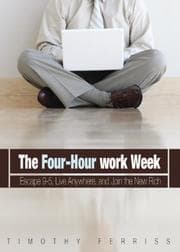
I hear you guys talking, and, and hopefully everyone who's listening at home, like, this is a huge takeaway from this. Like, like, not once have I heard you guys say, "We knew exactly what we wanted." You were like, "We had this idea-" Mm. "... so we tested it, and then we tested it more, and then we let the winners come to the top." You know, there's the famous, uh, Tim Ferriss with "The 4-Hour Workweek."
Yes. You know, he came up with 100 titles of that book, and he said that "The 4-Hour Workweek," if he had to rank them, would've been, like, 97th. And then he ran Google ads for all 100 titles to nothing, to, to a nothing page that had... There was nothing he could do. And, and "4-Hour Workweek" was just an exponential winner over the rest, and that's why he named the book that.
Wow. He would've never named it on his own. And when you think about that, it's like that's how we find success because we don't know all the answers. Yeah. Um, I have two more topics that I wanna touch on, uh- Sure ... uh, real quick.
Um, one, what, what I've, what I've heard as a, as a through line that you guys haven't addressed specifically but I've kinda picked up on is your resilience through all these different changes, right? There's tons of challenges that come from high growth. There's ch- COVID was its own series of challenges, right? And even the y- you know, you described even though you had a huge growth, you know, you have all these questions around inventory and, and then the, this tactical or, uh, uh, uh, privacy change happens with marketing and, you know, you're adding different pri- How have you... Like, what do you think it is about specifically the two of you as leaders that you've maintained resilience through, you know, this eight, nine-year period of time and all the different things have happened?
Like, you certainly have to have some quality where others would've given up, others would've given in, they maybe would've just sold out, or they would've just said, "Hey, this is too hard." You've kept going. Is it the fact that there's two of you? Is it personality traits, a belief structure? I'd love for you to talk about that.
Well, I, I think, I think I'll take this one. I guess that- Sure. Sure ... we can both lean in. I'll lean in. Sure, yeah.
Yeah. That's a really good question. And I, I think that for us it's, uh, alway- Well, we have a hard time giving up. So I'll, I'll start with that. We're a little stubborn.
We, we really just have a really hard time giving up. Very stubborn. And so and I think, like most, most entrepreneurs are, are like that. Like, you put your blood, your sweat, your soul into this- Mm-hmm ... and, uh, you just, you're gonna make it work one way or the other, and, you know, you're just gonna do your best. And so that's the big part of it.
That's our goal is to always do our best and to never give up. But that said, like, I think our secret, if, if you can call it that, is to just never try to be the smartest person in the room. Mm. And it's, it's realizing that we don't know it all. We haven't done this before at this l- level.
And, uh, the best thing we can do as leaders is create the team that can do it. And so, you know, we always say, you know, people are like, "Oh, it's amazing what you guys have done." And it's like, no, you don't understand. We didn't do this. Mm.
Like, it, it... The amazing people we surround ourselves are the ones who did this, the people who specialize in marketing, who bring the CFO experience, the, the, the incredible team that we have making rings. It, it's like always stay humble and always realize that your job as CEO and as a leader is to surround yourself with people who are so much better than you and who can, can kinda take your direction and do all those amazing things. You know, we have amazing warehouse folks that just optimize the heck out of everything that they're doing, and they've done such a great job lowering costs and being more efficient and, you know, shipping things out same day, and it's just, it's incredible. You know, the CS team, you know, it's such a small team, but they, they handle thousands of tickets a month because they've spent time trying to figure out what, what can we do to be more efficient?
Like, how can we leverage AI? Like, how can we leverage chat? And, and I truly, I think, uh, it's just realizing that you don't have all the ideas. Not all your ideas are gonna work. So test, but also make sure you have the right team around you, and that's, I think, our s- our secret to success.
It's not really a secret. I think that's how any good business is run. Yeah. I think, um, I think two things. So support.
I, I feel like management usually gets characterized as, you know, you farming tasks down to the, you know, the direct reports below you. And to me, management is the opposite in that your direct reports are doing the things that they're supposed to do, but it's up to you to support the ability of them to do what they do. So if they hit a quirk, you know, technology's not working, or they need more people on their team, it's up to you to solve those problems so that they can keep doing what they do. 'Cause otherwise, then they're in the weeds trying to solve those problems, and they can't do what they do. So that's how I look at management. And then the other thing I would say, um, that maybe is our secret sauce is leading as co-CEOs has been really helpful.
I- my heart goes out to CEOs, uh, who are a single person, you know? A single, a single person doing this job, 'cause it's really hard. And, you know, we've separated it into the things that we're good at, you know? Like, I'm good at the details, so I do all the detail work, the operations, the products, you know, creative stuff like that. And then John does the marketing and finance, um, and he's over the marketing team because that's his expertise.
So I think it's really important to, you know, not just be a leader, but also, like, lead in the way that your brain works, and, and put yourself in a place for success. Yeah. I couldn't, I couldn't agree with everything you've said more. It- ... it is, it is, um, it is the idea that you are there to support your team. So I've, I've...
This isn't my first podcast. I've done, like, 2,000 interviews over the course of my, my career as a podcaster. Um, and I've talked to, to, thousands of leaders, somewhere in there, and they're... The leaders that have been successful and have continued to be successful since their interview- Mm ... they express that exact same sentiment. That sentiment- Mm-hmm ... to me is the cornerstone of a leader who sustains, is that idea of I'm here to support you, not the other way around.
Mm-hmm. And I feel like we don't talk about that enough. We, you know, we talk about, hey, we need to... Here's how you make a good decision, and here's a mental framework for getting to this, and here's a growth strategy. And, and all that stuff is important, but at the end of the day, like, if your people aren't willing to, to, to, you know, come to work and kill themselves for you, you're not gonna be able to sustain.
It's just such a lost, it's a lost concept, I feel like. And, and I don't... Maybe not lost. Maybe just it was never found. Maybe we just... something we don't talk about, but it is so intrinsic to, to long-term success.
Um, how do you guys keep your relationship together through all this? Marriage. We're selling love. Like, it, it would be, it would be, uh, totally superficial if we said that, you know, it's, it's so easy, no problem- Right ... piece of cake. Like, that is...
It's, it is difficult, and it is... You know, it's funny, we talk to a lot of people about how we're, we're co-CEOs and co-founders, and we're also married, and it's, um, they ask, "How do you do it?" Like, "My God, I could never do that." And it's like, you know what? I think it's because not only do we love and support each other and respect each other, but I'd, I'd also say we also know how to get out of each other's way.
Mm-hmm. And, and like Michelle said, we've, we very much have divided and conquered, and, um, and I think that's incredibly true. We really, really, really try to stick to that. Like, if Michelle wants to do something that involves technology, you know, sometimes I have to remind her, "Hey, that's, that's my lane. Let me, let me figure that out, you know.
Pl- please make your suggestions, but let, let me decide on that." And, and same way with her when it comes to operations type stuff or customer service. It's like, "You know, uh, well, what do you think of this? Like, you're, you're in charge of this. This is your area of expertise, and, you know, what, what are your thoughts there?"
And so, uh, it really helps reduce any sort of conflict. And, um, and I think the other thing, too, is just not to have an ego. Yeah. Like, we really try hard to, to be compassionate and understanding and not only with our whole team, but with each other. You know, this is...
It's a big job, and it's, uh... You know, we have a, a large team of people, about 35, 40 people now, and, uh, it's, it's something that we didn't expect the company to grow this far this fast. We're super grateful, and we're super pleased that it has, of course. But, um, you know, we were just doing this out of our garage. We just wanted to pay rent, you know?
Yeah. This wasn't, this wasn't the kind of thing where it's like, let's become the, the global stop for men's wedding rings. Yeah. Like, that wasn't in the initial, uh, business plan. And so we're, we're thrilled that it's gotten us here.
Um, but it's definitely been a bit of a learning curve, I'd say, from a relationship standpoint, you know? It's, um, we've always been good about dividing it up, but it's, uh, it's definitely had its bumps, and I think that it's just a, a true testament to how much we love each other that we're able to make it work. Yeah. Uh, you know, there's also, like, there's the element of kindness, which you were describing, you know? And, and saying, like, in a kind way, "Hey, you're stepping on my turf," you know?
Uh, you know, "Can you get out of here?" Nicely. Uh, and so we try to be nice to each other and, and comical and, and whatnot, but that division of labor is so incredibly important. If we, if we didn't have those sort of, like, guardrails, you know, to hold each other accountable, then I don't know how we would do that. Um, and then, yeah, just the classic, like, we have to work on ourselves.
We have to work on our relationship, you know, just like everybody else who has, you know, three kids at home, and they're dealing with all of the things that go on with that. Our kid is Manly Bands. It's just, like, needs a lot of attention all the time. And so- Yeah ... so it's, it's a similar setup when we talk to parents about, "Oh, I have all these obligations to my kid, you know. I have all these obligations to the home and to their school and whatever."
Uh, we have all these obligations at work, and so it's just a different lens but same kind of idea at this age, really. Yeah, for sure. So And we also have- Same channels ... we have two cats too, and they're important. They're very important. So- I won't tell them you didn't mention them, which- No, I'm so, so sorry.
Uh- That's ... the, uh, taser that you put in his wedding ring probably helps too. We always talk about doing that. That's so funny. Yeah. I was wondering why my finger hurts now.
Yeah. It's, uh... Oh, yeah. See, that's one of our cats. Yeah.
Oh. Yeah. Um- Thank you for it. Yeah. Uh, all right.
So, uh, wrapping up here, two questions to close. One is, and, and, uh, this I do want to be a short answer 'cause I want it to be, like, right off the top of your head. 10 years from now, Manly Bands is where? Oh, sure. Oh, man.
So our goal when we started- Mm-hmm ... we talked about this. We said, "Okay..." Well, this, not when we started. Like I said, that was, we just wanted to pay rent. But I'd say, like, a couple years into it, we were like, "Okay, this is kinda working.
Like, we gotta see how far we can take this and continue to innovate and grow, so what does that mean?" And we, we sat down and we said, "You know, when I think of women's engagement rings, like, what, what c- what brand do I think of?" And for me, I think Tiffany's, and I think a lot of people do. And so, but I said, "You know what? I think men's wedding bands- What do I think?
Uh, like, you know, I, I think local jeweler. I, I think, you know, I, I, I don't really think of any brand. And so I said, "You know what? For me, I'd like our goal to be let's make sure when people think men's wedding rings or wedding bands, they think Manly Bands." And so 10 years from now, I would, I would like to think that we've, we've gotten to the point where people know us as, as that.
Yeah. It's like, uh, like hand me a Kleenex, right? No matter what- Yes ... brand it is, it's a Manly Band. Yeah, I like that. Yes.
I like that a lot. All right, last question, um, and I'm gonna put this back to you. Uh, what question didn't I ask about what you guys are doing that you would like to answer? Hmm. Uh, do you have any- Is there anything on licensing that could be fun to answer?
Well, I, I would s- yeah, I guess along those lines, I would say, uh, you know, what, what are we doing and what maybe what brand advice or advice- Sure ... do we give other brands on maybe how to make sure they're always standing out from their perhaps saturated industries or markets? Um, and I would say for us, what we've learned is that the omni-channel approach to marketing is super important. And, um, I, I think that it's not just about Facebook and Google. We're- we still spend a ton of money on Facebook and Google, but we've learned that we need to, we need to go outside of that, not just to find new customers, but also to get away from the competition. There's now a lot of competition in the men's space, and it's, and it's great to see the innovation and all that stuff, and, you know, we're able to stay ahead of it, which is awesome, but, uh, if we didn't try new things, if we didn't try channels like connected TV, if we didn't try things like postcards in the mail, uh, billboards, I, I feel like we wouldn't necessarily have that edge.
And so to any brand that's, that's starting out or has a lot of competition or really wants to, to grow and take things seriously and kind of become like a, a real legitimate brand in the sense that they're not just some Facebook store, um, I would say try to find ways to stand out, you know, not only in your marketing, but even in your, for instance, product innovation. For us, a big thing for us is, you see if you go to our website, is licensing. No other ring company is really doing that, uh, certainly not at the scale we are, where we're partnering with national, international brands that people recognize and love, uh, to incorporate that material or that branded IP into our, our rings, which then gives us credibility. It gives us better reach into their audience. Like, there are innovative ways to do that, um, that are far beyond just running Facebook ads or Google ads, and I, I feel like for us as a brand, that's really what has helped us grow, especially the last four years.
You know, with all that marketing turmoil that we saw up and down, it was like, "Okay, we have to really distinguish ourselves and, and do something really cool, and we're gonna get the message out in new and different ways, and we're gonna innovate in new and different ways." And by, by doing that, it helped us stay relevant and ahead. Yeah. And I, and I think separately, one bit of advice I would have too, I feel like so many people come up with great ideas for great products, and testing, as you said earlier, is super important. But also, if you feel stuck, if you have a great product and you don't understand why people aren't attaching, it could be the branding.
And I think sometimes, uh, innovators in just like technology or, or just like, you know, mechanics, and they create something amazing, engineers, uh, they, they don't necessarily have the head for marketing or for branding, and it is absolutely okay and the best choice possible to go find a person who does have that head and understands how to market that thing. Um, I think, you know, where John and I are uniquely qualified to do what we do is because we actually come from the entertainment industry, and in the entertainment industry, like, there are ways to brand, you know, the show that you're working on or the character you're playing or, you know, you as an actor or, you know, this movie that you're doing. Like, what's the tone of this movie? What are the brand colors of it? What's the font?
You know? All of that stuff is really important. And so I think if things aren't working but you feel like they should be working, you know, take a step back and look at how you're appealing to the market. Talk to friends. You know, talk to friends of friends.
Do a, a small like, you know, zero cost survey, uh, just asking people, "What am I missing?" You know, "What would resonate with you more? What do you need me to tell you about this product?" Yeah, and I guess the, just the last thing I would add to that is, is something that, that I think we've learned over the years is just always be humble. Yeah.
Be humble. You don't know everything. Always see what other people in your space are doing, and don't drink your own Kool-Aid. Yes. We've, we've done that, and we've learned from it every time, but don't ever make assumptions like, uh, well, I don't have any examples, but just don't make assumptions, uh- You're the biggest, you're the best ... that yeah, you're the biggest- Yeah ... you're the best.
Like- Yeah ... always assume that there's somebody nipping at your heels, and you have to out-innovate and, and that you could be wrong, and test everything because that's, uh, that's the key. I mean, you can go for years making these assumptions, and they may or may not work out the way you want it to, but if you tested it first, you might've known right away. And so we've learned that lesson along the way too. John, Michelle, this has been an absolute pleasure. You have a fan and a future customer.
Oh, thank you. And I just appreciate your time so much. Thank you. Yeah, thanks so much for having us. Yeah.
This was great. We appreciate it. Let's go. Yeah. Make it look, make it look, make it look easy.
Hey, stand up- Thank you for listening to The Ryan Hanley Show. Be sure to subscribe and leave us a comment or review wherever you listen to podcasts. Game ain't a game for me. I never switched up, no changing me. The only thing changing is me.
Close twice as many deals by this time next week. Sound impossible? It's not. With the One Call Close system, you'll stop chasing leads and start closing deals in one call. This is the exact method we used to close 1,200 clients in under three years during the pandemic.
No fluff, no endless follow-ups, just results fast. Based in behavioral psychology and battle-tested, the One Call Close system eliminates excuses and gets the prospect saying yes more than you ever thought possible. If you're ready to stop losing opportunities and start winning, visit masteroftheclose.com. That's masteroftheclose.com. Do it today.
If you like the show, please take a moment to rate, review, and subscribe. It really does help the show to grow. Thank you for listening. Happy holidays. Want to give your host a gift?
Consider subscribing, rating, and reviewing the show this holiday season. It really helps the show grow. From all of us at Believe, have a merry Christmas, everyone, and a happy holiday.