You've finally broken loose from work. Three friends, one tee time, and then the text. "Honey, there's water in the basement." Not exactly how you pictured your Saturday. That's when you call us, Cincinnati Insurance.
We always answer the call, because real protection means showing up, even when things are in the rough. Cincinnati Insurance. Let us make your bad day better. Find an agent at cinfin.com. AI agents are everywhere, automating tasks and making decisions at machine speed.
But agents make mistakes. Just one rogue agent can do big damage before you even notice. Rubrik Agent Cloud is the only platform that helps you monitor agents, set guardrails, and rewind mistakes so you can unleash agents, not risk. Accelerate your AI transformation at rubrik.com. That's R-U-B-R-I-K.com.
Happy holidays. Want to give your host a gift? Consider subscribing, rating, and reviewing the show this holiday season. It really helps the show grow. From all of us at Believe, have a merry Christmas, everyone, and a happy holiday.
The worst possible, like, feeling you could have about yourself, it, like, hit, bah. But at the exact same time, it was like Jesus, like, said, "Hey, I'm gonna give you a hug anyway." And, like, this, like, ridiculous, unfair, unmerited, undeserved love just hit at that same time. I broke as a human being. It was like it happened in that moment where all of a sudden, like, boom, everything about me just completely changed.
I fell to the floor. I just started weeping and weeping and weeping and weeping. Let's go. Yeah. Make it look, make it look, make it look easy.
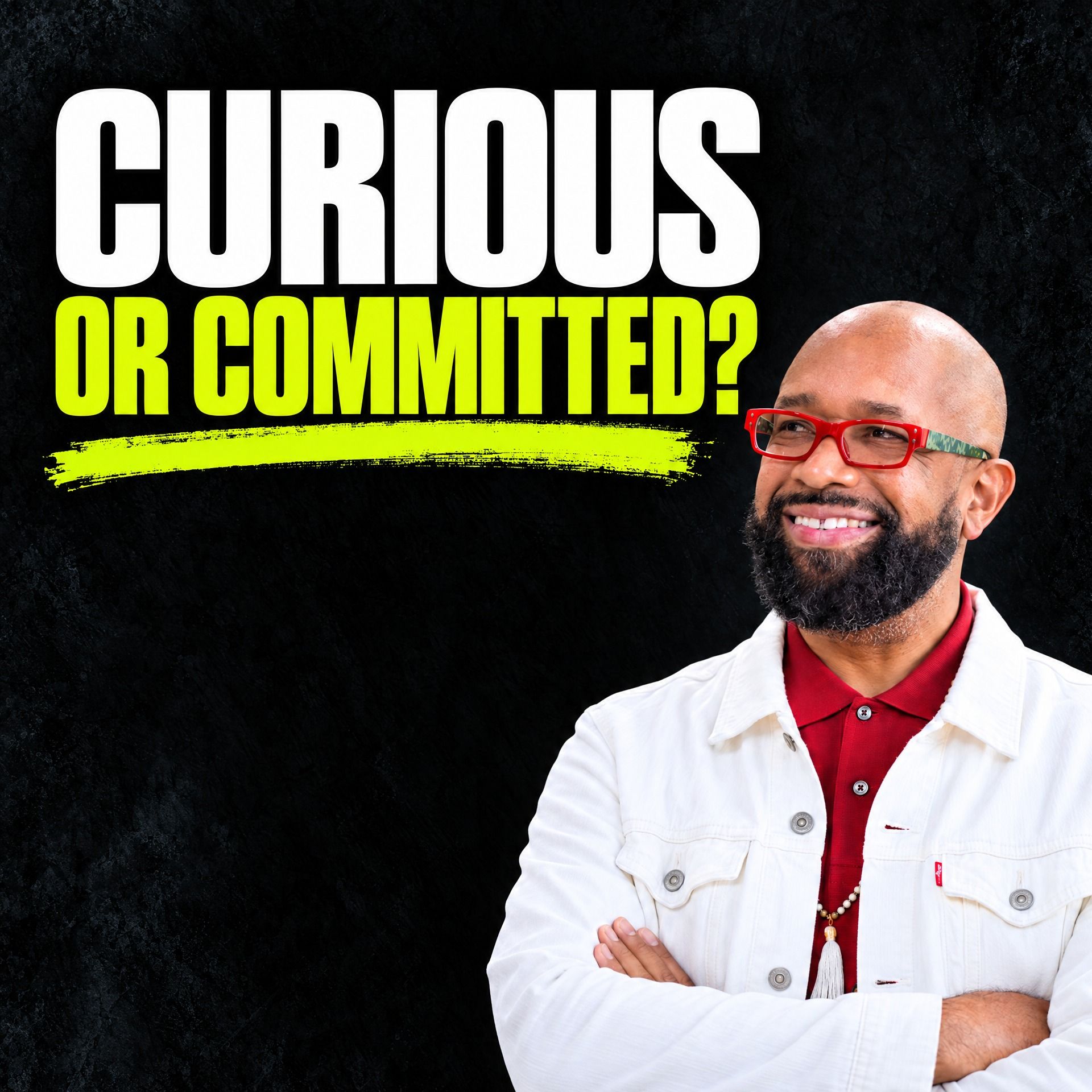
Ice. The Ryan Hanley Show shares the original ideas, habits, and mindsets of world-class original thinkers you can use to produce extraordinary results in your life and business. This is the way. Hello, everyone, and welcome back to the show. We have a tremendous conversation for you today with Matthew Hoover.
Matt is a former minister at a megachurch turned purpose-driven branding specialist. He's the CEO of Message Masters. This is an episode that is gonna take you through a dynamic journey. Matt's origin story is incredible, and it's necessary to understand how he got to the point where he is helping entrepreneurs, leaders define their purpose and convey that message through how they communicate, and his thoughts on communication in general, what makes good communication versus bad communication are all battle tested through his time as a minister. This is an emotional rollercoaster.
It's an incredible story, and I am just... Can't be more excited to share it with you, being so excited that I can't even come up with a good way of describing it. That being said, I love you for being here. I love you for sharing this show. I love it when you guys leave us a rating and review.
I read them all. I appreciate the hell out of you, and it is my great pleasure to bring you Matthew Hoover. Dude, so, um, was incredibly excited when, uh, our mutual friend, uh, Sailor Hirsch, i- uh, introduced us, and then we started rapping about some business stuff, except we wa- we talked for, like, an hour plus, and I'd say less than 10% of the conversation was actually even about, like, what we were s- you know, quote, unquote, "supposed to be talking about." Yeah. And, um, we ended up- It was real life stuff, man.
Yeah, yeah. Talking about men, talking about manhood, talking about life, talking about faith. Yeah, it was awesome. Yeah, and I was like, "Dude, you gotta come on the podcast." So, so first and foremost, I love, like, what you're wearing, and for those who are listening at home, you got the Built On Purpose sweatshirt with the Built On Purpose hat.
That, that... The intentionality that that implies is, to me, uh, something that has been a struggle in my own life, and I love it. Yeah. Like, I really come to that message- Yeah ... because for so long, I felt, I felt like, you know, maybe I have some talents in certain places. I certainly have energy, drive, ambition.
Yeah. But I was like, I was reacting to things that were pressed upon me versus- Mm ... like, like your slogan, Built On Purpose. Like, here's what I'm gonna do, and I'm gonna focus that energy in an intentional way to get to a goal. So- That's right ... in, in getting there, you have this amazing origin story. And I would love to start with, in that place.
Start wherever you want. Take it from there- Sure ... and we'll, we'll head on. Sure. I'll try to con- consolidate this, 'cause there's a lot of wild things that have happened throughout my life. So I was born and raised in California, Central Valley.
Modesto, California. If you happen to know where Modesto is, chances are you're addicted to some type of methamphetamine. Um, no. Uh, literally, it was like the meth capital of California. It was crazy down in the valley.
Anywho, uh, grew up, grew up in, uh, Central Valley. Parents got divorced when I was eight years old, um, which really, uh, served to, uh, you know, it, it, it served to mold and shape the next, like, 25 years of my life. Um, so Dad really wasn't in the picture. He was in and out. Um, we were on welfare, uh, Section 8 housing.
We had to... We didn't have a working washer or dryer at our house. We had to, like, take all of our dirty clothes on a city bus and then go to, like, a laundromat, and, uh, and sometimes you'd see people that you'd know. Like, you're carrying your dirty clothes in, like, a black Hefty trash bag, and they're like, "What the heck are you doing, bro? Are you homeless?"
And you're like, "Kinda." You know? And, uh, and so anyways, um- I felt like education was my way out of that lifestyle, right? And, uh, so I did really well in school, and I originally was gonna focus on, uh, sports medicine. Uh, but I had this crazy encounter when I was, uh, 17 years old.
So my family really wasn't, like, religious growing up. I think after the divorce, my mom, uh, was searching. She was searching for maybe her next husband. I, I don't know, but she was searching for something. And so we bounced around to all these rando churches, all these different denominations.
I, I didn't have a fat clue what was going on. And honestly, once I became a teenager, had my sense of independence, my, my parents weren't really... Or my mom i-i-in that, in that regard, really didn't have a lot of supervision over us kids, uh, because she was working. She was trying to go take herself back through school. So there was a lot of things that were distracting her, and so we kinda got to just be wild.
And so we definitely ate that up. We loved it. Uh, got into a lot of trouble. And then when I was about 17 years old, this crazy situation happened. So I had befriended this kid, and his name was Derek, and his dad was actually, like, a deacon at the church.
And, uh, he invited us to go to this youth event. Now, most times when he would invite us to church or any type of churchy related thing, we'd be like, "Heck no, bro." Like, "We ain't doing that." Uh, but this time, like, he paid for it. And I don't know if it was just, like, my, my poverty upbringing, I, I don't know if it's my relationship with money, but the fact that the dude actually paid money for us to, like, attend, I felt like an obligation to go.
And so sure enough, me and my buddy, we took a couple girls, and, uh, and we showed up to this rando church event, right? And we showed up late. We were kinda like we, we didn't even know what was gonna happen, wasn't uber familiar with church, especially the type of church that we're about to walk into. Uh, and so we sit in the very back row, and I remember they're singing their songs, and you know, kids are, like, on their knees, and the band's playing, and there's kids crying. And I just remember the only thing I was thinking about the whole time was like, "The music ain't that good."
Like, "The music is seriously not that good. Like, what are y'all doing?" Uh, but obviously there was something else happening in that room that I was totally unaware of. And so sure enough, they wrapped up the music, and then this guy gets on the stage, and he starts preaching, right? And he's, like, this thin Mexican guy that had, like, these eyes, man.
Like, like, his eyes would, like, bulge out of his head, and he had, like, the veins going on. He had the sweat going on. He was, like, screaming and yelling. And honestly, like, for the first, like, 10, 15 minutes of this dude talking, I was like, "What a phony. This is all BS, dude.
This... I have heard about these type of guys, and I can't believe I'm actually seeing one, like, firsthand for myself." Yeah. But then, like, this crazy thing happened. It was like, okay, I start looking around, and all the, like, church kids that I was surrounded by, and there was, like, 200 or 300 kids in this thing.
It was, like, this big auditorium. I kinda look around, and they were, like, passing notes to each other. They were, like, cracking jokes. Like, it didn't really seem like anybody was actually paying attention to what this dude was saying. And that struck me.
I was like, "Man, like, either these kids are totally missing, like, the gold that this dude is, like, trying to drop into their life, or this dude's just full of crap." And so, like, my little, like, curious brain said, "Man, I gotta figure out. I, I, I gotta answer that question. I can't just keep sitting here. I gotta know what the answer to that question is."
And sure enough, I start listening. And Ryan, I'll tell you, it was like, yeah, yeah, yeah, yeah, yeah, yeah, yeah, yeah. You hear about people, like, saying they go to church, and, like, God's talking to them, or, like, they get this, like, ooh, crazy feeling. Bro, like, all of that was happening, like, at level 11, right? And so all of a sudden I'm like, "Whoa, this dude's, like, reading my mail.
This dude, like, knows what I'm thinking about, knows what I'm going through, and he's actually speaking something that is encouraging." And so, like, the whole time, like, again, I have, I have no church etiquette. I don't really know what I'm supposed to do. And this dude just kept... He kept saying this rhetorical question.
Like, I didn't realize it was rhetorical at the time, but he kept saying, "Who's gonna stand if everybody in your generation were to bow down to all the idols of this world? Who's gonna stand?" You know, and his eyes, eyes were like, bah, you know, popping out of his head. And, uh, I remember he kept saying it, saying it, saying it, and I remember I was starting to get, like, pissed off. I was like, "Dude, this guy's been up here for, like, 25 minutes.
He's sweating, he's screaming, he's yelling, he's, like, doing all of these things, and not a single one of these church kids are doing anything. Like, no one's standing up. Like, is, is everyone... Am I missing something, or are they missing something?" And so sure enough, like, all of a sudden, like, I'm sitting there, and this crazy thought comes to my mind.
It's like, "Maybe you're the one who's supposed to stand up, Matt." And I'm like, "Oh, heck no, man." Like, "Nah, dude, there's no way I'm gonna do that. No way. I don't know these people.
I don't even know what's happening here." But dude, that voice just kept getting louder and louder and louder and louder. And every time he'd say, "Who's gonna stand? Who's gonna stand?" I just felt this, like, impulsion to just stand up.
So sure enough, in the middle of this dude preaching his sermon, I just stand up. I stand up. It's like I don't know if I, like, felt bad for the dude. Like, "Stop yelling at everybody, man." Like, "I'll be the guy."
Like, "Dude, all right, I'll stand up." And, uh, and so sure enough, I stand up, and he's, you know, kinda talking to this side of the auditorium, and then when he, like, looks back over to the side that I was sitting on, the dude just stops dead in his tracks, and he's like, "Young man right there in the white polo shirt. Man, God's been highlighting you in my heart and my mind this entire service. God's gonna do something radical in your life. He's gonna use you to, like, impact people," and all this kind of stuff.
And I'm like, "Ain't no one standing behind me, so I guess he's talking to me," right? And so sure enough, like, what ended up happening at that moment is every kid in that auditorium turned their eyes straight to me, and which made me feel, like, this big. I went from, like, bold and confident, like, "Yeah, baby, I'm gonna stand. I'm gonna show these churchy kids how this is really done," right? And, uh, and sure enough, all of a sudden they start looking at me.
I, I just felt tiny. I felt so insecure. I felt so like, "Oh, my gosh, I've just made a horrible, horrible mistake." Uh, but this preacher guy, like, dude, he must have been tapped in with the supernatural or something because he said something that in the moment seemed a little strange, but when it happened, it, like, made complete sense. He's like, "Yo, man, I want you to look at me."
And when I did, Ryan, I will tell you, I felt like I could do anything. I felt like I could stand there confidently. AI agents are everywhere, automating tasks and making decisions at machine speed. But agents make mistakes. Just one rogue agent can do big damage before you even notice.
Rubrik Agent Cloud is the only platform that helps you monitor agents, set guardrails, and rewind mistakes so you can unleash agents, not risk. Accelerate your AI transformation at rubrik.com. That's R-U-B-R-I-K.com. I felt like my life could be different. I felt like maybe I didn't have to keep repeating the stuff that I was born into, that maybe my life could make a difference.
And so sure enough, he's like, "Hey, I'm going to ask you to do something brave." And I'm thinking in my head, "This is not brave enough, man. Come on. I already stood up in front of all these people." He's like, "Hey, I want you to come down here to the front.
I'm going to like, I'm going to pray for you." And I'm just like, "Oh, dang, dang, dang. Now I'm in it. Now I'm in it." And literally like the exit door was like four feet away from me.
We were in the very last row. So I could have easily just been like, I'm out and just exit the scene super quick. But man, something told me I'm supposed to walk down there. So I started walking and bro, it was like, I was floating, man. It was like, I don't even remember how I got there so fast.
It was just like, yeah, all the way there. And then this dude, he reaches, like he crouches down to talk to me and he says, "Hey, I'm about to put my hand on you and pray for you. And when I do, you're going to experience the power of God. Like you're going to feel all of God's power just hit you." So like my first thought was like, dude, should I get a helmet on or something?
Like, like, what does that mean? Like, what is it? It's like a freaking meteor going to hit me. Like, I don't even know what that even means. And sure enough, I'm like, all right, cool, whatever.
Let's, let's go. So the dude puts his hand on my shoulder and, and dude, the only way I can describe what happened to me was when he put his hand on my shoulder, simultaneously, I felt kind of my absolute worthlessness, like all the things I'd ever done wrong, all the ways I'd hurt people, all the ways I'd hurt myself, all, all the, all this scary and embarrassing and wrong things that I was hiding in my heart and all the things that I had done. And I just, I felt like absolute crap. I felt like, dude, my, I've screwed this life thing up. I'm, I'm a mistake.
You know, like the worst possible like feeling you can have about yourself, it like hit. But at the exact same time, it was like, it was like Jesus like said, "Hey, I'm going to give you a hug anyway." And like this like ridiculous, unfair, unmerited, undeserved love just hit at that same time. And what happened, Ryan, was like I broke as a human being, right? Like, like, and it wasn't like because someone was like beating me.
It wasn't because somebody had like brainwashed me. It was like it happened in that moment where all of a sudden like boom, everything about me just completely changed. I fell to the floor. I just started weeping and weeping and weeping and weeping. Well, like I don't even know how much time goes by.
I finally like get off the floor and there's like this puddle of like, uh, boogers and all this kind of stuff, tears and everything. Like I'm like, what in the world just happened? My friends are gone. Like all the people in the conference are gone. There's like a couple of people in the back like cleaning up trash, but they just left me laying there.
I was like, this is the craziest thing that's ever happened. And so sure enough, the first thing I'm thinking about is like, yo man, like I need to go wash this junk off my face. So I go to the bathroom and now this is the part of the story I, I, I didn't talk about until now. So I had a really Are you tired of endless follow-ups and missed opportunities in your sales process? Chasing leads is a losing game.
That's why I created the one call close system, a battle-tested sales system that uses behavioral psychology to close deals in just one call. No more let me think about it. No more I'll get back to you. Using the one call close system, we took new reps from 25% close ratio to over 80% in just three months. To grow fast, you must close deals faster at zero extra marketing cost.
The one call close system allows you and your reps to build trust, address pain points, all while watching your revenue skyrocket. Ready to stop chasing leads and start closing? Visit masteroftheclose.com today. Close twice as many deals this time next week. Visit masteroftheclose.com to learn how. bad case of acne, right?
My mom's got rosacea. Um, I had an overactive oil pore that was overproducing vitamin A. And so like when I would get zits and stuff, it wasn't just like those little white ones that pop up. I mean, it's like under the skin pockets of oil. Dude, it freaking sucked.
And I had them on my chest, my back, my face, my arms, my legs, and it made me incredibly insecure, incredibly insecure. And so, um, what I did that day standing up in front of everybody, that was like the boldest thing I'd ever done in my whole life because I really just kind of wanted to blend in and I just wanted to kind of lurk in the shadows and not draw too much attention to myself because I 100% believed that when people were talking to me They weren't really listening to what I had to say. They were just looking at my face and looking at how jacked up it was. And so I was carrying that as a 17-year-old, super insecure, on top of all the other stuff, the poverty, not having a dad around. Like, dude, it was, it was crazy.
It was a lot of stuff happening. So sure enough, I go into the bathroom and I start washing my face off, and I look up and my skin looks just like it does right now when I looked up. But obviously I didn't have a beard, but like it was clean. There was no acne. There was no issue.
Everything had been completely healed. As a matter of fact, I was on this like experimental drug for the type of acne that I had that actually could cause liver damage and kill me. Um, and so I had to take a supplement on top of it called Retin-A, which repil- replenishes your vitamin A supply. And so like all the little cracks in your finger, the reason why those little cracks of skin happen and they allow that flexibility is 'cause your body is producing vitamin A that, that moisturizes and causes nourishment for those things to bend. Well, when you deplete your body of vitamin A, you have to, you have to replenish it or really bad things will happen.
So all of these things started cracking and bleeding. So in between my elbows, behind my knees, under my arms, anywhere that there's folding of skin, we were depleting all the vitamin A supply. So I was in pain, dude. It freaking sucked. It was embarrassing.
But let me tell you something, that day I washed my face in that church bathroom and I looked up at myself. It was the first time I'd ever seen my skin clear. I'm like, "What the... What is happening here?" And this is like, you know, when people talk about like hearing a voice from God, right?
This was like my moment, I guess. This was my moment. And I'm sitting there looking at myself in the mirror and I, I... Ryan, I am not that smart of a guy, so there's no way I could have come up with this. But I'm sitting there looking at myself in the mirror and I hear this voice say, "What is your excuse now?"
And it was like He took away every excuse. He took away the hindrance of my skin. Um, He put a new heart in me. He helped me view the world differently. He put new passions and dreams and desires in me.
And so I really had no excuse to hold back from this new life. And so sure enough, I jumped in and, uh, started getting involved with the local church. Uh, became a, like a student leader. Then, uh, when it came time to select college, I actually got a full ride scholarship to any California state university I wanted to go to because I graduated top 5% of my class and I was also low income. But I walked away from all those scholarships, uh, to go to a non-accredited Bible school at that church to become a pastor, uh, because I was so deeply moved.
My life was so radically transformed. And when I thought about making a difference in the world, nothing could top, uh, maybe helping other people experience the same thing that I experienced. And so that's really how the journey began right there. 'Cause up to that point, I was just this obscure, like, kid that really had no direction, that was just really trying to escape his past. But for the first time in my life, I had purpose. I had a purpose.
And what's crazy is as I built ministries and traveled all over the country and built different churches and all these different things, um, that message stayed with me everywhere I went. Um, I'll be honest, as a pastor, I didn't really like preaching sermons. I didn't really like doing weddings. I didn't really like doing funerals. I didn't really like doing counseling sessions.
I didn't really like most of the things that a pastor does. But the one thing that I absolutely loved more than anything else is sitting down and hearing people's stories, and then helping them find purpose even in the pain, even in the dysfunction, even in the setback, even in the temporary trial or circumstance that they may be in. Just pointing them towards, hey, there's always hope. God's always working. And you, you never know how this circumstance or situation, although painful and tough right now, might actually be preparing you for something greater in your future.
And so those types of conversations I just naturally gravitated towards. And so when I left the ministry in 2021 and started what I'm doing now with, with marketing and branding, I knew without a shadow of a doubt we needed to build it on the most firm foundation that we could, which is this idea of purpose. 'Cause if you have someone shoot video, photos, and write copy, and create all this design stuff, but you don't even really know what you're trying to accomplish or what image you're actually trying to put out there into the world, all that stuff's gonna fall flat. It's all gonna fall flat. But if you take the time to do the hard work to look inside and say, "Hold up. Why am I really here on Earth?
And what am I supposed to be doing with the talents, the, the personality, and the unique worldview that you've given me through, throughout the course of my life? Like how am I supposed to be using that to help the human species survive? Not just my own survival, but all those around me as well." And when you start to zoom out of your life and really begin to look at it from that particular lens, all of a sudden what begins to happen is either you're completely overwhelmed 'cause you don't know where to start, or number two, you begin to feel this sense of empowerment and you become like this unstoppable force once you discover and put some words to, uh, the question of what is my purpose. And so now that's, that's what I get to do every single day now.
Every client that I work with, we always start with let's discover your purpose. Let's start with the foundation of purpose, and then we can build all kinds of cool creative stuff after the fact. But if you don't know your purpose, number one, you're gonna struggle as a human being, uh, and then you're also gonna struggle in business or whatever endeavor you're trying to move forward if, if you can't connect it back to something bigger than yourself and something that actually helps other people solve problems or, uh, helps point them toward, uh, a purpose of their own. So that was like my story in like a super tight window, but that's where it started and that's where we're at today. Why did you listen to that message?
Um, what message? The, the, the church service? What is your, what is your excuse now? I think a lot of people might have heard that- Yeah ... and gone right back to the same lifestyle they were living before. You decided to listen and keep pushing forward.
You know, Ryan, if I'm being totally honest, I was guessing, man. I was guessing at life. And again, I was a teenager, so I mean, you can't really have that much expectation for a teenager that really had no father figure, had no real leadership th- throughout their life. But I just, I was just guessing. I was rolling the dice.
I was hoping that maybe education, going to college, that that would somehow, um, better my life and, and, and better my future, and maybe change the trajectory of my family. And so really, I was, I was wandering. I think I was lost. I was looking for leadership, and that was like the first time in my life where I felt like something had happened to me that nudged me and led me and pulled me towards a destination as opposed to like, "Good luck, kid. Good luck figuring it out."
And so yeah, there was like a tremendous amount of direction. There was a tremendous amount of hope, and I think for the first time, um, and we can talk about this a little bit too, is I was chasing validation. And I think that was the first time I actually felt validated as a person, as a human being. That like a God in heaven would care enough to like, get my attention at this crazy church thing, like invade my heart, cause it to radically change, heal my body, and not just be like, "Yo, good luck." But then like the cherry on top was like, "I ain't done with you."
Like, "You are gonna do things in your life. I've just removed some of the limitations that is preventing you from even thinking like that, from even dreaming like that in your life. So don't allow an excuse or your previous past excuses to define your future." And, and I, yeah, I don't know. I, I, I... honestly, there was probably so many psychological things that were happening in that moment, um, that caused me for the first time to have hope about my future, and that hope was so strong that, again, it altered the course and trajectory of my life.
You know, it's interesting. Um, d- different context, different scale, but you know, I do a lot of youth coaching, coach basketball, I coach baseball. Yeah. And, you know, everyone, you know, you hear, you hear parent- parents are the worst. Um- Except for the ones that I coach, but, you know.
Um- No, they just, you know, you hear all these things, you know, they're only, you know, 11 years old. Don't put expectation on them. Yeah, yeah. Don't put the pressure. It's supposed to just be fun.
And I look, I listen to that and, and, and I understand where they're coming from. I think it's coming from a good place. Yeah. But there's another part of me that's like, okay, when is the arbitrary time that we start- Yes ... putting expectations, that we start holding people accountable, holding these- Yep ... kids accountable to, doesn't have to be things that we'd hold a 25-year-old accountable for. Yeah.
But when does the they're just kids excuse go away? When do we- Yeah ... start saying, look- Yeah ... you know, you've been doing this for five years. I expect you to- Yeah ... act classy in every situation. Yeah. I expect you to show up on time.
I expect you to, you know... And for someone who had lived so long, as you said, without expectation, to me, you know, what I hear in that story is that the fact that there was, there was a different kind of pressure on you. It went from the pressure of, how do I stay alive- Yeah ... to the pressure of time to get something done. Yep. And that- Yep ... expectation, you know, allowed you, you, you, you know, and again, and I'm, I'm reading into your story, but all of a sudden, you started to feel worthy.
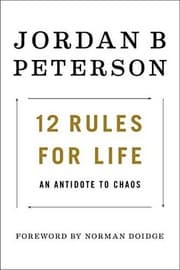
You started to feel like- 100% ... you had value. Yes. And- Yes. Yes ... and all, and now you get direction. And I think, you know, this is one of the things that drew me into, uh, Jordan Peterson's work, um, which I came in contact with back in 2016, 2017, when he published, uh, 12 Rules for Life.
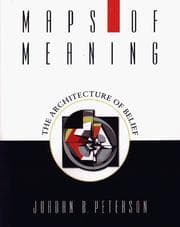
Um, he has a previous book, Maps of Meaning, but that is a difficult one to get through. Uh, amazing, but difficult. Yeah. 12 Rules for Life- Yeah. Yeah ... is all about purpose and meaning.
Purpose- Yep ... and meaning. Purpose and meaning. And when we find these things, you know, all of a sudden, that job that maybe didn't fee, you know, isn't what you expect. I work in the insurance industry, right? Um, there's no little kid who, who grows up and goes- ...
"I wanna be an insurance agent when I grow up." Nobody. No one. Yeah. There's not a single person that, that, that- Yeah ... does that, right?
Yeah. But when you get in and you start to find purpose in the work- That's it ... regardless of what the work is, all of a sudden, you start to love what you do, and love the people. Absolutely. And it becomes fun- Absolutely ... and interesting and engaging. Yeah.
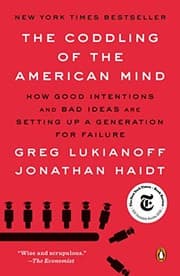
What, you know, and, and I wanna... I, I, I don't want our entire conversation to be about, um, maybe religion and these types of topics, though I do think- ... that they go hand in hand. Um, you know, it feels today like, and, and, and I'm not the first one to say this, it, it may have been Jonathan Haidt or, or someone else. I think he wrote a, a wonderful book, The Coddling of the A- of the American Mind. But, um- There's a, there's a God-sized hole in people's heart today- Sure ... and we're filling it with the wrong things.
Sure. Why do you, you know, from your place, from doing as much- ... uh, uh, work as you've done with individuals, both as a pastor and as just a friend, as a, as a, as a, as a f- a family member, right? Mm-hmm. Like where, where did that hole come from, and how do we start to fill it with purpose and meaning? Man, that's a fantastic question.
Uh, kind of dabbles in the realm of, you know, what's the meaning of life type deal. Um, so I've got my own unique theological perspective and my own philosophical perspective of that question. Mm-hmm. Uh, if you have a different one, doesn't mean that you're wrong, doesn't mean... It just means you have a different perspective on these things.
But my unique perspective is, is this, right? The Bible outlines kind of this creation story, right? Where, where God creates the heavens and the Earth, creates man and woman. And then there introduces this kind of adversarial character, the, the devil, the snake, right? The tempter.
And the tempter, you know, obviously gets the woman alone and says, "Yo, God didn't really say that you couldn't eat this stuff and touch this fruit. Like, what does he know, man? He just knows that if you eat this, man, you're gonna be better than God. You're gonna know more than God. You're gonna be wiser than God.
You're actually gonna be God's god. So, like, bro, he's just trying to keep you from all the good things. So have at it. Go be God's god." And so sure enough, like any human person, we have, we have flaws, we have insecurities, we have aspirations, we have all of those things, and really the snake manipulated our natural tendencies, uh, to get us to overstep, uh, a boundary that unfortunately brought in a ton of consequence, right?
So the moment that Eve ate the fruit and then obviously shared it with her husband, uh, and then God confronted them about that, that was like when this idea of sin, S-I-N, right, missing the mark, whatever you, however you wanna define it, it's just this, it's this mortal flaw of the human race that we now have. And again, according to Christian theology, and according to what I've researched and identified in myself, I see it in my children, I've seen it in all the people that I've ministered to, is that this, this sin, it's... we're born with it. We're born with that hole. So I don't think it like you were like good, good, good, good, good, then you got punched in the soul, and all of a sudden there's this massive hole that you need to get filled. No, no, every single person is, because of what happened with Adam and Eve's pass through the bloodline.
So, and, uh, why did God set it up like that? I don't know. I don't know. Uh, I don't know why he set it up like that, but, but the way he set it up was that every human being from that point on would then inherit the consequence that happened in that garden. And so the consequence is this idea of sin.
Now, sin isn't like, "Yo, you're bad. You're a terrible person. You've got no value. You're worthless. Oh my gosh, you're such a heathen.
Get up out of my church," right? Like, it, it's not that. What sin basically is, is the separation, the gap between who God created you to be and who you are right now, right? And again, there's a lot of people who, who may wanna disregard like, "Oh, God didn't make us a certain way. He doesn't tell us how to live a certain way."
Well then, dude, why the heck is there this like 5,000-page book that's outlasted every other book, and if it went away today, it would, it would completely destroy all literary understanding, all civilization. It will literally destroy the point of human life if this book goes away, right? If, if he didn't give us a manual on how to live then, then, then through that book, then man, I, I don't know what you're not seeing. But anyways, through, through the Bible, they outline all these different things that we should do to, to be a good civilization and to ultimately close that gap between God, um, and where we are currently with our sin. And the reality is, Ryan, like that gap is way too far.
Um, and the people in the Old Testament, the way that they thought that they could close that gap was that, "I just do enough good things. I just become a good enough person, don't make any mistakes, and like somehow if I be- achieve perfection, then somehow that gap has been traversed, and now I, I'm like one with God and I'm holy and I'm accepted by God and whatever. I get all the benefits of the God stuff, right? Paradise and living forever and all these, these things," right? And so what God did was like that, that chasm between where you are now and where God wants you to be is just too big.
And so that's why he sent his son Jesus, right? To be, to be the, the filler of the gap that we could never be for ourselves. And so you wanna talk about a God-sized hole, the God-sized hole really isn't like something in us. It's the separation between us and God. That's the God-sized hole.
And the way that God chose to solve that and bridge those two worlds was through his son Jesus. And again, a, a lot of people probably have a bunch of different beliefs about Jesus, but the cool thing about Jesus is the story goes, right, like, like the theology goes that he lived a perfect, sinless life. He was a completely innocent man, but yet he took on the penalty of everybody. Like, we were the guilty ones, so we should have been penalized, but instead, a dude who did nothing wrong, who pointed people to Jesus or pointed people to God, had to lay down and sacrifice his life to pay a penalty that we owed. Like, what the heck?
Dude, what kind of freaking logic is that, right? 'Cause this was like in a day and age where it was like eye for an eye. Dude, like you punch me in the eye, bam, I'm, I'm gonna knock you out, right? And we still live in that, in that world, right? That s- that, that sense of justice, right? If you do me wrong, then I get to do you wrong.
Or if you ruin my life, now I get to ruin your life. And really, what happened when Jesus came to the Earth was like he upended the entire model of justice in our mind. Like, wait, hold on. Wait, an innocent person is dying for the guilty, and they're like choosing to do that? Wait, that doesn't...
That, that messes with my head. And so really what Jesus introduced through his sacrifice was this idea of sacrificial love. Up until that point, there really wasn't this idea of sacrificial love in the human race. It was, "Dude, I will sacrifice my child to keep my kingdom." You see that all throughout, like all the Book of Kings and all the Old Testament.
Like even Abraham was willing to kill his own son so he could become the father of many nations, right? And a, a lot of people say, "Oh my gosh, that must have been so hard for him as a father." Well, in that custom, like it might not have been as hard as you think, right? Because again, that, that, that was kinda common practice. You, you are always thinking self-preservation.
"How do I build my kingdom, and how do I keep others from taking it away from me?" Whereas what Jesus modeled was, "You can take as much as you want, but it's not gonna make you happy. It's actually when you f- flip it and open your arms and invite others in-" And sacrificially give for others, that's where you're gonna find true fulfillment and true purpose. And that's why, like, I fundamentally believe that purpose is the most important thing that any human being should understand. And at the root of purpose, it is not self-preservation.
That's the root of selfishness. That's actually purposelessness, is only caring about yourself, only absorbed in your own things, only trying to make sure that you survive. A true purpose, the kind of purpose that God put inside of us, is actually when we lay our lives down, when we give, when we are willing to work and sacrifice and do everything we can to elevate the lives of others. Just like what you're doing right now with this podcast, Ryan. Like, I get it, like, podcast is a thing, it's a medium, it's a platform, but I guarantee the reason why you're bringing in all these guests and the reason why you're having these inter- uh, uh, these interviews and these conversations is that you hope that someone will hear this and it will bring some sense of fulfillment or betterment or enhancement or hope or encouragement to their life.
And why do you care about that, right? 'Cause you want that human to survive. You want that human not just to survive, but you want that human to believe that they can actually do something in the world and make a positive difference. And so even through something like this podcast, you are living out your purpose, which is finding a way to serve others with your life. And if you don't approach life from that, uh, w- view, then you are, you are always gonna have a hole in your heart. And a lot of people say it's a God-sized hole.
Man, I'm gonna challenge that a little bit. Like- Mm-hmm ... it's a fulfillment-sized hole, right? We all want fulfillment. That's what we all want. We want our lives to matter.
We wanna be able to put our head on the pillow at the end of the night knowing that we did something good for somebody else, that we actually did something to better the world. Like, all of us want that, right? But the problem is the only way to find it, the only way to attain it, the only way to grab hold of it is when you're actually helping other people survive and finding ways to help them thrive, not just looking for ways to f- to, to feed yourself. And when you just feed yourself, uh, you're not gonna get anything. So I, I'll, I'll share this one really cool story, and then we can move on to whatever questions you have then.
So this Jewish rabbi was once asked to define heaven and hell, right? And he said, "Let me start with hell." He said, "In hell, there's this big, long table, as long as, as far as you can see. Massive table, and it's got all this food on it, the most beautifully prepared, the most decadent, the most delicious, flavorful, savory, sweet, every possible thing that you can imagine. But in hell, everybody sitting around this table are starving.
They're, they're weeping, they're gnashing, they're in constant turmoil, they're in constant point of torture and torment because they have one problem: their elbows don't bend. So they can reach the food, but they can't, they can't get it into their mouth. So they have everything they could ever want, it's all right there, but they can't get it to themselves." And he says, "Now, now look, now let me, let me define heaven for you." He said, "In heaven, there's this big, long table with the most beautiful, decadent food you can imagine.
There's people sitting all around this table, but all the people around this table are joyful. They're celebrating. They have more than enough. Oh my gosh, every single person is having a blast. They're enjoying themselves.
They're enjoying what's happening around this table, but their elbows also can't bend." How is this possible? They're feeding each other. And if you don't understand that concept, fulfillment will always be out of reach for you. When we think about fulfillment, and you really think about it, in the moments where you felt the most fulfilled, I would guarantee for 99-plus percent of the people listening to this podcast- Yeah ... it was in the moments where you participated in someone else's joy.
That's right. Where you felt the mo- your kids getting the hit, your spouse doing something amazing or, or, or taking on a challenge and achieving it. A coworker, a friend, an, someone who's in need that you just see on the street. Um, it's in the mo- you feel the most fulfilled- Mm ... always in the moments- Yeah ... in which you participate in someone else's joy. Yeah.
And we, it's, but today- ... it's so easy to forget that with the messaging that comes through- Yeah ... uh, to so many of us. You know, my, my, my kids ask me, uh, my kids go to a Catholic school. I shared that with you, I think, last time we spoke. Yeah. Um, and they asked me about hell.
They said, "Dad, you know- ... is hell really below us?" And I said, "I don't know. Maybe. Honestly, I don't think so." Mm-hmm.
I said, "I think, you know, I would go so far as to believe that hell isn't even a real place. I think it's, it's an experience that you have." Sure. "And that experience is you meet God when you pass away, and God shows you who you could have been." Mm.
Mm. "And you have to see that thing." Ooh. "Hell is how-" Mm ... "far away from that thing you are."
Wow. Right? And I said- Yeah ... "That's, that's what I think it is." You know, I, you know, I said, "I'm, you know, definitely a sinner.
I make mistakes all the time." Sure. "I constantly am, you know, fighting the inner demons that we all have," right? But I'm trying to figure out, become the person, whatever it is- Yeah ... that, that, that I believe God created me to be. S- Yeah ... you know, He puts you on this earth and He says, "If you find your purpose, if you work through fulfillment, joy, love, sacrifice, hope, compassion, caring, all these things-" You can become this thing, this, this amazing thing.
And that doesn't mean you're the c- a billionaire, right? It doesn't mean you're the president. It doesn't mean you're some powerful whatever, right, influencer with a huge audience- Yep. -or a Hollywood star. Yep. There's a thing that you're supposed to be in which you live every day- Yep ... in a massive amount of joy, and our job is to get as close to that thing as we can.
And hell is when you- Yeah ... w- is when you pass away and God says- Yeah ... "This is what you could have been, but you chose this path." Yeah. And you look at that difference. Yeah.
And, um, that's the best way that I can frame it in my head. I'm not nearly as- Sure ... scholarly, but I just, I honestly believe, a- and this is why we connected so quickly. I think within 15 minutes I was like- ... "Dude, you gotta come on the podcast. All right, we can keep talking."
Um, because I, I just align so much with what you're saying. And then- Yeah ... I, I wanna kind of take this out of the, uh, theological sense and put it- Sure ... into the business world. Um- Absolutely ... I guess my first question is, what was, you know, with all this experience and everything that you just shared with us, all these- Yeah ... um, uh, emotions and, and, and, and challenges that you overcame and work that you did- Yeah ... and you've, I don't wanna say moved away from God, but certainly moved away from being a pastor.
Um- Vocational ministry, yeah. Yeah. What was, what was the impetus for that? Um- Oh. Oh ... what was the impetus for that move?
Yeah. No, I appreciate it. It's a great question. It's a fair question. Um, so it's kind of two-pronged, right?
I wasn't healthy, and the environment I was in was not healthy. Um, so when I first got into ministry, uh, right out of high school, I'm sorry, right after Bible school, um, I had these big dreams of working for, you know, these big churches, multi-site mega churches, tons of influence, um, because I guess I saw that as like success, right? I saw that as success, you know? The more people you can pack in a room, the more desirable you are as a communicator, um, that is what made you valuable and that's what made you successful as, as a pastor, and I chased that for a long time. Um, so I started with a church plant, then I went to a mid-sized church, then I went to a large church, and then ultimately landed at a multi-site mega church where I was part of the, uh, part of the leadership team, um, and overseeing massive amounts of responsibility and, in ministry.
Um, and I think, I think what happened during that time was, like I said, I, I don't think I was healthy. So we had mentioned this a moment ago in my story, I was chasing validation. Even though I knew God, even though God had like given me this like, "Hey, you know, no excuses, like go get after it, go change the world," I was taking steps towards that. But man, I had, I didn't go through any counseling. I didn't go through any processing of my past and how it altered my mindset and how it altered my, the filter that I was looking through all of my decisions and all the relationships that I was having.
And it's only recently, probably within the last three years, that I've recognized, holy cow, the whole time that I was in leadership over other people, I had a love for God, but I was really chasing the affirmation of my leaders. I, I wanted m- the leaders, like the lead pastors, the guys who were leading the projects, I wanted them to look at me and say, "Matt, you're a good guy. Man, God's using you. You're doing the right thing. I'm proud of you."
Like, I was looking for these, these, these leaders in my life to say that, and I will tell you, like they can say it one day and then not say it for a couple days, and I need it again. It was like a freaking drug. It was a drug. Mm-hmm. And so because of that, it, it, it motivated me to work harder, perform higher, hold myself to a higher standard.
You know, when everybody else was sleeping, I was working. But it wasn't because I had like this th- this crazy work ethic. I think I'm a pretty hardworking guy, but I was chasing their validation. I was chasing their approval. I wanted them to say, "Matt added value to what we're doing here.
Look at how hard this guy works. He's great. He's awesome. He's amazing." Let me tell you something, um, it doesn't happen that often.
Um, nor should people have this obligation to make sure that you are affirmed. Um, that's just a deficit in you. That's an insecurity in you that you need to personally go on a journey to uncover and discover why you're longing for that so badly. So I got to a point where, um, in ministry where I got to where I wanted to go. I had pushed and pushed and pushed and pushed and pushed.
Didn't advocate for myself. Uh, was seeking approval, seeking to p- please people, seeking to be accepted and, and affirmed by my leaders, which is a terrible position to be as a leader. That's a very unhealthy place to be, 'cause guess who I was thinking about last? The people I'm supposed to be leading and caring for. Mm-hmm.
It was all about my... me, me, me, me, my, my, my, what do I get out of this? What do I get out? Why do I... And I rarely thought about the people that I was actually supposed to be serving, even though I was a pastor, even though I was under the guise of the shepherd of the flock. Oh, the servant of all.
Now let me tell y'all something. There was a point in my life where that shifted to where I really just started caring about me. And so I started recognizing that tendency and the problems it was creating on the team and the problems it was creating for me relationally. And then on the, on the or- uh, organizational side of things, so you don't get paid a lot, well, depending on who you are, I guess. Most pastors don't really get paid all that much.
They're not in it for the money. They're in it to serve God and honor God and things like that. There are some that are probably in it for the money, right? Right? 'Cause we all have different needs and we all have different ways that we believe to taking care of our family, whatever, okay? That's per- someone's personal decision.
So we were really struggling financially, uh, after the birth of our fourth child, which was unexpected. And, um, I knew the only way for me to make financial means work for our family was I had to go down the road of the celebrity pastor. I had to start self-promoting. I had to start running conferences and writing books, and basically telling people, "Hey, if you really wanna get to know Jesus the right way, you gotta come talk to me," which is a complete farce. It's freaking terrible that people do that, and then profit on top of it.
And so I guess I had a shred of morality left, even though I had served so long within the church, and I said, "You know what? That's a line that I'm just not gonna cross." And I saw that that was the only way for me to financially take care of my family, so I said, "Holy crap, the church isn't gonna give me enough to take care of my family, and I'm not gonna go down this road of self-promotion in the name of Jesus. I'm not gonna do that." And so I only had one other option, and with how unhealthy I had become as an individual, uh, the, the choice was really clear.
I gotta, I gotta step away, step away from my post. Um, because I'm sure if I kept going, I'd probably get fired, or I'd probably get caught up in some scandal, or there'd probably be some other, uh, uh, residual impact, negative impact if I didn't take ownership, take, take responsibility for myself and, and exit a situation that just wasn't healthy for me. And so, um, it was funny though, like, when I, when I resigned, we had had some conversations. I... This is the only thing that I'm gonna say, um, about money, right?
I was asking for raises and different augmentations to my salary. They're like, "No, no, no, no, no, your wife's gotta work," and all this kind of stuff, and it was terrible. During COVID, it was awful. And so when I turned in my resignation, um, the last words they told me was, "How much do we need to pay you to keep you?" Oh!
In which I was just like, "Oh my goodness. Okay." I knew I made the right decision, and I peaced out and moved to Texas and started my life over. Yeah. Well, there's an incredible amount of awareness in what you just described because- Yeah ... many people get caught in that trap and don't come up or don't make a change until- Yep ... something really bad does happen, so- Yep ... uh, there's a lot of awareness in there, and, and I think it's, it's, uh, a very good point and something that needs to be called out, that validation is an addiction like any other, you know?
It's 100%. Oh my gosh. Could be deadly. Yes. Uh- Yeah ... we have a, a much more crass way of describing that on the show.
Um, you know, it's, uh, GNF, give no fucks, right? And the idea is not that... And I've described it before on the show, but it's a, it's a mindset that I, that I remind myself often of, and actually, uh, you can't see it probably 'cause of the camera, but, uh, for those watching on YouTube, but I have a, a wood, a piece of wood behind me that was made by one of the audience members. Um, and it's the letters GNF, and it's a reminder, uh, that... Actually, it's right off my shoulder here.
Um- ... uh, it's a reminder that we cannot live our lives based on- Mm ... what other people think or say about us. That's right. It's, you know, and, and how I describe it to people, 'cause they'll be like, "Wow," and I've had people say, "Well, you know, you, if you're, if you say that, then that means you really do care," or whatever. And my point is, it's not that I don't want you to like me. Yes.
I want Matt Hoover- Yes ... to like me. Sure. I want you to like me. Sure. But if you don't like me, it has zero impact on my life.
Bingo. That's what it is. Yep. It's I wanna do a good job for you in this interview. I wanna put your expertise, your story, your experience, what you have to share with this audience on display.
I want you to have an amazing time, and I want the audience to pick up insights, opportunities, thoughts, ideas- Yeah ... little tidbits that they can apply to their lives. I want that all to happen. Yeah. But if every single person listening to this hates me, if you hate me- ... I literally will go upstairs after this podcast is done and make lunch for my kids, and I- Yep ... won't give a shit.
That's right. It will mean nothing to me. Um- It's a superpower, man. It's a superpower, for sure. It cultivated...
I, I'll, I'll say that it's something I've cultivated over many years, but I will say it's also a blessing from God because I've also always had this in me. Yeah. I've always been an outsider my entire life. Yep. Yep.
Uh, I went to a school with... Went to a very large high school for, especially for the part of the country that I live in, but I came from a town of less than 900. Hm. And we were 30 minutes away from the school. We were the smallest town associated with this school.
Wow. So from the rip, I was, you know, me and the five kids from my town, you know, 'cause there just wasn't that many of us, right? Like, we were always outsiders in everything. We always had to- Sure ... fight to get on the team, fight to get in the club, fight to move up, because we weren't part of this crew that had grown up together in the neighborhoods together- Mm-hmm ... gone to the biggest- Mm-hmm ... elementary schools, then, you know, et cetera, et cetera. You know, we were all poor.
That's why we lived in this tiny little town. So there's that- Yeah ... you know, that thing. And, you know, through all that, I was never, you know... I always had this, and, and this is kinda why I promote this idea as much as I possibly can to people, 'cause I do feel like it's a blessing that I've had, and many other things that I struggle with immensely. But, you know, this particular thing, I, it bothered me, but not in the way that, like, it kept me ever from doing anything.
It was more like- Yeah ... it was more of, "Okay, I gotta figure this out on my own." Yeah. And I think when we search for validation, oftentimes what we're looking for is, "Tell me the answer, and I'll do that answer." Not that I think- Yep ... it's the right idea. You're exactly right.
Not that I've put the time in to, to, to figure out whether this is the right path, or it's, I'm gonna do this thing regardless if I think it's right or wrong because it's what this person over here that I need validation from wants. Wow. Wow. Which means we're living askew from, going all the way back to what the, the core concept of this podcast, it means we're not living our purpose- That's right ... with intention. We're living someone else's purpose.
I always say that- That's right ... you either dictate to the universe, or the universe dictates to you. Woo. Preach it, brother. Yeah, there's no in between. There's no in between area.
So- Um, kind of coming off of that and, and I wanna spend the last, uh, uh, few minutes that we have together, I wanna pull all this big, huge, amazing- ... conversation to, to the business world, right? Yeah, yeah. So now you're helping, uh, uh, people with a message, with a business- Yeah ... you're helping them get that out, find their purpose, and you had something you said to me off-air before we went live, and I, and this is where I wanna start this transition. Sure, sure. Uh, communication is meant to solve problems.
Yeah. I 100% agree with you. Yeah. But why, what does that actually mean? And what is the difference between most communication, which I think does not, especially communication- Yeah ... on social media- Woo ... and the communication that actually does?
Yeah, so, I was recently asked to share about communication to, uh, an entire district of mayors, city mayors. And as I was preparing for that, I obviously went through, you know, my presentation checklist as far as like, okay, who's gonna be in the room? Um, what subject matters appeal to them? And h- how can I add value? How can, how can I just deposit something that they can all walk away with and say, "Okay, this was worth, worth the cost of admission," right?
And so I started looking at the idea of communication and started digging, and digging, and digging into it, and you've heard all the different things. You know, communication is, uh, talking and listening. Uh, uh, communication is, uh, sharing a belief or, you know, uh, you know, connecting over a, a similar idea. But if you actually dig a little bit further, uh, than that, um, what do all those things have in common? And what I discovered was the, the core purpose of communication is to solve a problem or ave- avoid future problems.
That, that, like, if there were no problems, we would never have to communicate. We, we would have never developed that skill. It would have never become part of the human experience. But because we have problems, both societal, internal, uh, in the environment, like, we have all of these challenges that we need to overcome in order to survive, communication became an absolute necessity, and that necessity was born because of problems. And so when you think about any type of communication that you are trying to deliver, at its core, you are attempting to address, solve, or avoid a future problem.
Like, some people say, "Okay, all right, give me some examples of that." All right, so why does a manager at a company have team meetings? Everyone hates meetings. You know, everyone thinks they're a waste of time, but, but why does that manager have, uh, some sense of, of, of passion and, and intentionality and, and they see some great value in those meetings? Well, guess what?
They're trying to solve problems, and they're trying to prevent future problems from happening that will cost them their job, cost them their livelihood, or cost them, cost them, you know, the culture of the team, right? You think about a sports team. Well, you know, why do they have practice? Why do they have huddles? Why do, why are they talking to each other?
Well, they're talking to each other because there are problems all around them, and they have to find a way to navigate the problems to come out victorious. And without communication, you can't have that happen. And I'll even break it down to, like, human relationships. Like, why do we as friends have to talk to each other? Well, because we're trying to prevent losing that friend and losing that relationship because that relationship gives us fulfillment, it gives us fun and care, care, love, support.
It gives us all these things that we need as human beings, and if we were to lose that tomorrow, that would be a problem. And so the reason why we actually communicate with each other and stay with relationships is because we're actually trying to solve the problem of loneliness, but then also avoid the problem of future loneliness. So it doesn't matter if your communication is widespread and global, like a, you know, world leader, or in a one-on-one conversation, the ethos, the, the, the, the purpose, the, the, the, the whole reason why that interaction is happening is to solve a problem. Now, you can tell very quickly if someone's communication is effective or not. Do they have a clear problem that they're trying to solve?
Do they have a clear plan on how to solve it? Do they know how to motivate people to do it? And do they actually have action steps that a person could do to participate in solving that problem? And in the business world, your problem might be we have low sales, okay? So if your problem is low sales, how can you leverage communication to solve that problem?
But if you never acknowledge that that's a real problem, you don't wanna look at any of the evidence that's contributing to that problem, you don't even wanna consider how that problem is affecting those around you, and you don't wanna put any time to actually thinking through how, what is the best approach to solving that problem, then you should keep your mouth shut, 'cause your communication's doing nothing unless it's directly anchored to you solving a problem or avoiding a future problem from happening. What is the number one sales killer? Make this hyper tactical. The number one sales killer is barfing features and benefits onto a customer. Oh, golly, yeah.
Right? Barfing- Yeah ... features and benefits onto a customer. Yeah. The reason that barfing features and benefits onto a customer, put in the context of what you just said, is because you have no idea if any of those features and benefits actually solves the problem that that potential customer has. Now, what happens is occasionally you get lucky- Mm-hmm, mm-hmm ... and one of those features and benefits does solve a problem, and the person- Mm-hmm ... is able to connect the dots, and they go, "Okay."
Yep, yep. But when you look at the great salespeople, the people who actually get things done, they, you know, call it consultative sales, call it listening sales, call it empath... You know, put whatever adjective or whatever on top of it, right? They're, they're listening for the problem- Yep ... and then they solve the problem that the person actually has. Bingo. 'Cause that person... 'Cause you could have 17 features and benefits associated with your product, but there's only, there might only be one of them that actually solves a problem that customer has.
And if you haven't listened and aren't able to articulate, and you aren't able to explain how it actually solves it, the sale never happens. Never happens. And, you know, this, this idea of framing communication and solving problems, I a- I absolutely love and will 100% steal, give you credit for- ... but steal. Because I think this is, this is- Mm-hmm ... dialing in on why so many people struggle on social media to build an audience, right? Yep.
So say you're growing a brand and a business, it could be a coffee shop on Main Street, and why is everyone still going to Starbucks? You're local, you source it from these crazy places, and all this flavor- Mm-hmm ... and blah, blah, blah, blah, blah. And it's amazing, it does me... Because you're not explaining a- Yeah ... you're not solving a problem in the way you're talking about your product. Yes.
You're taking pictures of your coffees- Yes ... or doing dances- Yes ... on TikTok and- Yep ... none of that is actually- Nobody cares ... solving a problem for the customer. Absolutely. And it, it to me is, it's wild. Um, I, I, I'm, I'm gonna, you know, just, I'm gonna share one more example with you. Yeah, go for it.
I, uh, on two separate occasions have grown insurance agencies at a massive rate by doing one simple tactic. I open up my phone and I answer a common question associated with a problem that insurance customers have. Yep. Yep. Literally, I've done this twice.
I've grown two YouTube channels more than 400,000 views in a year about insurance because I did one simple thing. Yep. "Hi, my name is Ryan Hanley, and today I'm gonna answer the question, what is general liability?" Yep. So if you have a problem with general liability, I just gave you the exact answer to that problem.
Exactly. 'Cause that's what they do. They go, "Geez, if he knows the answer to the problem I have, maybe he's the guy that I should call to solve the problem." Yep. And what's insane to me- Yep ... is that this simple tactic, I mean, I know we're going, we've gone from we've gone from God to tactical marketing. Oh, it's, it's all connected, baby.
I'm like, right? But it's, it, it takes you all the way there to the- ... to the idea and, and, and to bring it all the way back to, to, to, to, to what we were talking about earlier with God and the Bible. You know, again, bringing, bringing Jordan Peterson in here just 'cause I think from a s- from a, from a secularist viewpoint, Jordan Peterson, in my opinion, is the best conduit to the Bible. From a secularist viewpoint, right? Sure, absolutely.
He does believe in God, but as a conduit for people who tend to be more secular, Jordan says, "Act as if." Yep. These stories that are told in that particular book solve problems. That's right. That's what the book does.
That's right. Yep. So even if you're like, "I don't believe there's this guy up here, and he set his kid down, and he brewed... You know, he had this, uh, flood," and all, all the crazy shit that's in the Bible, right? If you can believe none of it.
If you just listen- Yeah ... appreciate and internalize the stories, they will solve problems in your life, which is why the fucking book has been around for so long, 'cause it solves so many problems. Which is why, and, and this is where, uh, I'm gonna pass it back to you and we can wrap up. Sure. This is why I believe all the, these New Age, postmodern, wokeism and, and stuff- Yeah ... on the right too, right? Some of the stuff that comes out of the MAGA stuff, right?
Like all these- Yeah ... new concepts we have- Yeah ... to be so careful of. Yeah. They haven't, they haven't been tested by time. You know what I mean? It's okay to contemplate them.
It's okay to even play with them a little bit. Yeah. But we cannot base our belief structure on concepts that are 15, 20 years old. They're- Yeah. You know what I mean?
And it doesn't have to be... Look, if Christianity's not your thing, right? Look into some of the ancient Eastern religions. Mm-hmm. What you're gonna find is the stories are pretty similar, right?
I always say this to my mom, who's a devout Bible purist. So every Japanese person before 1823- ... is fucked. Like, I don't understand, right? Yeah. But when you dig into their culture and you go way back- Yeah ... the stories are very, very similar, right?
Yeah. So pick whatever, pick an ancient, these ancient stories are there. Believe, don't believe, that's your decision. I ultimately think that when you start to embrace some of these things, you will start to believe. But, but the stories are there to help you solve problems.
Associate yourself with people, ideas- Yeah ... that have, that are battle tested, that, as you said, are solving real problems. My friend, I, I could talk to you for hours. Hours and hours. We both have things to do. The audience has things to do.
I appreciate the hell- Yeah ... out of you. We will absolutely have you back on the show. If people are digging your vibe, if they wanna find out how to work with you, how to help find their purpose- Sure ... how to get their purpose out- Sure ... into the market, how do they do that? Yeah. So, uh, the name of my company is called Message Masters.
You can find us online at message-master, no S, .com. Um, you can follow me on social media, @masteryourmessage. Um, and then, uh, I actually have a, um, a resource that in four prompts I can help you discover your purpose. Like literally the ethos of your existence, I can help you do it in four prompts. It takes about five to seven minutes, and many of the people that I've taken through this particular resource, they're like crying.
They're like, "Holy crap, I've never seen my life through this lens before. I never thought I could do something like this. I never put the pieces together." Because here's the deal, like many of us are, are living out our purpose, but we're just doing it blindly. So there's no real intentionality to it.
And so really when I- hear someone's story and I take them through this exercise, it's, it's putting words and some direction to what you're already doing and showing you just how valuable it really is to the greater whole. So yeah, we have our focus in brand development. We do, um, video production services. Really our, our bend in business is your business has an incredible purpose, it has an incredible story, it's incredibly valuable, and if you're not telling your story, you are missing, missing, missing so many opportunities to make the world a better place. And so that's, that's our whole goal.
Our whole goal is to- So where can people get that, uh, prompt resource? Is that something on your website or is that something they book you for? You know, um, the, the way that we've primarily distributed it is through a one-on-one conversation. Okay. I'll sit down with you for 30 minutes- Great ... and then we'll kind of go through the process.
I have thought about making it more easily accessible, uh, but the problem is, um, it takes a level of coaching. You can't really do it on your own because there are a lot of things that you have to think about and consider, and I haven't taken the time to consolidate it down into, I guess like a, kind of a how-to step-by-step. But that may be- So they would go to your website ... that may be coming soon and reach out to you through contact form and, and- Yeah ... go through the process that way. Awesome. Absolutely.
Yeah, absolutely. My man, appreciate the hell out of you. We will absolutely have you back on the show. This has been incredible. Thank you so much.
Right on, brother. Take care. Peace. Let's go. Yeah.
Make it look, make it look, make it look easy. Hey. Stand up Thank you for listening to The Ryan Hanley Show. Be sure to subscribe and leave us a comment or review wherever you listen to podcasts. Game ain't a thing for me.
I never switched up, no changing me. The only thing changing is Close twice as many deals by this time next week. Sound impossible? It's not. With the One Call Close system, you'll stop chasing leads and start closing deals in one call.
This is the exact method we used to close 1,200 clients in under three years during the pandemic. No fluff, no endless follow-ups, just results fast. Based in behavioral psychology and battle-tested, the One Call Close system eliminates excuses and gets the prospect saying yes more than you ever thought possible. If you're ready to stop losing opportunities and start winning, visit masteroftheclose.com. That's masteroftheclose.com.
Do it today. If you're a maintenance supervisor for a commercial property, you've had to deal with everything from leaky faucets to flickering light bulbs, but nothing's worse than that ancient boiler that's lived in the building since the day it was built 50 years ago. It's enough to make anyone lose their cool. That's where Grainger comes in. With industrial-grade products and dependable fast delivery, Grainger can help with any challenge from worn-out components to everyday necessities.
Call, click grainger.com, or just stop by. Grainger, for the ones who get it done. If you like the show, please take a moment to rate, review, and subscribe. It really does help the show to grow. Thank you for listening.
Happy holidays. Want to give your host a gift? Consider subscribing, rating, and reviewing the show this holiday season. It really helps the show grow. From all of us at Believe, have a merry Christmas, everyone, and a happy holiday.