How many times have you wished you could be in two places at once? With Wix, you practically can. Wix's website builder is packed with powerful AI tools to make running your business online easier. Build a full site just by talking with AI. Get an AI agent to manage your sales and marketing.
Or work like a 10-person team, even if it's just you. So you don't need superpowers to get everything done, you just need Wix. Try it now for free at wix.com. What I've found is that while we're tempted to quit quite often, and we're beat down by the world by all kinds of things, blindsided, let down by people, who knows what, when we start to really think about it and do the math, unless we are certain that this is an exit and needs to be quitted, tie goes to the runner. So here I am, 27 years in, after 1,000 different tough parts with no moment compelling enough to actually make it clear that I should quit.
By not quitting, I get to run a company that's worth a billion dollars and provides jobs to thousands of people and has an opportunity to build a brand that can be here for 100 years. That honestly came from just not taking one of those escape hatches. There's great power in, you know, fortitude, stamina, tenacity, all those things. Shawn, it's great to have you on the show, man. Thanks for taking the time.
Great to be here. So dude, can you give me the 10-cent tour real quick on, uh, you getting to, uh, getting to your business, your, your kind of career to where we are today? There are a lot of things that I wanna talk to you about, about what's going on with your business, with the economy, with the space, what you're dealing with, decisions you have to make, but kinda catch us up real quick on, on your journey. Yeah, look, uh, Lovesac, I'm 27 years into a company that I started, uh, uh, when I was in college as a side hustle to be funny, making giant beanbags for people who liked it. And, um, that's evolved into now mostly a couch business.
You've probably seen our famous couches on TV or online. You know, you can arrange and rearrange them infinitely and add to them forever, and that makes them the most sustainable solution in all of furniture, 'cause, uh, the one I'm sitting on, in fact, is 18 years old. Made it with brand-new pieces, made it with, uh, new things that didn't exist u- until just this last year, um, 'cause that's our designed for life philosophy in action at Lovesac. We have 300 stores now. I opened a store right out of college, and it's, you know, grown into this business that's publicly traded on NASDAQ at about 700 million in sales and continues to grow and expand.
So 27 years ago, you decide to create beanbags. Now, a lot of people, when they think college entrepreneur, they immediately go to Silicon Valley, right? Sure. You, you decided to go retail product. W- what was...
You know, where did that entrepreneurial spirit come from in general, and then why beanbags, outside of they're comfortable and a lot of people sit on them in college? Yeah, I mean, so I don't even think of it as an entrepreneurial spirit. I think of it as, uh, my, um, impulsive self having a dumb idea while watching The Price Is Right 10 days out of high school. Like, how funny would it be to make a beanbag, like, this big, like, me to the TV, the whole floor. And I turned off the TV, drove down to JOANN's Fabrics, bought some f- you know, uh, vinyl, pleather, uh, brought it back home, 'cause that's what you make beanbags out of.
Uh, began s- uh, cut it out, like, figure eights, sewed it up, jammed my mom's sewing machine. My neighbor finished it for me, put a zipper in it. I started stuffing it with beanbag beads from Michaels. Couldn't even possibly buy enough, so cut up everything soft I could find in my home, blankets, packing peanuts. But it was the foam mattresses, like, uh, like camping mattresses, you know, with a bungee cord around them in the basement that you take camping, you know?
Yeah. I cut those up on a paper cutter in the basement, and that made this thing really squishy, like a giant pillow that would just eat you when you jump on it. And so everywhere I took this thing three weeks later when I had it stuffed, um, everyone loved it and wanted one and it... And, uh, you know, I actually put off making them for three years until my neighbor finally just kept bugging me. And if I'm gonna...
Okay, if I'm gonna make you one, I'm gonna sell it to you. If I'm gonna sell it to you, I need a business. I need a name. Love Peace, Hate War, Hippie Beanbag, Love Bag, Lovesack. Ah, that's cool.
Paid 25 bucks at the Utah State Tax Commission to start a little business, and it was my side hustle in college. I call it my side hustle because I was paying my way through school as a waiter. You know, like, this business never made any money. Like any new business, it just ate my money. It just...
You know, the shredder would break, have to fix it. The n- the van would break, have to fix it, need more fabric. And, and so by the end of school I wanted out. We gave it one last shot, got discovered at a trade show, took a big order, built a factory. Eventually, no retail stores would have us, so to keep the factory going, we opened our own store.
And now fast-forward today, we have, we have 300 and 2,000 employees and, um- So- ... we make all kinds of stuff. We still make sacks, but, but our... but we've branched into other things that have gotten bigger. How did you know how to do that? Like- ... I've had a lot of ideas, and usually it stops at, like, "Well, I have no idea how to do that thing- Yeah ... so I'm not gonna pursue that."
But- I appreciate that ... did you know how to sew? Were you, were you in that space? Or this was just- Mm ... it's a challenge in front of me, and I'm gonna go figure it out? I knew how to sew from my seventh grade home ec class. You know, I made some slippers and, you know, some, some shorts or something.
Um, uh, you know, so I, I wrote this book, Let Me Save You 25 Years. I have a podcast as well, uh, Let Me Save You 25 Years, where I talk to successful people about... Each, each episode's a little different. I talk to them about Shawnism. So I talk to them about these little lessons I've learned along the way, and we go right in on that.
Um, versus a typical interview. And I mention that because the first Shawnism in my book, and there's 25 of them in the book, is just do something. So, so I love what you said. I- we all have these ideas. Everyone does.
I think everyone, everyone is an entrepreneur at heart to a degree. We're all creative people. People are creative. You know? We're, we're made in the image of God, the great creator.
Like, we are creative, and the difference, I think, between any kind of, any wantrepreneur, as it were, and entrepreneur is the doing. So look, I got off the couch, I bought some fabric. I couldn't sew it up, actually. I had to get my neighbor to finish it for... You know what I mean?
So first Shawnism, just do anything. Do something. Second Shawnism, just do the next thing. You know, as an example, in the book I, um, very... You know, once I could afford any help, I, I hired a kid part-time to shred foam and stuff sacks for me w- you know, while I waited tables for real money.
Whatever. And, um, he quickly cut the end of his finger off with a knife, because we had to use knives to cut up this foam. And, and, you know, went to the hospital, got it stitched up, and I quickly got a call from, uh, the Utah State, um, OSHA whatever, and I discovered a thing called workers' compensa- I didn't know anything about workers' comp insurance, but I learned pretty quick. And it wasn't the end of the world. I had to pay a fine, and it was, you know, whatever.
And m- look, today I am the CEO of a public company. I've been a CEO on NASDAQ for seven, eight years. I've learned a lot doing that. A lot. The first stock I ever owned was my stock.
Um- Really? ... outside of, like, a 401. You know what I mean? Yeah, yeah. And now I meet with, uh, Wall Street analysts and investors. Uh, last weekend I was with Larry Fink of All- and I'm, I'm only saying that because y- you can do anything and go anywhere if you're willing to take the risk and do things and just keep doing the next thing.
And it, and it actually will work out just fine. So I, in that vein, you know, there's... I see a lot of people talk about the, the sacrifice that it takes to be successful. All of our sacrifices are different, what we choose to sacrifice, what we're willing to sacrifice for, for success or for the thing that we want. I don't necessarily need to know what your sacrifices are, but a lot of people are unwilling to make that trade-off.
H- how did you get past, or did you even have the f- the fear of those sacrifices? Like, looking at it going, "I can't do X." Like, I'm assuming if you're, if you're, you're building Lovesac on the side as your side quest and you're waiting tables and you're also in school, right? There are things that you couldn't do that others who didn't have a job waiting tables and a side quest, you know, that they got to do, and, and you made that trade-off, obviously. I mean, y- you're sitting here today.
How did you get past those trade-offs? How did you do that value calculation in your head? How were you able to say, "I'm willing to play this long game for this thing that has zero guarantees," right? Yeah. I know you said at, at a certain point you were kind of at that do or die moment, but, like, most people give up before that moment even, right?
Yeah. They start to hit a point and they go, "You know, all my friends are going out this Saturday. I deserve it. I'm gonna go out." Or, "All my friends are...
You know, they watch this show on Tuesday nights. I'll just take tonight off even though I, you know, have this thing I'm working on, and I'm just gonna watch that show and have a glass of wine or whatever." And, but you were able to push through a lot of that. And I'm sure not perfect, but you obviously were. How do you deal with that cost-benefit analysis of the sacrifices you have to make versus getting what you actually want out of life?
It's a great question. I share some of these moments in my book. The, the, the subtitle for the book is Mistak- When you've got too many ideas and too little time, that's when you need Wix for your website. Wix helps business owners like you and me get more done without burning out. It's packed with AI tools that actually make running your business online easier.
Build a full site just by talking with AI. Get an AI agent to manage your sales and marketing, or work like a 10-person team even if it's just you. Try it for yourself at wix.com ... Mistakes, Miracles, and Lessons from the Lovesac Story. And I share a few of these moments where I did give up.
In fact, I think I have probably quit in my mind or thought about quitting 1,000 times, including probably last week. Uh, and I, when I say that, um, because we would be foolish not to pay attention to our life, to the landscape, to the world, to our finances, and be trying to make the best decisions for ourselves. Um, but, you know, I think one of the best pieces of advice I can give anyone is when it comes to quitting, let's just c- let's just go there broadly, the tie should always go to the runner. So, you know, we weigh these things, and there's no way to really do the math, because things are just not equal. Like, the, the math on taking that off because I deserve to...
Obviously self-care matters and we gotta keep ourselves in good spirits so that we can go back and do the work the next... But there's no real math on that. There's only good judgment, and there's only judgment in the moment, and sometimes we sort of get it right and sometimes we sort of get it wrong. But that's why you're paid the big bucks is because you can exercise judgment moment to moment, minute to minute, strategy to strategy, year to year, decade to decade. So What I've found is that while we're tempted to quit quite often, and we're beat down by the world by all kinds of things, blindsided, let down by people, who knows what, when we start to really think about it and do the math, unless we are certain that this is an exit and, and needs to be quitted, tie goes to the runner.
So here I am 27 years in after 1,000 different tough parts with no moment compelling enough to actually make it clear that I should quit. And by not quitting, I get to run a company that's, you know, sometimes worth a billion d- billion dollars and probably w- you know, will be in the right markets and provides jobs to thousands of people and has an opportunity, I think, to build a Nike, you know, a brand that can be here for 100 years from. And that honestly came from just not taking one of those escape hatches. And so I think there's great power in, as they say, you know, fortitude, stamina, tenacity, all those things. Did you op- d- do you contribute that to operating through some higher goal or higher power or higher calling that, that, you know, kinda was able to take you away from, I think, the, the innate selfishness that we have or self-orientation which, which allows us to, to listen to the excuses, right?
To start to... As, you know, one of my favorite Kobe Bryant, we'll call it sayings 'cause I don't know the quote exactly, was around he never negotiates with himself. Like, how were you able to show up at 3:00 AM and put an extra workout in every day when all your, you know, all your teammates were rolling in f- at practice at 10:00 AM, you'd already gotten a full workout in. How were you able to do that? And he was like, "I made a commitment to myself.
I never, I just wouldn't negotiate." Right? That- Wow ... so, and he had some, some higher callings. Did you have a, a higher purpose for the company or, or something that kept you going through those moments? Or was it just innate self-reflection, awareness, and discipline that allowed you to get through it?
Listen, I'm, I'm no Kobe Bryant. But- Mm-hmm ... um, I think I've had different motivating factors at different times, and they overlap. Um, in the earliest days of Lovesac, it was just survival. You know, uh, I had... In fact, I talk about this in the book, embrace economic pressure.
You know, you get a lot of... Uh, this is not financial advice, but I will tell you that as much as I've had to carry debt at different times, almost all the time, um, whether for myself personally or the company, I maxed out all my credit cards to build the first factory. I, I, I spent... You know, I had a big customer place a big order. This was our first order that got us even to build the first real factory we had, and I had to basically wire the money that they gave me on deposit to this factory in China to make their order.
I had spent the money of one of the biggest retailers in the United States. Like, I could feel the consequence if I didn't deliver, and I didn't even know what the consequences probably were, but I knew they would be bad. So this economic pressure is like, "I have to deliver." And so I'm buying farm equipment and tractors on an agricultural loan from the United States government so that I could shred enough foam to make that first order, 'cause I couldn't afford a half a million dollar German shredding machine at 22 years old. So ingenuity took over, and after a few visits to farmland to find these little shredders that we had been using, you know, I asked if he had something bigger.
He showed me this hay buster. I then was purchasing a 1970s hay grinder the size of a house, dragged around by a tractor, powered by a tractor, 'cause that's the way I could afford to make it work, and it worked, and it did work, and it worked for years actually. And th- this is the type of ingenuity that finds us when we're willing to put our ass on the line, when we are willing to, um, you know, take the risk. Uh, and, and so I've never had a safety net. I don't have a safety net today.
In fact, I haven't even taken my chips off the table. Almost all my personal wealth is still in LOVE stock, which by the way I'm proud of, our ticker. Yeah. That's cool. But...
And it... Look, again, not financial advice, but here I am recruiting people and s- asking them to leave their careers from the best companies in America to come work for my little company. You know, why should I be liquid and wealthy with a giant pot of cash that they don't have, you know? And, and so, and so I keep my chips on the table. I need Lovesac to work.
Our stock is under pressure 'cause the home category sucks right now with housing down and everything else, and I am cool as a cucumber. Why? 'Cause I've got such a good team. And so you've navigate through tough times, and I've lived through every kinda tough time. That's the value. You know, the cool thing in...
And that's led me to this. You asked me if I had a higher purpose. Sh- yeah. Today at Lovesac, we have a higher purpose. Our pur- our stated purpose as a company has evolved to this.
We, uh, will inspire humankind to buy better stuff so they can buy less stuff. And this chair that I'm sitting on is the example, right? Like, it's, it's 18 years old. You wouldn't know that. It has brand-new...
In fact, I just put a new cover on it today. It's on its, like, 10th set of covers, and it can be mated with, again, brand-new pieces and all these other things. That's our product in action. We weren't born with that. I, I made a big beanbag because I thought it was funny.
People liked it. But we did make them very well. It turns out even some of those ones I sold in college are still alive and kicking today. That gave us a point of view on how to do it with couches and shrink them down for shipping, which was really crucial in the early 2000s for the internet and everything else in our tiny stores. And it's led to this place where we operate some of the most productive retail Um, in retail, forget furniture, and make these cool products that can be with you the rest of your life, and has given us now this purpose that I just told you about, which allows me to employ 2,000 people and growing to do it, which listen, you know, that's a commitment.
So it may not be the debt that's driving me anymore, but the ch- but man, I don't wanna let all those people down. We have this beautiful thing that we're doing. It'll lead us to... And I, and I think on the sh- on the back of all of that, we can build a brand that's here for 100 years. And even 27 years in, look, it hurt, but it didn't hurt that bad.
I could probably do it again. So, so that's my point of view. And when you have that kind of point of view, uh, a year that sucks, two, three, four years that suck now since COVID, okay. We'll, we'll just keep grinding. And, and we're doing fine.
We're profitable, we're making money, all these things. But it's, it's a very hard landscape to operate in. Um, but that's, that's the strength that comes, and it can only come with time and experience. Yeah. I, I love that you say that you'd do it again.
I get frustrated when I listen to a podcast or business show and there'll be a, a entrepreneur or a former entrepreneur, someone who's made it in their career, and they'll ask them the question, you know, "Would you do it again?" And then it's, "Oh, no. If I knew how hard it was, B, I wouldn't do it again. Ha ha ha," as they're like Scrooge McDucking into their billions, you know? And not saying I'm not inferring in any way that that's what you're doing, but I, I always find that to be disingenuous because you wouldn't be the person you are today.
Yeah. You wouldn't have the insights that you have. You wouldn't be on this television show or whatever. You wouldn't have the company, you wouldn't have the houses if you didn't go through that. So you're telling me you would trade all of that and not do it again?
That's what you're saying? Like, you actually hate where you are? And, and maybe that's true, you know, may- maybe to a certain extent, but I find that to be very disingenuous 'cause I think that they would go through it again, as you said, even despite the pain and the pressure and the frustration and the letdowns and... Because with all those things, right, like with all those valleys come the peaks. You, you, you get these peaks too where you launch your first, you know, your first, uh, couch section, or you come up with a, you know, you hit some number in terms of total beanbags sold at the beginning, you know, or whatever, right?
Uh, you make a list. You launch on the, on the NASDAQ. Like, you wouldn't get those peaks if you didn't deal with the valleys, and I find it very disingenuous when that story is, "Well, I wouldn't... You know, it was so hard-" Mm-hmm. "...
I wouldn't do it again." Well, and, and for me, two things. When I say I'll do it again, I mean h- I mean it's taken me 27 years to get to the point where I have something big enough to matter, and the momentum behind a brand name which can only come with time, really, to have a shot at building a Nike and Apple out of LoveSac. And, and, and listen, for anyone listening, it probably sounds ridiculous. You'll see.
Give me- Yeah ... another decade or so. And that's what I mean when I'll do it again. I'll, I'll do another 27 if that's what it takes. And, and sometimes, you know, that feels odd because I have so many friends who've built and sold three companies or 10 companies or whatever. And look, that's their story and it's great, and it's great, great for them.
But what my point is what moti- what motivates me has changed. In the beginning, I was just trying to survive. That was motivational. Then I was trying to make a bunch of money, and it's not to say that that's even happened exactly. You know, I haven't exited like that.
And I've made plenty of money along the way, but I'm not whining about it. My point though is that like, look, you don't need very much money to just live an awesome life. Like, none of these big, none of these crazy things, yachts and private jets are, are necessary. Just, just not even remotely necessary. In fact, a lot of it leads to a lot of angst and heart...
I know plenty of billionaires and hundred millionaires. I know them personally. And I think a lot of them might, some of them might trade places with me to be on my first wife with kids that I know and love and hang out with and whatever. And so maybe I've come up this... Maybe I could've gotten richer faster, or maybe I could've made better decisions.
Who knows what? But along the way, I'm now just motivated, not even by the money, but by the chance to build something that really matters, so the chance to build something that, that does get to employ thousands of people inside of a culture that is good and that... A- I mean, and then that affects their families and, uh, you know, to me, like this is highly interesting, highly difficult, and highly motivating. And, um, that's, that's what, that's what I've evolved to. But I've only, I only get the chance to have this point of view because I stuck it out through periods of time where we had no stated purpose.
We had no, you know, core values that we lived up. We were just trying to keep going, and that's okay. That's what I'm trying to articulate is like for people out there that, you know, you look at businesses like mine that are further along or whatever, you hear these stories, or you hear about the entrepreneur that, you know, is a billionaire after three, three years. You'll hear those stories because they're remarkable. Of course you're, they're, people are gonna talk about them.
But for every one of those, there's 10,000 others like you or like me who are somewhere on a timeline that looks nothing like that, and it's totally okay because there are plenty, there are thousands of great success stories that, that all things told may be even more successful than that dude who made a billion dollars o- overnight, you know? And, and when I say successful, I mean in, in the broadest sense of the word, you know? And so, uh, I, all I have is my story and I'm just trying to articulate, you know, this is what keeps me going today, and it's different than- Yeah ... what kept me going before. So, uh, one more question on mindset and then I wanna transition to some of the things that are happening today. One of the things that I've found with a lot of, uh, younger founders coming through, there's a sense that there's only so much pressure they can take.
It feels like our skills as a society with dealing with pressure in general, uh, are not as strong or, uh, not intrinsic to how kids are raised today. I'm not exactly sure. You know, I'm- Mm-hmm ... I'm not pretending to be a sociologist. Mm-hmm.
But, um, you know, it feels like there's like this... When pressure starts to get applied, that whole like, you know, bare your chest and rise to the challenge mentality isn't necessarily intrinsic in a lot of people and they start, "Well, why is this happening to me?" I hear, "It's too much." I, you know, "This shouldn't be this hard." All these different like kind of excuses around this idea of pressure.
Do you have a, a mindset, a framework, something you turn to when you're feeling that pressure that allows you to think through what's actually happening on the field so you can continue to make the best decision possible? Thank you. Um, I have developed, if I were to back up and analyze myself, I have developed a, uh, strong capacity for compartmentalization, and it's not perfect, you know? Um, when financial pressure or market pressures or w- you know, investor pressures, whatever, are at their heaviest, I'm not immune to it. I feel stressed.
I... You know, it g- it can affect my sleep. Not, not completely. Like, I'll never be kept up all night, but, um, you know, I can, I can feel all of those things. Um, and I work really hard to, uh...
When it's time to sleep or when it's time to be with my kids or be on vacation or whatever it may be, um, to put those things over here and just simply, I will not think about them. I will not be, and I certainly will not be rattled by them. And in the beginning, forget pressures. In the... I was a very volatile, wild-eyed, young entrepreneur and, and, a- you know, so much so that, um, my own team kind of made a joke of it.
Like, they, they made me this T-shirt one time, it's in the book, um, with like the... It was like the international symbol for flammable liquids, you know, on my chest, and it was... And I th- and it was my head because I had this spiky hair at the time, you know, in place of like the flames, and it was like... A- a- and it said something like combustible or something. And it was r- and i- it w- I took it actually kind of as a compliment 'cause this is in the days of Steve Jobs, where it was kind of cool to be like a real hard-ass and to be like, uh, super aggressive and whatever.
But really, I was just kind of like a young little tyrant, and, and I got my way, and, and by the way, there's advantages. I mean, there's, there's, it, there are results that can come that can be good from behaving that way to a point. But I talk about this in the book, another Shawnism, um, stay cool and be kind. And, and- Mm ... so now when I feel that stress and pressure, 'cause I do feel it, even though I'm able to compartmentalize it, uh, it'll still weigh on me, and I, and I, and I view the chance to walk through the airport and, you know, interact with people, have meetings with my own team, and maintain a super cool, level head, unrattled, unfazed demeanor as an awesome challenge. You know, it's kind of like waking up early to go work out.
Can I do this for this moment, for this day, for this week, for this month, for this quarter, for this year of extreme stress and pressure? And when you're able to do that, of course it, it helps others remain calm and perform well, and it's tricky 'cause, you know, you don't want people to mistake your calmness for a lack of urgency 'cause there are urgent things that need to be dealt with. But I've just, I just think it's a matter of growing up and maturing, and that's w- that's where I'm at. And look, I'm still not perfect, but, but I view that as like the ultimate personal challenge under the most extreme pressure. And, and so I've had to...
Look, and I think my life has shaped me into that. I think it's given me the chance to break myself on the rocks of tough times, but I was not always up to that task, and I still survived. But that's how I view the task today. It seems to me like you have a tremendous amount of self-awareness, right? To be able to consider who you were, who you've become, how you got there, to, to even...
You know, I know a lot of people, I'm very hot-headed as well early in my life and career, and maybe still in some, in some situations today. Uh, and a lot of people don't learn these lessons about themselves. Mm-hmm. They have to have like a, like a rock bottom moment or- Mm-hmm ... you know, run into a brick wall in some place in their life before they go, "Maybe it's me." Right?
Yeah. Like have you... Is that self-awareness a survival tactic? Is it something that you just learned over time? Was it tr- intrinsic to you?
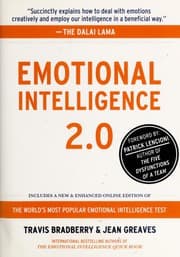
Was there some place that you picked it up? Because, you know, we don't know each other that well, but I can just tell from the way you talk about your, your life and your career that you've obviously spent a lot of time thinking about not just- Mm ... you know, re- not just reflecting on the successes and the tactics, et cetera, but also in who you were throughout that journey. I appreciate that. I, um, you know, saying that you're super self-aware is like saying you're super humble. Uh, but I read a book early on called Emotional Intelligence by Daniel Goleman that was, had come out, you know, in the time I was coming up and, and thankfully I was always a reader.
Like some-The holidays are here, and that means it's the most wonderful time of the year to save with Rakuten. Use Rakuten to stack cash back from your favorite stores on top of holiday sales. That's savings on savings. With Rakuten, you can get cash back on gifts for everyone on your list, from toys for the kids, to kitchen gear for the person who loves to cook, to electronics for everyone. You can even save on something for yourself.
Just shop the stores you love and cash back is automatically added to your account. And you can get paid with gift cards, PayPal, or check. Or eligible American Express card members can even choose to earn membership rewards instead of cash back. It's truly a no-brainer. Join for free today and get a new member bonus after minimum qualifying purchases.
Just go to rakuten.com, download the app, or install the browser extension. That's R-A-K-U-T-E-N. Terms and conditions apply. How I- I, I got it from my dad. He, he, he was, like, a ridiculous reader, f- you know, six books at a time all the time.
And this book, uh, s- begins as its foundation for emotional intelligence, which by the way, the title of that book has become a meme. I mean, it's become part of our lexicon. We take it for granted, but it didn't always exist. I saw it born. And the, and the f- first section of that book is all about self-awareness.
So when I've been asked in my career in different forms, you know, the secret to success, some version of that, it's always rooted in that. Self-awareness is the root of all success. And again, I'm using success in its broadest form, not just e- money. Money can be taken and commandeered by total un-self-aware tyrants, no doubt about it. We've all seen it.
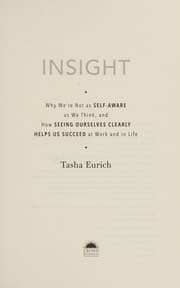
But for broad success across many spectrums, you will not have it if you can't get self-aware. And my best advice is start with the books. Read Daniel Goleman. Read, uh, Tasha Eurich, Insights. It's required reading at Lovesac.
We have three required reading books. One of them is Insights by Tasha Goleman. And, and recently, um, uh, Emotional Intelligence 2.0, um, who was also on this podcast. These are th- th- there... This is a real science and, and I believe that it's not just another thing, it's the core thing.
It's the thing on which all other things stand. Well, I, I love that you've talked about reading so much. I mean, I attribute much of the success that I've had in my own career to reading. I, I've never really had... You know, I've had a few mentors, but nothing formal, nothing overly consistent.
Uh, and I wasn't raised by parents who really knew anything about business. My mom's been a receptionist for 40 years at the same company, and my dad was a laborer on the railroad until he retired. Mm. You know, their entire, you know, theirs was just put your head down, work, try not to get into trouble, work for the big company. You know, that was their best advice.
And the day that I came home and said I was going to college, their response was, "Good." There was, like, no expectation, you know? It was just like, "Oh, okay, that's the next thing you're doing." And my point in saying that is, like, uh, coming out of high school and getting into business was such a culture shock. Like, just having never been exposed or even seen my parents work in that world, and now all of a sudden you're in, and it, it was reading that got me through all those years- Yeah ... and just reading book after book after book.
I mean, I have a lot of them behind me. I have more upstairs. Yep. I'm probably like your dad. I got books freaking everywhere, you know?
And, uh, at any given time yeah, I, I can, I can appreciate at any given time having six books going, you know- Yeah ... as you, as you work through them. But, you know, that, it's very difficult if you're, if you're working through, especially if you're reading, I'm gonna say the right books. That is a very broad stroke, but books that are, that are geared towards helping you become better at something you're doing or yourself or... It, it is very difficult for that not to start to leak in through osmosis into your brain. Like, it is- Yeah ... just such a, it's such a superpower to read.
Yeah. And I, I hate when I see these stats of, of, you know, readership in the United States in general going down consistently every year. Uh, there's a bunch of reasons for that, obviously, but I don't think it's giving us more depth, more pliability, more adaptability to consume everything in short form. Th- there is something to a, a, a nonfiction book, whether it's a biography or, or, you know, whatever, that just, even if you get one idea, the 15 bucks that you pay for the paper co- you know, the paperback is worth it, right? Right.
One, you pull one idea that sticks with you, and so few people are reading, and so few people attribute their success to reading, and I'm really glad that you brought that up. Yeah. I mean, by the way, back to, to tie it back to what you asked about kids and, and their resiliency, your kids should be reading, and your kids should also be doing things that force them to feel, um, some fear, some resistance, some, uh, vulnerability, some, uh, danger. Um, you know, we want... So we, we complain about kids these days, uh, but we have the chance, especially as parents or, or mentors or who knows what, to do, to be more intentional about how to, um, raise kids these days.
So I do my best, you know, to read with my kids, read to my kids, s- see them reading, buy them books and, and, and put them in situations that require some risk, some difficulty, some hardship. W- and that can come in so many ways. Hiking, uh, you know, canyoneering, in my case, dirt biking. I love it for, for my son and my daughters. 'Cause dirt bikes are loud and heavy and scary and difficult, and you can't You're on your own. Like, I can't r- even...
There's no training wheels. You can't ride it for them. They gotta learn to drop off of embankments and cliffs and things like that. Yeah. And by the way, my- the same advice to you, uh, meaning adults listening, right?
Like, are you reading? I totally agree. I don't think anything can replace it. I don't think there is a replacement for it. Yes- Mm-hmm ... mentors are great.
I was probably too cocky to really seek out mentors, if I'm being honest. Probably still to- today. But books can be my silent mentor to a large degree, and I put myself at risk, uh, in many different activities to s- keep myself... It's amazing the perspective it gives you when you almost die once or twice on a really narrow, tough, fast dirt bike trail on the cliffs of southern Utah before breakfast. It, you know, it makes the Costco parking lot, like, pretty benign.
Yeah. I, I... So I, I agree with this point, and it's something that I've been talking about on the show and talking with other people as well, is, uh, y- it, like, you know, I, I use it as a microcosm. Um, you know, probably five times a week I cold plunge for five minutes. Yeah.
So 45 to 47 degrees- Ugh ... for three to five minutes. Yeah. Three in the winter, 'cause it's freaking cold in Upstate New York. Five when it's a little, when it's a little warmer maybe. But, um, but the reason I do it, there, there's all kinds of health benefits.
Doesn't matter. Sure. You can believe them, you can disbelieve them. Doesn't matter. I do it for one purpose, 'cause it sucks.
Mm-hmm. It's terrible. It was terrible the very first time I got in it, and five years later it's still terrible when I get in it. I still stand over the edge with my finger on the start timer button- Mm ... going like, "Just get in." Totally.
You can... Like, I'm, I'm pumping myself up. It's like the thousandth time I've been in the stupid thing, and I still have to pump myself up every time because it's terrible. And people are like- Yeah ... "Well, why?
Why do you..." Because if I can force myself to do something terrible that, that, that there's no positive feeling, it's terrible from the moment you get in till the moment you get out, and the first moment you get out it's even worse. Yeah. And, a- and yeah you feel great afterwards and there's health benefits, but mentally it, it's something I don't want to do. Yeah.
And then when a decision comes up later in your day, you've now trained your brain to say, "I can make decisions to do things that I don't wanna do but I know are in my long-term benefit." Yeah. And it's, it's that training mechanism of, you know, whether it's riding a dirt bike first thing in the morning or, you know, going out for a, an extended run and you come back and you're dripping in sweat and you're- Yeah ... you know, pushed yourself harder than you've ever gone. Or jumping out of an airplane or, or making that cold call, or whatever that thing is that causes you fear. Like, just, just the act of doing the thing, even if it falls right on its face and doesn't work, is, is training you to do more of those things.
And we just, I feel like with all the Instagram course three steps to figure out all your wildest dreams come true kinda society that we have- Mm-hmm ... they're, everyone's searching for the hack. Yeah. And it's like the same kind of bedrock concepts and ideas seemingly get everyone who's successful to success. Yeah. Yet, yet it's almost like, you know, how do you know you're the sucker at the table?
You're the only one that doesn't know who the sucker is. Uh, it's kinda the same thing with all these tips and tricks and five steps and buy my template kinda stuff that people chase, you know, using it as a microcosm, um, is they just... It's like just learn how to do hard things and then go figure out those hard things, and you'll eventually get the answer. Yeah. But no one wants to hear that, and certainly they aren't gonna pay for that advice.
Look, I, it, it, it's just first principles. You know, can you expect striated, bulky, ripped shoulders from not exercising? It, it, it's, it's impossible. You cannot expect to be mentally tough if you don't work out your mind. And so pick whatever medium suits you.
Cold plunge, you know, running, uh, you know, I'm, I, I like dirt biking. But the- Yeah. And, another, surfing even. You know? It's... 'Cause by the way, you know, you watch a surfer, it looks so smooth and fun.
It's surfing, yay. Dude, like, if you've actually paddled out through breakers and in real conditions, it's terrifying. Yeah. Especially, by the way, if you didn't grow up doing it like me. Like, it's terrifying.
Yeah. And, and, and fun as well, but it's, and it's freezing and cold and all these things, right? So whatever it is, man, uh, build that mental toughness. Cold plunge is great. Um and don't expect big muscles if you're not willing to work out.
It will not and it cannot happen. So my, I, my kids convinced me to get two kittens. Um, we had a cat. We, we got a kitten given to us. I didn't want a cat, but my kids wanted an animal and, um, we're, I'm divorced and their w- mom wouldn't get them anything, so they convinced me to get this kitten.
Kitten's great. Nine months in the kitten has a freak seizure and passes away. Oh, shoot. Kids lose their frigging mind, 'cause they loved the cat. So I'm like, "All right.
When it's kitten season," 'cause this was like the middle of the winter, "we can get another kitten." You know, whatever. And, uh, somehow, because I'm a complete sucker, uh, they convinced me to get two cats. Um, two kittens. Now, probably a good decision from the standpoint of they basically just play with themselves and leave me alone during the day.
But we got one like normal cat that does kinda like normal cat things, and then we got one cat that is either a ninja or retarded, and I'm not sure which it is- ... because he just somehow opened the microwave door and then hit some button on the microwave, and that's what was ringing in the background driving me insane. Oh my God. So I apologize for that. So I, I would like to transition our conversation here, um, to what's going on in the marketplace today. So you had mentioned that- Uh, the home category is struggling, and, uh, you had mentioned before we went live that, uh, tariffs are playing a role in that.
There's so much information out there around the tariffs, and depending on what channel you listen to, you're gonna get a completely different story. Uh, I'm very interested in, for someone who's dealing with it every single day, you know, w- what does the reality on the ground look like for you? W- what are you dealing with, and kind of how are you navigating this, you know, next challenge in your business? Yeah, look, um, I will have written a $30 million check to the government this year that would've been profit, you know, for my company. That's, that's like a kick in the nuts, you know what I'm saying?
And, um, and it wasn't expected. Uh, there was no notice given, you know? It kind of blindsides you, um, as it, as, as it's moving so fast. Now, the upside is we had been... We were quick to move out of China when they first dropped the tariffs on Ti- tariffs on China, uh, back in 2018 because we had already been working on it on instinct, you know?
So entrepreneurs have to follow their instincts. We, we've had a long instinct that we could make our product in the United States through automation, 'cause we can't make our core products in the United States apples to apples. The way that they're manufactured is super labor-intensive, and it's just not even remotely affordable. We'd have to, you know, double the price of our... It's...
We'd be out of the market. But on first principles, if you understand what's unique about Lovesac, right, you can buy a bunch of seats, buy a bunch of sides, build any couch you want, add to it years later because our s- our... these Sactionals pieces are uniform. So we are fundamentally creating a lot of demand for sameness, not novelty. Not the new season, not the new collection, not the new style, but actually for sameness, 'cause it's good for you as a buyer 'cause now you have all these advantages if you buy into this platform. Well, with that kind of platform and the success that we've had and the volume that we have overall, we should be able to automate that more successfully than anyone else that we compete with.
And we've known this for a long time, but we've... It's just so cheap and easy to do overseas in the, in the current dynamics that have been created by the globalist system. These tariffs have just kinda kicked us out of the nest and forced us to fly and do what we've always believed we could do, but never really bothered to do because it didn't... It wasn't a burning platform, and there's plenty of other things to worry about as a business. So finally, we just announced, you know, we'll be able to onshore most of our product, uh, by the end of next year and, and starting in the middle of next year.
And but it's only because we started working on this on instinct a long time ago, researching new materials, researching new manufacturing methods, robotics, all of these things. And it's going to come to bear very quickly, and I think Lovesac is gonna be on the right side of history and gonna be a leader there. And, and regardless of... Even if tariffs went away, we can do it on a cost neutral basis. So in our world, this is pretty remarkable.
Um, but what's, I think, even more interesting is not that we're doing it and that we're onshoring and we'll be a leader in a lot of respects, but that we've created a system that really goes against the grain of all the stuff we buy generally. Like, most of the stuff you bu- Like your iPhone, you know? Like, you don't really need a new iPhone. Th- they've convinced you you do, and by the way, they've even more dastardly made it so you do. We all know...
Like, even my own son, very quickly at age 14, you know, "Dad, don't update your phone. Mine sucks now." You know? He's experiencing this, and it's... No one told him, you know?
These, this is a real phenome- And the crazy thing is we let it happen. We're like lambs to the slaughter. Meh, just keep walking, you know what I mean? Yeah. Toward the death of the Earth.
Th- they'll extract more resources to build this thing again and give you back the same thing you practically already had. You and I could imagine what the Lovesac version of this looks like, the built to last, designed to evolve version. You know, maybe with a camera that could be swapped in, swapped in the battery. Th- these things are not rocket science to think of, but we both know, you and I both know they'll never do that. The business is too good.
And because of that, they've never really been forced to innovate in places they could. They coulda cured cancer by now. They have hundreds of billions in cash, Apple does. They could have solved traffic. They coulda done something instead of give me better Memojis.
A- AI Memojis now. And so l- look, I'm trying to build a brand that is very different on principles that are very different, not just from furniture, but from all stuff. We're trying to create demand for sameness, not newness only, and we still need newness to drive the business in lots of different ways. So, um, I'm really proud of, of what we're doing at Lovesac. You know, we call this philosophy this designed for life philosophy.
It's very unique to Lovesac. And, and ultimately the result is sustainability. And I don't need to be a tree hugger and preach to you about, you know, climate change to do the things that are good things. Like, I, uh, forget, for- forget the politics of it. I think that being...
You know, m- for instance, making stuff closer to the end user, shipped over shorter distances, is a good thing no matter what. 'Cause right now I'm chopping down trees in Canada to get them to Vietnam to use probably coal-powered electricity to turn them into furniture, to then diesel fuel them back to Long Beach, to then rail them to Chicago, to then FedEx them to your house. And by the way, almost everything you own in your life came to you that way. You tell me that makes a lot of sense. Do you think there's... Do you think you are at the tip of the spear of a trend back to sustainable, long-lasting products, or do you think you guys are kind of a snowflake in that regard?
I don't know. I, I would love to believe that we are the tip of the spear. Mm. And I would love to believe that people will put their money where their mouth is, 'cause, you know, our products are not cheap. 'Cause to build something that lasts a lifetime is not cheap, so we'll never be selling cheap couches or cheap anything, fill in the blank. We are winning.
You know, we have the best-selling sectional in the United States of America, by the numbers. So we're not losing, and we're being emulated in many respects. And I think ultimately, if we can convince people to think this way and have this great experience with the products they buy, they might start thinking differently about the other stuff they buy. And the... And that's where the movement needs to come from.
It's not gonna come from guilting people in to feeling bad about the polar ice caps. It just... It, it should, but it won't. It will come from leveraging people's self-interest so they're doing the right thing for themselves, 'cause it's better. It's better for them.
Like, buying one of my couches, if they understand it, ultimately saves them money, saves them time, saves them headache. Their dog can puke on it, peel the cover off, wash it. Your cat can destroy one arm. One cover to one arm, the whole thing's new again. But, but that's a mouthful.
That's a lot of stuff to try and tell someone in a 15-second ad, that also needs to look pretty so that their spouse will accept it into their home. I mean, so it's a very high bar. It's very difficult, what we're doing. But if we can do it at scale, it will then be emulated, and I think the movement can be both pushed and pulled by people wanting better stuff. And so to me, we come full circle back to, why am I still here?
Why am I still interested in, in doing this after 27 years in? It's because, man, like, I, I... Look, I'd, I'd love to make money doing it, all this stuff. We need to make money doing it. But, like, if I can do something like what I just explained to you, that will have been a life well lived.
And it can move the needle. And, um, to me, that's highly motivating. Yeah. I hope you're right, man. I had, I had an experience the other day.
I have, I have, I have a Chevy Tahoe. It's a 2019, so it's six years, going on seven years old. Runs great. It's got 8,000 miles. I love it to death.
I have kids in sports, so they can beat the shit out of it and I don't care. Yeah. I can truck teammates around. And I had someone the other day go... 'Cause there's a couple dings in it. You know, six years old, you know?
Yeah. And I had someone come up to me and go, "Why don't you just get a new one?" Mm-hmm. And I was like, "Well, this one runs great. I don't have a payment on it, and it does everything I need and it's comfortable and I like it."
You know, but it was like... But they're like, "Yeah, but you could trade it in and get a new one." Yeah. And I'm like, "Yeah, but then I'd have a car payment." Yeah.
Like, I would... Like, I would still owe... I would owe... I would be, have more money coming out of my pocket for something that does the same exact thing as the thing that I have now. Yeah.
But it's, it's like I could see a business case. It's almost... The sad part is, and close with this, is, like, I can almost see the business case for what, for the movement that you're developing. Yeah. Right?
For sustainable products, interchangeable products, for people enjoying and building on the things that they have- Yeah ... not just tossing them out and getting something new. I, I'm, I'm all for that and with it. I, I worry more about the consumer mentality than the corporate mentality in that movement. Not that it can't come around, and I would love for it to do that, but... And, and maybe with AI it starts to, right?
Maybe we get the time back in our life where we like maintaining our home, maintaining our cars, maintaining the things that are important in our lives again because we have more time. I do feel like it's very hectic. Life can be... I think life is intrinsically hectic. You can de- You can set yourself up f- to reduce that, but it's a, it's an intrinsically hectic time.
Um, but ultimately I think consumers, uh, have a long way to come in the way that they've been trained for the last two decades. But dude, I'm on... I, I love the story. I love what you're going after. I appreciate the hell out of you and, uh, the time that you've taken with us today.
Um, tell everyone, uh, where they can get the book, and then if they just wanna get deeper into your world in general, is there anywhere where they can connect with you and follow along, uh, other obviously than the, uh, your actual retail site, the Lovesac site? Yeah, look, slide into my DMs. I'm, I'm Sean of Lovesac on every social media channel, YouTube channel, uh, with the podcast, Let Me Save You 25 Years, which reflects the content from the book, Let Me Save You 25 Years, available everywhere you get books. Um, I'm really proud of it. If you have a young person in your life that, you know, has some ambition, buy them this book.
I wrote it for them. I wrote it... You know, it's, it's, it's meant to save you from at least a little bit of the heartache by learning from my mistakes, um, that I made starting at 18 years old, versus making them all yourself. Um, and I'd love to, um, be available through social media for sure. Um, easy to find and, and so is Lovesac.
Awesome. And guys, I'll have, uh, all the links. Uh, whether you're watching on YouTube or listening wherever you do, just scroll down, you'll have them. Uh, connect with Sean. I love what you're doing, man.
Appreciate you. Thanks again for the time. Thank you. At Capella University, learning online doesn't mean learning alone. You'll get support from people who care about your success, like your enrollment specialist, who gets to know you and the goals you'd like to achieve.
You'll also get a designated academic coach who's with you throughout your entire program. Plus, career coaches are available to help you navigate your professional goals. A different future is closer than you think with Capella University. Learn more at capella.edu. Wix.
It's where website creation meets AI and where your boldest ideas become real. It just takes one platform to build a site that looks great and does everything you need it to. And it just takes one person, you, to start taking care of business like a 10-person team. With AI tools for creating an entire website from scratch or testing new ways to make money, Wix is there with you from day one. Try it out now at wix.com.
Hear that? That's me in Tokyo learning to make sushi from a master. How did I get here? I invested wisely. Now the only thing I worry about is using too much wasabi.
Get where you're going with SPY, the world's most traded ETF. Getting there starts here with State Street Investment Management. Before investing, consider the fund's investment objectives, risks, charges, and expenses. Visit state street.com/im for prospectus containing this and other information. Read it carefully.
SPY is subject to risks similar to those of stocks. All ETFs are subject to risk including possible loss of principal. ALPS Distributors Inc., distributor