Hello, I'm here during the lunch rush with Janice, who owns her own food truck. Best cheese steaks in town. Janice traded up to Geico Commercial Auto Insurance for her food truck business. We're here where she needs us most. They sure are.
We make it so easy for her to save, with customized coverage that grows with her business. Sorry, I just get so emotional talking about saving folks money. Not this onion I'm chopping? It's just so beautiful. Oh yeah, nice, the onion.
Get a commercial auto insurance quote today at geico.com and see how much you could save. Get more with Geico. Happy Holidays. Want to give your host a gift? Consider subscribing, rating, and reviewing the show this holiday season.
It really helps the show grow. From all of us at Believe, have a Merry Christmas everyone and a Happy Holiday. In a crude laboratory in the basement of his home. Hello everyone and welcome back to the show. Today we have an absolutely tremendous episode for you.
Conversation with Kat Terns, the Vice President of Revenue at AgencyZoom. But she does so much more than whatever you may think Vice President of Revenue does. It has been absolutely wonderful getting to know Kat and working with her and she puts up with me and the barrage of feature requests that I put into AgencyZoom as we really kind of bake our agency deeper and deeper into the AgencyZoom tool. I mean it is a huge part of our agency. It's a huge part of how we operate.
And we talk about just, we talk about, you know, the industry and the kind of choosing tools and we talk a lot about a whole bunch of different stuff and it's just an absolutely tremendous conversation. I mean this is just, again, this is another one of those conversations that just, this is why I do the show is getting to talk to people like Kat and having a good time and just hopefully delivering a tremendous amount of value. I mean we do talk about AgencyZoom a little bit at the end, specifically how I'm using it and why I enjoy the tool and just how I think you should go about thinking and how we think you should go about considering a tool such as AgencyZoom. Whether you choose AgencyZoom or anyone else that's in the marketplace, you know, that's who I use. But I just want to be pretty clear that I am, I am not an owner in AgencyZoom or an investor or whatever.
I'm not an advisor or even, I have no, they're not a sponsor. I just think the tool is tremendous. They've done, you know, in the last 24 months incredible amount of feature improvements and the flexibility and the scalability of it has made AgencyZoom a big part of our agency. And Kat's just an awesome person who I tremendously enjoy and like I said, put up with me. So I wanted to have this conversation with you because this is the kind of conversation that she and I have all the time as I pepper her with things that I want to add to AgencyZoom.
And she's a good sport about it and is just so incredibly smart about our business and sales and growth and business in general. And I just think you're going to love this one. And if you don't know Kat Turns, happy to introduce you to her and make sure you connect with her, Facebook, LinkedIn. I don't think she has a Twitter. So, all right, guys.
Before we get to Kat, I want to give a quick shout out to another new sponsor. I mean just a tremendous sponsor that I want to share with you and that is Propeller Bonds. I've talked to you about Propeller Bonds. I've had Aaron Steffi, co-founder of Propeller Bonds, on the show before. You can go back and listen to that episode.
I don't know what episode it was, but however you're listening to the show, just if you want to listen to the full episode where we talk about Aaron's history and then really get into Propeller in general and what it's all about, I encourage you to do that. Just search whatever product you're listening to this on, whether it's iTunes or Spotify or wherever. But Propeller Bonds is changing the game. There's no reason for retail insurance agents to be surety experts. If you're not already a surety expert, you don't need to become a surety expert.
At least most of you, the vast majority of listening to this, do not need to become surety experts. However, you should be offering surety to your customers, particularly your contracting customers, but really anyone of your customers who has surety needs. We don't want them having to search for someone who they don't already trust. They're working with you. They already trust you.
Offer bonds. Now, you might not be offering bonds today because you don't want to put the stickers and stamps and go through all the rigmarole that the traditional bonding process made you go through, which I completely get. I have a drawer over here with stamp machines. I've never used them. I don't even know what to do with them if I did have to write a bond.
But Propeller Bonds does away with all of that. You get this custom URL, and you can just search for whatever bond you need in whatever state you need that bond in. They got thousands and thousands and thousands of bonds. And you can fill out the form, get a quote, pay for the bond, and have the bond certificate delivered by email in like 10 minutes. It's crazy.
Even less than that if the bond is, you know, depending on what kind of bond it is. And they got all kinds of bonds. So Propeller Bonds is changing the game for us. It's part of our drip campaign. We don't necessarily lead with bonds yet, but we offer it as part of our – we make sure everyone's aware of it as part of our onboarding process.
And then throughout our drip, once they become clients, we're letting them know, hey, if you need a bond, we're here for you. We can help you, and then we provide them with a link. So you're going to be hearing more about Propeller Bonds, especially now that they're a sponsor of the show, but not just because they're a sponsor. We use Propeller. I love Propeller.
I think very big things for them are coming, and it's definitely a tool you want to know about. Again, I called Tarmica. I called Donna, and I'm calling Propeller right now. Okay? You can mark this here.
You can actually mark it when I did the episode with him because I talked about it back then too. But, you know, told you about Propeller. Get it on your radar. Get it into your product mix. You'll be happy you did.
All right. Let's get on to Cat Turns. What's up? Already being recorded? That's what happens.
Oh, my God. Sorry. It's like a typical life. You got to step your game up. True.
Oh, my God. If you saw my calendar today, even you would shed a tear. You're like the busiest person I know, and you would shed a tear for my calendar today. I get it. Wow.
It's a good thing that you're getting one of the most important calls of your day out of the way early. Yeah. And I just got my coffee. One of the team members came in at like 10. So I just got like fresh coffee at like 1030.
Fresh coffee or your first coffee? Fresh coffee. I was going to say, if you're getting your first coffee at 10 a.m., you're a better person than me. I'm usually starting my second pot at 10 o'clock in the morning. I can't have that much because I don't have enough time to go to the bathroom that frequently.
Like I can't take in that much liquid in a day and expect to do my job. That said, this was coffee three of like, you know, a cup at home, a one on the walk here. I walk 30 minutes every morning now to work. I don't drive. I just walk.
It's awesome. And yeah, it's like, I call you guys realistically. Like if it's a really peaceful morning, I like keep my mind to myself. And then if it's, you know, kind of a hustle bustle morning, I'm like, I might as well just call somebody and start my day and ruin their life too. But I'm kind of holding my hand during my walk.
Yeah, I like that. That's what my drive time. Like if I know, if I know I got to go pick the kids up someplace, I got to drive somewhere to pick them up, you know, where I live, like everywhere is 15 to 20 minutes away. So it is, um, that's like the perfect time. You just call.
And like, I kind of get pissed when I cycle through like the two or three or four people that I would meet that I could possibly have something to say to, and none of them pick up. I'll be like, well, what am I supposed to do that? I'm in the car and I'm not talking on the phone. What is wrong with people? Um, I can tell when any, one of you guys are doing it, whether it's like you or Brad, or Emily, like any one of you guys doing that kind of nonsense to me that you're like taking your kids somewhere, you're going somewhere for whatever reason, there's like this cohort of you guys that I've spent enough time with that I text with too often, but you guys all use voice to text.
And then when I try to go back and look at what we were talking about and this great idea you guys had, it's just gone, like voice recording is just gone. So I look like I'm a psychopath talking to myself all day, every day. And in reality, it's you guys sending me the little like voice memos of like three minute brain bursts, like Jimmy Neutron type shit. And yeah, I lose it. I lose it a lot.
Yeah. What's funny is, um, so Namoli voice texted me the other day and like the, the text machine had to like cut it up. It was like, it was probably, probably talk for like two minutes. So instead of doing like the hit the button and hold it, he was obviously, I don't know, you, you, he did do whatever he was doing. And, and at the very end he goes, and it was perfect, perfect English.
Not a single world was out of place except for the end where he says, this is voiced the text. And as soon as he said that every other word after that, like the last two cents was just complete garbage. And I was like, I wonder if the phone was like waiting for him to say that. And then just started screwing everything up. I don't know.
I get the amount of things I get that end up out of order. The other thing too, and this is so embarrassing, but I was just on a call with another agency and told them this, I am the like latest adopter in the product adoption curve that anyone could be in an elevated position, leading an innovative company. Like I could not be any more like regressive of tech and like in my position. So the thing that is new and novel to me, but again, makes me disorganized and incapable is the reply function. And I'm trying to.
The in thread reply. Yes. Yeah. Yeah. Yeah.
I reply. It's super cool. Very functional again with like you, Jimmy Neutron humans, but it is so difficult. Cause I lose stuff or you guys go back and respond to stuff that I already had stopped talking about. So yeah, it's a, one of these days I may become like an early adopter or like an innovator at an innovative company.
But right now as this human, like squarely in the early majority, I struggle. Like I talked to you guys and oh my God, I, you would believe I was like 75 years old and just completely inept at using my phone. Like I can't, well, you can text pretty fast. You get back, but you can, you can text pretty fast. It says I have my Mac.
So I text you from my Mac while I'm sitting in meetings that I don't want to be in. So that's why I text you so fast. That makes sense. Cause the other day we were texting back and forth. I was working on, I was working on something with zoom.
And, um, so I was tech while I was working on it, I was texting you and then you're like as fast as I could finish the text, I was getting replies. Cause you know, you get the little bubble and I was like, Jesus, she's a fast, like this is, but I also do know that there's like half dozen to a dozen of us that just pepper you all day long with different things. And, um, words per minute is like in the upper nineties. I want to say like, it's pretty good, insanely fast on my computer so much. So now that I actually type faster than my computer will like the cursor will be out ahead of the words.
Yeah. The words and it's like typing, the words aren't showing up as fast as I'm typing them. And my E key right now is sticky. So I ended up like E and then T and then another E. Cause it's trying to type two E's from sticking, but I actually type faster even than the sticky keys.
Supposedly the new Macs have solved that problem. Cause I've had my Mac into the thing twice for sticky keys. And I love everything about Mac. It's far superior than any other machine ever. The user, like I said to someone the other day, um, they were, you know, I was complaining about why we can't use Macs in the insurance industry and over.
Um, and I, although they've starting to fix that. But, um, someone was like, well, and I said, look, do you ever like use your computer and something doesn't work? Like it just doesn't work. Well, when you use a Mac, that doesn't happen. It just works now, other than this little keyboard issue they have, where occasionally these keys get a little wacky, but you can fix them.
Like the programs like loom every like five or six loom videos on my windows computer. It just freezes and it doesn't work. Yeah. That has literally never happened once on my Mac. And I'm like, how do people with windows operate?
They just operate in this world where like, oh, it's just a bad computer day. The computer's not working. And I'm like, before I had to go to windows, there were never bad computer days. It just like always operated the way it should. Well, the embarrassingly wonderful part too, again, and me being like a geriatric millennial, um, I got TSA pre when I started traveling for conferences and stuff.
But before that, of course, being amongst the general borders of planes, I dropped my Mac onto every conveyor belt, like shuffling through my bag and dropping it, dropping it onto the floor. I think I left it on top of my husband's car once, like was carrying it in my arm. And we like pull out of the garage and you see it like go, like down in front of his car. And like the hood of his car looked worse than my Mac did sitting, bounced against the front of my garage. Like even my, again, technology ineptitude, like how well I treat my poor computer.
It has done great. Like indestructible in so many levels and the communicativeness and the actual integration and everything, like how easy it is to use my phone and my Mac together. Yeah. I'm, I'm a sucker for it. Like I grew up in a PC world.
I used them. I like was nerdy and built my own computer when I was in high school. Like I could see you as a nerdy. Yeah. Yeah.
It was, it makes sense. Um, I think that's maybe when the curve ended. I think I got like pinnacle nerdiness and I probably got bullied enough that I was like, you know, maybe we should lay off this nerdiness. And I just have not improved any technological knowledge since like the early 2000s, you know? Yeah.
The interesting part is like now being a nerd is cool. Like for so long, like I, so I played sports and was in honors classes and like, I would be on my baseball team and I would be the only one or on my foot, especially on my football team, nothing against football players, but I'd be the only one in my entire football team out of like what, 30 guys or whatever that was in an honors class, everyone else. So they don't have to like bust my chops about this or that. And it's like, Oh, you know, like I'm not as cool because I'm in the honors class. And now that is like completely flipped.
Now, like, if you're smart, it's like super cool to be smart. And it just wasn't the case when we were growing up, but you were living. I think I was like really preparing like people to be accepting of being a nerd. Like, why would you pay money to go to college and then like not want to do well? But obviously there were plenty of people that didn't feel like doing well, but like, yeah, I thought I was going to law school.
So I like really needed to have everything lined up and do well. Um, so it was fun, but was a nerd there. And like, I remember like telling people on like a Friday morning that I was going to class and they're like, didn't you go to the bar last night? I'm like, well, yeah, I'm a normal social human being. They're like, why are you going to class?
I'm like, cause I'm a nerd. Now I'm a like advisor for a student organization at a university here that has nerdier kids than where I went, but still like not dramatically different. And like, they yell at each other that they're not going to class. Like they'll go like pull each other's like hungover butts out of their dorm room bed and like take each other and bully each other to go to class. Like I used to get bullied for like going and like, why don't you just stay home?
We're going to get breakfast. We're on the Waffle House. It's like, nah, I'm going to class. Now you like get bullied if you like need to sleep in and you're ill and you're skipping class. It's like, yo, skipping class isn't cool anymore.
I just missed it. Like I should have been apparently part of like the, I think it's Gen Z is like the college kids now. Who knows? I should have been with them. Maybe I should be better at tech.
I don't know. Their life is too cushy. I'm glad. I'm glad I grew up when I did. I like the fact that it wasn't as, everything is so cushy now.
It's just so cushy. Like it's easy and feels like, I shouldn't say easy because nothing's easy, but like life is just easy today. Like I look at, I just look at the lives. Like I coach all these little kids in little league and they're great kids and I love them all to death. I think of them as my own children.
They live this cushy little nerfy life. And I like, I look at that and I know every adult ever has said this about children, but maybe it's just true, right? Like every generation is like a little softer than the one before it. Maybe that's the way that it should be. But like, I just, these kids will complain about something.
And I'm look, I'm like, look, you little nerf babies. Like, I don't want to hear about your, your batting, your batting gloves are wet. Like, oh my God, I can't coach. I can't hit my batting gloves are wet. I'm like, what are you, what are batting gloves?
When I was a kid, we used the same bat. We all had one bat. We use the same glove. Like we all shared the same four helmets. Like, what are you talking about?
Now everyone has their book bag with their own helmet, with their own. I'm just like, well, I call them, I call them a little nerf. Whenever they bitch, I'm like you little nerf babies. I'm like, don't even, I don't want to hear it. And then you're just squishy little nerfy life with your batting, your wet batting glove problems.
But I really appreciate that because I have been in like competitive sports, like all the way up through college, like super, super competitive. And they were all, I think because my parents were so demanding of me, they were all like single performance. So like I figure skated, I was a competitive trap shooter. Like my performance was almost solely based on like how I performed that way. If I didn't win, there wasn't another kid on the team.
So like my parents just like ringed me for being terrible and not practicing and not doing what I was supposed to do. Now, seeing the difference of that, like single participation versus team participation, and then like thinking about how kids like go through like mental toughness or like how much equipment do they have, all that. I'm just like, yeah, you guys are kind of a little squishy, but to be fair, I am solidly a millennial. I will like wear that as either badge of honor or my like scarlet letter, whatever spectrum somebody's on. I'm a millennial.
I do appreciate somebody said this the other day. They're like, millennials just like expect to get a trophy and a pat on the back and a participation award for everything. And, you know, as the person now who hands out awards, I'm like, yeah, but like you guys also gave us those awards. Well, yeah, this is all boomers fault. We have to just all the boomers who bitch it's their fault.
It's like, why did you make me a participation trophy? Yeah, like don't get the trophy and I never would have known any different. Yeah, 100%. I was saying this on a pod and then we'll get to insurance. I was saying this on a podcast the other day, actually not insurance podcast.
I was interviewed for like my buddy's got a podcast here locally. I was on and we were again, we were talking about literally such a big part of my life. It's just like on my brain right now. But I do think, I don't know, I try to be, I try to not necessarily go as far as my coaches went because like my coaches like throw me into a fence and that was just like for missing a ground ball, you know what I mean? And, you know, obviously that, I don't know that that was right.
I mean, I look back on it fondly and at the time it seemed perfectly natural, but, you know, I guess that's not what people want today. But I said to, I said to my son and his buddy who were in the car with me. Actually, no, it was, it was my other son. My two sons were in the car. So five and seven, we're talking and something came up and they asked me about something.
I can't remember the details, but I basically, I like, we were at a gas station and I just turned around and I looked at him before I pulled away. And I was like, you guys don't understand how much of a competitive advantage you will have that you, that, that you, I'm in, that I, me and your mother are trying to instill like competition and like a slightly like alpha approach to the world because the world is filled with betas today. Everyone's a frigging beta. I mean, just look at the conversation on, I'm not even talking about politics, just every topic. It is people who I was bullied once in my life.
So now I'm going to complain and make excuses and yell at you and like, whatever, you know, I couldn't be a libertarian if I didn't believe that they had the right to be bitchy betas. I think that's perfectly fine. But I said to them like more than ever before in history, embracing competition, understanding how to push yourself, how to, how to push through some of these things, even at a young age, like it is going to give you like, you are going to be this shining light versus all these other kids that have just been given everything. And, um, I really do believe that, that like, you know, I'm never going to change the world, but if I can help my kids stand out by not giving them a nerfy life, I mean, based on the house, we live with a pretty fucking nerfy life, but like in general, trying to write, like I do, I do believe that, like, we have to embrace the fact that you're going to grow up with a bunch of, you know, who, a bunch of betas who want this padded room environment. We see it here in insurance.
There's a bunch of people that are like, so-and-so won't integrate with me and I'm going to whine about it. Or like, I'm a captive agent and now I'm independent and it's so hard. It's like, you knew this going into it. So it's that like, heads down, like I'm going to grind through it and like, get it done or like heads up. I'm going to like, you know, how and cry and like complain about it.
Like for me, like, yeah, everybody's facing like the same garbage and there's definitely people that have nerfier lives than others, you know, have like a squishier opportunity, but all things considered, like, like there's still a lot of work to be put in and you don't go into many scenarios and get caught off guard. Like whatever you sign up for, like if you go into sales, you know, you're going to have a quota. Like if you go into service, you know, you're going to have people yelling at you every day. Like, you know, these things, so like what you sign up for and then whether you are like squishy and whiny and this beta personality and you're like, or. Or whether you are like this alpha personality and you're like, fuels my fire, gets the job done.
Like I'm working harder for it. Like that's still like it's differentiated. Now it's going to be that much bigger of a differentiator when the, like, it's not a 50 50 split, you know, it's going to be more often than that, that people are whining and complaining. And I will call out too, as I've like developed professionally and gone further along in my career. I think I get a little more grace to like, if I text you and I'm like, Hanley, we're not talking today.
Like I'm taking the day off. You're like, yeah, you know, you're not a whiny, squishy person. So if you're telling me you need the day off and you're sick, like, okay, yeah, chill. I believe you, you know? So you get a better amount of like appreciation from people when you're like all like putting forth your best effort constantly.
Completely. Versus like my middle sister, it's middle child syndrome. I think like, God, you like bumper in the car and she used to cry about it. Like total beta personality, you know? No, I think, I think you're completely right.
And I think that, um, I think, so I listened to Andy Frisella a lot. I don't know if you know who he is. Um, he's got a podcast called the, it's MF reality or a, I don't know. Something, something, it used to be the MF CEO. Now it's something else, but basically he, um, I don't know.
I don't know how to describe him. He's, uh, he owns, he owns first form. I think it's fitness, the pharmaceutical company, and it's got all kinds of fitness gear. It doesn't matter. It's a, it's a, it's a, uh, uh, supplement and fitness company.
And he's got this podcast and it's like one of the top five podcasts in the world. But, um, but his, his perspective is very much. Um, maybe a much more old school take, right? And one of the things he talks about all the time, that thing is important. I think very relevant to, to, to, as we'll transition here into something related to business and insurance is that, um, the difference in his perspective between say the, the, the betas and the alphas, and, and I just don't know a nicer way to describe the type of person than beta, um, is, is the beta, uh, individuals have a hardship and they're like, woe is me excuse.
I don't have this. I don't have this. This is why I can't get it done. And what they don't realize is the alpha person people have the exact same hardship. They just go, oh, I'm going to figure out how to do this.
I'm going to call this person for help. And I'm going to invest in this thing. And I'm going to take a longer view on it. And I'm going to put in the work and an extra hour here and, and they just find ways to navigate around it. And that has been, um, and what's been interesting is I think, I think at different times, and this is very, I think this is very honest, hopefully is at different times we do, we can waver in both camps.
It's not like all the time you are this driven, competitive, focused on point human. I, and I think that's another, um, misunderstanding that a lot of people have is like, it's, it is, it is constantly just that like one, just get 1% better. That mentality is like, give me, let me get 1% better today or, or some positive percentage better today than I was yesterday. And, and those little tiny increments really add up over time versus this other mentality, which is, I never want to put in the work, but I want to be at that same level. And, you know, that's when I think like being in some of these groups on Facebook and some of that stuff can, can almost be a negative.
If you're looking at someone posting and going, geez, I'm never going to be where they are, or they're only there because their dad or their parents or their mom had this agency or got them this job or whatever, or they got this investment from this company. And instead, instead of looking at the fact that there's probably, there were, there was a million other challenges to get to that point. And, and that's why they keep pushing. I wish I could remember the book. Cause when I was working with my mental coach and going through all of like really advanced stuff in trap shooting, which is like such a game of, it's awesome.
By the way, that you're a trap shooter. I love trap shooting a kid. I never did it competitively, but it was like one of my favorite things in the world. Uh, yeah, my sister's still exceptionally good at it. Like doesn't maintain a full-time job because that's almost her full-time job.
Like really crazy, crazy good at it. Yeah. I don't have the capacity to like, you know, be here doing agency zoom stuff, texting you guys all day and, you know, shooting a guy, but super fun. One of the things I was learning back then that I think people to your point, like they either see, like, I need to be that person and can't get there because they don't understand the work that gets put in or that it's like so distant and so aloof from them that they like check out. And something that I had to teach myself in that like mental fortitude was the A, you know, alpha, A players, whatever the case may be, they do have grit.
And we talk about grit all the time, or, you know, people that are like A players, like you and I talk and really talk about grit and like, yeah, you like stay gritty, you like stay in and all that. But there's, um, a matching component to grit that is actually able to be taught and able to be nurtured when you're exhausted. And that's resourcefulness and like you build up like gritty people learn how to build up their resources. Like you said, people are using a Facebook group rather than like a obstacle and like I'll never be this person as a resource. Like then on your days that you're like my grit, it's just not there.
Like I am almost at wit's end. You lean off grit a little and you go into resourcefulness and they're kind of each other's like yin and yang to better perform. Cause like you said, you can't be just gritty. Like we don't expect anyone to like just get, you know, shot at all day, every day and expect them to like be mentally fine. You know, we just saw like Simone Biles, like exceptional competitor say like, I can't do this anymore.
Like you can't take all the way to the world and do it endlessly. But like resourcefulness is how you like think about operating. Like it's the fact that you like come back out and you're there for your team. You know, you lean into like other skills and other value that you can present still in that given time. And when I like started learning about that and thinking about resourcefulness, which is something that can be learned and can be planned, it made being gritty a lot easier.
Like I am naturally like a kind of an aggressive, gritty person, but it made it easier on me too, that I wasn't then like an anxious person. I wasn't hostile. I would go home really gritty and my husband would get like super peed. I'd be like being very gritty during dinner. I'd be like, just do this.
And he's like, could you, could you chill? Could you chill? So like that was a really helpful, like yin and yang was the difference between like grit and resourcefulness and how you do need a good balanceable. Yeah, I like that a lot. I think that's why you see a lot of partnerships work in our space and even in the startups and technology.
Like when you're having that day and we all have them, we probably have them multiple times a day and certainly multiple times a week where you just, you're like, geez, it just feels like, I'm never going to get to this place that I want to get to. And as much as you're grinding and you're putting in the hours and you know, you're doing the work, there's just moments where your brain is just telling you whatever it is, call it the lizard brain. If you're whatever, call it whatever you want is just, you know, and to be able to pick up the phone or to have a book or to have a, go for a walk, an outlet, whatever that tool is. And I, and I think, you know, I don't know that I would have called it resourcefulness, although I really like that. I'm, I wrote that down.
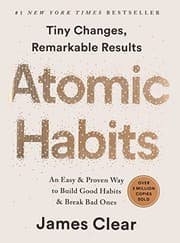
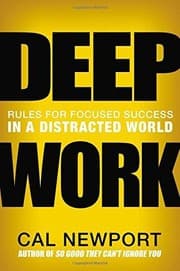
Um, you know, it, I always think of them as like tools. Like what are my tools to get myself back to where I want to be? Because that was, um, one of the things that I took away from the book, atomic habits, uh, by James clear what around the idea. And there's, there's another good book. Um, uh, it's up there by Cal Newport called deep work.
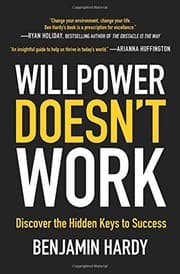
And it's, it, they, they're almost like, should be in like a set, but both talking about willpower and, uh, um, I think Benjamin Hardy wrote in a good, uh, I think it was him, the power of willpower or willpower isn't enough. Something, something like that, uh, listeners will know. Um, and those three books, they all tell a similar story, which is basically willpower is great and can get you through a lot of situations, but it's a declining balance. Like you don't have infinite willpower. You basically start every day kind of by how much you sleep and what state you in, when you go to sleep and the quality of your sleep and all that kind of stuff, how hydrated you are.
You wake up with a certain amount of willpower and then throughout the day, your willpower diminishes and the people who are able to, uh, persevere, um, what they, they built into their day, tools, tricks, whatever you want to call it ways to recharge that willpower or at least stabilize that willpower for a period of time so that you're only using it on things that you need willpower for. And that was really the whole core, the crux of James Clare's book was, was habits allow you to do important tasks without losing willpower. Right. So that when you do have an issue, you, you have your willpower, you're good to go. Um, so the knockoff version of this book that just traded willpower for resourcefulness.
I just, I must've read some like psychologists, the like rebranding of it, you know, 15 years ago, these guys probably, these guys are all authors, so they probably stole it from wherever you read it from. You know, like it's one way or another, but that was what they were talking about. Resource from this. If you can build resources, you can build mentors, you can build, like you said, habits, you can build like comfortable behaviors into your schedule that like, you know, if you're lacking, on willpower or grit around one 30, like don't schedule your biggest, most important meeting at one 30. Like that's when you should go to the gym.
That's when you should like get outside and get best here. If that's your thing, or, you know, like we were talking about, that's when you call and bother each other and like say stupid shit for 30 minutes. So, yeah. Um, yeah, I think I read the knockoff version, you know? So your ears must've been ringing today, or maybe they, maybe they weren't because they probably ring all day, but, uh, I have, so it's a, it's, well, it was 11 a.m.
When we jumped on this call Eastern standard time, and I had already had two text discussions and three phone calls related to agency zoom. And I think all of which your name came up in. So that just to, just, just so people get a feel for the, the communications that happen around like different features and how to set different things up and all the things that are going on with zoom. Um, I've had that five conversations today before 11 a.m. Eastern.
And now I tell you all the, all the curmudgeons are going, this is why your agency is not bigger. Cause you're talking about a tool all day, not selling policies. But, um, but like that, it's just funny how literally that five conversations, technically one of the conversations was a text conversation that then carried over into a phone call, but there was a gap between those two. So I'm going to count it. Um, uh, before 11 a.m.
Before this phone call. So, um, just, just so you people know, when Kat's talking about all these text conversations, this is real. This like really happens. Um, I wish it didn't. It's one of those things that I have to plan for in my resourcefulness that I'm just getting bombarded suddenly.
Like everybody's talking before 11 a.m. Around 2 p.m. They've started to get nosy and it's about time to bombard Kat with texts. Also, I have to admit, cause like, you know, I don't know who's listening. You have a ton of people that listen.
I'm like super, super proud of our team. The last two months, we have had over 200 agencies sign up every month and we migrated our pricing plan, which has been like an adventure since October of last year, making sure that like we could remain affordable for like people that truly need our software all the way to like, we could remain revenue positive when I have, you know, some of the largest agencies in the country, you know, onboarding and stuff like that. We finally made that migration this month and, um, we were going to need 200 and I want to say like eight to 13, 208, 213 agencies to cross the 7,000 agency mark. And I have to admit, I'm a little stressed. I'm leaning into my resourcefulness instead of my grit right now, because we're going to come up a little bit short, like 200 back to like two months of 200 back-to-back.
Wait, what's the date? What's the date you need to have this number by? I need to have it by the end of the month. And we're sitting at, I need to sign in and like, look, but we're sitting at agency. It's the 29th.
So we got like two more days. We've hit on it. How many do you need? How many do you need? I'm going to look, I'll tell you how short I'm going to come up on being like legendary at this.
Cause until last month, we had never had 210 plus two months in a row. And I said, I was teasing people on Facebook when I said how proud I was of the team that we could do it again. And if we did it again, we break 7,000 agencies. We are sitting right now and we've hit our revenue goals, but we're sitting right now at 6,979. So I'm 21 agencies short with two business days left in the month.
And we normally sign up about 10 agencies a day. Like that's, you know, we extrapolate 200 agencies a month. So you need 21. So I'm going to, I'm going to do a push on social when we get done with this and we'll see what kind of juice that we'll see if we can juice this number up over 20 over to get to the 7,000. And then we'll have to do, we'll do a quick, I'll get it the number from you and we'll do a quick update on a future podcast.
Cause that's cool. So, all right. So, um, but it's a good example where you can't always just be gritty, you know, like we have lived into these recent, like we've lived into like being gritty the last few months, like being just absolutely like exceptional, you know, on how many new agencies are coming on board. And like, I threw it out there, you know, like I posted on social at the end of last month and said like, Hey, we've done really great. Super part of my team.
Like, they're awesome. And now we're getting really close to like, it'd be nice to do it again. We've hit all of the goals that like the business sets, but my own personal goal, I kind of either need to lean into resourcefulness and just say like, it's okay to like have a moment of rest. Or I have to get gritty real quick here. And it's really fun to like be at that crux.
It's such a close. Well, my next call after this call at 12 PM is with an agency that wants to talk about agency zoom. So just so you guys know, they are neither a sponsor nor am I paid for this, but I do take calls about people joining agency zoom. So, yeah, so that all being said, maybe just for anyone who's listening, doesn't 7,000 is a lot of agencies. You guys have been around for a long time.
But I would say, particularly for the independent space, the last 24 months or so have been rapid feature, I don't want to say improvement, but that's probably fair. You're just adding tons of features. And so maybe just for the agencies that are listening, who haven't heard of zoom, or just maybe you've heard the name, but not really 100% sure. Are you guys an agency management system? Are you a CR?
Where do you fall? Really, what is agency zoom and why should, knowing that most of our audience is independents, why would an independent think about, like, where would it fit into the agency? What's up guys? Sorry to take you away from the episode, but as you know, we do not run ads on this show. And in exchange for that, I need your help.
If you're loving this episode, if you enjoy this podcast, whether you're watching on YouTube or you're listening on your favorite podcast platform, I would love for you to subscribe, share, comment if you're on YouTube, leave a rating review if you're on Spotify or Apple iTunes, etc. This helps the show grow. It helps me bring more guests in. We have a tremendous lineup of people coming in, men and women who've done incredible things, sharing their stories around peak performance, leadership, growth, sales. The things that are going to help you grow as a person and grow your business.
But they all check out comments, ratings, reviews. They check out all this information before they come on. So as I reach out to more and more people and want to bring them in and share their stories with you, I need your help. Share the show. Subscribe if you're not subscribed.
And I'd love for you to leave a comment about the show because I read all the comments. Or if you're on Apple or Spotify, leave a rating review of this show. I love you for listening to this show, and I hope you enjoy listening as much as I do, creating the show for you. All right. I'm out of here.
Peace. Let's get back to the episode. Yeah. So I like, I mean, that's a fair call out, but like one over the last 24 months, it's become super feature rich. I joined at the end of 2019 to like work on the independent channel.
So that's about our time clock, you know, that we're approaching here, that things have really like ramped up and changed. And it's changed our vision. You know, when I first came here, we were very much like a little sales tracking, like a lightweight little CRM. We, I think we'd integrated it with QQ, like the month before I got here. So we were like sitting on top of some agency management systems, but we still weren't like a full-blown CRM.
We weren't doing what I think of as like our core competency and that we need to keep doing. And I think it's a conversation that you and I can have, Ryan, that a lot of agency owners need to start hearing is, I'm definitely not an AMS. I have like absolutely no interest in going there. I have some really awesome partners there. You know, we integrate almost with all of them.
You have partners. Let's not call them awesome. Uh, we have, yeah. There are no, that's my words, not cat's words, but there are, you AMSs need to pull yourself together. Uh, yeah.
I mean, if an AMS could put together a 24 month sprint, like we did, there'd be some awesome ones out there. I just need them to pull together. They're all, they're all owned by venture capitals. That's never going to happen. Um, well, we're, we're owned by agents and, you know, run by agencies.
We have an agency advisory council that makes almost every decision. So that's pretty fun. And that was something we put into place last summer. Um, that was a very smart decision, by the way. Thank you.
I try to make as many of them in as small amount of time as possible. Um, we are, and I keep telling everybody this because like CRM is such an annoying like concept. And your AMS is doing like half the job it should, should be your CRM. So we're an employee enablement software. And I want to talk about that like more and more and more on stage.
I, you know, have some conferences I get to go to that. I want to tell people about a CRM lets you run a report quickly and easily, but I still have to run a renewal report. And then I have to hand a spreadsheet or a list to my CSR to call on my renewals or call my rewrites by a producer. If you look at an employee enablement software, like agency zoom is looking at by every line of business, by every type, whether they're a VIP, whether they're the person down the road is looking at a curated experience that the agency owner can set. And it's delivering out what your expectations are to your employees.
So if you expect service work to be handled quickly, because it's a one-to-one relationship, you know, between your employees and your team and you're insured good. Like that should move quick. If it's claims work, where then suddenly you have your carriers and your adjusters and everything that could be holding you back, but there's still accountability to be had there. That's a different conversation. That's different expectations that you should set and should be able to monitor, you know, and address.
And it's the same thing with sales. You know, we started in the sales space. I'm a sales leader, like through and through, I'm in charge of a lot of our operations here, but like, I still like fall back on my sales behaviors more often than not. Like sales is the same way. Like if everybody's operating off of posted notes and, you know, notes on their desk, that's impossible to track, but you don't know how much is slipping through the cracks.
And if every person you ask in your office says, well, I've just put it on a post-it note because then I remember and I'll follow up with that person. And like, I can give that person a better experience. It's because as an agency owner, we don't know how to use a CRM. And there are no CRMs out there that let you actually curate the experience. It's the idea of like employee enablement is delivering the right tee-ups to everybody in your agency, no matter of what the customer, you know, prospect is going through compared to campaigns.
You know, CRMs are like, build your report, give it to them on a list or throw it into a campaign. And it's really one size fits all. I'm sorry, but a Facebook lead that's commercial and in a rush is a lot different than a Facebook lead that's personal lines and is, you know, best friends with one of your current clients already. And nobody treats it that way. Like there is nobody in the game treating it that way.
And that's why we have such terrible adoption of CRMs is because your producers don't want to be on it. You should, you know, your CSRs don't want to be on it because they're fighting against the grain of how this technology is built. And that's how we're different. You know, you guys set rules, which is what we hear about like automation. You know, you set your rules of engagement and your automation around what are your expectations that experience gets curated for that insured or prospect.
And then your team doesn't have ambiguity on what they're supposed to be doing. And that's just fundamentally so different, you know, than what's out there. So I agree with everything you've said. I hate the term employee enablement. Just I hate it.
Everything about it. Because it means, it means nothing. It's like something that I'm trying to get people to like key into. We can rename it now. You know, I have, I haven't spoke on stage in a while.
You need to catch your name. The, the, the, the definition, this is an, and then subtext employee enablement makes sense to me. But like, if you were on stage and said, we are an employee enablement tool, I'd be like, oh, where's the fucking bar? Like, you know, like I just, you know, it just. Looking for the bar.
Yes. I don't know. But that's just, that's, that's probably an offline comment. So I'll, I'm going to leave it in, but I probably should have shared that with you offline. That being said, all the other stuff you said, I completely agree with.
I mean, I think it's, it's, there's a couple of things about agency zoom that I like. And, and I want everyone to be clear. I want to be super clear on this. I, you guys are not, I'm just a user. I'm just a user.
I'm not even on the stupid advisory committee. Even I, even though I said I would be on it, I'm not even on it. So we're voting again in August. You got nominated. You might get voted on.
Just to use the word might just aggravates me. I don't get to pick. It's not the people who text cat at two o'clock every afternoon. You know, that's a, again, it should be, it should be volume of texts should count. That all being said, um, I don't actually, I actually prefer my current position, which is I get to give you all this stuff that I want.
And I don't actually have to do any of the work of being on the committee. So that's actually the best case. Actually, don't vote me on. Um, so, uh, what, what I, what attracted me, what attracts me to the tool is a couple of things. I like one today, uh, cause I think now certs is terrible and I, it could be amazing, but it's terrible.
So if the guys from now certs and ladies from now certs are listening, understand that you have all the potential in the world and you're blowing it. Um, so, you know, I, I think that, that, that being said, what my, my entire team only works in agency zoom. We only go into now certs when we have to. And, and I, and I think that's one of the core functionalities that makes it so powerful is that my, uh, we call them client success. Uh, but you know, how managers CSRs, whatever they are working hand in hand in the same system, working off the same activity feed, you know, working off the same notes, um, same files.
Although one of my feature requests I recently put in was a slightly a foldered file management system, which I know is coming. Um, and you know, some of these things, because now they don't have to log out and log in or use a different tab. It's all right there in front of them in, you know, what I, what I think is this, um, we'll call it card system or, um, visual kind of workflow. We can visually workflow all our processes. So, uh, we have sales pipeline, which we spend a lot of time building out and then different triggers and, you know, just to give people an idea of what, what we've built, our sales pipeline is actually probably a little longer than I would like today, but it actually works really well for our team.
So new lead comes in, you know, notifications to the appropriate team members, and then a touch points go out to the clients, text message, email. Hey, we, we got, we'll be in touch. Okay, whatever. Then we have gathering info that probably makes sense. Then once we've gathered and I know checklists are coming too, and I can't wait for that feature as well.
Um, I did say when I invited you, I was going to talk about all the features I wanted. When checklists come launches, it might be there. No, it's awesome. I love it. I don't know when this goes live, but by the time people are listening, Yeah, I'm not, it's not a complaint.
Look how quickly all this crap happens. I love it. So, um, so, so, but today we're using just a regular checklist. So my, my producer has a checklist that soon he will have to, and it'll be men and women, however they self-identify, um, will be, you know, they'll be able to click check boxes to make sure they have all the appropriate stuff. Once they've all the appropriate stuff, they move it over to ready to quote.
Now that notifies my quoting person. She comes in and she now, now he has to check. I'm using he and she, because that's what they are today. So don't woke me. Um, they have to check all the boxes because that's what the account manager said.
This is what you need to have. And they can't move it to ready to quote until they check all the boxes. Boom. Ready to quote. Co-manager comes in or co-person comes in, moves it to quoting.
Now we use a series of tags. And we're, I talked to Andrew Ryan a little bit about this today. And we have some more thoughts for you on this particular topic. I know that's one of our text feeds, but, um, but today we're using tags to notate, Hey, send to underwriting, waiting for feedback, whatever. And then we move it over to a proposal ready.
When it goes to proposal ready. Now my producer gets a notification because I want him reaching out to people and contacting people. He shouldn't even be worried about the quote. So now he comes back in and proposal ready, looks at the proposal, presents the proposal, moves it to presented. And then when he sells it, he moves it to ready to issue.
CSR comes back in again, getting notified, moves it, uh, issues the business in the carrier system puts it to sold. Now, the best part about that is one, those people don't have to keep coming back and checking when it's moved over into that column, they get a notification to say, Hey, you got a new piece of business. That's ready to issue. Great. Part of the work processes at the end of the day, we try to close out our ready to issue quoting won't always be cold at closed out, but we like to get everything out of ready to quote and everything out of ready to issue every day.
Um, and then they can just be doing their work and they just get notified when something happens. And at any given time I can come in snapshot what's happening in our sales process. And then all that is pushed down to reporting that allows me to say, okay, you know, what's happening. So that to me, that just the sales process, not even thinking about the service center, but just thinking about that process that I just outlined and how, and it, and how clean it is and how easy it is for us to manage to like, when I look at it, I'm like, boom, I know what, Oh, that lead came in. I can see Matt's already got it.
He's gathering info. Like it is so easy to manage to, um, that's why, you know, regardless of what agency management system I switched to, you know, I'm basing that decision off their integration with you guys. Then obviously I'll just peer pressure you into developing a deeper relationship with whoever I choose. Right, right. More two o'clock facts.
I think it's a good call out too, that you're saying like, it's easy to visualize. And the part that's really important there is like it, the visualization is only worth so much if the team wasn't using it, but it's really easy for your team to use. It is drag and drop. Like you are visualizing it. They're able to look at it the same way you do.
And they just drag and drop it into the next stage. And the customers getting that curated experience. Like when we hear campaigns again, being bucketed or a curated experience. The customer is getting a curated experience. You don't have to be concerned that like sitting in ready to quote means that the customer hasn't got a text saying like, Hey, we are prepping your work.
Is there anything we forgot? Or do you have any questions that have popped up? Like you don't have to wonder if the person sent that text. It goes from that. And you can stay laser focused on managing your business, you know, working on the business.
Your team can stay laser focused on working in the business, you know, and that ambiguity or the lack of ability to know because people are frustrated and can't use the technology and it's not picturesque, you know, the UI or the UX isn't there. It's just an entirely different ballgame. You know, we have over 65,000 users on there. Everyone from, like you said, a CSR who's doing little tiny things up to, you know, a commercial lines mid, you know, mid account manager type person. Um, and they all have to use it, you know, I think my, I actually just checked because somebody said, sent me a text late last week and said, Kat, I just put my dad on there.
And I didn't think much of that, you know? Um, and I was like, Oh, that's awesome. Like good to have your dad on. It's a second generation agency and all of that. And I don't think I realized even that the age, the current agency owner is the age that he is.
And he's like, well, I wondered if you know how old your users are. And I'm like, I mean, I'm sure I have like a ballpark, but like, I don't know. And he's like, I want to nominate my dad for being the oldest agency zoom user. And I'm like, there's no way I'm thinking this guy's like in his forties and his dad might be in his like late sixties, early seventies. His dad is 92 and he's like in his early sixties.
So it is the right breakdown. This guy looks great. He stayed in great shape his whole life. So I didn't know how old he was, but his dad is 92. So I think he might be our oldest agency zoom user, but I literally have a kid that we're mentoring that is a senior in high school and going to college.
And he's like in agency zoom, learning data and reporting and helping his mom all the way up to an agency owner. Who's in his sixties and his dad, who is 92. He's an account manager. You know, he's got his friends that he's had his accounts for years and years and years now. And like, he likes just having a little mobile app and like just plunking around, checking on things.
It's really fun to actually have stuff like this. If done correctly. The hard part is, like I said, CR, like putting it in the mindset of a CRM or trying to become an AMS. Suddenly it's not done correctly anymore. It's gotta be focused on employees and you're insured.
I will say for, for people who are listening, who, who this, a tool like this is something they're considering or whatever. Um, I think a lot of people in myself included. So I I've been all over the board with CRMs and, and I have said on the podcast before that, you know, I kind of fell prey early to, to knowing too much, right? I, this is what I've done. I've been in marketing for 15 years.
So sales and marketing and just knowing the tools was part of my job for a long time. And, um, you know, I think people go to like, and they think CRM or whatever they think, they think Infusionsoft or HubSpot or, you know, these, just these tools that require like tremendous amount of build out. And like, I, I'm, I'm actively trying to find, uh, uh, get onto Salesforce for our agency management system. Now I think Veruna is the worst and, uh, I think they've gonna, you know, hopefully they'll reap what they've sown. And, um, that being said, uh, there, there's a company called Nova day.
I would, it looks interesting. We'll see. Um, you have to be determined, but, um, you know, I, I just, I'm trying to get on there and, and, and I keep coming back to like, I don't actually need all that. Like really what I need is a simple policy repository with downloads, simple that works, right? Because all the rest of it is in zoom.
And I've actually talked to you many times, probably be frustratingly. So to you, how do I not have an agency management system? Can I just make this work a hundred percent in agency zoom? And there's a few features that make that not possible. Um, just some like a dress mailing address, physical dress stuff that, that whatever it's fine.
You guys aren't trying to be an agency management system. So it doesn't matter, but like, um, it's close. And it's like that, that is that, that that's the answer on my opinion, because really the policy data with our integrations with the carriers and how quickly carriers are starting to directly integrate into systems and all that kind of stuff. Like we're five years away from like Ivan's being probably not as important today, unless they do some major changes, which, you know, if you listen to read, it sounds like he's doing some interesting stuff. So maybe he does open that platform up and modernize it.
But, um, it just, to me, the simplicity is what is what brought me to it is now I can use my marketing brain and do a lot of fun stuff that I want to do and, and be that true customer experience that I'm looking to deliver, but I don't have to have a freaking PhD in marketing automation in order to deliver it. And Salesforce even, and I feel like tons of people don't realize it. Salesforce is pricey, but it's not cost prohibitive. When you look at just buying licenses, you're like, Oh, that's going to be $60 per person. I have a three person agency.
Cool. This will cost me $180 a month. But I mean, I'm in Columbus, Ohio, which is no New York city. It's no LA, but it's not cheap. You know, it's not the same as nothing to shit on Cleveland, but like, it's not as affordable as Cleveland, which is where I grew up.
A junior Salesforce admin, like a dude that's a couple years out of college, like two or three years out of college and is a Salesforce admin, like can help you build your Salesforce account the way you want their annual salary in Columbus, Ohio is $95,000. Yeah. How many agencies are ready to employ somebody even 10 hours a week to get that set up? Like, are you ready to take on a fourth of that cost to get your Salesforce set up? And to your point, Ryan, 15 years of marketing and sales experience, you would know pretty well how you want your Salesforce set up to somebody who's never had a CRM.
You're going to build it upside down. You're going to have to build it upside up the next time. And then you're still going to make mistakes because you just don't have the breadth of knowledge. Like you said, a PhD in any one of these systems to have the architecture be correct, to have your team operate in it successfully. And it still doesn't do the right stuff.
It still doesn't, it still gives them a list of things to do. And they still have to manually send out a text and an email and they're still not happy with it. And then they still don't use it. This is the frustrating part for me is that it's like, this is what I don't get about agency management systems in general. And I know that this is the epic bitch, but I just don't get this part.
Like they're doing all these things and, and none of like, all I need is a simple policy management system. And I really like community cloud. I really like community cloud. Right. So like, I like the community cloud feature and I like the ability to easily, how easily, when you see a well done Salesforce installation, when you see how easily you can move information, pull information, you know, move between accounts, move between policies, roll up data to really get a true vision of it.
Like, I'm like, wow, that is, it's just so easy. Like today it's like, I get into now sorts and I'm like, oh my God, I've been in here 20 times today and I still don't know where anything is. And for this account, it didn't download properly because for some reason for job workers comp policies, now search decided to beam that to the fucking moon instead of putting it into the policy. Right. So now I have all these policies with no premium.
Okay. So, um, but you know, maybe I'm doing it wrong. Uh, who knows? So it, it, I just look at him. Like there's such, there's just a few, like, I would love to just create a policy, not an agency management system, a policy admin system with a simple, like community cloud S backend that I could plug agents, you know, agency zoom into.
And I'd be like, that's, that's a whole solution. There it is. Then I can have one freaking person who logs into that and goes, okay, premiums, commissions here, here's your policy information. Oh, you want to download your policy form? Well, since cat won't build a client portal into agency zoom, I guess we have to back-end it into this system.
So like, you know, that to me, that's all you need. All this crap that they're bolting on and just the price of the agency management systems keeps going up and up and up. And I'm like, you're not as good as CRMs. So if sales and marketing is the key, you keep bolting crappy marketing. Like I saw, uh, uh, an advertisement come out for one of the agency management systems.
And it was like, we have marketing automation now. And I'm telling you their screenshot in 2021. I think someone when it was, was goofing because it was like an unsplash photo from like a computer from like 1997. And they're like, look, marketing automation. Like we have six templates.
And I'm like, whoever, whoever did that marketing piece needs to be like flogged. Like, you know how, like, if you, if you, like, if you're in Taiwan and you commit like a petty crime, they like hit you with this stick. Like that really hurts. Like that person should get that for putting that out on the internet. Uh, I so appreciate that.
Cause there's this like happy medium balance to even in our world. And like you said, like what's agency zoom? Like, it's hard to define it. Cause we're talking to everyone from like you to like our agency owner who like ambitiously wants to take on a CRM. And I have to explain why, like, that's really not an exciting adventure.
And they should just like reposition themselves to think about their customer experience and their employees. So like, yeah, the, the marketing of like where we sit in the market and our user base, like, I don't know how many people that are listening, like play attention to product adoption curve. But if you guys have worked with insure techs and ever like beat your head against the wall, cause you feel like they're not listening or they're not ready for you. There's like five or six mindsets. There's your innovators, your early adopters, your early majority, your late majority.
And then there's your laggards. The laggards are the people that like still don't have a void, you know, like maybe don't even have a cell phone. Um, but when you plot 7,000 people or 7,000 agencies and like 64,000 people on this adoption curve, you suddenly end up with people that really get it innovators that want to do cool stuff like you do. And then you end up also with the late majority who are like, I need CRM. And you're like, why?
And they're like, I was told I do. Yeah, I was at this association meeting one time and those kids kept using these three letters and I Googled it and you're the ones that came up. Yeah. When people like text me or like send us messages on Facebook and they're like, I need an MCR. I'm like, I'm not sure what you're looking for here.
And they're like, you know, like somewhere to trap my sales. And I'm like, you mean a CRM? Yeah. Yeah. And I'm like, what AMS do you use?
And they're like, we have file cabinets. I'm like, ah, maybe not. Right. Yeah. Yeah.
I like my favorite. And I, and I want to be, uh, I want to be respectful of your time and we're at the number. Um, my favorite is when people tell me that their CRM is a whiteboard in their office. They're like, I just like the visual nature of a whiteboard. And I'm like, oh, I mean, yes, I get it.
If you're working on like 10 accounts, which if you're a middle market person and you have 10 accounts and it, and your, your goal is to write seven of those accounts for the year and that, and they're going to pay your bills. And then again, some of what we're saying doesn't make a whole lot of sense. Okay. That part I could be like, okay, you know, one, congratulations. Great for knowing what you're doing.
That's awesome. No, no, no judgment. But it's like, you're trying to run kind of a standard, slightly more digital ish agency or trying to get into the digital world. And you don't have some function on your computer that allows you to move clients to a visual pipeline. I don't know how you can be a fit.
You are at, you have to be dropping accounts on the floor. You just have to, I just, people too, that are saying like, oh yeah, I want to sell new policies and all this. And this like, just as a sales leader, again, it's just one of those things that like the hair stands up like on my arm. I'm just like, oh, like chills, like run up my back. I'm just like, God, the amount of people that don't have a goal for their, and then don't have a goal for their individual people, but they're like, oh, we put it on a whiteboard or we share a Google sheet.
It's like, what for? Yeah. Like what? Okay. Like why are you managing to it?
Yeah. Like, okay. So like what, like if you have 10 up there and it's last day of the month, like, am I ahead? Am I behind? How do you know that?
Like, how do I know if I'm ahead or behind even? Like, not only do you as agency owner have a gut feeling, but like, do I have a gut feeling? Does it matter? You know, like that's the thing that I think becomes hard every time somebody loses the idea of like digitizing and tracking some of this is if you don't even set your goals, if you don't communicate your goals out and then you don't hold people accountable to them because they can do whatever the hell they want. It's not going to go as well as you think it is, you know?
And like people start with the like, oh, we're just going to track first. It's like, but what are you tracking? Like, what's the purpose of tracking it? If there's no celebration for tracking it and achieving it, or if there's no like, hey guys, we got to do better next month. If we don't hit it, like what for?
And you did just mention the greatest feature in the history of insurance technology, which is the confetti every time you sell a policy. What? I'm sorry. Say that again. The greatest feature in the history of insurance technology, the confetti that comes down every time you hit the sold button.
It's just the great, it's the greatest feature ever. It is the amount of like psych, whether it was a complete mistake or like a joke, the psychology behind every time you hit the sold button, the screen bursts with, with confetti. It's just, I'm like, I freaking love it. I got mad the other day because like we had something in ready to issue that hadn't been moved to sold for like two days and it didn't have to be, but it just hadn't been moved. Yep.
And I was like, I literally on my team call was like, screw you guys. I'm moving it to sold. So I get to see the confetti. Like that's happening. Boom.
Get win. You know what I mean? It's like a joke. It literally started as a joke because we used to have this little animation that popped up and it like, it was just like a little happy face or something stupid. And we're like, God, that's so cheesy.
And we're like, what's even more obnoxious and more corny. And it was like this confetti, like popping through the screen and like floating down the amount of animation work and engineering work that it ended up taking for us to like, you know, reap what we sowed that we wanted this like new cheesy obnoxious thing. And then how attached you guys are to it now. Like load speed on a computer impacts this dumb confetti. So we have to have like almost a different version of confetti for every device that you guys are on.
It really has bit us in the butt, but now people love it. And I mean, it's gotta be a million X ROI. I mean, there's no other CRM that does it. So why would you, why would you ever leave? Every time you hit the soul button, you get this burst of confetti.
You feel like a million dollars. It's the best, but I mean, you're doing like poppers in our office. Like, you know, those little ones, like she said, we were like doing that as a joke. Like when we were like developing that and stuff and we're like being cheesy and obnoxious about it. And then, you know, like you said, low and behold, like everybody like loves it.
And we're like, all right, well, I guess jokes on us. Like it actually worked out. Like, how fun. Well, um, I am not going to title this anything that has to do with employee enablement, but I will say that this has been an absolute pleasure. I appreciate your time.
Um, I want to say thank you publicly. I know you deal with a lot of people like me, so I'm going to thank you for me. And because I know all of them appreciate as well, at least the crew of people that I run with that text you all the time. And, um, and I do think that you guys are doing really good work. It's been a huge resource for my agency.
And, um, you know, like I said, of, of all the tools that I would or wouldn't move from, um, you know, you guys are really one of the core pieces and, uh, uh, just look forward to what you have going on and, uh, the continued improvement. And hopefully I hope that we can report on a future podcast that you hit your 7,000. Now, two days isn't a lot of time, but I hope you get there. We, we can do it. We have, uh, many times had pretty easily 10 signups a day and we got most of Thursday left, most of Friday.
Um, we got a little bit on Saturday. So if somebody is really ambitious and likes to work on Saturday, they become my favorite people anyway. So thanks for having me. One, like, thanks for being part of the cool, like close-knit group of us that like do text and offer ideas. Like, you know, like I said, we really do value like what every single one of our agencies share.
Like we have a roadmap feature, like built in that you guys can request stuff. But, and I, I love all of our teams. Although I'm being shadow banned from the roadmap because my suggestions are not getting in there. The teams that then go investigate, which you guys are one of them. And it's like very needed.
The teams that go and go investigate the stuff that gets put on the roadmap and they test it and they beta use it. Like those are the ones that like make a world of difference. Those are the ones that take technology from being, you know, 150 agencies and it's just one person's opinion and it's some engineers building stuff. Like you guys are the ones that like take it and really build it into what independent agents need. So, you know, I wouldn't be here.
Agency Zoom wouldn't be where it's at without you guys. That's why I love getting bombarded with texts at two in the afternoon, you know, two minus an hour and 53 minutes until I just get lit up for 30 minutes. All right. Well, the group text will go out. Hey, it's time to start texting Kat.
I, you know, Oh, Hey, look at this. Look at this Agency Zoom. I got the party poppers right on my phone right here. My boy just sold two, two policies. I got the party poppers going on my phone.
Boom. Love it. All right. Thanks, Kat. See you next time.
See you next time. Yeah. Close twice as many deals by this time next week. Sound impossible? It's not.
With the one call close system, you'll stop chasing leads and start closing deals in one call. This is the exact method we use to close 1,200 clients in under three years during the pandemic. No fluff, no endless follow-ups, just results fast. Based in behavioral psychology and battle tested, the one call close system eliminates excuses and gets the prospect saying yes more than you ever thought possible. If you're ready to stop losing opportunities and start winning, visit masteroftheclosed.com.
That's masteroftheclosed.com. Do it today. Happy holidays. Want to give your host a gift? Consider subscribing, rating, and reviewing the show this holiday season.
It really helps the show grow. From all of us at Believe, have a Merry Christmas, everyone, and a happy holiday. If you like the show, please take a moment to rate, review, and subscribe. It really does help the show to grow. Thank you for listening.