Hiring isn't just about finding someone willing to take the job. You need the right person with the right background who can move your business forward. If you want candidates who truly match what you're looking for, trust Indeed Sponsored Jobs. With Indeed Sponsored Jobs, your post stands out to quality candidates who actually fit the role. According to Indeed data, 90% are more likely to be hired and trusted by 1.6 million companies.
Spend more time interviewing candidates who check all your boxes. Less stress, less time, more results. Now with Indeed Sponsored Jobs. And listeners of this show will get a $75 sponsored job credit. To help your job get the premium status it deserves at Indeed.com slash Podcast 13.
Just go to Indeed.com slash Podcast 13 right now and support our show by saying you heard about Indeed on this podcast. Indeed.com slash Podcast 13. Terms and conditions apply. Hiring? Do it the right way with Indeed.
If you're an HVAC technician and a call comes in, Grainger knows that you need a partner that helps you find the right product, fast and hassle-free. And you know that when the first problem of the day is a clanking blower motor, there's no need to break a sweat. With Grainger's easy-to-use website and product details, you're confident you'll soon have everything humming right along. Call 1-800-GRAINGER, click grainger.com, or just stop by. Grainger.
For the ones who get it done. Happy holidays. Want to give your host a gift? Consider subscribing, rating, and reviewing the show this holiday season. It really helps the show grow.
From all of us at Believe, have a Merry Christmas, everyone, and a happy holiday. In a crude laboratory in the basement of his home. Hello, everyone, and welcome back to the show. Today we have a tremendous episode. I'd go so far as to say completely gangster.
Kelly Donahoe Pirro from Agency Performance Partners is on. And I love talking to Kelly because she has that East Coast disposition that I just love so much. I love all my brothers and sisters from around the United States. But there's something about that straightforward, no-nonsense mentality of hardcore East Coasters that I just appreciate the hell out of. And we talk fast, and we get into a lot of amazing topics, and I promise you, you are absolutely going to learn something.
If you are not aware of Kelly, go to agencyperformancepartners.com. That's agencyperformancepartners.com. You can find her on all the socials. And you just need to have Kelly in your ecosystem. Even if you're going to be interested in your ecosystem, even if you never actually hire her company to come work with yours.
Even though some of the absolute best in the industry that I know do, you're going to want to just watch her. She does these three-minute videos that she puts on YouTube all the time that are awesome. And you just want to be in her ecosystem. You're going to learn something. And the way that she approaches specifically the service side of the business, or what is traditionally considered the service side, is nothing short of revolutionary.
And it's just always a pleasure to talk to her. So you're going to love this episode. Before we get there, I want to give an enormous shout-out to our sponsor, AgencyVA. That's AgencyVA.com. If you're looking for a virtual assistant, if you're looking for more horsepower in your business, there is no better solution than AgencyVA.
I use their kind of pooled VA solutions, which means I have a VA who helps me with data management. He does some service work. He does certificates. He does a lot of different tasks. And he's awesome.
His name is Tom, and he helps me with a ton of stuff that would just bog down my day. And he works four hours a day. So I have him for half the day, which is great. And then I also have an individual, and her name is Helen, and she helps me with the accounting side of my business. So she's helping me make sure I keep my books and receipts in order and getting everything together.
And AgencyVA then has – I get almost like a general manager type person, and she kind of pulls it all together and makes sure I'm on task and that I'm getting them everything they need so that they can get their jobs done. And it's just been a wonderful experience and really helped. Like I said, I always – when people ask me, I say, you know, AgencyVA, like the VAs, they're not going to solve all your problems. Like you still need to know what you're doing and have process in place. But they provide horsepower that I just don't think you get anywhere else.
I mean it is – they ramp up your business and allow you to take the processes you have and really drive forward hard. And they allow me to do more prospecting, more selling, more relationship stuff, which is what I want to do and what I should be doing. So if you're considering a VA, I think AgencyVA is the best solution in the marketplace. Go to agencyva.com today. All right.
Let's get on to Kelly. How's life in New York today? You know, it's another day trying to get stuff done. But today has been one of those days where like you feel like you're working all day, but I don't know what I've actually achieved by 1 o'clock. I've gotten so many emails today.
It's sort of ridiculous. Like normally Fridays are quiet and it's not quiet today. I don't know if there's like a delayed reaction because no one knows who's president and like no one worked up until now. I'm not sure. Yeah, yeah, I, uh, I, um, have spent, I've officially spent too much time thinking about the election in general and just was like, I said to my wife, I was like, I'm just, I'm just going to wait until someone tells me what the answer is because I'm not.
They'll know when it happens. Yeah, I, I, I don't, I feel, uh, I'm, I'm mad at myself for having spent as much, as many brain cycles as I have thinking about it. You know, to this point. So it, it's not even worth it. And I don't even spend that much time.
I have buddies who literally text. My phone is just constantly vibrating as they update every little thing. And I'm like, dude, you're going to drive yourself insane. It's like watching a five day Superbowl against your biggest rival. Yeah.
And you know, I mean, what are you going to do? I voted. I'm not going to one of these polling places and auditing anymore. anybody. So what am I, what am I supposed to do? I did.
You could probably have some disgust for America for a bit, if you wanted to. Yeah. How did we do this? I did tweet at, uh, I did tweet at Elon Musk and ask him to please solve the voting solution. Like if there's anybody in the country who can create some sort of something that will make it so that we can just vote and have no one not have to go through this.
Like how, how in 2020, like of all the things you still have, like, they use markers in Michigan with one form. And in New York, it's a different form with pencils. And in this place over here, and you're just like, how can this possibly be how we vote today? Well, how is it that you can get like, um, you can get the results of the voice? Like real time, but we can't, like, can't we just use their system?
Can't we all just like call in? You can buy and sell stocks. You can buy Bitcoin. You can, you can do anything else in your life online, except can't vote. Can't figure that out.
I can't open my phone unless my face is in front of it, but I can't, but I have to vote with a marker and shove it into some random machine that looks like a fax machine that hopefully gets someplace. Like, you're just like, this is crazy. It's absolutely crazy. Yeah, I, I, you know, all I know is I'm not in charge of solving that problem, but I feel like if Trump gets four more years, he may try just being like, this is dumb. Let's do this.
I know. Like Jeff Bezos, I mean, we're all on Amazon. Can't we just vote on Amazon? Like, right. I, I, I just, what I don't get is why, like to register to vote, you got to go get a picture taken of your face and you walk up and you just go swipe.
Oh, it's you. I vote for this guy or woman, you know, whatever this person, this human peep and off you go. Like it, it just doesn't seem, this feels like a very solvable problem that people just don't want to solve. That's what it feels like. Same thing with term limits.
Like there would be no problems if we had term limits, but all money, you know, it's all money. Yeah. So, but there's anyone that can understand the technology problems in the world. It's, it's the insurance industry. Yeah.
Let's put them in charge of solving it. Let's get that going. We still have entire, entire groups of educated individuals sitting in rooms talking about download and, and, you know, we'll get them in charge of solving the voting issues. You still have people using like Yahoo email addresses as their business address. I mean, you know, start with the basics, Ryan.
Let's not get too far ahead of ourselves. Best New York insurance agency at AOL.com. Killing it. So, um, I'm happy that we're able to do this. Uh, it's been, um, I think the last time that we spoke on a podcast was agency nation podcast.
That was a while ago. Oh my gosh. And so like, what's, what's going on? Like, I know your world has been changed a little bit. We talked about that a couple of weeks ago when we talked like off air, but, um, in terms of being on site and that, but outside of like the physical challenges of like COVID and our Imperial overlords telling us where and where we can't go, um, uh, sorry.
That's okay. I'm sorry. All my liberal listeners who hate on me on Twitter, but I just can't on myself. Um, now there's any problem with you. I love you guys too.
Um, just, they all tend to hate on me on Twitter. So that's why. Well, that's what Twitter's for. Yeah, exactly. Keep it coming.
Actually, it boosts my ranking. So just keep hating on me. So, uh, what, what, what's going on? Like, what are you seeing, you know, what are you seeing in the space? Like, what are some of the things that agents are, that are coming to you?
I know you get, just my understanding is you get a wide range of, Hey, I'm having this problem. Can you help me solve it? Kind of things. And like, what are some of the things that you're getting? What's, what's going on out there?
It's kind of interesting. So I think that everybody's settling into the idea that this next year probably isn't going to be the same, but it's not going to be a crazy amount different either. Like as far as schools going open and shutting down. And so I think we're all kind of like, Hey, it is what it is. Let's do something.
Right. Um, I say the biggest thing that agencies are coming to with me right now is. You know, we work a lot with personal lines and small commercial agencies. And so they are starting to feel the impact of probably a decade worth of billions of dollars of marketing to their customer, right? Things are getting hard for them.
Customers that have been with them for 15 years are leaving. Um, we're starting to see just kind of like slips in loyalty. We're starting to see a burned out staff as well. You know, they keep doing the same thing over and over and over again, expecting a different result. And what we're seeing is agencies are really looking for a plan, Ryan, like, how do I get retention?
How do I get my staff to stop saying I'm so busy all the time? How do we convert inbound calls? Right? Like people call us for insurance. It's kind of not to put it lightly.
It's the blocking and tackling. It's not anything fancy, but if you have 10, 15 staff members, those are 10 or 15 brand ambassadors. And if you can invest training in them and get them to be 15, 20% better, your bottom line grows and the team is happier. And so good things start to happen. Yeah, I, um, we talked a little bit about this when we talked off air.
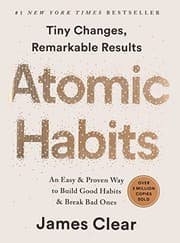
Uh, and, and I, I do, I want to really dig into, um, the slips and loyalty idea, but that has been the, I just always assumed that agents did so well in general or well enough that they ignored the blocking and tackling because it's boring and tough. And, and maybe there's some of that I have been, I have been surprised now that I'm doing it, um, even as a one person show, how much blocking and tackling there is like how many things, you know, and I, and I know that, you know, just how many things you have to manage, how many different systems and how many, like, um, uh, I don't know if you've ever read the book, uh, James clear's book, which now is going to atomic habits. He talks a lot about, um, uh, Oh my gosh, cognitive hangover. I'm missing some of the terms, but basically when you're thinking about something and then you, you, you rapidly change your focus to something else, you actually, your IQ like drops, actually drops for a period of time as your brain like recalibrates. So you're going from accounting to trying to write an inbound call.
Like you're, you're just not as sharp. You're not as good. And then you're going to something else and then you're doing something else. And by the time you get to that seventh thing, like your IQ has dropped like 50 points. And because you just can't, your brain just isn't wired to change that many times.
Um, that has been something that has really been eyeopening to me, uh, how demanding that businesses, if you're not set up properly, you're how many different things you have to think about in a day, we've actually looked at it with account managers. Some of them have 78 logins. Like how the heck are you ever going to know 78 logins? Right. And one of the things that we really preach a lot is I think every, and you know, this is a takeaway for all your listeners.
If you're in personal lines and you have 10 companies, let's just say how, what's the likelihood your staff knows all the discounts for 10 companies and you can keep them straight. So somebody calls in pissed off about their rate. The default is the most time labor intensive thing in the world, which is to reshop somebody versus pulling out and say, Hey, have you thought about usage-based driving? You can put an app in your car. You could go paperless.
You could do this. And instead of getting the customer to decline discounts, we go shop them and they call every single year and put us on a hamster wheel. And it's something as simple as just sitting down with your marketing reps and saying, tell me all the discounts. So X, Y, Z, Ryan Hanley calls me up mad about his rate. Perfect.
Let's start here. Yep. And keeping it simple on people. But a lot of agencies just lack some of the processes and procedures. You know, Ryan, nothing we bring to the table is new or rocket science.
You know, it's, it's, it's actually kind of interesting. Like we bring back some really old school theories into agencies because we've gotten so busy checking stuff off our management system. Like check. I did it. I did it.
I did it. But no one cares about outcomes anymore. And until agencies can flip that switch of slow down to speed up. If I take care of Ryan, I fix his policies and make sure he loves us. He's not going to shop for a couple of years.
Right. But when I just reshop you and it takes a week because I'm backlogged and I was never given a plan on how to communicate to you or a plan of how long a reshop, like what's the turnaround time standard in our agency. You've gone off and got four other quotes. I'm now back to, you know, fighting with you to keep your policy. Then that's 10 times more work than just slowing down and talking to you about all the discounts up front.
Like we make a lot more work for ourselves sometimes in agencies. Yeah. I believe that. I mean, I, again, I'll probably say this 10 times during this conversation, but so many aspects of this have been, I've heard a million times. And then in doing it, it's been so eyeopening.
Um, I recently started, uh, put together a, a commercial coverage checklist and I started ending with my apps like, Hey, offered, declined, offered, accepted, didn't offer. But, and then, um, I actually added a fourth column discussed, but didn't offer. Right. So like we actually talked about it, but we didn't offer it. So we didn't decline.
And we just decided that it wasn't even something that they needed. So it wasn't like I said, you should have this or whatever. Um, it doesn't matter. And I've only been using it for two weeks. So I'm not going to say that this is like revolutionized my business, but I, I was like so proud of myself that instead of doing another marketing video or wasting, I shouldn't say wasting time, but doing some nonsensical email inbox stuff.
I was like, I'm just going to take today and create a simple PDF that I can now have this in the file. And, um, I've only used it twice so far with new accounts, but just having that thing to talk to one gave me more confidence. You made the customer feel, I can just tell in the way where we were communicating, there was a, a much more, um, Oh, what's the right terminology. You can tell we're having this conversation on a Friday afternoon, um, like my brain is not firing. Um, you can, you can tell the customer was more confident in the conversation.
Like we were talking to real tangible things, not these promises that maybe someday if my building burns down, you're going to come to my aid. It was like, Oh yeah, that thing. Okay. I'm cool with you with declining that thing right there. I don't know.
But two things that you just said, one, you didn't have to work as hard to think through all the things on the fly that you need to talk to and insert about. Right. And then the second thing is you have a skill as a producer. I think that a lot of account managers need development, which is like, you can have a conversation on the fly. Right.
So account managers are typically honed in and zoned in on transactions and that's how their job's been built. And we're trying to push them into experience relationship. Like, you know, so they would look at that checklist. I'm not saying everybody. So if anybody account managers, like, you know, I love you guys.
My life is for you guys. Um, but a lot of them would be like, you know, um, how many employees do you have? What's your annual payroll? Like, as opposed to, Hey, first of all, tell me about your business. Like producers have a natural gift for gab.
Account managers have a natural gift for transactions. And so you have to teach people how to have those conversations. So it's an experience for the client, not an interrogation. Yeah. The other thing that I found that I've been working on, um, because I, early on, I, I was struggling, uh, just, you know, I hadn't sold real, like hardcore sales in a long time.
Um, I hadn't sold insurance in a long time. And there was this very naive and probably, uh, ego, ego driven part of me that was like, I'll just pick it back up like five years ago when I had sold, you know, 10,000 policies for the murder group. I'll just snap, snap, snap, and I'm right back to it. And I was really struggling. And, um, and I, and again, I've, I've had some moments where I, or I have slowed down, uh, not that I'm anywhere near where I want to be, but, uh, I started saying to myself, if you do anything in this call, just set some expectations, just some expectations for what's going to come.
And what I, I, and I'll give you a very tangible way that this has changed for me. So I use a neoteric agent to do video proposals. Um, I, I actually, I have fallen in love with the tool and I'm pushing grant to make more connections because I really like it. I do. I just, and here's why I like it.
So when I first started using it, I would just send them this thing. I take the information and I would just, you know, randomly send them an email like, Hey, log in. Um, and then this, this is just a simple expectation. This is just an example at the end of my fact finding part of the call. So get to know, gather some facts.
And now I'm going to go do my quoting work. Right. Yep. At the end of that, I would say, here's how I'm going to present this to you. Once I know what my recommendation is for you or my recommendations, if I have a couple options, I'm going to piece them together in this proposal, you'll have high level, you'll have a downloadable piece at the bottom.
You'll have a video proposal at top. So you know exactly where my head is when we get back on the phone. Sure. Nobody wants to get back on the phone anymore. Nobody.
They don't want to get back on the phone. I have changed nothing in the way that I present it, but just by setting the expectation up front that this is what you're going to get. Right. People just send me back and they're like, yeah, just sit down. Let's do it.
Right. What's crazy about that, and I'm talking a lot and I apologize, but the last piece of it, the reason I think this is so powerful, and again, take Neoteric specifically out of the equation, use any tool or process. This is just a case is that I don't have to then get back on the phone with them and answer a ton of questions, which was happening when I sent the same proposal without setting expectations. So by telling them what was coming, they were completely comfortable and trusting in the process. And therefore, I don't then have a half hour conversation re-explaining everything again.
I'm just processing the business. It's been game changer. I think that we have to remember insurance as a really complicated product that, first of all, sometimes we get confused, right? We get confused. And then we start looking at, let's just say for you, you write commercial.
You start taking the contractor, the florist, shop owner, the whatever you do, and they're like, imagine them going in and going all technical with you. You'd be like, listen, I just need flowers for my wife. You know, like we forget sometimes. And then like, I'm glad that you send a video with it or send some expectations. Like we're big about just book an appointment, get on the phone with the person because my mom doesn't know what water sewer backup is.
Like she's going to look at one thing and it's the price. And she's going to make a decision if she ever talks to you again, you know, like, and also too, what's our role as an independent agent, right? And like, I'd love to hear your opinion on this. Like I say all the time, we're the least convenient way to buy insurance, like straight up the least convenient way to buy insurance, you know? So our value is when someone comes to us, they're looking for a relationship.
When we kind of just fly off an email quote and say, let me know if you want to do it. Not the way you're doing it. You do an explanation, but like, where are we driving our value? Like what was the difference between what someone could have done as far as, um, quoting online and hitting a button versus you interrogated them. We sent them a quote and said, let me know.
We have to constantly be displaying our value and we don't. So I just want to say this. We do secret shopper calls and legitimately, um, I don't have the stat in front of me, but it is, I think it's 89% of our secret shoppers, the agency they secret shop didn't explain what an independent agent was. So like, if you're driving by, you know, you go to the grocery store and you walk up to five people and say, what's an independent agent? How many people do you think know what it is?
No, I would agree with you. Not many. Let me, let me ask you this though. How do you define, how would you define explaining what an independent agent is actually using those words or talking about the process or the value? Like I'm going to, so even just saying what I'm going to do is I'm going to shop multiple carriers for you to find the best coverage.
Like they usually use the word multiple carriers. We're fine. We check that off as yes, but you're 89% or close to that. Wow. Ryan, 33% of my secret shoppers never get a quote.
People, what are we doing? I guess, actually, let me say this a different way. Keep doing all that. If you're in New York, you should totally do. If you're in Pennsylvania, New Jersey, or all points North and East, just keep operating that same way.
Cause Rogue is coming. I'm just kidding. I want all of you to be successful, but not at my, no, I'm kidding about that too. I want you all to be successful. That is scary.
That's super scary. So, so what are people then, I don't even know how you would explain, like, so they're just like, they take the call and they're like, oh, you want an auto quote? Okay. What's your birthday and your VIN number? And okay, we'll call you back.
That's it. That's all they're saying. Well, they get all the information. They get social security number, driver's license. They get literally everything to quote.
So my secret shopper has nothing else that they need to give. And then lo and behold, they, they get up to two weeks to get a quote. We don't submit to the agency our results for two weeks. Jeez. That's scary.
This is a super easy. I mean, this is the easiest part of it is you feel like where I go, all right, so here's what I'm going to do for you. I have 15, you know, make up a number, right? Sometimes I say 17. Sometimes I say 11.
Sometimes I say 27, right? Make up a number. I have this many carriers and I mean, that feels like I can't wait to get to that part. Cause that's where I feel like you are starting to show why we're different. I mean, that that's like, I hate the information gathering part.
I hate that part. I want to just push a button and go, give me all that stuff. Cause that stuff seems easy. You know, you know, this is, and I, well, this is why companies like Plymouth Rock are absolutely dominating and scaring the crap out of all the big guys is because you, with four pieces of information, you can get an auto quote. And with two pieces of information, you can get a home quote and, and, and because they, they make it so that when I'm on the phone with someone, and again, I'm not just only quoting Plymouth Rock, but when you're on the phone with somebody, you can actually be asking them open-ended questions, joking about the weather.
I'm from upstate. You're from downstate. Ha ha ha. We don't like each other. You know what I mean?
Like, it's like stupid things like that. They like indoctrinate you to people instead of, you know, do you have a spouse? What is your spouse's birthday? What is your third son's name? No, it's better.
It's, do you have a trampoline, a pit bull? How old is your roof? Do you have a slide? Do you have a pool with a fence? Yes or no?
Like you may ask all the questions to get the person up the phone as quick as possible. But the reality is if you service and sell Ryan, the question is, because it's not their fault, right? Again, no one's been really given a plan on what to do. So I don't want to appreciate it, people, because I feel like there's a big gap of what's a good plan. Yes.
So you've got Ryan Hanley calling in, current client, mad about their rate. You have a new person off the street that I don't know. I've got 20 open tasks I've got to do today. My email's at 30 unread. The phone's ringing off the hook.
What do I do? Yeah. Take the new business. Well, in your mind, you take new business. If you're servicing and selling, you're thinking, I'm going to keep a current customer happy before I take a long shot.
Yep. You know, and so it's these conversations that we're having with people to help clarify. And honestly, just getting people to raise their hand just because you're buried, it doesn't mean that the other 10 people next to you aren't, right? Why are they buried in so many tasks? Why do you think that is?
I think a lot of it has to do with we have not embraced things like first call resolution. We have not embraced things like wrapping up phone. People that might not know what that is. Sure. So basically, someone calls in, let's just use personal line.
Somebody calls in to change a vehicle. Do it on the phone with a person. Start to finish, including your notes. So when you hang up that call, you can take the next call that comes in. We need to limit the piles of work and to minimal, minimal, minimal.
We don't train our team how to avoid a reshop. So they're people pleasers. Like account managers, for the most part, are people pleasers. I'm not saying that in a bad way. That makes them good and empathetic at their job.
But if you're upset about rate, they often think with their own back pocket, not how to defend the rate. And they can't defend why we're $200 higher this year. They think $200, I have to shop it. I don't know how to have a conversation with Ryan that his rate went up $200, $16 a month. I don't know how to have that conversation.
And it might seem very intuitive and organic to us, but it's not always to the frontline team. And I mean, just, I don't know that, I mean, that's just a hard conversation in general to have. I mean, I think even if you're practiced at it, it's not a comfortable conversation. I mean, even if you know the things to say, I think it's very valid to say when someone calls you and they're upset about something, even when you, maybe you know the answer or you feel justified, it's never comfortable. No one, very few people.
Yeah, you don't look forward to it, right? You're not like, yeah, no one's like, yeah, this person's really mad. I can't wait to defend our rate. You know what I mean? The agencies get tripped up, right, is what they do is they have that like rate increase list, right?
So a lot of agencies, it flags when it goes up a certain amount. And so all the staff knows is having these really awkward phone calls. Hey, Ryan, you weren't thinking about your insurance. You didn't even care about the $16 a month, but now I'm bringing it to your attention. And because I don't know how to explain to you that it went up $16 a month because everyone's texting and driving.
And unfortunately you get wrapped up into that. I end up having, you know, well, let's talk about, you know, do you want me to look at other companies? And we end up with this huge pile of work. You know, we, we track remarketing hit ratios, like a sales closing ratio. Oftentimes agencies are at 30 or 40%.
So you have to think about the fact that if it takes an hour to do a personal injury shop, let's just say, start to finish, a lot of that work goes away. And unfortunately, if, when we work with agencies, it goes up to 70%. So the number decreases and the hit ratio increases because they're better skilled at defending rate. Yeah. And I just think like the whole busy thing.
So here's another example of why agencies get all racked up. And I know you're going to jump on this one. So people call in to make payments or come into an office, right? Right. I'm all EFT and painful and, you know, but it still happens.
You buy a book of business, whatever happens, it happens. Do you realize it probably takes 15 minutes, start to finish on a payment completed, you know, totally wrapped up, right? And that's three hours a year on that one client. Now, let's be honest. The person calling in to make a payment is probably a $700 auto policy.
And you can do the math on what that looks like. So we're so busy over-servicing our least desirable clients. Yeah. I took a check yesterday from a client and he wanted- Like, what do I do with this? Honestly, I honestly am like, I have a, after we're done with this conversation, I have to call the carrier and say, I have a check in my hands for a premium.
Do you want me to put this in my trust account and you're going to sweep it? Do you want me to mail it to you? Like, what am I supposed to do with this thing? Right. And it's like, I, when he handed it to me, so I don't have a single client that isn't direct bill and I don't have a single client that isn't paying EFT or recurring credit card or paying full, right?
Just give me some sort of thing that I can put into a computer. I never have to touch money. And he hands me the check. I go, okay, so you're going to pay credit card or you want to do EFT? He goes, no, I want to pay with a check.
I go, no, no, EFT is a check. They just auto-draft it. He goes, yeah, yeah, but I like the checks. And I said, no, no, it is a check. He goes, yeah, no, I want to pay this way.
And I like took it. And in the moment, I think I was so shocked that he was defending paying with a check that I just was like, oh, okay. And I said, I'll figure it out later. And now it's sitting here and I'm like, holy shit, I have a ton of work that I have to do to figure out how to handle this check. Like I have to figure it out.
I don't even know what to do with it. I literally don't know what to do with it. Yeah. So, I mean, it seems easy probably for an agency like yourself that's, you know, everything you can do this new way. But like if agencies acquire smaller agencies, they come with this stuff that has to be worked on.
Or, you know, they have this book of business. Like there are some states, like I was big on it and I kind of got slapped on the wrist. They're like, hey, in our state, it's actually illegal for us not to accept all forms of payment. So, you can influence, but you can't, you know, you can't say, no, we don't take cash anymore. Yeah.
I wonder if New York is one of those states. I don't know the answer to that. Hey, if you haven't had to come across it, you took a check. You're in clear. It's in my hands now.
All I know is I have, I have money and I need to know, figure out what to do with it. I'm so mad at myself. I'm so mad at myself. I should have just said, bro, you're doing EFT. I'm going to, I'm going to move you into the next age.
I'm doing it. I'm going to hold your hand. Everything's going to be good. I'm going to be gentle and kind. And we're doing EFT.
That's what we're doing. He's paying in full. That's the crazy part. He paid in full with a check. And I couldn't convince him to do EFT.
Like he just wouldn't do it. Hey, you got paid up front. I mean, anytime you can get 100% of cash up front, you're not in a bad situation. At this point, I would have taken anything. If he'd hand me pennies, I would have taken them.
But that's, well, that's probably true. So I want to get to, I want to come back to this idea of slips and loyalty. One, I just like the term. And two, you've talked a little bit about it, this rates. What are some, like, why do you, why was this one of the first things that you brought up that you're seeing?
Like, what do you think is spurring this on that people are maybe shopping more or whatever it is? I don't want to put any. I think the owners are starting to feel it like as their, so like, it was always kind of like, why didn't the staff reshop this? Like what happened? And what I'm seeing more and more is it's coming up to the owner level where their friends are also becoming a little less loyal.
So it's no longer like, oh, my staff just didn't do this. Like people can kind of push off a problem until it's like, hey, this is, this is happening to my neighbor. Like, why did my neighbor do this to me? I see him every morning, you know? And the reality is, especially in personalized, if you get a quote with Geico or Progressive, they're probably going to kick your rate.
Like, it's very rare you're going to beat them just for a lot of reasons. Um, I don't have any specific facts. I have the feelings on it, but, um, so if they go direct and here's the thing, like, say you just decide, Ryan, one day, like, I'm just going to shop my insurance. You think Progressive gives up on marketing to you? No, they stalk you until you can buy.
And it's the second that the agency, something changes, a staff member leaves, a rate goes up, a service mistake happens, an expectation wasn't set and missed that they're like, well, let me just go over here. It's easy, it's quick, it's simple. I can switch my insurance, no big deal. And because, you know, for a lot of us, we've been selling over the phone now in personal and small commercial, like I never met you face to face. What's the likelihood if I bought insurance from you four years ago, Ryan, I remember your name.
If agencies haven't been embracing the digital concepts you talk about, they haven't been embracing renewal calls, which we preach, like they don't remember you and they don't know you have any other options. They just see the EFT come out of their bank account every month and think that's all you got. In fact, they might not even know how to contact you, you know, because when I get my renewal, it doesn't say rogue risk in big, bold letters with your logo. It says travelers, you know, which is my carrier. So we have to fight against the fact that like, we're not doing anything to earn loyalty in a lot of agencies.
Yeah, I, uh, I think this is one of the things that. If I'm being honest has been the most disappointing to me, uh, over the last 10 years is the lack of adoption, wide scale adoption. There are many examples today versus 10 years ago of agencies adopting content marketing and social and, and really reaching out and all that kind of stuff. Um, but wide scale, broad adoption of just even simple, basic, you know, I'll use the broad term content marketing concepts. Um, you know, someone asked me the other day, where do you get your most business from?
And I said, SEO. And I said, what do you mean? And I said, I create videos and content and people fill out forms on my website and I write their insurance. And they're like, well, how does that work? And I'm like, bro, I've been in the business for seven months.
This is simple stuff. Like you've been in here for 70 years. Like I've been telling you this for 10 decades, like just simple touches. It doesn't, especially today with how raw it's acceptable to be. I mean, these walking videos and simple cell phone things and, and just, and all the tools like Bonjoro or loom that allow you to use these intimate touch points and stuff.
Like it's so easy today to give someone a personal digital experience and, and we fight it. Um, I, I'm sure there's some really face value stuff, but like, why do you think that it's, we still haven't adopted it again in wide scale. I know there are many, I mean, there's four reasons the agencies don't adopt certain things and this falls in the same bucket. Right? So the first one is time.
I don't have time to deal with that. Like for me, I've never shot a video. I don't even know what, what time to budget. You know what I mean? So time is one.
The next one is staff buy-in. I can't get my staff to pick up the phone with a smile. How am I ever going to get them on a video? Right? The next one is overwhelmed.
You know, you see it, like you're in some of the same Facebook groups and things like things shoot around all day long. All you do is feel crappy about all the stuff you're not doing. And it's kind of like, where do I start? You know? And the last thing is if I do one more thing, my staff is going to walk out the door.
Like they have some trepidation. So I think for me, it's not hard for me to shoot a video. You know, like I shoot all my weekly videos in a whole 20 minutes and get it done and send it off the team because I set that system up. I think it's this apprehension of insurance. We all want to be freaking rock stars at everything.
And so we think if we getting started and you've done a lot of great work on this where you said, watch my first videos. They're not really like, they're not my proudest moments. They're not even an HD guys. That's four megapixel video. But I mean, I don't think that this is any different than any other industry.
Like I know that you were super passionate about working out, like getting people to go to a gym for the first time. The first thing is overcoming the fear of walking in and what does it look like and what do we do and how do you make it welcoming? Well, I think that that's still the same key of, you know, what I don't understand. Like I'll even take it like I could see video being a little wonky if it's not your thing, but we, when we speak and I know you speak a lot too, like I'll say show of hands, who's just doing email marketing to their customers, like happy birthday, happy Thanksgiving. And literally it's like a third of the people are.
So something as simple as constant contact and MailChimp, which takes nothing in my mind to get up, there's still a big challenge. Yeah, I agree. I agree. I think, um, I think very unfortunately there is still a widespread mentality that my best customers are the customers that don't contact me. Oh, very much so.
The whole poke the sleeping bear. And, and my response to that is $8 billion is being spent poking your client right now. Like that is something 10, 15 years ago. Okay. I could see that being the norm, but there wasn't a flow and a gecko and a mayhem and a Jake from state farm, then poking your client constantly, you know?
And so that's great that you don't want to poke the sleeping bear, but they're getting poked by your, your competition. Yeah. Constantly in the, in the con and they're good at it. It's not just a, it's not just a horrible animated, you know, lizard anymore. I mean, the thing got a whole backstory and personality and we know how he got in the industry and who his friends are.
And I mean, it's, they probably have more of a connection to the lizard than they do to you. And, or, you know what I mean? And, and, and I don't mean that in a, in a shallow way. I mean that like, literally they have built a narrative and a, that it's a real thing. Like you, you really feel, think about flow.
People literally dress as flow for Halloween and crazy story. The top Halloween costumes in America have been flow. Like in the top 10 flow mayhem, Jake from state farm. Yeah. Like when you were a little kid, you're like, man, I want to be an insurance agent for Halloween.
Like, no, I want to be a superhero. Yeah, it's so crazy. And I guess, um, I guess again, I guess, again, I'd say guys don't adopt content marketing and SEO, like leave it be. You should. I just, I, because I, and I say that again, wholly facetiously because, um, it's, you know, I think you can spend money.
You can, you can, you have to pick a way to get business today. Referrals are not enough. Referrals, the agencies that I know, and, and, and I would, I would love for you to push back on this, but the agencies that I know that are referral only hardcore referral only agencies, they are not doing as well today as they were. It's, I'm not saying that they're dying. And I'm also not saying that they didn't have a, uh, that some of them weren't in the positive.
That's, that's not what I'm saying. I'm saying the years of them hitting their max revenue off this referral only without doing some sort of content marketing or email marketing or having referral without driving it, just flipping the lights, referrals come in, they write those referrals and that's how they do business. They are not doing well right now. I, I, I, or at least the ones that I've talked to, and I've talked to quite a few. So what I would say is that we, in our agency assessment, we, we've pulled over 1500 agents, um, over the past couple of years, the number one lowest skillset across the board is asking for referrals.
So if you hope to go buy referrals, really what I hear when I hear you say that Ryan is that hope is their strategy, right? I hope I get enough referrals. It's not like we have a, like a, like a, like I'm going to go get referral partnerships and I have someone hitting the street every day. It's not, Hey, on every call and we have a referral program and we beat the referral drum. It's sort of like a wussy strategy.
It's like, I hope enough people call in. And so I wouldn't even say that they live off referrals. I think they live off of hope and hope's not, hope's not going to get us there anymore. You know, hope's not going to combat $8 billion. Yeah.
Unfortunately. I'm a wussy strategy. I didn't say that and I didn't. Um, so yes, I, I would agree with you. I would say in general, the, uh, ambition of many has been, is being tested right now.
And, and, and really, um, our business just, and this is going to sound, this is probably going to sound, people are going to take this or some people are going to take this. This business is pretty easy in, in certain regards, in certain regards, it is very, very difficult in many regards. So, so please don't everyone lose your frigging minds, but there are certain aspects of this business in so much as if you do insurance and you bump into someone and they know you, people are pretty willing to go, Oh, Hey Kelly, we've been friends for a while. We go to the same workout place. Sure.
I'll let you take a look at my stuff. You know, like people are fairly open to that. And if you just kind of operate and you're in the community, you can draw business in. The problem is you have me and you have other people that are now who don't live anywhere near you who've probably never even heard of your town. And that's not counting all the directs, all the captives and all the insure techs.
You have all of us who are now dropping into your town with you. And that to me, I think is something that a lot of agents don't think about. They think I'm local. I'm okay. And there's no, I don't know that local exists anymore in the way that it used to exist and the way it used to exist.
I don't, I don't know that that's a thing. Even if it did, there's still six other competitors in their little local town to crush. I'm like, Hey, that's great. But the trick I like to play on agents is, all right, like you're not, you're not picking up what I'm putting down as far as what I think we should do. So let me do this.
I'm going to go open an agency in your town scratch. I'm just going to put a location. I'm going to put it right across the street from you. Are you scared? And then they're like.
Yep. I'm like, okay. So that's what we're talking about here is that, and I don't even care, Ryan. Like, I know, I know a lot of people have different ways of growing. Like they all have their own philosophies.
I'm like, just have a plan, like start with a basic referral program and just tell people about it. Like you got to start somewhere to have some plan and you get some, you know, momentum and it all kind of pulls back together. But I don't think we're in the days where you can do nothing anymore. We can use hope as the strategy. I wholly agree with you.
I was talking to, uh, I was talking to Jason Kilgo the other day, who I'm a big fan of and, uh, and we'll have him on the podcast eventually. Um, he works with us. So that's cool. Yeah. Yeah, dude.
He's great. I love Kilgo. Great. Super, super great agent. Super great dude.
And, um, he just does mortgage broker referrals. That's, that's, that's his thing. And he gets business other ways, but like, that's what he does and he wakes up and he thinks about that program and he executes that program and he makes his calls and he set up his marketing program for that program. And that's the thing he does. And he doesn't get distracted by, or, you know, as much as possible, you know, he's not getting distracted following all these different things.
He's not showing up going, wow. I hope someone calls today, shows up, he makes his calls, he executes a strategy. And, uh, and he's had tremendous success in his four years and that's amazing. If you want to be David Carruthers and prospect, middle market commercial leading with workers comp, and that's your thing. Also completely amazing.
I think the point, and I hope that, and I'm always saying this to kind of put, put a, put a pin in what I think we're both saying is that there is no right or wrong strategy necessarily if it works for you, but you have to have a strategy today. If it's paid ads, God bless you. If it's Facebook leads, God bless you. If it's buying aged leads and running drip email market campaigns, God bless you. If it's a referral strategy, amazing.
If it's drop-ins, that's a wonderful. I met a guy the other day who still knocks on doors. Freaking amazing. Amazing. I mean, God bless him.
I would never do it. Still does it. That's awesome. That, but he has a strategy from four to seven every day. He's out there.
Knock, knock, knock. Right. And, and I think, and my point in saying that is I'm just watching, unfortunately, too many agents be, use time, staff buy-in, overwhelm, and they just can't take one more thing on as an excuse for not having a strategy. And at some point that's, that's going to break down if it hasn't already. Yeah, no, I agree with that.
I also think, so I'll throw one more strategy in there. So we typically deal with agencies with staff because that's our, that's our niche, right? Like you have staff, they're your biggest, they're your biggest investment in the agency. Your biggest expense is payroll, right? So you've got these people and no one really has a plan and they're all running around and we're all frustrated with each other.
Imagine your people. Like I did the math this, this morning with an agency. It was like, there was 10 account managers on a call. I'm like, if you guys just asked once in the morning and once in the afternoon, okay, for another line of business, you got to quote half of it and you sold half of it, for the nine people on the call, it would have been 450 policies. I'm sorry, if they, if they, if they, I messed up the math.
If they take 20 phone calls a day and they told 10 people, they quoted five, they sold half of that. They sold 2.5 policies a day, which is reasonable. It's 450 policies just from a nine person service team. Yeah. And so it's like, you don't even need to grow by doing crazy, crazy stuff.
Sometimes you can just grow from your current book of business. If you're in the position where you have that. Yeah. I, I, I think that's the key is just, I think one, and I, and I, and I've talked about this on the show before. It's so easy to get distracted.
You go into IOA or you go into CASA's thing or whoever, you know, whatever forum of agents and professionals exist. And look at this thing that we're killing it at. And I'm using this crazy thing. And how about this tool? And you should have this CRM and all of a sudden it, it, it, it is, it's like a crack addiction.
You're like, Oh wow. My CRM doesn't do that thing. And you start vibrating and you're like, maybe I should do the $1 test. And you're like, Oh, I'll just do the test. And now you have two CRMs and you're like, what?
I don't know if you saw the post that was in CASA's group. I don't know when where it's going to be public, but it was all about like what CRM tool to use. Right. And then everybody and their mother starts like chiming in and there's some like, haterade going back and forth about, well, my tool is better than this tool. I'm like, and like some people chimed in and like, just figure out what's best for you.
Like chill out, you know, like, but it got like, I had to kind of drop out at some point because I was like, I can't spend my whole day on this, you know, and I'm just like this poor, poor Brian who I've worked with in the past. I'm like, poor Brian, just trying to figure out what CRM tools he used. And then you got into like an insurance agent war battle over, you know, my turf's better than your turf. And then God forbid, I mean, so I was never in, obviously I was never in IOA until I became an agency owner. Like you, you post, if you, if you want to have some fun in there, if you ever want to have some fun in there, just post, Hey, uh, I I'm thinking about using Vertifor for my agency management system.
What would you suggest? It's like 500 comments. I mean, I think the productivity, when someone posts that, which someone does inevitably every week, the, the, the productivity in the industry as a whole just goes, oh, just millions of agents banging on the keyboard about why their agency management systems the best. And every other agency management systems the worst. And, um, I just look at it and I'm like, I'm like, this is insane.
It's insane. And I get it. I mean, agency management systems are a big part of your agency and none of them are perfect. So there's, it's easy to have an opinion, but, um, no, but I think, I mean, I'd be curious kind of like what, you know, what you think too, cause there's a lot of, I mean, it's awesome part about social media is all brought us closer together. Right.
Because especially during COVID, if we didn't have some of the events we'd all see each other at, like, and there was no social media, I'd be like, I don't, you know, so-and-so could have, you know, sold their agency and no one would have known. Um, but it is kind of interesting to watch. Like sometimes I'm looking at social media. I said this to somebody else. And I'm like, Hey, I'm getting so sad because I can't keep up with it all.
Like I'm on the phone. I'm on with clients. I look up sometime and I'm like, man, people are, people are on here so much all day long. And then I feel like I should be doing it more. And I kind of get a little bit like imposter syndrome.
Like, I'm like, what am I doing with my life? Why am I not on social media more? And I, I, so I had, uh, I, uh, it was funny. I, I said the thing about people hating on me. So what's been interesting is since I started the agency, um, I think it's partially since I started the agency and partially since, uh, since it came out that I'm, um, I don't know what you would classify me as a, a non Biden supporter.
I don't know that I'm, I don't know that I'm even like a real Republican, but I definitely just, I just didn't support him. Whatever. It doesn't matter. Ever since that came out, um, I get some blowback on the, on the Twitters, which again is perfectly fine. I have no problem with that.
Uh, but what I think is funny is people will be like, Oh, what are you doing? Uh, why don't you go sell some insurance? What are you doing on here? And I'm like, bro, I've been doing this for a long time. Like I set everything up in the morning and then I try to stay off it as much as I can maybe at lunchtime or when I'm like, you know, doing, I'm doing something else.
I'll, I'll, I'll jump on real quick, but I agree with you. Like you, you have to be very smart about it. And I think the imposter syndrome is very difficult to get past. I have it too. Like I'll see somebody post something that's like that, that I think is really cool.
And I'll be like, Oh shit. I wish I could go. I can create something cool like that when here's here. And here's what I've ultimately found. And I want to be super tactical for agencies.
Here's what I found works. Do what Kelly said. She does pick a format, bang out five to 10 videos, bang out three videos, bang out more than one video at a time, package them up and then drip them out over time. Here's what doesn't matter how amazing your production quality is. It doesn't, it just over the bar of being easy to watch and easy to hear.
That's all it needs to be. If it's easy to watch and you can, and it sounds like you don't have to work to listen to it. Everything else about the production quality doesn't matter. I literally have a gray screen. I have a templated Adobe thing and a camera that's sitting right here off screen for Kelly.
No one's watching this. But I'm like, I just turn the camera on, turn the mic on, turn the light on. I talk into the camera. I turn it off. I turn the camera back on.
I turn the light or the lights already on. And I just, and I do that thing three, four, five times. And that's why if you go to my YouTube, you'll see every three to five videos is me wearing the same shirt. Same shirt. Yeah.
I yawn. I've sneezed in the middle of videos. I just keep rolling. Like I can't take another hit. I'm like, I'm just, I can't do it again.
Because people don't care. Here's what people want out of everything. The answer to their question. Right. It's also the idea you're more human, right?
Like there are artists who entertain us. We are not artists. We're insurance agents. That doesn't mean we can't be creative, but we're not artists. We're not paid to make people think bigger about the world.
We're paid to solve insurance problems. So be human, but just solve the problem. What question are you answering? Answer the question. Move on to the next one.
If that one doesn't work, I promise you, if you do a hundred of them, one of them will work. And now we need to pay for all the rest. You could get on Zoom and record. You don't even need a video camera anymore. Like I got overwhelmed.
I have a whole video studio in my office. And I was like, I really don't have to set all this stuff up. So I paid a videographer to come. And I said, can I just pay you to, here's all this stuff. Tell me what to buy.
Like the more high-end stuff. He came, he set it all up. There's little tape marks on the floor. And now it's just done because I didn't, I don't really know what I'm doing with lighting. You know, I have tape marks on my floor as well.
I keep my light in the same exact spot. Everything is in the same exact spot all the time. I don't, and I don't have a very big office here. So like the, I don't have the right space isn't a real thing. You know what I mean?
I just think that, and again, we're talking a lot about video, but my point is you could do this with blog posts. Like, you know, I've said to people before, just talk into your phone, use the voice recorder and just answer questions as if you're talking to someone into your phone and then get it transcribed and turn them into blog posts. Like there's so many ways for us to communicate with our customers and talk to them. And, and I know that all these things add something else. And maybe the right answer is don't, don't try to solve these problems until you've solved maybe some of the more blocking and tackling problems that we initially started talking about, solve those problems first, but understand that this isn't any more complicated than that.
When we get to the marketing side of it, it's, it's no more complicated. It's just, if there's just simple processes and practices and you do them repeatedly and five of the videos are going to get 10, 10 views. And one of the videos is going to get 10,000 views. And that's the one that people are going to call you on. And, and you'll make your money from that one.
Well, can we talk about the like white elephant in the room of marketing, which is the ROI question, right? Yeah. So, well, I don't, well, how do I track the ROI? And, um, I struggle with this cause I'm like, well, how did you know the ROI of your $12,000 yellow page ad 15 years ago? Like you really didn't, but you knew the phone ring and you saw your, you saw something, right?
Yours was bigger and better than everybody else's. So it must be getting more traction. But I think agencies in order to track the ROI need to start with actually having goals for their agency. Right? So say you want to get your retention to X or your closing ratio to Y or generate X and new business, then marketing can assist you in getting those goals.
But if you're just saying what's I have, I'm doing marketing, what's the ROI? And it's not connected to a bigger picture. Marketing assists you hitting those goals, but it's, you know, they don't control marketing. A video doesn't control if your team blows up a sales call, right? Marketing doesn't control if no one responds to a web form on your website.
And so it's kind of like, I really feel, and I'm curious what you think. I really feel two things on marketing. One, you have to start by finding your dream customer and stop trying to serve everybody because it's, you're never going to do it and you're not going to do it well. And there's no way you can tell me how you serve me, you know, the best, um, without having some spec specification. And I think agencies need to start with their goals and then back marketing into it.
And I'm curious what you think. Oh, yeah, I think, I think that's, I think that's really good. I think the goals is a, is a big part of it. Um, because it's going to be 50%. So you absolutely can track ROI, but that's never going to tell the whole story of marketing ever.
It's never going to, what, how do you track your producer, uh, who has a branded logo polo on at a golf event who some random person who's walking by sees the logo and then sees your logo on a Facebook ad and then sees your logo at the little league field. And then Googles and sees your name number three on the list, clicks the Google link and calls you and you attribute it to the, to website SEO. How do you, how do you track the spend on the, on the ad from the little league versus the t-shirts that you bought everybody versus the Facebook ad. So it's absolutely impossible to, and I don't, I, I've read all the articles on HubSpot and they do probably the best job. There are other tools that do a good job at pixelating as well that are much, that are even more expensive.
But you, you can only track so much brand brand touches, right? So yes, you should always be tracking last click. And by last click, I mean any, whatever the last touch was. Right. And the first touch, how did they get to you?
Yeah. Whatever that last touch was to you, you should always be tracking that always. That's no brainer. And if you can go second level, that's amazing. So if someone says I was referred to you by my mortgage broker, that's great.
Who? That would be a second level. That makes sense. Okay. Hey, I saw your, I saw your banner ad at the little league.
That's amazing. Which little league? Latham. Okay. Awesome.
Or whatever. Right. That's a second level. Try to, try to get that second level. But, but then beyond that, those last touches are only going to have so much value unless you're also just doing general brand awareness advertising.
And that can be having all your staff, like, like, uh, Lauren's, my wife's agency. They have done a tremendous job in the last two years of all their clothes that they wear, have, have the Murray group on them all the time. And they're wearing them. Loves it. They don't think it would wear today.
Nope. They wear them all the time. They constantly wear them. They take pictures of them. They do all kinds of stuff.
It's great. It's amazing. How do you track the ROI of that? It's impossible. But if someone sees that logo and then they do a Google search for almighty home insurance and the logo is one of the ones that shows up on the first page, their eyes are going to be drawn to the logo that they already recognize.
They're never going to be able to track polo shirt ROI, but it absolutely plays a role. So to get back to your original thing and why I think you're a hundred percent right is that you have to know what you want to do. I want to get to 200,000 in premium a month. That's my goal. Okay, great.
How am I going to do that? Well, here's my three most high converting areas. Okay, great. But I'm also going to have to back in some belief. And that's the hard part to sell.
And some experimentation. Not everything you do is going to work. A hundred percent. YouTube ads that are just brand awareness, not meant for clicks. Facebook ads.
Little league softball, you know, girls lacrosse banners at the game, you know, sponsoring a local charity. How do you track all that shit? You can't. You just have to believe. I think we're so programmed too.
I bought like buying leads, right? Like every agency at some point, some way had bought leads, right? Like, you know, and Billy Williams says it less, just admit they suck. They're terrible or hard, you know, they're hard to close, but just embrace it. Just go through it.
Like you paid $7. What did you get for $7? Okay. That's one-to-one, but we're in a much different scenario. And honestly, adults need to see the same thing 22 times before they even remember it.
So like you have to kind of blanket the scenario. And honestly, if you're having fun doing it and you're not spending all your money on one thing and seeing if it works, you're just being very short-sighted. Like Ryan, we have a two-year sales cycle, right? So somebody meets me today, they'll might buy from me somewhere in the next two years because I've stayed in touch with them, shared good content. And they look at it and be like, I think she can solve my problem.
And I'm the only person they call. And we close that deal within a week, two weeks. Like it's not complicated at that point because they come 60% sold. And if insurance agents just sort of embrace that, like, let's be honest, no one likes insurance. Okay.
Sorry. Didn't mean to break your heart, but most, most people don't like insurance. So if you can become likable, you win. That was actually the title of my very first content marketing keynote that I ever got was already sold. That was the title of it.
Big, awful block letters on a green background. It's like forest Christmas tree background. And the title of the presentation was already sold. And that was in 2010 in San Francisco. I gave that presentation to the national Big Eye Young Agents.
Oh my gosh, 10 years ago. 10 years ago. Yeah, that was my first, my first paid keynote. And that was the title already sold because what you just described is exactly how it happens. And, and what, and, and I, and I fall prey to this.
So I don't want anyone, I don't want anyone to think that I'm saying this. Like I do these things, right. I have all these demons. I struggle with all of them. You, you see someone you want to work with, you find their email, you send them an email and they don't respond.
And you're like, they're never going to do business with me. And it's like, you got to send a hundred more communications to them. It's in then, but I mean, I'm telling myself this. I tell myself this every day. Like, I'm like, Oh, cold email doesn't work.
But I sent one email to someone who the heck does business with anyone who sends them one email and, um, at least you didn't like cold LinkedIn them. Cause that's my least favorite thing. Like I hate waking up to LinkedIn every morning to 10 people who don't know me that want to sell me something. Yes. LinkedIn, LinkedIn.
I found that LinkedIn, um, I think LinkedIn really works for a local. I'd like to meet with you to chat kind of community that you recognize a little bit. Like all the sales stuff, I, I, I, I just, man. Or a referral. Like, Hey, um, I, I talked to Ryan Hanley today.
He suggested I read, you know, he thought we might have some things in common. Like, I think that that's totally cool. And I look and I'm like, Oh, we know people in common. You're legit. But people trying to sell me like offshore lead services.
I'm like, Hey, Ryan Hanley, are you considered leads? And then like half the words we misspell. It's like, Oh my God. Or it's like, I sent you a LinkedIn message three days ago. You have not responded.
It's like, yeah, no, I haven't. If I get a message from you and there's seven more messages, like that you have to scroll up to see them all. It's like, Oh my God. Don't do that. If there's one thing you take away from this podcast, do not cold LinkedIn people for spam.
That is not a strategy. We either one of us recommend. I will, I will say, and this is, I want to be respectful of your time and everything. And, um, this has been tremendous conversation. Uh, I had a kid, uh, 26 years old.
He reached out to me. He's a financial advisor and he wanted to meet and, you know, talk referral partnership or whatever. And normally I'm kind of like, yeah, financial advisors are kind of flaky. And, um, but, but what he did was he said, Brian, I played on the football team at the university of Rochester. And I see that you went to UR and played baseball, love to meet with you.
Then he gave me the pitch. I, I was like, you know, I, I even said to him in the meeting, I go, if you hadn't dropped in the fact that you went to the U of R, I probably would have blew this message off. A hundred percent, but he made a common connection. He had obviously taken a couple extra minutes to figure out who I was. And he made this pitch and the pitch wasn't, and let's have a meeting about sending each other business.
It was like, Hey, if you want to just get to know each other and, uh, and everything. And I thought that was really cool. So yeah, I mean, it's possible, but like all things, you know, you gotta be willing to do a little research and make it personal. The blasting just doesn't work. No.
And I also think too, on everything we're talking about, like, I feel personally, like in the insurance space, there's people who do one thing really well, right? Like they do video really awesome. Or they do automation really awesome. Or, you know, like they do these one little things really awesome. I still think it's hard to find the people who do all of it, like have a little bit of everything that's really working and having balance on things.
And I think sometimes we all get tripped up, like my videos aren't as good as his or hers. And I just want to say, sometimes you just have to get there and do a little bit of everything and it all works because ultimately what you're looking to accomplish is to grow your agency, not necessarily compete with another insurance agency on the quality of video. Like that doesn't. There's no prize for crispest video production in the insurance. There's no prize for that.
Right. There's no like Webby awards. Yeah. I can tell you firsthand, there is literally no prize. I mean, I watched Sydney create all those videos for all that time.
There were no awards for her. There's no awards. There's nothing else you can get done. So I don't know. I just feel like if people can try real hard, just to say, it's about you and your agency.
It's not about keeping up with the Joneses, right? It's about doing something and you start to see it work. And how do you, how do you get everybody excited about something? Yeah. Well, Kelly, I appreciate your time.
And I always enjoy talking to you. I learned so much and we have such good conversations. And, you know, for anyone who is in that two year block of considering hiring Kelly, I will say that, um, I know a lot of agencies that you work with, they are some of the best and you have taken them from, um, less to more and in all cases. And I've literally never heard anyone. Uh, and I mean this sincerely, I, I'm not just blowing smoke.
I've never heard anyone speak negatively about your work. And I've only ever heard tremendous praise and they just referred, I think you, you're almost to, to like one name, one name status in the insurance industry. It's just, they don't even say Kelly, Donna O'Pierre anymore. It's just, you just know now who that is. So I think, um, it's, it's tremendous, uh, what you do.
And I think your perspective is awesome. And I look forward to some time in the next two years, bringing you in so you can get my staff in line. So I don't have to think. It would be an honor and a distinguishment. A beautiful career.
All right. Well, I wish you nothing but the best. Thank you so much. Thank you. Thank you.
Thank you. Thank you. You go fuck yourself with your fat fucking ass. You go fuck yourself with your fat fucking ass. You go fuck yourself with your fat fucking ass.
You go fuck yourself with your fat fucking ass. You go fuck yourself with your fat fucking ass. You go fuck yourself with your fat fucking ass. You go fuck yourself with your fat fucking ass. You go fuck yourself with your fat fucking ass.
You go fuck yourself with your fat fucking ass. You go fuck yourself with your fat fucking ass. You go fuck yourself with your fat fucking ass. You go fuck yourself with your fat fucking ass. You go fuck yourself with your fat fucking ass.
You go fuck yourself with your fat fucking ass. You go fuck yourself with your fat fucking ass. You go fuck yourself with your fat fucking ass. You go fuck yourself with your fat fucking ass. You go fuck yourself with your fat fucking ass.
You go fuck yourself with your fat fucking ass. You go fuck yourself with your fat fucking ass. Do you want to have a few drinks and smoke a joint bubbles? Yes. We'll be right back.
We'll be right back. We'll be right back. We'll be right back. We'll be right back. We'll be right back.
That's masteroftheclothes.com. Do it today. If you're the purchasing manager at a manufacturing plant, you know having a trusted partner makes all the difference. That's why, hands down, you count on Grainger for auto reordering. With on-time restocks, your team will have the cut-resistant gloves they need at the start of their shift.
And you can end your day knowing they've got safety well in hand. Call 1-800-GRAINGER, click grainger.com, or just stop by. Grainger, for the ones who get it done. If you like the show, please take a moment to rate, review, and subscribe. It really does help the show to grow.
Thank you for listening. Happy Holidays. Happy Holidays. Want to give your host a gift? Consider subscribing, rating, and reviewing the show this holiday season.
It really helps the show grow. From all of us at Believe, have a Merry Christmas, everyone, and a happy holiday.