This is the story of the one. As the purchasing manager at a manufacturing plant, she knows the only thing more important than having the right safety gear is having it there when you need it. That's why she partners with Grainger for auto reordering, so her team members can count on her to have cut-resistant gloves on hand, and each shift can run safely and efficiently. Call 1-800-GRAINGER, click grainger.com, or just stop by. Grainger, for the ones who get it done.
Happy holidays. Want to give your host a gift? Consider subscribing, rating, and reviewing the show this holiday season. It really helps the show grow. From all of us at Believe, have a merry Christmas, everyone, and a happy holiday.
Chapter 17 is Complaining is for Losers, but I like Stop Fucking Bitching better. I wish we would've named it that. It's so easy to complain and bitch. I mean, it's so easy, and we, we all fall into it, but the bottom line is it's horrible for you. There's even studies showing that your brain shrinks.
I mean, it, like, literally makes you dumber. Let's go. Yeah. Make it look, make it look, make it look easy. Ice.
Back up 50 feet. Yo The Ryan Hanley Show shares the original ideas, habits, and mindsets of world-class original thinkers you can use to produce extraordinary results in your life and business. This is the way. Hello, everyone, and welcome back to the show. We have one of the best episodes we have ever done on this podcast about money teed up for you today.
We are talking to Dr. Blad, B- Brad, Blad. Oh, my God. Dr. Brad Klontz and Adrian Brambilla.
They are the authors of Start Thinking Rich: 21 Harsh Truths to Take You from Broke to Financial Freedom, and we discuss some epic topics today in only the way these two guys can deliver them. Why only poor people think the system is rigged, why money can't buy you happiness is terrible advice, and why your political party doesn't give a shit about you. This is a tremendous episode. Absolutely tremendous. You are gonna wanna stay for the full conversation, because it only gets better as we go.
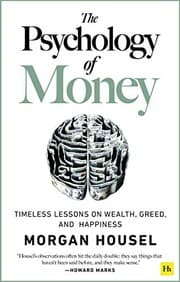
These guys are funny, they're fun, and they deliver incredible tactical advice. And they sent me a copy of their book, Start Thinking Rich, and I blew through it in a weekend. It's that good. Uh, I'd put this on par with The Psychology of Money and some of the other just perpetual top 10 books on personal finance. This book is right there.
I am just so excited to share this with you, because we all have issues with money, all of us. Whether you believe you do or not, you do. And sometimes when we think through some of the nuances, particularly the way that Adrian and Dr. Brad deliver them, we start to see why we ma- why we may make certain decisions versus others. And guys, as always, I love you for listening to this show.
I don't run ads on this program. I have gone back and forth. I recently just said no to another sponsor, because I wanna be able to talk to whoever I want. I wanna be able to share ideas, mindsets, thoughts. I wanna be able to bring guests on.
I wanna start talking to people who think outside the box, who take different perspectives, who have unconventional ways of solving problems and thinking about the things that we, that, that impact our lives, and I don't want sponsors to dictate that. So the only thing that I ask is you share the show. Text message it to a friend, post it on social media, email it out to a colleague, and if you don't wanna share, a like, a subscribe, or even a comment. Go over to YouTube, leave a comment on your thoughts. What part of what Dr.
Brad and Adrian share makes sense, you don't understand, or you just completely and utterly disagree with? That engagement helps drive more individuals to this show, which helps it grow, which helps us bring even more amazing guests in. Regardless of which way you choose to support the show, I love you for being here. Let's get on to Dr. Brad and Adrian.
Guys, incredibly excited to have you on the show. Um, the new book is fantastic. I appreciate you sharing an early copy with me. Um, I've been through most of it. Um, made me question a lot of the life decisions that I've made with money, so that's a wonderful thing.
I also very much appreciate, as you said , the aggressive chapter titling, which I think is fantastic. Uh, I actually wanna start on the very first line of the introduction, which you write, "Most people hate the f- the statistic that 90% of millionaires are self-made." Why is that the case? Well, I think it's, it's highly confrontational, because what it really does tell you is that, oh, well, perhaps I can go from poor to rich, too. Perhaps those individuals got there through their own efforts, and the whole, the whole phrase self-made really makes people so mad.
Anytime I post about it on social media, people get so mad. And what they wanna do is they wanna change the definition of what self-made means. E- essentially, it, it's, it, it can be really rough. Like, I grew up lower income. Um, you know, Ryan, I know you had a lot of hustle ear- early in your life.
Um, and it's, the big message of the book is that it is possible for you. So really, this, this is a message of hope and inspiration. We're not looking to shame anyone. But I think what happens is people have created a narrative in their head About why they can't or why it's really difficult for them or why it's impossible, and anything that challenges that narrative, people can resist. I, I think it's a very freeing narrative, but if you've been stuck, if you've been struggling, perhaps even for generations if not decades in your own life, it's easier psychologically to say it's impossible than to sort of face the reality that people just like me who've come from where I've come from, have experienced what I've experienced, have been able to climb the socioeconomic ladder, so I, I could potentially do it too.
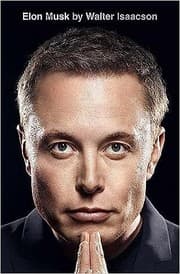
Sometimes that's a bitter pill to swallow. I hear a lot of people will thrash Elon Musk and say, "Well, his dad gave him all this money," or, "He got all this stuff." And then I started listening to Walter Isaacson's biography of him and learned about how absolutely fucked up his childhood was, how that's, like, 100% not the case. And while brilliant and crazy, some mix of the two, um, this dude really did grind out a lot of stuff. And sure, he made opportunities for himself, but I find it incredible that someone could look at this particular individual and use, "Well, he was given money by his dad early," which, which is not the case, was given money early as the, as the reason he got to send spaceships to Mars, uh, make electric cars a reality, uh, create a interface between the brain and machines, put, um, the internet, uh, around the world in places that, you know, standard corporations...
I mean, like, you look at all these things and people go, "Well, yeah, he was given a bunch of money when he was a kid." And it's like, w- what are we, what are we talking about here? Like, is that really... Like, you have to tear that down even, even when it's false to, like, make yourself feel better? I just don't understand that mentality.
Dude, this riles me up so much. I hate, I hate how so much people focus on people's privilege. Like, they'd rather focus on the privilege versus what they've done. And in our book, Start Thinking Rich, we talk about having a rich skill set and a wealth skill set. And a wealth skill set is that, is the people who do get inheritance.
Uh, and, and just because you receive a lot of money doesn't guarantee anything. You could... And, and the, and the, the fact, the data behind this is if you look at 70% of people who win, uh, huge amounts of lottery, in five years, it's all gone. So think of that. It's like that's almost gaming the system.
You get hundreds of millions of dollars, and it's like, "Oh, is everything figured out now?" Absolutely not. Wealth skill set is your ability to take whatever money that you are either making or inherited or have, and then have that money make money. And that's, that's a, that's a rare skill set. So just because someone did get something, you can't discredit them.
You... If anything, you're analyzing from where they started and where they went, and we could do that with everyone. A lot of people here, um, my parents immigrated from Mexico. They started with, I would say, in the negative, right? Um, and my...
They built a platform for me. That platform was they paid for my college. They saved their whole life to do that, and now I've taken it and I feel like I've, I've, I've changed my family tree with, with what I've done. I couldn't have done it without that platform, and I think I, I, I always try to acknowledge that was a privilege, privilege I got. But don't measure me and say, "Well, your parents paid for your college.
That's why you're a multimillionaire now." No, you're, you're, you're discrediting everything. And also just to comment, rich skill set we, we say is your ability to earn income. And so some people think, "Well, that person makes six figures, so they had to be successful." But a rich skill set and a wealth skill set, they're not related, which is why 50% of people that make six figures live paycheck to paycheck.
So these are people who are high income earners, but they're, they're, uh, being a doctor or a lawyer doesn't mean you're gonna be good with your money. So you need to have a rich skill set and a wealth skill set. It's not just, you can't just earn your way to financial freedom. You do have to be able to live underneath your means no matter how much money you make, and then you have to be able to learn how to invest so that money continues to make money. It is a, it's, like, this whole formula, and just being good at one thing isn't enough.
I call these 19th hole, uh, confessions. So when you're out on the golf course, everyone likes to talk about their fancy watch and their new driver and the Porsche they have in the country club parking lot. And then when they get a couple pops in them in the 19th hole, you start to hear about how, uh, they can barely make the payments on the car. Um, you know, their wife is y- yelling at them because they're late on the mortgage payment. Uh, they're, they're, you know, fighting with their boss for a raise at work.
And you're like, "Wait a minute. Uh, s- nine holes ago you were, you know, Mr. Blinged Out, look at my life. You know, here we are. You got a couple drinks in you, all of a sudden wife's not so good."
You know? Like, it's just... I, I, I, I don't know. I, I just... I've always found that to be interesting how that happens almost every time you're, you do, do a country club round of golf.
That's amazing. Uh, so I, I was hoping that you could break down... Could... So for you guys listening at home, this book is gonna be an absolute must. It's gonna be on my re- recommendation list.
Um, I've read a bunch of books about wealth, money, this kind of stuff. I just, I read a lot. Um, I think the language that you use and the way that you break down these topics is very digestible and, and, and allows someone to actually take in the difference in these concepts. And the first one that I pulled out was just maybe define broke versus poor. 'Cause I think- So many people use these terms interchangeably, and you guys really, uh, kinda clearly set what the difference is between the two. Yeah, I think we had to because one of the chapter titles says that if you wanna get rich, you have to get rid of your poor friends.
And that one, we've, we've already got a lot of heat about. But poor is act- has nothing to do with how much money or lack of money you have, it's actually your mindset. So we describe poor as a mindset. It's a way of thinking. It's a bad way of thinking.
Uh, people that have a poor mindset, they don't believe in saving. What's the point? These, these are also people that have a poor mindset that, uh, have, uh, great jobs. They're the ones that as soon as Friday hits, uh, they go out to the clubs and they... And then when they go to a restaurant, they're getting an appetizer, they're going, they're getting wine.
Which by the way, nothing wrong with that, you know, if it's within under your means and you're saving and investing. Like your, your, your, your person has a rich mindset can still do those things, but they also, their biggest expense every month is investing, and then they're, they're kind of s- living their lifestyle off those investments. But a poor mindset is, again, those, the, uh... I think the golf analogy is perfect. Um, it's those people who by that 19th hole, they're demonstrating that, uh, the facade of rich, uh, they, uh, at the end of it, a couple drinks in, it's like they actually have a poor mindset because they're living way outside their means.
And being broke is something that I've been, Brad's been, I don't know, uh, your, your... Yes, we've all been. We've, w- you know, typically, unless you were b- born with a silver spoon, we're all broke at some point, and that's a temporary state. And so when we define broke and poor, uh, people that are poor, have a poor mindset, are probably gonna be not just a temporary, but a very, very long-term, uh, uh, in, in being broke. And so I think if you, if you have that recognition to- of how you think, broke doesn't have to be a long, a, a place.
Maybe, maybe you come from a family of, of, uh, that was always broke. Money was always hard. You can change that, and it starts with just the way, way you think. Well, one of the things that I liked about how, that you broke out was that you could go broke multiple times, but if you have this rich mindset, you can remake the money. You know, that's one of the things that I've always...
Uh, I had to reset a lot of my friendships in the last, say, 10 years of my life because I, for a bunch of reasons, have a very high risk tolerance and, you know, I have goals, and I wanna go after things, and sometimes those things don't work, right? I mean, it just, that's what happens. And you have to... And you'll reset. My, I've had buddies go, "You know, geez, man, why, why are you always doing this?
Like, it feels like you have to keep resetting." And I'm like, "Well, that was a tremendous four-year experience, and a lot of good things came out of it. And yeah, I gotta reset because, you know, ac- you know, life happens, this, you know, different things happen. But now I remade that in two years instead of four. And then, you know, I can, if, if something else happens, I can do it even faster 'cause I've learned, 'cause now I know what needs to be done to get back to that place."
But as you, as you guys lay out and s- you know, I, I love the way that you lay it out and the way that you focus on mindset is because it, it, it forces you to remove yourself from this particular moment in time and focus more on the activities that get you to the place that you wanna be. Because it's like this snapshot mentality. I currently am not in a position that I wanna be, so screw it, I, it's, I'm never gonna get there, right? I might as well just, you know, blow it all on Netflix and DoorDash and all these other things and, and live for today or whatever. And, uh, uh, uh, this, this is kinda where I wanna ask my next question.
I just had a, a, a guest on a couple weeks ago. His name's Dr. Eric Peoples, uh, wonderful guy, and we were talking about generational thinking. How much does this rich mindset, poor mindset play into, you know, I'm just living for me, and my kids are on their own, versus this concept that I feel like we've lost in our country, which is, which is thinking about the generations to come, not just our current moment in time? Yeah, I mean, a couple things, Ryan, that you said that were so wise.
So when we've done research on millionaires, we find that the average multimillionaires has faced three major financial catastrophes, and the average non-millionaire has faced slightly less than one, which is sort of a statistical anomaly. But essentially, what, what, what that tells us is that they try and then they're like, "Oh, forget it. I'm never gonna, I'm never gonna try again, um, and because the world is set against me, because X, Y, and Z." Meanwhile, people with a rich mindset, they have an, what we call in psychology, an internal locus control. So they look at, "Okay, all right, so I had this massive failure.
By the way, very embarrassing. I lost a bunch of money. Everybody knows my business failed. Um, where did my thinking go wrong? What did I miss?
What, what can I learn from this experience?" And it's that mindset versus blaming the world, because there is a never ending supply of people to blame your misery on. By the way, I'm married to a wonderful woman, um, but I could spend all my time blaming my bad mood on her. I mean, right? She's, she's an imperfect person.
And, um, it's not a very effective way to live though, not in your marriage, not in your relationships, and definitely not in your business and financial life. So it's, it's really being able to take that sense of personal responsibility. Where is my thinking? Where did it go wrong? And I'm gonna segue from that into this multi-generational mindset thing.
Um, because certainly your beliefs around money are getting you the results that you're, that you have right now, and a lot of these beliefs weren't inherited. So we talk about generational wealth, but we also have generational beliefs that have been transferred down to us. And so part of really getting a handle on our relationship with money is really understanding our family story, um, and it's really, really important. So, so probably the best psychology you could do for yourself is to interview your parents, your grandparents, if you're lucky enough that they're around, your siblings, your aunts, your uncles, to try to figure out what is the psychology around money that I inherited from my family. And so I lost a bunch of money day trading.
I thought this is how people got rich, uh, when I was in my 20s, and I, I, I had such a painful realization after I lost all my money day trading. Now, the tech bubble burst. Otherwise, I'm sure it would've gone great. Um, but, but I actually went home and I interviewed my parents and, and I sat my mom down and I'm like, "Mom, what was it like for you growing up around money?" And she told me these stories Are you tired of endless follow-ups and missed opportunities in your sales process?
Chasing leads is a losing game. That's why I created the One Call Close system, a battle-tested sales system that uses behavioral psychology to close deals in just one call. No more let me think about it. No more I'll get back to you. Using the One Call Close system, we took new reps from 25% close ratio to over 80% in just three months.
To grow fast, you must close deals faster at zero extra marketing cost. The One Call Close system allows you and your reps to build trust, address pain points, all while watching your revenue skyrocket. Ready to stop chasing leads and start closing? Visit masteroftheclose.com today. Close twice as many deals this time next week.
Visit masteroftheclose.com to learn how. That blew my mind. Turns out my grandpa went to the bank one day in his 20s and all his money was gone. It was the Great Depression. Bank was locked, zero dollars.
It doesn't even exist anymore. Imagine having that experience. Imagine having that experience. So now all of a sudden, the fact that my very hardworking, wonderful grandfather lived in a trailer park made sense to me. He never put a dollar in the bank the rest of his life.
He lived into his 90s and he was so afraid. He went unbanked his entire life. And then my mom's anxiety around money started to make sense to me. She, she would only put money in CDs. She would never put it in the stock market.
So she was so risk averse. And then I came along and I'm like, "I know what you guys are doing isn't working and I don't want to be poor like you." And so I, I, I call it a dysfunctional pendulum swing. I swing all the way to the other side, taking, taking the most possible risk I could take. Lost all my money.
And if I wasn't aware of this belief pattern in my family, I guarantee you this, and a bunch of people have done this, a bunch of millennials especially, I would have said, "I'm never trusting the stock market." And so I would have sort of adopted that same mindset. And so j- we have just like, um, drug abuse and alcoholism can pass through the generations where people have this distorted relationship with it. So someone's an alcoholic, next generation won't touch it, you know, which, which is an extreme relationship with alcohol. It's fine if you don't drink.
It's probably better for you, but it's kind of extreme. It has a bunch of energy. And then you're going to pass that energy to your kids who then become alcoholics, you know? And so understanding your family history, very, very important if you want to get a handle on, on how, on your wealth building. I l- I love, uh, I, I'm gonna touch on the first part of your story first.
I, I love this idea of self-reflection in general on, on these experiences, particularly experiences where, uh, around money, losing money, and, and if it's public. Um, I heard this story the other day about Kobe Bryant. Uh, he, there was a game and he had three shots at the end of the game that o- if he had hit one of them, would have won the game, right? So game's over, he's sitting on the bench, towel on his head, hands on, on over the towel, head down, and, um, you know, kind of everyone starts to clear. He gets up, he starts to walk off the court, and, uh, a reporter comes up to him and says, "Kobe, what were you thinking about when you missed those shots?"
Blah, blah, blah. And, you know, "How are you feeling? How are you..." And he goes, "Feeling?" He goes, "I don't feel anything."
He goes, "I was thinking about the things that I did during those shots that made me miss. I now know what I did wrong and I'm gonna go work on it after the game." Hmm. Right? So instead of sitting there, I mean, this is as public as it gets.
This is a superstar, right? Three shots to win the game, misses all three, and the reporter's saying, "How are you feeling?" You know, "What are your, are you..." I mean, what they're looking for is, "Are you sad? You frustrated?
You mad?" They're looking for some- And he's going, "No, all I did was dissect what happened so that I don't make that mistake again." And we just don't go back and reflect. I, I, I really appreciate, uh, s- second, the second part, uh, the idea of interviewing your family. And as you're, you're saying that, I was thinking about, you know, my own, and I think I have a similar, not the, uh, grandfather, um, losing all their money in the, in the, um, Great Depression, but I think my parents were the same way.
Like, don't invest, put it in a savings account. You know, my dad's like one of those guys who's like, you know, uh, he doesn't make a ton of money, but he also doesn't save any money. He's like, "If I got it, spend it." You know what I mean? Like, that's what we make the money for kind of mentality.
And, and it was always like, you know, we also very low income, and I think that plays a role in my own risk-taking because I was like, "I don't wanna be like that." You know what I mean? Like, I don't wanna live paycheck. I don't want to worry about, you know, the man firing me or whatever. And, um, that kind of takes me to my next question.
There, there's a, there's a, and I don't remember which chapter it is, so I apologize, but, um, it was the idea of, uh, uh, poor, only poor people think the system is rigged, right? My dad thinks the system is rigged. And, and he's a great guy. I don't mean that as a negative to him, but his mentality is the system is out to get him. He's not one of, you know, the elites, so therefore everything he does is always gonna be throttled.
It's always gonna work against him, and that kind of really corrupts his mentality, particularly around making money and money in general. So maybe just break down this idea and go as far as you want to on it. I think the, the concept we teach money can, which can have so much baggage, we try to teach in the perspective of like a, like a game that we're playing. And, uh, for some people, that already is a challenge because it has so much emotional baggage. But if, if you just allow yourself to think like, what if money was a game?
I like... Who doesn't like playing games? Game- games are fun. And, and for me, I played, like, Final Fantasy as a kid and Tekken, and like, I played video games. And to me, it's kinda like a video game because m- all my money, it comes from online.
But the first person I saw that really, like, actually shaped me to become an online entrepreneur was, uh, back in the day, I used to be a professional hip hop dancer. I danced for T-Pain. And, uh, there was one time, this is the biggest moment- By the way, that makes me like you even more Just, just to be clear. I just, I have to get that in there. That's awesome.
Um, T-Pain released a song, uh, in front of us, uh, one time, and, uh, it was called Reverse Cowgirl. Terrible song, actually. Um- ... but he, he was able to launch, and this is in his prime. This is 2010 era. And, uh, he looks over at his manager, and he had his own liquor company.
It was, it was like 10 o'clock in the morning, he was already kinda buzzed, and, uh, he looks over at the manager like, and he, he's like, "You guys wanna see the video before we drop it?" He plays it for us, super awesome. And he's like... And he looks at the manager, he's like, "Yeah, I'd let... You guys ready?
Okay, cool." And then they, and they hit play, and this is back in the day in iTunes you had to buy, uh, every song was like 99 cents. And I remember looking at how many downloads, and within, like, 10 minutes, there was, like, five million downloads. So I had watched him make, like, five million bucks while getting drunk- ... from hitting a button. And I was like, to me, he figured out, he figured out the game.
Like, he figured, like, he could live his dream life. He's, he's drunk at 11:00 AM, he's made $5 million, he's gonna chill the rest of the day. And, and we use the analogy, like, that making money is a game, and there's a lot of different games, a lot of different ways to, to do it, and the only reason why you don't like making money is 'cause you're probably playing the wrong game. And the best analogy is, like, a lot of people that I talk to, they look, they... And they, they learn from me on how to, like, monetize and become an influencer because they hate their job.
So th- this is, like, what, for whatever reason, they went to school or they didn't go to school, and they're in this job and they, and they hate it, and, and they're recognizing, like, "Is this what I'm supposed to be doing?" And it's just bec- and, and they're in the wrong game, where they could be just placed in a different area and, and have fun. And, like, when I make money, it's actually, it brings me energy. It, it's like a game. I, I, I love doing it a- and I've found, I've found my outlet, and I think everyone can do that.
Um, but first understanding, um, that mindset. It, it's different because it, most people are just playing the wrong game, and instead of re- that, having that recognition, they think the system's rigged. But the system actually is rigged. It actually is. Like, it, it is...
There's, there's tax laws, for example. If you were to start a business, you could do things like write off your, your phone, like write off your Wi-Fi. These are things where people say the rich keep getting richer. Entrepreneurs, we, there's advantages for us to do things like this. Also have to mention, 'cause Brad and I, we come from totally opposite backgrounds, I know he's gonna clap back and say, you know, 95% of businesses do fail, which is true.
But having this recognition on the game you're playing and recognizing that the system is rigged if you're playing the wrong game. So if you're trying to play football on a basketball court, of course you're gonna say, "It's rigged, man. What, what the heck's happening?" And, and I think that that's where we kinda dive into the chapters of, like, uh, recognizing what game you're actually playing and, and also, like, I'm a big believer that you can learn pretty much anything from YouTube these days, so it's not like we're s- we don't say, "Oh, you have to go back to four-year university." No, it's like there's tons of different opportunities in e-lancing and AI that are making it easier for us to diversify our income and find a game that you like to play.
To me, when I hear that, all I really hear is you don't wanna put in the work to learn the rules, right? I mean, that's, that's, I mean, the deeper that I've gotten into, so, you know, I don't know how much you guys know about my history, but 20 years in the insurance industry, executive positions, all different kinds of stuff, goods and bads, and then I started my own business and I exited in November in the insurance industry. And when I did that, I kinda kept one foot in the insurance industry just 'cause I love it, it's my home industry and, and it's great, but I then broadened out and I've started doing entrepreneurial coaching and, and online business stuff like, like, like what you described. And as I've gotten deeper into th- I knew how to play the insurance game. Like, I knew what to do, who to talk to, where to go, what message had to be said, how the message had to be delivered in order to get people to buy stuff in that space.
And then when I got into the broader kind of entrepreneurial influencer podcast game, I started, I, I like was like, "Why aren't these things working the same?" Like, how come I could w- when I was purely talking to the insurance industry, I could create a video on LinkedIn that would get 50,000 views, and now I get 1,700 views. Uh, what's going... You know what I mean? And what I f- and what's been interesting is, like, I've just had to relearn a new set of rules for a different game.
I love that analogy 'cause it's... And then people will be like, "Wow, you know, you know, this, this, this system w- you know, it's just the, the, the most influential people just work with each other and they don't work with anyone else." And I'm like, "Mm, that's not, that's not true. I haven't found that to be the case." They just aren't gonna play with you if you don't know how to play the game.
It's just... But they don't wanna learn. Why? I guess my q- And as much as you can answer this, and maybe Brad- Mm-hmm ... this is for you 'cause you're the, uh, s- you know, psychologist and probably the smartest of all of us here, uh, at least from a degree perspective. Well, best looking at least.
Yeah, and- Uh, I'm not sure about smartest. I don't know about that one, but- Yeah. Yeah, best hoodie on the show, you know? Um, so y- you know, why, why don't we wanna do this? Like, why are, why do people settle into these places where they're willing to bitch but unwilling to work?
Yeah, so it, it's such an awaking t- awakening to just sort of, uh, if, if you, if you understand that it's a game, you are already better off than 9 out of 10 people. Because 9 out of 10 people think, "Well, this is the way the world works," you know? And they're sort of stuck in this little bubble, um, and they have a bad experience, you know? And they're like, "Oh." You know, so, so for example- They have, um, they saw their parents get evicted, you know, from, from a housing unit, and they're like, "Oh my God, rich people are, are terrible.
You know, they're nasty." And then so because they just saw a rich person treat their family in a bad way, like this stuff happens. Now though, they've figured it out. If you have money, you're a bad person. And so they will hold this in the back of their brain for the rest of their lives.
They will sabotage themselves anytime they start to have some success. I- and I've worked with people like this. "I don't understand, Dr. Brad. Like, I'll start to get some success and then I, then I sabotage it."
Well, it comes down to this experience they had as a kid where they associated money with bad, you know? Um, the other thing that keeps us stuck is we are tribal in nature, and this is probably one of the hardest things that, that, um, keeps people stuck in their socioeco- socioeconomic level, which is great if, if you're wealthy and you love it. It's bad if you're poor and you don't like it. But essentially, we surround ourselves with people who look at the world the way we do. So they're, they're all playing the same game.
They all know the same rule. They don't know the other game. It's a foreign game to them. That's a foreign tribe, right? That's scary over there.
Um, but we know how to do this. This is what we know how to do. And then once we start, once we say, "Hey, but look at that tribe over there," you know? It's like, "It looks like they have some fancier things. It looks like they might have more time off."
You know? "That looks good." "No, no, no, those people are bad." And once we start to leave our tribe, people will try to sabotage us, not because they hate us. It's, it's, it...
The irony is it's because they love us. They don't wanna lose us. They're afraid that we're gonna leave them. And so they'll make us feel guilty or they'll encourage us to overspend. They'll do all sorts of things because they're so desperate and afraid to lose us.
But ultimately, I think one of the things that keeps people stuck in this, "The system is rigged. Everybody's out to get me." Um, and by the way, there, there are people probably out to get you and things aren't fair. Like if that's your focus, you will see that everywhere and you'll never, um, go beyond it. But it's something in psychology called learned helplessness and if you have grown up in a place where...
Um, they've done experiments and we talk about it in the book, like these terrible, terrible experiments with dogs which are just terrible if you like dogs. But what they would do is they would put a dog in a cage that was, um, h- was electrified and they would give it no place to escape. And so what they would start to do is start shooting electrical current through the cage and the dog jumps up and down, runs all over, tries to find a place to escape, um, and then eventually just lays down and whimpers, okay? That, that is h- helplessness. You've learned that n- no matter what you do, you can't change it.
Then, and by the way, a lot of people's childhood is like that. So y- you're a child. You can't escape what's happening in your life. If you grow up poor, there's nothing you can do about it. You just gotta lay down and take it and try to get through childhood.
Um, trauma, abuse, so many people grow up with this. Growing up in poverty is just multiple traumas. Now, here's the problem. They then took that cage, so imagine now that you're 18 years old. Half of it was not electrified and so all the dog had to do was jump over this little barrier and it was totally free, fine, not getting electrocuted at all.
Those dogs who grew up in that or had that experience, so, so the, um, how we relate to that is growing up in that sort of trauma, they didn't even try to escape. So literally inches away was freedom from that pain, um, and that, and that's really what I think happens for many of us. Like we don't, we don't know it. A- you know, all it is is one book away. All it is is one relationship away, one mindset shift away, but we feel like it's impossible so we essentially lay down and just take it.
Um, and it's so tragic when I see people and as a psychologist work with people where it's so obvious to me all you have to do is just hop right over here. But they've been trained from that early childhood trauma that escape is impossible and so then they live a life that it's so sad to watch. And, and so that's, that's part of what we're trying to do with this book is, is wake people up to that reality to realize that it is a game. It is a g- it's, you mean it's a game? Yes, it is.
Learn how to play the game. You can win the game. Yeah. It, it's like we create a ceiling that doesn't exist. Hmm.
Right? It's, it's, uh... Another good example is, um, uh, I think, uh, this came out, uh, uh, in Thailand. They, they train the elephants with a, with a cord attached to a stick and then when they hit a certain age they take the cord off and the elephant won't, won't, won't go anywhere. The elephant will just stay right there 'cause it still believes that the cord is still attached to the stake.
And the rest of their lives, the rest of their lives they will stay right by that stake even though the cord is not attached to them anymore. Wow. It's, it's crazy. I, I completely agree with that. Um, it, it's funny.
You know, I even look back, you know, looking at my own life it has been my journey and relationship with money has been s- you know, I was low income. I was blessed to get a scholarship to play baseball at the University of Rochester which I didn't realize at the time was a safety school for dumbass, uh, kids who wanted to go to Ivy schools but were too dumb to get in. So you start being surrounded by all these really rich dummies and, um- ... I show up. I have $127 in my bank account.
Uh, day one I show up to college and the kid I'm roomed with is driving a Range Rover and has a, like a Rolex or something, I can't even remember, some crazy ass expensive watch on his wrist and, you know, whatever. And I'm like, I, I literally remember saying to myself, "I'm fucked." Like how am I ever gonna get there? Like look where I am. I'm wearing, I have one pair of jeans.
I have two button down shirts. You know what I mean? Like this kid's rolling in in a Range Rover that his dad bought for him with this watch and coats and all this stuff, fancy sunglasses and shit. Like I didn't even have sunglasses, you know what I mean? They were, those were for rich people.
So like I, I just, you know, the Gooders didn't exist back then. So like it, it is wild and then, and then only through a l- a life of like experience and then ultimately meeting... I have a very good friend. He lives in Connecticut. I'll give him a shout-out.
He's a co-author on the book we're writing. Uh, we're writing a book together called The Civilized Savage. His name's Chris Paradiso. I got to know him very early in, in my professional career and he showed me... Like, he came...
You know, he came from a good family, but he then, he just, he never had that mental ceiling, right? So he just kept growing and building and growing, and he would see opportunities, and I'd be like, "You can do that?" And he's like, "Why can't we do that?" And like that, that like, it's like we can't even imagine that these opportunities are possible for us, even though they're, they're right there. And, um, uh, this is why I love podcasting, because we get to share this kind of shit.
Um, I wanna briefly talk about something, because this is one of my traumas. My mother will say to me all the time, "Don't work so hard. Money doesn't buy you happiness." You guys address this directly in your book. Now, I don't believe her, and I will say, "Well, that makes you sound like a communist, Mom."
And no, I, I give my mom a lot of shit. She's the best. But she does have this very, like, what you're talking about, that relationship with money, she has it, and she will say that to me all the time, even today. Like, I went on vacation last week, and she's like, "You know, that's great, but, you know, you don't have to go to those fancy places or whatever because, you know, money doesn't buy you happiness." I'm like, "Well, have you ever been on, um, uh, Taylor Bay Beach in Turks and Caicos? 'Cause that was pretty fucking nice."
Um, so you know, maybe d- talk to me, talk me through this, 'cause I think you guys address this head-on in your book. I think we, yeah, we, we say being poor sucks. Now, it's, it's, it's fact, and I have to be really honest. I, my, my dad, he came from sub-poverty, like in a village in Mexico where they built their own houses. And, uh, they, when they came here, he, it was an hour north of San Diego in Oceanside, and, uh, I remember there was this one w- there was this one stretch of freeway we would never used to drive on as a kid.
And when I got a little older, I w- I, I remember I was driving and I made the turn and, and to go on this one freeway, and my d- and my dad's like, "Wait, wait, don't... Oh, it's too late." And I was like, "Well, how come we never go down here?" And then he shared, "This is the, the... When I was in high school, this is the, the road I'd have to walk like five miles to go to my part-time job."
And so he was walking on the... He was one of those guys walking on the freeway. And it, the, that's one of so many hardships that I've got to learn about him. He's, he's someone that actually struggled, uh, to find, to have food. He went hungry.
I have never... I mean, I've been hangry. I've never been hungry. Um, I never had to go a day wondering what happened. The, in the book I share a story m- and with my dad's permission, where he had to go into a neighboring farm one time and dig out an onion and, and bite the onion.
I remember when he shares this story, it's funny. He doesn't share it from a sad perspective. He's like, "It was the best onion I've ever had. I just took the onion. I took a big...
It was amazing." And I, and I, at first when I heard that story, I was like, "That's awesome. What a good story." And then as I grew up, I was like, "Wait a second. I don't think I've ever been like, 'I'm just gonna take a big bite of this onion, 'cause it sounds delicious.'"
No. But when you're hungry, anything sounds good. So I, I have, I have to learn from, from these experiences of like what actually being, you know, really poor is, 'cause that, those are, those are struggles. So the, the goal of this book is to help people, you know, elevate, but I think, you know, learning from your experiences, if you, if you've never been hungry, if you come from a line of people, uh, like a family tree who, who suffered, you can learn from that. You can learn from that, um, and like I didn't immigrate here.
I was born here, first Brambila to be, to be born here, and I, uh, I have an immigrant mindset, but I, I didn't immigrate here. And I think that's, that's part of the beautiful thing about adopting mindsets. That's why books are amazing. That's why podcasts are amazing. You get to listen to other people's experiences and learn and adopt, adopt those mindsets.
But we, we make it super clear, like the, being... We're not gonna sugarco-coat like having no money. It's, it sucks. And, and we also don't sugarcoat that, uh, it's easy, too. But we, w- we, we, we make it real.
Like, it, there's, there's real tangible discipline, uh, disciplinary actions on how we think about money that affect our actions to, to change. And if you, just from my personal experience, I watched my parents do it. I watched my parents come here, uh, uh, and start low, nothing, and, and they were the first millionaires, and they did it through saving. They did it through saving. Like, they also did invest in the stock market, but just through saving CDs and like they did things that like most people would, would be like, "That's insane.
I would never do that." Like, they never, they didn't buy clothes for like three, four years. No new clothes. Um, they never, they didn't eat out for years, because they were just so focused on saving. So like when you talk about in our, we're, you know, we take things so much for granted, it's like, "What?
Not go out to a restaurant for a year? Are you insane?" Like, that's how, that's privilege, I think. But to an immigrant mindset, they're willing to do whatever it takes to make it happen. That is such a lost mentality, I think, today on this just like...
Sometimes I wanna tell... You know, I, I, I have friends and, and I have friends in, in a spectrum, right? I, I, I have my friends from my old life who still struggle with a lot of these things, and then I have friends from I'd say the second half of my life where I really started to embrace success and, and money and grow and, and build a life for myself, you know, kinda break the chain, I guess, is, is really where... Part of it was w- I grew up in a town of 900 people in the middle of nowhere in upstate New York, where we used to say you could leave your doors open 'cause the criminals lived there. They didn't steal from there.
And I remember being like 10 years old, looking around this town, and it's just this dusty, ratty town with one, one streetlight, and I just said, "I- I don't care what I have to do, I'm never fucking coming back to this place. Like, this isn't gonna be where I raise my kids. Like, this never gonna happen. Like, I just have to get out of here. And, you know, I, I, I share that because, you know, I was talking to a friend of mine the other day, and he was...
He, you know, he's bitching about the, you know, whatever, bills and money and... And I just... I was like, "Dude, I mean this with the most love. Suck it the fuck up." Like, change something.
Like, I, I... And I mean, I mean, I mean that I'll help you. Like, whatever you need. Like, I... If you...
Dude, I'll share with you the things I know. I'll introduce you to people that I know that can help you that are smarter than me at this shit. Like, but stop fucking bitching. Like, like, get after it a little bit. Like, instead...
All this time, this 20-minute diatribe that you just laid on me about all the shit that's happening, you could be, you know, putting together a, a side hustle or a business. And, and you guys talk a little bit about this, I guess. You know, I, I, I... Where do people start with this? Do they start...
Is it, "Hey, I'm in this place, and I have to..." Is it expense first? Is it go make more money first? Is it a combination of the two? Like, if I'm sitting here, and, and I...
And, and I don't want you to give away all the... everything that's in the book, obviously. I want people to read the book and, and, and all that. But, like, if I'm sitting here and I'm listening, I'm like, "You know what? I freaking... Man, these guys are pissing me off.
I'm gonna do something. I'm not gonna..." W- what's, like, the first thing that they could do tonight after listening to this just to take that first baby step on this path? Uh, Adrian, I was gonna say our, our chapter 17 is Complaining is for Losers, but I like stop fucking bitching better. I wish we would've named it that.
Ryan, that's awesome. Um, it's so easy to complain and bitch. I mean, it's so easy, and we, we all fall into it. But the bottom line is it's horrible for you. There's even studies showing that your brain shrinks.
I mean, it, like- Mm-hmm ... literally makes you dumber- ... the more you complain. And so if you really do love your friends, like, go ahead. Like, okay, so go ahead and complain for a minute and, and set the timer, you know? And then at the end it's like, "Okay, so what the fuck are you gonna do about it?" Yeah.
Like... And by the way, l- I'll help you. Let's go. Um, yeah, so, so it, it is a mindset shift that I think first it is sort of this awakening that, "Oh my God, you mean I can do it? Wait, wait a second.
You mean success is possible for me? You... But I've never done it before. I've never written a book, and everyone around me tells me that it's too hard and you'll never have any success." Of course, of course.
That's the ocean you're swimming in. Oh, wait, there's a different ocean? I mean, to me, that, that is, like, the biggest thing is this mindset shift. So we have a chapter, though, where we, um, we say, "Hey, hey, we, we think that you should immediately start saving and investing." So investing, let's just say, um, you know, the... most financial expert, experts say 10%.
I always shot for 30%. When Adrian lived in a van, he was in- investing 95% of his income. Um, and by the way, the, the richest immigrant... person I know is an immigrant, and he's a billionaire. He, he invested 95% of his money, um, while sleeping on his mom's couch eating ramen noodles. Um, and he's a billionaire now.
But, but we say, "Hey, go ahead and start investing, like, right now. Even if it's 1% of your income, put all those mechanisms in place." Um, and if you say you can't afford to invest, ugh, we got a great chapter for you where we break it down. We say get a roommate, start riding the bus, get sober, shave your head. Um, and we, we actually ran the numbers on it.
So the average American, if you got a roommate, if you rode the bus, got rid of your car, if you shaved your head bald like I do, and if you stop drinking, after 25 years of just investing that in average market returns, it's close to $3 million you would have- Ooh ... in just 25 years by just doing that. But what we hear people say is, "Well, I don't want a roommate." We actually have a chart in there based on the number of roommates you get and how fast you b- you can become a multimillionaire just to help you out. And, and it's a bit tongue in cheek, but also, this is what people do. Like, this is what people who grew up like you, Ryan, who are like, "I am not coming back here.
I am not raising my kids here." I had that mentality growing up, too, because being poor does suck, and anyone who tells you that, "Oh, you know, money's not gonna make your life better," um, you know, no offense to, to those individuals, but quite often they're already sort of hit middle class, right? And so they're... You know, it, it, it's, um... It doesn't add quite as much happiness, but it does make you happier the more you go, or they feel like success is impossible for them, or they've actually never been poor, so they have no idea how bad it sucks.
Um, but, but being poor does suck, um, and the, the best advice I could give anyone is start investing today. Another huge mistake people make, "Oh, once I pay off my debt." Well, if you're the average American, you're never paying off your debt, you know? You're gonna go get a house. You're gonna owe a mortgage on that for 30 years.
Start investing today, even if it's a dollar. Yeah. Guys, I, I want, you know, just to, just to share, and I've never shared this on the show before for, for the longtime listeners, um, I live in a 1,300 square foot ranch. I could afford a much bigger house, probably. I just...
But I'm divorced. I have two boys. Uh, we live in a nice part of town. The house was built in 1960. I bought it off a 96-year-old woman, um, who was moving in with her 98-year-old sister.
And I got it for an absolute song. It was a complete and utter disaster, and I've spent the last year and a half fixing it up over time. And, you know, I have friends that say, like... They're nice enough not to, like, go, "Why do you live in that small house?" But they insinuate that question.
I've had that question insinuated to me, and I'm like, "Because what the... W- why... W- who am I showing off for that I need some big ass house?" Like, I would rather go... Like, dude, for those listening, you, you can't see, uh, Dr.
Brad's shirt, but experience is over stuff. I'm like, I wanna take my kids to ball games. I wanna go on vacations with, uh, you know, with, with my girl. Like, I wanna go do fun stuff and see shit, and the place that I sleep is so meaningless to me. Like, I...
It's a... I mean, I've made it nice, but, you know, it's me and my stepdad pounding away at shit, right? So, like- I just, we, we... I think, like, what society expects of us, or what we... A better way of positioning that, what we perceive society expects from us is a big part of why we stay in this poor mindset, is like, "Well, you just got a raise.
Get a better car." You know what I mean? Like, what... Does it get you where you need to go? Like, does it...
If it doesn't break down all the time and it gets you where you need to go, I, I don't understand the need to upgrade, unless you've hit a point in your life where that expense isn't tearing you down, right? Like, I got a buddy who's got a, a beautiful, uh, second car. It's this convertible Porsche and it's beautiful. I... And he, it's his baby and he loves it.
But this dude has worked his ass off and hit a level of income where, where purchasing that luxury doesn't impact his day-to-day life, right? And good for him that he's there. But I have other friends who have similarly nice cars that do the, that are living, as you said, paycheck to frigging paycheck to pay for this thing that they can drive around and show off, and that like, what people, what are people gonna think? I think my brain is broken. I've just never given a shit about that, and it's like a blessed superpower because it just, I see so many people get bogged down in, "Well, what's someone gonna think if I don't take my family out to the nicest restaurants or whatever?"
I, I just, it, it's such a limiting belief. I agree. Living under your means is such an underrated superpower, and the true wealthy people, they, they do it. Wealthy people, and you're allowed to have nice stuff, but the difference is people that are really wealthy, they don't trade their time for objects. So if you're a W-2 earner and you have a high-income salary, and you purchase a nice vehicle without investment income, you're technically trading your time for that v- for that asset or for that vehicle, for the nice watch.
It's like how many hours did I have to work to get this, right? That's, that's what I would say, like, a middle-class men- mentality would, would wrap their minds a- that buy nice stuff. Wealth people, um, we have a chapter le- that says, like, you don't want a- you don't actually want to be a millionaire. You just wanna spend a million dollars. And what a wealthy person will do is from their W-2 income, they'll try to save and invest as much of that as possible, to the point where then that investment income is paying them.
And with that passive income, then they go buy the Porsche, the Porsche. And, and that's the huge difference. Wealthy people, it's all- you're allowed, everyone's allowed to have nice things, but smart wealthy people, they don't trade their time for it. They, they, they spend all their money in, in investments, and the investments then purchase their lifestyle. So when I was living in a van, that's when I got really popular online.
I gain- I felt like I gained like a million followers overnight, uh, 'cause I was, um... I make, like, seven figures online and I, I've been documenting it since my first dollar. And I was living in a van, showing how much money I was making and, and talking about money and, and it was a complete contradiction. 'Cause, like, if you l- if you're a millionaire, there's no way you're living in a van. Like, people couldn't wrap their minds. So it became an accident, but that's, that's why it went so, so viral.
And it, it, it kinda makes me sad a little bit because, like, we talk about the most important asset, why we try to accumulate money, why do we save, why do we invest? It's so we can own our time. It, time is our most valuable asset. It's the... Financial freedom is to do what you wanna do whenever you wanna do it, for as long as you like to do it.
So, like, to do something by choice, that's, that's why. Money allows you to have that freedom to spend as much time with your family, with your kids, working on hob- uh, hobbies until you don't wanna work on them anymore. Like, that is what... That's an amazing, uh, place to be and most people never get to experience that. So, so it's having that discipline and, and avoiding the shiny objects and portraying success.
And the, and i- I think social media's made that part a lot worse, is, is, is when you pull up Instagram and you look up a friend, it's their best version of their life. And so you don't know the behind-the-scenes, 'cause rich is what you see, but wealth is what you don't see. That's, that's behind the scenes. And so you, so that's why it's sometimes hard. What, it's like that person looks successful, but did they trade their time?
Are they trading their time? Are they in debt with their time? Are they trapped by their objects? Or do they, are they, you know, do they have these, do they have real estate or stock that's actually paying for that? Are they really wealthy?
And that's, you know, that's sometimes the hardest part is, is we can't really tell until a crash comes, and then you see who's, you know, swimming naked. Resilience. Uh, that, that is, uh, resilience... So I, uh, coach e- entrepreneurs and they all come in wanting growth strategies, and I have to, I've found that I have to, like, backdoor into resilience 'cause no one wants to hear it. But I'm like, "The, it's not, the goal, your goal on a day-to-day basis shouldn't be to win the game.
The goal is the ability to keep playing the game," right? That's the goal. Like, how do you keep playing the game? 'Cause eventually you're gonna get your wins, but if you think about it just as your next win, your next win, you're not gonna be prepared for 2008, 2009 or, uh, the, you know, the, the tech stock bubble burst back in 2001 or whatever the next thing is. COVID, you know, whatever the next thing is that's gonna come down the pipe, and they seem to be coming a little more frequently. Um, and that kinda takes us to the final topic that I wanna hit, and I wanna be, uh, respectful of your time.
You guys have been so amazing. This has been such a great conversation. But, um, you talk about your political party doesn't give a shit about you, and obviously we're coming up to an election. Um, there's, you know, the words communism, socialism, this part, you know, these w- are the good guys, these guys are the good guy. It, it is insane.
Um, you know, for full disclosure, I have both, uh, a Trump sign and a Wu-Tang Forever sign in my front yard- ... um, just to give you an idea of where I particularly stand, although, you know, obviously Trump has his failings. But I just m- why doesn't your political party give a shit for you, shit about you, and how does that impact, uh, your wealth? Yeah, they, they literally don't care about you. Politicians are all narcissists. They all care about themselves.
They... What they really wanna do is get reelected. Yeah. Okay? That's what they wanna do.
And so what they'll do is promise you... And by the way, so I grew up lower income. I'm in my early 50s now. I, I... You know, the poverty rates have not changed at all.
So n- now granted, um, they are, you know, a couple hundred years ago it was, like, 80% of the world's in poverty, now it's, like, 17%. Look, they're not doing anything for poor people, okay? And so even if they did, even if there's some sort of policy that gave you a tax credit of a thousand bucks or whatever, that's not gonna make you financially free. So if you are sitting around, and, and I run in- run across this all the time on social media in, in my trolling comments, and I can always tell who's doing it, but it's like, if people are so focused on the system has to change in order for you to then be able to take some action to better your life. And I, I'm a clinical psychologist, so I dare you to, um, to offer me up the person who has the most stacked against them and, and me be unable to help them in some way.
And even if these things are, like, totally legitimate, they've got all the... Everything's stacked against them, I guarantee you they can climb the ladder with a mindset shift and the... some tips along the way, frankly. Most of it's mindset. But if you're sitting waiting around for the system to get unrigged and for a politician to save you, it's never gonna happen. We talk about it, too.
Like, your boss isn't gonna help you be financially free. Your boss probably isn't financially free, right? And even if they were, are... why would- do they want to eat the cost of trying to train your replacement? So the, they're, they're not gonna do it for you. You're gonna have to do it for yourself.
And, and the great news is, like when I was growing up, you couldn't invest in the stock market. You, like, you actually had to have a broker make the transactions for you, and you had to have a certain amount of money to even have that relationship. Now you can just... You can download the app today, and you can invest a dollar today. It's unbelievable.
It is... There's never been a better time to make money. Adrian's a great example of that. Um, I, we, we joke about college and everything since I, I went all the way and everything. I, I'm still debating about whether I should send my kids to Adrian's house, you know- ... over the summer so that he can just set 'em all up to make a bunch of money, or if I s- should send them to med school or something.
I think I'll probably send 'em to Adrian's house, um, to be financially free. Then they can go decide if they wanna, you know, go to med school or whatever. Um, but, but it's never been a better time. You just... But you have to embrace the concept that it's possible for you, because it absolutely is.
You know- I think the other thing, too, we- Go ahead, AJ. We're, we're... We don't pick a political side. We, we talked about red, blue. The...
Well, we're, well, we're... Our approach is at a much higher level, is that where, where your energy is on focus, uh, and it has to do back to this, what wealthy people think. They have a internal locus of control. So they believe that their life, wherever, good, bad, ugly, it... They're the person that's most accountable for it to change, for it to improve.
They're the ones are, that are in control. And so people that, uh, right now I feel like everyone is a political activist, uh, consuming every single update. It's already happening on my social media. It's so annoying. And, um, all, most of the time these people, uh, they're not financially free.
I think if you are financially free and you, and so you control your time, and you would like to spend your time being a political activist, to me those are the... That's, that... I think that's great 'cause then it's your freedom of choice. If you are not financially free, if you are behind on bills, if you are in debt, if you are not at a job that you love, like, why are you spending hours of your time debating and, and, and, uh, fighting trolls online and trying to be a political activist? And again, if you're a politician, I think that's what you should do.
That's your job. But if you're a regular person that's in debt, doesn't have a lot of investing and saving, it'd be better to read a financial book. It'd be, it'd be better to, to start a side hustle because you're in control. And, and to, to think that anyone is gonna save you is, is just not true. So it's, it's about energy, it's about focus, and it's about discipline.
And politic- p- politics is, like, another huge shiny object that can distract just as bad as Netflix. We, we compare, like, if you watch the full Game of Thrones, that's enough time for you to literally start an Amazon business. That's enough time for you to sell something on Etsy. Like, it's hours of time. And, you know, I don't know if there's a stat, we should probably look it up, the average amount of time people spend consuming politics now. 'Cause before, um, it used to just be, uh, during election year, and now it seems like it's all year round.
It's the, it's the never-ending Netflix is, like, what's happening in the political world. And, um, ultimately we all get one vote. So you could spend all year every single day and, and spend days and days and months to get your vote in, or you could just catch up in the last couple weeks a- and, and vote. We do believe you should vote, but ultimately your energy should be spent probably elsewhere if you're not financially free. Yeah.
I, I always come back with, with the political pieces, like, incentives dictate action. Like, look at how they're incentivized across the board, right? Take my own political affiliation out of, out of the mix. Um, what are their incentives? And if they're, like you said, if their incentive is to be reelected, they're gonna do whatever they have to do to make that happen.
And if... You know, I, I love the, uh, there's a clip from Warren Buffett who's like, "I could balance the budget in five minutes"- Oh, I love that ... just if they, you know, if the b- if at the end of the year the budget hasn't been balanced, none of them are allowed to be reelected. They're all done. Like, the budget would be balanced tomorrow, right? It would be over.
And, you know, you think about it and you look at the actions and it's like, you know, uh, not to, you know, get too, like, in the granular, but things like, you know, you, you look at, like, the tax code and, and how it's, you know, you know, volumes and volumes and vo- And it's like If they really wanted your life to be simple, there would be one line. You know, everyone pays X percent, period. Done. You know what I mean? They'd be like, "Then just live your life.
You know, we all know what it is, and we all go..." You know, but they don't. They build in all this, and if you do this, and we... You know, it makes me feel better to get more votes if I tell you you should buy a house, so I'm gonna stuff this thing in here, but then it's not ever gonna look the way I told you it was gonna look. And it's just, and that's why I, I, you know, I find it so interesting, and, uh, uh, I do enjoy, I enjoy p- politics as theater- Mm-hmm ... but not as reality.
Right. Uh, it's, it's theater. It's like going to a Broadway play. I mean, you're just, you're watching people perform, and, um, I just, I find it I find it intriguing in that aspect, not, not so much in that I think any of them... And I think this is your point, and I think it's 100% the right point, and the point for everything you've said, which is stop fucking bitching and get to work.
Adrian, Dr. Brad, this has been phenomenal. Um, we are gonna push the book hard. I'm gonna add it to my recommended reading list. I think this is, this is one of the best, most practical, and most real language books on wealth and, and getting your shit together financially that I've ever read.
I appreciate the hell out of you. Um, besides going and get the books, which we'll link in the show notes, where else can people, uh, find out more information about you? Well, thanks so much for having us. Um, not just a regular link. So if you go to startthinkingrich.com/ryan, we wanna actually give, uh, an extra bonus for everyone that's just part of your audience, and that's a way to say thank you to y- to you, and then, and, and all of your fans as well.
And so it comes with, like, a, a financial masterclass, um, as well as a couple live workshops we're planning on doing after the book is launched. So, um, that's one way to, uh, for us to say thank you. And also, book is really amazing, but the book's just a starting point, right? Like, I, you can, you can r- have a whole library of financial books, but it's really about taking action, so that's what we hope to, with some of our bonuses for your audience, we could help too. Tremendous.
Thank you, guys. I wish you nothing but the best, and I know this will be a huge success, as just about everything else you guys do. So thank you. Awesome. Thank you.
Thanks for having us. Let's go. Yeah. Make it look, make it look, make it look easy. Ice.
Thank you for listening to The Ryan Hanley Show. Be sure to subscribe and leave us a comment or review wherever you listen to podcasts. Game ain't a thing for me. I never switched up, no changing me. The only thing changing is- Close twice as many deals by this time next week.
Sound impossible? It's not. With the One Call Close system, you'll stop chasing leads and start closing deals in one call. This is the exact method we used to close 1,200 clients in under three years during the pandemic. No fluff, no endless follow-ups, just results fast.
Based in behavioral psychology and battle-tested, the One Call Close system eliminates excuses and gets the prospect saying yes more than you ever thought possible. If you're ready to stop losing opportunities and start winning, visit masteroftheclose.com. That's masteroftheclose.com. Do it today. If you liked the show, please take a moment to rate, review, and subscribe.
It really does help the show to grow. Thank you for listening. Happy holidays. Want to give your host a gift? Consider subscribing, rating, and reviewing the show this holiday season.
It really helps the show grow. From all of us at Believe, have a merry Christmas, everyone, and a happy holiday.