Hey, this is Michael Rosenbaum. Hey guys, Tom Welling. Look, we've both played heroes. And we've both played villains. But in the real life, there are no reshoots, no stuntmen, or sequels.
We all make mistakes. We're all human. Making one bad decision can not only land you in jail, but can also put yourself and other people around you in serious risk. Be smart, make a plan, catch a ride, stay put. Don't let a high moment turn into a lifetime of regret.
This holiday season, be your own hero. If you feel different, you drive different. Drive high, get a DUI. Paid for by NHTSA. You've finally broken loose from work.
Three friends, one tea time, and then the text. Honey, there's water in the basement. Not exactly how you pictured your Saturday. That's when you call us, Cincinnati Insurance. We always answer the call.
Because real protection means showing up. Even when things are in the rough. Cincinnati Insurance. Let us make your bad day better. Find an agent at c-i-n-f-i-n dot com.
If you're a maintenance supervisor for a commercial property, you've had to deal with everything from leaky faucets to flickering light bulbs. But nothing's worse than that ancient boiler that's lived in the building since the day it was built. 50 years ago. It's enough to make anyone lose their cool. That's where Grainger comes in.
With industrial-grade products and dependable fast delivery, Grainger can help with any challenge. From worn-out components to everyday necessities. Call, click Grainger.com, or just stop by. Grainger. For the ones who get it done.
In a crude laboratory in the basement of his home. Hello and welcome back to the show. Today we have a dynamic episode for you in which I bring someone from outside the industry in. Pep Leja, who is the founder of Conversion XL or CXL. One of the top, like top in the world, conversion optimization organizations that exist.
They have all kinds of courses. They have consulting work. They put on a tremendous, used to be in-person conference. I think virtual conference, but Pep has been around the marketing space on a very, very high level for a long time. And he recently started a new business called winter.io, spelled W-Y-N-T-E-R dot I-O.
And it is copy testing. And we'll get to that. But the reason that I actually reached out to Pep was because of a tweet. A tweet that I had to do about branding. And essentially what he said is all services in the end are commodities and what differentiate our businesses are our brand.
What define us, what build value and growth into our business are our brand. And I'll be honest with you, the deeper that I get into running Rogue Risk, the more I believe that his tweet was true. And I brought him on to talk about it, to explain it, to talk about brand and branding. You're going to get so much out of this episode. It was absolutely a pleasure to have him on.
Before we get there, I want to give a big shout out to Agency VA. Agency VA is one of the sponsors of this show and they power Rogue Risk. I actually have three different individuals that work through Agency VA. Each works on a part-time basis doing different functions inside my agency. And to be honest with you, I don't know that I would have made it from the summer to today without their help.
Help helping me get things done, helping me move data between systems, helping solve customer problems, doing customer service work, pulling statements from different carriers. It just, the amount of communications and touches that it takes to run an agency, as many of you know, is absolutely bananas. And without the help of Agency VA, I don't know that I could have got there. I think they're world-class. Nat is a tremendous worker, tremendous part of my team.
And I'm looking forward to growing my relationship with Agency VA, as there's many things that I want to do with Rogue. And, you know, I'm going to be sourcing talent from Agency VA first, in all cases, and only backfilling where I think they, or maybe they believe that they don't have a good fit. And that's a different way of looking at it, I think. Backfilling into local people rather than virtual assistants. And we'll see how that goes.
But I could not have a better partner than Agency VA, both to sponsor this show and to help me run Rogue Risk. So go to Agency VA today. If you're looking for VAs, go to agencyva.com today. All right, let's get on to Pep. So the crux of, and just so you know, like super casual conversation, you know, we can just roll.
So, you know, the crux of what got me to reach out was your tweet around brand and the importance of brand. And being that this podcast specifically speaks to, so the people listening right now are insurance professionals. This is a 95 plus percent of the audience are insurance people from up and down the space. So everything from carrier staff and executives to independent agency owners to vendors in the space of all different shapes and sizes. And one of the things that I think continues to specifically retail insurance agents.
So, you know, Williams insurance of Main Street America, wherever you live, zero, zero emphasis or thought put into brand zero outside of my last name is Williams and your last, you know, and my agency's name is Williams. So we have a brand and, and, and, and I guess I just wanted to dive into that topic and you can kind of take it wherever you want to go to start. But, um, I really want to talk through why this is something that we should even consider, uh, when there's all these things happening, you know, you're running a business. You're trying to manage business, you're trying to manage a business, trying to use, why do we have to think about brand? Because I wholly agree with you.
Um, but yeah. Well, ultimately I think that brand is the only way you can, is your only sustainable competitive advantage. Because anything else your competitors can copy, can mimic, and, you know, if you think about objective differences between you and everybody else out there, it's like if, you know, insurance, like what, what's the object, what's like the actual practical differentiation? There's probably minimal to no difference between insurance agents, you know, there might be some differences to category connoisseurs. So if I'm an insurance agent, I can read and understand, you know, the minor minutiae that's different.
But if I'm a, just a regular dude wanting insurance and you say, oh, you sell auto insurance, so does everybody else, you know? And I think that's what caught my eye. So I want to read the tweet exactly for everyone. So this was the tweet that, that caught my eye November 29th. I'll have it linked up in the show notes for everyone.
And then you can go and, uh, and follow Pep on, um, on, uh, on Twitter, all the other socials as well. We'll have them all linked up. But so, so it says your business is a commodity commodity in the sense that it's fungible, quite easily replaced by another competing business. You can't really win on better. It is your brand.
That is your best defense against commoditization. And this is, this, I think in a very succinct way, you summed up my complete feelings on what is missing in our space is that, um, you know, there's hundreds, hundreds of carriers. Well, I think technically there's 1300 kind of independent carriers that exist that's, you know, in the, in the United States, there's 38,000 agencies. And, and, and my point is always to these guys, um, out of those 1300 carriers, do you care if it says Hanover or Safeco or State Farm, like, so you can drive your car, right? Like you want to go from your home to your office.
Does it, does it enter your mind even a little, what the, what the brand stamp of that carrier is on? Like, do you think there's, you know, is there any differentiating difference to a consumer? And the answer is no, they don't care. Because all they want to know is if some dude runs into me or I run into some dude, you know, I'm not going to have to come out of pocket for the full thing. That's what they're worried about.
So to me, it feels like it's this, it's the human and the brand the human has is the only thing that separates who I buy insurance from. Is that what you were trying to say? Or, you know, or what were you trying to say in there, you know, beyond that? Hmm. Well, there's, there's endless amount of choice for the consumer, right?
And so how, like there are two aspects, like how can somebody even, how do you even stand out, you know, from all these other possible providers out there? Like if, even if they stumble upon you somehow, how would they even notice you? So that's the differentiation, how will you stand out if you say the exact same things like everybody else, you just, they won't even find you or if they find you to just, you know, walk right past you, right? Yes. Because there's nothing about you.
And two is that even if they find you and pause you and you are trying to compete them better, like let's be honest, can you really be objectively better? Than anybody else, you know, like, and even outside of insurance, like any category, like, can you tell me a product that is objectively better than competing products? Like when software or, or like agency services or like cars, you know, so like the only, only example I could come up with was that Tesla makes better batteries, long range batteries for now. All these other car manufacturers are making, you know, electric cars and trying to catch up. And so I think that current competitive objective advantage will, will erode, will go away.
So then they also need to compete on brand. I mean, Tesla is already competing on brand because they are spending $0 on advertising, zero compared to what like gazillions that everybody else is spending plus, but they have the biggest mind share, biggest brand value, et cetera. And so, so, so think about, so you can't really compete them better. You can't win on better. It's like banks and checking accounts.
I mean, this is all the same stuff. All right. So, so if you can't be objectively better, stop trying to compete on better. You have to compete on other intangible things, which is your brand. And so, so, you know, and then how do you compete on brand?
I mean, obviously there's a, there are many, many, many different ways. There's, you know, your personal brand can be a reason to choose you. And even big companies play that game, you know, Microsoft and, and Apple, you know, use milk, Steve Jobs and Bill Gates, you know, until eternity. Right. Even though they were huge.
You know, Elon Musk is still pimping Tesla. Who's the, who's the representative of Ford Motor Company? I have no idea. So, but personal brand can be a massive asset. And so if I like you, I buy from you, right?
The classic Zig Ziglar sales thing, you know, people do business with people they like. So also then you need to have, you need to have a personal brand, you know, but that's just one way to compete with brand. I mean, we can go into all the different ways here. So if you're, so I think the issue that a lot of, a lot of my peers in the space run into has to do with, you know, they're, they're, they have a brand that they, they haven't put much work into. It's always a personal brand, right?
Because it's, I see you at the country club or at the kids PTA meeting, or we, you know, we play in the same softball league or, you know, we drink beers at the same bar. And I bump into you and, you know, one of the, one of the one, uh, universal, um, uh, consistencies of any independent insurance agent is that, uh, if they bump into you more than twice, they're going to ask you who does their insurance. And that's basically the marketing plan. Some people cold call to start relationships. Some people, you know, do, do snail mail still or whatever, but it's all based on, I bump into you.
We both smile at each other. We seem to have something in common and I pitch you on why you should try. And since you don't give a shit because it means nothing to you, because to you insurance is a commodity and you like me. So you decided to, so that's it. That's as far as it goes.
So if you're starting there, if that's the baseline for what we're most likely working with, with most of the people that are listening. And I don't mean that to be offensive because a lot of them are very successful, but that's as far as it goes. What has happened. And, uh, if I'm giving you too much context, I just want to kind of set the stage. Why I think this is such an important topic.
That's doing a bad job of interviewing since I'm talking more than you are. But, um, what's happened is since in 2016, there wasn't a technology revolution in our industry. It's called the insure tech revolution. Whether it was a revolution or not, it doesn't, isn't important. A lot of direct consumer facing brands built more in the Silicon Valley marketing methodology than in the old traditional methodology have made their way into our space.
So now we have public companies like lemonade. Um, you know, we have big, uh, consumer brands that have started just three, four years ago, like hippo, like, uh, clear cover. I mean, all these branded, um, agencies who are primarily digital have started to leak in. And now you have the William Stevens and Thompson agency of main street, you know, wherever trying to compete against these, these clearly defined well-marketed brands. So, you know, if, if you had to give someone in that space, some advice, what are some steps that they could start to do to start to establish who they are, how, how they talk to the market, how they start to build that brand if they wanted to do that?
Yeah. Well, first of all, let's acknowledge that real differentiation, it's hard, but it is not enough to be just a little bit different. You know, differentiation needs to be big enough to tell the decision in your favor. So you just, you know, adding a line in your, I know website copy here and there, just like having those small cosmetic differences is just not, not, not enough. Um, so, so basically you, you need to give somebody a reason to choose you, uh, over others and, you know, competing on price.
So like I'm the cheapest is, is, is not, uh, sustainable, but probably also not possible. Uh, but like you need a structural advantage. So don't even go there. Right. So small, subtle, subtle differences are not, not really enough.
And as I mentioned, like, you know, like we're category, category connoisseur sees differences and novice can see, novice likely will see similarities. Because a connoisseur would know how to look for the differences and novice likes the, you know, necessary experience filters to find or assess those minor, uh, minor, um, differences. But, uh, it's also scary to be different, you know, cause there's a, there's a, there's a temptation to be a safe and boring company. You know, especially in insurance, I think a safe and boring company, you know, like you say safe and boring stuff. And cause it's inoffensive and does beyond criticism.
And, uh, like nobody will call you out. Nobody will, nobody will criticize you. Nobody will say weird things about, bad things about you. So you won't get hit. But also the problem obviously is that nobody will care either.
Right. If you're an old established company with deep pockets, like you are like, I don't know, state farm, right. You can get away with it. But like, if, if, if you're, um, you're looking to grow, you're looking to build awareness around you, it won't serve you, you know? And yes, some people prefer to buy from boring companies, but people who like to buy from boring companies, they already have one, you know?
So they're not looking for you. They're not looking to switch. So, so, so I, I think most people get the, the, the fact that you need to be a different, that's not hard, but like that, that radically different part, that's hard. It's, it's, it's, uh, most deeming too risky and it's hard to predict how it will play out. Um, yeah.
So. Yeah, I think there's so much in there. I, I, I really want to, so I think, I think you've really touched on it. I think what you've touched on is, um, the idea that if you were to bump into any one of the individuals listening to this show right now and, and talk about differentiation, logically, logically, I think this, they would completely either agree and possibly even understand and be able to come up with some of what you just said, logically. But emotionally, emotionally, emotionally, to get past the emotions of doing something like this, I think would be beyond most people.
I mean, if you were to scroll through, um, if you were to, if you search the hashtag, uh, insurance Twitter, there's a lot of amazing people, right? But if you were to, you would find a lot of really common themes, there's not a lot of people going that far out of bounds one way or the other. Um, in terms of their look, their feel relatively safe, muted colors for the most part, usually, you know, a kind of standardized website theme standardized copy, you know, you'll probably see save money. Uh, uh, uh, a million times, um, and so how do you, uh, or how do you start to make that move? Like, how do you start to crack that?
Because I can, I, again, this, this is what I believe. I mean, the, the, my agency, I own an independent insurance agency, um, and, and the name of it is rogue risk. So the very first thing I tried to do was hopefully easily to, easy to remember, you know, rogue risk, two syllable name, uh, the alliteration, you know, rogue risk with the two R's. You don't hear rogue with insurance. It feels like a pattern breaker.
So I tried to be very deliberate with that. Um, what's interesting is, and this is the part that I find very interesting is that I get two, I get two responses. Like, oh shit, man, rogue, that's awesome. I want some rogue insurance or yeah, what, what, what's that all about? That's the reaction you want to get.
Cause the worst mistake is like, you try to appeal to everyone, you know, which obviously means that nobody will care about you. It's like, you've, you've, you've, you've, um, turned up the vanilla and nobody cares. You will not stand out. You just like, so ideally a strong brand is polarizing. It is repelling a certain part of the population and it is therefore also more magnetic to another segment of people.
That's what you want. Cause like winning everyone over is impossible. It's not going to happen. So you do want to figure out like, what is the type of person who is, you know, who will find this appealing and you're going to go all in. And in fact, you want to turn up the, the repel factor.
You want to drive away a certain type of people, you know? So in your case, probably these are maybe, you know, and I apologize for generalizing, but maybe like more, uh, risk-taking younger, uh, less conservative people. I tend to get a lot of, uh, motorcycle people who like motorcycles tend to be, tend to be, uh, I get a lot of motorcycle people. They'll be like, Hey, I want you to do my workers comp. And, you know, down the line, I'll find out they own a motor.
Just that, that has been something that I've found for whatever reason that, that, that is a, uh, segment that I've never ridden a motorcycle in my life. I don't know a Harley from a Indian from a triumph, but, uh, it's just interesting how that works. So, so let's, let's talk about some, some of the ways how, uh, you know, with brand and your communication, how you can set yourself apart. So this does not involve, uh, you know, radically changing what you do as a company, but you might need to change the DNA of your company, meaning like, what do you stand for? Right.
So, so in, in insurance case, you know, so, so one classical move is, um, this is not about insurance, but like in general, attribute leadership, you are better in some one very particular aspect. Uh, an aspect that buyers might care about. So, you know, it might be customer service, but let's just say we provide good service. That's, you know, nobody cares. So it needs to be very specific.
So like, uh, I don't even, I don't know enough about the insurance to give you an example. Yeah, that's fine. That might be, but like, for instance, like in website hosting, if you know that there's this company called WP engine, WordPress hosting company, when they came out and there was already a 7 billion hosting companies, they said, we are the fastest WordPress hosting company. You know, like they doubled down on that speed attribute. And also, of course they did optimize their business also to be fast, right?
So attribute leadership. So you're better in one specific aspect and then you can be the preferred provider. You know, this is the classic, more doctor smoke camelos type of thing, or, you know, like more, more dentists recommend this toothpaste, but also, so in your case, the, I don't know if you do local insurance or, or, yeah, it might be a market segment, like, um, more bikers use rogue. Yeah. More bikers use rogue.
Yeah. Local motorcycle gang association is recommending you. Nine out of 10 Hells Angels riders prefer rogue risk over the competition. Exactly right. Right.
So that becomes, that becomes a reason to, uh, to choose you. Uh, you know, there might be a heritage thing. So like, Oh, already my grandfather was serving these areas, you know, and then you like to make it about the history and the tradition. And, you know, my father was hanging out with your father, you know, Yeah, that's a big one. That's a big one.
Cause a lot of, uh, a lot of independent agencies tend to be legacy businesses and their strength is they have, they have a generational knowledge, which is really a strength 50, 60, 70 years into a community. And, um, and, um, and it, and it is a real value proposition. And then you can double down on that messaging, like make your design and, you know, your web design and everything about you reflect that, the history of the safe, uh, you know, all that stuff, use black and white old photos on your, you know, website, I don't know, like go all in. Yeah. Yeah.
I love that. Then there's the, the leadership aspect. So you are the leader in some category. And so like, I don't know, so this is similar to attribute leadership, but you're saying like most, most companies or humans in this segment are using you. Like it needs to be true, obviously.
Like most small restaurants in the, you know, Southern Nebraska are my customers, you know, like if you're a restaurant, you should also join something like this. Yeah. And, uh, specialization always good. So you go after a very specific niche, you know, like I am insurance, insurance agent for people who are into heavy metal and orgies, you know, like dominate that category. You know, yes, that is, that's a wide open category.
Pun intended. Nobody owns that yet. That's a good one. So that one is used a lot too. So I think what's interesting here is, um, and I'm, cause I'm cycling it through.
What do I hear? So, so the legacy one locally. So geographic, geographic preferred provider and specialization. I see a lot, uh, leader in a category. I see less an attribute leadership.
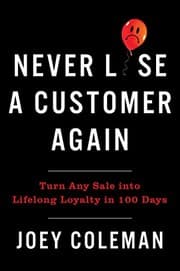
I don't see much of, um, I don't see much of at all, just out of the ones you've named so far. I don't see a lot of agencies using those to brand their business. Um, another one that is everybody can do is you differentiate on customer experience. There's this great book that I do recommend everybody pick up. It's called never lose a customer again.
It's basically how to compete in customer experience. So this is exactly when you're in commodity business, you're a dentist, right? You fix teeth like everybody else. So the moment somebody calls you or makes an appointment or something like you do something ridiculously crazy that they do not expect. Yeah.
You know? So, so if you think that the best type of experience is a five-star experience, just as an exercise, I think, what would a 10-star experience look like? You know, it's like, uh, if you're, if I get insurance with you, then tomorrow, you know, you have, you know, Elon Musk pick me up in his Tesla, drive me to, you know, Disneyland and, you know, take me on a ride. That's part of your service. You know, it's like, that will be epic.
I'll sign up just to hang out with Elon. So like, of course you can't do Elon. He's a busy guy, but like, what are some of those things that are like over the top value ad experience that you can add on top? Obviously, if you have, you know, if you have a, you know, a customer database and receptionist, you can like maybe have a database of all their family thing. You know, you call on, you know, little Jimmy's five year, uh, fifth birthday and, you know, send the cake and a clown and, you know, like you differentiate, like you, use your imagination here.
No, I think that's wonderful. I, I, I really liked that one. Um, shout out to Joey Coleman, Joey Coleman, uh, keynote speaker at Elevate 2018. That's a tremendous book. Never lose a customer again.
Um, okay. Customer experience. I think, you know, that one, I think one of the things, so here's, here's my question on customer experience for you. So customer experience is a term that gets thrown around a lot. Right.
And what I feel like a lot of people do is give lip service to the term, or they do like this little thing, like a, like a, not, not anything that actually is interesting or engaging just, just, they do something very small, like a, you know, just like a, a birthday card that's auto printed from thanks.io or something, which is better than nothing, but wholly forgettable. So, I mean, car, birthday cards, I mean, don't do anything, right? Like if you send a postcard, like my insurance agent, I don't even know what they are. They change every year because I'm part of old state. They just, I get a, so I get a birthday card that I throw in something in the trash is like so impersonal or like I get a Christmas card from somebody I've never met.
It's like, no, that's, that's not, I think that's more like a waste of money. So also it's very predictable. Yeah. So that was my next question. It's not something I'm going to tell my, you know, neighbor about, you know?
So is, so, okay, so I'm, so predictability, you don't, you want it to be something that you don't see coming is, is, is exactly right. How do you figure out what that bar is? Cause, cause I know it doesn't have to be something expensive and it doesn't have to be something overly time consuming. It doesn't have to be, you know? So what are the characteristics that, that might trigger?
Wow. That was thoughtful. That, that was something I didn't see coming. Like I didn't, what, what are some of the things that people could be thinking about? Well, this is a, you know, it's a creative exercise, right?
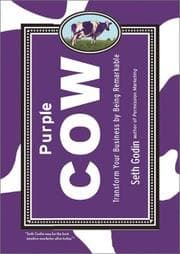
It's, it's, it's a, it's a, it's a classic Seth Godin's book, you know, purple cow, you know, you see, you know, a remark, he defines remarkable experience as something that is just worth making a remark about. You just pause and say, Oh, that's cool. Yeah. So it needs to, uh, so what I would do is like brainstorm 10 or more ideas on a paper and just go read them out to your friend, to your neighbor, to, you know, somebody you trust. It's like, Hey, which of these things would be, would make you go, Hey, that's cool.
Yeah. You know what I think is fun? This is off topic slightly, but what I think is really interesting that I feel like so few people do is just call a customer and go, Hey, also make you happy. Like what, what part of this relationship that we have, like, what have you woke up in the morning? You know what, man?
I really wish they did that thing. Like, is there anything, is it zero or is it, is it five things? Like what, because I had an opportunity. I don't know what was going on in my brain. Cause I don't normally ask this question.
So this is kind of me talking to myself, but I had a customer on the phone and just something popped in my brain. I was like, Hey man, like, how's it going so far? Like we've been doing business together for eight months. How's it going? He's like, it's going great.
I said, well, was there anything I haven't done? He said, well, you never followed up on this thing. I need you to follow up on. I said, and I, and, and what he did by asking that question, what he did was find, he found a gap in my follow-up system that I didn't know even existed. And I wouldn't have known it was there if I hadn't asked him.
And I, I, I made a note and I'm now starting to build reminders to do this because I was like, Holy shit. I just asked randomly for whatever reason, just popped in my head. How you doing? How's it going so far? You know, I don't even know if that's the right question to ask.
And it, it helped me plug a gap in my business that wasn't there before. And he then gave me all his personal insurance as well. So I ended up upselling them just by answering this stupid question. Yeah. Totally.
I mean, calling people, I'm, I'm part of a gym or used to be, uh, be before Corona hit. And so they got a new trainer and the trainer called me and I had a really nice experience and I was more motivated to go back into the gym, you know, uh, so definitely personal touch. Just to see how you were doing. The trainer was just calling to see like how you were, how you were getting by. Uh, basically.
Yeah. Yeah. That's nice. Yeah. Uh, how I'm doing, you know, what, uh, what are my needs?
And, and it was also like, I hadn't been in for a while. Yeah. It was more like, Hey, what's going on in your life, man. And I had, I had the shoulder injuries. Oh man, we have this, you know, whatever rehab class.
So, uh, you know, the old saying, like people remember how you made them feel. Yeah. So that made me feel real good. Like, Oh, take care. Um, yes, it's a capitalistic organization, but I felt like somebody showed interest in me, you know?
Yeah. Definitely. I, I believe that it is possible to be both ambitious and capitalistic and also do the right thing at the same time. I know that that's maybe not the norm or the perception by, by some, but I do believe that that's very possible. I think it is.
I think it often gets, I think, I think a lot of people, I think sometimes we get lost in believing that you either have to be high growth, high ambitious kind of leave, you know, your, your customers are users or whatever. And we don't really think of them as, as anything more than a number in a database or we're hyper hands-on, we know everything about them that ever existed. We know their entire life story, but we can only grow this fast. And I think you can be both. I don't know that that's, I don't think it's easy or everyone would do it, but I do think that it's very possible.
And I think what you're talking about, and again, this is why I wanted to have you on and have this conversation was, I think brand is the method to do that. I think by focusing on brand and making it a core part of what you think about day-to-day interaction by interaction, you can be both of those things. You can be both a scaling business and a business that cares about its people at the same time. I think it's that, that to me, I guess you, I saw your tweet at like the perfect times. This has been going on in my head.
And I was like, I feel like brand is the keystone to this concept that connects these two pillars is brand done right. Does that seem crazy to you? Yeah. I mean, what is a brand? You know, so also we need to like be on the same page about the definition here.
Brand is not what you say you are. It's what they say you are. Yeah. But you can, brand management is, is helping to control that perception. So it's not a hundred percent in your control, but you can influence it, you know, you can influence the perception of you through, you know, visuals, the communication, the words you use, all those things.
And obviously it's a sum of all the experiences somebody has had with you. Like if you're, you've been a dick to somebody, you know, for, for years and now you're suddenly, I care about you and it doesn't work. Right. Yes, I do. I do know.
And it's, it's, uh, it's a weird feeling. I think, um, it's a weird feeling that, that you get when you see messaging that does not match your perception of the brand. Uh, it's a weird, you get, you get a very, it's almost like it's a, uh, uh, we have some sort of sense or instinct to, you know, when you see, like, you'll see it, you'll see a message, a brand message that does not match what's actually being delivered or what your experience isn't delivered. There's a clear disc. I guess what I'm trying to say is you can't lie about it, but you can't actually, you know, if you're, if you're saying that your customer service is world-class and it's not, it's just run-of-the-mill at best when you put, we have world-class customer experience on your Facebook post.
Everyone just goes, if anything, it creates a counter negative reaction to it. It almost has the exact opposite effect of what you want it to have because of how disconnected it is from what reality is. Mm-hmm. Yeah. You're absolutely right here.
Yeah. Yeah. So, um, so I want to, I want to, uh, uh, adjust course a little bit and I want to talk about, uh, your company. Um, and when I first came across your work and I, and I've been following your work for a long time, uh, I'm not going to fan boy or anything, but obviously from conversion Excel days and stuff. And, um, a lot of the chops that I use on my own website, I, I guess, learned reading, you know, some of the tremendous content that you have.
And, uh, you know, I actually became, uh, friends to a certain extent with some, with a lot of people who used to contribute. Cause I, it was, uh, you had a very high quality contributor network that was producing content on conversion Excel's website. And, uh, now, you know, tell me, you know, so, so I was looking through the site and, and getting kind of reacclimated to what you were doing and this idea of, you know, and I kind of found it right on your about page, um, was, you know, achieving message market fit. Uh, that is something that feels really difficult, I think for a lot of people. So tell us a little bit about the business, what it is, what you're doing.
And then that's kind of the concept. I want to try to get into that concept and how we help maybe the takeaway from this podcast. The very end is, uh, here's what you're helping people do. And if they can't do it on their own, they know where to go. Yeah.
So the company is called winter winter.io and it's a messaging research service, if you will. Uh, so what it does, it helps you achieve message market fit, as you alluded, what is a message market fit? So message market fit is that you're sending out some messages on your website or landing pages, you know, whatever, uh, web properties. And does that message that you're sending out, does that resonate with your, uh, target audience? Do they find it appealing?
Do they find it? Yes, I want that. You know, like there's a, it helps great buying, buying intent. So how do you, how do you know what do, what are the target people in the target audience? What do they think of your pitch, your sales pitch, your copy on your website?
That's what we're, what it's about. You cannot achieve product market fit where people just want to buy your stuff without message market fit first. So your messaging needs to land on them. So it's kind of like, excuse me, the way I think about it is in a one-to-one sales situation, like if I'm trying to sell you insurance, there are certain arguments that I'm going to be making that are more powerful than others. You know, uh, so over a period of time, I'm, I'm testing and tweaking, I'm, I'm selling a bunch of people and then I'm like finding like all of these three key arguments are really, that's, you know, driving it home.
These are the main arguments that work. So that's when you achieve, you know, message customer fit, basically. Like I know that this, when I say this, they go, ah, yes. Yeah. Um, and you find that either through experimentation in a one-to-one sales situation, but also, um, you know, you don't scale.
So you can't sell to every customer on a one-to-one basis. So you need your website and marketing is sales at scale, right? It's scaling you. Now, if your messaging is boring, if it's like me, if it's like me too, if it's like, you know, you say you sell car insurance. Well, I mean, I already have one.
So like, if you sell, say these boring things, it's just not going to resonate. So you don't have message market fit. They're not going to buy. So winter helps you, lets you know what, what people think about your messaging. What about it resonates and what actually turns them off.
Yeah. I love that. Cause so here's what I found so much in our space. What's funny is the example that you just gave is a great one. You said, Hey, Hey, can, can I quote your insurance?
And you said, I already have one now to an insurance agent. They're going, well, of course you do. What I'm asking is, can I provide you with a quote for my insurance, you know, my, whatever I'm providing to you. And it, but your mind, you're like, bro, I don't need your thing. I already got mine.
And that is a complete disconnect that happens a lot. A lot of times with, um, struggling salespeople in our space, struggling marketers in our space. This is one of the concepts that they, that, that is a huge disconnect in terms of what they're saying and what the customer actually wants. So, uh, I, however, I feel like one-to-one it's easy to overcome. So how do we take, how, how would someone, uh, in our space take what they know and can do unconsciously one-on-one and move that to their website?
Because that to me is an enormous disconnect in our space. When I look at insurance websites, I'm like, God, this person doesn't know what they're talking about. When I meet them at a conference, I'm like, wow, this person is brilliant and is a killer. Completely disconnected. I just feel like for some reason, there's a huge gap from getting it from them being on the ground to them being digital.
Right. So, I mean, buyers are different, right? So some are more price sensitive than others. For me, I'm not particularly price sensitive buyer myself. Obviously I have insurance, but if somebody would tell me that they, you know, get a quote, maybe it's cheaper.
It's a hassle for me. Like, I don't want to, I mean, happy, it's a, you know, I've been with the same company for many years. I don't want to rock the boat because I don't have a problem to solve. Yes. And so if you're going to pitch me and say, you have this problem, this problem, I might even get defensive.
So the way around that is that instead of you telling me, you know, like I either get a quote or that something's wrong with me, open my eyes to look at the situation, open, yeah, to look at the situation with new eyes, essentially. So I would see that there's a problem without you telling me and the way you, I mean, there are multiple ways to do it, but like one good way to do it is you talk about a change that is happening in the world. So me becoming aware of the problem is me adapting to this change. So, so for instance, I've been an old state customer since, you know, I don't know, like many years, but you can say, Hey, all state is an old school insurance company. You know, like there are things have been changing and they are like, you're locked into this.
Oh, I don't even know what the argument is. You can say that there's things have changed dramatically since. And like, you know, you can say that something has changed and now I'm like, Oh, really? I've never considered this aspect. And then it's like, Oh, so what has changed?
Oh, so what should I be aware of? Uh, and then now I started asking questions and now you might feed me with some information that might be, might made me reconsider my choices. You know? Yeah. Yeah, I think that I love that.
I think that's really, really interesting because this, this is a, a major obstacle for new business growth for a lot of agencies. So what we find is referred agencies that grow oftentimes have just fallen into many times because of their generational nature, referral sources. You own a mortgage company. I'm an insurance agent. We've become buddies over playing little league together and going to college together.
You send me all your business. It's teed up. It's in a moment of change. There's not really a heavy pitch. I don't actually have to sell you.
I just have to provide you with a product because you're coming in on a tee and I grow my business for the agencies that don't have those relationships who need to go out and actually engage with customers and get them to, and create that emotional differentiation. This becomes a major pain point because get a quote, if it ever did have power, is losing power every single day, almost at a logarithmic scale. Me coming to you and saying, hey man, can I quote your stuff? You, it's going to be the answer you just gave, which is that sounds like a hassle to me. The last thing in a post COVID world that I need is another hassle.
This is a major problem that the industry is facing right now is people just don't want to, they don't need another thing to spend brain cycles on, even if it could help them. So, so it's, yeah, I love that. That's really, really interesting. So there's this, there's this classic copywriting technique when it comes to like writing headlines is a question that makes you go, how do you do that? So let me give you an example.
So the other day I landed on this, on this website called, I think it's FastSpring, FastSpring.com. And on their homepage, they say, hey, you are missing out on 30% of sales. Basically, and it's a, it's a merchant account service. So I'm using Stripe. I'm happy with Stripe.
I don't want to rock the boat. You know, I don't have a problem. But now when I read that headline, they didn't say, oh, merchant service, accept credit cards. I'm already accepting credit cards. They say, you're losing out on 30% of sales.
And that makes me go, oh, really? How's that? And now they cut my interest and I'm going to read and I'm going to actually dive into their pitch. And then that particular website fails to deliver on the promise. Like they never actually answer how I'm losing out.
So it's a dud. But like you can do better. So like, you know, I don't know what the equivalent is, but like you could be paying 30% less for your insurance. Yeah. Although if you're just about the cost, I think it's hard.
Yeah. Because then there's a demographic that for sure that every year is switching insurance, you know, like who is cheaper this year for sure. And you know this better than I do. But so I think ultimately competing on price is everybody wants, everybody's competing on price, you know? So you need something else.
Yeah. Can I hit you with the headline on my website and you tell me how it grabs you as a little example? So I say insurance is confusing, time-consuming, and costly. We fix these problems. I feel like it's close, but it's not there.
That's if I had to give you my thing, I think it's close, but it's not there. So my first reaction is, you might be right, but I have it solved already. I'm good with Allstate. Yeah. Right?
Like, I don't have those problems. You don't find it confusing, time-consuming, or costly because you feel good about where you're at. I've already dealt with it. I, like, I don't know how I even chose Allstate, but I have them for whatever reason. Yeah.
So they're just, you know, and I've had a couple of, you know, incidents where they were good to me. So I got, like, some minimal brand loyalty. So it's not a problem that I – so you say it's complicated. Maybe if I was in the market to choose one, I would agree, but I'm not on the market. So obviously, I don't know.
I'm different in that case. Like, you have, you know, different personas you're selling to. Somebody might be actively looking for one. And maybe you aren't the consumer or it's the right time because maybe it does become time-consuming for you. I guess, how would you – I don't want to pitch you on why I think it's right.
I'm tweaking it, but I felt like it had some of the elements of actionable, differentiated, and – but it also doesn't feel all the way there to me for some reason. I guess that's why I'm asking you. And I know I'm putting you on the spot here, but, you know. Yeah. So obviously, you know, there are multiple reasons why somebody might buy anything.
And I'm just not actively in the market for insurance. Yeah. So that headline, I think, is not speaking to my kind of passive person. Gotcha. I will say, though, because I asked another friend, and he said something a little different, but we were talking through different scenarios.
You would never come to my site if you didn't have an insurance problem. That is true. Yeah. Right? Like, you're not going to go, hey, you know what I'm going to do for the next hour?
I'm going to go take a stroll through roguerisk.com for some light insurance reading. Totally, totally, totally. So even if I would see your ads, I would not click because I'm not in the market for one. But those who would come to your site, you're absolutely right. There's some sort of a, you know, lead qualification, you know, however you want to do the lead scoring there, but it will be a signal.
Yeah. It's signaling some level of interest. For sure, there are some people who randomly somehow happened there, but like most majority would be, would have some level of interest. You're right. Yeah.
Interesting. So, okay. So I want to ask you a question about winter, and I want to be respectful of your time. So I'm, I, this, I mean, I think this looks super cool. I'm probably going to do one of these tests.
So basically I'm looking at, you know, you can either get business to business or consumer, which I'm assuming if you're going like B to C, so you'd have actually, if you're selling to individuals, that's a consumer panel. Cool. And then you can target them by different psychographics. Gotcha. And then you, then you guys go out, send some consumers through and they give you feedback on this headline doesn't make sense.
I never saw this button to talk, talk me through what, what it's not about usability. It's, it's not like usertesting.com where it's got usability. It's all about the messaging, the copy on your website. Yep. And so it's asking the consumers, if that's your audience, research questions.
So it's not, what do you think? It's more like, uh, what about this is unclear? What about this is off-putting? What about this is, uh, do you find compelling? And also like you can do Likert scales on a scale of one to five, you know?
So, so after, after reading your headline on a scale of one to five, how, how much do you want to keep on reading? Cause you know, like the classical thing is like your goal of the headline is to make them want to read the next line. So you can measure that by asking, and you'll get a score reading the headline it's 3.5 or whatever. Right. And then you can change the headline and test it again and see if the willingness to read more goes up.
And so people will rate you on clarity. They will rate you on, so the Likert, possible Likert scales, how badly they, they want to keep on reading, how clear it is. Cause clarity is most important in copy. If it's like vague or uses, you know, complicated, big words, jargons, doesn't resonate for sure. Also, do they care about the arguments you're making?
Like, uh, there's a, we, we call it care score. So on a scale of one to five, how much do you care about this? So you maybe came up with this idea for a differentiation where I don't, maybe you're eco-conscious, you know, like for every dollar you invest, uh, you know, spend with us, we give five cents to homeless dogs or, you know, and then does that gesture actually resonate with people? And maybe yes, but maybe they don't give a, you know, rat's ass. Um, and so, so you get, uh, all the feedback you get is answers to research questions and you can choose and you can ask different questions about different sections of your website.
So maybe you have different, one set of questions for a headline, one set for your, you know, the service description, things like that. Guys, if you're listening at home, go, go, W Y N T E R winter.io. And, um, if you're, if you're selling personal insurance and your website is important to you at all, I mean, 99 bucks to have, to have vetted consumers walk through and be able to, to, to give you feedback on your messaging to me is a fucking joke. Like, and I mean, then a good way, I mean, a good way, like that is absolutely something you should do. Like you are going to get immense value out of this.
Like, I, you know, I'm absolutely going to do that. I mean, I, obviously I checked it out before you came on and everything. And, um, but I mean, it, to me, you know, this is the difference. And, and I've even, I, I do a lot of testing on my site and, um, I'm bad because, uh, I don't use all the, all the tools I probably should use, but, but, uh, I do, I do do a lot of testing and, um, you know, right now I'm testing a video and in a very small headline, um, versus real text. And it's interesting, the feedback that I'm getting, but, but, um, you know, this, this to me as a way to start to craft a message, it's actually going to get people to grab, to grab onto your brand, your agency brand.
Um, I, I, I think this is a no brainer, this is absolute no brainer to add some context. So another company run is called CXL that you mentioned that we have, we do online courses on all these things and we have like 50 plus products, like courses, and then we have PPC landing pages and webinar pages. So we'll have like hundreds of pages that are very copy heavy, a lot of words. So in order for me to increase the conversion rate on those pages, get more people to buy sign up, et cetera, I need to improve the words. I need to make the copy better.
Copy is the number one thing that gets people to take action. Now, how do I improve the copy on all these pages? You can't improve the copy if you don't know what's wrong with it, right? Like I can just have an opinion and you can have an opinion and, but like, we are not the buyers and we know our products so well, we have forgotten what it's like to not be the expert at our thing. Right.
Yeah. So it's, it's, it's rather, it's like impossible for us to see our product the way our customers see. And we should not underestimate how little we might actually know what customers think about our pitch. Yeah. And that's, that's the power of this data.
So now, you know, Oh, this stuff that I'm writing here, it's completely not resonating. I need to like, and it may be, it's unclear. Maybe it doesn't communicate value. And I want to take everyone back to your reaction to, to your, your own, you, you, you were kind of talking to yourself in this scenario, but your honest reaction to the question of, can I quote your insurance was I'm, I already have insurance. Like, and I don't think that that is the reaction that most insurance professionals would necessarily think.
And that's not a knock guys that I just think this is a blind spot for anybody in any industry, particularly for us is you would not, your, your reaction. I don't think people would expect your first reaction. If we were to rank them, if we were to put seven reactions on a list and say, which one do you think would be first? I do not think I already have insurance as it would be, would be even close to the top because the insurance professional is like, yeah, no, I know you already have it. I'm trying to get, I'm trying to show you something different.
That disconnect I think is powerful as much as I might not be articulating it in the best way. And that might be an interesting headline to lead with. You put it in quotes, but I already have insurance and people like, oh yeah. Yeah. You're now connecting with the conversation in the head of the customer.
Like, oh yeah. So why should I, you know, but now you're, you're addressing the elephant in the room right up front and you might actually get me. Obviously, I don't know, but. I'm going to start running ads with, but I already have insurance in Austin, Texas, and we'll see what happens. Yeah.
No, I'm, I'm in upstate New York. So you, you won't have to, you won't be Facebook stalked by me, but no, dude, I want to be respectful of your time. This has been absolutely tremendous. I really appreciate you coming on. I know like the insurance industry is not your primary niche, obviously, but I do think that the work you've done both at CXL, which, you know, I kind of came in contact with as conversion Excel and, and all that.
And, and now with winter and, and particularly these are, this is a very, you know, guys, I think a lot of times tools, like what we were talking about, they tend, you know, they feel outside our reach, right? They're 500, $700 a month. I mean, we're talking about very manageable, reasonable prices for, for, for a service that could drastically improve. I mean, just, just your headline being more grabbing someone can improve what's going on, you know, can, can get them going down further. And then, you know, maybe they catch a video or another set of copy or whatever that really pulls them in.
But if they're not getting past that headline, just that alone, just being able to dial in your headline alone is worth what you'd spend. And so I just want to push everyone there and I want to say thank you for your time, man. Where, where can everyone get at you besides these websites? Any of the socials? What's your favorite social?
Twitter and LinkedIn. Those are the two where I'm active posting daily. Gotcha. Well, Hey man, this has been great. Thank you.
Appreciate you. You have a great day. Thank you, Ryan. Cheers. Cheers.
You go fuck yourself with your fat fucking ass. Do you want to have a few drinks and smoke a joint bubbles? Yes. We'll be right back. We'll be right back.
We'll be right back. We'll be right back. To stop losing opportunities and start winning, visit MasterOfTheClothes.com. That's MasterOfTheClothes.com. Do it today.
Not this onion I'm chopping? It's just so beautiful. Oh, yeah. Nice, the onion. Get a commercial auto insurance quote today at Geico.com and see how much you could save.
Get more with Geico. Happy holidays. Happy holidays. Happy holidays. Happy holidays.
Want to give your host a gift? Consider subscribing, rating, and reviewing the show this holiday season. It really helps the show grow. From all of us at Believe, have a Merry Christmas, everyone, and a happy holiday. If you like the show.
If you like the show, please take a moment to rate, review, and subscribe. It really does help the show to grow. Thank you for listening.