Hiring isn't just about finding someone willing to take the job. You need the right person with the right background who can move your business forward. If you want candidates who truly match what you're looking for, trust Indeed Sponsored Jobs. With Indeed Sponsored Jobs, your post stands out to quality candidates who actually fit the role. According to Indeed data, 90% are more likely to be hired and trusted by 1.6 million companies.
Spend more time interviewing candidates who check all your boxes. Less stress, less time, more results. Now with Indeed Sponsored Jobs. And listeners of this show will get a $75 sponsored job credit. To help your job get the premium status it deserves at Indeed.com slash Podcast 13.
Just go to Indeed.com slash Podcast 13 right now and support our show by saying you heard about Indeed on this podcast. Indeed.com slash Podcast 13. Terms and conditions apply. Hiring? Do it the right way with Indeed.
I'm here on a job site with Tim who owns his own electrical contracting business. Three employees and two work trucks. Tim traded up to Geico Commercial Auto Insurance. We're positively here where he needs us most. They sure are.
With step-by-step help on all his insurance needs. All for shockingly low rates. Shockingly low, huh? Just a little bit of electrician humor. Do you get it?
I got it. You know, it feels like we have a real connection. All right, I'll stop. Get a commercial auto insurance quote today at Geico.com and see how much you could save. Get more with Geico.
Happy Holidays! Want to give your host a gift? Consider subscribing, rating, and reviewing the show this holiday season. It really helps the show grow. From all of us at Believe, have a Merry Christmas, everyone, and a Happy Holiday.
Welcome back to the show. Today we have an absolutely tremendous episode with you with our guest, Peter McDonald, the founder, co-founder, and CEO of WonderWrite, a brand new insure tech company. Just raised three million bucks. Came out of Techstars doing some really tremendous things in the data and information space. Particularly with taking in information and sorting it, directing it, getting it to where it needs to go.
In particular, Accord forms and other places. But making the data collection process easier. Among many other things that they're doing. I got a quick peek at the tool before we did this episode. I will tell you, as of recording this intro, I'm actually getting the full demo tomorrow.
Ben described to me really as like a competitor to say an Indio or a broker Buddha. Think of it, again, I don't want to put it exactly in that box. They're doing a lot of really cool things. But data collection, getting data where it needs to go is one of the most challenging parts of our business. And when I, you know, I knew Peter from back, you know, from a few years ago and then saw him starting this company and doing great things.
And I just reached out to him and said, hey, man, like, you know, let's have a chat. Let's see what you're doing. Because this show is all about chatting with interesting people, doing interesting things in our space. And Peter is definitely one of them. And we talk about all kinds of things.
I think you're going to love this episode. Before we get there, guys, I love you for listening to this show. If you enjoy this show, like, could you just share it with somebody? That's it. You don't have to go into iTunes and leave a review, although I'd love that.
That helps. But, you know, tweet it at somebody. Send it in a Facebook group or text message it to somebody. Just share the show. That's how more people find it.
That's how more people, you know, subscribe and become part of our community. And, you know, this is going to sound crazy, but, you know, the more, the larger our audience, you know, when I reach out to cool guests, like some of the people, you know, James Altucher, Brian Keating, Carol Roth, like some of these really incredible people, you know, inside and outside the industry, you know, they, those numbers matter in getting those guests on the show. They, you know, they, these busy people and they want to spend their time in a place where they're going to reach a broad audience. And, you know, when I tell them that I have, you know, 10,000 plus raving insurance maniacs that are just dying to soak in their information, they love to hear that stuff. And it helps us get great guests.
I mean, that's, that's really the whole deal, guys. So, if you could, that'd be awesome. Also, support our sponsors, you know, they make this show possible. You know, and today's sponsor is Podium. I've talked about Podium a bunch, but, you know, Podium, you probably heard their name.
Maybe you're not sure what they do. They do, it's really comms. It's all about comms, communications. And in particular, we use them for text messaging and we use them for our web chat. And what I love about the web chat, I've said this many times, is you get almost 100% response rate from inbound chats because people are on their computer, on their phone, and they fill out the chat, they ask a question, they tell you they need insurance.
And then what happens is when you respond, you know, on your desktop or whatever, it's going back to their cell phone. So now they're getting what looks like a text message to them. That gets almost 100% response rate. And if you're doing any kind of inbound or lead capture, 100% response rate is bananas. So big fan of Podium, love using their tool.
You can go check it out on our website right now, see what it looks like. Go to P-O-D-I-U-M, that's Podium. Go to P-O-D-I-U-M.com today. Podium, Podium, Podium. I want to also give a big shout out to Donna for Agents.
Donna for Agents is changing the data game, changing how you use data, changing how you understand how your customers interact with your business with their sentiment score, their centimeter score. So they are tracking in real time based on comms and touch points, what's happening with your customers in relation to their interactions with your agency and whether or not those are positive or negative. And you can make all kinds of decisions based on what's happening in real time. Nothing against NPS. NPS is great.
You should be using NPS. But what Sediment does is take it to a whole nother level. It combines NPS with real time touch points. Can't beat it. Go to Donna for Agents.
Google Donna for Agents. Go to Donna for Agents. Check out Donna. Get the demo. Whether you use the tool or not today, I highly recommend you know what Donna is doing.
They are changing the data game. All right. With that, let's get on to Peter McDonald and learn all about WonderWrite and data and all kinds of other cool stuff. What's up, man? Hey, Brian.
How you doing? Good. Hey, sorry about being a few minutes late here. Oh, no worries. I had a carrier meeting with one of my favorite carrier guys.
And, you know, it's like one of those situations where you just, you're talking, you're talking, and then all of a sudden I looked down and I was like, oh, we were grabbing breakfast and I was like, oh, shit, I gotta go. So I flew out of the diner and off I came because I didn't want to be late, but obviously I was. No worries, man. Yeah. Cool.
How have you been? And what's the latest on your side? Any update? Oh, just, you know, every day, man, trying to get one step closer. And I know you know that as well as anybody.
Yeah, that's awesome. No, I'm excited for you. I think it's an exciting time and you got to strike while the iron's hot. I mean, you don't know what's going to happen to the stock market tomorrow. You don't know what's going to cause somebody to be like, oh, shit, I need this money.
So it's kind of like, you know, when you have people on the line, you got to just get the money in the door and then move on. That's the key, you know, and that's the other thing, too. Someone said to me that I think is just an interesting point for around startups and just really business in general is I was talking to a buddy of mine and, you know, I was just goofing around. He's like, well, where are you trying to get to? And I said, I said, well, world domination, you know, and I was just busting chops.
I mean, not that that isn't the goal, I guess, but, you know, I was just kind of making light and he like got super serious and he looks at me and he goes, well, what the fuck are you doing then? And I was like, what? And he goes, why are you fucking around with these? Because I was asking him a question about something else. And he goes, why are you even asking me this question then?
Like, if your goal is that, then this question is stupid. And I was like, and it was like one of those moments that like I didn't expect to be very profound, I guess you could say, but was, but at the same point was like really kind of after I had a chance to sink in exactly what he was saying was, was really honest. Like, I think too often we, we get hung up in these little details that honestly will have almost no impact in, and not that the previous part of our discussion will have no impact, but you know, you get hung up on these little details that just, it's like, if your goal is to be that big, just spend money and go get it done and get onto the next thing, because all that's keeping you from doing is selling the next thing or making the next partnership or whatever. Um, we definitely, I think, at least I shouldn't say we, I, I can get hung up on details, especially if it's something that I'm interested in versus just make decision and move on. Like this will not impact where you're trying to go if you actually get where you're going.
So just make decision and move on. Absolutely. I mean, I think we think about this a lot. Um, we like, we, like we're going to redo our website. Um, not cause we want to redo our website, but because, you know, we're going to, we're going to start doing a little bit of marketing.
You got a little bit of experience with marketing. We just want to have really clear messaging. We want to make it easy for the team to update the website. We want to just can, we're already getting a lot of organic demos. We want to convert more, um, as we're like ramping up sales.
And so, um, we worked, we're working with our pitch deck designer. Who's awesome. And it's just like, he's like, here's my price. And we're like, great. Like, let's just do that and move on.
Like we're here, like we're wiring the money right now. Um, and it's like, it's just, it's just, it's just move on. We, we've hired not one, but three different companies to do appointment setting for us, like sales development rep companies, three of them. And we're like, let's just hire all three and let's go for like the middle packages set instead of the cheap package. And we'll just figure out what happens.
And then like, we'll decide from there because you'll have data to go with. And I think part of having raised venture capital is you basically have a mandate to go do this. It's like, you raise this money based on your plan. Like you now have to go execute and our lead investor, he'll frequently tell us. He's like, you guys don't have time to be thinking about this stuff.
Like, just keep going, just keep moving. Um, don't waste time on like these, you know, small things. That's, that's a thought that I think a lot of people, especially the, a lot of the eight, like just main street, you know, agents that, that are listening to this. And I didn't mean that in a negative context, so please don't take it that way, anybody. But like when you're showing up to a business that's been around for 10, 20 years, and you know, you have a process and this is what you're doing.
And maybe you're, it's your legacy or you're the legacy, you know, kind of carrying on the tradition. And, um, that idea of you don't have time is not even a concept that I think enters people. Like, I think for, for many people in the independent agency space, all they have is time, right? It's like, we have all the time in the world. We can, we can take three months to make this decision.
We can take three years to make this decision and we're still gonna make money. The business is still going to be here. We're still going to have customers. And when you're trying to grow and, and, and again, I'm learning these lessons, you're, you're way ahead of me. So I'm, I feel like I'm preaching the choir, but I'm also interested in your take.
Um, that concept of, we don't have time is foreign. Like, what is that? Has it always, has it always made sense to you? Was it something you learned? And how do you kind of deal with, with it?
I mean, you explained a little bit, but how do you deal with that concept? Like, we don't have time. Like we have to grow. We can't like dick around with these little things. Like we, we gotta go.
Yeah. And I think honestly, this comes, comes back to something I learned when I was working with my dad, the family agency, love working with my dad. It was great experience. I could still be doing it today and like be doing very well financially, you know? Um, but I realized that like the risk profile of building or running an independent insurance agency, especially when it's been around for a while versus like building something that you think is, is different and it has a chance, but it's like, it also has a chance to like not be successful.
Like the risk profile is very, very different. And it's, it can be hard to be working in an organization that has one risk profile and you're trying to do something, I don't know if radically different is the right word, but like trying to do something totally different. Um, and that was, was like, I have to do this separately from my dad because it's just too different. And so I think, um, it's okay for some organizations that their timeframe is different. Um, it's just kind of like, what is it you're trying to do?
And so for an insurance agency, it's like, Hey, if you're doing, if you're growing at 10%, like that's pretty good. I mean, there are agencies that are growing faster than that. And there are agencies that are like milking business and just, you know, losing a little bit of business every year. But I think with a startup, it's like, you need to be doubling every couple of months. Um, nevermind like a 10% growth.
Like you need to do more than 10% growth per month. Yeah. It's just like, it's just not even in the cards. Um, otherwise, yeah, you wouldn't, you shouldn't be out raising venture capital. Cause it's, it's a different game.
So what is this startup that you keep referencing? What are you talking about? You come wonder, right? Yeah. So are we starting this or what, Ryan?
Yeah. Yeah. We're, we've been going since the beginning. Okay. Um, so yeah, so wonder, right.
I think, you know, what is wonder, right? What are we doing? I think like, you know, high level. I grew up in the industry like you, I'm loyal to the industry lobbied in DC with a big eye and our friend, Jason Cass and others. Um, and I'm very loyal to it, but I knew that it could be so much better.
Uh, I think right now, and probably in your life as well, like every aspect of my life has this friendly aspect from paying friends with Venmo to Uber and Lyft for rides. It's like, it's just easy. You can click a button and have something delivered to your door, you know, if not tomorrow, potentially, you know, today or over the weekend. Um, I think that today, a majority of property casualty insurance in this country is still sold through independent insurance agencies. You think that's true, Ryan?
Well, it's true in commercial lines. It is not true in personal lines, but yes. Okay. And therefore, I would say, since a lot of these agencies are kind of on the smaller side, that you're using the tools at your disposal, a majority of insurance in this country begins its life on a yellow legal pad. I think, I think that that is a fair, I think that's a fair point.
Yep. So we've, you know, I've been an agent, you know, licensed for 10 years, worked as an agent for seven years, talked with hundreds and hundreds of agencies and agency owners. And that's what I find to be true. If you really get down to it, you talk to the feet in the ground, boots in the ground producer, when they begin their process, it starts with a yellow legal pad, a PDF or something like that. And with Wunderite, what we wanted to do is make an easier way to capture the data that you need from your customers, make it super easy.
Whether it's a yellow legal pad, an insurance application, a supplemental, an accord, a statement of values, you know, Excel spreadsheet, just make that much easier to collect one time, enrich it with third party data. So you don't have to ask all these annoying questions and also make it work on any device. So you could work from your iPhone or your tablet. And then when you're back in the office, like your account manager already has that info that they need. And if you need to follow up with your customer, it's like, you just click a button, they just get a quick link to open up and they can answer questions very quickly.
Rather than doing this back and forth with email and phone calls and hey, the underwriter, you know, ask me this follow-up question. That's kind of big picture, you know, what Wunderite does today. So, um, form software, uh, as a base idea to a certain extent, uh, data collection, um, and is it customer facing? Is it just internal facing? Um, you know, talk me through some of the use case scenarios, because I think what you described is a major problem for a lot of agencies.
Yeah, you know, it's, you, you probably know better than I do, Ryan. Um, you know, I was looking at your podcast, you've interviewed everyone from James Altucher to Pat Costello, you know, Jay, uh, I was a Jason Liu. Like you interviewed everybody. You probably know this, you know, more so than I do, but every independent agency, they're independent for a reason. They like to do things their own way.
Um, some agents, they probably would never want to have their customers, um, logging on and touching, so to speak, their stuff and be customer facing some agents. That's all they want to do. And so when we've approached software, we're like, what do our customers want? And then build it to allow them to do it their way. And so if you're, if your way is no, a hundred percent, I want to pass this off to my customer.
I'm actually not even legally allowed to fill in an application because like, we're not going to do that at this agency. That's cool. If you want to, um, so you want to pass off to your customer, that's fine. If you want to do it a hundred percent internally and not share it with your customer, that's fine as well. It's kind of up to the agency to choose.
Yeah. I like that. You know, that to me, um, you know, one of the reasons that I think that the yellow legal pad, uh, napkin, you know, write it on the inside of your forearm has worked for so long is that just, just for that reason, right? Like it, the business comes in different ways and we've never had a good mechanism to collect all the different ways that, you know, sometimes someone calls us. Sometimes we meet them on the golf course.
Sometimes your mom, you know, sends you a text message and says, Hey, you need to call your cousin Susie because she's buying a home. Right. And you just, you have all these different mechanisms and, you know, one of the things that I think, um, that, that Seth Zaremba and the neon project, one of the things that three years ago when he was talking about this, um, he made, you know, he made a big, a big point about this topic is how do you take, how do you make all that, that information kind of more uniform and usable? Like that is such a big problem that like, I, when I, when I get a call on my yellow legal pad, I ask for this information, but when you get a call on your, you only ask for this information. So now when we go to our agency management system or whatever we use to collect the data and we're hand typing it in, you know, you have gaps in this field and gaps in this field.
And like, someone said to me the other day that one of their KPIs for their CSRs. And I, I, I surprised, um, I apologize that there's like a laugh in my voice. I don't mean this to be derogatory, but, um, one of the KPIs for their CSRs was to collect email addresses. So as a by-product of that statement, you have to assume that that means that they haven't collected email addresses. And you're like, I was like, oh my God, how is there ever a human being who goes into your system that you don't have an email address for?
But it's because like you said, you, you're going through the, you're going through the yellow legal pad and you just don't ask for it. So is that part of it is helping unify the way that we collect information? Yeah, I think, um, I think there's certainly a tremendous opportunity there. I mean, my own insurance agency, when I was working there is 20, you know, 22 people, like everybody had their own kind of way of doing business, um, and their own way of kind of asking their questions. Um, when I was the young guy, I was like, Hey, somebody just called about, you know, getting insurance for their boat.
I have no idea what to ask him. And so, or her. And so over time I would make these lists of like, here's the set of 20 questions that I can ask somebody. And this will give me 95% of what I need. And I can get this stuff done in like five minutes.
So I think the unification is early, you know, standard standardization across an agency is definitely an opportunity for efficiency. It's a by-product of using a tool like this, but it's not the goal. I think the goal really for me was just like, what is the tool that I always kind of wanted as a millennial salesperson? And I think it's telling like the email thing, like, yeah, I'd be surprised. I wouldn't be surprised if you surveyed agencies across the country today.
And if you just said, Hey, look at your existing book of business, um, how many emails do you have? And it probably is not anywhere close to a hundred or even 60. I mean, we had an intern one summer at our insurance agency and he literally called like every single customer of ours, you know, thousands and thousands personal insurance customers to tell them, Hey, you now have access to an online portal where you can log on and you can view your info, like all you need to do, you're going to get an email, just hit the accept button. And the responses that some of these customers got, gave us was like, why the F are you calling me and like, click, like, don't call this number click. And like, it's, I know we love to think that, Oh, people love us.
We're great. And like, I think that majority of customers, they have great relationships, but people don't want to be bothered. And so, um, not only do we like, is it not surprising? It's kind of like, yeah, it's almost to be expected. Um, and that's why I think it's so hard to replace.
Pen and paper is because it's just, it's, it's the, it's the easy, easy tool that everybody has at their disposal. And so it turns out it's really hard to build software that can actually be easier than a pen and a paper. Yeah. Um, I, I think I would rather have someone's email than their name. Like I care less about their name than I do their email address.
I don't know. That's just me. But what are you going to do when you do the mail merge? It's just like, hi, you know, hi friend or one or yeah, whatever. Exactly.
Um, millennium Falcon. Hey, insert person, insert first name. Exactly. Uh, so, okay. So how do you do that then?
So you said, you said it's really hard to replace pen and paper. Um, how, how, how do you do that? What's, what's the method? What you guys, uh, you guys are, uh, well-funded, fast growing, highly covered, coveted, um, insure tech company in our space. You obviously have an idea that people believe in, which is amazing.
Um, so as much as you can, like, what is the methodology behind that? How are you starting to do that in a way that, you know, agents that are listening to this are, can get excited about? Um, yeah, it's a great question. And I think it's one of the key questions we're asking ourselves right now. Cause I think the sales things is going, is going well.
I mean, I think when we talk to agencies, they get really excited. We've heard things like I've dreamed about this kind of software. Like I'm drooling over this. Like, this is what I tried to build using a combination of Excel and PowerPoint. And this just like makes it easy and intuitive the way I would expect.
Um, one of the painful lessons we have, in fact, my product manager messaged me on Slack, like a 10 o'clock last night. Um, one of the tools we have is a tool that, um, it actually records like the customer's screen when they're using the software, it makes everything anonymous. So it kind of turns everything into like asterisks. So you couldn't see name, you couldn't see phone number. Like you could, it's all anonymized, but you can literally watch where the person's moving their mouse and where they're clicking.
And, um, you know, sometimes it's painful to watch your customers struggle. It's like, we're doing the right things. Like we're analyzing how people are using the software. Um, but you, you see somebody who's trying to use a software, they're logging on, they're, they're using it for five to seven minutes. And you're like, yeah, no wonder, like pen and paper is easier.
It's the same thing I experienced as an agent where it's like, yeah, trying to fill out an Adobe Acrobat PDF that's fillable versus filling out with pen and paper. It's literally faster to do pen and paper. And I know I'm not going to accidentally delete it, um, cause I have it there in front of me. And so we spent a lot of time thinking about how do we, um, onboard new customers? How do we implement software with new customers?
How do we track their engagement and how do we make the soft? Like I think ultimately the software just has to be so easy where it's your first time using the software. Um, maybe you've been around the business for a few decades. Um, it, it does, it doesn't need an instruction manual. That's a thousand pages thick, like software as a whole, it just kind of makes sense.
And so we are extremely focused on that. Um, and I think it's, you know, we're, we're on a journey, like we're not perfect. Um, but that's kind of the goal. So it has to be super easy to use software. That's the only way it's going to make it easier than, you know, pen and paper.
Yeah. So like the use cases, I get a phone call and, uh, it's a, it's a, it's a new potential client and I want to collect the necessary information to give them a quote. Um, I would have one to write up as a tab, right. And I would, I would click open a new account and I would, and I would be typing as I was talking or like, I guess just maybe talk me through some of the just kind of tactical pieces of it. Cause I think, um, you know, particularly when we have products on, you know, people who are building products like you are.
Um, I like to, as much as you can make it tangible for the listeners so that they can kind of like see themselves using it. I think that that really helps them get a feel for what you're building and how it could fit into their, their day-to-day operation. Absolutely. And to do that, maybe make it easy. Let's just talk about what people are doing today.
Right. So maybe you are filling out some sort of an application on a PDF. Maybe you've done it on a computer. Maybe you've, uh, printed it out and then you've scanned it. And now I'm like, oh, I need to get a few more questions answered from Ryan.
So I put it in an email as an attachment and I send it off to Ryan. So what happens when Ryan gets that email and there's a PDF attached that says, Hey, please complete this form and get it back to me. You got to print it out. It's terrible. Yeah.
Ryan's like, yeah, like I'll get to that later today. I'm out at breakfast with a friend. Um, you know, later today, all of a sudden claims are popping up and like things are happening in your day and you're not like, that's not top of mind. Cause you didn't want to have to deal with trying to open a PDF on your iPhone. And so later today becomes later tomorrow.
And then a fire pops up somewhere and all of a sudden it's a week and your agent is reaching back out to you and you're like, Hey Ryan, can you please, we really need to get this done in order to get your thing marketed on time. And so, all right, a week goes by, you finally download it, but the form is not fillable. So now you print it off, but your printer's not working or it's out of ink or the paper's gone. All right. Finally, you print it off.
You're looking through the application, by the way, you probably don't know how to answer the questions. And so now you maybe want to hop on the phone to ask your agent, how do I answer these questions anyway? It's not tracking all that stuff. And, um, finally, you kind of scribble in some answers. Yeah.
You take a picture with your phone. Cause you don't even want to try and figure out how your scanner works and you email it back to your agent. And it's taken you a week. It's taken you the frustration of dealing with multiple tools and then the agent gets it and he's happy or she's happy. He sends it to the underwriter, maybe, maybe fills it in himself or herself digitally, sends it to the underwriter.
And then the underwriter is like, Hey, you left question seven blank, or you answered yes to this question. Can you, can you elaborate and you're like, ah, crap. And I got to go back to the customer. Yes. They do this thing.
Go back to the underwriter. Oh, okay. They do this thing. Can you give you even more detail? And you're like, this is a waste of time.
That's kind of how the process works a little bit today. And I think that's kind of just helpful. Like, all right, how can we remove that friction? And so imagine now, you know, Ryan's out walking his dog. I've pre-filled an application on wonder, right?
Almost like using Adobe Acrobat. I can fill it in on the PDF. I can fill it in on the web form. And now I can just say, oh, there's four questions. I need Ryan to answer.
I select those four questions. I had sent to Ryan. Ryan gets an email. He clicks on this link, brings them right into the application. He doesn't even see the PDF.
He just sees four questions and that's it. Yes, no, maybe 100% hits done. Now I get a notification. Hey, Ryan logged on. Ryan finished the application.
I'm happy. If Ryan had questions, he could put a question in the form. And not only are we saving all that data in a structured, reusable format to kind of your earlier point about how to make that data standardized and valuable, but it's also filling out the PDF. So I can now use that to print off whatever application I'm working on. What's up, guys?
Sorry to take you away from the episode, but as you know, we do not run ads on this show. And in exchange for that, I need your help. If you're loving this episode, if you enjoy this podcast, whether you're watching on YouTube or you're listening on your favorite podcast platform, I would love for you to subscribe, share, comment if you're on YouTube, leave a rating review if you're on Spotify or Apple iTunes, etc. This helps the show grow. It helps me bring more guests in.
We have a tremendous lineup of people coming in, men and women who've done incredible things, sharing their stories around peak performance, leadership, growth, sales, the things that are going to help you grow as a person and grow your business. But they all check out comments, ratings, reviews, they check out all this information before they come on. So as I reach out to more and more people and want to bring them in and share their stories with you, I need your help. Share the show. Subscribe if you're not subscribed.
And I'd love for you to leave a comment about the show because I read all the comments. Or if you're on Apple or Spotify, leave a rating review of this show. I love you for listening to this show. And I hope you enjoy listening as much as I do, creating the show for you. All right.
I'm out of here. Peace. Let's get back to the episode. Oh, I like that. I like that a lot.
I mean, especially, you know, that happens a lot in telephone sales is you're talking to the person and then you gather as much information as you think you need. And then you didn't realize that a roofer in, you know, West, South Dakota, you know, needs this extra question about whatever. And then you got to make another phone call or, you know, like you said, hope they respond to an email. I like that a lot. You know, that's pretty cool.
So basically what they get is their user experience is just basically a website or a portal, I guess you could say, whatever. It's a website, yeah. With the questions that are necessary, they hit submit, they're done. And then on the back end, I'm getting all the information I need. And now I have it all collected in one place without sending them the whole thing.
And they got to scan through it. And, you know, I have one customer right now who like nitpicks every word on the application. And I'm just like, we're not even answering that question because it doesn't respond to you. You know what I mean? Like, oh, that's pretty cool.
So how do you get, so are you guys kind of mapping to Accords today or like how does that work? Yeah, Accords was one of our core objectives. And I think back to one of your earlier questions, like, you know, how do you think about doing all this stuff as a startup versus, you know, traditional business? Like one of the things we do is we make quarterly objectives. And one of our objectives for this quarter, you know, ending, you know, I guess quarter three, 2021 was getting Accord forms on Wondery.
And so I think we have, I think by the end of the month, we'll have 15 of the top Accord forms, you know, 125 to 130 kind of things on Wondery. When I look at it, Ryan, and I think one of the reasons I created Wondery is I just hated filling those out so much when I was a producer. I think it's the best experience in the industry for Accords. It's still not perfect. There's still some things we had to delay on the engineering side to get this objective achieved because Accords are kind of funny.
You know, you look at a two to a two page or I think it's two or four page 125, it has 550 fields on it. I mean, it's insane the amount of data that's on there. And so it just, it turns out that there's just some complexity to making this thing so intuitive and easier than filling out like a printed Accord, for example. But it's, yeah, we have Accords on there and that will continue to grow. I think there's 850 Accords in total, just about there about, and some of them have been deprecated over the years.
But I think when you talk to agencies and agency owners, there's probably 10 to 20 Accords that people use all the time. And then the rest of them, it's like, oh, there's, you know, there's 50 varieties of the work comp form, one for every state, you know, or there's like, there's this random endorsement that one person needed at one point in time, but it's not used very frequently. It's kind of the 80-20 rule. It's like 80% comes from 20% of the forms. Will carrier supplementals be on the roadmap down the road?
Carrier supplementals actually came before Accords. We already have them. If you send us part of our onboarding process, Ryan, is like, hey, send me your 10 forms or 20 forms that you use most frequently. And if we don't already have them in our forms library, we will digitize them as part of work. Oh, that's pretty cool.
Because that's really the one, the supplementals, I mean, most of the agency management systems in a very poor way, but they can map at least some of the information. Man, those supplementals are where you get, where you just get crushed because you're just, now there's no way to map the info. You're either, you know, maybe they're, they're fillable. Maybe that's a stretch. That's like big time tech upgrade when you get the fillable ones.
But then, you know, you're printing it out and, and, and, and writing down answers on the, you know, and then the underwriter can't understand your handwriting. And you're like, you know, I, there are parts of our, I always, I was talking to a guy, I just, you know, you always, I got to have respect for where you came from. And I, and I want to always be respectful of, of, of how we got where we are. But, oh my gosh, the fact that we got here is a miracle to me in some cases. But so, so let's, you know, you, you sit in an interesting nexus from my perspective.
You, you have this agency background, you know, your dad had an agency or, or still has an agency or had an agency? Still has it. Absolutely. Still has it. So, so you're, you're well-versed in where we've come from.
You're well-versed in, in, in how a traditional standard agency operates. But now you're building for, you know, it sounds like in part for helping standard agencies evolve as well as more digital focused agencies to give them the tools that they need to grow. I'm interested in, like, where do you see, where do you see the big wins, right? Like beyond just the one that you're attacking, which is obviously one that you saw and are, and are efforting on, but like, and this can be as high or as low as you, you, you see fit to answer. But like, where are some of the big wins in our space going to come from?
You know, I, I look at next insurance, getting a minus rated on AM best this week. And I'm like, guys, I've been talking about next for like two years because no one believed me. They all thought it was like crap paper. And they don't know what they're doing. And I'm like, AM best just gave them an A minus.
You can say whatever you want. AM best just gave them an A minus. Like it's legit paper and they're not going anywhere. So, you know, that to me, and it says, this is the business model that they're attacking is one of the things that is coming down the pipe for us. What else do you see?
Yeah, look, I think anybody who's been around in the industry for a long time, they've probably heard a lot of things like this is the end of the independent agent and like, you know, this carrier is going to just dominate everybody. You know, insurance is actually, it's really driven by economics and, you know, Liberty Mutual, enormous insurance carrier. It's a fraction of a fraction of the market share. And so I think, you know, we're big believers. We bet our business on the independent insurance, independent agent model and don't think that's going away at all.
I just think insurance agencies need better tools. I think that for too long, our tools, they haven't made us look professional. They haven't made us, they haven't like, I don't know, accentuated all the great work. I think, you know, you talk about the human element. Like I think insurance agents do a fantastic job in the human element on the relationship.
One of the hard questions, and I know it's a question you're probably asking yourself is like, how does that human element scale? And I think the answer is like, we need better tools to just to do our job. And so that's where we see a lot of opportunity. You know, what if you could make every insurance carrier look like a next or every insurance carrier look like an openly or every like make all insurance carriers easy to interface with, even if the insurance carrier themself hasn't been able to kind of digitize as quickly as you'd hope for. And I think that's where there's opportunity.
I think that that's where with one, right, like not only be filling out forms, but we're enriching data. So if you give us your address, you pull in 170 data points. If you give us your vehicle identification number, we pull in 50 data points, right? There's all this extra data we're pulling in so that we can kind of help other agents, help agencies get data to their carriers. And I think there's a big opportunity for independent agents in general to, yeah, to have more intuitive digital workflows.
How, where, you know, where on the scale of importance to an agent, let's say not a fully digital, you know, but an agent that's trying to position themselves for the future. I mean, and this is a question that I actually get quite a bit, right, is here's an agency that maybe is second generation or whatever started out more traditional and is, and is trying in the most positive sense, trying to morph to being digital enough to position themselves well for the future. The question I get is how important is data, right? Everyone talks about data. People, you know, carriers talk about data, data that, you know, you, you, if you want a headline, you know, in anything.
It's just put the word data in the headline, right? How important actually is it? And how do we use data or position our agencies in a way to use data that, that can help them be successful? I think, I think agents are just lost in the concept. They're like, well, I always have collected information.
What does this mean data? What am I, what am I getting out of it? Yeah, I think, look, I think, I think insurance is the original big data industry. Like, let's just start there. They created, you and I are both math majors, right?
Like the, uh, actuarial science, which is like a science was created because of, uh, because of insurance. And like that has morphed into whether it's called like big data or AI or ML, like all, I think a lot of that comes from like mathematical modeling. And so it's nothing new. Like there's nothing new under the sun. If you look at Lloyd's of London in the 1800s, they were like, we can tell you the weather anywhere in the world.
We can tell you where every ship is at any point in time. Like they had a tremendous amount of data. And so I think something, you know, part of this to your point is like, it's headlines and it's hype. Um, I think the reality is like, we as agents have a lot of good quality data. I think the key to being successful as an independent agent is like, do your job really well, which is have a lot of good relationships, leverage those relationships to win business and to provide business to your carriers.
Um, I think that, you know, I don't want to downplay the importance of data. I think it's, it's, it's super important. Um, for example, do you have every email for every customer? Like that's an important piece of data. Can you segment your book of business by NAICS code by industry?
Could you say, show me all my roofing customers? Because there's this new thing they have to do because something in South Dakota, right? Like, um, if you don't have that, then you're going to be at a disadvantage. Um, and I think a lot of agents could probably without buying into some, into some of the hype, you could probably look at your existing book of business and supplement your data. Uh, like your customer data and it could probably be pretty valuable.
Probably there's some small wins. You get some low hanging fruit and some small wins. Yeah. I think that's, I think, I think that's a really good answer. I think, um, I completely agree.
I think that we have to be cognizant of the data points that actually help our business. Like the ones that you mentioned, you know, email, phone, cell phone number, uh, uh, a key data point is, is your customer okay being text message, right? Like today, right? Like that's, we don't think about that. I think I lost you, Ryan.
Oh, my back. Not your back. You're good. Good. So, you know, that's, that's, um, that's, those are important pieces, but we don't, there's no reason to go so far as to like, be worried about it.
It's like, I, I, you know what I mean? Like if we have these key things, it's, it's like anything else, pick the, pick the 80, the 20% of data points that are going to deliver 80% of value for you and just focus on being very good at those and don't get lost in this wave of. Yeah. I lost you again, Ryan. Um, you got me now.
I got you now. Okay. I'm coming through. Um, so, so, okay. So let's, um, let, let me ask you some questions.
Yeah. Yeah. That's all right. Um, cause like, you know, I've kind of been a little bit of a fan boy following you along. I feel like, you know, you've interviewed a ton of people in your podcast.
Like it's prolific. Um, I think you have a YouTube video on your website for every possible thing you can search on insurance. Like any possible question I, you know, you got, you got sound effects, you got spiffy editing going on. I think if you go back in time to look up your original a hundred questions in a hundred days for your new, I think, you know, your New York state disability insurance video or whatever it was, no sound effects, no spiffiness. I think there's actually hardly any audio in these videos.
Why was that video so influential for you like early days? Because that solved a problem for, so, so why that video took off and my, the point that I make in keynotes around that particular video is that you never know which piece of content is going to be the content that changes your life or grows your business. So what you just have to create them all, because what I was finding was that there was a lot of people that, um, we're trying to like cherry pick the, the, the piece of content that was going to change their agency. And I was like, that this doesn't happen. I don't, I don't have a freaking clue which piece of content is going to work and which not.
Right. I mean, so just create them all. And what happened with that particular piece of video was, uh, about six months after I produced it. And this was, um, what is New York state short-term disability, um, which is now New York state short-term disability and paid medical leave, uh, which that paid medical leave has been added on as an additional coverage of that policy today. But at the time that wasn't there, um, mandatory in New York state, it's a crappy little policy from the perspective of an agent making any money on it.
It's, it's important in that it allows your, uh, it's mostly used for, um, uh, pregnant women to, if they run out of days off, they can use that coverage to, to, to pay, uh, to, to get some income that all being said, uh, one of the major carriers. And I, to this, I think, I think it was Zurich. It does not matter. One of the major carriers who write, wrote that type of policy in the state of New York sent out non-renewal letters to, they're getting out of the market. So they just sent out non-renewal letters to every single one of their customers.
Hey, upon your renewal, you're going to have to find someone else. And everyone went, what the hell is this? I don't even know. I had this policy. They started Googling that, you know, the, the term shot up in Google trends.
They started Googling what is New York state short-term disability and who was the only human in the history of the world to ever answer that question online. I think that makes you the original, the OG YouTube insurance influencer. So I feel like since then you've been on this mission to educate, help people reach their peak performance. You've had quite the journey CMO at two of the most well-known insurance agency orgs. And now you've like created this insurance agency.
Again, I'm kind of a fan boy as a business owner. Like, why would I do business? Not saying me, but just in general, like rhetoric, why would I do business with Brian Hanley? Yeah. So our value proposition is ease of business and over communicating and education.
So, you know, if you looking, if you go look at our Google reviews now, again, we're started up like you guys, right? There are parts of my business that operate the way I would like it to. And there are parts of business that don't operate exactly, you know, yet the way I would like it to. But what I'm proud of so far is when you look at our Google reviews, the people who leave positive reviews always talk about communications, education, taking the time that other people wouldn't take with them. And it's why I focus on small business is that I believe that too often organizations of all types who sell insurance, see a small business come in and they say, that's not profitable for whatever reason.
And they just try to plow that person through a process or they completely disregard them. And what I tell my team and bang them over the head with is, I don't care if their premium is $872 or $87,200. You answer their fucking questions. You teach, you take the time to solve their problems, their people, their small business owners, particularly in this time when they're literally under attack by our federal government, like help these people solve their problems. That's where they came to us.
And you never know who's the son or niece or uncle or nephew of some, some woman who owns the biggest, whatever in her town. And then they're going to hear about how great their experience was. And now you're going to get her business too. And, um, you know, that's, that's the, that's philosophically what we try to do. Um, from just the user experience, we try to be incredibly easy.
We're a hundred percent virtual. Um, we do everything online. So we make it very easy for you to purchase your, your, so like, I feel like every class I've gone to an insurance, they all say segment in your book, you know, 80, 20 analysis, like trade down accounts. You want to work in the, on the fattest accounts, the biggest commissions. And what I'm hearing from you is the opposite.
Almost. It's like, Hey, look, like smallest accounts, spend the time. How does that scale? How are you scaling that? You know, your business.
That's the technology that we have to build that we were talking about earlier. And why I'm doing the seed round is what we're missing is a universal sorting mechanism for our, for our agency is the reason people don't niche down is because they don't have the technology, so they have to work off brain power. So when an account comes in and it's a roofer in Texas, if you don't know where that goes, there's too many brain cycles to figure it out. So you throw it on the floor. Well, what happens is the only people that know where roofers in Texas go are insurance agents who are in Texas, right?
Roofers. So they know the market, but what happens if you're a national, uh, agency trying to write that business? Well, you can make it unprofitable by, by trying to have Tommy or Sally or Jimmy or Tammy figure it out every time, or you can build a piece of technology, which allows them to just easily sort. So what we're essentially working on is a revenue driving version of Ivan's. I guess you could say.
All right. So, so knowing your backstory, your ambition, you know, rogue risks, just the beginning, you got big plans. It sounds like it's a revenue driving version of Ivan's. Yeah. Yeah.
So, so once, so basically I don't need to, what I'm trying to do is save cost on things like building direct integration. I don't want to be a comparative rater. They exist. You know what I mean? We love Tarmica.
We work with RT connector. We work with Pathpoint. You know, we, we have, we, I don't want to be the final destination. We're where we should be. We're in the layer in between business comes in.
We, I don't care what way it comes in. We sort it, we get it to the market. It needs to go. And that frees my people up to have the time to answer the questions, solve the problems, develop the relationship, close the business. And then I have an entire team on the backend that is working through a series of triggers from a service perspective.
To answer your question about the 80, 20 rule, I believe in the 80, 20 rule. I just say, fuck the 80, 20 rule for what I'm trying to do. And the reason I say that is because everybody else lives by the 80, 20 rule, which means that I'm going to go the other way. I love it. If everybody's, if everyone's going to do the easy stuff, easy, right?
Like I look at our competitors in the market, our competitors are AP Indigo, Bold Penguin, Lair, Cover Wallet. They do the easy stuff really well. All of them. I can't knock a single one of them on how good they are at doing the easy stuff. You know what?
I do the hard stuff easy too. So, and the reason for that is today, I don't have someone telling me if it does, you know, this isn't profitable for this reason and scale, scale, scale. I don't have that yet. Right? I'm maybe someday I will, hopefully I'm to a point where my business model proves that I don't have to do both.
I just look at the industry and like creating another version of one of those companies is not interesting to me. I see why they did it. I know why they did it. It is super easy on a regression analysis and some MBA class, which I've, I've made fun of you before about to look at it and go, look, if they process everything through and no one touches it, it's low cost, blah, blah, blah. The difference is they get their business through Google ads and high cost of acquisition methodologies that forces them to do that.
And that's not how we operate because I'm an SEO savant. That's not true. I'm just an, I'm just an idiot with a camera who gets up too early and decides to do videos instead of other things. You know, because of that, we're able to build a layer of inbound traffic that is essentially free. I mean, you know, we're going to write account today.
That's a hundred thousand dollars in premium came in through my website. We work the account. It took two or three weeks. We will not meet this company in person. We will bind that business and we will service that business.
Love it. So do you can't, and I believe in the serendipitous nature of the world. It is the only reason that I'm here. So if I then go to screw the small people, pass them through only work on the big accounts that I am literally going against the core concept that is, that is essentially driven every ounce of success that I have, which is just treat people as well as you possibly can, as often as you possibly can, regardless of their situation. So that's my business methodology.
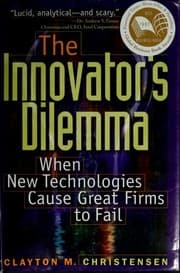
It probably will never be published in one of the books that future MBAs will read, but it's how we live and we breathe. Well, it's funny because it's actually already published in an MBA. One of the most famous of all time, which is disruptive innovation, which is like, if, as everybody is moving upscale to the bigger and bigger fishes, so to speak, that's where the competition becomes. If you can go the opposite direction and target the things that no one else is targeting, there's enormous opportunity. The question is, how do you execute on that?
Like, that's the challenge. And so I love your passion around it. I know that if you're focused on this every day, you're getting up early, like you're going to be successful at it. But that's the key is like, if everyone's going upstream and you're focused on these, you know, the small and like non-standard, no one else is looking at it, you know, forget about the 80-20 rule. Like, I love the passion.
That's awesome. Yeah. That, whoever wrote that must've been listening to the podcast. Clay Christensen. Yeah.
Anyway. No, no, I know. I actually, I know exactly. I've heard him on Altister's podcast before and he said that. And frankly, that is the big part of it.
I just, you know, man, I don't think, and you probably feel the same way. Like you're, there are other companies that have either started ahead of you or have, are in their fourth round of funding that are doing things that maybe not the same way, but are certainly if put into a box would categorize you around them. Right. And so you're fighting, you're, you're, you're fighting a fight. You know, you're, you're, you're the newcomer on the block.
And I think that, um, the worst thing that we can do, unless, unless your, your, your, your role is going to be to just simply out execute people, which is just as hard in my opinion, is to just be different is to literally look and say for better or for worse, that path is already way too worn for there to be a huge upside. It may be fall off a cliff if I go this way, but you know, at least I'll have a good story. Yeah. You know, my dad always said, Hey, Peter, there's music inside of you. You can't go to the grave without trying to get that music out.
And I feel like for me, success is maybe it's Maslow's hierarchy of needs. It's self-actualization. It's executing on my vision. I've always wanted to build something on my own. I've always wanted to challenge myself to execute on these ideas.
And, and that's what I'm doing with my company. And it's like the best thing I could possibly be doing. It's what I have to be doing. Yeah. I love that, man.
I'm so happy for you. I think that, I think that some people see, you know, men and women like yourself who are, who are trying to build something out of nothing. And, and, and, and, and, and people have said this about me. So maybe it's a, it's the same for you. Like there, it's not about like, like getting a huge exit or getting a great press release or, you know, being on the cover or whatever.
All those things are awesome. I'm not denying that in any way, all those things are amazing. It's like, it's like why you go to the gym, right? Like you're not going to, you know, it's just how good can I be? That's all really.
That's what rogue is rogue for me. And I get the same sense from you rogue for me is not how much I sell for. It's not how many policies, right? Although those things matter. It's, I want to know how good I can be so that someday when I hang them up, I can go, you know what, that's how good I was.
I couldn't have been any better. Like wherever that falls that, you know, wherever on the rankings of whatever that fall, that's as good as I can be. That's, that's all I want to know. It's like, I just want to see how good I can be. And I don't think you can, I think it is very difficult to find that out in most situations in which the buck doesn't stop with you.
I feel like that's the most compelling reason I'd want to do business with like rogue risk is like, if I'm an entrepreneur, I want to work with a person who looks at his business. He's like, how good can I be? It's not about the numbers. Although I track them because I have to know the numbers. I think for everybody else, we live in an M&A marketplace.
It's what's the EBITDA. Like, what's this? What's that? Like, what are the multiples? And it's at some point it's a numbers game.
And if I'm working with someone who's like, how good can I be? It's amazing. I love it. I love the passion. Dude, I appreciate you.
So where can people get at you guys go get the demo, check it out. Um, you know, I, I, I think that wonder right's doing awesome things. I know a ton of people that are in the space that have checked you guys out that were very enamored by what's going on. So, um, where can they get at you and where can they get a demo from wonder right? Yeah.
So connect with our sales team, um, go to wonder right.com W U N D E R I T E. You can call 888 wonder right. I know that one of the reasons you got rogue risk is because domains available and we've been kind of scrappy trying to find, you know, what domains, what phone numbers. That was a kind of a, a fun milestone for us recently. So you can call 888 wonder right.
Uh, you can go to our website, just hit request demo. Our sales guys are awesome. They're both insurance industry veterans. And so you'll be chatting with, uh, with peers and it'll be a lot of fun. Awesome, dude.
Appreciate you appreciate you coming on the show. Nothing but the best. Love it. Thanks Ryan. Close twice as many deals by this time next week.
Sound impossible. It's not with the one call close system. You'll stop chasing leads and start closing deals in one call. This is the exact method we use to close 1200 clients in under three years. during the pandemic, no fluff, no endless follow-ups, just results fast based in behavioral psychology and battle tested. The one call close system eliminates excuses and gets the prospect saying yes, more than you ever thought possible.
If you're ready to stop losing opportunities and start winning, visit masteroftheclosed.com. That's masteroftheclosed.com. Do it today. Positively here where he needs us most. Positively here where he needs us most.
They sure are. With step-by-step help on all his insurance needs, all for shockingly low rates. Shockingly low, huh? Just a little bit of electrician humor. Do you get it?
I got it. You know, it feels like we have a real connection. All right, I'll stop. Get a commercial auto insurance quote today at geico.com and see how much you could save. Get more with Geico.
If you like the show, please take a moment to rate, review, and subscribe. It really does help the show to grow. Thank you for listening. Happy holidays. Want to give your host a gift?
Consider subscribing, rating, and reviewing the show this holiday season. It really helps the show grow. From all of us at Believe, have a Merry Christmas, everyone. and a happy holiday.