Are these people here to help you do it your way, or you help them succeed? Your job is to be who they need you to be. And we teach so many tactical ways to improve the skill, but we don't teach the tactical way to improve the coaching of the skill. Let's go. Yeah.
Make it look, make it look, make it look easy. Ice. The Ryan Hanley Show shares the original ideas, habits, and mindsets of world-class original thinkers you can use to produce extraordinary results in your life and business. This is the way. Dude, super excited to have you on the show.
Blown away by your energy, your message. I pulled up my, my, uh, notes that I took in, uh, Apple Notes or whatever, uh, during your talk and, you know, the first thing that you said that really caught me that I would love for you to just, just why... Y- you spend a lot of time on this concept, and you said it I think two or three times, uh, in your keynote, was don't be lazy with your words. And I could tell that that was meaningful to you by the way you delivered your message and by the words that you used. And for you to say that three times throughout a keynote tells me that it's maybe a core value for you.
So one, I guess, is that true? And two, why does that message, why is that message so important for you to deliver to an audience? Because I think the, the easiest mode of communication we have is language. It, it is verbal words, right? We, we, we do podcasts 'cause we wanna have verbal conversations with each other, and as much as non-verbal cues are huge in terms of body energy, body language, whatnot, the most direct means of, of conveying a message is still language.
And I think a lot of us forget how important utilizing the correct words to convey the correct message is. And, and, and let's be honest, Ryan, for a lot of us, we don't even realize the words we're using, and I think that's the number one issue is, you know, I, I, I speak a lot on coaching and, and they haven't, they haven't learned, they haven't... You haven't taught until they've learned. So the message hasn't been conveyed until they've understood. Do y- are you choosing the appropriate words?
Do you even know the words you're using to convey the message? And are they the, the very best words possible to convey what you are really trying to communicate? And I don't think we give enough thought to that as, um, as leaders or as influ- we're all influencers, right? We're influencing the person we're talking to, and we all wanna be understood, right? I think that's one of, a basic human need is to be understood.
Are you, are you aware of the words you're choosing to convey the message you are trying to be understood through? And I, I, you know, I think if we all gave a little more care to that, there'd be a lot less, uh, miscommunication, a lot less lost in translation, and a lot more harmony between people in terms of partic- particularly on a team con- uh, you know, pursuing a similar like-minded mission. Because they really understand what we're here to do because you've chosen your words carefully. So I took what you said. So I coach, uh, 10-year-old baseball, uh, travel baseball, and, uh, I, I love, I love coaching.
I love coaching baseball. I love coaching in general. Um, you know, in, in truth, I may have missed my, my calling or, you know, what I could wake up every day and do and love. I do it now for my kids, but, uh, I just, I just love it. I love being around the game.
I love coaching. But I took, I took what you said during that keynote, and I brought it back to my coaching because I started to think about some of the kids that were struggling with adapting to some of the simple principles of hitting a baseball that you have to do, right? Like, there's a, there's a lot of... You know, people kind of think, well, you just swing the bat and you hit it, and there's some truth to that. But there are some, like, like all sports, there are some key aspects of a baseball swing that you have to perform in order to get consistency.
You just have to. There's, there's no getting around it. And if you look at every major leaguer, as much as they all may look different at the start, throughout the process of hitting a baseball, there are only two or three different styles in which you can do it consistently, and you kind of have to find one. Okay. All that being said, um, there's a, there's a few kids on the team that are athletic, that are, uh, that, that wanna get better, but they're struggling to, to adapt to these things.
And what I did after hearing your keynote was I started just asking them, like, simply, "Did what I say make sense to you? Like, what did you hear when I said that?" And ac- actually, that's how I framed it, and I think I took that from you as well. What did you just hear? And some of them would regurg- I could tell they were regurgitating what they thought they should say, and then some of them would be like, "I don't know."
And it was like a light bulb went off in my head. It was like, I have to change the way I'm speaking about what I'm trying to get them to do, 'cause I'm using terminology or something that is not connecting with them, because they're getting frustrated and I'm getting frustrated, and it's not for a lack of effort. Right. Yes. And, um, I can...
You know, and since I started asking them that, now I have a slightly different language profile for almost every kid on the team, because each kid hears a little differently. Different words resonate with them. So it's almost like for every individual player, I know I can use these set of words with them and these set of words, and I think that translates 100% to business. It translates to our family and our children and our spouse and, and all these things. And, um, that was an enormous takeaway for me, and just I c- I couldn't have been, uh...
You know, for me, an amazing value from the mastermind was, was getting that from you. Well, and I appreciate that, and, and I think when you spoke about you, you maybe missed your calling. Look, I, I coach high school sports and that is my love, but I'm in business and, and everything else. It's all coaching anyways. Yeah, yeah.
All we're doing is influencing, right? We're, we're trying to support the person we're, we're communicating with to improve whatever they're on their journey towards. Yeah. We're all helping each other. And a, a great point that you just threw back at me that I was taught by my great coach was your job is to be who they need you to be.
Yeah. And, and there you go. There, there is no universal this is how I coach. Yeah. Your job is to help them So before we get into specific languages, we have to understand who they are, um, you know, how do they learn, what's their comfort level, h- what's their understanding ability, and not...
Our job is to always adapt to them to help them grow. You force them to adapt to us, they'll quit, they'll be confused, they'll be frustrated. They won't, they won't keep bringing it because you're speaking a different language and you don't seem to care, right? And so that's number one. And then number two, to your point, Ryan, I love it.
It's not y- you weren't missing it because you didn't care and there wasn't effort. You just didn't have the skill base or understanding the importance of that skill base. Yeah. And I think we do too. You, you know, I'm sure you've been to coaching clinics, I've been to coaching clinics, and we teach so many tactical ways to improve the skill, but we don't teach the tactical way to improve the coaching of the skill.
Yeah. Right? We like, you know, and that's where the, that's where the gap between the recipe and how to cook the meal is different, right? And here's everything, but how do you convey it with the right words so they understand it- Yeah ... not so you understand it. I think you, you brought up a great point, bringing it back to them.
What did you hear? What did you learn? Can you... Now, now we want the older players to coach the younger players and watch them, how they coach. Are they conveying the message in a language that they've decided makes sense, and does it, is it seamless?
Because the words themselves can change as long as the meaning is precise and it, it makes sense to the person that's conveying it, right? Yeah. There, there's no best word. It's are you using the words that's going to convey your message best to that person? Yeah.
It's, and you see this in business all the time. You know, w- when I get messages from leaders or, you know, CEOs of companies and they're struggling with culture or a specific process or what- whatever their struggle is, um, a lot of times the core issue is they've believe they have a way and that everyone has to fall into that way, and if you are not that way, somehow you are wrong. And then they deal with constant and unending cultural issues from people. They're like, "You know, this person scored highly on this personality exam and I can't understand why they're not performing," and blah, blah, blah, blah, blah. And I'm like, well, you know, w- what do they want?
Like what do they want? What, what are they... You know what I mean? Like I sold insurance for eight years. I can't s- I was terrible at selling insurance the traditional way.
Cold calling at that time, just couldn't do it. Like it just mentally, I just, I would have literally a physical reaction. I've told this story before. I would reach down to pick up the phone to make a cold call and my hand would start shaking, right? Like I just couldn't, I couldn't get myself to do it.
But when I turned to digital, telling stories, answering questions, writing essays, describing, uh, claims scenarios, et cetera, and became a storyteller of insurance, my entire career changed. Yeah. Because that was the way for what at that time and specifically I needed to do this job. Now, what's funny is at that time, the, the leader of that agency discounted everything I wrote because I didn't bring it in the traditional way. You know, I was told, "We're hunters here.
We go out and club our food and drag it back." And I'm like, "But we're making money from these policies too." And it was like completely discounted and ultimately that was a big part of why I left. So it's what is that initial unwillingness of leaders or coaches, et cetera, to change? And is that something that, or maybe not is, is probably the wrong question.
How do, if I'm a leader who's listening to this who says, "Maybe I'm, maybe I am that guy. Maybe I am that gal who, who, who's being a little un- unyielding in process, uh, to the, to the person," how do they start to make that change? What's the first step down that path? I think it's a mindset shift to are these people here to help you do it your way or you help them succeed? My job as a leader is, like we talk about servant leadership and we throw these words around, right?
But, you know, traditional role of a coach, and, and we can get into semantics, coach, leader, they might be very a little bit different, but at the end of the day you're trying to help people get somewhere where they're not, right? We're trying to get to a place that we're not currently there. 'Cause if they're already there they don't need you. Yeah. And so, you know, a couple things. Uh, uh, in a collective group we have to define what that ends, what that end is, what winning is.
What, what is a win for us so we know we can measure are we actually- Are you tired of endless follow-ups and missed opportunities in your sales process? Chasing leads is a losing game. That's why I created the One Call Close system, a battle-tested sales system that uses behavioral psychology to close deals in just one call. No more, "Let me think about it," no more, "I'll get back to you." Using the One Call Close system, we took new reps from 25% close ratio to over 80% in just three months.
To grow fast you must close deals faster at zero extra marketing cost. The One Call Close system allows you and your reps to build trust, address pain points, all while watching your revenue skyrocket. Ready to stop chasing leads and start closing? Visit masteroftheclose.com today. Close twice as many deals this time next week.
Visit masteroftheclose.com to learn how. Getting somewhere and we can adapt and change and, you know, move on the, on the fly instead of just redundantly work harder, you know, go harder, all that nonsense. And then within that, what is a win for you, Ryan, within the scope of our bigger win? So here's the thing, I, and I think we've missed this in culture lately, where the old way was everyone's got to be the same. In the military way, we're just building robots here.
You're not important, the mission is. And now the new way is everybody's, everybody's journey is unique. And I think we need to remind ourselves when we talk about this word, you know, elite culture and whatnot and team culture, we have to have both where- People have to realize there's something bigger than their mission they're a part of. That gives people energy. You know, "I, I can't do this alone.
We're, we're all coming together to do something unbelievable," whatever that may be. And within that, there's a whole bunch of individuals that have unique talents, wants, skills, desires, strengths, weaknesses, whatever. And I think the great leaders are able to harness that human condition to wanna be a part of something bigger than themselves. So what is our big mission as a company, as a team? What's this huge target that we're gonna do no one's ever done?
Or what, what's our big win? And then the leaders understand that within that, each person is a unique individual. They all have strengths, weaknesses, different skill sets, different abilities. How can I help them have that autonomy of growth, personal growth, within the larger accomplishment of a group goal? And I think, you know, so many people go one way or the other with this, right?
Everybody's gotta be free to run their own journey. We find that, though, people need to be something bigger than themselves. Mm-hmm. But if it's just that, then they're just a cog in a machine and they get worn out. And so I think our job as a leader is how do you create the vision everybody gets excited about, and then give a damn about each individual person's growth, knowing how can you best contribute?
What are your skills? What are your enjoyments? How can we support you bringing your best to become your best so we do something that neither of, none of us could do alone? I think that is where real magic happens, and not enough l- leaders have that whole dichotomy of thought where it's about the mission, it's about the person. It's about the mission, and it's about achieving individual growth for each person to succeed the mission while they all become their own best in whatever they do.
Which, let's be clear, it's super hard. Yeah. That's why leadership is super hard. Lazy leadership is, "I'm the boss, you're gonna do what you're told." Or, I'm gonna be honest here, other lady, lazy leadership is, "Everybody's an individual.
Do whatever you want here." Mm. That's lazy, and I think people, if you go one of the two, you're always missing a gap in that human need. I need to become my best, but I need to be a part of something bigger than me, right? And then I think you harness that and you have something great, and that's gotta be intentional, it's gotta be thought through with, with, with your actions, but your words too.
You know, you know leaders gotta be salespeople, or they say they're dealers in hope, and there's gotta be hope that to- together we're gonna do something you don't believe is possible. And individually, you're gonna be something that you only dreamed you could be. And I'm gonna, I'm gonna, I'm gonna do everything I can to create an environment that's gonna facilitate that, and then we feed something bigger and that's difficult. Like, that's not easy. Yeah.
Yes. I, I think that lazy leaders mirror whatever feels like the safest path in the current societal, um, uh, uh, culture, right? Yes. So like, so, so it was '70s, '60s, '70s, '80s, how do, how do keep your job, how to protect your territory, how to make sure that you keep getting the three weeks off, and the, the bonus check, and the, the fancy trip at the end of the year with your family, was to hold everyone to this company process. Count your I's, dot your T's, and make sure everyone's doing everything exactly the same.
Right. That was how you kept safe. Then the culture kinda shifted in the 2000s and the, and the 2010s to this more, you know, kinda DEI, everyone equal outcome, everyone's a unique snowflake flower, everyone has these mental health issues if you push them. So what you do is you let everyone do whatever the hell they want- There you go ... and that way you are safe because you're saying y- you know, right now, you know, y- everyone's unique, everyone needs to be equal, you know? Even if she's terrible, you know, I need to make sure she's on the team.
And even though he never shows up for work, that's okay, he has mental health stuff. So, so you're, it's really you get these leaders who all they're trying to do is protect their status in the organization. That's what they're d- what they wake up, every do, is, "Don't make decisions that could get me fired. Don't manage in a way that is outside of the cultural norm because that will get me fired and get me questioned. So I just have to take whatever that path is that, that allows me to, to stay safe and keep my vice president title, or whatever's important to me."
And the last thing that, that these types of leaders, and unfortunately I feel like this tends to be more the norm, the last thing they're thinking about is, "How do I, what, where do I find that optimization? What's the innovative technology we can bring in? How do I get the most out of Sally or Johnny or Steve? Because if I push Steve and Steve goes to HR and says I'm pushing him too hard, I'm gonna get in trouble." Yeah.
Or, you know, and so what you're describing is an advanced leadership style that I think the people who think that way have... It's why I think we've seen this rush to entrepreneurship. I, I do, I do believe there's some of the sexiness and the social media side of it is part of it, but that tends to be more like the influencer entrepreneur. I'm talking about the real- Yeah ... developer-builder entrepreneur. I feel the reason that they have gone from, from building innovative products out of large companies like, like GE or IBM or whatever, now they're starting these companies 'cause they're, they're looking at that culture and saying, "I can't manage, lead, and grow in that environment, so I need to, to, to come here."
And, and, and I think that's a big impetus. That's why you see, for the most part, these incredible leaders that we hold up, oftentimes they're entrepreneurs. And I think it, it just, it, the only place that they can actually execute this advanced leadership style without fear of losing their ability to do their job is in an entrepreneurial setting. Do you think that's- It- What is that? Yeah.
Well, I think in the last 20 years we have moved to everything's, everything's a game of checkers now, right? Like, chess is an obsolete game because it takes too long. But we all know, you know, you can't build pyramids in a week. Yeah. So noth- nothing great will ever get achieved.
We just go round and round in circles trying to build the next shiny thing that falls apart two days later because the time it takes to build something great- Um, our, our culture doesn't have a stomach for it except for those rare individuals to say, "Yeah, you know, Amazon's losing money year after year in the '90s." He goes, "But I know what I'm doing here." And, and then this is where I think, you know, we, we have to get to a place where... Y- you spoke earlier and I, I... Let's be- let- let's just call it what it is, right?
It's not even lazy leadership. It's not leadership. That- Yeah, yeah ... that's being a boss. That, that, that's, that's protecting a title. And I think w- y- to your point, it's, it's fear, and to me, one of the probably the hallmark, again, choosing our words carefully, of leadership is courage.
Like, courage. And that takes tremendous courage to say, "This is the way I believe is correct. This is what everyone's doing. Not important. This is what I believe will work, and I will stress-test this over time."
And in public companies, large public companies, not gonna give you that time. Every quarter matters now. It's just checkers, right? Yeah. Shareholders want answers this week.
Sorry, we can't microwave a culture. Like, that is a... We can't microwave a great company. Y- you just can't do it, right? And, and you need time.
And I think to your point, entrepreneurship, if you have sole ownership or at least a very small group that says, "Guys, this is what we're here to do, and it's gonna take a long time, we're gonna do it right. Let's just stick with it," you can't do that if you're, if, if you have a boss that has a different agenda. L- let's be honest, public companies, what's their number one driving force? Shareholder value every quarter. Do you wanna do something great?
We just wanna have, make sure our, our, our numbers look good every quarter or we get in trouble. Yeah. Good luck. Good luck, right? So, you know, we spoke about this afterwards w- with baseball, and I coach football.
You know, how do you sit down your shareholders one day and go, "What really matters most?" They're gonna tell you, "Driving my profit." Everything else just looks nice, right? But... And that's what pisses employees and, and people off more where we say this, but we don't do it.
Yeah. Because, you know, that's when we talk about parents and sports. What matters most to your kids? And they're gonna say all the right things. Okay, then, 'cause w- we agree.
This is what we're actually gonna do. That takes a really long time. It's gonna be frustrating. It's gonna be really hard. It's not gonna look good tomorrow.
Um, we might lose a bunch of games in the g- 'Cause it's, it's one of those, you know, you know, to vertical jump, you gotta, you gotta bend, you gotta dip before you jump. People hate to dip. They wanna jump without bending. Yeah. And everyone wants to skip what matters most to get to what looks good in the end.
Hence social media influencers faking it. And, and we've been a sucker play to this. And leadership, as you said, again, I don't call it leadership, we've played safe because we need someone to work here, and nobody's interested in, in the long haul. Nobody's interested in, in, in greatness. Nobody's interested in mastery.
Everybody just wants to look good. Yeah. And, like, you have to find a leader that can sell that. How do we sell that to, to our, to our society today that what, what greatness really is, is making a, making a decision of who you wanna become as an individual person, regardless of any other influences that look cool? Where are we gonna go?
What's gonna be amazing? And then understanding that that road is really hard. Yeah. But it'll be awesome because at the end of the road, you will be, you will be more than proud that you did something because you, you, you needed to. You believed it was right, not because it looks cool tomorrow. 'Cause it's gonna be really hard.
And you gotta sell kids on this, too, right? It's gonna be really hard for a long time. You're gonna get laughed at, and you're gonna look silly, uh, because it's gonna be difficult and awkward 'cause we're pushing new ground. And, and as a leader, that's when you cheer harder. That's when you support harder.
You know, we gotta, we gotta change what we praise. We, we gotta change what we praise 'cause what gets praised gets repeated. Kids wanna be praised. Everybody wants to be praised. That's why they're posting their pictures on social media looking for likes.
Are we praising growth and development or are we praising fake and fla- fake and showboating, right? Yeah. And, and, and everybody is terrified of the now. Yeah. And they're not c- courageous enough to go, you know, what's that great line?
Who are you? The great line is, "Who are you becoming?" That's all I care about. You know, w- what's the work going towards? And everybody is playing a, an immediate checker game, and we've forgotten the, the grandmasters of chess, they see the long game.
Mm-hmm. And they have patience, and they have courage to have that patience when everyone else is terrified of what the world's gonna tell you right now about where you at. Where are you going is all that matters, but nobody wants to talk about that, and every kid wants the, you know, wants to be a star today. Everybody wants to be a millionaire before they're 19. They don't just wanna...
They don't make a decision of, "This is who we're becoming, and I'm gonna stick through this unless, unless we really... You know, we polish it and tweak it as we go, but we're not just, we're not just plugging in things so everything looks good." We wanna be... That's the difference. Do we wanna look good or wanna become good?
Yeah. There's a big, big difference, and we gotta sell that again, that that's what America was built on. You know, the great countries are built on people that had an idea, had a plan, and said, "This, this might take a long, long time. It might take forever, but we're, we'll get there." Yeah.
And that's what matters. We know where we're going. We're not interested in how it looks today. We know where we're going. And- And that's gotta get rewarded again.
I... Dude, I couldn't agree with you more. You know, and I'm not gonna... I'm gonna paraphrase the quote, but, you know, George Bernard Shaw, you know, "Only unreasonable change the world." Right.
It's, it's unreasonable today to say, "I'm going to give up playing golf. I'm gonna give up my hobbies, and what I'm gonna do is become really good at this thing that I wanna be really good at, that, that, that moves me, that allows me to provide for my family or whatev-" Like, I'm going to give up these things. Because what society says is, "Take, take a break. You deserve it. Angus, you worked hard this week, man.
Go get hammered on Friday, play golf on Saturday." It's all good. It's all good. You know, just, just, yeah, it's all, you know, whatever. It's all good, man.
Like, hey, this is what you do. You, you earned it. You deserve... And it's like, yeah, but I'm not getting better. Like, you're...
And it's not that we shouldn't take breaks and not that we all don't need to, to make sure that we're taking care of ourselves. That's not what I'm saying. But I look at, you know, I... There's guys that I love in the insurance industry that are still in their 30s that play golf every Friday. And I'm like, "That's awesome.
How much better could you be at what you do if, you know, and in your 30s you weren't playing golf every Friday- Right ... you were taking that day?" 'Cause, you know, how many, what are you w- you, what are you losing? 25, 30 work days a year- That's a, quite- ... to play golf? Which is amazing- Yeah ... and I know it makes you happy, but are you gonna be a pro? Are you becoming a m- Like, are you working at it? Like, what, what is the goal of that?
And, and, you know, you raise a good point there. Um, you know- There's happy and there's, there, there's fulfilled, right? Yeah. And, and, and happy is that distractionary process which we do need. Well, listen- Yeah ... the, the, you need the momentary happiness.
Uh, you know, have it sparingly, but if you build your life around being happy, all you're gonna do is fill yourself with distractions. Yeah. 'Cause fulfillment requires tremendous work, where, where, where, you know, down at the end of the road you became what you chose to become. You didn't just, you weren't happy because you were eating ice cream all day and watching fun movies. Like, if that becomes your life, uh, you become the product of enjoying someone else's hard work. Yeah. 'Cause ev- all that ice cream, all those movies were made by people that sat down and worked their butt off so someone else could have happiness.
I wanna create something that gives someone happiness, but my happiness, my, my fulfillment is in the creation. And y- you're right, Ryan, and, but the question to your buddy is that, you know, again, we gotta, in the personal level, we gotta redefine what success is. They're doing, they're making a bunch of money. Are they playing golf? Is this really what they really wanted to do, become insurance, or was it just a way to make some money, do well?
And I think that's where a midlife crisis kicks in too, right? You, you got the millions of dollars, you got the car, and you're like, "I don't even like who I am," because I never sat down and go, "What do I have the courage to wanna become that I just never told my buddies 'cause I'd get laughed at?" But I did what I'm supposed to do. I got pretty good at it. I got all the cool clothes now.
We go on trips. But they, there's that inner lack of fulfillment because they didn't have courage to go, "This is what I really wanted to do." But- Yeah ... you know, that, that takes risk. Okay. Guess what else is risky?
Living. Like, you're already, y- you know, you're already risking everything. You could lose it at any moment, and, and that's, that's a, it takes a real leader, a real parent too to not, not tell people what they should become because it, it, it, it answers society's question of winning. What do you wanna do? Yeah.
Oh, that's crazy. Good. Good. Yeah. Then let's go do it, because that's gonna give you fulfillment.
Are we gonna get there? Even doing it, you're there. Like, you know, we, we are in the doing. We're not at... You know, and you and I know too, real fulfillment is very rarely i- in, in the actual winning.
Talk to any great athlete, right? They win the game, it's anticlimactic. They win the championship, most of the time it's anticlimactic. There's the moment of, "We did it," but w- where was the joy? All the work.
Yeah. That's 'cause that's who they are. They're, they're- Yeah ... they're, they're living them, and winning is kind of a w- it's, it's a fulfillment of a reminder of what, what you already know. You, you, you, the, I wanna get back to work tomorrow because it's who I am. Yeah.
It's funny, um, you know, people talk about Tom Brady, they, the, the, he won, they won, I can't remember which Super Bowl it was, wins the Super Bowl and the next morning he's back at the facility throwing passes to the wide receivers. And like, I think one of the, and the story was around one of the major wide receivers on the team didn't show up and, you know, whatever, he's throwing to rookies. And they're like, "What is Tom Brady doing the day after winning the Super Bowl throwing passes to rookies?" And like, because he's fucking Tom Brady. It's what he loves to do.
Like, this is how he got here. Like- It's who he is. It's who he is. Yeah. Like, you ask...
Uh, there was a great clip, um, uh, Belichick was on ESPN the other day breaking down, uh, so- some rookie quarterback and then, uh, the, the, one of the other hosts asked him, you know, "What, what was it like when Tom Brady was a rookie?" And he said, "I didn't know he would be as good as he became, but I knew he was gonna be special." And the follow-up question is obviously why. And he said, "Because the first day that he could show up to mini camp, he was at mini camp, he had the entire offensive rookie structure organized, running plays and throwing passes without any coaches on the field." Right.
Like, like, before anyone's there, he's already got 'em all organized and doing things. And like, he just, he's like, "No one had ever done that before. No one had ever just grabbed all the rookies and said, 'Here's what we're doing.'" Like, before the coaches gave him direction. And he said that, that never changed.
He's like, "That literally never changed throughout his career." And you think, like, the only Super Bowl he ever celebrated I think was the last one, where like, you know, they got the clips of him- Yeah ... getting a little tipsy on the thing, and it's like, great. Like, great. You're 44 years old. I'm glad you enjoyed one.
But to get to enjoy that last one that he, you could tell, you know, he, you could tell he was savoring that Super Bowl. But to get there, he had all that work, and that's the part that is so hard to teach people, and I, and I just... I, I give you one anecdote. I, I was talking to my... So my son loves to pitch, loves to pitch.
He's 10 years old. The number of guys I've seen in my career who threw a ton of pitches at 10 who never made it to 13s as a pitcher, it, I, I mean, I couldn't, it, dozens. Dozens and dozens of kids. Because what happens is they, they, once you're labeled as a pitcher, they use you up and you throw and throw and throw, your arm is not ready for that kind of action, and they're throwing as hard as they possibly can. And to put that amount of stress on your arm at that age is d- it's a, nobody comes back from that.
It's why you, that's why there's, I think there's only been one kid who's ever pitched in the Little League World Series who's ever made it to the pros. Ryan- Right? ... Ryan, it's almost, it's almost child abuse. Yes. Yeah.
I mean, you're, you're destroying a, you're destroying a young person's body purposely. Yes. Knowing, knowingly. Yes. Knowingly.
You know what you're doing to this kid. So I, how I taught him is I said, "Okay, if you love pitching," which he does, I said, "That's great." I go, "We're not gonna do it like other people do it." And he said, "Okay." And, and thankfully he's a, the kind of kid who will actually listen to his dad and not just do the opposite- There you go ... of everything I say.
So what I said was, "We're gonna focus on location first, then we're gonna focus on movement, and then five years from now, we're gonna focus on velocity." Yeah. "But if you have location and movement, you're Greg Maddux, right? If you have location, movement, and velocity, you're Nolan Ryan. So let's, let's, let's think through this in a positive way."
So he has never, he, he was always considered a soft tosser, and he was on the A team for his squad and, um, he was, got tons of results, but he didn't throw hard. So the head coach of that team dropped him down to the B team because he wasn't a hard thrower. Well now, a year later, 9 to 10- The kid can throw a cutter, a two-seamer, and a change-up that are almost unhittable, and he still probably only throws, you know, he probably throws seven to eight miles an hour slower than the average top level pitcher, and he's n- he's never maxing his arm. I don't think he's ever even thrown a max pitch in his entire career as a pitcher, and it's like, and, and I look at it and I'm like... And I'm not trying to say, whatever, who knows what he'll become.
I'm not, that doesn't matter. But my point is like, to not think of developing ourselves for outcomes that are gonna happen six months, 12 months, three years, five years, 10 years from now. To just think right now I'm gonna max pressure myself in this situation for a short term outcome that's gonna get me some limited amount of praise. Yeah. I cannot wrap my head around that idea, regardless of the situation or where you are in your life.
Well, I think y- y- you hit on a very good word there. I, I'm always looking for the keywords of the phrase and, and it's develop, right? We, we don't develop anymore. We, we just, we just live the world of attrition. Throw people in a blender and the ones that can survive it, that's our winner.
Yeah. They did that in the military 100 years ago. Didn't we learn better? It's just like, let's throw 200 people in there, crush them all. Whoever's left, they're the best.
They're just the ones that made it through 'cause of luck or who knows why. Yeah. You know, and, and we, we... 'Cause I think the downside again is leadership i- is the courage to take the time that it really takes. And, and, and society's putting pressure on people to microwave everything, and, and microwaves never made a good tasting meal. Like, that- ... it, it, it's the, it's the worst, you know, w- who, who wants a microwave brisket, right?
Like, bris- you just can't do that nonsense, but we do it all the time. And I, you know, I, I, I, the strength training world and I, one of my great mentors in the strength and conditioning world always said, "Never add load to dysfunction. Never add speed to dysfunction." So, what's first? Function.
Yeah. Teach kids how to, how to, how to do things right, then we can speed it up, and then you can throw the ball faster. Then you can add load. You can add weight to the barbell. But just start loading weight on the squats before they even know how to do it, and that takes a long time- Yeah ... to learn those patterns, to, to develop.
And, and people don't give the time it takes. That's why I think today's world, um, we, we're lacking mastery. There's not so many masters anymore. Some Steve Jobs that just say, "Listen, I am gonna... I don't give a damn about anything else than what I've chosen to become the greatest ever at, at making."
We're, we're, we're gonna isolate one thing because to oth- to people, they think that's too risky. And I think it's too risky not to, just to become like either rush everything or avoid trying anything 'cause it's all hard. Good luck with that. But yet- Yeah ... the, as you said before, the world's okay with that. Don't worry about it.
Like, why are you working so hard? To, to, to choose something to say, "I am going to put everything I have into becoming the best ever, but I'm also not gonna rush it. I'm gonna do it correctly." Yeah. In- instead of, and that's why the danger in the sports world is high school coaches go to professional sports clinics and they, and they plug in the San Francisco 49ers drills and offensive systems to their 12-year-olds.
What are you guys doing? Like, we, we, we, we, we, we look at the end and then we start with the end. No. This is a really, really long road. And, and, and my analogy, which is maybe not good, is as a coach, I'm looking to try to how do I make the perfect omelet without cracking all the eggs?
I don't want to break o- I don't want broken eggs to have a perfect omelet. And is that impossible? I don't know. But w- but i- i- you gotta find a way to make that perfect outcome without destroying everyone and finding out who's left. Yeah.
And you have broken people that have, they think they have memories of fun times when coaches beat the hell out of us all day long. Say, "No, w- we're gonna teach you how to do something really well. We'll layer it, we'll stagger it. We'll do all the great coaching information on how to build neural pathways so it's good without burning you out so you can do it for a really long time at a really high level." Yeah.
And, and, and that takes tremendous courage, and I think you can transfer that to business. Families, you know, like, you know, people wake up at, with their kids at 17, "Why don't, why don't, why did my kid ever talk to me?" Did you layer that throughout your entire day since they were seven years old, having conversations, basing easy conversations to harder conversations so you normalize an activity? So you built the foundations of, of, of, of function, so when it got difficult and fast and challenging, the foundations were there and you add difficulty. Or when it got really hard did we start, you know, d- d- when you're in 18, do you go, "We better start squatting 'cause you've never done it before.
Better put 400 pounds on 'cause you got a heavy." The function had to be built five, seven, eight, 10 years earlier. Yeah. Then when life got hard and heavy, you have the stability to be able to add the stressors of life. We don't do that.
We just throw them in the top end and hope to teach them all the techniques at the same time, and we get, we wonder why doesn't it work. Uh, that takes thinking. That, that's what leaders have to do, right? What is your grand plan for your family? What is your grand plan for your business?
What is your grand plan for your, for your team? How do we start right so we can end right instead of make it up as we go and we'll just throw things in when it's needed? It's, what do they say? Always be, always be ready so you don't have to get ready, right? When the load's heavy, the form already better be ready.
It's too late, but people do it all the time. They wait till they have to teach it and they shove it in. It's too late. Yeah. It's too late at that point, and that takes a tremendous amount of thinking instead of, you know, you said earlier, Ryan, about the, the bosses that are scared about, they try to be really good at the status quo.
Let's just get really good at what people are doing. What do you wanna do? What's it gonna take? How do you... You can't water your, your, your, your, your garden a year's worth of watering in a day.
You have to do the appropriate dosage every single day, or you'll drown them or they'll dry out. You can't just take a year's worth and dump it in and go, "That's the watering system." Like, we do these offsite strat planning meetings. We'll throw all these great ideas. But then no, that has to be every single day watered, and then it becomes real.
Yeah. Yeah. You don't just random things that does. These crazy boot camps we go away of and do crazy physical activities two weeks, and then for the next six months we do nothing. Like, it, it, it doesn't work that way.
It's what does it matter? What does the daily dose look like? Not too much, not too little. We don't count a kid throwing 500 pitches a day. You're gonna kill the kid.
Yeah. Baseball can't throw forever. So, how do we do something that is, a great strength coach told me this a long time ago- You know, what is the greatest lifting workout you can do for your program? Well, what's required, but what is sustainable that you can do for decades, decades, and that it'll keep moving you forward? And so the real, the real word I always use, Itch, is people always wanna, like, in the lifting world, I train a whole bunch of high school kids, we don't max out hardly ever.
Once in a while only if they feel it. We're always nudging, the g- the nudge, or that, that comfort zone push, right? Like you said, I can't throw the w- world at you before you're prepared for it, and we can't do it too often. Stress is great, but daily stress kills you, right? Yeah.
So there's a reason we only play football once a week. I said, "You can't play a game six times a week and then weigh your meter. There's nothing left." But we gotta nudge, we gotta nudge. So we're, we're always trying to build up your 85%.
We're trying to build your 85%. Yeah. Once in a while, the world's gonna throw 100 at you. Game day, craziness. You can crank it up, and then we nudge again.
At 85, make that 87, make that 84, make that 88, make... And then you get periodically tested. We need those. Boom, bring it, then we dial back again. We can't live all here and we can't live all here.
And, and, and, and, and, and too many people, type As, we gotta be careful, right? We go pedal to metal every single day and we burn out. So it's about being, always upping our 85%, challenging it here and there, pulling back, making 85% feel like 80%. So we're really, we're nudging. We're nudging up our really good and then randomly getting tested at max.
Yeah. Pulling back, making really good better and better and better and better. Uh, that's hard for a competitor. I mean, I find it harder to work for, with competitors than people that aren't, because people that aren't, a little bit challenges them to the world. Competitors, I was told again by a great coach a long time ago, he said, "Angus, you have a great one.
When your job as a coach is hold them back." Yeah. You shouldn't demot- you don't have to motivate the great ones. Yeah. You gotta regulate.
You gotta regulate the great ones. 'Cause they're gonna give 120% every day, they're gonna die. And like, my job is to, to teach you the greatest discipline in life when you're super type A, is to say, "No more now." Why? Because that's the best for tomorrow. Like, a guy goes, "I got one more rep in me."
"Save it for the n- save it for tomorrow." "What do you mean?" "Bring it tomorrow. 'Cause if you max it, I'll tell you, you tear something today, tomorrow might be over." That's really difficult. Yeah.
But I live in that high achiever world and w- you know, we talk about regulating more than motivating. I, I gotta regulate 'cause you, you... Every day's game day. Can't play a game every day, you'll die. But, uh, the rest of the world, h- it's shocking what 2% more will do for them.
Yeah. But the high achievers, it, it's about regulating the arousal level because there's a burnout there too. So again, a leader is be who they need you to be. Some people need a kick in the ass, some people need a pat on the shoulder. Yeah.
Some people need to reminded they're, they're, th- they... Some people work so hard because they don't think they're enough, they gotta be reminded they are. And some people need to be reminded, hey, is it, is this your very... Two, two of the greatest questions I, I, I thought I can ask an employee, "Was that your very best?" Let them sit on it.
Just, "Was that your..." I, 'cause I don't know. "Was that your v- " And if they go, "That," you know. It was, all I c- "Was that your very best? Are you really, really proud of what you put out today?"
Let them think on that. Yeah. P- that, that beats people up inside later on that day too, because at the end of the day, you can cheat the scoreboard, you can cheat, you can win salesman of the week. Was that your very best? You can think on that.
Are y- and are you okay living life knowing you had to challenge yourself with that question? Are you proud of it? And if you are, then I think that's great. Yeah. Only you know.
I don't know. I can grade you 10 out of 10 'cause you, you beat the test. Are you proud of it? I want, I, and I want someone to know I did my best in life and I'm really proud of what I did t- that. Yeah.
I think, I think that there's no bigger win than that. Yeah, I love that. And, and I found, again, in, in my own maturation as a leader, that questions are more powerful than statements- Exactly ... 100 out of 100 times. Exactly.
The right question has exponential impact on the mindset, performance, attitude of a team member. And that whether you're coaching or you're, or you're, you're, uh, it's a business team, doesn't matter. Community organization, not-for-profit board, doesn't matter. Your, your, your, your family, your children. Like, the right question moves them because they're the ones that have to answer it.
Yeah. When you just tell them, it's, it's... You know, so I, and I, and I hate that I keep coming back to my own kid, but, uh, we're in the middle of, uh, tournament season, so we're on the field a lot. Um, the other day, he threw, uh, nine inn- nine pitches, three outs. The b- all three of the hitters hit the ball, but got out, and he came off the field and he didn't...
Normally he bounds off the field, he's got a big smile on his face, and I was like, "What's up?" And he's like, "I didn't have it today." Like, I just... He's like, "I, I, it's like my arm," you know, whatever, "I just, I just didn't have it." I go, "Bro, you just threw nine pitches and got three outs on three so- on two soft ground balls and a pop out to second base."
And he kinda looked at me, and I go, I go, "Was..." You know, I, I said, like, "Do you realize how hard it is for a 10-year-old to get three outs on nine pitches- ... when they don't have their best?" Yes. And he was like, he kinda looked at me, and I go, "That's how you know you're getting better." Yes.
I go, "Because what you did was make it work with the best you had that day." Yeah. That's the goal. Yeah. Because, you know, how many, I mean, how many times you l- you look at, look at freaking Jordan.
You know? 103 fever, right? Incredible game, but was it his best game ever? Probably not, 'cause he's got a freaking 103-degree fever. But it was the best he could give, right?
When you, if, if you can show up, and I think this is something that, and I know even myself, right? I'm a competitor, so I'm, I'm probably that person you, you would have to down regulate, uh, you know? But, um, g- getting a team member to understand, s- like, so take a, take a sales team, right? You'll get, you'll get, you'll have a week where you just don't put points on the board. Yeah.
For whatever reason, you just don't put points on the board, and all of a sudden they show up on Friday and their head is down or they're moody or they're not talking to anybody, and you're like, "What's going on?" "Ah, I just..." You know, it, it... Are you giving your best in those moments on those calls? Yeah.
"Yes. I'm doing the pitch. I'm working them." Bro, that's the game, because as the universe works- It's gonna swing back around and you're gonna have a week where you're absolutely gonna dominate and you're not gonna understand why either, because we can't. It's are you showing up the best version of you for that day that you have and, and, and that's it.
It- you're gonna have days where you're 110%, you're gonna have days where you're 60%. But if it's, if you, if the best you can give that day is 60% of your max just p- for whatever reason- That's your best. That, that, that's your best ... that's your best. Yeah. That's your best.
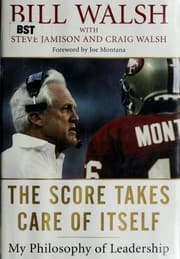
And, and, you know, we talked about that a- at the mastermind where, you know, nobody can stop you from bringing your best, and there is no better than your best, and your best is, is, is, is highly subjective to that moment given all the variables, right? And, and I think again, we spoke at the beginning of the talk about language and, and, and one of the roles of leadership is to utilize language to shape, uh, w- what people view as success. We can, we can make winning anything we want if we're leading a culture, through our words and then actually what we reward through body language, behavior, and response to after the issue, right? So we talked about, you know, we, we have targets and whatnot, but that can't be what matters above everything else because, you know, as, as Bill Walsh said in his great book, The Score Takes Care of Itself, um, we live- we, we, we do things to the best of our ability throughout, throughout every activity we can. That numbers will be fine.
It's not gonna be... But every, and you can't win every single game. You lose games. That's fine. We, we feed what matters most through, through describing it, talking about it, and then actually rewarding it appropriately and reminding them of it.
That'll always be fine. We're, we'll max out what we're capable of, and what's wrong with... There's nothing we can do more than that anyways. And, you know, I always say my, my role as a coach is to help you become the best version of yourself. Look, we're trying to win a championship, 100%.
Yeah. But the end goal is to maximize you kids as, as people, that you know what you're, what you're actually capable of in this world. And the probability is we are, we are good enough players, we're, we're probably gonna compete for that championship too and that, that's always an external marker. It's just a marker. It's an, it's another, it's another, uh, um, measurable that we can use, but it's not the end goal, right?
And again, leaders, parents, influencers, we have to, we have to over message that because they're wired to think the other way. So to unwire, you can't meet one with one. You gotta meet one with like 10. Yeah. 10 to one discussions.
You, you gotta overpraise the stuff that they don't think matters- Mm-hmm ... because they're too hardwired to not think it's important. So we gotta, we gotta triple, quadruple, five times down on that stuff. And again, that's a leader realizing be what they, be what they need. They need this- Yeah ... because they're not getting it anywhere else. And they're actually gonna listen to you.
So if you run a company or you're a coach, they listen to you. They, they're waiting for you to think, "Am I good? Am I bad?" And we can focus on them good because... And they start, you know.
You tell somebody things enough times, guess what, Ryan? They'll probably start to believe you. You tell someone they suck enough times, they're gonna start believe you. You tell someone they're getting somewhere and show them the work they're doing, they'll start to believe you. But it takes a lot of repetition 'cause they're conditioned to think, "I'm a loser because we lost."
No, you lost. It doesn't make you a loser. Those are very different statements. Be very careful lumping them together. Yeah.
Right? And kids need to know that. You're a winner because of what you brought to the table. We lost the game. That's fine.
And we'll go out tomorrow, we'll try to win the next one. It's all good. But we're gonna focus on what you can control. That, that's, at the end of the day, right, what can you, what's in your locus of control- Yeah ... is, is where your mind's at, where your focus is at, and the energy level you bring, uh, to what you've decided to do. I, and I think probably the hardest thing in the today's world is, uh, focus, right?
How do we teach people to go put it away and just dive deep? Yeah. Dive deep right now. Uh, we have to model that. You can't coach with your phone out.
Sorry. The kids- Yeah ... see what we're doing. Like, you can't stress something that you're not, you, you, you, you can't coach something you're not willing to model. Uh- Yeah ... we gotta remind that, right? Um, but I, I think, I think there's a, there's a huge upside, there's a massive void needed for good leadership.
And again, I don't think it's hard, but, but, but it's tremendous courage to do. Like, not hard in terms of complex. Change my word. I don't think it's complicated. It can be, but I think all it means is pulling back going, "What are we really trying to achieve?"
Yeah. What are you re- And then, and then walk backwards is how do you get there? Well, it's gonna take a long time. That's fine. Like, don't take shortcuts.
Don't- Yeah ... life hack culture, leadership, your big word there. You can't life hack development. Yeah. You can't do it. Everybody wants the, the, the quick camp, the, the, the, the, you know, the, the, the, 20 pounds lost in five weeks so you can gain 30 pounds later.
E- e- every pull one direction's gonna have a snap back in the other. It's nudging along is, enables it to etch it and stay, etch it and stay so we don't- Yeah ... slip back, right? Yeah. I just had this conversation w- with, um, with both my kids the other day. Uh, we were talking about, we, it started about baseball and then it, then it went to school and then we were talking about, uh, they started talking about careers that they wanted and stuff and, um, and they said, "Well, what do you think?"
And I said, "I think you should pick whatever is the hardest." And they said, and they kind of looked at me and I said, "Look, nothing..." And I s- And, and I know this is cliche for this audience and adults, but for these kids it's like mind-blowing, right? 'Cause it, 'cause no- we don't talk to our children like they're real people. Yeah. We talk to them like they're idiots.
Yes. And it's like I literally, the same conversation I'm having you right now, I have with my 10 and my eight-year-old. I, I maybe unfortunately, people can judge me if they want, but, but, you know, sometimes I curse. You know, I talk to them like real human beings. Right.
And what I said to them was, "Guys, a lesson I had to learn that, that wasn't taught to me when I was your age is that nothing that has any meaning in this world is easy." Yeah. "It will look easy to others at times who haven't put the work in that you've put in, but it will never be easy for you." Yeah. Right?
"So you have to pick the paths where, where difficulty, obstacles, challenges, pain..." You know, and I, and I try to bring things back 'cause obviously this is their world right now is baseball. I'm like- My, my son is the starting shortstop, and he loves playing shortstop. And, uh, sometimes on hard-hit balls, he'll, you know, still kind of react- Yeah ... you know, kind of out of fear. And I said, "You told me that you want to be the starting shortstop on this team.
That's your goal, not mine. I don't care what you do. I'm your dad. If you told me you wanted to be a ballerina, I'd drive you to fucking ballerina practice." Yeah.
"I don't care. I don't care what you do. You're my kid. I love you." I'm, I'm the same way.
You- Yeah. Yeah. You told me you want to be the starting shortstop. What I'm telling you is you have to accept the pain of getting hit with the ball. Yeah.
It's p- if you want to be a good shortstop, you need to know that regardless of how good you are, all the way up to Derek Jeter and Ozzie Smith got hit with baseballs, uh, got hit with grounders. They got hit. And guess what? Even at 33, it still was painful to Derek Jeter when he got- Well, well guess what? What?
Guess what? They come, they come at you harder. The- Yes ... the harder you get, the harder that reality becomes- Right ... so the better you need to become. Yeah. So- And the only way to get better is to get in front of it and do it ... accept the pain- Yeah, yeah ... choose a hard path, and follow that, because any time anyone presents you with an easy path, it's a trap.
Yeah. And, like, I could see them mulling it over, and then they asked me about the trap piece, and I said, they, you know, they said, "What do you mean a trap?" And I said, "When someone presents you with an easy path, a life hack- Yeah ... seven ways to lose 50 pounds in a month or whatever- Million dollars in a week- Yeah ... with no sweat. Yeah, yeah, yeah ... they're selling you something. Uh-huh.
You are the mark. Yeah. You're the, the thing they're selling. Yeah. It is, you are not, that is not something that's going to improve your life.
No. There is nothing in life, 43 years old, right, people are, everyone feels nothing in my life that I can sit here and say that I'm proud of was easy. Literally nothing. Yeah. And I said, "The two of you are the case study."
Yeah. Being a parent for children is the hardest frigging thing you're gonna do in life. Yeah. It's, but it's the thing I'm the most proud of is the two of you. Yeah.
But it's freaking hard, you know what I mean? Right. And, uh, you know, they mulled that over, and then, uh, you know, I could tell and, and that that kind of hit them. And, and we'll see where that comes out. That's a recent conversation we had.
But I feel like, you know, two, two things, and then I, I have one very specific question I want to ask you before we're done. But, um, I feel like, one, in general, we're all way too self-oriented. It's what leads to lazy leadership. It what leads to shitty parenting. It's what leads to really all the things that we end up disliking about our life- Right ... oftentimes are a result of self-orientation.
Yeah. Versus thinking about the community, my family, the company, the team, whatever it is. Instead of focusing on our contribution to that bigger enterprise that y- that you described at the beginning of the podcast, we self-orient because that gets us pleasure now, and therefore, that leads to long-term ramifications. We refuse to have hard conversations. Yep.
We refuse to have hard conversations. We, we want to gloss over things and TikTok everything, you know, the, the cheeky way, or we're gonna be pessimistic or sarcastic or, you know, try to, try to downplay something because we don't want to have the hard conversation- Yeah ... that's gonna create growth. Yep. And, uh, you know, the last thing, if, if, if we're following and, and, and, if we're following best practices, we will never be a master. No.
We'll never be a master. If we- You're a follower ... people, people, people push back on me about this all the time- Yeah ... and I'll say this in my keynotes. I'm like, it's, it's perfectly fine to read and know what the best practices are. Mm-hmm. But if you are running your business on best practices, guess what?
Everybody knows how to beat you. Yeah. Everybody. Everybody knows how to beat you. Yeah.
Because you are not approaching each situation with an open mind and, and, and iterating and navigating through the waters that are presented to you. You're just trying to plow through with the Titanic- Yeah ... because you think you have the answer to all things. Mm-hmm. And, uh, I just, I, I had to share that with you mostly because you just, you're, you got me all jacked up, but I, I- ... I, I couldn't, I couldn't agree more with, with what you're saying and, and where we're going here.
No, I, I think you touched on some, some, some major things there where, uh, you know, we, we haven't developed the skill of having hard conversations because kids now don't look at each other when they talk, and adults don't either. So we'd rather text a breakup, text a firing, text a difficult conversation than look people in the eye. That's a skill set that we have removed from society, uh, that we need to bring back in some form or the other, whether it be public debates, whether it be more sports where they're actually playing face-to-face conversationally dealing with things. Whatever it may be, that's a skill set, and skills get lost if they're not, if they're not worked on. They're gone, right?
They're not inherent. They need to be trained. Uh, what I loved, uh, I, I took some notes here about, uh, how selfish we are. People talk about being self-aware so much. I think we need to be a lot more people aware.
Um, think m- think less, you know, think more about what can you bring to the people around you more than how can I improve my life? Improve it by doing things for people. Like, we're, we're a very mirror culture. We need to be more of a window culture. We love to stare in the mirror and go, "Look at me."
I want to look out the window and go, "What's out there? What can I, how can I make this world better?" Uh, we want to stare at ourselves and make ourselves better, and that's all egocentric stuff, okay? You want to make yourself better? Open the win- uh, move the mirror aside, look out the window.
How can I make that better? And you become better. It's, it's, it's, it's, it's a very nice way to do it. Um, I think, you know, you talked a little bit, too, about, uh, the, the, the, the trap. Um, I, I, I bring that back to, uh, don't chase happiness, chase fulfillment, right?
Mm. Happiness is, you know, don't, don't worry about the, the get quick, get rich quick. Just go eat ice cream and you'll be happier, too. It's fine. At least you got enjoyment of something.
Fulfillment is, is in the hard, is in the difficult, right? It is in the growth. Nobody grows when they're happy. Nobody. And nobody improves without growth, so there you go, right?
You wanna become better than you were tomorrow, it's not gonna happen when you're happy. Sorry, it just will not. Those are those micro breaks you take to just give yourself a breath to get back to the growth curve of things. Um, and I, I, I think when you talk too about following best practices, you know, I, I, I... Forgive me, I can't remember who the quote was from, um, but it's, it's, it's learn, learn, study, and understand all the rules, and then you can go break them.
Yeah. So don't be reckless. Know, know foundationally how we got to here- Yeah ... so you can go to the next level first. Otherwise, um, you know, there's a difference between just, just being a, a, someone that just likes to cause chaos and doesn't really know, they're just a shit disturber, or someone that's actually gonna improve life. So, so you should know where we got to this place with the rules and the best practices so you can understand it to a level going, "Okay, here's the next leg up then.
We're gonna, we're, we're gonna shake it up by going here." Otherwise you're just reckless, and you might even be going backwards without realizing. So I think there's a, a case to knowing your history so you can create the next level of history- Yeah ... instead of just, you know, instead of just mimicking it. You should know it because there, there's a lot to learn, so you can take that and go, "All right, let's go here with it then." I think the great Morpheus said it best, "There's a difference between knowing the path and walking the path."
100%, buddy. Yeah. 100%. Like, I can, I can tell you, I can tell you that, uh, that, that, that ice water out there is minus 20 degrees, but I'll go out and jump in it living. I, I know what that means.
Yeah. Yeah. A lot of people study a lot of things, right? There, there's those professors and teachers that study things that I've never done in the world. Not saying they can't teach it, but there is a different level, what is it?
Knowledge versus wisdom- Yeah ... too, right? Yeah. Knowledge versus wisdom. And, and, and, and confidence, I hate to say it, comes from the wisdom. Yeah.
Knowledge means you can parrot out a bunch of stuff. You memorized a bunch of things. That cracks under reality. You know, it's, it's... I've, I've talked about my kids more on this show than I ever have before, but my son said to me the other day, he goes, "Dad, I think I wanna go to business school."
And I had this, like, visceral reaction. I go, "Fuck that." I go, "What do you want-- why do you wanna learn from a bunch of stodgy, old guys that have never done anything?" I go, "Go start a company." Yeah.
I go- 100% ... "If you wanna start a company, I'll start a com- I'll help you start a company right now. What do you wanna do? Sell baseball cards? Start a YouTube channel?
Yeah. I don't care what you do." I go, "But you're not gonna learn anything from them." No. "You gotta go do it."
You gotta go- "You gotta go get your ass kicked." You, there's no- I go- There's no- ... "How do you get better at baseball? You strike out 10 times-" Yeah ... "and you start to figure it out."
I go, "This is life, man." I go, "Go, don't... Hey, if it makes perfect sense for your life, that's great, but don't make your goal having someone else preached to you about what you should be doing. Go figure it the fuck out for yourself." Yeah.
There's no better learning curve. There's no, there's no more sticky learning than the active learn- I heard Jerry Seinfeld say the other day, he goes, he got, he got asked to teach a, a comedy class. He walked in the first day, he goes, "You guys already have no chance. You're coming to school to learn to do this? You get out there in the clubs and just get your ass kicked and get better."
Fine, like we... Well, you know, like in there's, there's, there's that, right? I mean, there, there's, there's learning by doing, and that pe- you know, I, I ha- I don't wanna go off and say something inappropriate here, but I think there's, there's safety in sitting in the educational mode of learning 'cause you get to stay removed from it. You don't have to take the risk. You can study.
There's so- look, I'm a big reader. I love to read. Mm-hmm. But I, I, I, I take it right away and I'll, I'll, I'll stress test, try things based on information, and I'll utilize it or not. I don't wanna compile a library in my head of, of facts that have nothing to do with my ability to do anything, just to know stuff.
Uh, I- Yeah ... sorry about that. Like, I, I don't need that. We have Google for that, thank you very much. We, I don't need- Yeah ... that in my own head. Uh, but I, I, I think we're at a place now where, you know, we talked g- full circle, leadership, parenting, it's all the same thing, right?
How, how do we get to a place where we can help people become their very best and achieve something im- uh, uh, they never dreamed possible? Well, it starts with us. How do we get out of our own damn head and become more than we thought possible? How do we have the courage to clear out the, the safe road, to clear out mimicking what we were taught without even stress testing it and thinking is there anything better? And, and, you know, how can we help others until we're able to be courageous enough to go, "I'm always gonna be out there.
I'm, I'm, I'm gonna risk failure in front of my players every day because I wanna find new answers. I want to get better. I don't wanna sit in the groove road and just follow all the other cars. And so I'm okay if it doesn't work 'cause I'm gonna try." And that gives them the freedom to fail in front of me and l- and learn, to keep failing forward, right?
If we don't do it, they're gonna be scared. So we have to live it with them. We gotta be out there ri- we gotta be risking right along with them. Not reckless, but just nudging those risk levels, and then, and then honestly assessing it back, polishing it, tweaking it. Let's get back out there and improve again.
And improvement only happens against resistance. Improvement only happens against, uh, you know, a- against an unknown. You, nobody improves when, when you're already following a road that already has an answer. That, that's not improvement. That's just, yeah, you're right, straight mimicking.
Um, there's nothing, there's nothing, um, inspiring about that. Don't we want to inspire our, our children, the people we're for? Well, then let's be something that's actually inspiring then. Angus, I'm such a huge fan, man. I'm so glad that we met, uh, spent time together.
I, uh, I think the way you deliver messages, the way your mind is, is wired and how you approach it i- embodies this idea. And actually, wi- with, with our, our mutual friend, Chris Paradiso, we're, we're writing a book called The, The Civilized Savage. And- Right. I can't wait ... dude, you embody it, man. I just, I absolutely freaking love your energy, I love your mindset, I love how you approach it because it's that, it's the masculine, aggressive, but, but controlled- Yeah ... nature that we need, right?
We need people who are willing to push and grow and get bloody and bruised and- Yeah ... banged up, but do it in a way that- That fits into society and provides real value back to people. And, uh, I just, uh, uh, uh, uh, consider you a friend, but also a huge fan, and, uh, so glad you're on the show. Where can people get more of you, what you do? If they wanna have you come keynote, guys, if you run an event and you're listening to this, I s- I've seen Angus live. He's phenomenal.
Uh, awesome guy to have come into your event. Your audience will, will light you up in reviews for, for having Angus, uh, come to your event. Where can they learn more about you and potentially hire you to speak? Oh, oh, thank you for all that. And I...
The honor is mine. I, I, I... We always gotta thank Chris Paradiso. All he does is connect good people with more good people. Yeah, yeah.
And we're just forever grateful for that. Uh, my website is angusread64.com. Simple website, but at least you can email me direct, has some basic information. Uh, the usual social media outlets, uh, Twitter, AngusRead64, Instagram, Angus_Read64. I'm on LinkedIn.
Uh, I had my, my best-selling book out a few years ago, Thank You, Coach. It's all about my 10 years with my great football coach that taught me how to teach life through sports, how to, how to improve people through whatever activity you're doing. Yeah. Um, yeah. Anyways, love to keynote, love to chat, just love to be a part of people that wanna get better.
Just love it. Thank you for having me, Ryan. Let's go. Yeah. Make it look, make it look, make it look easy.
Hey, stand up Thank you for listening to The Ryan Hanley Show. Be sure to subscribe and leave us a comment or review wherever you listen to podcasts. Game ain't a game for me. I never switched up, no changing me. The only thing changing is me Close twice as many deals by this time next week.
Sound impossible? It's not. With the one-call close system, you'll stop chasing leads and start closing deals in one call. This is the exact method we used to close 1,200 clients in under three years during the pandemic. No fluff, no endless follow-ups, just results fast.
Based in behavioral psychology and battle-tested, the one-call close system eliminates excuses and gets the prospect saying yes, more than you ever thought possible. If you're ready to stop losing opportunities and start winning, visit masteroftheclose.com. That's masteroftheclose.com. Do it today.