Irasshaimase. Hear that? That's me in Tokyo learning to make sushi from a master. How did I get here? I invested wisely.
Now the only thing I worry about is using too much wasabi. Get where you're going with SPY, the world's most traded ETF. Getting there starts here with State Street Investment Management. Before investing, consider the fund's investment objectives, risks, charges and expenses. Visit statestreet.com/im for prospectus containing this and other information.
Read it carefully. SPY is subject to risks similar to those of stocks. All ETFs are subject to risk including possible loss of principal. ALPS Distributors Inc., distributor I think that's a generational gap between how we grew up and how they're being raised. We're all products of, of what we're surrounded by.
The kids today live in a world where it's okay. They're ar- always around it's okay. It's okay. We were raised it, it's not okay, 'cause we still wanna be here, and we're getting tossed if we can't get this done. Where now it's okay.
It, it, it's, it's not that bad. Don't worry about it. The it's okay generation, they, they, they... Hot. The ownership is on you.
Y- you're right, it is okay, but you're gonna get left behind here. Like, you have to want this. You have to do this. Nobody's going to now make you take ownership of your life. Before we got tossed aside, now you can kind of drift along.
But we don't want our kids to drift along, we want them to become everything they can. This world isn't wired to get kids to become their best anymore. The bar is lowered so everything is okay, and there's no downside to being okay. It's all good, buddy. How are you?
Good, dude. Just, um, you know, trying to, trying to keep pushing forward and figure out what I'm gonna be when I grow up and all those- Yeah ... kind of good things. And then that- You know ... changes tomorrow, and then the next day, and we just keep moving forward anyways. 'Cause the world keeps changing, so we just keep getting better with it. It's all good. D- that's 100% it, man.
And, uh, what I'm hoping for is my kid comes home sometime in the next 20, 30 minutes, and, uh, when he gets here, I want him to come down and just, uh, share some of his thoughts, 'cause he had a book report, uh, for the first half of school, and, um, he read your book as his book. That is so cool. I mean, that- Yeah ... to me would be my dream scenario for what happens with this book, where kids enga- they read it, they don't just read it, they engage it and they force themselves to think through it and I, I, I thank you. I mean, that, that to me is everything. That's, that's what we're here, that's what I was trying to do here, get kids to engage with this and challenge themselves to think some things through and take action and do stuff, man.
Become who they can be. Well, yeah, I, I told him all about you, and I was like, I was like, you know, "This is my buddy and I met him at, uh, you know, he knows Chris," so I told him I met him at Chris's thing, and I was, like, telling him your backstory, and I just said, I said, "Look, man, like, I haven't read the book yet, I, but I promise you that if you read this, like, you will get stuff out of it that you can use in your day-to-day life. And like, this is from a guy who's put the work in," you know. And I told him about how you were the smallest guy and by all the me- you know, your, your story, and I told him all that stuff. And I was like, I was like, "Dude, like, if this guy can become what he became in the sport that he played, any...
It shows you that anybody with enough work and dedication, et cetera, can become the thing that they wanna be." And I was like, you know, he struggles a lot with... He's very talented, he's a very talented kid, but he isn't, he wasn't born with that natural killer instinct, right? Like, for me, I could be the, the ugliest looking skills, you know, whate- it didn't, like, it was whatever had to happen. And they always bust my chops, 'cause, like, in basketball, and probably in all sports, like, I know all the little dirty mind tricks and gimmicks and games that you play.
Whatever it takes, right? Whatever it takes to get that edge, to win. Yeah. Yeah, yeah, yeah. And, uh, and, like, on the baseball field and basketball field, the kids are always giving me crap, you know, or just busting my chops because, you know, I'm like, "Oh, hey, if he's gonna set up here, you know, you can kinda hook his arm, the ref won't see it, and then you can push, you know, here's how you get that advantage."
And one day my son, like, asked me about, you know, he's like, "Oh, you know, why do you have all these little thing... " And I was like, "'Cause I wasn't talented." 'Cause you- Like, you know, I was athletic- 'Cause you, that's what it took. That's what it took Yeah, like, like, I was athletic enough to be in the conversation, but if I wanted to play, like, I had to find an edge that wasn't my 40 speed or my vertical li- leap or how many times I could bench 225. Like, I was never gonna be the impressive guy at those things, so I had to find these other ways of being successful. And it doesn't take away from your success.
No. I was like, to be, to- Just study, hey, look, just study Larry Bird. The greatness of Bird- Yeah ... was he, he understood every nuance of the game to gain an edge. Yeah. To beat anybody.
I, I remember there's this great quote that James Worthy talks about comparing Bird to Jordan. I'll never forget this, where he said, "Jordan would make you look slow. Bird would make you look stupid." Yeah. 'Cause he understood every single thing to take advantage of you, all the stuff beyond athletic ability. He knew how to beat you beyond being faster and jumping higher and being quicker.
He, he knew. He knew how to break people down. And you know what? I'm glad, I'm glad your son was reading this because I, I write a bit in the chapter that I lacked that, that, that killer instinct, and I, I was, I was good training, preparing, but that competitiveness, I had to learn that. It had to be taught to me.
I, I was more comfortable in, in, in, in the off-season workouts and training, but when it came to beating somebody, I had to, I had to learn that, and it wasn't natural for me. And it was, you know, you had to- Yeah ... realize, and sometimes it's just framing it where this is what it's gonna take for you to become your best. Maybe if you're not into beating the other person but you wanna rise above, whatever you need to frame it as- Yeah ... to buy into that. But I, it wasn't natural to me to just wanna beat everybody. I just wanted to become really good myself and, but you have to compete against others to do that, right?
Yeah. I, uh... It's funny, I, I look back at my sports career in particular, but probably this is the same in my professional career, like, I have never been the best. Like, I don't win a lot of awards, I don't, you know, uh, I don't think any athletic performance I've ever had has been, you know, I'm never, like, the guy that stands out in any regard. And, you know, but I played, I, I was starter and captain on every sports team I've ever played on.
And, you know, I look back at that and I'm like, what was it? Well, one, I hated to lose. I hated to lose. Like, like, you know, I, I said something to the kids the other day. Uh, I was working with the infielders.
Uh, this is before the season ended. The season's over now. And, and actually it was my son. There was a, there was a ball in the hole, and he took two hard steps, but then he kind of gave up on it, you know? And, and then, you know, he kind of looked and gets the ball from the outfielder and turns around, and I said, "Why'd you let that one get through?"
And he said, "I didn't let it get through, like it was a hit." And I said, "Well, you didn't dive, so how do you know it was a hit?" And he kind of looks at me and I was like, "It should offend you that that guy was willing to hit a ground ball in between short and third." Like basically what he said is, "You're not good. I'm gonna hit the ball between short and third 'cause that's where I can get a base hit."
Like, but that, you know, so that's the way, where my mind goes is it offends me that you- Personally ... would even consider- It's personal. Yeah ... hitting the ball in my area and think that you're gonna get on base. And that's pride, right? And I'm gonna do w- Right? That's pride in who you are, right?
In taking it personally. And, and like that idea to those kids was so foreign, like that, that, that the idea that they're like, "Well, he just hit it." And I'm like, "No, he pulled the ball to the shortstop area, which means in his head it's acceptable to hit it at you 'cause he doesn't believe that you're gonna make every play." Like doesn't that piss you off? And like it was, and I started to think to myself like, am I, is my viewpoint crazy here?
Like is this a little too like out of this world? Or, or in general have these kids not been exposed to enough like aggressive, like performance merit-based systems that they're just not used to having to do those little extra things to, to stand out and be successful? Yeah, I think that's a generational gap between how we grew up and how they're being raised. It's, you know, we're all products of, of what we're surrounded by, and I think the kids today live in a world where it's okay. They, they're al- always around it's okay.
It's okay. And we were raised it, it's not okay 'cause we still wanna be here, and we're getting tossed if we can't get this done. Where now it's okay. It, it's, it's, it's not really gonna, it's not that bad. Don't worry about it.
And I think the it's okay generation, they, they, they, they don't, they haven't been, they haven't been taught the ownership is on you. Y- you're right, it is okay, but you're gonna get left behind here. Like you have to want this. You have to do this. And I, I speak on that in the book, and we'll get into it.
It's, it's nobody's gonna now make you take ownership of your life. Before we got tossed aside. Now you can kind of drift along, but we don't want our kids to drift along. We want them to become everything they can, and this world isn't wired to get kids to become their best anymore. It's okay.
Everything's okay. You know? The, the bar is lower so everything is okay, and there's no downside to being okay. Well, and see this- And we hated that. We, none of us, we, you and I, we, we, you did not wanna be like everybody.
No. We wanted to be in the winner's circle. We wanted to be where the cool kids were, right? Yeah. And there's no division anymore, and you almost- AI agents are everywhere, automating tasks and making decisions at machine speed.
But agents make mistakes. Just one rogue agent can do big damage before you even notice. Rubrik Agent Cloud is the only platform that helps you monitor agents, set guardrails, and rewind mistakes so you can unleash agents, not risk. Accelerate your AI transformation at rubrik.com. That's R-U-B-R-I-K.com.
It's not allowed to separate the cool kids- Yes ... and not 'cause that's just not nice. It's okay. Everyone's okay just being whatever. And so w- how would they know anything different? Yeah.
I, I, um, you don't get to have it both ways. No. And that's, that's what I think- No ... the disconnect is. Correct. So the disconnect in my mind, and this goes for adults today too, right?
I think there is, uh, at least in the, in the States, it seems to me about half the country, um, wants to, the, they're, they would be the it's okay segment, right? Except they're not okay with not getting results. So it's like I want all the things that come with doing the work, but I don't wanna do the work and I don't wanna be judged, and God forbid you tell me that I'm not special and unique and amazing. But I don't really wanna do the stuff- Right ... but I want the things. So- And then you have this- ... all the expectations live here.
Yes. But accountability and, and are, and, and, and, but the accountability and ownership are not the same. Both people want the same outcome, but they are unwilling to take the ownership and accountability to make it happen. And that to me, when I look at the core of like this miss between I'd say broad stroking the right and broad stroking the left in this country today, it's you have a, a, a group on the right that still believes like I'm gonna reap what I sow. If I put in the work, I'm gonna get stuff back.
If I don't put in the work, I'm not gonna be as successful as I want. And then there's a million other things that can fall in my favor or not along the way, but I'm gonna do everything I can to put myself to be successful. Yeah. In, in a broad stroke, that's the- Yeah ... general viewpoint. Or if they choose not to put in the work, they are mentally okay accepting I'm not gonna be as successful as that guy, but I'm okay with that- Yes ... because I wanna cut out at 3:00 and be with my kids' baseball practices.
And then- Which is a perfectly- ... they're willing to accept the outcomes of their input. Yes. A perfectly acceptable thought process is to say- Perfect ... "I'm willing to give up 50,000 in salary to be at every single one of my kids' sports games." Yeah.
That's a perfectly acceptable thing. Yeah. But then we have another group of people who want, "I want all the money, and I want the job, and I want the title, but I also wanna be able to take mental health days and, you know, be at my kids' sports games and go to the gym at 8:00 AM every day." And it's like, mm- That's, that's where we're missing because one of these things is reality where, hey, I'm, I'm exchanging effort at work for money to have freedom for I, I want all the freedom, but I also want all the money, but I also want all the accolades, but I ... And it's like it doesn't, that's not how the universe works.
It's not set up that way. And that, that, that to me seems to be one of the core issues that we are banging up against as a society, um, are just this, you know, and, and it, it's funny, like I talk to other coaches on other teams, 'cause I coach third base, so a lot of times I'm on the other side of the field and I, I'll talk to the other coaches and for the most part, most of them are, are all just dads trying to do their thing, you know, trying to be good. And they all say the same shit. They're like they don't work off the field on non-practice time. They don't ...
Like where we used to watch whatever sport we were into and knew we would pick up nuances of the game from watching a baseball game or a football game or a basketball game, they don't do a lot of that, so they're only experiencing things through the short periods of time in which they're on the court or practicing or on the field practicing. They're not watching games and picking up stuff. They're not, uh, uh, practicing on the side or off, and yet they want the same results. And it's like I, I don't know how you package it up, but it, the universe just doesn't work that way. Yeah, and I think we've gotten to a place where, uh, there's not enough adu- of us as adults willing to let our kids suffer that reality, so we, we bandage it along, right?
And listen, kids are products of what, what adults present to them, and, and we've screwed this up by telling them it's okay for a while, 'cause we don't wanna hurt their feelings, and, and we'll get them there. But it, all we're doing is weakening them every single day by not letting that reality hit them hard, you know? Yeah. Reality's gotta hit hard, and the earlier it hits, the more time they have to recover and gain strength. The longer we let it let, you know, let it, let it mask along, they become now the workforce that, that, that expects, you know, 150K off the grat in three days a week at, at part-time because they still like to have work-life balance, but they want elite, elite earnings.
And because they've had 20 years of knowing that, right? And, and, and that's how quickly ... But I think there's a way to do it though too, Ryan. Like I'm always looking when I'm coaching high school football now is, you know, I don't want every kid to quit today because I, I, I don't wanna see them 10 years later never recover 'cause I don't know if they have the moms and dads and support at home, and I don't wanna see that. Yeah.
So how do we serve up reality in a way that they, they have the ability now to adapt in whatever ability they can to toughen up without just cutting them free now, because they- if we cut everyone free, we're gonna have a whole world of peop- of, of useless individuals because no one else is gonna help bu- get them strong. We're just gonna- Yeah ... either throw them out or not. And you're right, the problem with right and left is where do we have this transition piece where how do we move people over to getting stronger saying, "You are or you're not," so you guys are idiots 'cause you're not. Well, they don't know to be strong. We gotta help them become strong, and that's, that, that's an art.
That's not a science anymore, and that's getting to know our youth, our next generation, and how do we make it so it's exciting for them to realize you can become great. This is what it takes. And, and- Yeah ... and, and the best journey of your life is gonna be becoming the best version of you. And we need to, I tell people all the time I'm not a fan of fluff rah-rah people, you know, cheering people on for nonsense, but I am a fan of sh- of, of showcasing them doing something they couldn't do yesterday, because praise gets repeated, and I'm letting them know you couldn't do that yesterday. I mean, you didn't think you could.
Now I wonder what you, wonder what you can do tomorrow you didn't think you could do today, and I will reward you pushing new ground 100% because that'll want you to push more new ground. I'm not praising nonsense, but I will praise that, that first, that first kick over to ownership and going, "I never thought I could do that." No. So don't ever say you can't do something 'cause you said you couldn't do this yesterday, and you just did it. Yeah.
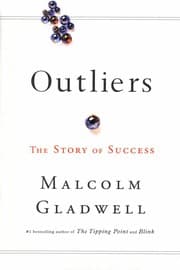
There's this awesome reframe of Malcolm Gladwell's, uh, 10,000 hour rule by Naval Ravikant where he talks about 10,000 iterations. Yes. I've seen, I've read it. Yes. And I like 10,000 iterations better because what 10,000 iterations says to me is, um, and what 10,000 hours of effort or practice misses in my opinion are the losses and adjustments, right?
Like you could practice, you know, hitting a fastball at 80 miles an hour right down the middle of the plate for 10,000 hours, and sure, you'll be good at hitting a fastball at 80 miles an hour right down the middle of the plate, probably some- one of the best in the world. But that's, that's not the way the game works, right? That p- that fastball can be outside. It can be faster, slower. There could, you know, curve, all these different things.
And what you need to do is, well, what happens when you miss your first curveball? Well, now you iterate. And you miss your second curveball, and now you iterate again. And then, oh, now I got a piece of it. Now I'm starting to get a bigger piece.
Okay, now I can take it to right field. Now I can, like you said, you're getting that little bit of better. But the, the idea is how early can you start those iterations? So what I think is happening so much to the generations that are currently let's say 30 and under is that they're not getting their first real loss until they're in their 20s. So, like, they literally haven't had a loss.
They've, they've taken bullshit, uh, public education, which I, I'll tell you, like now having, uh, uh, nieces and nephews in public school and my own kid in private school, looking at the difference in curriculum is stupid. Like, like, like the f- sixth grade curriculum in the public school is like a third or fourth grade curriculum is how easy it is. So, so these kids are breezing through high school. They're going into these colleges where there's no, there's actually no incentive for the colleges to fail them, so they're all getting these ridiculous GPAs, and they're, you know, they get a job and they make the second team, and, and now all of a sudden they get into the real world and they've literally never experienced a serious loss. And then a, something happens and they're going, "Oh my God, life shouldn't be like this.
What's wrong with me?" You know, now they got anxiety and depression, and now we're on pills and, because we've, we haven't- Dealt with what it feels like to get knocked in the dirt, you know, in whatever c- you know, figurative capacity, uh, that takes in, in whatever we're trying to do. So it's like the earlier we can get our kids in situations where they are losing and having to experience losses in some way, shape, or form, I think the better. It just, it just teaches them what that means, what it feels like to be the kid who... You know, my, my son, and, and he's a really good middle infielder.
Uh, the last game of the season, I think he just was a little checked out, and it was cold, and, you know, I don't know what happened, but two ground balls in a row, he booted both of them really bad, and that's never happened before. So I was pretty pissed 'cause mostly it was him being kind of lackadaisical and checked out, so I send him to right field in the middle of the inning, and I bring the center fielder in to play shortstop. And after the game, my ex-wife is like, you know, "You're being harsh," and blah blah blah, and I was like, "It's a bullshit game at the end of the season that's meaningless, and he just got to feel what it feels like in a bullshit, meaningless game in the fall that doesn't mean anything. He got to feel what it's, what that, that sense of, of frustration and being pissed off and sh- guilt and shame of booting two ground balls and being taken out of your position." You think he's gonna work a little harder the next time he plays shortstop to make sure that scenario doesn't happen again?
I think so. And in a situation where it's zero impact but still has the same impact on him, I, I felt like that was a victory. Maybe it was a little harsh, maybe it wasn't. I don't know. But I certainly think he's gonna learn a lot more from that negative experience and not wanting that to happen again versus if I just let him kick two balls and stay in there and act like, "Oh, hey, that happens.
Bad hop." It's like, no, your freaking job is to get outs on ground balls. Like, that's your job. That's the position. Like, you need to do that.
Um, and they just, I feel like too fe- too few people are experiencing early life losses or failures that, that teach them how to deal with it in the future. You know, it's funny too, Ryan, I think a big problem, whether it's sports or not, but sports is the easiest one to showcase this, everything is too structured now. So kids don't play in the playground and get into a fight with their buddies 'cause they called a foul and it wasn't, and they get tossed off the court and shunned by their peers, and they gotta work their way back on. Everything is a, ev- like, and you said this, kids don't do much outside of structured environments. They go home and play video games that have nothing to do with their sport.
You know, we, we played basketball at practice, went to the playground, played four more hours, and we wanted to get on the big kids' court. To that, you had to compete, and you had to be tough enough that if they didn't call a foul, you just had to keep rolling with it. You couldn't complain and whine or you're getting tossed, and there was no adults to come save you. And then you went back to your structured environments and, like, you re- we had our fun in the, in the unstructured environments, right? On the streets playing, making up games, and y- you wanted peer acceptance.
And the only way peer acceptance was, was to be able to handle whatever was thrown at you. And I think, you know, our kids, one, it's our fault. We shuttle them around from structured practice to structured practice. There's also the institutional side, where we've now business-ized sports, so everyone's a personal trainer, nutritionist. Kids just don't figure out weights by at the community center with their buddies and make stupid mistakes and follow some goon in the corner that they lift too hard.
That's all fun. That's growing up, right? Nobody does that anymore. Like, I, honestly, I can't believe how many 13-year-olds have physiotherapists and nutritionists. I'm like, dude, we just ate whatever and nothing was supposed to hurt, and like, what are you talking about?
My, my physio says I shouldn't practice today. You're 13 years old. This is crazy to me. But, you know, they're so protected by, uh, adults and people that have almost financial vested interests that they just follow the rules and do what they're told instead of, you know, what we did. We, we figured it out by trial and error with our peers with no adult supervision.
And, you know, you lost, you got shunned, you got left out, and you wanted to fight to get back in, and you couldn't run to Mom and Dad 'cause we, we didn't want to hear from you till another six hours. You're supposed to be out. And that's just a lost way of r- being raised now, and I, I don't know if you go back. So I think the point is, yeah, how do we, how do we still ingrain that sort of ownership, that resilience, that want, that will to say, you know, "I'm bringing my best 'cause I want to be a somebody and I don't want to get left out here. I want to be a part of the group that's moving forward"?
And I, I, it's sad to say, but I, I think we now have to ease them back to that because if we heavy hand everybody, 90% of the kids are gonna quit, and they'll never start again, and we're gonna have kids that won't even try. But we can't just let them be okay with it. We've gotta make it so they realize the goal here is to get better, and to get better requires pushing against force, and force is hard. It's resistance, it's difficulty, it's challenge, and that's the only way you'll ever actually have any pride. Yeah.
Nobody has pride by overcoming nothing. Completely agree. And, and, you know, I think that this idea that somehow hierarchies are bad, um- Yeah ... that's permeated, I think is one of the biggest, um, um, not biggest, one of the most insidious lies that have been told. 'Cause one, everything in life is a hierarchy, and, and it should be in my opinion. Now, the problem with that is at times people who will get, people will use nefarious ways of getting to the top, or they will get to the top and they will become dictators. However, if you are a person of agency operating in s- which we don't talk about.
Uh, there's this, there's this, um, uh, guy, his name's George Mack. Uh, he's got a great Substack, if anyone's on Substack. Uh, if you are on Substack, follow Finding Peak. Uh, Angus is gonna have a Substack pretty soon. We'll, we'll get into content and stuff in a bit.
Um, but, uh, he talks about this idea of high agency. That's like the topic that he talks. What does it mean to be a person of high agency? And much of it is just, uh, um, operating as an independent person with your own viewpoints, uh, independent thinking. It doesn't mean you're, you're a libertarian.
It doesn't mean you're some crazy conspir- it just means you approach each situation and through your own set of filters and values, and you adhere to those filters and values as often as, as you, as you possibly can. So I think this idea of high agency. So if you have high agency people operating inside of a hierarchy, that's a good thing- Good thing ... 'cause if I know, right, if I know that my performance has me on the second team, right? I now know exactly where I am and what I need to do. If I wanna be on the first team, I know, okay, I wanna be a linebacker, and there's three linebackers, which means I have to be better than one of those three guys at the thing that they do, and that's what I ne- now I know the work I have to put in, I know what my metric is.
And sure, maybe i- you know, I could say it's unfair that they're a senior or it's unfair that they were born with an extra 40 pounds or it's unfair. Sure, all those things are true. Right? Life is unfair. It's true.
Yeah, but- You're welcome to reality ... and that's the thing. Like, once you get out into the real world, which I think is what so many of these 20 and 30-year-olds today that are online complaining are dealing with, is they were never told that life was unfair. They were never said, "I'm sorry, right now you are not as good as him. He's playing. You're not playing."
Or, "Hey, he's selling more than you. He gets the company car," or, "She's a- you know, she's better at business development than you, so she's number one and you're number two. You don't get to go on the trip because she's the one that hit her numbers," right? Like, it should be that way because that loss to me of not starting or not going on the company trip or not getting the perk or whatever the thing is that I want, right, that gives me a target. It gives me a thing to point at.
Instead of what I think so much of the anxiety and stress is that we feel today is we don't know what to do, right? Do I do this? Do I become this? Well, if I become this, then I can't be this. And, and we don't have this clear focus direction on what we actually wanna be, so we don't actually know the things that we need to incrementally improve at to become better to get to the level that we wanna get at.
It, it gives clarity, and clarity gives reason and purpose for all your actions, and you start auditing what you're doing every day, and is it moving you closer? And without a target, how do you know? And, and you know and I know we run into this problem. The whole world now is trying to feel good, and feel good is the vaguest notion you've ever had, and it's a target you never hit. You know, just, that's just a constant dopamine rush to feel good.
We want to be good, and to be good, we have to know what that takes, what that means. You said you need measurable targets. And I, you know, I write about it in the book, and those targets will move throughout time, but every moment you have to have reason and purpose for your actions. Why am I doing... I'm doing this to get here, and to review.
Maybe I gotta tweak that. That's fine. I'm not moving closer. Good, we'll change. And it gives your actions purpose, and it gives you purpose.
And you know, something you said about high agency, it's something I, I speak to our, our team all the time, my high school kids all the time. I, you know, we talk about some kids are born, you know, with more money in the bank from daddy and more connections and whatever. And, and that's life, okay? And I always tell the kids, more important than having the advantage is being the advantage, and that's who you are. Mm.
You know, b- because if you have an advantage, you can lose that advantage, and then you don't have anything anymore. And if you have an advantage, someone else can get that same advantage, right? You know, in tech, in business, you, you got the advantage 'cause of this. Sooner or later, someone else is gonna have that too, and now what do you got? But if you are the advantage, you're, as you spoke of, a high agency person that is always able to see reality and make whatever adjustment is needed to keep moving closer to the target that you have selected.
That's a, that's a unique skill that can be learned by everybody, but we gotta get away with, we gotta get away from wanting to feel good. That clouds everything. You wanna be good, and to be good is, this is what I want. This is what it takes. This is what it doesn't take.
Now every action, are you doing these things or not? It's very simple. When I, when I coach strength training or diet, these foods will help you, these won't. Just, if you're eating them, you're not getting closer to where you want to get to. Feels good.
That's irrelevant. You wanna be here. You wanna be good. And you and I know there is no better feeling in the world than becoming who you set out to become. Mm-hmm.
Who you've decided. You know, and I said it big too. You don't wanna be someone, you don't wanna be happy. You wanna be doing what you've decided to do. Yeah.
And later if it's not what you like anymore, you choose again, but every moment you are actually living your life. You're not just existing trying to feel good, chasing the next dopamine hit or whatever guru has told you will, will make your life happy. Become somebody of purpose. And that is rare today. Yeah.
It's rare. Yeah. And, and the worst part is when we find someone in our life who has a purpose, we're s- it's so attractive. Incredible. Even if, even if their purpose isn't something you're even interested in, just when you see somebody with purpose and passion for something, you're interested.
You could completely disagree with it. You're interested, though. You wanna know what they have to say. You wanna hear them. You wanna...
Like, I love, and this is gonna sound crazy to everyone listening who is a longtime listener, but I love listening to AOC. I love listening to her, and I'll tell you why. I honestly believe that she is doing what she honestly believes is best for this country. Now, some of her peers on the Democratic side, I do not think that's true. I think there's, there's, I think that's true of Republicans too.
So I think of a lot of politicians, most politicians, they are there for, I think, primarily selfish or self-oriented reasons, or they went and got corrupted very easily. However, with her, I think that her, I think she's, her viewpoint, what she's been taught, what her belief systems are, in bananas, but I'm very attracted from a, from a personal psychology, from a human psychology perspective, not, you know, the other type of, not physical attraction, whatever, but, like, like, I'm attracted by the way she communicates, the passion that she brings, how she takes these topics, which have no receipts. I mean, she's basically selling, she's selling air, right? I mean, like, all of the philosophy that she is espousing has zero receipts behind it, and if anything, the receipts are net negative, right? Like, these are things that have been shown through history to drive you right into the mountain.
However, she believes them, and she passionately conveys them. So you're attracted to the passion even if you don't agree, yet so few of us, to your point, grab onto purpose and passion, and then we wonder why no one is attracted to what we're doing, why no one wants to come work for our company, or why no one, you know, wants to hire us to do a keynote or listens to our podcast or whatever our thing is. It's like, because you're just existing. You're just putting things out To put them out. You, what gets you fired up in the morning?
What is the thing that just when you do that thing, you can't think of anything else? Like the, and this has been a big eye-opener for me with ADHD. I think we talked about it last time, but, you know, diagnosed three years ago. I have very severe, like pinned to the top ADHD. And, you know, at first I was like, "Eh, you know, what does that mean?"
Whatever I kind of, you know, the idea kind of fits, but as I've gotten into what it actually is, it's that oftentimes people with ADHD, their brains were wired to be hunters or warriors, right? And not that, that's not, I'm not trying to position that self as like I'm some sort of special hunter or warrior, but like 20% of the population has this difference in brain chemistry and structure, and the idea is on the things that you are interested in and passionate about, you become hyper-focused, more focused than a s- than a normie can possibly get to. However, the opposite is also true. On the things that you're not passionate about, you become, you could give two shits and you have no ability to placate someone, which is probably anyone who's ever had a conversation with me about something- ... that I wasn't interested in, you're well aware of what that looks like. Yeah.
Although I do try very hard. And my point in getting to that is like, like that, what that has taught me is how important like being that unique, driven, purpose-filled person is. And we've talked about Jordan Peterson before. I think we may have even talked about it on the last podcast. He is the one that opened me up to this idea of be a monster, right?
Become a monster. Know how to use the sword, know how to shoot a gun, know some sort of martial art, have intelligence, have energy, have aggression, but then learn how to control it in a way that allows you to live this purpose-filled life. Because if you can do that, then you have the skills, the confidence, the agency to be who you need to be while focusing on a mission. And I think so many, so many, this idea of toxic masculinity and hyper-aggression and, you know, boys aren't allowed to roughhouse in the halls anymore and all these different things, right? There's, they've lost that.
They're almost afraid, I think, and I'm, and I'm reading between the tree leaves, not a, not a, not a licensed psychologist here. But to me, I almost see like a fear of being aggressive. Like when I tell my son, you know, 'cause he, he, I told you, he doesn't have this natural killer instinct, um, but highly talented. I've seen it in moments, right? So like I used to say on the basketball court with him, um, "Duke's gonna suck," his name's Duke, until he gets hit the first time.
Once he gets hit, and he, it like all the sudden that, that trigger in his brain of holding back, he's holding back, he's holding back. All a sudden he gets hit and that, that adrenaline drops into his system, and now he's a killer. Now he's gonna, now he's crossing dudes up and shooting jump- And I'm like, "Dude, you, why do you need permission to go out and be that person? Why do you have to get hit or have somebody say something to you?" And I think it's because they're, they're almost fearful of, and, and they, it's almost like they don't understand what, what positive, you know, like what, what non-toxic aggression and ma- All right, people.
Serious question time. Did you know that driving high is considered driving under the influence? That's right, driving under the influence of marijuana is against the law in every state. That means even in states where marijuana is legal. That means driving high could get you a DUI, and if you think law enforcement officers can't tell when you're driving high, well, you're wrong.
If you're high, they can tell. Your friends can tell. Your coworkers can tell. Even your parents can tell. Everyone can tell.
So what makes you think that law enforcement officers don't know when you're driving high? You'd be wrong. They can tell, too. Driving under the influence of marijuana can slow your response time and change how you perceive time and speed. So even if you think you're fine to drive when you're high, you're not.
Because the bottom line is if you feel different, you drive different, and driving high is driving under the influence. So remember, drive high, get a DUI. Paid for by NHTSA. Masculinity looks like. Like they're so afraid to go out and be that hyper-aggressive person.
And I, and I'm not 100% sure why that is, but it, it definitely seems to be the case. Like they need permission to be aggressive. I think, and again, we're not psych- we're not psychologists, psychologists. We're, we're people out there working with youth, and we see what we see mostly, and one thing I really view is kids have never been more talented. They've never been more athletic.
They've never been stronger. They've never been fa- they've never been smarter. Our kids are smart. Like kids are smart and sharp. But I, I, I see a general lack of courage and confidence, and so they play safe.
And you can, you can say, "Well, nobody wants to get caught on social media." It's, it's before that. It's, it's this, I think you're right, this fear of saying, "This is who I am. This is what I'm going to do, and I'm gonna own it, and this is where I'm headed with life." And everybody is just scared to stand out.
And, and, and I think part of the blame is we have institutionalized everything they've done, so they've just played by the rules. They've done what they're told. They're good at what they're told to do. They get good grades 'cause they did, they played the rules right. Where, you know, w- we didn't have as much structure when we were growing up, so you had to figure it out, and you needed to develop courage, or you were on the bench, or you weren't invited out, or you didn't get a date, or you didn't get invited to the party.
And that took courage to, to, to, to put yourself out there and, and try to get in with the cool guys or ask that girl or show up, and it's like, "You're gonna get booed." "Yeah, but I wanna go." And, and that's been dulled down and to a point that they do, they do what, they, they speak when they're asked. They answer the way they're supposed to answer, and they're very good. They're very intelligent.
But that whole like, "This is how I'm gonna do it, and, and, and I'm probably gonna get in trouble, but I'll learn from that and adapt and move on." And I think that has just been, it's been raised out of them. Yeah. And that's our fault, and that is our fault. Yeah.
That's on us, you know? 'Cause you see it. I, I, kids, nobody's happy When, when, when, when you're muting yourself, when- Yeah ... when you're dulling yourself down. And so of course I gotta take some medication, and then as you get older you drink or do drugs, 'cause y- it doesn't feel good to not be who you really know you should be. But now y- you get to an age where you don't even know how. Yeah.
Where do you start? It's been so knocked out of you. C- you know, courage, you can push to the point that it almost is gone. It's like, you know, you missed going... You know, we used to g- ...
That was the midlife crisis problem for our generation, at 50, like, "Ah, I hate my life. I got all the money and the cars." But now they're hitting it at 18, going, "I don't even like myself." And, and because they never had the courage to try to find out who they wanted to be and go for it. But yeah, that's exactly it.
They've never, they've never tried to be who they are. So- Risk, risk has been removed, right? Yes. As you said, we let you win without trying. Yes.
So why would I try? And then you realize that's where the enjoyment is, but it's too late now 'cause I don't have the courage anymore. Because- Well, dude, you probably, you probably see this in your football. The i- today, parents' willingness to go to a coach and complain about playing time or where they're playing or all these different things, I would be mortified. No m- regardless of what was happening on the team, regardless if the coach hated me, didn't play, treated me unfairly, held me to d- no matter what was going on, if one of my parents actually went to my coach and had some shit to say, I would be like, I would be mortified.
I, I would be absolutely, like, just it would be, it would be awful. And, um, today they're just like, "Oh, my kid's not getting enough playing time. I'm gonna go talk to the coach." Y- What's up, homie? Is your brother here?
Tell your brother to come down here too. Okay. Say, say hi to Mr. Angus. What's up, dude?
This is my buddy. Hello. He wrote the book. This is Colty. This is my- Colty ... youngest son Colty.
And then this is Duke, the one that's reading, uh, reading your book. Hey, Duke. What's up, Duke? How are you, bud? Hi.
Duke, so this is Angus. He's writing, he's writing, uh, he wrote Teenager, right? Mm. Um, great. Great.
Thanks, buddy. Thanks. Um, hold on. So Colty, I just want Duke to, uh, talk to Mr. Angus for a couple minutes, um, just about the book that he's reading.
So, so Duke, is there any particular, like, what's one big takeaway that you've had from the book so far while you're putting your book report together? Um, so I just fi- actually finished my book report, and, um, one of my big takeaways was don't give up and always work hard. So you have a former professional athlete, now a high-level coach, uh, won awards, won a Grey Cup, like, um, like very high performing athlete. Do you have any questions for him about the book or about what you read? Or was there anything that came to your mind that you'd like to ask him, being that you, uh, have this very unique opportunity here?
Um... There's no, there's no wrong answer, so anything that comes to mind. So, like, so, like, in the book it, and it says, like, when you quit football, like what year did you start playing it again? So I was in the eighth grade, and, and I quit 'cause it was tough, and it was hard, and it sucked, and equipment was no fun, and everybody w- had already played before. And I quit 'cause it was hard, and I thought, I thought fun was supposed to be easy, 'cause I was 13 years old and life had been pretty easy up to that point.
I never played again until grade 11, and that took that long. I've, you know, I had the health issue that happened in grade nine with my appendix, and then it took that many years to build courage up to get back into that fight. And not till grade 11, which is a late time to do it, and it was terrifying and scary, but if I didn't build the courage to start I wouldn't be here today. So that's a long gap for a lot of people where, you know, I didn't have friends and didn't feel a part of anything, and I wasn't achieving anything, and life sucked in grade nine and grade 10, watching TV all day and, you know, avoiding struggle and avoiding challenge. So it was the 11th grade I came back, and I sucked again, but I made a commitment this time, and I decided to get better every day.
And it's shocking what happens, what compounds over time when you put in the work. So yeah, 11th grade is when I started again. Any more, any more questions? You gotta have one more. Just one more?
Well- ... you can ask, you can ask more if you have more. Okay. Yep. Um, uh, what year did you start playing football? So that was, I was in grade 11, so let's call it that.
I don't know. I've, what was that? Now I'm an o- I'm an old man now, so that would've been, like, 1991. Do you mean pro football? Yeah.
Pro? Yeah, like, yeah. 2001 was my rookie season, and I retired in 2014, so I played 13 years. I was center, and that was, uh, about 90 pounds ago. Even at 300 pounds I was the smallest guy in the league at what I did, so I mean, remarkably small to be able to pull that off.
So it was, I was playing a game amongst giants, doing what I could to, to get out there and not just hang with them, but beat them as much, as best I could every single time I had a chance. So one question that I had for you, Angus, with, um, with Duke was, like, he's still growing into his body, right? Mm. So sometimes he'll play against kids at the same level who just have matured faster. They're bigger.
They're stronger. They're faster. Like, in the sixth grade, um, you know, you have these, you have fairly large disparities in where kids are in their physical development. So if you are gonna g- like if you were coaching someone like Duke who incredibly talented skills-wise but is still growing into his body, how would you recommend he approach playing the game and playing kids who maybe are a little more physically gifted, being that that was a lot of your career was you being the smallest guy on the field but being able to compete with these guys? Like, what did you do, and how did you approach, um, that kind of physical difference to be as successful as you were?
So it's a good point. When I got to the pro level, I had a great coach that I wrote my first book about, Thank You, Coach, and he, he always shared with me something that's always stuck. The comforting crux is that perfect technique can, can win against anyone. It doesn't mean you will win against anyone every time, but your saving grace is playing the position you're playing the very best technic- technical ability as possible. So whatever you're being taught, the technique and the fundamentals, perfecting that will always give you the best chance.
Because you and I both know the better the athlete, the better the probability there's laziness in terms of fundamentals, 'cause they don't need it, particularly at a young age. They're faster. They just run faster than everyone. They jump. They just, you know, you see it in every sport.
And, and that won't change even the higher level you get. Your saving grace is spending your focus doing it the, the right way you've been taught to the very best of your ability. And I will say, you go compete against them. You'll beat them sometimes, you won't, but all you're measuring, are you getting better? You know, the problem that a lot of people have is y- I couldn't beat this guy.
But you got better, and that's the long game that matters. You're using them to improve yourself, and that's hard for people to measure. You wanna win every game you go into, but the real goal is are you constantly getting better? And the, and you playing against better opponents, that's gonna make you forced to not try to play their game, it's to play your game better, which is technically sound. Uh, knowing the game inside out, making the right decisions.
You keep improving that, you'll always be able to compete against anybody. Any more questions? No. All right. Hey- Good man ... appreciate you, bud.
Thank you. Love it. Thanks for coming in. All right. And thanks for reading the book.
That means a lot. That's awesome. Yeah. He said he really liked it, which is, which is awesome, and, uh, I'm glad that, I'm glad that we got to do that from a timing perspective, 'cause, um, uh, I had been telling him about you and just, you know, that we were gonna have a chat and everything. So, uh, I'm glad you got to talk.
So, so dude, the, the book in general, like, is this geared towards teenagers like Duke reading it? Is it for parents on talking to teenagers? Like, or is it really something where we get the book and maybe you read it with your teenager, with your kids, or in conjunction and you kinda talk through it together? What, what's your best case scenario there? So the initial thing is it's, it's, it's written for teenagers to read so they'll might actually read it.
So it's, it's teenager language in terms of ease of digestion, but hopefully it takes a long time to fully digest it. But teenagers should engage it. It's not deep, deep, deep dives, but I wanna have y- every chapter's a universal lesson that's applicable to a teenager. Ha. Funny thing is though, Ryan, they're universal lessons, so an adult picks it up, they're gonna, they're gonna challenge themselves thinking stuff through right where they are in life.
But the perfect goal for me is teenagers that are on teams, in groups, in clubs, do it like a book study, and there's a coach, a teacher that reads it who they'll probably benefit from it. But I have follow-up workbooks coming out now where they all engage in group discussions amongst themselves, so they start auditing their life, and who my friends are, where do I wanna go, what am I good at, what do I like to do that I'm too scared to even try? And how do we formulate your playbook, shall we say, so you get going? So teenagers can read it on their own if they want inspiration, but it's designed to challenge you to think through your life right now as a teenager. Adults, parents can read it.
It might, you know, give you insights, conversation starters. But this is written so teens will actually hopefully read the book, and not just read it, but engage it like your son did and then follow up and, and reflect, and start mapping out their life and making decisions and challenging themselves, and all the stuff we've talked about. Taking risks, giving it a shot, going all in on yourself, betting on yourself, and formulating your team. Who are you around? What are the mentors you need to find?
Who are your friends you gotta drop? Who are your friends you gotta find? Uh, you know, what do you need to do that's gonna help you get there that you're terrified to do but you know you gotta do it? And how can you find people that are doing it to make that path easier? Choosing better mentors and heroes and inspirations.
Who do you got? W- what are you following on your social media feeds? Are these people losers, or are they actually giving you insights or inspiration or, or tangible proof to move on? That, it- so it's good for anybody, but it is written for teenagers specifically. Yeah.
I can't wait for the workbook, 'cause you, when you were telling me about it, 'cause I was like, I'm gonna get a workbook for each one of us, for like my younger son Duke, uh, my younger son Colt, Duke, and myself. And, uh, like I wanna make it part of our routine is the three of us working through this together because, you know, I, I've said this before on the show and, and I believe it, like m- a lot of my... Like I've always been a reader, I've always been a massive consumer, I've always thought about stuff I'd like to believe at, at a deeper level. But I didn't start really focusing on discipline, performance, commitment, like these, these, these mental models, these m- these ideas, these concepts to drive success until I was in like my mid-30s. Me too.
And I, I, I think to myself like, "What could I have become?" And I, and I don't have regret. This isn't like a regretful feeling. It's a thought experiment. Like what could I have become if I had learned those same lessons at 12, 13, 14, 15, even if they didn't sink in the same way that they did in my mid-30s or I wasn't as motivated 'cause I hadn't had enough life experience yet to fully understand them.
Just getting those ideas in front of me at that age and, and having them, you know, work through them and have to think through them. Do I then pick them back up? Do, one, maybe I integrate them immediately and, you know, all my wildest dreams come true, or two, w- when I'm ready earlier in my life they snap back to me as tools in my toolkit that I can pull up and bring in and utilize versus, you know, kind of having to hit, not rock bottom, but have like a, a bad moment in my life be the impetus to say I'm gonna get my shit together and become the best version of myself at 35 or whatever I was, right? So I, I think that's incredible, and I also love the idea, uh, especially with the workbook, 'cause, you know, in, in going through this with Duke and, you know, like I said, I haven't read the whole thing, but I've read a lot of parts of it as I've gone through his book report with him. Um, like the workbook to me marries, okay, so my, my son read this book.
That's amazing. Hopefully some of those ideas digested. The workbook is more like what di- what did you digest, what didn't you, and how do we actually put it into play, and can you start to teach it back to me? Can you start to talk these terms back to me? And that's where it really starts to think in, so, or sink in.
I, I think, I think doing a workbook for this, it was an incredible idea and I'm very happy that you did. Well, I, I, I, I wanted it to be more than just a fun read and they got inspired. You and I, w- we, we, we keynote and listen, the, the backstory of this whole book was, you know, I do corporate speaking now, but 25 years of my life since I started playing pro was, was speaking to teenagers, high schools. I did school talks for decades. And so I wanted to sort of package everything I'd ever shared with them into a one piece, 'cause I can't do that forever anymore.
And really, I- The reality is I wrote this book for, for my three young boys. 'Cause one day they're not gonna listen to dad directly, but dad wrote a book that's pretty cool, and here's all the messaging, all the wisdom I can bestow, kind of third party regurgitated to you 'cause it's cool, 'cause it's in a book. And the workbook is more than just reading something now. Now you gotta not just reflect, it's gonna force you to build your playbook. This was my story. They're universal lessons.
Take them, build your story now. And, and, and again, we spoke about this earlier, you know, make a decision of who you wanna become. Pick a, pick a tangible target, not just saying, "I'm gonna be a good person." Pick an outlet. Pick, pick...
It's sports, it's business, it's science, it's music. Just pick something so we can create a, a target which will give reason and purpose now to all your actions. And you start auditing. Now you gotta start finding your friends, your mentors, your teacher. You gotta find everybody, and you fill your day with every action that's gonna marshal you towards your goal.
And once you do that, whether that's where you wanna become or not, you have the playbook on how to move towards something, and you put it into something else. It, it doesn't matter, right? And I try to build the framework as this is how you navigate life. Pick whatever the hell you want right now. You're a teenager.
Pick something. Make the team. You're not gonna do that for the rest of your life, but how to get from A to B will be the exact same playbook to get from A to B anywhere. You're just gonna plug in different variables as you get older. So yeah, an adult reads this and they're probably gonna have to go, "Yeah, I gotta start hanging out with, uh, people that are already better than what I'm doing, 'cause my- I'm already the best in my group.
That's not helping me." Like, I, I have a whole chapter on super friends, the ones you're trying to keep up with. If you don't have those, you will never achieve what you can because you're already coasting. You know, all the little things that matter. And whether, whether it's a teenager trying to make the team, and I hung out with buddies that were stronger and faster than me, and I was trying to keep up with them, so I became better at weightlifting and training, 'cause I wanna hang out with them.
No different than business or life, right? We- Do you have all these ingredients? It, it, it, it's, it's the recipe, right? And, and a teenager can use it right now, just like a parent can use it right now, just like a business leader can use it right now. But I wanted to do something in teenage language, so they don't have to wait till they're 30, as you said, to be like, "God, I wish I knew some of this stuff when I was younger."
Here it is in, in, in, in, in, in my teenage world. Although it was 30 years removed and, and the world might be different, we're the same. We're all still... We were all kids, scared. Are we good enough?
Mm-hmm. Do we have friends? Are we cool? I wanna be something, but I don't know if I can. It's never gonna end.
Yes, you can. This is what it takes. And, and, and the, the cost is courage. Yeah. The rest of it I can tell you.
The cost is courage. And in w- in wanting something enough that you're gonna take that first step, and then we can roll. Yeah. I, I don't know who originally said this, but I heard, uh, Ed Mylett say it the other day, and it was a great reminder. He just said, "In case you need to hear this, action creates confidence.
Confidence doesn't create action." Correct. Motion creates emotion, not the other way around. Yes. And, and, like, I think when you say that, people are probably listening to this going like, "Oh, I've heard that before," or, "Oh, that makes sen-"...
But I think we forget that. We forget it even as adults, right? We're like, "Man, I just, I'm not sure if I should do this," or, "I'm not sure," da-da. And we, we have all these, you know, uh, uh, feelings of insecurity or doubt or et cetera, and it's like... You know, a- actually Gary Vee I think is the one who s- has said this the most, this particular version of it, which, which is just, like, you have to be willing to be terrible if you wanna be amazing.
Like, you, you're never gonna be amazing if you're not willing to be terrible for a period of time. And that period of time might be super short, and it may be when you're five, or it may be when you're 12, or it may be when you're 45. It doesn't really matter. But if you're not willing to be terrible, even for a short period of time, you have no chance of being amazing. Because even if, like you said, you have those, a natural step ahead, whether it's just God-given athletic ability or it's money or it's parents' connections or school you went to, whatever, right?
If you aren't willing, if you aren't still willing to be terrible, you're n- you're only ever gonna be that good. You're only ever gonna be as good as that initial, like, as that initial piece of luck that you had, your, your born in luck gave you. That's all you're g- That's, that's the top. And that person is gonna have... That person who, who we may look at...
Uh, think about, like, the NBA star who plays one season in the NBA and then they're gone, right? We're going, "Oh my God, you got to play one season in the NBA. I would've loved to play." And in their mind, what they're saying is, when e- when it's dark at night, regardless of what they say on the microphone, is like, "God, if only I had," insert things they didn't do, to play that next year, right? So, so there's, you know, regardless of where you start or what God-given advantages you have, we're all wired to want to be better.
Yes. And if we, if we, if we aren't willing to be that awful version of ourselves, or a version that isn't as good as is expected of us, maybe is a better way to put it, then we'll never get past that and, and truly see how good we could be. And we forget that. We forget that that action is the only way to confidence. It, it's funny, Ryan.
It takes us right back to the beginning of our conversation where we said the gap between, you know, generally the left and the right is everybody wants this, 'cause it's human nature. We want. We have to be willing to accept that that requires doing. And I think for the most part, you know, at the end of the day, doing requires courage to start. Just go.
It's gonna suck. Just get going. Get going and learn. Get better as... You will never get better thinking your, thinking your way to the end.
You'll only get better doing, and you adapt and go and get going. Well, it's gonna take a long time. It's gonna take longer if you, if you wait till tomorrow. Start, and, and adjust course accordingly, but every step you'll become better, and you'll learn, and you'll equate. And, and every lesson you can apply if you move your target later.
You know who you are now, and you know what you can handle. But, you know, everybody wants. The question is, are you gonna do? And, you know, the book is gonna give you ideas and tips, but at the end of the day, have to, we have to install with our youth courage again. Go.
Oh, what if? What if? What if what? Go. Go.
What if I fall over? You will fall over. Yeah. Go. And you'll get up.
Go. I will be with you, but I will not do it for you. I will be with you, but I will not do it for you. And I will- Yeah ... I will challenge you and clap for you and cheer for you, but you're gonna have to learn to get up and, and then go more And we always what if to the negative.
Correct. We never what if to the positive, right? Well, why are we fearful creatures? Yeah. We're terrified.
Humans are t- are, are fearful by nature. We need to over- and I think back to your point, you know, the news, social media, they lead with terrifying headf- headlines 'cause it gets our attention. We're scared. So we need more inspiration. Yeah.
We need more people, like you said, we're drawn to people that say, "I don't care, I'm going anyways." Wow, that's incredible that person can do that. We all can, but we listen to all the noise because the noise knows what grabs our attention is fear, and fear in- impedes action. Nobody moves forward scared unless you have to. Voluntarily?
Nope, when you're scared, you retreat. That's what we do. Fearful people shun. You need, your purpose has to be greater than what you're scared of, and that's why to me, I can't tell you what to do because I don't know what's gonna override fear. Only you know.
Like you said, with your ADHD, when you find what you're focused on, I don't care what's in front of me, I'm plowing forward. And so the only way for some people to find that is to tinker. Get, get, get busy doing stuff. Don't like it? Throw it out, do the next thing.
Throw it out, do the next thing. Oh, I love this. Then go. This will override fear because this is you. You found an outlet.
Like I said in the book, you, you know, you know more about where the future's headed than I do with, with AI and, and this whole world. Everybody's scared. Everybody's scared. And I'm, I had a long talk to my dad who's 83 years old, and he goes, "Angus, you know, I'm really scared for your kids." I said, "I'm not."
My kids are eight, six, and, and, and eight months old. I'm kinda scared for kids who are 25 right now because they were raised on a playbook that isn't the same anymore. They don't know what to do. In about 10 years, every f- 50 years there's been a whole revolution of how the world changes. My kids will flourish because we'll have adjusted, and they'll be of age to rip through the new way of living our lives and earning money, just like when the Industrial Revolution was gonna destroy everybody.
It made everybody rich that adapted. Like, the hard part is the adjustment. We'll move forward. I said, "Look, just keep getting better. This too will pass.
Are you gonna be on the other side, though?" The only way to be on the other side is to keep going. Like, don't... Fear impedes everybody, and it keeps you looking around. Just pick something and keep diving forward with it.
Just get better. We'll, we'll keep going. Dude, I could talk to you for hours. I, I, I love our conversations. Uh, I do wanna drive everyone to your Instagram.
I know you post a lot of stuff about football- Coaching. Yeah, I do a lot of coaching ... but you also post a lot of motivational stuff. Guys, Angus's Instagram is absolutely blowing up with these football videos that you're doing, so if your kid plays football, absolutely follow Angus. Yes. I'll have the link in the description.
But you also post a lot of motivational stuff, and for anyone out there who puts on events, Angus is one of my most recommended keynote speakers. When everyone asks me, "Hey, do you know somebody?" You are always on the list. There is no person out there who brings the energy, the connection, the insights, but also just a genuine giving a shit of the au- for the audience and what they get out of it. And I've seen you speak live twice now.
I, I, uh, I don't normally stop and watch speakers, but you, you... I sit right in the back, I watch every word. I love the way you do your thing. Incredible speaker. So, um, besides, say, like, the Instagram, um, et cetera, like where, if someone wants to just get in your world, I'll have links to the book as well, show notes- Yeah ... scroll down.
Where, where can people get involved in your world? Uh, you know, I'm on, I, I, I'm on X, AngusReed64. LinkedIn you can find me. My website is AngusReed.ca and, and what I, you know, my, my keynote speaking's there, but on the book section with Teenager, uh, you know, you can link and buy the book through Amazon or bulk orders through me. But my real push here, Ryan, is to challenge l- local corporations and business leaders to sponsor.
I don't want kids buying my book. I don't want your money. I want companies in their area to say, "Listen, I got a Boys & Girls Club here. I got my kid's baseball team. I got, you know, uh, w- the school where my son goes to.
I want to sponsor them getting the 50 books." They get the workbooks, and listen, y- you sponsor enough books, I'll do a keynote online for th- for that company complimentary 'cause you, you help my cause, I'll help your company. No problem. All that information's on my website at AngusReed.ca. If you just click Teenager books, it's all there.
Corporate sponsorships. Do something good in your community. Give kids that fighting chance they need and, and I'll be there to support it all the way. I love it, bro. I appreciate the hell out of you.
You're one of my favorite people. Thank you so much. Thank you for having me on, man. Keep doing what you're doing, Ryan. We, we need more people like you in this world.
Hear that? That's me in Tokyo learning to make sushi from a master. How did I get here? I invested wisely. Now the only thing I worry about is using too much wasabi.
Get where you're going with SPY, the world's most traded ETF. Getting there starts here with State Street Investment Management. Before investing, consider the fund's investment objectives, risks, charges, and expenses. Visit StateStreet.com/IM for prospectus containing this and other information. Read it carefully.
SPY is subject to risks similar to those of stocks. All ETFs are subject to risk including possible loss of principle. ALPS Distributors Inc., distributor. With Venmo Stash, a taco in one hand and ordering a ride in the other means you're stacking cash back. With Venmo Stash, get up to 5% cash back when you pick a bundle of your favorite brands.
Earn more cash when you do more with Stash. Venmo Stash terms and exclusions apply. Max $100 cash back per month. See terms at venmo.me/stashterms. This message comes from Alteryx.
Business breakthroughs aren't about more data. They're about getting your data ready to harness advanced analytics, custom models, AI, agentic futures, and more. Alteryx 1 makes that happen. Built for analysts. Powered for the intelligent enterprise.
Connect data from anywhere, automate analytics, and turn insight into action with speed. User-focused, secure, scalable. That's Alteryx 1, trusted by nearly half of Global 2000 companies. Visit alteryx.com to learn more