Rewire Your Self-Image to Perform Under Pressure | Collin Henderson
with Collin Henderson
Episode Answer
Rewire Your Self-Image to Perform Under Pressure | Collin Henderson is a Finding Peak podcast episode hosted by Ryan Hanley with Collin Henderson. The conversation explores leadership, performance, entrepreneurship, and the work required to build with clarity under pressure.
Read the Conversation
Show the full transcript
When the person is thriving, the performance follows. Why is it that we feel so comfortable talking negatively about ourselves? The brain is designed to survive, not thrive. Our mental conditioning is not shaped by good things. It's shaped by what I call trauma, drama, daddy and mama shit.
It takes an absolute savage warrior to get vulnerable. Oh, you isolate? That's actually weakness. You're running from truth? That's some weak shit.
I have to respect your right to be average, but do you wanna be average? You let me know before we went live that you are the mindset coach for the US, uh, UCLA women's basketball team who lit-- who just won the national championship. And as someone who kinda dedicated their career to the, to performance and, and the psychology behind it, which, which I think is very important, um, I'm interested in the differences in whether they're nuanced or, or vast between, say, business performance, sports performance, and then, and even when, when I threw that out, you said military performance is a little different too, and, and I'm sure there's others, but let's just take those three, right? So when you're, when you're approaching someone and m-- and they're in one bucket versus the other, do you come at them from different angles? Is there completely different processes, or are we coming from the same building blocks, and then really it branches off as we get deeper into their particular field?
Yeah, and, and working in sport and business and leadership, you know, having spent several years with UCLA this last year, really give credit to Coach Tasha Brown, who really ran the mind gym. Um, I wasn't on campus like I was other years every month. But just seeing leaders take on, whether it's sales leaders or HR directors, um, it's peak performance. It's performing under pressure. It's taking processes and delivering when it matters most.
And whether you're shooting a free throw or giving a s-sales talk with investors, whether you are, are competing with other, other groups, or whether you run a team, you don't sell, but you have to connect and really share information, I think just basic training is what I call prehab. So mindset by definition is a condition set of beliefs that drive behavior. And if you're leading people, no matter what industry, whether you-- whether it's military, business, or sport, they're forming beliefs about themself, about the industry, about the competition, about their peers, about the marketplace, and do you let that go to chance, or do you want to create a culture and a way of working and a standard of how do you deal with nerves? How do you deal with imposter thoughts? How do you deal with failure?
How do you deal with uncertainty? So you can hope that they have the mental, emotional skills to navigate those natural human emotions that arise in singing karaoke, asking someone on a date, you know, getting rejection, uh, at work, whether it's a, a peer that you're trying to align with or a customer. So mindset training, we feel, I feel, is the missing puzzle piece. It's the number one competitive advantage if you do it right. 'Cause Ryan, if, if you can imagine us having a group of, of C-suite people or third-line leaders that run an organization, and we'd ask them, "Give me the traits of your top producers, top performers. What traits would they probably say?"
Resilience, drive, focus. Give me some more, Ryan. Give me what would you think. Aggressive, intelligent, driven, passionate. Yeah, and then I would say, "Yeah, I agree with you.
Well, what are you doing to train those skills?" So if you follow the work of Dr. Michael Gervais, there are three things we can train: body, craft, mind. I hope you're, you know, hydrating. I see you got your, your, your Whoop band getting that rest recovery.
Is that a Whoop band, or is that a watch? Yeah, it is. Yeah, it's the new five. Okay, so how's your HRV? How's your, how's your sleep recovery score?
So I hope you're exercising, hydrating, fueling properly. But ninety-nine percent of what companies are doing now is just training craft. What's the product? What's the marketplace? What's the competition?
Spreadsheets, um, P&Ls. They're spending zero to no time on regulating your nervous system, uh, breaking old negative thought patterns, um, this p- the power of identity and self-image. You never outform your self-image. You know, uh, habits, behaviors, discipline, focus, self-awareness, empathy, creativity. You're, you're not training any of those, and that's the building block of disrupting an industry and, and growing your product or your service, but you don't spend time on.
So I think we're, we're seeing now more than ever with tariffs, with AI, uh, you know, uh, interest rates, you name it, who's ever in office, there's g-- the only constant is change. So you can hope that your team is present and resilient and connected and collaborating and innovating and operating in courage and vulnerability, but most people don't know how to teach it or train it, and they're just doing what they've, what they've always done. So the teams I've been a-- had the privilege to work with, man, we see instant change. We see instant impact because when the person is thriving, the performance follows. Do you have to perform well to have a positive self-image, or can you develop a positive self-image first before you start to perform?
A really powerful book that I would suggest anybody who's into mental conditioning, performance psychology, is, uh, Psycho-Cybernetics by Dr. Maxwell Maltz, and this was-- He was a plastic surgeon. I, I believe the book was published in, in the, the nineteen sixties, like nineteen sixty, and he found in his research as a plastic surgeon, as a doctor, that you never outperform your self-image. As the picture that you see yourself. So even if he was doing plastic surgery on someone's face, if they didn't have a healthy s-self-concept, they wouldn't be happy.
There's nothing he can do to change physically. So the... But Ryan, just think about what I just said. You never outperform your self-image. The most powerful force is how you see yourself.
How many industries have you found in your work, in your coaching Can't be done. You know, it's just, it is what it is. You know, the, the, the customers or the buy-buyers or the history or the market, or we've never done it. We, we cannot penetrate or we haven't, uh, we... It's just, it's kinda like saying, "I'm, I'm horrible at directions.
I'm, I'm not a good cook. Um, I'm not a morning person. Well, I have a sweet tooth." Like, you literally are creating, you've conditioned a belief about yourself, and, uh, 97% of our behaviors are controlled by our subconscious mind. So these subconscious beliefs are literally guiding your, your thoughts, your behaviors, your energy, your, your risk-taking, your, you know, all you're doing.
So I would say, you know, I have, I have five pillars of what I coach on, and self-image is one of them. So part of it is, is like what, what, what belief do we need to challenge? What labels around ourself or product do we need to really revisit? A great question to challenge yourself is, is that thought true, said by who? Anybody who has innovated an industry, whether it's the Wright brothers who invented flying or submarines or Steve Jobs and the iPhone, like, there's a disruptive belief that I love this thought from Plato, "The, the first and greatest victory is to conquer self."
So I love that you zeroed in on that self-image thing, 'cause that really is a first thing that we need to really get curious about. Where did that belief come from? Because your past is predictive if you have the same self-talk, same image, same behaviors, but your past is not predictive if we can elevate our beliefs and our habits. Why is it that we feel so comfortable talking negatively about ourselves? Like, if this is true, which I f- 100% believe, and I absolutely love this framing, um, I've never heard it put that way before, um, why are we so comfortable saying the things you said?
"I'm not a good cook. I'm not the best, uh, communicator. I'm not a good... You know, I'm not good at cold calling. I'm not," insert whatever the thing is that we literally tell.
We're telling people, "I'm not good at this thing," even if it's a even marginally crucial part of our daily life success or our job success. Y- why is it that we feel so comfortable being negative instead of the other side, being like, "I'm, I'm great at that"? I mean, we-- both can be... Just as you just said, both can be true if you believe it to be true. So why do we always tend to, or why do we seem to always tend to be so willing to be negative first and have to prove truth versus believing truth and being proven that we may not have that skill or that innate passion?
Does that make sense? Yeah, yeah. People who have, did disrupt industries are almost, like, psycho. Like, in, in a good way. Like, they're believing beyond what is done.
But just let's, let's look at brain science. So the brain is designed to survive, not thrive. How we've evolved as a species, do you think the brain pays more attentions to solutions or to problems or to threats? Obviously, threats. 'Cause if, if you cave woman, cave men days c-come around the corner and, oh, there's a bunch of b-berries I wasn't expecting, that's great. Or the week before, you went around that corner and a saber-tooth ate, ate your arm.
You're, you're, you're more in tune to remember and be aware of that threat, you know? So, uh, the, um, the research, uh, the, the, the National Science Foundation found that 80% of human thoughts are negative and 95% of human thoughts are reoccurring. And we say around 6,000 conscious thoughts. Conscious is aware. Subconscious is automatic.
Can you say those stats again? Yes. The National Science Foundation has published research that 80% of human thoughts are negative and 95% of thoughts are reoccurring. So subconsciously, I've read research up to 70,000 thoughts. Just for basic math purposes, let's just shrink that to 50,000.
Four out of five thoughts negative, that's 40,000 unconscious thoughts that are really driving our survival. So what's interesting now in modern times, the fear of physical danger of saber-tooths or lions or another tribe that's, you're fighting for resources, we're not physically in danger, but we now have shifted that fight, fight, freeze, hide, fawn response to social threats. Words are violence. We're, we're belonging or am I intelligent or, um, does that... That also is, like, for our evolution, very normal because if you, if you don't fit into a tribe, your likelihood of survival when you're isolated are, is not, not very good.
So we've shifted physical threats to social threats, and it's this acronym FOPO, fear of other people's opinions. And, uh, yeah, we just have this weird desire to be liked, to seem intelligent. So a really question I ask any leader that I'm coaching is, is your desire to look intelligent and protect your image more important than, than growth, than service? Your desire to grow has to be stronger than your fear. But you're exactly right.
We have the psychological wiring of this cave woman, cave men days of survival, but, you know, we're, we're... If you don't get that pitch, like, you're not gonna die. But socially, we've, again, m- tricked ourself into, um, just wanting to, wanting to be, to be liked, you know? And is the concern... So let's say, let's take an exa- uh, a kind of ficti-fictitious example here of that- tribe, the person in the 150-person tribe, and they're the one who believes in themselves, they're super positive, they've just, for whatever reason, touched by God, f- four out of every five thoughts are positive instead of negative, right?
Is the, is the, the reason that we've evolved to be more negative because that person stands out so much for the tribe, they're putting themselves in danger of being removed from the tribe? Is that what it is? Or, or just being so different? Like, I guess, why, why, if that group and all these thoughts, if, say, those 150 people, the vast majority of them are thinking four out of every five negative thoughts, right? So they're like in that way, they're protected in that way, they're surviving in that way, but not necessarily thriving.
Why do you think we weren't built on the flip side, where all 150 people are four out of every five positive, and everyone's just hard-charging, driving forward, creating things, building, growing? Well, okay, let's look at, like, your personality is, like, 50% DNA hardwired based off of your code with your DNA and your, your genetics. Like, 25 to 50% can be evolved, trained. But let's just go back to the definition of mindset, a conditioned set of beliefs that drive behavior. So when I'm coaching, you know, pro athletes or executives, I have a series of questions around awareness for me to, to, it just... get that baseline.
Just like at the gym, you have a baseline, you know, how flexible, what's your vertical speed, max lifting. I wanna get a foundation of, like, where you are. My fourth question is, "Tell me about your relationship with your parents." 'Cause our mental conditioning is not shaped by good things. We've already covered that. It's shaped by what I call trauma, drama, daddy and mama shit.
Trauma, drama, daddy and mama. So that either optimism or creative thinking or growth mindset or where you're receiving self-worth, you would not believe... You know, now they're-- We're, you're talking about adults, correct? We're talking about grown-ups. There's been 18 to 30-plus years that that's been conditioned to attach worth to either what they're doing or results or outcomes.
So that's why, you know, bringing in a motivational speaker for 60 minutes is gonna change nothing. It's gonna change absolutely nothing. You just bring in a, a, a, you know, you know, cover band or bring a, a magic, a m- m- a magician. So, like, there, that's why there... If you really want cultural shifts in your performance around m- how you handle pressure, how you perform under pressure, how we, how it's more collaborative, how we're penetrating old barriers.
Like, you gotta get in there and spend some time and coach through and create awareness on some, what I call ANTs, automatic negative thoughts, some, some conditioning on these limits that we put on our, ourself and on our, our industry, and build a game plan of not only thoughts, but behaviors that can evolve and recondition what is possible. A great thing to challenge leaders is how, how many, how many collective years of experience do you think y'all have at the, like, C-suite or, like, the executive team? Oh, probably a thousand? Interesting. How many degrees do y'all have?
Oh. So you mean to tell me you're spending all of your time focusing on what can't be done and how shitty everything is and how bad it is versus using your collective brain to innovate, find new ways to grow and serve and, and make an impact in your industry? It's just a mindset shift of, like, do you focus on what can be done or what can't be done? Do things happen to you or at before you? But it, yeah, that just requires just some kind of...
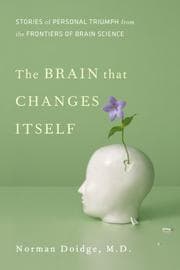
You know what the, the real foundation of change is, Ryan, is just having humility. Having the, the humility that, "Yep, I, I don't know it all. I can learn, or I can re-look at something, or I can do some research." One of my favorite books is "The Brain That Changes Itself," and the first step in law of learning is you have to want to learn. How do you get there, though?
Like, and, and what I mean by that is I-- 100% everything you've said so far. But let's say I'm stuck. I see these things. I listen to this podcast. I love what you're saying.
I go to your website. I read it. I love it. I've read a couple of your b- I'm... But I feel, I just, I feel anchored to where I am, and it could be territorial fear, right?
I've hit a, I've hit a place where maybe, you know, maybe also in g- golden handcuffs, you know what I mean? I've hit a place where I'm making enough or comfortable enough. I may not be happy. Like, it's never the person who's at b- at rock bottom who is afraid to move forward, right? That person sitting at rock bottom going, "You know, even the first step gets me off of where I am."
It's that person stuck, like, slightly above average, where they're making enough, they have just enough credibility, just enough, you know, uh, ego. Maybe they have a country club membership, or their kid goes to a private school. But they wake up every day, they're either bored out of their mind or just straight miserable, and they're, you know, using alcohol or drugs to, like, just dull themselves at the end of the day, and they know they could have done more, so they're filled with regret. But at the same time, every move feels like it could g- you know, every move feels like the p- opening up the potential where they could lose this comfortable life that they have, where their spouse has a nice car and everyone seems to respect them. And h- That person who just builds this little world around themselves that looks great and in some ways is, but ultimately is incredibly dissatisfied.
How do we crack that person open? 'Cause a- and I'm, have no data to back this up, but th- the people that I talk to when I-- The people that are coming to me when, when I'm talking to people when I'm out at a keynote or afterwards, that is the general stroke of the person who I find is in the toughest place, right? 'Cause they're, they don't mo- they don't know where to go from there. When you're at the bottom, anything, anything is progress back towards the top. But that group that I just described, it seems like there's a lot of pain, but it's internalized. They're scared to talk about it because their, otherwise their life looks okay. So how, how do we get that person moving in a direction where they start to feel more fulfilled, satisfaction, purpose, meaning, all these kinds of things?
Yeah. There, there's a bell curve for a reason. Like, that, that middle is, is, is big, and the, really the goal in, in creating change as an organization is moving the middle. But I would just start with this question. Uh, you're an adult.
I have to respect your right to be average. That's just the truth. I have to respect your right to be average. I, I can't make you w- have that hunger or have that curiosity or have that commitment. But when you were talking, I, I wrote down three things that I think could help that person who's kind of ...
Their, all their needs are kind of met. They have shelter. They have c- consistent income coming in. They have a 401. They have healthcare benefits, but they're kind of dormant inside.
That, I guess, let's go back to that curiosity is, is not there. They're not connected to purpose with their work. So the first step I would teach anybody in anything in leadership, I really ... I wrote a book, uh, coming out June 28th, ar- around the psychology of, of influence. Really what can I look at brain science and human, human behavior, the science of behavior change?
I think we miss, Ryan, sometimes as we just throw, "Here's a five-step process. Here's my four- here's my, here's my, my framework." And it's not personalized to the listener. It's not tailored to them. So the first step I would say for any, to anybody, context before content.
Connect before you correct. Like we talked pre-call, have you done the right diagnostic to uncover the layers of what they've built up over time and how they're just masking real hurt or real joy or they're, like you said, numbing themself with maybe grinding. They're numbing them- themselves with alcohol or achievement or maybe not achievement. But if I haven't done my due diligence to, like, create self-awareness and as, uh, Tony Robbins says, "Awaken the giant within," that there, there's greatness inside of you. But if I haven't done my due diligence of, of getting you connected to ...
One of my, I guess, simple Captain Obvious things in sales and leadership is do you know their goal? You know what's currently stopping them? Do, do, do they know what their goal is? If I asked you right now, Ryan, what, what do you want the most, what, what would you say? Me personally?
Yeah. Um, what do I want the most? Uh, I just signed my first book deal, and I want to make that book as good a work product as I can possibly put together. Well, podcast listeners, do you know they, do you know they're, that your answer that fast and that clean and that, that concise? I'm guessing those, like, bell curve people, they don't have that answer.
So it's like are you a gazelle or a lion? Gazelles wake up, and they're running away, avoidant. Lions are running towards. So my guess is they're probably running away from doing the work or that, the promotion, what it takes to maybe have to put together a proposal and present it in front of their peers. They're probably in this avoidant mindset because they're not connected to a desire or a calling or a connect or a purpose that gets them motivated.
So I think if I'm working with this bell curve person in the middle, I need to do some deep work in terms of, like, some really good questions. I love this thought from Voltaire, "Don't judge a person by their answers. Judge them by their questions." Influence and behavior change does not come from speaking at someone. It's connecting and understanding.
Connect before correct. Context before content. So I would spend some time getting in there, and most people have not done coaching or therapy. Would you agree? Oh, yeah.
Yeah. Uh, dude, I'm gonna give you an anecdote. When I first ... So two years ago, somewhere in that range, um, I mentioned on the show here that I go to therapy every other week and have since 2017, 2018. And I basically said, uh, "She's a counselor, and I see her every other week, and I go whether I'm feeling great, bad, in the middle.
Doesn't matter how I'm feeling. I just go." Right? It's a, it's a li- it's a life expense. It was a very good mentor of mine said, "Go find someone you can talk to.
See them every other week for the rest of your life, and just consider it a life expense," and I have. And when I said that, the number of people who reached out and were like, "Why would you say that? You don't, do you really want people knowing that you do that?" And then I had a wh- I had it on a group. There was a pocket of people that were like, "Thank you.
You know, I go too, and I'm glad to hear," you know, whatever. But there was, like, this large group of people that felt that the idea of being open about talking to someone and talking through your questions, your problems, the, you know, helping sort and organize all the gobbledygook that can build up in the crevices of your brain, that somehow that was a negative or that that's something that people shouldn't know about you. I, I was astounded. I was astounded at ... And not necessarily negative, but just, like, are you afraid that someone's not gonna wanna do business with you because you s- And I'm like, if someone doesn't wanna do business with me because I go see a counselor every other week, like, that's probably not a good client to begin with.
But to that point, I think a lot of people look at this idea of therapy or counseling, and it's like, "I don't need that. I may have all these problems, and I may be upset, and I may not understand my mind, and I may be in a negative place, but that's for other, that's for crazy people." And it's like, I really wanna tear down that barrier. Like, long term, I wanna tear down that barrier. Yeah.
I, I just use different ways to use a parable. Like, do, do you change your oil in your, in your car? No. Well- I used to. But, but- But I don't anymore ... but do you take it in- Oh, yeah, yeah, yeah ... like every 7,000?
Yes. Yeah, yeah, yeah. Yeah, every, every seven, five to seven you probably change it. Do you go to the dentist, like, tw- twice, twice a year? Yeah, every six months.
Yeah. Yeah, well, you, you don't need to be sick to get better. I would flip the script on it's preventative, it's proactive, it's, you know, your adult relationship, your adult wiring is really a window into your childhood or past relationships, past hurts. So I just think, man, that's legit. Man, you're proactive.
You're-- It's just you're flipping the reframe. You're, you're reframing. It, it takes an absolute savage warrior to get vulnerable and ask for help. Oh, you isolate? That's actually weakness.
You're running from truth? That, that's some, that's some weak shit. Oh, you're getting help? You're, you're trying to improve yourself? Man, you're courageous.
That's what great leadership is. We said earlier in the podcast, the foundation of greatness and growth is humility. What you don't use, you lose, as in working that muscle of vulnerability. What you avoid, you attract. What you resist, you persist.
So the best coaches and executives, they have either coaches or counselors. I was like, have you not seen the show Billions? Dr. Wendy was the cornerstone of that whole company of, like, the psychology of growth and navigating pressure and, um, yeah. So I just think one of my goals...
So my, my company's name is Mastery Mindset. Our mission is to transform lives and normalize mindset training. Normalize personal development, growth, self-awareness, doing the-- It's called doing the work. Some people don't wanna do the work. I have to respect your right to be average.
But every Major League Baseball team has a mental skills coach. Every special operations has mental performance coaches on their team. Every Olympic organization has some type of performance psychologist on staff. Oh, but you're too good for it. Oh.
Okay. You, you knew, you know it all? Okay. Like, I will go toe to toe with anybody that says that that's a waste of time. But, but now I have two more.
But we, but, but, but we just covered one. I got two more. We just covered is, is getting to the source, connect before correct, context before content, personalize the growth to that individual. You've heard it's the WIIFM, what's in it for me? And I also love this thought from Mary Poppins, "Well begun is half done."
It has to start at the start and getting-- This is what I call targeted coaching. Make it specific to the individual. That's just step one. But you were, you're, you were kinda cooking on something there. Yeah, no, I was just gonna double in and say everyone thinks Michael Jordan was born with this mentality, but it wasn't until Phil Jackson, I just wanted to look up the guy's name, I knew the story, brought in this guy George Mumford, who was a mindset coach- George Mumford.
Yeah ... that they started winning their championships. So it's like it took, you know, obviously Jordan was a hard worker, and obviously he was driven, but it wasn't until they brought in this mindset coach who, who then he also introduced to Kobe, um, after the Jordan era. But, um, like Phil Jackson brings this guy in, and he's the one that taught the, the Bulls and then the Lakers championship teams the winning mind. Like they, they didn't have the winning mindset. Here's Michael Jordan.
Everyone thinks he's just tapped by God as this thing, and it's like, no, this dude had, he had Tim Grover as a, as a strength and conditioning coach. He's got George Mumford as a, as a mindset coach. He's got Phil Jackson, who's all about mindset. I mean, literally his name's the Zen Master. Like, so to think that, you know, here's, here's Michael Jordan, who you could, who you could completely misdiagnose as having just been touched, I mean, touched by God in some ways, obviously.
But he's still surrounded by-- There's just three of the people that he's surrounded by to get him where he needs to go. Yet- Mm-hmm ... those of us who maybe, you know, are operating in our day, we don't need that? Like that, that's what I've never understood. It's like- No, no, I agree. But, but you're looking for an edge.
I'm best with working with high achievers who wanna get 2% better. The, the middle and below, like they're not, they're not willing to do what it takes. So like it's a waste. If you're not willing to be disciplined enough to seek your own peak performance and not waste days and not waste a lifetime, like I'm just not the right fit for you. So y- I have to respect your right to be average.
Michael Jordan said George Mumford changed his life. He saved his life. And listeners, you can look up The Mindful Athlete or Unlocked. Those are his, his two books. Um, yeah, but Kobe was super vocal about how he meditates, mindfulness, present moment focus, that, that moment mentality.
That's by design. So I, we, we teach in the mind gym is we are living and thinking by design, not by default. It's taking time to get super clear on vision, values, behaviors, organizing our, our thought patterns, not randomly, but like, like, you know, choosing those and, and des- and practicing them. But the second thing I would, you know, challenge anybody, okay, we're talking about bell curve, lacking motivation, um, feeling stuck. Like, you know, in that phase, maybe your career, you're like 40s, 50s, you, you know, you've kinda grinded and you've got that consistent paycheck, but you're maybe h- hungry for, for more in life.
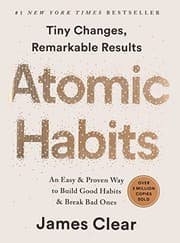
Is that what we're, is that what we're talking about? Right? Okay. One of my favorite quotes is from author James Clear, habit expert. One of my most recommended books is Atomic Habits, and he says, "We don't rise to our goals, we fall to the level of our systems."
So step one would be that, that connection before correction, uh, context, like uncover s- self-awareness is the first step of change. Step two is do you have systems? Have you designed an environment or habits, behaviors, values that you do, you know, every day, every week, every month? I would get really clear not only on the thinking patterns, but the behavior patterns, and also creating the environment where it's easy to access and activate that, that habit, and just really get clear on behaviors and commitments. But also designing steps to activate the habit consistently.
And the third one is Is you shouldn't, you shouldn't go alone. I mean, peer pressure goes both ways. It can go good or bad, so get, you know, that organizational culture a, a, um, accountability partner or y- no one should worry or win alone. Have human capital around you to hold that standard and to help you stay committed to it. Having an accountability partner was one of the unlocks, and I know you're not as familiar with my story, but in 2020, I launched, um, National Digital Commercial Insurance Agency on the contrarian mindset that you could add as much value online and through a digital relationship as you could face-to-face, which is the way ninety-eight percent of the policies are sold in the industry.
Um, and I was told that I was crazy and that people wouldn't retain and that you'd only have garbage business. And in 2021, we were the fastest small commercial agency in the entire country on less than a fifty-thousand-dollar-a-year budget. So we basically proved the entire industry wrong. Um, my point, my point in saying all that is that y- the reason-- how I got there was I had an accountability partner that I met with every other Wednesday from eight to nine. Now, his business took off at the same time too.
So what we did, you know, and this is how accountability partners work, guys, if you, if you don't have one, is, you know, s- we didn't do the same thing. We were similar but different, and what we did was hold each other accountable, if nothing else, to the promises that we made for the previous two weeks. And when you know that someone you respect is going to ask you, you know, w- "Did you make good on these three things which we, which you told me you were gonna execute?" And then vice versa, right? There is a pressure to get it done.
And, and what I found, and this is where I'd love for you to, to, to build on this or, or, or play with, is that it forced me to cr- to create systems and workflows in places where I may have otherwise procrastinated because I didn't wanna have to show up and tell Gordon that I didn't do that thing, right? I d- I didn't want that to happen. Like, there was nothing worse than having to look at someone who I respected, who was also a friend and, you know, through the c- through the computer screen and say, "Yeah, that thing I told you I was gonna do, I just didn't get to it." Right? There's that, that feeling, that tension of, of letting him down almost, um, forced me to create systems, and then the systems became a habit, and then, then all of a sudden, you know, we went from three tasks every two week to having five tasks every two week because we were building systems in these things, and now all of a sudden the business is cooking, and it's like I can't thank him enough, and we still-- we, we meet less often today, but we still meet.
But, like, that time period, if I didn't have him as accountability partner, I don't think my business grows as fast as it does, and I certainly step on a lot more landmines than I did, and I probably let some things that were necessarily priorities, I maybe don't even consider them priorities, or I don't get them done. So this idea of an accountability partner, whether it's a f- a peer, a colleague, or, or maybe I'm gonna stop there. I so firmly believe in accountability partners in a, in a broad stroke of the term. How do you, how do you recommend people find them, work with them? Like, w- w- how do you engage, and what is the most optimal way of having someone to hold you accountable to get these things done?
I think one of the most underutilized performance, let's just even call it a hack, is having a mentor as an adult. We think, again, let's go back to that forty, fifty year old. I don't need a therapist. I don't need a coach. I don't need a colleague to hold me accountable.
You know? So I, I look at, uh, when you work out with someone else or a group, do you tend to work out harder, or do you tend to not work out as hard? You tend to work out harder probably. I guess it kind of depends who the person is, but we'll say harder. Well, I would, I would say if, if you're running or you're in Zumba or you fill in the blank, this is from the German psychologist, Dr.
Kohler, call it... He calls it the Kohler Effect. We tend to exert more effort when we're in a group. And Northwestern University has research published when a, when you're within twenty-five feet of a high performer, your performance increases by fifteen percent. When you're in twenty-five feet of a low performer, your performance decreases by thirty percent.
We are social creatures, so again, p- like I said, peer pressure goes both ways. When you design an environment where you're around high performers, you're more likely to be a high performer, and you're talking through your goals and your systems and holding accountable. Like, I have a few people I work out with, and, like, I wouldn't be at the gym at five AM unless I'm meeting Oliver, who's gonna work out with me at five AM. If he's not there, I have an out, and I'm not gonna work out. So it's just creating systems of accountability, of consistency, and, and human capital is such a powerful resource that we're not optimizing, uh, collectively.
So I would say in your desire to create change and consistency, don't go alone. This is a proven-- I just rattled off some research that supports it, but I'm sure in your life you could probably think of examples when you wanted to do something new, and when you went alone, you probably didn't stick with it. When you had someone do it with you, you probably stayed with it. Nobody should worry or win alone. Think of the gravity of this, of this idea of, of, of proximity, right?
Within twenty-five feet of a high performer, your performance increases fifteen percent. If you're within twenty-five feet of a low performer, it decreases thirty percent. I said those stats correctly, right? That is something, o- o- one, I think tangibly that's insane, right? Like, the idea that I just being in the same space as someone who is killing themselves, you know, pushing themselves to the top, you know, executing at a high level, just, just being around them, right?
Just, uh, 'cause my understanding of that research is that You don't even have to know the person. It's being in proximity of them. It's seeing them do the thing at a high level. You, you literally don't even have to know-- They don't have to know you, you don't have to know them. It's being in the space, watching them perform at that level is what drives you up.
And the same thing with a negative performer. You don't have to know the person. So, so it's not even just the five people you hang out with, uh, which is obviously a, a, a, an important and very valid, but m- very much a, a top level cliché. It's literally the environment you put yourself in. If you're in an environment in which low performance is tolerated, you are going to be dragged down.
In an environment of high performance, you don't even have to know those people. So what, what I take from that is it, it removes the excuse of, "Well, Colin, I, I don't know anybody like that. I, I don't have anybodies who could be an accountability partner." Just find the environment. Start there.
You know, just, just find a high-performance environment. They don't have to be your friend. Or even if they don't do it with you, you have to report with maybe your, your, your, your spouse or a business colleague or someone that you respect. And it kinda goes back... Let's just look at our brain wiring.
Kids don't do what you say, they do what you do. They, the, the brain model and mirrors what they observed. That's just how we're designed as s-social creatures, modeling, mirroring. So if you're around someone who kinda late or doesn't give maximum effort or makes excuses, because we're social creatures, you're more likely to model and mirror that. But if someone raises a standard and it's cool to do the right thing, you, you normalize effort and creativity and failing forward, you normalize being vulnerable and trying new things and, um, just stretching these zones of comfort.
I j- I think, you know, the, there, there are th- if you look at a bullseye, here, maybe here's a, here's a question, uh, for reflection. It's a philosophy question. Um, does the arrow find the target or does the target attract the arrow? Which one do you think? I don't know why I wanna say the arrow finds the target, but my gut tells me it's the second one.
Uh, you're, you're exactly right. When you are chasing what's the next fix or I need, you know, to achieve something or that validation for someone, like you're just shooting arrows without that just solid foundation of if you're the target, like attracts like. Energy flows where-- you become, you know... But really that target centers around what we talked about today. Your, the bullseye is your identity.
It starts with how you talk to yourself. What you say to yourself has ten times the power. You never absort-- outperform your self-image. You, you use words to structure, you know, word, picture, and emotion, repeated forms of belief. The more you repeat that, that, that belief becomes stronger.
So it starts with identity. The, but the second thing is, is your, your, your values and behaviors. But the third one is your environment. So if you really wanna create change, you have to look at how am I talking to myself? How do I see myself?
How am I using words as tools? Bruce Lee says, you know, uh, words cast spells. That's, that's why they call it spelling. Words are your wand. You know, words create wars.
You know, words are tools. So like how you describe yourself in your industry and what you're building, reframing stinking thinking into, you know, what's possible and framing it in a productive way. And then look at wh- success leaves clues. What are the behaviors of elite people in your field? You can have mentors who write books, who do TED Talks.
You can have mentors that I have, I have a thousand mentors I've never met. But it'd be really powerful if you find people, I love that you said proximity, 'cause proximity is power, who you're around, but then you create that environment that is conducive to execute your identity and your values and behaviors. And people and systems around accountability and, you know, making it normal and being consistent with it, but that requires, Ryan, some effort in having a game plan, designing. Uh, Abraham Lincoln may have heard of the, the, the, the story or parable, if I have six hours to chop down a tree, I'd spend four hours sharpening the ax, while the other people are just hacking away. Well, no, let's carve out, okay, what do I want?
Is there a timeline? Like what are the behaviors that I commit to do, but what's the environment of what time of day am I gonna do it? Uh, what week? Who can I support myself to help me, he-help me do it, you know? It sounds like Captain Obvious, but we don't do it.
No. Uh, well, yes, it does sound, it a- this type of stuff always sounds obvious. Um, that does not, to me, only the... I think those who call out these types of ideas as obvious in a negative way are the people you wanna keep the farthest from you. Um, they tend to be scarcity mindset, um, tend to be more narcissistic, more secular, and I think all of those things lead to, um, an inward orientation that doesn't allow you to grow.
Um, you know, you, you have to have a level of openness and, and belief, and that belief doesn't have to be, you know, Christianity or something. People tend to go right to religion. I just mean you have to, you have to be willing to be, there's, I'm gonna butcher this, this idea and it's not mine, but, um, this idea of wonder. I was, there's, there's a, uh, there was a movie about it and there's a, there's a couple books, but this idea of, of wonder, of being open to the idea that you can get more fit, that you can be a better spouse, that you can be a better leader, that you can sell more, that you can be a better parent, that you can, you know, um, remove the, the vice anchor from your, from your daily life that's keeping you from these things. Like, like if you're not, if you can't, if you're not open to the idea, then, then all of the things we're talking about are just these platitude cliches that consultants or speakers say to get paid.
You know what I mean? When in truth, everything that you've said so far, whether you view it as obvious or not, is one hundred percent rooted in the psychology that the greatest performers in history have always wielded. And I'm interested when you come across somebody who-- Let me ask you this question. Is it worth the effort of trying to convince someone who comes at you from a, "This is just a platitude, this is just a obvious observation, this is," you know, that more scarcity mindset. Can you, can you tu-turn or change that person's mindset to abundance?
Or is it, or at a certain point, their brain and thought process and mindset has become, um, so static that it's, it's, it's not worth it, it's not worth the effort, like dragging them along. Like, how much effort should you put into dragging somebody along, right? Say, say you're, you're looking at a family member who's not in a great place, and you wanna try to help them. Can you? Do they need to, do they need to wanna do it, or can you open them up?
That's the best way to frame that question. Well, and sometimes the unfortunate reality is they're not gonna change unless they've hit rock bottom. And you can see that their trajectory is kinda leading them towards that, and it's just choosing the right time. But, but again, being in proximity, being present, being with them. Um, but I usually s- u- again, I usually start by asking some questions just to create awareness, you know.
Questions are your best tool to create change, not rattling off facts and figures, you know, and a feature and a benefit. So I would, in, in some form or fashion, like are, are, are, are you happy? And, and give them a scale to evaluate, like are you, are you thriving? Are you flourishing? Like on a scale from zero to a hundred, if you look at this potential scale, like are you maximizing a hundred percent of your God-given p-potential and your education?
Like just, let's just give a, give a number, either a happiness or fulfillment or potential. Like, where you at? Let's just see if you can create some introspection and some just h-honest conversation. And, um, well, okay, you're an 80. That's pretty good.
Like what would-- To close the gap, like what do you think? Like what do, what do you think about? There's this new research in brain science called the default mode network. Where do you go in times of idleness when you're not performing a task like a podcast or writing an email or, you know, I don't know, doing something where your brain is going towards something that's your brain very rare where we're enlightened, and we have no thought. So where, where does your mind tend to wander?
Like what do you, what do you want? What do you, what do you ache for? Or what kinda pisses you off? What, what if we thought about ways to address that, to solve it, to do more of that? And it's really interesting.
I love the work by Dr. Mihaly Csikszentmihalyi, really the godfather of flow, being a flow state. And it's like, when was the last time the activity was the reward, not the outcome? Like what you were doing, you were so in the moment and so present. Like, how can we design a life where you're doing more of that?
So it's just asking just some questions on, like, how's your energy? Are, are you juiced? When's the last time you were, like, so ecstatic because you experienced something that was so fulfilling? You know what I would say, Ryan, the number one stopper of all this is? Fear.
There's some form of fear of self pr-self-protection or fear of failure or fear of what other people think or... I think a lot of these, these average people, they're, they're afraid to fail. They're afraid of how they look. So it's just kind of, I would start with some deep questions, make it personal to them. And, you know, in my research on the science of, of behavior change, what do you think the most powerful question is to create change?
But once you've done that kinda deeper work of what's your goal, what do you want, or what are some challenges that are stopping you, one of my most favorite ownership questions is, "What are you doing for that?" Oh, let's just talk about what you're... Oh, you're not... Oh, well, you're doing that, but how's that? Oh, but that's not getting you the results.
So, like, let's just collaborate on a few ideas to help close the gap. Well, you're eighty percent? Well, no wasted days. No wasted days, no wasted lifetimes. Like, do you wanna be average?
Again, I'll, I, I have to respect your right to be average, but do you wanna be average? Oh, you think you're elite? Tell me the behaviors. Actually, that's not elite. That's pretty average.
So if y- if you wanna, you know, be a better partner, be more fit, have more energy, make more money, it's not gonna happen by playing v-video games on the couch or working four hours a week, not really diving into something that you're passionate about or utilizing your strengths and your skills. But I love that we're just having a conversation because it sounds like you're curious about working with that person who's, you know, they're kinda like in this zombie mode, where they're kind of alive and awake, but they're not really thriving. They're not committed to, to greatness. Yeah. No, no, I think it, I-- And yes.
So, so, um, and some of this is recently, I've just, I've had people, uh, some people reaching out about, uh, coaching, et cetera, and they've all kinda been in the same place, and it's all been men. Um, just that's the statistics, not a judgment. Um, although I do think this is particular-- this type of problem is a particular problem for men. Not, not that women don't have their own problems or equally valuable problems or disruptive problems, but, um, which is this idea of they performed at a level above average for a period of time that got them to a place in which they could say I got the center stair colonial, and I got a pool with a jacuzzi in the back, and my wife drives a nice car, and we got a country club membership, and the kids are doing great, college is gonna be paid for. But every day I wake up and I wanna drill a nail into my forehead because I do the same shit over and over again.
It's either too easy, or it's boring, or I hate what I do, or I have no passion for what I do, but I make enough money and have enough power, influence, whatever, that respect that I don't wanna lose that. So how do I transition to something that I wake up every day feeling energized by? 'Cause they're all low energy, all of them to a T. The, the corresponding fact is they are all low energy to all of them, right? They, they, they may look high-performing, they may even be comfortable in some regards, and not necessarily unhappy, just bleh, I'm 43 years old, and, like, this is it? Like, this is the rest?
Like, this is what I do? I just chase kids around and take them to sports things and, you know, show up at work from 8:00 to 4:00 every day for the rest of my life until it's time to retire and move to Florida? Like, that's it? That's, that's what I do? And, like, they're-- they feel stuck in this place where, you know, the idea of taking even a perceived step backwards is so painful because what are my neighbors gonna think?
What if I can't get my wife the upgraded car? What if I have to put the country club membership on hold? What if, you know, insert all these what-ifs. And the very first thing that I level set with them, and, and this, this is really where, where my, my next question comes from, and I wanna see how you position this and just your general feeling. The very first thing that I will say to them before I agree to work with anybody is that w-we have to make a pact that we will live in reality, and what I mean by that is you-- we have to operate based on what's actually happening on the field, not what you hope happens, not what you think might happen, but what is actually happening, right?
I had one guy who really wasn't actually that, in that bad of a place. He had just been watching too much nonsense on television and social media, right? When we really, like, took stock of his life, I said, "Bro, like, you don't even seem... Like, it seems like you're actually doing great. Like, your-- just told me your priority is being at every one of your kids' sporting events.
That's happening. You said your priority is you wanna be able to go on, uh, adult vacations twice a year with your, with your spouse. You're doing that, right? Like, you see-- you said you have a pretty decent relationship with your wife, you know, just, you know, 20 years in, you guys still get along, you're still fr- like, what's the problem?" The problem was he's looking at dudes with Lamborghinis on Instagram, 40 years old, thinking that he-- why doesn't he have that?
And I go, "Do you really want a Lamborghini? Like, is that really... Like, in your life goals, like re- again, coming back to reality, is that really... Like, if you... Like, is that what you wanna be striving for is that fucking Lamborghini?
What would you do with a Lamborghini? You live in the Northeast." This dude lived in, like, New Hampshire. I was like, "Where would you drive a Lamborghini in New Hampshire, bro? There's potholes everywhere.
You couldn't go, like, 15 miles an hour. It snows, you know, eight out of te- out of 12 months. When do you gonna drive a Lamborghini?" Right? So, like, it's...
We have to level set into reality, and maybe my framing of that, and I'm, I'm broad-stroking here, there's, there's a limit- So I love that you said, "I'm not gonna work with you unless we're actually gonna be in this world of reality." Yeah. You know? But, but keep cooking with that if you wanna keep- No, I was just wondering, like, is that a great place to start? How do you frame that?
Like, how do you-- I may- maybe use a better... How do you keep them tethered to what's actually happening? Because I, and I, and I... But one more contextual aside, and then I will, I will stop talking, and you can take this question from here. But, like, I look at even all the nonsense online around politics and these different things.
You, you have g- most of the disagreement comes because one group or the other is operating from some philosophical fantasy land that doesn't actually have any real-world tactile results or feedback, right? And the other group is. Now, I'm not saying right does, left doesn't. I, I think it's a- across the board and all over the place. But my point is, you get these conversations where the two people aren't even-- They're not talking about the same world.
W- And, and we c- I believe that so much, so many people get caught in this recursive loop of average, I guess, you know, just using the, the language that you used there, b-because they're operating in a fantasy land. They're, they're not operating in what's actually happening on the field. Well, going back to that, this, like, tribal brain design, you know, thousand years ago, the average tribe was 50 to, what, 150. And so socially, that's what you're used to seeing. So it's...
You're not comparing. Now we're comparing to millions. And Eleanor Roosevelt said, "Comparison is the thief of joy." So we're-- our brain's not designed to handle all these fake images of people's highlights. But I cling to my, my favorite Bible verse, which is Romans 12:2, which is, "Don't conform to the patterns of this world.
Be transformed by the renewing of your mind." If you're not renewing your mind with growth, curiosity, vulnerability, gratitude, service, impact, your desire to serve has to be stronger than your fear of looking like the smartest person in the room. That avatar you just described, their ego is so high of, "I have to be the smartest," all about image. I'm afraid to fail. I'm afraid to try it.
I'm afraid to step out. What will my peers say at the country club? What will my friends say if I'm starting something new? Um, but let's just look at being in flow. They're not in a flow state.
So the research shows y- to access flow, you have to be four percent above your skill level. So flow is challenged on one axis, skill on the other. So if it's, um, if it's low challenge, high skill, it's called boredom. High challenge, low skill is called anxiety. So it sounds like they're, they're not exposing themselves to maybe new challenging environments, and they're bored.
But there is that kinda sweet spot of comfort zone, stretch zone, panic zone. Those are the three op-- you know, growth zones we can live in. So comfort zone is just as scary as being in the, the panic zone because they're not alive, they're not connected, they're not... Yeah, so it's like you don't have to make money to be in your purpose. You can...
I would coach this person and do a really deep dive awareness on what problem do you wanna solve? What problem or what pisses you off? Or where do you bring joy? What, where do you need to serve? What strengths make you come alive?
Like where have, where can you evolve and grow and do something? But I always look at, man, if, if our foundational mindset is around gratitude and service, like we're, we're gonna be good. Start with gratitude and abundance. I can quote tons of research on what gratitude does to the brain and the body, and also service, what service does to the brain and the body. And it sounds like they're kinda self-serving themselves, you know?
So and their framing of their world around them is, you know, it sounds like they got a lot of stuff, but you even just said it, man, you have a great marriage. I mean, you got access to resources. You're present with your kids. Like, so what's the problem? It's w- they're not renewing their mind.
These are daily and moment-to-moment systems of energy flows where focus goes. This is what psychologists call expectancy theory. What you focus on expands. What you focus on, you will find. So what are you designing to focus on with your thoughts, your words, people you're serving, your, your, your actions?
But just, again, designing with some curiosity and g- coming up with a game plan. Man, it's cool to try something new and fail. Failure's progress in disguise. No one lands on top of the mountain, but that growth journey is, that's what's gonna make you come alive. When's the last time you failed?
When's the last time you like, "Wow, I did something hard"? I like you, that you touched on you can have the job that maybe isn't passion-driven, et cetera, that provides the resources so that you can do the thing that provides you passion, which could be coaching your daughter's softball team or, you know, uh, running marathons or, uh, giving food out at the local shelter or whatever the thing is that provides passion and, and purpose and meaning in these things in your life. Like, it doesn't have to come from your job. Your job can be the tool that facilitates the thing that provides passion, meaning, purpose in your life. And, um, I find, I think we've been mis-sold a bill of goods that your job is, like, who you are.
And it can be. Doesn't mean it can't be, right? You can find your passion and purpose in your job and make money, and that's wonderful. But it doesn't have to be, and there's nothing wrong with thinking of your job as something you can do and do well and ex-extract resources from that then facilitates your ability to do that in another capacity. And I just...
I think that there's a lot of people who, going all the way back to the beginning of this conversation, have, have not even begun to dig into the depth in which you have described here in this conversation. And, and again, it's why I love doing this podcast is just being able to expose people, like this mindset that you have. And so, so tell us a little bit about the Oz Method, um, why we should go out and pick up this book. Yeah, I'll, I'll tell you about that, but let me just go back to there's 168 hours in a, in a week. If you're working eight hours five days and sleeping eight hours a day seven days, you roughly have 68 hours left in the entire week.
68 hours. So you have s- more time than you think to unlock a passion or a curiosity or a service engine to impact the world around you. So I would just challenge, what are you doing with that, with that 68? Okay, but yeah, thanks for asking. The Oz Method is a framework of, of influence, I guess, for sales leadership.
Um, think about, you know, do you lead people? Do you live with people? Do you sell a product? Are you a, an entrepreneur? Are you a speaker?
Do you have a job? Like it's not sales, but it's, you know, it is sales, but everyone's selling. Where are we going to dinner tonight? Kids, you gotta do your laundry. You know, like, or it's, everything is influence.
But, um, it's using the characters from The Wizard of Oz to like create structure, a metaphor, a framework that people who lack influence skills, it's usually because they're stuck in Kansas. They're in the black and white, boring, same old, same old features, benefits. So that tornado represents change, but Oz represents this new world, vibrant color. And Dorothy, when she put on the ruby red slippers, is having that empathetic thinking about the other people's experience, taking them on a journey. And the three characters, the Scarecrow wanted a brain.
So anytime looking at behavior change, there has to be a level of curiosity and learning, but also mindset and belief. The second character Dorothy encountered was the Tin Man, who wanted a heart And all the research I found in influence, storytelling is your number one tool, period, point blank. Your ability to create emotion is directly tied to telling an impactful story and, you know, allowing the listener to be the, the main character. And then the lion one of courage, so tools around fear, failure, executive presence. But, you know, the yellow brick road is just like we talked about all this, your habits, behaviors, the systems.
And what's interesting is the, the wizard had no real power. How many times we put our, our buyers, our investors on this pedestal? They're humans. And the wizard told these characters, "You had it inside you all along." So it's just giving people in this book just some tools to develop brain, mindset, learning capabilities, influence storytelling, connection, emotional hooks, courageous vulnerability, fear overcoming, handling objections, you know, that executive presence where public speaking is the number one fear that people have.
And then just systems that you can follow, you know, tr- trust the, the process. Process over, over outcome. Book's coming out in June. Besides the book, where do we get deeper into your world, my friend? Yeah, you can go, uh, I have seven other books and two journals on Amazon, so search Colin Henderson.
Colin Henderson on-- I hang out more on LinkedIn and Instagram. I do have a podcast called Master Mindset: Tools to Win Their Game. So those are a few, a few spots. I love it. I know, I know my audience is gonna go deeper in.
This-- They love this stuff. Dude, I'm so glad I met you. This is fantastic. Uh, I have a very good feeling you will eventually come out with another book or another resource. And when you do, I hope you'll, you'll come back on the show and talk through it with us because, uh, you and I couldn't be in deeper agreement, and it's, it's why I love doing this show is just mindset is everything.
It is everything. It's, it is the core to how we operate our lives. And we need people like you who are out there doing this research and disseminating it out to everyone else. And, uh, just appreciate the hell out of you, man, and wish you nothing but the best. And, uh, I know this audience is gonna push hard to get that book and, uh, and learn this stuff.
So thank you. Tara, thank you