Irashihaimase. I'm here on the job site with Dale, who's a framing contractor. Hey, good morning. Dale traded up to GEICO Commercial Auto Insurance for all his business vehicles. We're here where he needs us most.
Yep, they sure are. We make it easy for him to save on all his insurance needs, all in one place, with coverage that fits his business and bottom line. Oh, I shouldn't have looked down. It's all right. We're so far up here.
Look at me. Take a deep breath. No, I'm good. So good. Get a commercial auto insurance quote today at GEICO.com and see how much you could save.
It feels good to GEICO. Happy holidays. Want to give your host a gift? Consider subscribing, rating, and reviewing the show this holiday season. It really helps the show grow.
From all of us at Believe, have a Merry Christmas, everyone, and a happy holiday. Hello, and welcome back to the Ryan Hanley Show. It is great to have you with us. And today, I am interviewing Steve Babcock. He is the former chief creative officer for VaynerMedia.
And now, he runs his own agency called Made in House. And what I found so interesting about this move that Steve made was he went from being in one of the fastest growing, certainly one of the most well-known outside creative shops to creating his own agency, which is essentially helping organizations create well-run, highly functional, effective in-house creative agencies. I thought it was a big move. It was a very entrepreneurial move. And I was very interested in his take on in-house versus kind of third-party creative agencies and marketing shops and where he stood on that.
And then, really, I wanted to learn more about his perspective on leading a creative team. I thought he had a unique perspective to do that. And as business owners, many of you listening to this, when you interact, whether you're a creative yourself or not, when you interact with a creative team, there are specific ways in which you creatives operate that is slightly different from those who do other forms of tasks. Every function is slightly different. And I just thought it was a unique perspective.
Very interesting. Got his thoughts on branding and marketing as well. And just, he's a very good guy. I had the chance to meet him in person when I spoke at Gary Vaynerchuk's first conference, Agent 2020. I had our Agent 2021, I think it was, down in Miami and found him to be very engaging and funny, but also down to earth.
And it was just a pleasure to have him on the show. I think you're going to love this episode. Before we get there, guys, my one ask, there's no advertising on this show. I do that on purpose because I want to bring you the most value without any corruption from advertising other than, if you're not subscribed to this show, I hope you will do so. And if you have a second, just 60 seconds, jump over to iTunes, leave me a rating and review of the show.
It helps more people find this content, the ideas that we're sharing here and become part of our podcast community. If you have any questions, comments, two ways to get ahold of me, you can just email me, ryan at ryanhanley.com or hit me up on Twitter, ryanhanley underscore com. That's ryanhanley underscore com or just search ryanhanley. Hit me up on Twitter and let me know what you're thinking about this podcast. Guys, great to have you here.
Let's get to Steve Babcock. Cool. Well, I appreciate you coming on the show, man. The whole context is fairly conversational. I think I'm interested in some of the things that have been happening with your career and just the general decisions you've made and why you've made them.
I think that's interesting. And then I just have some general kind of branding, business, creativity, creative questions for you as well that I want to walk through. And, you know, when we stop having interesting things to say to each other, we'll stop talking and we'll wrap it up inside of an inside of an hour, I promise. So even if we still have fun things to say, we'll be done well before two o'clock. So so that just gives you where we're at.
I don't know if you remember, but we did actually meet in person at the first conference that Vayner had down in Miami. We were on a you came over and talked on an insurance panel and I was one of the other panelists. I think I had been texting you like, hey, man, looking forward to the panel. And that was me. Oh, OK.
Awesome. Yeah. Yeah. It's OK. I.
Cool. So. So to that end, I kind of wanted to jump in and I became aware of your your work when you when you joined VaynerMedia. I was unaware of it before. And then I started watching what you were doing and following you on Twitter and stuff.
And I just thought you had a pretty interesting perspective. I really liked the used to do that or maybe you still do them and I just don't see them. But the Q&A is on Instagram where you would answer people's questions. I thought those were really well done. They were witty and and valuable.
You mixed kind of just being funny and fairly down to earth on some questions that were that could be like, you know, you could have just like surface glossed them and you seem to get very like real answers, but also made it fun and engaging at the same time. I thought that was cool. And that's kind of how I got indoctrinated your stuff. We met each other in person, which was cool. And then, you know, just in general, seeing what was coming out of out of Vayner was always very interesting.
And you guys did your first Super Bowl commercial and that kind of stuff, which is cool. Long story short, you know, then the announcement came out that you were making a move to your own shop. And I started digging into what that was going to look like, which is made in house. And for anyone listening who wants to check it out and I'll have links and stuff to all this, but you can go to made in dash house.com to check out the site. And I thought this was a really interesting idea and an interesting move on considering what the rest of your career had been.
So I guess where I'd love to start is maybe towards the end or most recent part of your career, which is this move. Like what part of, um, in-house versus maybe the previous parts of your career, unless I'm wrong, have been kind of being an outsourced agency work. Like what was the, what sparked that? What was the move? What was on your brain when you made that decision?
Well, I'll give you the honest answer because I find that that's usually the best one. You know, I had, I think throughout my career, I guess I would say I'm sort of a, uh, I'm an entrepreneurial in spirit, meaning I'm always thinking of ideas and things like that, but I've never, the thing that's separated me from, from real entrepreneurs is the gut. Like I've always just been like, wait, I can't step out on my own. I'm a provider for a family of five and that's scary and this and that and this. So, uh, there's been many ideas that I've had in the past that have just stayed in my head because of that.
But this was something that, um, was similar, you know, for the last probably year or two, whatever I, like most people have noticed, um, you know, a lot of our clients saying, Hey, we're going to take portions of the business back in house. So we want to do that ourselves. We're seeing talent typically, you know, attracted to agencies starting to work in house. So you're seeing something happening like, Hey, this is, there's a, call it a trend, call it a movement. I don't know.
Boom, boom, boom. I, I even, while I was working at Vayner had some, a lot of people, almost anybody who resigned from Vayner for the most part, wouldn't go to another agency. They would be leaving to go in house somewhere. And so I just, you notice those things. You're like, okay, this is some good talent is now not only exclusive to agencies.
What's going on? What's going on? And obviously working on the agency side for so many years, I had a lot of experience with clients, but, and enough to see into their world and go, okay, they function differently. So I thought, man, I bet a company would do really well if they set out to help brands build their creative capabilities. There's a lot of consultancies out there, but no one's really, at least in my experience, I couldn't find anybody that was really focusing on the creative part, which I think is the most critical part, the foundation.
You got to have good ideas, uh, and a system that knows how to make them in, in volume and et cetera. So I was like, that's really cool, but awesome. I'm never going to, I mean, why would I ever, you know, go out on a limb and try that? Then I, uh, came to a time where this is like in May where I was just going to make a change to another agency in New York city. Um, and because, you know, that's the comfortable world that I was familiar with.
And so, uh, I was going to make that change. And during that time, it, it actually, it's kind of weird. Gary had made, um, we made a video to announce my resignation to the agency and somebody leaked the video externally, which was fine. And it was kind of a weird thing to leak if you ask me, it felt like anything in it, but it became kind of public that I was leaving the agency. And so a gentleman who had just got put in charge, put in charge of running a marketing, um, division at a company saw that and reached out to me and was just like, Hey, I need some help.
Like, would you be open to consulting for a little bit between whatever it is that you're about to go do? And there was just this weird moment where I was like, is that the universe? Like, what is that? Like I have a client, you know? And so I just, I just kind of, you know, held my nose and took the goal and said, I'm going to do this.
So I, I took the other job off the table and said, I'm going to go give this thing a try because what's the worst that can happen? You know, I've got a client, the paying client, I'm going to go try this thing that I want to do. And if it flops, it flops and I go back to the agency life. So that's not like a super glamorous, like story of like I had this vision and I'm doing it. It was like, I had this idea, didn't really know to give it a try.
I got a client drop in my lap and that gave me the courage to take that step and make it official. And I'm super glad that it did. Cause I don't know if I ever would have before. So I'm really happy for that. And it's going well for you.
It is, it is amazing. It's, it's interesting. It's, it's, it's an emotional rollercoaster because is the demand is, is off the charts. And, and I would say that the, the, the satisfaction or the, like, I really feel like I'm helping like brands. They want your help.
They want, like, I just really, it feels amazing. It feels really good to be, to be providing a service. It is a real challenge to be, uh, the, the travel aspect, to be a family man, right? Cause you have to go, you basically go in house, you go live wherever the brand is for weeks on end, months on end, build the agency there and then go to the next one, go to the next one. So the thing I'm honestly trying to figure out is how to make it sustainable with a life, you know, for if, if, which is, I'm, I'm, I'm wondering, I'm like, maybe this is why no one has done this before.
Cause it's, it's a really odd lifestyle. Uh, but until I figure out the playbook and how to do it, I can, I can then look to scaling it. Cause I'm leaving jobs on the table. I can only do one at a time. Right.
So that's sort of the answers. I figure out how to scale it and build it into something bigger, which that's something I'm very interested in figuring out. But right now I'm like, well, I want to make sure that I can, I want some case studies. Here's where made in house got involved in a brand and here's when it, how it left it. And if that becomes very obvious that it's significantly better, then that's what I'm trying to build right now.
So it's when, whenever someone asks, how's it going? And my honest answer is like, man, it's amazing. The work side of it's amazing. I really believe that it's valuable, but it's also the hardest thing I've ever done. Just, you know, from an emotional, just from a life standpoint, very hard.
Um, and you're living in the New York area still, or? So, yeah, my family is out, uh, just over the Hudson in New Jersey and, and people ask where made in house is based. And I say it's based on Southwest airlines. So it's wherever I'm, wherever I am. I've been out in Utah, actually working with a brand for the last, uh, six or seven weeks.
And, and then I just, I just kind of go wherever I'm needed, uh, back and forth. So it's, it's definitely based on the, on the airplane or whatever hotel. Do you prefer the, uh, one project at a time type of work versus like the agency life, which maybe you'll have seven or a dozen, six dozen projects happening almost simultaneously? Um, or is it, is, is you find it more satisfying to focus or, or, or was the agency not set up that way? Were you more just singularly project-based?
No, it's different, you know, because there's different types of satisfaction. I guess this, I find really satisfying at the moment because I'm the project, you know, at an agency, it's like, Oh, I'm working on this campaign or this campaign here. I'm, I'm building an internal agency. So it's, it's not apples to apples, they're very different things. So it's, yeah, it's one project.
I'm being hired to do this thing, but it is a huge complex thing to figure out and to solve. So it's different creative, the actual creative, like ideas part is sort of the end part. You have to build a machine. You know, the majority of what I'm doing is operations. I'm going in and saying like, Whoa, here's how you're set up.
Okay, well, let's change some things. Let's be, let's move this group here and let's, this person here is in the wrong job. Boom, boom, boom. It's like, that's the first part of it. The majority of it is like, let's build the, you know, let's build the race car.
Let's actually get this thing really, really humming. And then we're going to really focus on, you know, building the driver to populate, you know, all the pipes with the best content possible. So it's, it's not, that's really the difference. It's like, I'm not a, I'm not really a freelancer coming in and helping them create work. I'm brought in to help build the agency that can then, after I leave, make really great work.
So it's very different. It's unlike, and I've never done. Well, that's not true. My last agency was largely operational. You know, so that's where I learned.
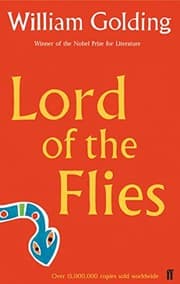
I stepped into a very large creative department that was in its infancy, but had a lot of people, but just no organization, no structure. And it was, I would call it a pleasant Lord of the Flies because it was, people were happy, but it was chaotic at best. And so I had to learn then of like, Ooh, I've got to actually operationally fix this thing before we can then get to focusing on improving our work product. And I got a lot of satisfaction out of that and found that I was good at it and enjoyed doing it. And so, yeah, now it's like just being able to do that at each brand is really fun.
And for me, it's significantly more rewarding to build an environment where somebody who previously was unable to or didn't know they were capable of making something amazing and watching them be able to make that versus me just making a thing. You know what I mean? At an agency, like it's, and maybe that's, you know, maybe that's just because I'm getting older or I don't know what it is, but it's really, really awesome and rewarding to watch people who, you know, are working in these brands that have felt kind of stuck or have felt kind of like, uh, uh, to all of a sudden watch these light bulbs turn on. It's watch them make, it's really awesome. I believe that.
I believe that. I, uh, you know, much of my work previous to the life that I live today was helping, of all things, uh, independent insurance agencies think that what they do on a day-to-day basis is cool. And, um, you want to, you want to see someone light up, uh, try telling them that, property casualty insurance is cool. And, uh, if you can get them to believe that, then yeah, I see exactly what you're talking about. There's a lot of, uh, a lot of meaning in that work and you almost take, um, you take, uh, a level of responsibility for their finding that, that I think, uh, that provides a lot of meaning to your life as well.
That's, that's interesting. Um, so, so let me ask you this, the movement that you saw that you now have moved into and the answer, uh, maybe obvious, maybe it's not, but where do you stand on the, on kind of the move back to, to larger in-house teams, um, when it comes to marketing, creative, you know, that side of the house, like, you know, where, where does, where is the pendulum in, in its, in its natural swing back and forth today? Well, it's, it's, it's confused right now because everyone's like, what's going on, what's going on? You know, I think you've got, you know, largely speaking, you've got agencies being, maybe feeling a little bit of a, of a threat just from a, from a cost perspective. Like, wait, this is, this is business that we get paid to do.
Now someone's doing it themselves just in any industry, right? You know, I mean, as soon as somebody learns how to do something themselves because of technology or because of, you know, systems, you know, I don't actually know a lot of travel agents, um, anymore. Anymore because technology made that really easy for people to do that themselves. Uh, but I don't, unlike that analogy, I don't really feel like agencies. I feel what I'm trying to do is build the compliment that build a system that compliments each other.
I believe in-house agencies, when they do what their job is, when they do it correctly, compliments what agencies can do. So I don't think, I'm not trying to build, I'm not trying to, um, you know, make agencies extinct. And I don't think that's the right answer for, for brands either. I really, really don't. I think, I think agencies have to change and I think brands are going to need to change.
But the ultimate goal is for brands to be able to build a system where they can be basically content factories for that brand. And they're, they're not really doing campaign style work. They're trying, the analogy I use is they, they should stop being the Kinko's of the brand and start being the Netflix of the brand. So think of it as a machine that it's throughout all of these social channels where you have to make stuff fast. You have to make it at a volume and you have to make it inexpensively where they're just really, really creating these original, you know, quote unquote shows for the brand.
Boom, boom, boom, boom, putting that out there on a daily basis, trying to, trying to find hits, trying to build equity in these creative ideas. Then you're going to have brand or sorry, agencies that come in and go, you hire us for the campaign work. You hire us for a specialty that you don't have in house, whether it's big video production, whether it's multicultural, whether it's strategy, whatever. When we come in and offset that and together, you know, you kind of complete each other. It's hard, I think for agencies because agencies have typically been in the land grabbing business where it's like, we want to come in and own everything.
And we want a huge retainer for everything because that's a really easy way to run a business and a profitable one. And so that's the thing that needs to get figured out is where agencies need to come and go, okay, my job as an agency is to be valuable, whatever, whatever it is you need us to be. Because if your business is AOR reliant, and I think you're going to financially as a model that it's not working for a lot of brands. And so you're going to have to get better at project work, figuring out how to build an agency that makes good money doing project work. So it's definitely a huge challenge, but I do, I really don't think in-house is the enemy to agencies.
And I think it's, it gets getting positioned that way a lot. And I think a lot of agency owners, and I get it because they're like, wait, this is chipping away at our, at our margin. They, they understand that, but at least my opinion, I'm not, I'm not trying to build duplicate agencies within brands. I have a, at a, at a different model that I believe in-house agencies should follow that would complement outside agencies. When you're thinking about the quality of the work that comes out of an in-house agency, how much is the talent or level of creativity that say an individual or a team may have versus the processes that they have in place, and maybe the culture they have in place as well to produce those pieces of content or to tell those stories?
Like, do you need to have the, the, the super storyteller and the, the awesome Photoshop, you know, woman and the, and the video, or is it, we have a set of processes and culture in place where we crank out content that's, that's around our story and, and, and, and our message. And, and, and that's like, I guess where, where, where, where do those buckets come in? Like, do you have to be the most creative and, or can you make up for that with process if maybe you're not? Right. Does that, does that question make sense?
It does. It does. I mean, I, I think he, I think it's a mix. You know, at the end of the day, talent is talent. Creative is, is creative.
And, and, and, and if it's good, it's good. And if it's not, it's not. That is, it's just the end of the day. But I think, so, yeah, I think it's important for brands and there's a humongous trend for good agency talent looking for in-house brand jobs for a variety of reasons. I've talked to a lot of recruiters to get their opinions on it.
And it seems like a lot of it is lifestyle. You know, it's like, hey, I'm just, I want a different lifestyle. I want to be out of this crazy market. You know, advertising is a crazy job. So, the talent is starting to not be so exclusive to agencies, but that, that's key.
Like, I, I don't believe there is a system or a process that can fully, you know, offset a deficiency in, in, in good ideas. But what's really awesome about an approach of, a programming approach where you're creating a mass volume of shows into the social and digital space is that you can have, and you should have a variety. There are going to be certain ones that, man, that is just much, that idea is, takes a little bit more production. It's just kind of a heavier concept. It's boom, boom, boom.
Maybe over here, it's like, oh, there are things that are a little bit more blocking and tackling, boom, boom, that are kind of going out every, you know, so you kind of build a whole program and a whole system. So, not every single thing you do requires the team captain, you know, but you want to figure, but I, but I think that's really important to figure that blend out. So, the other thing that's really interesting about, about the model is like, it's all test. It's all, you know, exploration. It's all piloting.
You're put, if you have an idea, cool, make it the best you can and put it out into the world because that's the beauty of today's world is now we, it's very reciprocal. When we put work out, if I put a video out on Facebook, I can see if people like it and if they don't, I can see where they stop liking it. I can, you know, all of this information and sort of build a system that utilizes that feedback loop to make the work better, to, to just stop making that work, to make, to, if, if any data, you know, that's gleaned from that helps inform a new idea. So, I think it's got to be, it's a mix of both, if that makes sense. You got to have process that can cover for some of the folks on the team who may not be as, you know, amazing at it.
But if you don't have the creative chops, you don't have the creative chops. So, one of the things that I ran into a lot in my prior life and more of a, we'll call it a marketing consulting role, even though technically that's not what it was, was this idea that I think people, a lot of people who maybe haven't operated in some of the worlds or ecosystems that you have and probably are many of the people that you're dealing with now. I think the initial inclination is that every piece of content that they create is this, this is put on a pedestal by every single person that watches it and immediately impacts either positively or negatively their brand perception. And my perspective is, and this is where I'm very interested in where you stand, is that today, 2019 going on 2020, any individual piece of content, unless it's on the edges of either completely offensive and terrible or, you know, mind-blowingly awesome and earth-shattering, everything in between those two just has a small nudge one way or the other. Like, you know, it's more about getting the work out and then iterating off of the work than it is about dissecting one singular piece of content to make it, you know, the perfect, the perfect incarnation of who we are and of our story.
Is that, like, it just seems like our audience or our clients or the people that we're trying to reach, they're more accepting of things that are slightly off-brand or things that are a little more organically or natively produced versus overly produced and they'll take both. You know, you could have, you know, you could have, you know, you could have, you know, you could have something that was, you know, that took you 10 hours and something that took you 10 minutes side by side in a feed and people are kind of accepting of both. Does that, does that make sense? Well, I think it's because the definition of, of, of branding has changed, right? Historically, you would say, okay, well, historically branding is a, is a defensive mechanism.
It was how you as a company created whatever. Typically it was designs and a logo and here's our color and here's how our voice, here's how we do talk. Here's the, all these really rigid things so that nobody could mistake you for your competitor or, you know, or whatever. And now we live in a world where, uh, you don't get, the more you try to control the narrative of your brand or force, I should say, not control, force it on others. Then, then the weaker it becomes now brands are co-built, they're co-created and the best brands in the world, um, don't allow, they, they, they, they replace that rigidity with empathy.
Meaning they become really good conversationalists because now, you know, instead of going like, I'm going to just focus on this one piece of content and spend a billion dollars on it, make sure it's this, this, this, this, this, this. Now it's more like, well, there are so many different types of people, potential customers in the world who have all these different interests. And if my job as a brand is to meet them halfway, that means I can't serve everybody up the same flavor. Like I've got to figure out how to be who I am as a brand, but communicate it in a way that is interesting to, you know, 50 different types of people. That means you make 50 different types of stuff, you know?
And, and, and that's really the advantage in more of a, of a volume approach of work of creative is, is a, you know, it's, it's being, I always use the television analogy. It's like, that's how television figured it out. They, for every hit show, there's 20 or 30 pilots that, that didn't make it, but they didn't bet the whole farm on each pilot. The notion of a pilot is like, okay, we can make a proof of concept relatively inexpensive, put it into the actual market. People don't know that the fall is pilot season.
They just know all a bunch of new shows are out. Cool. Let's watch them. And then some just disappear and nobody knows why it's, well, it's because they weren't, they weren't successful enough to keep investing in advertising. And brands can function the same way where instead of just deciding in boardrooms that we've got the one thing that everybody is going to love.
And so we're going to put a, you know, billion dollars behind it and go make it and then hope it works. Instead, we can go constantly piloting, constantly exploring. And when you have something that has merit to, you know, to, to warrant further investment, then you go, oh, cool. Let's invest in this one. Let's go.
You're just trying to find hits. It's a significant different way to work as an agency. That was something that I always tried to do in my last agency at VaynerMedia. And it was a challenge because it's hard, it's hard to make money at the end of the day. It's hard, you know, and, and one of the advantages I find to that model at in-house is like, you don't have that burden.
You're not, you know, you're not, it seems a little bit easier and natural to just make, make, make, right? Because it's like, well, you are the brand. You're not servicing the brand. But yeah, no, I think for sure it is a, make 500 things to find the 10 things that work and then double down on those 10 things. But while you're doubling down on those 10 things, you're still making 500.
It's a constant process. And I think anyone who looks at the television industry will see that once the, I think it was in the fifties when they sort of invented the pilot mentality, that dramatically changed everything. That's where you really saw a boom. I think one of the best at it right now is like Netflix. They have so, they're putting out original content daily.
So much of it, most of it sucks, but man, a good percentage of it is really good. And that's how they get their hits. It's a volume game. Do you, so this is kind of a two-parter. Do you agree that consumers for the most part use brands as signaling tools more than they did in the past?
And if it, you know, just whichever way you, you believe that to be, do you think that helps or hurts brands today? Or does it make, maybe a better way, it helps or it's probably the wrong way. Does that make it more challenging to create and share your brand in the world? Or do you think that it actually can help, can help make the process a little easier of what your story is and who you connect with? Well, what do you mean by signaling tools?
Like, um, the type of, um, the type of car you drive, like I drive a Ford, right? I've always driven Fords. I know partially it's because they're of reasonable quality and a, and reasonable price. But I also like the fact that it's American made and that says something about who I am. And you know what I'm saying?
Does that, that's what I mean by signaling. Got it, got it, got it. So like a, uh, sort of a, uh, social status or something. Social status, who you are. Like I'll give you a case.
So I am, uh, I was listening. No, you, uh, you may not be as aware. I'm the CEO of a fitness, um, an emerging fitness concept. We have six locations. Our goal is to have 61 in the next 60, in the next five years, uh, growing about 10 a year or so, a little more.
Um, and you know, one of the ways that we've been able to grow in the last four years from 150 to 3000 members is that the, our brand, metabolic says something about the people who are here. And we know that by surveying our clients, our clients use our, our logo. They put our stickers on their cars. They wear our shirts because, and for the most part, their response was, if you go to metabolic, you're hardworking, you are looking for a challenge. It like says something about your belief in fitness and the style of fitness that you believe in.
It's a, it's a, it's a signal. It's a, not right or wrong, not a, I'm better or worse than you just, this is who I am kind of thing. And so it has been advantageous to us in that, um, for that type of person, we can really hammer in on them and we know exactly what they're looking for and what they really enjoy. But, um, the hard part is, um, because it is so, because that's what the brand perception is, um, there also become all these, um, misnomers, miss, uh, misconceptions of what the, of what it actually is. And that has been a struggle for us to tear down some of those misconceptions, even, even though we're, you know, we're trying to attack them, um, through different, you know, stories and clients and stuff.
So I guess I was just interested in your perspective, you know, working with, you know, coming in house and working with so many brands now and really digging in, um, how other brands are addressing that where, you know, your core audience, it almost seems too easy. But now it seems a little more difficult with some of the, the audience members or potential clients, consumers, members, whatever, um, who are just outside of that periphery. If, if, you know, yeah, I think it's, you know, it's really beyond critical that in today's world, that a brand has a reason for exist or a company or a business has a reason for existing in culture. That transcends just the thing they sell or transcends, you know, that, that, the transactional business part of their company. And typically, you know, that's, that's what agencies do.
Strider, what's the North Star, what's the brand positioning, da, da, da, da, da. What I notice is in-house creative departments are typically focused on the, um, the, on the, on the promotion, on the, on the buy part. They don't really think strategically for that very reason, because, you know, we've been numerous, numerous, and we don't even need research to help us understand that, like, people really care about the brands that they support. Where their money goes isn't just like, oh, I buy this because I bought this. You know, that's my money.
And my money, I have a passion behind the things I'm supporting. And I know this brand does this, or I know this brand means this, or I know this means this. And it doesn't always mean that they're big philanthropic, da, da, da's. But, like, you want to, people want to have a relationship with a brand that transcends just the product benefit, if that makes sense. So, it's very critical.
And I think, and that's really a large part of what I'm trying to teach in-house departments is that. It is not just, cool, you make a post that that thing is 50% off. Why does this company exist? Because understanding that is the root of being able to then make a volume of awesome content that is trying to drive that narrative. Trying to drive the reason the brand exists within culture that transcends just the thing itself is, I would say, more important today than it's ever been.
And typically, in the past, you know, we would, agencies, we would tell that story with a big 60-second anthem TV spot or this or that. And what's really exciting now is, like, that story is actually told more appropriately in a TikTok or a Snapchat filter or a small Instagram story. Like, that's where these, this meaning, these real brand meanings are coming to fruition. And that's the advantage that I see for in-house agencies to be able to take advantage of that. Because typically, it's just been like, nah, that's where we just sort of tell you what it is we sell and why, and how much it costs and really, you know, surface level.
But a lot of brands don't think of these channels as the places to really build the meaning. I think people are more conscious than ever. I mean, I, especially younger people, I look at my, my own children, I have a 15-year-old daughter, and like, she's very curated. Like, no, no, no, no, not that, not that hydro, you know, not that bottle has to be a hydro flask. Not this, because of this.
Not this. I mean, you know, one, one turtle got a straw stuck in its nose, which is horrible. But like, you can't find a straw within a mile of my daughter because that, you know what I mean? Like, because of that happens. So I think it's incredibly important to have, to have meaning beyond just the thing we sell.
Yeah. Well, Steve, I want to be respectful of your time. And I've appreciated so much of what you've given us already. And I have, I have one kind of final question. And so before I was in the role that I was in today, I was a chief marketing officer for two different insurance technology companies.
So I have my own belief structure on this. But one of the questions, and maybe it's because of that background, one of the questions that I've gotten most often recently is from other, we'll say it, non-marketing background leaders. And the question usually revolves around like some, some version of how do you manage the herd of cats that are creatives? Like, how do you, what is the appropriate way to put them in line? And I don't mean like in the authoritarian sense, just like, how do I, how do I line them up and get them all working in the same direction?
How do I make sure that they're happy in the culture that we have while still meeting business objectives? And I think, you know, I think when you've, when you've grown up in the, in the creative arena, you, you, that may come a little intuitively, maybe not. But for people who do not consider themselves creative, but are tasked with either as the overall leader of an organization or somewhere in between it, managing a creative team or a group of creators, even an individual person who is responsible for marketing or, or the creative nature of your business. Um, it becomes a huge challenge. So now that, that, that you're doing this work and, and, uh, and not that you didn't have authority before, but now you have it from both sides, both the agency side and now I'm working with these in-house teams.
I would love your perspective or any guidance you can give to individuals who, who maybe struggle with this, with this piece. Like, what are some of the things that they could be thinking about, um, when they approach, um, the creative members of their organization to help them get the most out of them, meet business objectives and still keep, um, uh, the culture of the business together in a way that everyone's, you know, pointing in the same direction. It's a significant challenge just because creatives, myself included, I think by our very nature are, are an odd, you know, dichotomy of insecurity and ego, um, of equal parts, which doesn't make sense, but it's, it's, it's, it's a, it's a challenge. And I think, and the thing that we create is largely subjective until it is not. So if it's just art, then it is always subjective, which is like, well, it's art, but commercial art or the work that we do as marketers or advertisers is creativity designed to, um, to generate a, a preset outcome or KPI, you know, and it can be measurable.
So number one is to be very clear on how the, on how creative will be measured. So that's because if you leave that nebulous, then, then in a world where it's like, well, now it's subjective and a creative person is always going to, you know, right or wrong. And it's like, well, I'm the creative one. So I'm right. If all things being subjective, I'm creative, you're not, I think this is good.
So you have to really, really build a system where it's like, okay, creativity, the creative, the creative is going to be measured exactly like this. And so you're going to come up with an idea that is designed to solve this business problem, this specific way. So to build a system where, and then, and then build a system that takes the subjectivity out of whether something is quote unquote good or not. Basically, whether it worked or not. And, and then, and then to get out of the way, really, right?
Because if you've created a system where it's like, cool, we need to, we need to create work that makes this thing happen like this. Everyone understands what this and that looks like. Got it. Cool. See you later.
If it doesn't do that, then it failed. If it does do that, but it was red when you wanted it to be purple or then, then, then it doesn't matter because it worked. So I think it's about taking the subjectivity out of it. The end of the day, you know, that's, that's a nice world to, to live in as a creative too. Cause I always would be like, oh, I can have all the opinions I want, but if it didn't work, I was wrong.
I feel like that is a very mature way of, of handling it. Um, that maybe, maybe some of our, yeah, some of our creative brothers and sisters haven't yet adopted. Um, but, uh, no, I think I, I completely think you're right. I, I, um, I think, you know, I always found step one is just get the damn thing out the door. Uh, so, so often, right.
We get hung up on the nuances or details of a, of a creative piece. And, and we forget that, like, you actually have to hit publish on it for it to, it's like, if no one sees the, the, the tree that fell in the woods and the tree didn't actually fall in the woods, no matter how pretty and how vibrant the colors. And, um, you know, uh, what technology used to create it. So, yeah, no, that's, I think that's wonderful. I agree with you.
So, all right. Well, Steve, I, I very much appreciated this. I know that, um, we took many different paths, but, uh, there's so much about this, uh, the idea of, of, of what it means to be in a creative team and, and, and what creativity means to a business that I think many of the listeners in particular to this show are, are interested in. Because I know they struggle with, I think, um, I think that, and, and I'm sure you've experienced this, that the idea of creativity itself is very nebulous and, and just what does that actually mean and how does it manifest? And at the end of the day, uh, it's, I think you hit it on the head.
If it doesn't serve your business goals, it's just art and that's fine. Um, but you know, in the capacity that you are a marketer or an advertiser or a copywriter or whatever job title you have inside a business, it needs to serve those goals. And that's how we get there. A hundred percent. A hundred percent.
Well, Steve, where is the best place, um, for someone, someone who's listening to this, if there's a, a brand that's interested in learning more. About you or potentially somewhere in the future, um, working with you, or at least, uh, uh, getting to know you better. Where's the best place to send people? Uh, I would say Instagram. I'm just at Steve happens.
I've links to everything in my bio there, or if you just want to go directly to made in house, it's just made in dash house.com. And, uh, yeah, I'm easy to track down. Well, I definitely think, uh, I definitely hope that you bring back those Instagram stories where you do the cue. And A's cause those were tremendous. No, you, you've been, you've inspired me.
I had forgotten about those until I'm going to get back on that horse. You inspired me to do that. Oh, good, good, good, good. Cause those were, those were tremendous. I definitely enjoyed those.
Those got me to stop and I would click through them. And, um, I just found I, I, for whatever it's worth, you had an interesting way of both delivering value and some humor and maybe a slightly, sometimes a slightly non-obvious way that, that, uh, was enjoyable. So, uh, I think the world will benefit from you, uh, from you picking that, from picking that back up from time to time. So, uh, all right, brother, thank you so much. I appreciate it.
All the best to you. And, uh, and I, and this has been tremendous. All right. Thanks, man. I appreciate it.
We'll talk to you soon. Yep. Bye-bye. Close twice as many deals by this time next week. Sound impossible.
It's not. With the one call close system, you'll stop chasing leads and start closing deals in one call. This is the exact method we use to close 1200 clients in under three years during the pandemic. No fluff, no endless follow-ups, just results fast. Based in behavioral psychology and battle tested, the one call close system eliminates excuses and gets the prospect saying yes, more than you ever thought possible.
If you're ready to stop losing opportunities and start winning, visit masteroftheclosed.com. That's masteroftheclosed.com. Do it today. Hear that? That's me in Tokyo learning to make sushi from a master.
How did I get here? I invested wisely. Now the only thing I worry about is using too much wasabi. Get where you're going with SPY, the world's most traded ETF. Getting there starts here with State Street Investment Management.
Before investing, consider the fund's investment objectives, risks, charges, and expenses. Visit statestreet.com slash IM for prospectus containing this and other information. Read it carefully. SPY is subject to risks similar to those of stocks. All ETFs are subject to risk, including possible loss of principal.
Alps Distributors, Inc. Distributor. Happy holidays. Want to give your host a gift? Consider subscribing, rating, and reviewing the show this holiday season.
It really helps the show grow. From all of us at Believe, have a Merry Christmas, everyone, and a happy holiday. If you like the show, please take a moment to rate, review, and subscribe. It really does help the show to grow. Thank you for listening.