Did you know that driving under the influence of marijuana is illegal? Driving high will get you a DUI. And if you're wondering if law enforcement can tell you're driving high, well, everyone else can. Friends? I can tell you drove high.
Parents? I can tell when you drive high. Relatives? I can tell. You drove here high, didn't you?
So what makes you think law enforcement can't? I can tell. If you feel different, you drive different. Drive high, get a DUI. Paid for by NHTSA.
This is the story of the one. He's responsible for keeping a leading healthcare facility clean and safe. And he trusts Grainger's high-quality HVAC cleaning and safety products, combined with their world-class supply chain, to consistently deliver, ensuring he's covered inside and out, so he can focus on keeping his facility clean to help protect the health of everyone inside. Call 1-800-GRAINGER, click grainger.com, or just out by Grainger for the ones who get it done. Happy Holidays!
Want to give your host a gift? Consider subscribing, rating, and reviewing the show this holiday season. It really helps the show grow. From all of us at Believe, have a Merry Christmas, everyone, and a Happy Holiday! Hello, everyone, and welcome back to the show.
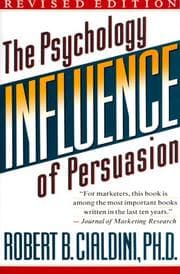
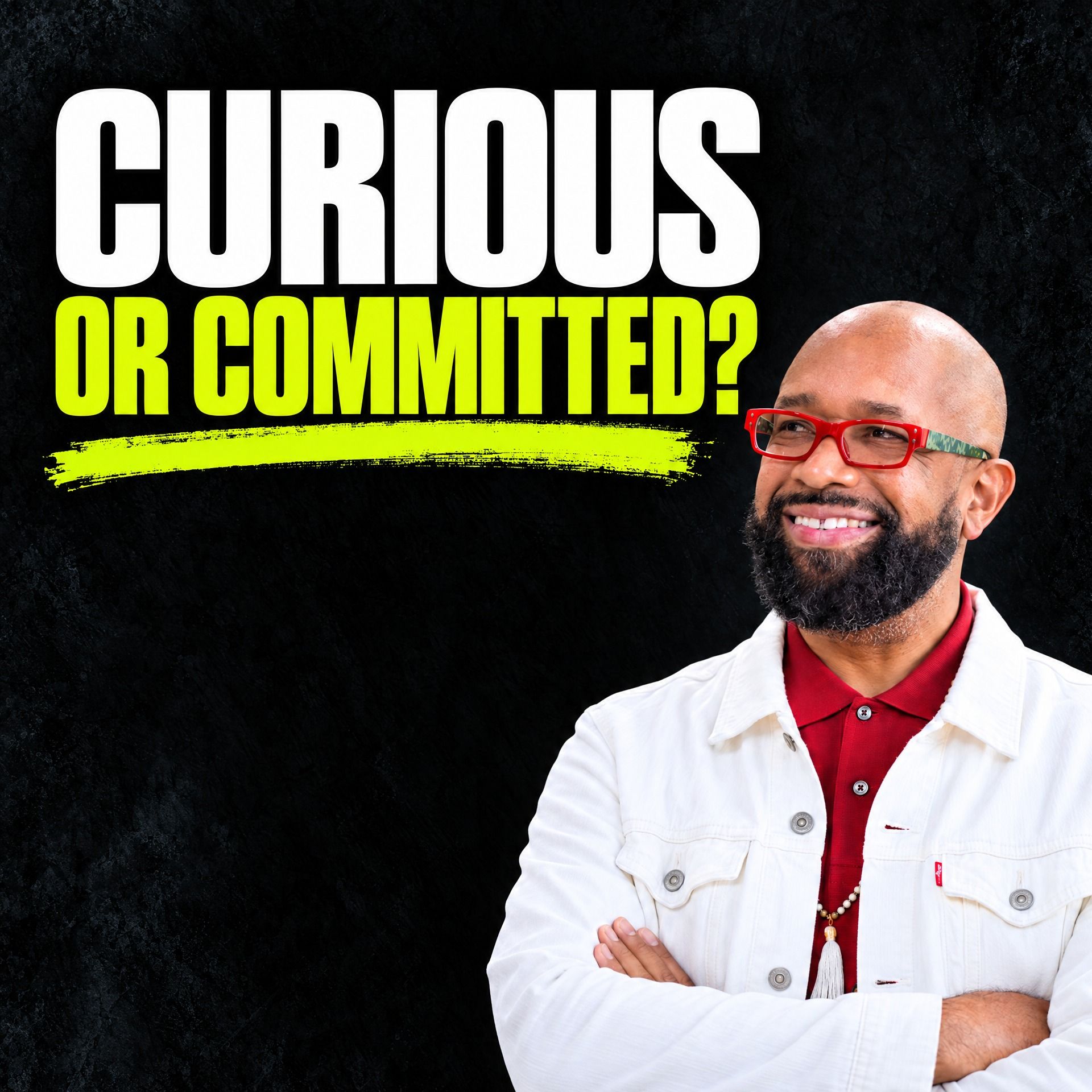
Today we have a tremendous guest, Brian Ahern, who is the Chief Influence Officer at Influence People. And as a former Director of Learning at State Auto Insurance, Brian is well-versed in both the ideas of influence and insurance and how to apply those to your business. He's authored a LinkedIn best-selling course, Persuasive Selling, has been cited in many books on the idea of influence and persuasion, and is certified in the Cialdini Readiness Assessment, which basically is a fairly rare thing. Like Robert Cialdini, who is the godfather of work around influence and persuasion, he quite literally wrote the book, does not certify many people in his methodology. And Brian is one of the people who is able to achieve that.
And anyone who can speak sales, persuasion, influence, and insurance is someone that we want to talk to, my friends. So it was a great pleasure to talk to Brian. Our conversation is a little short, only because I had some technical difficulties on the front end, but it's all good. This gives you a great base level of what Brian can provide, and we've already started to talk about having Brian back on the show so we can dig deeper into some of the topics that he can really drive forward for us. So it's just wonderful to have Brian on the show, and I'm happy to share him with you today.
Before we get to Brian, I just briefly want to say thank you. Thank you for listening to the show. I know we have many new listeners to the show. I've just seen the numbers on the podcast continue to grow, and I'm very thankful for those of you who take time to listen. We've had some tremendous guests sharing tremendous stories and it is, you know, with starting Rogue Risk, the podcast has been something I've had to be more strategic about scheduling and recording and when I put the episodes together just because I have far, far fewer minutes in the day to do this, but it is something I will always continue to do because it is an honor to be able to introduce you to new people, connect you with people you may already know on a deeper level, and just share the stories that make our industry so special.
So if you're not subscribed to the show, please do. You can get that wherever you listen to podcasts, and I just want to say I appreciate you. I appreciate you for listening to this show. So with that, we are going to get on to Brian Ahern right here on The Ryan Halley Show. You are, talk to me about this, you are, I'm not going to use the right phrasing, approved, certified, Robert Cialdini, influence trainer or coach.
Talk to me about that because Cialdini's book, Influence, I've read it twice. I love it. I've actually referenced it in some of my speeches. I know a lot of people have. I mean, it's one of the more popular business books, but I don't know anyone, I've never met anyone before that is actually certified in it, and I'd love to hear more about that.
Okay, I met Robert Cialdini pretty much by accident. Somebody who worked with me when I was with State Auto Insurance came down and gave a video to my boss and I at the time, and it was Robert Cialdini presenting at Stanford. And when I watched the video, like so many people who read the book now, I went, holy cow, this psychology explains all the sales training that we do. And I like the fact that it was based on research. It wasn't somebody's good advice.
It was empirical data. And then the other thing that really appealed to me was his stance on ethics. He's very big on non-manipulative ways to get people to do things. So I started to use the video in some training, and one day I got a marketing piece from Stanford, and I'm flipping through it, and I see Cialdini's picture. It says bestseller right at the top, and then underneath it, it says call it influence, persuasion, or even manipulation, right in the headline.
So that didn't sit well with me. I like to think I'm a moral person, and I felt compelled to address it, I emailed Stanford, and I basically said, I don't know anybody who wants to be manipulated. I don't know anybody who's looking to become a good manipulator. That word can't be helping your sales, but it really could be hurting. And I never heard from Stanford, but sometime later my phone rang, and it was a representative from Cialdini's office.
She said, I'm calling to personally thank you on behalf of the doctor. Your email is changing the marketing of all of our material with Stanford, and we wanted to say thank you. And as fate would have it, she said, if your company's ever looking for a guest speaker, he travels the world and speaks about this. I said, I sit next to the woman who runs our events. Would you like me to transfer you?
And summer of 2004, he was in Columbus, Ohio, a couple of times to address our agents, and that's what got the ball rolling. Wow. So then how did that translate into you actually working inside his program and learning kind of the nitty-gritty, like the inside baseball and what he was doing? Okay. Well, when we hired him to come out and speak, my boss and I decided we should go to Arizona and go through the two-day workshop.
And we went through it, and he was the ultimate sales guy. I don't know if in your travels you ever met John Petrucci, John retired. But we both clearly saw the application. So I always had John's full support after we went through that workshop. But I did have to stay on him for about three years to allow me to go back and get certified because I said, we could take this and we could use it with our leadership team to help them be more persuasive with the people who report to them.
But I was also thinking down the road that we could morph this into a sales training opportunity for insurance agents. And we did that about 10 or 12 years ago. I used to do something through State Auto called the principles of persuasive selling with insurance agents where they'd come in for two days and we would dive deep into the psychology and talk about its application and sales. What was like in that certification process and in the training and workshop, what was the first thing that grabbed you when you were like, this is another level. This is something we absolutely have to implement.
What was one of the things that really kind of caught you and was meaty? When we learned about what's called scarcity, that we value things more when we believe they're less available or they're going away, once we understood that, we incorporated one thing into a prospecting email that we would send to agents. So I like to think we were a little bit ahead of our time. In early 2000s, we were using a database where our field people would put in information. If they went out to see you and your agency, Ryan, they'd put in information and mark you as somebody to market to.
We would send emails on a quarterly basis and at the end of the third quarter, we decided to add one extra paragraph at the very end and it would have said something like this, "Ryan, part of the reason I'm reaching out to you today is to let you know we're only looking to appoint 30 agencies in our 40 operating states. As of the end of the third quarter, we have appointed 25. We hope you're one of the remaining few that we appoint by year end." And so realizing that there's not a lot of states, not a lot of agencies they're looking to appoint, and they've almost reached their goal, what ended up happening was John, my boss, came over to me within the hour and he said, "I can't believe it. I've had eight agents reply to me within an hour, either via email or phone call."
He said, "I've never had an agent reply to that email within an hour." So he clearly saw that truthfully incorporating that scarcity was changing behavior. And you have aha moments like that, and you just start looking for all the other places that you can begin to incorporate the psychology. Jeff Lerner: How would an agent, you know, when you were doing your persuasive selling course, like taking scarcity for, as an instance, you know, I think that scarcity has always felt like a tough one to work into the insurance process. Jeff Lerner: How, how would you recommend, uh, scarcity or, or if scarcity is different, a different one, but like what's a, what's a strong example of a way that an agent can use that in their agency?
Jeff Lerner: Well, the interesting thing about scarcity is most agents don't do any single thing that's unique and they, they will, they'll tout some things, but, but there's not much that's truly unique where you realize if I don't do business with this agent, I can't get this one thing. Jeff Lerner: But if you package a number of things that they do, that's where they can legitimately say nobody else in the tri state area or something like that does these three things. And it may be a combination of carriers, uh, um, access to certain markets and other things like that, but they have to step back and kind of creatively look at that because Ryan, you and I in, in the vast majority of respects are the same. I mean, we're white males in insurance. I'm a little older than you, but we could go down this path of devilishly handsome.
Jeff Lerner: Oh, absolutely. That I don't know if it's your filter. I don't know if that's why I look like, um, but, but also you can say that there are certain things then that make you completely unique when you put them all together, that Brian Hanley is different than Brian Ahern. And that's what, that's what agents need to really start honing in on. What is it that you put it all together?
We are different than the people that we're competing with in our geographic area. Jeff Lerner: Why do you think, um, that's not like, um, why do we not just intrinsically do that? Like what's keeping us from, from that idea? Jeff Lerner: Well, um, John and I didn't intrinsically know that we should include that paragraph. Now it's a no brainer.
I mean, I would, I would, I'm always thinking about how can I honestly incorporate scarcity into my communication so that it moves people to action. But most people aren't really thinking about that. Now they may in a dating sense, right? Maybe they say, Hey, this is why you want to marry me. I'm totally unique.
Um, but they don't translate that into everything else. Jeff Lerner: I really believe that once people begin to learn the psychology and that you can put a label to something that you start seeing it everywhere. I mean, it just becomes amazing how it's jumping out at you. Scarcity is an example, how salespeople are trying to get you to buy and marketers are trying to get into the store or politicians are trying to get you to vote for him or her. Jeff Lerner: It seems to me that, you know, anytime you talk about persuasion, as you said very early on, um, um, it's, you want to do it in a moral way.
And I feel like this is almost people are almost shy away from some of these tactics because they're worried about feeling spammy because, you know, if you look in your LinkedIn messages, you know, someone has taken this concept to the nth degree so that it's not even useful. So how do you one kind of get over the idea of using, I'll say tactics, but in a very positive sense, um, in the first place. And then when do you know if you've taken it too far to the point where they start to not be useful because it's so blatantly obvious what you're doing. And it's not actually real. Jeff Lerner: Um, I think, first of all, we, we talk about principles of influence.
And, and I believe that when you incorporate principles into your life, it's just kind of who you become. Um, for example, if you have some people that you enjoy being around and, and maybe you and your wife say, you know what, he or she is such a nice person. I mean, every time I do something, they say, thank you. Right. That stands out.
Jeff Lerner: Now, some people didn't grow up learning that that is so important. Right. So they have to, they have to learn it, but I don't think it's wrong then that somebody realizes, wow, if I say thank you, more people do what I want, or it builds my relationships. I'm going to start saying thank you. Jeff Lerner: I mean, I think that's, I think that's a good thing.
Jeff Lerner: Where it gets smarmy is when people are not being completely legitimate and truthful. Jeff Lerner: So for example, let's use the scarcity example. Jeff Lerner: If somebody knocks on your door to sell you in your home roofing, gutter, siding, Jeff Lerner: things like that. Jeff Lerner: And you give them time of day and you listen to them. Jeff Lerner: And at the end, they say, Ryan, if you buy today, I can save you 15%.
Jeff Lerner: But if I have to come back, I can't give you that price. Jeff Lerner: That's BS. Jeff Lerner: Because he will try to tell you that he's so busy that he can't afford to come back. Jeff Lerner: And you and I both know the close ratio on those kind of hard sales is probably pretty low. Jeff Lerner: Any customer who would guarantee a sale that that salesperson would come running back.
Jeff Lerner: It might be legitimate if they said, you know, Ryan, there's a hurricane that's barreling down on the East Coast. Jeff Lerner: And if it strikes like they think there could be a shortage of lumber building supplies and roofing. Jeff Lerner: So for that reason, I can't guarantee you this price, but if you sign today, we can guarantee it. Jeff Lerner: That's legitimate because it's truthful information. Does that make sense?
Jeff Lerner: It makes complete sense. It's funny, a technology vendor just played that. Jeff Lerner: You know, if you sign in the next 15 minutes, I'll, you know, double discount your price that I've marked up quadruple to start with deal. Jeff Lerner: And, you know, I, I just, I find it very interesting that I just find it very interesting that tactic in particular, Jeff Lerner: because I feel like at this point it's been, it's been when it is unauthentic, it's been so bastardized and it's unauthentic version that the fact that people even still use it is odd to me. Jeff Lerner: Like it feels odd.
And maybe that's because I have read the book. Jeff Lerner: I do have my eyes open and I feel like I at least have a certain amount of a filter to not fall for it. Jeff Lerner: Right. Jeff Lerner: But at the same time, you're like, geez, like, you know, there's no possible reason Jeff Lerner: on earth that if I wait seven more days that that same exact price can't be available. Jeff Lerner: Now, if what you're telling me is you're only, you know, you have to make your quarterly numbers Jeff Lerner: And you and this price gets you in, you know, and that's the reason that you're able to discount it.
Jeff Lerner: That's fine. But I can always just wait till next quarter because the same thing is going to be true again. Jeff Lerner: So it's, it's interesting that people still use these. Jeff Lerner: So, so, so in your work, Jeff Lerner: You know, maybe what is, so we talked a little bit about scarcity Jeff Lerner: Um, and, and, and influence like today. Jeff Lerner: And I think a lot of people listening to this are sales focused marketing focused.
Jeff Lerner: Some of them are more digital. Some of them are more, um, more traditional, Jeff Lerner: But I'd say all of them are at least thinking digital considering digital moving trying Jeff Lerner: To move their business in some way, shape or form towards being more in the digital Jeff Lerner: space from an influence perspective and trying to build relationships that are necessary Jeff Lerner: And important to insurance agents. What are some of the influence persuasion techniques Jeff Lerner: Ideas that that work in the digital space, um, that maybe or, or don't work, you know, Jeff Lerner: What, what is the difference, I guess, is what I'm trying to get to between what, how you're Jeff Lerner: building those relationships, how you're drawing people in, in the digital space versus maybe Jeff Lerner: what would happen for that guy knocking on your door? Jeff Lerner: Yeah. Well, I think an advantage you have in the digital space, Jeff Lerner: There are lots of studies that show that the more somebody is exposed to you Jeff Lerner: and assuming those are at a minimum neutral, but hopefully positive experiences, Jeff Lerner: the more likely they are to say yes to you.
I think that would translate the more likely Jeff Lerner: they are to stay with you. So the days of the insurance agent really having Jeff Lerner: contact with customers like once a year, sending a calendar around the holidays, Jeff Lerner: just won't cut it. And I remember, and this shows my age, but there was a study that my boss, Jeff Lerner: John Petrucci used to reference quite a bit. It was a 1996 Big I study, Jeff Lerner: and it showed that according to customers, they only heard from their insurance Jeff Lerner: agents once every four to five years. I mean, that, that will not fly in today's market.
Jeff Lerner: So I think agents need to think, how can I use the technology that's available Jeff Lerner: to do some of the things that I don't always feel I have time to do Jeff Lerner: to maybe schedule some some emails that go out that if somebody responds to you, Jeff Lerner: I pick up the phone and I talk to them, or if they respond, I respond back in person. Jeff Lerner: But there's an opportunity to automate some of these things. Jeff Lerner: So you become that memorized top of mind likable person. Jeff Lerner: How important is it that you have like your language dialed in, Jeff Lerner: in these, because it seems to me like you can, Jeff Lerner: you can send out more touch points. But if you're not thinking about the language, Jeff Lerner: if you're not thinking about that, that last paragraph, as you described with, Jeff Lerner: with your email, if you're not putting some conscious effort and thought and intention Jeff Lerner: into those words, then it's almost as if the touch point doesn't matter.
It's a zero Jeff Lerner: impact event. Jeff Lerner: Yeah, it's, there's gotta be, there's gotta be some value or some ask or something that's Jeff Lerner: in there. Just sending it out to send it out just becomes a little spammy and bothersome. Jeff Lerner: But if there's tips for spring, things to think about for vacation, and I know some of those are Jeff Lerner: somewhat traditional things, but, but making sure that that information goes out. Jeff Lerner: They're not going to read it every single time.
But that is certainly going to make Jeff Lerner: them think about you when somebody else says, let me quote your business. And they're Jeff Lerner: thinking, well, you know, my agents always reaching out to me. I don't respond to every Jeff Lerner: email, but I appreciate the fact that he or she is trying to educate me. Jeff Lerner: You know, I think that point that you just made there, Jeff Lerner: which was almost not a throwaway comment, but I think that I think Jeff Lerner: that they're not going to read every message like that to me is something Jeff Lerner: that is often lost with a lot of agents is that, you know, they send Jeff Lerner: out a newsletter and they're like only 100 people opened it. Yeah, but then you Jeff Lerner: send out another one and another 100 people open it and you send out another one Jeff Lerner: and another 100 people open it.
And now you're starting over time to reach the Jeff Lerner: full customer base. But it's like it's like we we think that that Jeff Lerner: we're not thinking about the cumulative effort. So when you're when you're thinking Jeff Lerner: about maybe you have a prospect list and you're thinking about influencing Jeff Lerner: that prospect list to consider you as their insurance professional. Jeff Lerner: You know, how does how do you start to consider the cumulative effort of the messages Jeff Lerner: versus just the copy and one individual message? Jeff Lerner: Well, I think, for example, if if I'm reaching out to somebody, you know, Jeff Lerner: when I stepped away from my corporate job almost a year and a half ago, Jeff Lerner: it's tough.
I mean, making phone calls, sending emails, doing follow up text. And I remember Jeff Lerner: one day feeling pretty discouraged. I'm like, gosh, I'm just not really hearing back from Jeff Lerner: anybody. And these are people I know they were people that worked with me who moved on to other Jeff Lerner: areas. And in the span of two days, probably half a dozen people got back to me and it kind of Jeff Lerner: restored my faith.
But I but I realized they were seeing everything I was sending. Jeff Lerner: And in every case, it was, hey, Brian, you're not bothering me. You're not doing too much. Jeff Lerner: Here's what's going on and busy. But I also realized, too, if I hadn't done that, if I hadn't had, Jeff Lerner: maybe four outreaches in six months or something like that, they probably wouldn't have made the phone Jeff Lerner: call or email when they ultimately did.
So I always like to approach people and ask the Jeff Lerner: question, what's the right cadence for you? You know, I want to stay in touch. Jeff Lerner: This isn't something that has to result in business anytime in the immediate future. But I want to be on Jeff Lerner: the radar when you begin to think about certain things. And once they define that, Jeff Lerner: that's a principle that we talk about, which is consistency.
Jeff Lerner: People don't argue against what they've said, what they've done or what they believe. Jeff Lerner: Once they've said, hey, Brian, it's totally cool for you to reach out to me every two months. Jeff Lerner: Then they're far more likely to actually respond to that because they know inside they told me Jeff Lerner: they committed to that. Jeff Lerner: Yeah. Do you think that, you know, do you think that people Jeff Lerner: are, I'm trying to phrase this question properly.
Like, to me, Jeff Lerner: is this just something that salespeople and marketing people need to think about? Jeff Lerner: Or should we be thinking about these type of ideas from a much broader sense? Jeff Lerner: I mean, obviously your example with what you were doing Jeff Lerner: at State Auto is one of those cases, but I just think far too often Jeff Lerner: anyone who doesn't think of themselves as a salesperson immediately takes them to these Jeff Lerner: type of ideas and just puts them in a bucket and moves on. And that that seems like Jeff Lerner: not right. Jeff Lerner: It applies to everybody.
I typically will ask people how many of you would agree that much of your professional success and personal happiness depends on getting people to say yes. Jeff Lerner: And every hand goes up. I mean, people know, even if they're not in sales. I mean, if you're a manager in a big company, your great idea doesn't become a project until somebody above you says yes. Jeff Lerner: And if you're the leader, it doesn't matter how good your mission, vision, and values are if you can't get people to say yes.
Jeff Lerner: And when you go home. It's pretty darn important if your kids or spouse or neighbors more willingly say yes to you. There's a little more peace and happiness. Jeff Lerner: You lay it out the right way and everybody realizes I can use this. And when I speak to audiences, I always weave in a lot of personal examples because I know there are some people who are there because they have to be.
Jeff Lerner: And once you say, maybe I can help you get your kid to empty the dishwasher, they're all in. Jeff Lerner: So people start to realize it really is a 24/7, 365 skill. Jeff Lerner: How do you get your kid to empty the dishwasher? Jeff Lerner: Okay. I've shared this example many times when I do a talk.
Jeff Lerner: It was not uncommon when our daughter was a teenager for my wife to maybe say, Abigail, empty the dishwasher in the hustle and bustle of the morning. Jeff Lerner: And we take off for work and she takes off for school, our daughter and we come home at five or 5:30 dishwasher is not empty. Jeff Lerner: Now she worked a job. She kept different hours. So she might be out until we go to bed.
So we wake up in the morning dishwasher not empty. Jeff Lerner: And now, Ryan, you can imagine how that conversation goes right mom and teenage daughter, I told you to empty the dishwasher and then here come the excuses. Jeff Lerner: I didn't hear you been busy. I was studying. I was just about to do it.
Jeff Lerner: And all of that could have been avoided by simply doing this. I would have said, Abigail, will you please empty the dishwasher before you leave for school? Jeff Lerner: She either says yes and does it. But if she says, no, I can't. I'm in a hurry.
Then I'd say, hey, wait, timeout. Jeff Lerner: Will you empty it as soon as you get home from school before you leave for work? Yeah, yeah, I will. Jeff Lerner: And virtually every time she did because within all of us net principle of consistency, I mentioned Jeff Lerner: We feel better about ourselves and we know we look better to other people when we keep our word. Jeff Lerner: And it's a huge, huge driver of behavior because when we back out of our word, even when it's legitimate reasons and the other party understands Jeff Lerner: We don't feel good, right?
We and so we work hard to avoid that bad feeling by keeping our word. Jeff Lerner: So that boils down to stop telling people what to do and start asking. Jeff Lerner: When you ask, make sure you have fallback positions, right? My daughter said, no, I can't. I'm in a hurry.
Jeff Lerner: Fall back. Will you do it as soon as you get home from school before leaving for work? Jeff Lerner: And virtually every time she did it. Jeff Lerner: You know, that seems Jeff Lerner: Highly applicable to a sales process, a sales prospecting process, getting people, you know, this is something that I've heard a lot of sales oriented consultants and speakers and trainers talk about is getting them to commit to that next meeting. Jeff Lerner: Right.
I had a sales trainer that I used to work with who was just like, I'm not going to this meeting to get a sale. I'm going to get the next meeting and the next meeting. Jeff Lerner: And eventually one of those meetings is the meeting where they say yes to you, but you're always going in and you never leave without a next meeting. Even if that meetings a year from now, you're leaving with the next meeting because it gets them to commit to the idea that, that I've said, I'll meet with you again. Jeff Lerner: And then if they ever say no, then you just know they're not a prospect anymore.
And I thought that was a really interesting way. It also gets you on that. Yes. Train gets you used to saying yes to things that you're doing and there's some things there, but that's, that's really interesting that people want to want to keep their word. Jeff Lerner: Yes.
It's like I say, it's a powerful driver. Jeff Lerner: I often ask people in the audience, I'll say, how many of you have ever given your word to somebody and then you had to back out? Jeff Lerner: Every hand goes up. And if it doesn't. I say if your hand didn't go up, then it will at some point because there's always something that's more important that can get in the way.
Jeff Lerner: You might realize you forgot it was your anniversary. Somebody got sick. Your spouse had to go somewhere. You had to stay home with the kids. Something comes up.
Jeff Lerner: And a good friend understands that and they probably say, hey, Ryan, don't worry about it. Just, you know, go do what you need to do. Jeff Lerner: But the question that is really though, how did you feel? And when I say shout it out, give me a word. The words are awful, guilty, horrible, terrible.
Jeff Lerner: Everybody feels really bad, even though their excuse is legitimate and their friend understands. That shows that internal pressure we feel to keep up with our word. Jeff Lerner: It's more about us feeling good about ourselves than it really is the other person. Jeff Lerner: So someone's listening to this and they're saying, you know, this is something I've heard about. I've bumped into it.
Jeff Lerner: Like, like, what is like, what's a way that someone could start to practice this or put it into a practice at home? Now, obviously, you have formal trainings, you do speaking. Jeff Lerner: So anyone who puts on events, Brian is there to come and present to your audience or workshops, all kinds of things that you have. And we're going to talk about that in a minute. But, but like, if you're just sitting home and you're like, you know, I like today, I'd like to start practicing this.
Like, what is one way that someone could start to put this into into motion? Jeff Lerner: I think the easiest way is next time before you send an email, reread it quickly and ask yourself, is there anywhere in here that I'm telling somebody what to do, but I could be asking. Jeff Lerner: And if there is change that statement into a question. People feel pretty compelled to answer questions. I mean, think about if you're walking down the mall and somebody's at a kiosk and they kind of run out and they're like walking alongside you and trying to get you.
Jeff Lerner: We almost always answer their question by saying, no, thank you. So people feel pretty compelled to answer questions. So reread that email and ask yourself, is there anywhere in here that I could change a statement into a question to engage the psychology because once that person says yes, they're far more committed to follow through. Jeff Lerner: Yeah, I like that. Jeff Lerner: And in your world, like Ryan, as you're starting up your agency, you don't say, Bob, I need your loss runs by Friday.
It's Bob. Can you get me your loss runs? And I wouldn't say Friday if that's when you need them. Bob, can you give me the loss runs by Monday? Because without them, I can't get your quote.
Jeff Lerner: Okay. So if he says Monday's not going to work, you've got fallback positions and psychology says that if someone says no to you and you step in with another ask right away, the likelihood goes way up that they'll say yes. Jeff Lerner: You've incorporated a little scarcity because you've said, I can't get your quote without it. There's a psychological trigger with the word because I mean, you can go super, super deep into this, but that simple phrase, can you get me your loss runs by Monday? Because without them, I can't, I can't even start working on your quote is going to trigger a lot more response than I need your loss runs by Friday.
Jeff Lerner: Yeah. So you're surrounded by bottles of, is it scotch? I see. Is that chocolate? Jeff Lerner: I see.
Is that Johnny Walker back there? I see a little scotch and bourbon. Jeff Lerner: Yep. Jeff Lerner: Nice. And what, where, where did that affinity come from outside of the obvious?
Jeff Lerner: I had a friend who I think it was about seven or eight years ago, asked me if I'd ever, if I like scotch. And I said, I've never really had it before. I said, bring a bottle over and I'll try it. He brought a bottle over and it was good enough that I'm like, yeah, I'm willing to try more. And so my wife and I really started to get into it.
Jeff Lerner: I liked the fact that it didn't make me full like craft beer. Jeff Lerner: Yeah. Jeff Lerner: The size of meals and two beers. It just felt like I was going to explode. She liked the fact that it didn't make her sleepy.
Jeff Lerner: If I drink too much, I never feel bad like I did with wine or, or beer. So I say it's almost the perfect drink. I wish it were less expensive than it would be. Jeff Lerner: And we got so into it that summer of 2018, we went to Scotland for our 30th anniversary and my wife's an awesome golfer. She wanted to play golf.
So she played St. Andrews and we went around the country and drank scotch and went to distilleries and had an incredible time. Jeff Lerner: Wow. Jeff Lerner: And she actually built that bar. She designed it and built it.
She's pretty amazing. Jeff Lerner: Yeah, geez. That trip sounds amazing. That bar is beautiful for anyone listening at home and not watching the YouTube video. If you go to the YouTube video, you'll be able to see this ridiculous, amazing bar with some very nice, I'm going down with my head.
Like that's going to work in the screen. Jeff Lerner: But yeah, that's a very, very strong, strong selection of, is that old granddad up there? I see too. Yeah. Jeff Lerner: No, no, I've got Oban though.
You're probably looking at it. Jeff Lerner: Oh yeah. The glare. I'm like, that would be an odd. I'm looking at all the other ones and I'm going, that must be one of his like, that's what he pulls out when the in-laws come over here.
Take, take this old granddad. Jeff Lerner: There's no, there's no doers, Cuddy Sark. Jeff Lerner: Most people who told me that they don't like it. I always say, let me guess, your dad drank something like Cuddy Sark and you and your friends took a bottle one day to go have fun. He got sick.
Yeah, that's what happened. So it tasted terrible and it made you sick. But when I give people a good scotch, I don't necessarily say they're all converted, but usually their eyebrows go up and they go like, wow, this is really good. Jeff Lerner: Yeah, so much different. It's a whole different ballgame.
Jeff Lerner: Oh, absolutely. Jeff Lerner: It's like if you've ever, if you've drank Bacardi your whole life. Jeff Lerner: And then you have real vodka, like it changes your whole vantage point. It's the same thing with the kids, the same thing with basically all of them. Jeff Lerner: Not that I would ever condone drinking rum, but you know, the rest of them, you, you, you, you know, you go to that next level and it becomes.
Jeff Lerner: So much less about the drinking and more about the experience of what the, what, you know, the flavors and how the flavors hit you. Jeff Lerner: I mean, that was the first thing that I really noticed when I started drinking, you know, some higher end whiskeys and scotches and bourbons was in a guy. Jeff Lerner: I know that that there's a range in there, but is, is the, the flavors are, they kind of hit you in waves. You know what I mean? Jeff Lerner: Yeah.
Jeff Lerner: It's not just like, oh, a taste and it's down. Like it, it's a real, it's more of an experience when done really right. And you take your time with it. Jeff Lerner: And, and it lingers on your palate because you know, you can have that, that sips goes down and a few seconds later you press your tongue up against the top of your mouth and you feel it all again. It's yeah.
Jeff Lerner: And it's like beers and wines and other things. There's such a variety of flavors. Jeff Lerner: And when we were in Scotland and we were in St. Andrews, we went to a little bar and when my wife sipped a scotch, she said, oh my gosh, this is the best scotch I've ever tasted. Jeff Lerner: She said it's melting in my mouth like cotton candy.
Not that it was sweet, but just how it was all over. Jeff Lerner: Yeah. Jeff Lerner: And it's called Glenn Dronach 18 and can't get it here in Ohio, but she, she found a place in Pennsylvania near her parents. And so whenever she's out there, she picks up a bottle. Jeff Lerner: So if you were going to give someone a recommendation for something they could probably find in most, you know, liquor stores or package stores, Jeff Lerner: Depending on what state you're in.
Um, you know, what would be that recommendation? What would be something where you'd say, you know, you're most likely going to find this. It's not obscure. Like there's a, you know, some hole in the wall place in Pennsylvania that has it, but like most likely going to be there. What would be your recommendation?
Jeff Lerner: I, I, I enjoy. I think the Glenmore and G line the most, a lot of restaurants you can find, uh, it's called the Glenmore and G original or the 10 year and that's really good. Jeff Lerner: But when you start to, um, drink their Quinta Rubin and La Santa and some of the other ones, they're like, wow. Jeff Lerner: Yeah. Jeff Lerner: They're really, really good.
So, but I kind of find my taste floats around because I don't like to open a whole bunch of bottles at one time. I kind of like take a bottle or two and work that one. Jeff Lerner: And then I shift to another one. I'm like, and I really taste the difference. And then I'm like, wow, I really like this.
So it's, that's just how I roll when it comes to. Jeff Lerner: So, um, pulling us back into our conversation here. Uh, today you are speaking, consulting, doing workshops. Uh, where, where would people, if they're listening to this and they're going, you know what, like, this is absolutely missing from my business or, uh, I'm running an event. Jeff Lerner: And this is absolutely what I'd love to have in my program.
Like where do people connect with you? Where's the best place to digest more of what you're doing and, uh, and just get more of your work. Jeff Lerner: So the best place to connect is obviously LinkedIn. And I'll tell anybody, if you connect with me and you don't put a personal note, I always accept them. Jeff Lerner: But I will send a note back and I might say, hey, Ryan, how did you find me cure.
I'm just curious because I like to understand where traffic is coming from Jeff Lerner: The vast majority of the time people are reaching out because they take my courses on LinkedIn. Those are potential customers for me. So if they don't, if you don't put a note in Jeff Lerner: I'll message you back and I believe social media should be social and so sometimes you end up with interesting conversations Jeff Lerner: I publish a lot of content on on LinkedIn. I repurpose my blog on there and all kinds of stuff all week long. Jeff Lerner: Other people like to go to my website and actually sign up for the blog, which comes out every Tuesday or yeah every Tuesday morning.
Jeff Lerner: It goes live on the Internet on Monday at five, but I've been writing for almost a dozen years every single week Monday post goes out and I don't limit it just to Jeff Lerner: Business or sales. I've written a lot about parenting social issues, you know, when the election comes up. I look at it through the lens of influence and I find it fascinating on both sides of the aisle what people are saying and doing it. Jeff Lerner: And a lot of the hypocrisy on both sides of the aisle. But it's, there's a variety of stuff.
So, you know, the website is influencepeople.biz. Jeff Lerner: Nice. So I encourage everyone to go connect on LinkedIn with Brian, go to his website, check it out. It is very deep when I was, you know, kind of researching our conversation. Jeff Lerner: You know, it is, you have, you have been writing for a long time and it's great.
I mean, it's great stuff. So there's tons of content there. Jeff Lerner: And then you can always go to the show notes on my site and I'll have links up to everything so you can find it there if that's just easier when you're on the run and you forget. Jeff Lerner: But Brian, this has been, this has been tremendous, man. I mean, I appreciate it.
I enjoyed we had a, we had an hour long conversation that we didn't record the first time we talked and that was tremendous. Jeff Lerner: And this is just, just been wonderful. And I hope I know you've I know you spoke at many organizations in the insurance industry, and I hope that anyone who hasn't had you in considers you now. And I just think the work you're doing is tremendous and it's absolutely. Jeff Lerner: These are absolutely skills inside of the insurance sales culture that we have to implement.
We absolutely have to implement them. So I appreciate the fact that you're out there and it's just been great to get to know you. Jeff Lerner: Yeah, well, I appreciate it too, Ryan. It was fun. I enjoy your style.
It's fun to get to know you there on the phone. I'm sure we'll have more conversations. Jeff Lerner: For sure we will. Jeff Lerner: I'll see you next time. I'll see you next time.
I'll see you next time. Jeff Lerner: Yeah, I'll see you next time. I'll see you next time. I'll see you next time. Jeff Lerner: Yeah, I'll see you next time.
I'll see you next time. I'll see you next time. Jeff Lerner: Yeah, I'll see you next time. I'll see you next time. I'll see you next time.
Jeff Lerner: Close twice as many deals by this time next week. Sound impossible? It's not. With the one call close system, you'll stop chasing leads and start closing deals in one call. Jeff Lerner: This is the exact method we use to close 1,200 clients in under three years during the pandemic.
No fluff, no endless follow ups, just results fast. Based in behavioral psychology and battle tested, the one call close system eliminates excuses and gets the prospect saying yes, more than you ever thought possible. If you're ready to stop losing opportunities and start winning, visit masteroftheclosed.com. That's masteroftheclosed.com. Do it today.
Jeff Lerner: Happy holidays. Jeff Lerner: Want to give your host a gift? Jeff Lerner: Consider subscribing, rating and reviewing the show this holiday season. It really helps the show grow. From all of us at Believe, have a Merry Christmas, everyone, and a happy holiday.
Jeff Lerner: If you like the show, please take a moment to rate, review and subscribe. It really does help the show to grow. Thank you for listening. Jeff Lerner: Thank you for listening.