AI agents are everywhere, automating tasks and making decisions at machine speed. But agents make mistakes. Just one rogue agent can do big damage before you even notice. Rubrik Agent Cloud is the only platform that helps you monitor agents, set guardrails, and rewind mistakes so you can unleash agents, not risk. Accelerate your AI transformation at rubrik.com.
That's R-U-B-R-I-K.com. I'm here on a job site with Tim, who owns his own electrical contracting business. Three employees and two work trucks. Tim traded up to GEICO Commercial Auto Insurance. We're positively here where he needs us most.
They sure are. With step-by-step help on all his insurance needs, all for shockingly low rates. Shockingly low, huh? Just a little bit of electrician humor. Do you get it?
I got it. You know, it feels like we have a real connection. All right, I'll stop. Get a commercial auto insurance quote today at geico.com and see how much you could save. It feels good to GEICO.
Happy holidays. Want to give your host a gift? Consider subscribing, rating, and reviewing the show this holiday season. It really helps the show grow. From all of us at Believe, have a Merry Christmas, everyone, and a happy holiday.
Fear, I see as this, uh, potential energy. Limits of that go way beyond our own, you know, capabilities. Being brave can be really unleashed and, and amplified when we're, we're being brave with others. Let's go. Yeah.
Make it look, make it look, make it look easy. Ice. The Ryan Hanley Show shares the original ideas, habits, and mindsets of world-class original thinkers you can use to produce extraordinary results in your life and business. This is the way. Hello, everyone, and welcome back to the show.
It is tremendous to have you here, and we have a fantastic conversation for you today with Chris Deaver. He is the co-founder of BraveCore, a leadership and culture consulting and coaching company. He is the co-author of the book Brave Together, which I'm gonna give my highest recommendation to. And I'll tell you guys, this is one of the most tactical, in-depth, applicable kind of culture leadership conversations we have ever had on this show. Chris really dives into this idea of co-creation and what it means for developing the successful company cultures of the future.
We talk detail. We talk applicable strategies that you can put in your business today. I highly recommend you pick up Chris' book. We'll have it in the show notes or the description wherever you're watching or listening to this show. We'll have a, a link to both, uh, BraveCore's page where you can learn more about Chris and his work, as well as his book, Brave Together, which again, I highly recommend you pick up this book.
If you are a leader, if you are trying to build a company with a culture that can go beyond where you alone can take it, right? We can only go-- take our company so far alone or with, uh, disjointed cultures. But when our people align together, when our people take ownership of what we're doing, when they feel that they're part of the creation process, you can go 10 times, 100 times. You can go farther than you could have ever imagined, and Chris outlines exactly how to do that and how he's implementing these strategies in Fortune 500 companies, Fortune 500 companies across the US through his coaching company, BraveCore. I wanna thank you for being here.
I love you for being here. If it's your first time with this show, make sure you subscribe. If you have comments, guys, leave them in the reviews on Apple or Spotify or on YouTube, right? Come in, let us know what you think. What parts of these strategies make sense, don't make sense?
The guests that come on this show are amazing at coming back in and answering those direct questions. And if I can answer a question, I will as well. It is a fantastic way to keep the conversation going around this topic. Guys, you are going to love this episode. I love you for being here.
Let's get on to Chris Deaver. Dude, incredibly excited to have you on the show. Um, love your work, love your mindset. Uh, I've actually done some diving on my own just as I started reading your stuff and I started to ask. I wanna start with the word bravery.
Okay. And it's not a word that's used a lot today. I think it's often... I don't know if it's often misunderstood, but I don't think people really dive into what bravery means. So you use this word a lot in your work.
W- what is bravery today, and how does it apply to our businesses as either entrepreneurs, leaders, et cetera? Uh, how does it apply to that in the context of our work lives? Yeah, that's a great question. And thanks, thanks again for having me on, uh, Ryan. I'm excited to dive in.
And, uh, you know, I think the thing we usually hear in, you know, whether any kind of self-help or, you know, leadership material or, or just conversation, usually we think about being brave as the counter to fear, and there's truth to that. But usually we think about it just as a either/or, right? We're either f- having f- you've got fear or being brave. But really, fear I see as this, uh, potential energy, right? That has way more potential than just, uh, you know, getting us out of the negative, and there's so much more to what it can do.
Uh, and the limits of that go way beyond our own, you know, capabilities, right? So usually we think about it in just the individual personal context, but being brave can be really unleashed and un- and amplified when we're, we're being brave with others How does bravery relate to the concept of ego? You put this phenomenal, uh, proclamation out. I was reading through your LinkedIn, and when I hit this, I, I, I have it up on the screen now, and, uh, I'll make sure in the show notes for everybody, I'll include the LinkedIn post so, one, you guys can connect or follow Chris and, and also see this document that I'm looking at. But I've been a firm believer for a long time that what holds us back in almost every aspect of our lives is, is the ego, right?
It, it, it can be a positive, but it oftentimes is corrupted into, into something that ends up having negative consequences for us. So how does bravery apply to the negative aspects of ego and overcoming them i- if that's even how we relate it? Yeah. No, I, that's a, I think, a great question. And we all have, you know, a tendency to, uh, you know, lean into ego at times.
We're, we're human beings, we're people. And I think especially in the world of, you know, when we're trying to do something different, right? Whether it's as an entrepreneur, uh, building our own business or inside a company, uh, being an entrepreneur, you know, the reality is, like, you, you gotta have confidence in what you're doing. But, you know, ego really starts to get in the way, uh, at times when we, when we don't even know it. Um, it's, you know...
And so yeah, the letter was in the end, yeah, it's, it's really a statement to ego. It's a let- it's a, it's a breakup letter, right? It's like, "Hey, we're, we're done," you know? And I think especially with the pandemic, it showed kind of the true colors about how b- how little ego serves us and how it, how much of a disservice it is to us. Um, but to give one example, just highlight, I think this, how this really plays out, you look at NBA teams and, you know, these are people who, you know, show up in, in, in that, at that level, right?
Pro level. And they've all been told, they've all worked hard enough to be the best, right? So, and you bring together a group of who- people who have been told or who have earned being the best. And so suddenly what happens though, uh, and because of kinda the marketing engine of NBA, you, they pick out one person, one or two guys, uh, typically, and they'll say, "Hey, th- this is a star. If they don't play well, you know, we're not winning or it's not, you know, things aren't going as great as we want," whatever, right?
But all the pressure is on this one person, and what it does is actually, it actually causes issues. And we looked at the data on this and, you know, take for example, Ja Morant with the, uh, with his team. Uh, the team actually statistically plays better without him. Uh, LeBron James, I know it's gonna sound surprising 'cause a lot of people love LeBron, but the Lakers, statistically speaking, they play better without him. And, you know, Michael Jordan, he's probably an argument for the other.
And, you know, I will say the caveat there is when LeBron's on fire, when he's playing well and when he's playing selfless, it, you know, it, it pulls the team together. Uh, and likewise with, you know, we saw it with the Warriors in their peak time and, you know, Jordan as well when, when they, when he... I mean. But I think the, the point is, is that, and I, I guess the reason there is you have a bunch of players who are saying, "Hey, well," they cons- they assume this, that they're the best, and they're being told they're not, right? Because there's this one person.
But that's the challenge with ego in our lives, is like suddenly, you know, somebody's got a, this kind of competitive notion of like, who's better, you know, or competing against, um, you know, this unseen force in our lives that we feel like we can never attain, right? And that's also a problem. Sure. Yeah. I, it doesn't surprise me a lot, LeBron, 'cause I can't stand LeBron, but, um- That's, that's ...
I'm more of a Kobe, Michael guy. Uh- I'm with you. Yeah ... for anyone who follows me on Instagram, they know that everyone, every time I see a, a Michael Jordan, LeBron James comparison, I always post it into my stories 'cause I just, I, I can't. Michael, to me, was... obviously had his failings as a leader of that team for sure in, in some of the ways that he went about things. And I, and I don't wanna even say failings.
I'd say, uh, uh, friction points is probably a better way to put it. Uh, certainly not the leadership style that everyone would recommend, uh, in their company. However- Okay ... he did two things that I find that I just keep coming back to when I'm comparing the two, which is he was always focused on the goal, and his numbers didn't matter to him. He, he, he aft- he, he almost never knew how many points he had. He, he cared about winning the game, and if he could take the shot and win the game, he would take the shot.
But if there was someone better to take the shot, then he would pass the ball or he would set the play up, or in multiple cases, they won games on last second shots by other players in which he was actually the diversion and, and that was set up by him. And like that to me, when, when you have a guy who you would think, and he had an ego obviously, I mean, Jordan knew he was the best and thought he was the best at all times. But when you also see that that person is willing to set that aside in moments where it's necessary, it's like you'll put up with all the other stuff or some of the, maybe some of the friction because you know that when the rubber meets the road, they're gonna be there for you. So is it, is it humility? Is it loyalty?
Like, what does the other side of ego look like for someone who goes, "Okay, I, maybe I do oftentimes operate with ego." Where, where are the places? What are the skill set- Are you tired of endless follow-ups and missed opportunities in your sales process? Chasing leads is a losing game. That's why I created the one-call close system A battle-tested sales system that uses behavioral psychology to close deals in just one call.
No more, "Let me think about it." No more, "I'll get back to you." Using the One Call Close system, we took new reps from 25% close ratio to over 80% in just three months. To grow fast, you must close deals faster at zero extra marketing cost. The One Call Close system allows you and your reps to build trust, address pain points, all while watching your revenue skyrocket.
Ready to stop chasing leads and start closing? Visit masteroftheclose.com today. Close twice as many deals this time next week. Visit masteroftheclose.com to learn how. That's that I should start thinking about to overcome some of this.
Yeah, absolutely. And I, I think Michael's a great example because in, in many ways, because, um, you know, to your point, well, first of all, whenever that conver- conversation comes up with him, he always defers, right? Yeah. He, he won't claim... He's never claimed being the GOAT.
Yeah. Which is fascinating in and of itself. And actually, his response to that question, we include this in the book, is this, where he says, "You know, that's the wrong question. The right question is, is what's the greatest team of all time?" And then he- Yeah ... flashes his rings, right?
And to your point, that was his focus, right? And there's a moment in "The Last Dance," I think it's, you know, in episode seven, this is my favorite part of the whole thing, and they're, they're kinda cornering him about his leadership approach, right? Which sometimes was tough on them, but he always said, "I don't, I never expected more of them than I expected of myself," right? Which is leadership. And his will to win, what he says in that moment too, he s- he, he, he says, um, "You know, some people didn't like my method or d- you know, don't like my methods, but what I really wanted, I always wanted to win."
He said, "But I really wanted most was I wanted the team to want to win and to feel what that felt like." And then he starts to get emotionally, like tears up, and he goes, "Turn the camera off," you know? But that's like his soul, and I think there's so much power in that because he is laying his ego aside, right? In that, in that moment, what he's doing is saying, "Hey, I'm willing to make the hero sacrifice." And you know, we talk about the hero's journey, and we love the part at the end with the rewards, and you know, we get all the stuff and, you know, every- you know, get the money and the fame.
But the part that people don't like as much, 'cause it's painful, is the hero sacrifice. And to your point, you know, for him, that's deferring to Pippen or passing to Steve Kerr for that game-winning shot. And those are the kinds of thing. Or, you know, going in when he's got the flu, right? He's sick.
He's- Yeah ... you know, it's crazy stuff. Um, but I think those are the kinds of things where we look at ourselves and say, "You know, uh, the answer i- is going to be we're gonna have to make some kinda sacrifice," right? And I think sacrifice is a principle that is unfortunately kinda getting lost it feels like, but it doesn't have to be. Like we can find power in making the sacrifices, you know, for our future and f- you know, especially for others, right? For the team.
Uh, yeah, I love that. To me, in the companies that I've either founded or, or run myself, something that I try to reiterate to the team, and this is a learned lesson, I don't wanna say, like this is just something that was intrinsic inside me, not. M-many, many failed conversations and meetings and leadership moments to, to get to this mindset, but, you know, I used to say to the team every day, "You know, I'm, I'm here to support you. Like, you tell me what your problems are, and as the CEO, as much as it's in a vein that I can help, I'm here to put you in your best position," right? It's not about me being on top of the mountain and just preaching down to you all the things.
Uh, we catch ourselves in that, like why salespeople won't pick up the phone or you know, like do their job. You know, we get frustrated in moments, but ultimately it's if you, if you can spin that back on how am I, how am I impacting them not picking up the phone or not following up with a prospect? W-what is my role in that? Am I not giving them the right tools? Are they not properly trained, right?
We, we often don't sink down to that level. It's like this, and, and you address this, um, I don't know if it's in the book or the, I can't remember if it's in the article or not, but, but you address this where it's like, just because I told you to do, like, like it's your job, do your job, right? That mentality of like, just do your job, that, that doesn't motivate anybody. And you have, um, this, this, the, the co-creation, uh, uh, process that you outline in your book, the framework, and I wanna get into that. Like, to me, what you outlined is the solution.
Like, like guys, everybody needs to read this book. I'm gonna have the link in the, in the, in the description. Like this is, in my opinion, the leadership style for max results. Like it, it absolutely is. So talk to me a little bit about this concept of, of co-creation, where it came from, and how it plays into getting the most out of your team.
Yeah, absolutely. And you know, first off, you know, to your point, co-creation is the next big wave. It's already happening, and you know, we ask ourselves, even things with technology, it's like, "How do we, how are we, who's gonna, who's gonna win in the AI space?" Well, the key to this is, is co-creation, right? We look in the past, we're like, well, efficiency was the focus.
You know, we look far enough back, effectiveness, and this big wave of, of, of co-creation is key. But to your point, it's like if you show up, if we show up as leaders or entrepreneurs and it's employer-employee, right? People do not respond well to that anymore. And granted, we're still em- people are still employees, don't get me wrong. But if you show up as co-creator with a, with your people, and they're a co-creator, you unlock magic, right?
And, um, you know, there, there are examples of this throughout time. I think, you know, Steve Jobs is a great archetype because he was both at times. And There was, you know, he got fired from his own company. He, you know, that was a big kick in the teeth. Every, you know, all the great leaders probably have had a version of that.
Yep. But the difference that it ma- the difference that happened was, you know, he was driving people towards objectives oftentimes in that kind of push-pull way, even though he was focused on innovation and a lot of things he was doing well. But there was a shift that happened where you had kind of a rough Steve that turned to change Steve. And Ed Catmull, who worked with him, you know, who founded Pixar with, with Steve, worked for Steve for 26 years, the most, uh, the longest of anybody. And we've-- He's, he's a good friend, uh, Ed is.
And, you know, his observation was about this, you know, the hero's journey, that when Steve was kicked out of his company and, and in the wilderness effectively, um, you know, he learned things, uh, in, at, at depth because he had to look internally. And there's this mirror test of he was asking himself, "What do I need to do differently?" Instead of like blaming other people, you know, it was, "Hey, what do I need to do differently as a leader?" And the things that he learned from that, it gave him a sense of compassion and empathy that he didn't have. And what would happen is then he would show up in meetings.
The statements that we usually read, those power quotes like, "I don't hire people to tell them what to do. I hire them to tell me what to do," this is change Steve, right? Uh, he'd show up in meetings, this would be a shock to a lot of people. He'd be sitting there and he would take a position, you know, maybe a hard stance on something, and then he'd hear people out, they'd say something, and he'd flip 180, right? And then people in the room would say, "What?"
Like how... You know, 'cause most, most of the time, you know, CEO or leader of the company, they've gotta have it right the whole time, right? They're, they gotta stick with their guns. But Steve would say, "No, actually, that's the best idea. I'm pivoting because he's right."
Right? Or that, or she's right. And, uh, I think that, that's a good example of co-creation. And- Yeah ... you know, the best companies do this. The best brands do it.
I, I love that example. I mean, especially because people have this image of Steve Jobs ranting and raving and pounding desks and throwing computers and screaming at people when his best-- none of that was his best work. I mean, it, it may have been some of his early get-off-the-ground work, but Apple's escape velocity wasn't until he turned into what you just described. I mean, it's, it's 100% the case. You know, I think the, the, the idea of a hierarchy is, is, you know, almost like a four-letter word these days.
But the way I always approached it was you need to have a hierarchy of responsibility so that people know what their roles are and what they're responsible to get done, but then a f- call it a flat communication and kinda creativity format where people can bring ideas and stuff. That, that to me feels like the only way. But to your point, and this is what my next question, you h- in order to, to do the second part, the, the, the flat communication and creativity, you have to be willing to change your mind. You have to be able to listen to people and go, "Well, we were thinking about doing it this way, but what she just described, you know, maybe we need to pivot, or maybe we need to delay this project, or maybe we need to bump it up in a ro-" or whatever. "I need to reposition based on this new information."
Why, why do leaders struggle, especially younger, newer leaders, not necessarily in age, but to the position, why do they struggle so much with changing their mind? Is it, is it, is it ego? Is it a lack of confidence? Like, why do we feel like we always need to have the answer as a leader? Yeah.
Well, we have this problem in our-- I would say, I mean, it's broad, right? And if you look at, I mean, trends historically, you always have civilizations go through these phases of, you know, building up a sense of knowledge, right? And then-- And we've had it, you know, in multiples, right? You have the internet, you have access to information, and, um, and we've leaned in this, in the science, science of management, but also the science of functions, right? Of expertise.
And so, you know, we talk about this in the book is like there's an expert model, right? That we like to lead with expertise, lead with competency. But what happens in a world where information and knowledge has been democratized fully? As in you can go to Google, you can go to, you know, uh, ChatGPT and find answers to any question. So I'm not coming to a manager or a leader or a functional leader to really, you know, find the answers to XYZ or all of it.
Maybe some particulars, right? And we still need vertical-- We still need, um, depth of vertical expertise. That doesn't change. But, um, that's not the future. It's not the full answer, right?
The best answer is going to be, hey, if those things are already there, and if we can get depth o- of perspective, what we really need to do is connect dots, right? We need to connect dots and connect dots across, you know, our team and build essentially perpetual motion, right? In science, they talk about it can't be done. Well, in, uh, in business it can, but it's through people, right? Perpetual motion.
You know, Tesla tried to, tried to create a perpetual motion machine. Da Vinci tried. They, uh, for by all accounts they failed. We don't know. We haven't seen those.
But what you can do in a team, in a culture, and, you know, at Apple or Pixar they call it brain trust, is you build a team that can, can wrestle with challenges, it can have debates. It's all healthy appr- approach. Best ideas win, and it's a situation where you're just constantly iterating, right? Together and building new products and services and testing those. And, and what, what's more important in today's world where everything's changing all the time?
This disruption that we've experienced over the past year or two weeks, right? It's not going away, right? Yeah. We're gonna see probably over the next decade just as much or more disruption than we've experienced. So how do you deal with that?
It's less It's less of a linear approach of being in the, in the proverbial canoe just gently floating along versus like you're being-- you're in a raft, a river raft, right? And it's shaking and everything's moving. And then to your point, then it's about being like, like Bruce Lee would say, right? Be like water. Yeah.
Yeah. I, uh... It's funny you bring up Bruce Lee. I love Bruce Lee. Uh, there's another quote that he has that I apply to leadership all the time, which is, uh, "The value of the cup is its emptiness."
And, uh- Mm-hmm ... I've shared this, this proverb on this show before, or anecdote or whatever it's called. Um, he, he in his book, he, he shares this story that he was told back when he was in, in China, um, about, uh, a, a Zen master has a student approach, uh, approach him and wants to spend time with the Zen master. So they sit down, and they each have a cup of tea in front of them, and the student starts talking and talking and talking and talking and talking, and finally, the Zen master stands up and grabs the teapot and starts pouring tea into the student's cup until the cup overflows, and the student jumps forward, "What are you doing?" And he said, uh, and, and this is where Bruce Lee got his quote from that he uses, "The, the, the value of the cup is the emptiness."
You have to approach these situations... Y-you may have an idea in your mind that you-- "I think we should go in X direction," but when you show up to the meeting, if you're only thinking about X, there's, there could be 10 opportunities that you don't even hear because you've already determined the answer before listening to everyone there. And, and it's always been shocking to me, the people that wanna just, "Well, you're only a receptionist," or, "You're only a salesperson. What do you know about service?" Or, you know, "You're in the accounting department, you know, what do you know about sales?"
And it's like, except maybe they do. Maybe they've bought something before and, and have a feeling about the way that you're handling. And to let those ideas fly away, to me, feels insane. Um, you know, is... Again, the, I, I, I always come back to this idea of, of ego.
Is it, are we being- Yeah ... are leaders feeling territorial because of all the change? Like the, the standard best practice of, of what a leader does is starting to be, to be changed. It's more dynamic. Is it, I'm worried about losing my position? Am I, am I worried about not adopt, uh, adapting?
Sorry. Like- It's okay ... why, how do we break this down in a way that allows someone who is, and maybe this is your framework, and we can jump into that, but- Yeah, no ... how do we break someone down who's sitting there going, "You know, I don't know how to live in this world. I-- if I don't make this decision, then the board's gonna question me," or, "If, if, if, if I'm not presented as, as strong and confident, then people are gonna undermine me or come after my position," right? Like I, I think ev-everyone's having these thoughts all the time, and but we have to get past it. So, so how do we start to make those moves?
Yeah. Great question. Yeah, I think, um, first we have to be open to it. I like your analogy of the cup, right? Um, the negative space.
We've studied the best leaders in, in-- that are leading that co-creative future now, uh, or, and may have been doing it for years. The differences for them is they, they don't, they aren't out to, to flaunt their expertise, right? And not for ego reasons, right? Either to your point. Um, in fact, they don't look at it like ego.
And I think, you know, kind of the, the, um, the Zen, you know, master kind of is a good analogy for this, right? Is they're, they're sitting back, they're asking powerful questions, they're listening, uh, they're taking the time because they know there's also that potential energy that needs to turn kinetic, right? And that has way more power, uh, when they unlock it in people. Because that person or tho-those people in the team, uh, you know, they can start to spin the flywheel, and things can start to move that would never otherwise happen if they- Yeah ... were relying on the expertise of one person. You know, that's the old, I said it's the old world.
It's not even the currency that, that, or the, you know, the kind of electric current that exists today, right? So to believe that that's true is actually, uh, you know, it, it, it, it's a problem right out of the gate, right? People aren't-- They're gonna, they're gonna be bumping their head against the wall. And to assume that that's still true, and things are, you know, we, we know they're changing extremely fast. And that's not the best, that's not the only reason to do it.
It's like, well, 'cause we're talking about macro changes, and, and I think of it like, yeah, if you're gonna lead the future, you know. But there's, there's, there are teams that have been doing this for years, and you look at like, I mean, on simple terms, it's look at, look at bands, right? Why do some bands come and go? I mean, having one big hit, that's kind of a big deal, but most bands will have one, and they're gone, right? It's like their five minutes of fame, and it's over.
This can be true of a lot of fields. But with the, with the bands that have transcended time, right, over years or over decades, like The Beatles, the way they did it was the way we're talking about. They let their ego, uh, you know, they pulled, it was ego off the table, building blocks on the table, and they were building all the time. And The Beatles, when they split up, you know, they were good, but it was never the same, right? Yeah.
You look at U-U2, they've transcended time. And, you know, they, they have, you know, cons- constantly changed, you know, uh, and u-upgraded, you know, their work. Uh, and you know, I read, you know, Bono's autobiography, and he says... This is so fascinating to me, I think, because it really gets to the heart of what we're talking about. And there, there are timeless truths to this, principles that it's rooted in.
But he said, "You know, when we started out as a band, we knew that it was about birth, life, death, and then rebirth, and that that was a cycle we were gonna plan for, right, with intention." And I think there's something about that in terms of- A product, a service, right? 'Cause we can get very, you know, stuck on, or, or a way of doing things, right? That we assume that's the way. Uh, and that, you know, I'd say that's been true of like their, their albums that, you know, have been hits. Uh, you know, with the exception of Discoteque, which they made a public apology for.
Um, but everything else, you know, you're like, "Wow," like, "How are they doing this?" Transcend time. Well, we call it-- We also-- Uh, I, there's a notion here, and they experience it, I think the great bands do this as well, is it's shared flow. The great teams in basketball, the great teams in any sport, the great teams, uh, in any company experience shared flow. But a lot of times we talk about flow, right?
You're creating art, you're playing sports, you're doing whatever you love that makes your heart sing. But what happens when that's shared with others, and it's in unison, and you, you're creating this collective force, right, that's co-creative? You can unlock things that you've never done, right? As, as-- and you couldn't possibly do as individuals. Yeah.
What are the right questions or what is a question or a type of question that when we show up as a leader and we wanna start developing this culture, say we don't have it today or we're just not intentional with it, what are some of the right questions or types of questions that we could scribble down on a notepad to, to show up at our next meeting for, to, to start to bring this in, to start to establish this, to start to make it part of what we do? Yeah. First, uh, is embrace the notion of questions, right? Versus answers. Lead, lead with a question.
We have a podcast called "Lead with a Question." We actually inherited that principle from Ed Catmull, right? At, at Pixar, and, you know, he told us about his journey, and his was the typical, you know, he had answers for everything. He's a smart guy, PhD. So when he was leading these teams, everybody would come to him with answer, you know, questions, he'd fire off answers.
But he realized... Now, it took him going on a meditation retreat for seven days, encouraged by his wife. He did this, and, uh, it changed him, right? After two or three days, it was like-- And all he could do was ask questions and listen. That was the, those were the rules of, you know, the meditation retreat.
And he said it drove him crazy. He wanted to quit, right? But it changed his life when he stayed in, stayed into that, and it also changed his leaders, changed him as a leader. And so, you know, leading with a question, uh, is a powerful way to unlock meetings, right? Turn them or reimagine them, right?
As brave conversations. 'Cause how do you invite... How do you, how do you, you know, and having that empty space is, is important first, but how do you fill that? And how do you give people that space? You know, you could send a question in advance of a meeting, right? A week in advance.
Uh, they do this at Pixar. And, you know, "Inside Out 2" is great proof of this. They have a brain trust that are rolling, and you watch these movies, it's like, goes so deep. It's, you know, and we're talking, usually we talk about soft skills versus hard skills, and you're like, okay, you know, that debate. But actually, we're talking about deep skills, right?
Mm-hmm. That you build in your core. And when you build your core at a deep level and you're brave, you expand into the universe with other people because you understand the nature, kinda human nature better. Uh, and so I'd say lead with questions, and then in the conversations you're in, leading with questions. You know, uh, that's, it's just, it's a great way to, you know, start with, start it out.
And then you said, you asked what questions specifically. Well, we have a set, a series of golden questions. And this is amazing. We've actually tested these. You can ask...
So if you're wondering like, "Hey, you know, what could spark something?" Right? If I wanna change a conversation, if I wanna change a relationship, try these, right? One golden question that I love is, uh, and we tried-- So we met somebody, I connected with a guy on LinkedIn, and he was asking for career advice. So I was like, "Okay, I'll, I'll chat with him."
Yep. I posed this question, and it was simply this, um, you know, "In the back of your mind, in the back of your heart, what's something unfulfilled that you'd still like to achieve?" And, you know, that opens people up. It kind of creates a spell, right? But it gives people space to fill that cup, you know, that shared cup.
And, uh, this example, you know, as an engineer at a Silicon Valley company, and, you know, he went on for 45 minutes or an hour and just spilled kind of everything that was going on in his life. I didn't even know the guy to begin with, but I, we were diving into his world. And, uh, we created a connection. We started to build things together. You know, these are things that can be unlocked with the power of a question.
A-another one is, "What are you most excited about right now?" Right? And, and, and in a, in a, in a meeting, in a, in a conversation, in a group, with a team, you know, usually we tend to just play on the surface, right? And, you know, "How was your weekend?" and these things. And that, that's okay.
I think it's good to give people that initial space. But, you know, diving into these kinds of things, and this could also mostly be one-on-one, um, you just create all kinds of different connections at a different level, right? A different- Yeah ... depth. We think of trees, right? How do, how do they operate?
Well, on the surface, we look and we say, "Well, that's... I got it figured out. There's one there, there's one there, there's one there." Actually, the roots underneath are all intertwined and connected, so there's an ecosystem. And so why wouldn't we wanna build that?
And what happens when you do, right? And what, what does that unlock? Well, I mean, we've seen the results of this in, let's take brands, you know, shoe brands. We've studied the c- the, um, comparing, you know, consumer perspective, uh, and culture. And these things are fully aligned so that, you know, when they invest in their culture, let's say, okay, and we just studied this, Nike, you know, Adidas versus like Asics and Skechers, for example.
They've invested in their culture differently, Nike and Adidas. In fact, you know, on average, they're about 80% to 90% positive, their cultures. Asics and Skechers, 60% to 70%. Now they pose a question with our-- We partnered with a team called, uh, Vervay and, uh, or a company called Vervay, and, uh, they Asked consumers the question, you know, which, what shoes... Essentially, like getting at this heartbeat of the culture, but the experience with the brand itself.
You know, what shoes make you feel like you belong the most? And their answer was, you know, 80 to 90% Nike and Adidas, 60 to 70% Skechers and ASICS. This is fascinating because the same things that are happening internally to the companies are happening externally. Now notice the difference, though, in the impact of revenues. So the difference between that 20 to 30% is over 4X, some cases- Wow ...
10X, right? Some quarters. So it's massive. So what I just heard you say, just, just so I have this in my head, is that the internal enjoyment of working for a brand mirrors the consumer connection to that brand. So the companies that have great cultures where the people feel empowered and they enjoy working and the challenge and all those kind of things, they're at-- simultaneously receiving the same kind of feedback from their consumers because it, it plays through.
The, the way the customer service person answers the phone, the way the marketing person puts the language together, just it all flows through in terms of the enjoyment and satisfaction and fulfillment that someone's getting from that particular brand and connection. And while-- And then that actually leads to not percentage increases, but actually multiples of increase in revenue to the companies that are skewing towards the higher side. That's right. That's incredible. I mean, guys, i-if you're listening to this, think, think about, just think about what Chris just described, and we spend so much time crafting marketing messages and sales hooks and lead funnels and whatever, whatever your business is, whether it's D2C or service or, or, or B2B, whatever it is.
Yet, if as leaders we just spent all our time creating a company, not, not a ping pong table good culture, but a culture where people are actually challenged and fulfilled and felt like they were heard, that im- that immediately applies to the product that you're putting out and probably answers most of the questions that you have about those things to begin with. That is absolutely incredible. That is, that's incredible. Um- Yeah. Well, and you might say too, like, "Well, that's Nike," you know, or, "That's Apple, that's Pixar."
That could be true, except that we've also worked with smaller teams, smaller companies, right? Startups, uh, mid-size, smaller. And I'll give you an example. I work with a f- with a client. He's got a co-founder, got a team of about 100, 150 people, and he says he'd have...
They're about a $15 million business. You go, you say, "What's your goal?" "Wanna go to fif- to 45 million," right? "In three years and then exit." I said, "Oh, decent goal.
Okay. Um, you know, do your people know that?" We asked, I asked him. "Oh. Oh, what do you mean?"
"Well, you said they, they feel like, you know, you're... Well, they're not committed." Um, he's like, "What?" And then he realized, like, "Oh, wait a minute. Okay.
Yeah, I guess they do know that." Uh, so there's a connection there, right? You're on a beach, you know, sipping your piña colada in Kiki West. They're seeing you, you know, mentally, right? Now, of course, he's doing work, but the goal, that's his focus.
Like, that's his... The North Star that he had is not their North Star. Like, they're not gonna benefit like that from, you know, doing their work. Um, maybe they get some stock, who knows? But not a lot, so...
Or comparatively to him. So the question became, well, how can you look at this differently? It's not about, okay, you don't-- You can still have an exit strategy. Fine. But what if you build that perpetual motion?
And by the way, if you ask any of these people, they've actually been asked. So Steve Jobs, if we had him on the show, or you know, we'd have to get him on the other side but- Yeah ... Ed Catmull, right? They say, "What, what's your favorite product you've ever worked on," right? Or, "Your best product?
What's your best movie? What's your best this?" Right? Most people would pick, well, Toy Story or iPhone, right? Of course, these are amazing.
No, they say the culture, right? Why? Because the culture is the perpetual motion machine that's producing- Yeah ... those things, the better ones every time. So this guy, we partnered with him. We said, "Zoom out.
Let's think about that relationship with your co-founder." He's-- 'Cause at first he's like, "Hey, do some team building with my team." "No, let's, let's zoom out. What are the first principles of your future culture?" Right?
Now I'm talking like this is the, uh, you know, interstellar version of, of your culture. You're coming off the DeLorean, right? 10 years, 20 years, 30 years from, you know, the future. What are people saying about this? What do they feel?
What do you observe? "Oh, people love what they do. Uh, we're high growth." Right? "Uh, this, you know, it's just unbelievable success that we're seeing in this company."
"Okay, focus on that and, and build your brain trust where you shape these first principles." And I'm talking about first principles as in, you know, you're gonna land, do a self-landing ra- rocket like SpaceX. You know, what mater- It's not just what materials do you need, right? Aluminum, some other parts, and this and that. It's like, no, actually, the way they approach that, or Elon Musk approaches that and the team, is to say, "What are the first principles of accomplishing this?"
Right? Which is we gotta deal with gravity, right? We have to deal with there are certain materials that work and that don't. You know, we have to deal with forces, right? Newton's laws, all these things.
So those are the first principles. And the, the interesting part is, Ryan, is that, and for everybody, is like most leaders, most entrepreneurs haven't wrestled with these questions at all. And that's okay. I mean, there's upside to that. 'Cause I think we're all asking the, we are asking the question is, we do, we all wanna work in places that we love. Yeah.
Right? We all wanna be in an, in those experiences where you feel something different, where you feel like you're, you're doing the work, the best work of your life, right? Where your heart sings. And so that was the challenge to this leader And we did some coaching over the course of a year. Get this, he calls me about a year later.
We launched our website, bravecore.co, and, uh, my friend actually pings me, my co-author, Ian Clausen, or, uh, and he says: "Hey, have you been on the website?" "Uh, no." Hey, look on there. And Tim Cook had just downloaded, uh, he just joined, you know, downloaded our e-book and was on our website. Uh, you know, I did some work at Apple there and, and, you know, he, he was aware apparently.
But, uh, so that was cool. I get a call, right? I send the, the screenshot of that to this client, and then he pings me and he's like: "Hey, can you talk right now?" I said, "Yeah." He said, "Hey, that culture work we did, it's been transformative 'cause people love their work.
We're high growth. Uh, it's unlike anything I've seen before." And he goes, "And by the way, we just had a million-dollar day yesterday." So they went from fifteen million to a hundred and fifty million a year in one ye- in one year. They went public as a company.
They sold. Now he, you know, does a lot of things. You know, spends a lot of time with his family and, and buys houses in Hawaii. Uh, but he has a culture that's a perpetual motion machine. So he's proud of what's there.
He's still an advisor to it and just loves seeing what they've built. And by the way, the people that felt uncommitted, they love being there. They don't have an attrition problem. They have a problem of they, they get, you know, the best talent. They just gotta sort through who they want.
Yeah. Well, whenever people ask me questions about hiring and culture and stuff like that, one of the first questions I ask them is like: Would you wanna work there? Like, would you think about what your people do? Would you want that job, like the way it's set up? And, you know, sometimes the answer is yes, sometimes it's no.
It all depends on what's going on. But, like, I think we, we get so caught up in whatever our personal goal is or the big goal that we have that we don't slow down and go, "Well, I have a sales team, but they all hate working. The environment's not good. The tool's not good. I haven't trained them enough.
I haven't answered their questions. We don't have re-" Whatever, whatever the things are, they're, they're hating their job. I-- in my mind, they're just seven salespeople, you know, salesperson one through seven, and I'm looking at their numbers, but would you wanna go sit in that seat? Like, if you were a salesperson at that point in your career, would you wanna sit there? And if the answer's no, like, right away, we know that something's wrong.
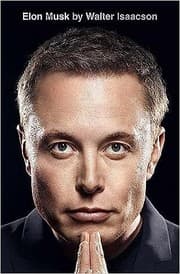
You know, I, I listened to the, um... I like to delineate between listening to books and reading them. I, I, I hate when people say they read a book, but they really listened to the audio. I don't know why. Uh, but I was listening to the, uh, Walter Isaacson's, uh, book on Elon Musk, and particularly to the rockets, there's this question that Elon would ask that, uh, it just has always captured me, like, especially when they were the early days of SpaceX with the rockets.
Uh, they, you know, they tried to buy rockets, a, a Russian rocket, and they tried... You know, they, they didn't have the ability to generate their own rocket at that time, so they were trying to find rockets from other places, and they immediately ran into hiccups based on what you were describing around the realities of the situation and what they were trying to achieve. And he would say, he would, he would explain to the, the head of engineering what needed to happen as an outcome, and he would get an answer often, "Well, it doesn't do that," or, "It can't do that." And he would respond, "What, what if it could?" Like- Yeah ...
"Explain to me what you would need if it could do that thing." Yeah. And, and that question, it drove so many of the innovations and tweaks and, and things that they then, you know... That, that was actually what spurred the, uh, when they created their own rocket plant to, to, to- Mm-hmm ... to devi- to, to, wow, to manufacture their own rockets. That was actually the question that, that created that because he kept asking, "What if it could?"
They kept telling him what they needed to m- actually make what he needed a reality, and they eventually just decided, "We're gonna have to create this ourselves." So, like, you think about that, his initial plan, and, and, and this is exactly what you're explaining. His initial plan was to never manufacture his own rockets. That was never part of the original plan. But it, by, but by asking questions, as you describe, by listening to the answers, the, the inevitable and only solution was they had to manufacture themselves 'cause literally it didn't exist in the world what he needed, or at least all the parts.
Right. So how do you get to, as y- as you describe your client with fifteen to a hundred and fifty instead of his, you know, five-year goal of forty-five or whatever it was? Um, all the iterations, changes, improvements, whatever, that were necessary to make that much of a leap forward could only happen by, by believing that you don't have all the answers and leading with questions. I, I just... Guys, it, this is, this is incredibly powerful stuff.
So in the book, you outline, um, these six principles, um, and, and guys, I'll have links to all this stuff in the show notes in YouTube, and Chris will obviously, uh, direct you at the end as well if you just wanna go there directly, so don't feel like you have to, uh, you're gonna miss this stuff. But, um, I wanna, I wanna end our conversation around, uh, this idea of our mission. This is a place when, you know, specifically talking to culture, talking to alignment, like y- you described it perfectly. The, the, the mission as seen by your client when he first came to you, right? He's working hard, but he's doing it on a beach, and he's trying to get to forty-five.
That mission is completely misaligned or maybe doesn't exist to everyone else on the team or most of the rest of the team. So we start to ask questions. We go back to first principles. What does the actual implementation look like at a high level, right? Like, what-- how do we, how do we start...
Once we kinda know what we want our culture to be, how do we then start to align our people to that mission and, and that culture? Yeah, that's a great question. And I'll, I will say about the, uh, the book, and I agree with you, like, you know, audio versus vi- or, uh, reading, we got, we got all options for our book. We got audio version- Yeah ... we've got the, you know, uh, regular, and we have a actually a lit video book that came out recently that has- Ooh ... a lot of visual that just, you know, captures the essence of the book in about 30 minutes, so that's, that's something else to be able to- Wow, that's pretty cool. Um, but yeah, to your question, I think, you know, when we talk about...
So there's two principles that come to mind, you know, from, uh, you know, kind of the philosophy of, you know, co-creation, which is create context. You know, oftentimes we think about creating content and, you know, and there's a lot of opinions about this, just produce more content, more, more, more, more, more. Uh, but what we see in greatness, in, in the best leaders, the most co-creative leaders, the co-creators, uh, that are really shaping the future, is that they're creating context, right? Steve Jobs said that the, the storyteller has the most power, right, over the future, and that's true. And so how, how are you-- what story are you telling?
What story are you telling yourself as a leader? So part of it is being clear about that. You know, once you've set the tone with leading with questions, building off first principles, but they're custom to your future, right? So those first principles, and you're co-creating them with others. So you build this engine of a brain trust, and this is all the ensuring the key people are in the room or the Zoom room, and you keep that vehicle in place, right?
The perpetual motion of that brain trust moving forward. But the key, the biggest key in all of this, I would say, is you live it. So you live these principles. And what starts to happen is... 'Cause culture is what is, is, yes, it's, it's big and it's what an organization, you know, as an organism, as a, as a person, if you call it, a culture, how it lives, how it breathes, what, what it does, you know, how it acts. But really it all start- especially this is the power of a founder, right, an entrepreneur, is you set that tone, right?
I coached Michael Dell, uh, you know, CEO at Dell, and you know, he was transitioning from, you know, I'd say a rough version of himself, very tactically oriented to scale, right? And, and being more, having a broader view of the business, a lot of the things we're talking about. And that shift required a different mindset, a different approach. But he was really open, right, to those changes. And I think if you can be open to what those changes are, and you just are constant, constant reflection, right?
Uh, Steve talks about, he talks about the mirror. We talk about the mirror test in the book, and that's key on a regular basis. But then as far, as far as driving towards an objective, you have that North Star, and that's a drumbeat that goes, you know, constant through the organization. I think one of the biggest parts too is when you look at this future, the future principles of that experience, right? That what it feels like to be in the culture you want to experience, then you have to ask yourself the hard questions.
"What am I doing right now or today or this past week or the past few months or year that is incongruent with that? What are the things in my, my own habits or patterns of the team that aren't, that don't, aren't working towards that objective or those objectives?" And that's what really follow true north is. You set the true north, right? It's sticking to that.
You have to be willing to make the sacrifices and to shave off those things. And this is one of the hardest things to do because it's painful, right, sometimes. And it involves sometimes a sense of rebirth, where you're saying, "You know what? That rough version of me..." You know, it's, but I think of it like it's like a rough stone rolling, right?
It's rolling down the, down the mountain, but the parts that are chipping off, you don't really need them anyway, right? Look at Michelangelo. He goes in, he's gets a piece of marble. Yeah. It's like, well, you don't just, you know, hit one time and it turns into, you know, this masterpiece.
You chip off everything that's not. And so as to become essentially super leaders of the future or co-creators that are inspirational and are the kind, are the kind of quality of leaders we're talking about, and I'm talking about both the impact of the results you wanna have, but also the innovation engine that makes it legend, right? Is that you're willing to maybe ask the inverted question. To your point about, you know, the inverted question with the, the space in the, in the cup is maybe it's not about what do I need to become? What are the characteristics I need to become as a leader?
It's what things do I need to shave off, right? In comparison to this- Yeah ... beautiful future of these first principles that we've imagined, what it, what it can be, right? This culture that is truly amazing. And that's, that's the difference, 'cause then that be- that becomes the bridge, right? The bridge is wow, and people will notice, right?
And even if somebody's been kind of an a-hole in the past, right? I mean, we talk about Steve, that was brutal, right? And the stuff that Hollywood loves to talk about and all these bad boy behaviors, but that's not what got him into the future, to your point, at scale, right? With Apple or with Pixar. It was all about compassion and empathy, things that, by the way, he learned on a, on a personal level, right?
He got married, settled down, had kids. And that, not that everybody has to do that, but I think the point is that you ha- you have, there, there are a few key building blocks to this. One is, 'cause we ask ourselves, what is culture? How do we influence it? Well, and you can actually see these, just a high level example, in a few leaders that embody this.
So one is, uh, shared wisdom. That's leading with questions. That's a building block for the future. Tim Cook does this extremely well. He sits back, he asks questions, he listens.
Deep empathy, right? Which is essentially compassion, and you're, you're making others the mission. It's a selfless force. Satya Nadella at Microsoft does this extremely well, right? He learned it on a personal level.
He, his wife, uh, great example, their son had cerebral palsy. Hmm. Spent a lot of time with his son, and this tr- transformed him, right? And, you know, we all have experiences that we can tap into, but we usually, we, we create barriers or firewalls to that to get to from private to public. But the reality is we gotta break those down, and you bring those experiences, and you bring, I mean, let's, let's call it what is it?
You know, love, right? What's the most brave thing to do is to be compassionate. And the last one is being powered by principles. And a great example of this is, you know, Jensen Huang at, uh, NVIDIA. It's not just the fact that they're killing it, right, and they're changing, you know, the, the, uh, you know, the entire industry or defining this industry of AI, and they're standing up billion-dollar businesses overnight.
It's the fact that, like, the guy sits in a room with these Stanford students, and he says, "I'd love to see you guys suffer." You know, y- they, th- they've been through a lot of kinda entitled experiences, and it's not that he's saying that 'cause like, "Hey, I want to see pain." And, you know, there's this notion of, like, no pain, no gain. I, I don't think that's the future. The future is we all have enough pain.
We don't have to go looking for it. But if you turn it into power, and his point is there's joy in suffering, 'cause suffering will come. But you also choose those experiences, like with the SpaceX ex- example, these things that are extremely hard, right? These impossible challenges. And then you j- but then you just figure out, well, what are the obstacles?
Rather than saying, what's i- it's impossible or it's not, what are the obstacles? And then you just delete them, and you're there, right? You've just done the impossible. Yeah. And they're doing it all the time.
So I think those building blocks of shared wisdom, deep empathy, being powered by principles, uh, like sacrifice and like joy in suffering, uh, is, it's so powerful, right? It's, it's contrarian. It's paradox, but it's powerful. The book is Brave Together. I couldn't recommend it enough.
I think everyone who's listening, if you're not following along with Chris's work, th- this is the future. This is the roadmap. Like, I, I, I just, I, I, I so align with what you're doing. I had never put it into the context that you did, and, um, dude, I'm just so happy that we've had a chance to meet and chat. And, uh, dude, you got a, you got a fan for life in me.
So I, I, I appreciate it. I appreciate your time. Um, where's the best place for people to connect with you and go deeper down the rabbit hole? Thanks so much, Ryan. It's been great, this conversation, and really appreciate it.
Uh, yeah, so LinkedIn's a great place to connect. Uh, you know, bravecore.co, we have, uh, a lot of resources there. People can download the, the proclamation or the, you know, letter to ego. They can download, you know, snippets from, you know, the book or articles. Uh, there's a lot of places, you know, the book's been highlighted, uh, Forbes, Fast Company.
Mm-hmm. Uh, the Next Big Idea Club has a good kinda take on, on the book. Uh, it's a shorthand version of it. Um, that's Malcolm Gladwell and Adam Grant, you know, part of that. So yeah, I think just, you know, love to connect.
We, we love, uh, you know, I love, you know, hearing people's stories and, and how we can be better co-creators and lead the future. Awesome. Appreciate you, bud. Let's go. Yeah.
Make it look, make it look, make it look easy. Hey. Thank you for listening to The Ryan Hanley Show. Be sure to subscribe and leave us a comment or review wherever you listen to podcasts. Game ain't a thing for me.
I never switched up, no changing me. The only thing changing is- Close twice as many deals by this time next week. Sound impossible? It's not. With the one-call close system, you'll stop chasing leads and start closing deals in one call.
This is the exact method we used to close 1,200 clients in under three years during the pandemic. No fluff, no endless follow-ups, just results fast. Based in behavioral psychology and battle-tested, the one-call close system eliminates excuses and gets the prospect saying yes more than you ever thought possible. If you're ready to stop losing opportunities and start winning, visit masteroftheclose.com. That's masteroftheclose.com.
Do it today. You've finally broken loose from work. Three friends, one tee time, and then the text. "Honey, there's water in the basement." Not exactly how you pictured your Saturday.
That's when you call us, Cincinnati Insurance. We always answer the call because real protection means showing up even when things are in the rough. Cincinnati Insurance. Let us make your bad day better. Find an agent at cinfin.com.
Happy holidays. Wanna give your host a gift? Consider subscribing, rating, and reviewing the show this holiday season. It really helps the show grow. From all of us at Believe, have a merry Christmas, everyone, and a happy holiday.
If you liked the show, please take a moment to rate, review, and subscribe. It really does help the show to grow. Thank you for listening.