Got a jam-packed gift list this year? Let Half Price Books help take the pressure off. Our shelves are full of great gifts that'll have you checking that list off in no time. Games, toys, comics? Check.
Gifts for record collectors? Check. We even have gifts for regular collectors. Head to your local Half Price Books or search millions of items online. And while you're there, you might as well pick up a gift for yourself.
You know, for all the hard work. Find a store near you or shop online at hpb.com. Score holiday gifts everyone wants for way less at your Nordstrom Rack store. Save on UGG, Nike, Rag & Bone, Vince, FRAME, Kurt Geiger London, and more. 'Cause there's always something new. I'm giving all the gifts this year with that extra 5% off when I use my Nordstrom credit card.
Santa who? Join the Nordie Club at Nordstrom Rack to unlock our best deals. It's easy. Big gifts, big perks. That's why you rack.
Whether you're gifting, decorating, or treating yourself, Lowe's December Deal Drops are here to help you save more all month long. Get up to 75% off select holiday decor. Plus, get up to 45% off select tools and accessories. Shop new December Deal Drops every week this month and get so much more out of your holidays. Lowe's.
We help you save. Selection varies by location, while supplies last. I do not think that we should criticize ourselves. I think we should be self-reflective, meaning understanding and thinking through whatever psychological principles were dictating our life, whether we were actually implementing them or not, and how those principles, habits, mindsets, et cetera, impacted whatever happened In a crude laboratory in the basement of his home. What's up, guys?
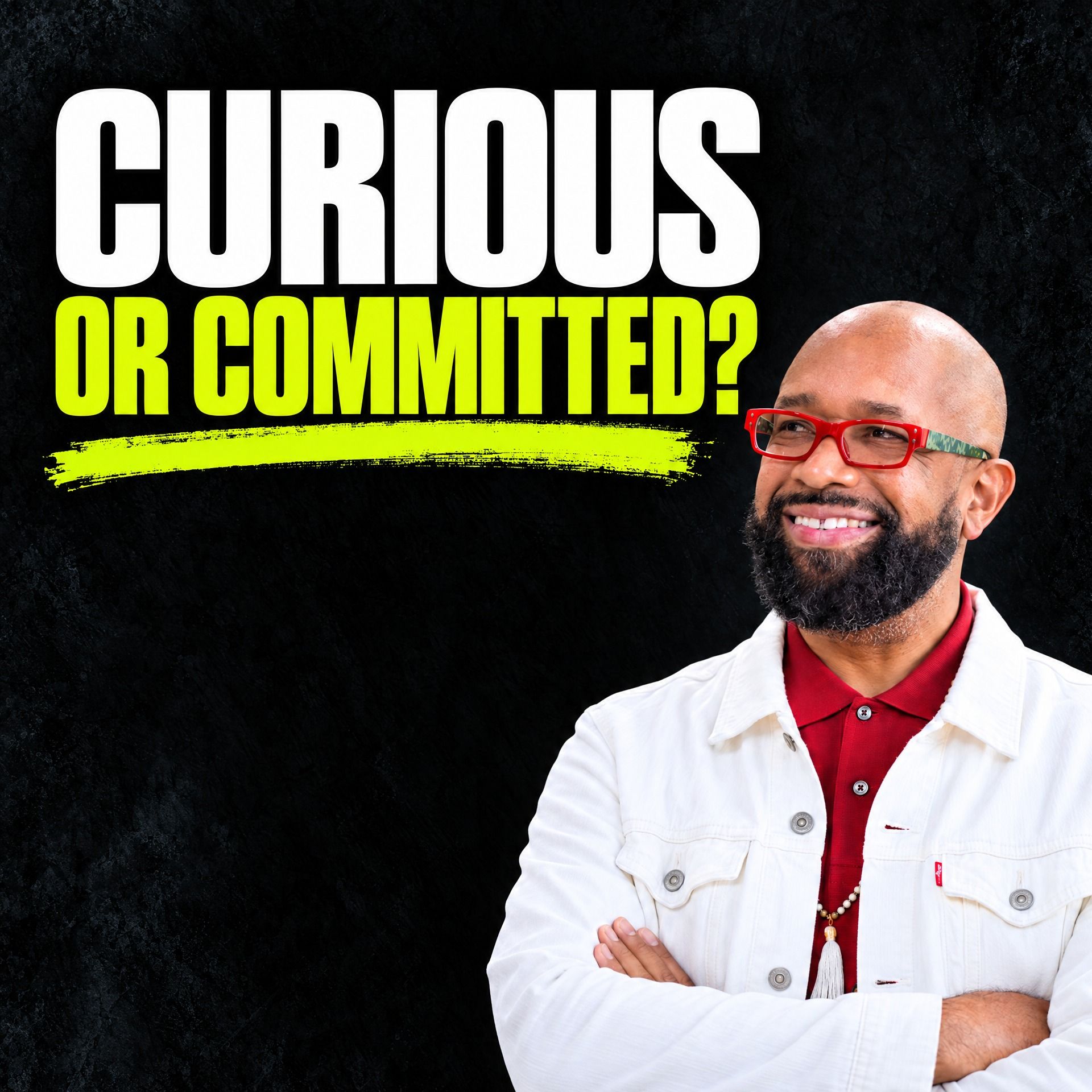
Welcome back to the show. Today I'm gonna discuss seven things that I know about business at 42 that I wish I had known at 32. And over those 10 years, I have worked at an independent insurance agency. I've worked for a large national technology company that we built a media company out of that was also a lead generator. I've worked for a large aggregator/technology company in the insurance industry.
I worked for a fitness franchise, started my own independent agency, and now, uh, have my own consulting firm in which, uh, works specifically with the insurance industry. That's Finding Peak, and, uh, more to come on that at the end of the show. I'll share a little bit more detail about Finding Peak with you. But I wanna get into these lessons because I find that being self-reflective is one of the most important aspects that... of career development. I, I think in wins and lessons, right?
I don't try to think through failures or losses. I try to think wins and lessons, and that's not my original idea. Uh, I don't know that anyone else packages it up exactly like wins and lessons. I'm sure people have, but this concept is not mine. However, I do believe in it, that if we look at experiences as failures, then we oftentimes we don't take them as moments to get better.
We take them as low points in our life or our career, which frankly, you could have something that feels terrible in the moment be one of the most important and positive things that could happen to you. You may just not see it, right? And, uh, you know, w-when in doubt, pull out. Good life lesson in general. Um, the, the farther you get away from something, the more you pull back, right?
You look in a little, uh, microburst of time and something could seem tragic, but, uh, you, you get farther away from it, or you kind of pull the camera lens on your timeline of your life back, and you look at it in the broader sense. And oftentimes, uh, these, you know, quote-unquote, low moments can really be incredibly positive, but you have to be self-reflective. And I've talked in the past in other episodes of the show about being self-reflective versus being self-critical. I do not think that we should criticize ourselves. I think we should be self-reflective, meaning understanding and thinking through whatever psychological principles were dictating our life, whether we were actually implementing them or not, and how those principles, habits, mindsets, et cetera, impacted whatever happened, good, bad, ugly, et cetera.
If we can think through how that works, then we can, uh, use those moments as opportunities to pivot if need be. And in some cases, you may say, "Hey, that mindset that I had there is who I am, and this organization, this person, this deal just didn't align with that." And, and that's gonna happen, especially if you do live by a set of principles or standards that you feel very strongly about. That's absolutely gonna happen. And, and frankly, uh, as we're gonna get to in one of these seven items, uh, we're gonna see that that is most likely the way we should live.
So w- w- all that being said, I think that the dynamism o- of my career has allowed me to learn in a rapid way, right, a 10-year period, a set of lessons that I think it may take others a lifetime to learn. And what I wanna do is put those lessons in front of you so that you don't need to take a lifetime to learn them. Hopefully, some of these w- you can either relate to, you've experienced, or if you haven't, you can have in your mind and be ready for so that when moments present themselves in which one of these lessons could be useful, you have it at your disposal to use. So with that little diatribe there, uh, let's get onto the seven things that I know about business today at 42 that I wish I knew at 32. And, and, and I was working this, I was like, "Should I think back all the way to when I was 22?"
Right? So sometimes when you see, uh, pieces of content or, uh, you know, put together in this format, uh, it'll be like, you know, what I wish I knew at 22 when I was 40. I was a dummy at 22. I think most 22-year-olds are morons. I think that they know nothing about the world, and that's the point, right?
They're sponges. They should be dummies bouncing into things, trying things, making tons of mistakes, thinking they have all the answers, and having to get knocked down because they don't. You're a dummy at 22, as you should be. You don't know anything about life. Granted, there are exceptions to that, but most of us are in those moments, are supposed to be learning, are supposed to not have the answers, are supposed to be sucking things in.
So I don't actually want to speak to, if I could go back, the 22-year-old version of myself, 'cause I want that person to make all those mistakes. That's when you should be making mistakes. However, at 32, you should be starting to create a set of standards and principles for your life that are gonna dictate what can be a high growth time period. Your 30s can be an incredibly high growth time period, both growth as an individual, growth in your career, your family, uh, if you're a parent, et cetera, uh, growth in the relationships you have, depth and meaning in your life. And I think that there are some aspects, if I could go back to that 32-year-old, that I think I did very well and I'm very proud of, and there's other things that I really wish I had what I had today, which are these lessons that I'm gonna give to you right now.
So with now for a second time, no further ado, let's get on to the seven things that I wish I knew. The first is that competition is not a dirty word. Now, for me, it never has been. I believe in competing. I believe that we are all competing against each other all the time, constantly, in every aspect of our lives.
We compete against our spouses. We compete against our children. We compete against our parents, and our friends, and the people we work with in our company, and we work... We compete against everybody. It doesn't have to be a bad thing, right?
It doesn't h- mean that I'm gonna step on you, or hurt you, or deceive you, or, you know, subvert you in some way. It means, it-- to me, competition is about, is about striving for more than what's there. And, you know, the competition, let's, so let's take the idea of competition with your spouse, right? I think most of you when you hear that, you might say, "Oh, that's disgusting. I shouldn't be competing against my wife.
We love each other," and blah, blah, blah. Yeah, sure. I, I will tell you, I think the competition there, when positioned in a positive way, is very much about how can we work to be, have a deeper, more meaningful, more connected, more understanding, more caring, more thoughtful relationship where we, m- you know, more accepting and, and at the same time, more challenging, right? The-- I constantly want to be challenged. It doesn't mean I want to be criticized.
Criticizing and challenging are two different things, especially when we think of it in terms of, say, a peer, or somebody you're working with, or a friend, or your children. I want to be challenged by my children. I want them to ask me tough questions when it seems like maybe something I'm telling them doesn't pass the sniff test for them. But in, in, and in this aspect, we are constantly competing to be the best versions of ourselves. And what we've started to do in our society today is act like somehow competition's a bad thing.
Like, anytime you compete, or if you're ambitious, or if you wanna be the best or win, or if you, you wanna be number one that somehow that's, you know, toxic. That is insanity. It's absolutely an utter insanity. And if I could go back and talk to the 32-year-old version of myself, I'd say compete more, right? Patrick Bet-David just wrote an incredible book called "Choose Your Enemies Wisely."
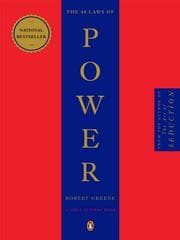
Uh, there's also, uh, if you wanna read more about enemies, you can read "The Prince" by Machiavelli. You can also read "48 Laws of Power" by Robert Greene, which is easily one of the best books I've ever read in my entire life. Uh, and all of these speak to the, the concept of power games and how having enemies is important. Now, you don't want your wife to be your enemy. That's not what I'm saying.
But I'm saying that, that thinking through the lens of competing, of growing, of building, of challenging yourself, and, and again, this competition might just be you versus you, but do not feel like you need to accept mediocrity to fit in with society. Do not feel like wanting to be the best is a bad thing. Standing out, being the best, being on top of the hill is a great thing. Now, I do think that you should do it morally. I'm a Christian.
I believe in God. I wear a cross. I have a cross tattooed on my arm. I have a tattoo that says "Faith over fear" right up my, right up my sleeve. I believe in doing this in a moral way, but compete, engage, allow yourself to win, and, and to lose, and to learn, and to grow, and to feel what it feels like to get beaten by somebody, and to feel what it feels like to win and be the champion, and compete, and focus on competition, and make it a, a, an important and, and integral part of your life.
Competition is very important, and I do not believe that this socialist idea of we all should just kumbaya and get along and hold hands is-- I don't think we're built for that. To me, it's a scheme. It's a, it's a, it's a, it's a psyop o- of control, um, 'cause oftentimes the people who would have you feel bad about wanting to be the best are the ones who want to be the best, and their way of not allowing you to get there is to make you feel bad about wanting to be that. So, uh, compete, my friends. 32-year-old Ryan, compete.
Get after it, and don't feel bad about it. Ah, that's number one. Number two, preparation is the key to all success. There's this incredible clip from Derek Jeter You hear athletes talk about game speeds up, slows down. Well, it slows down when you're prepared- Mm.
Speeds up when you're unprepared. When you're not. Mm-hmm. Right? So every time you're in a situation, I've already gone through it in my head.
I did not understand this until recently, and this comes to practice, it comes to mindset, it comes to visualizing things. It comes from, uh, taking 10 minutes before an important call and putting yourself in the right mental framework and thinking through, uh, what someone might say and how to react, and getting your emotions in check. It comes to preparing for a presentation, you know, days or weeks ahead of time so that when you get in the room, when you're standing in front of the audience, when you're on the phone for that sales call, everything slows down. You're not scrambling to, to, to try to stay, stay on top of the conversation. You're there.
You're in the moment, exactly in that moment, living it, enjoying it, embracing it, and reacting to it because you're prepared, right? When you're unprepared, it feels like the, the world is moving at 10,000 miles an hour. Like you can't keep up, like you're, like you're out over your skis, like you've lost your balance. And the only way to, to kind of get into, you know, some call this flow state. If you're a baseball player, you would call this the zone.
Uh, I think basketball players use that as well. You know, you, you, you're in this moment and, and I actually took a, a class in college called Death, Dying and Beyond. And I don't know why I did this, 'cause at the time it wasn't something I was necessarily interested in. But, but I had this... Th- there's a, there's a, when you play baseball and you are in the zone or you're in flow state, uh, and this goes for many other things.
I'm sure musicians feel this as well as athletes in other sports, et cetera. But baseball in particular for me, out of all the sports that I played, there would be moments where the pitcher could be throwing the ball 85 miles an hour from 60 feet away, but the ball would look like it was coming in at 10 miles an hour and it was the size of a beach ball. And you could literally read Rawlings as the ball tumbled in the air. And I, I took this class in an, in an effort, I didn't get the answers that I wanted necessarily , but, but at the time, again, my dummy 19-year-old self in college, um, was trying to find answers to why does that happen? How is it possible?
And the answer is preparation. When you, when I was the most locked in, when I had, when I had taken my swings, when I had done my preparation, I had found my routine before I got into the batter's box, I could slow the world down and that's preparation. Same thing goes for a really important sales presentation, right? If you've looked through your numbers, you've looked through your documents, you've researched the client, you've researched the individuals that are actually gonna be in the room, the company, et cetera, your pitch. You've done your pitch a thousand times.
You're prepared. When you actually engage with that prospect, it feels like you can't say the wrong thing and every corner that they try to... What's up guys? Sorry to take you away from the episode, but as you know, we do not run ads on this show and in exchange for that, I need your help. If you're loving this episode, if you enjoy this podcast, whether you're watching on YouTube or you're listening on your favorite podcast platform, I would love for you to subscribe, share, comment if you're on YouTube, leave a rating or review if you're on Spotify or Apple iTunes, et cetera.
This helps the show grow. It helps me bring more guests in. We have a tremendous lineup of people coming in, uh, men and women who've done incredible things, sharing their stories around peak performance, leadership, growth, sales. The things that are gonna help you, uh, grow as a person and grow your business, but they all check out comments, ratings, reviews. They check out all this information before they come on.
So as I reach out to more and more people and wanna bring them in and share their stories with you, I need your help. Share the show, subscribe if you're not subscribed, and I'd love for you to leave a comment about the show 'cause I read all the comments or if you're on Apple or Spotify, leave a rating or review of this show. I love you for listening to this show and I hope you enjoy it listening as much as I do creating the show for you. All right, I'm outta here. Peace.
Let's get back to the episode. Pin you behind. You can navigate around because you're prepared. So I would g- 100% go back and tell 32-year-old Ryan, "Prepare, prepare, prepare. Prepare your mind, prepare your body, prepare your relationships, prepare every aspect of your life for the success that you want to have," 'cause only through preparation can you be the best version of yourself.
That's number two. All right, number three, leadership comes at a cost. Uh, if you want to be a leader, you're going to have to make sacrifices in your life. You can't be the best of everything or at everything and leadership takes a toll on your life and y- you're going to lose friendships. Uh, people in the company who maybe used to wanna go out to lunch with you won't, or people who used to, uh, dislike you, um, may try to suck up to you and there's all kinds of weird feelings and insecurities that come with it and it takes a toll on you and you have to prepare for that.
And in the first few times that I was thrust into leadership positions, I wasn't and there are decisions that I made, things that I said, opportunities lost because I hadn't prepared myself, going back to number two, for the cost of leadership. And if you're not willing to pay that cost, one of two things is gonna happen. You are going to be a horrible leader, people are going to actively dislike you and your life is gonna be miserable, or you're going to have other aspects of your life fall apart at the cost of being a leader. So it doesn't mean you can't Have a great home life and be a leader and have people at your company like you, but there are going to be things that are not gonna be the same when you take a leadership position. People are going to question your judgment.
People are going to take shots at you. People are gonna undermine you because they're going to want that position, and you have to be prepared for that stuff. Um, you have to be prepared to lose friends. You have to be prepared to find out that people you thought were your friends or, or maybe, you know, uh, solid work partners or colleagues aren't actually there for you. And those are tough lessons to learn.
And, um, you just have to understand that leadership comes with a cost. I did not know that when I first started, when I first became a leader. Uh, learned it the hard way a few times. Um, but once you know that, then you know how to navigate things. Uh, you put less expectations on people.
You don't take things as personally. You p- learn how to swim in that environment. And if you're willing to engage and, again, be self-reflective, wins and lessons, um, leadership is a wonderful position. It's just not what most people think that it is. And if you are a leader, I think you'll understand what I'm saying.
Number four, discipline is destiny. Discipline is everything. I did 75 Hard this year, which if you're unfamiliar with that program, just Google it. You'll find out what it is. It's a mental toughness program.
It's not a fitness or health diet program, although those are aspects of it. Mostly from the standpoint of what this program teaches you is discipline. And for 75 days you, uh, do two workouts a day, 45 minutes at minimum per workout. One of those workouts has to be outside. No alcohol.
You have to stick to a diet. Uh, no cheat meals. Uh, you gotta read 10 pages of a book. You have to take a progress picture every day, and you have to drink a gallon of water. And all of those things are just meant to be things that you don't necessarily want to do, and you have to make time for every single day for 75 days, or you have to start back at zero.
And it's teaching you discipline. That's what the program is teaching you, discipline. And what I've found, because by nature I am not a disciplined person, but I want to be. What I have found is that through practice, uh, preparation, again, through being thoughtful and intentional in my actions, that discipline is really the key to making all our wildest dreams come true. If you can be disciplined in the habits and actions that produce the types of results that you want in your life, you'll get them.
You'll get everything you want. You'll get absolutely everything you want. And, and, and sometimes I like to take this out of the strictly business format just because I think it's easier. You know, sometimes, uh, these examples are very cliché, say, in the business world, so let's take our relationship with our partner or spouse, girlfriend, boyfriend, whatever. If you wanna have a great relationship, then you need to be disciplined about listening.
You need to be disciplined about showing up when you say you're gonna be there. You need to be disciplined about, um, thoughtfulness. You know? Don't forget the person's-- to get the person a present on their birthday and then pass it off as like, "We don't do those things." Buy your fucking wife flowers.
Like, you know, l- let her, let him know that you care. And those things are tough because we're all so in our own lives, right? But we have to be disciplined if that's important to us, right? For business, this is much easier. If you want to hunt and you're a hunter, you like to cold call, you like to...
You have to make X number of calls every day, just have to do it. Y- you're not gonna wanna do it, but you're gonna have to do it. If you wanna be a great content creator, you have to create content every day. If you wanna be a great leader, you have to do the things. You have to reach out, touch points, follow-ups, et cetera.
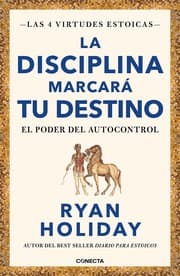
Uh, uh, meet with people, figure out how to support them, and do that on a consistent basis. You have to live the type of culture that you want in the company and be disciplined to that. You can't show up at 8:35 and then yell at a, at, at one of your teammates or one of the people that work for you because they sh- they showed up, uh, you know, when they show up five minutes late for work, right? You have to be disciplined, and discipline is everything. Ryan Holiday has a tremendous book on this, "Discipline Is Destiny."
I highly encourage you reach, uh, uh, read that book if you're interested in the topic of discipline. I could give you a ton more, uh, books if you're interested. Um, if you are, just leave something in the comments of, uh, the YouTube version of this or just hit me up on one of the socials. Happy to recommend books. I'll have a couple linked up in the show notes in the description as well.
All right, number five, uh, incentives dictate action. Okay? I did not understand this concept, uh, when I was a leader, uh, at the beginning. Um, I don't think... I'm, I'm not a drill sergeant.
I'm not a micromanager as a leader. Anyone who is watching this who's ever worked with me or for me knows that, uh, I'm not like that bang-you-over-the-head type of person. But I was never intentional about aligning, properly aligning incentives with the actions that I wanted out of my people, and oftentimes I would become frustrated because I'd be like, "Look at this amazing culture and environment that I've created for you. Why aren't you, you know, X? Why aren't you doing X?"
And the answer was always because, yes, the person may enjoy the culture, may enjoy working for me or for the company, et cetera, but their incentives weren't aligned to the actions that I wanted. I mean, that's literally everything in life, right? Like, if you want something, right? If there's ... If, if you want somebody to do something, you have to create an incentive for them to do it, right?
If you want more attention from... Uh, we'll go back to the spouse thing again. If you want more attention from your spouse, right? You want your spouse to pay attention to you, to care about you, to ask you about your day, then you have to create an incentive model for them to do that. If you're a jerk and leave crap all over the house and don't take the garbage out and make that other person's life harder all the time, what is their incentive to reach out to you and make you feel good?
There's no incentive there, right? Same thing goes for your team. If you want your salesperson to write more new business- Then you have to incentivize them to do that. You can't just say, "Well, I pay you a salary, do your job." It doesn't wor- life doesn't work that way.
I'm sorry, guys. Telling somebody that because you pay them a salary, they need to do their job, that is not the way life works. Set your incentives up for the actions that you want. You know, if you work in the insurance business, the clearest example of this is commission splits for producers. If you want more new business, bring their new business retention, bring their new business commission percentage up and drop their renewal commission percentage.
If you want them to be more account managers, drop the, drop the new business commission percentage, increase the renewal commission percentage, right? W- the way you set that balance up quite literally dictates what type, what they will do on a day-to-day basis. It's, it's pretty much that easy. Did not understand this. It makes complete sense when you think about it, but I, it was not something I understood at 32.
Um, this one is the one I alluded to in the beginning of the video, and that was, um, number six is tell the truth. This is something I do by nature, um, and every moment in which I haven't done this, I have regretted the outcome. So I, I, I can't actually, in, in thinking through this one, I, I couldn't think of a specific example in which I've ever lied. Um, I don't, I don't lie, and, and everyone would say that, that, you know, would probably-- Why would I come on here and tell you that I'm a liar? But, you know, I think we all have moments that we're not proud of.
More often than not, when I say this, tell the truth, it's more like holding back our feelings is, is, in my opinion, the same as not telling the truth or glossing or whitewashing something to make it seem better or different than it really was. And in every time that I w- wasn't completely honest about my feelings, about what I wanted out of a situation or a relationship, I've come to regret that. Because even though it might be easier in the moment to s- to, to, to just say, "Oh, I'm easygoing," right? I- in general, I'm an easygoing guy. So what-- How this would manifest for me is I would not want to do something, but I also wouldn't want to make the other person unhappy.
Or I thought that by being easygoing, I was making the other person happy, right? So I, I thought that just by going along with the other person, I was, you know, being a good, you know, a good business partner or a good, you know, colleague or a good, you know, spouse or partner, whatever. And, uh, that y- you know, and in those situations now I'm not getting what I want, and they think that th- you know, this other person was just trying to be nice too and, and then, you know, it, uh... And then no one gets what they actually want. And instead, and, and at, you know, 42 years old today, now I very much do this, I just tell people exactly what I want.
"Here's what I want. This is what I want out of this situation." Now, here's the drawback to telling the truth. You're not always gonna like the outcome. When you tell the truth, you're not always gonna like the outcome.
And this is the problem with our politicians today, is they all just wanna win so bad that they don't tell the truth. And I think that's why we all have an icky feeling about politicians. Well, that same thing happens when we don't tell the truth in our everyday lives. We're just not up behind a podium lecturing to the entire country, right? We-- When we don't tell the truth, we don't get a real outcome.
We operate outside of reality. That person who you did not tell the truth to is now responding to something that, that isn't what you actually want. So they're responding to something assuming that you're telling the truth, except they're not, that's not what you actually want. So tell the truth and then reality happens as it should. Now, unfortunately, that could mean that somebody disagrees with you.
You may have to have an argument or a conversation, or they may do something that you don't like, or they may disagree with you, or you might not actually be good partners. You might not actually be, you know, good colleagues in business. This person might not actually like you because when they now know who you are exactly and what you believe, they may not actually like that person. It's why I, I've had-- I, I'll give you a good example of it in, in the framework of this show. I've had many people comment on the fact that I comment on politics, that I will, you know, I like to make jokes 'cause I just find things funny.
But, uh, I tend to be toda- in today's version, kind of middle right person. I tend to have more Judeo-Christian va- I do have Judeo-Christian values and in today's environment that's seen as, you know, right of center or conservative and I certainly don't agree with a lot of what happens on the left in kind of Western culture, American and even European politics. W- I share that with you because it's who I am. I have no problem with people having liberal or left values. I think it's insane, b- but I have no problem with it.
If you have a problem with my values and, and that makes you uncomfortable and you don't wanna watch this show or listen to me or don't want to engage with my content or work with my company because of my societal or political values, that's perfectly okay. You have that right a- and I would rather that you didn't. I wouldn't wanna work with somebody who the whole time, you know, you know, was uncomfortable with who I am as a person, right? It, it just-- I would rather work and operate and live my life and engage with and be friends with people who are okay with 100% of who I am. And that is me at, at 42.
At 32 that was not me. I would not have shared those things. Um, I probably would make jokes in general 'cause I find politicians to be insane and crazy, all of them. But, uh, you know, I probably wouldn't have shared so much my personal feelings on certain situations, but I just ... I've...
Not telling the truth hasn't gotten me to where I wanna be. So I've embraced telling the truth. I'm gonna live in reality. Let the universe give me whatever the result is of telling the truth, and operate in that world. Because at least then I don't have to play through some filter.
I can be 100% who I am. And I wish that the 32-year-old version of me embraced that, because I probably could have navigated through a few situations that I handled poorly or did not like the outcome of those situations because I didn't. So tell the truth. Okay. Uh, number seven, and, uh, this one I've shared on this show many times.
I believe in this. Obviously, if you follow me on Instagram, you know that this one is incredibly important to me, and that is health is a competitive advantage in all aspects of our life. Everything is about our health. If you don't have your health, if you're not physically fit, if you are not eating a healthy diet, uh, and this goes mentally, so what you're feeding your brain, what you're feeding your body, how you're using your body. If you, if you are not actively participating in your health, you are at a disadvantage.
And, you know, look, th- the, the, sorry, the average American, I saw this stat the other day. This was also shared on Patrick Bet-David's show, which is a wonderful podcast. Um, if you can tolerate me at all, you'll absolutely love him. Uh, the average American is, um, divorced, obese, and has less than $5,000 in the bank, right? So if ...
W- why we allow ourselves to get into this position is crazy. I'm 40, uh, I've said this like a million times, I'm 42 years old. I deadlifted 455 pounds yesterday, 455 pounds. I can bench 265. My squat kinda sucks.
I can ben- I can only squat, like, 300. But my point in telling you that is, like, I live a healthy life. I still have cocktails once in a... I, I still like to have cocktails. I love cocktails.
I still, you know, I just took my, my kid for his birthday to a Boston Celtics game. We're eating chicken fingers and french fries, and we had, you know, they got ice cream and stuff after the game, and, uh, you know, I had, I think I had, like, a, a beer back at the hotel, and we were hanging and, like, you know, I, I still, like, enjoy my life, but 80-plus percent of the time, I live very, very healthy. And the reason is not to, like... I- I'm not, like, obsessed with it. It's because I wanna be fit so that I can show up and do this and have my brain firing on all cylinders.
I wanna be able to negotiate. I wanna be able to work, put in a 12, 16-hour day if I need to. When I'm up on stage on a speaking gig, I wanna bring, be able to bring 100% to that audience, which is what they deserve. I wanna be able to engage life. And when you carry extra weight, when you eat shitty food, when you're not reading and filling your brain, when you're not properly hydrating, when you're not properly supplementing, you are not operating at 100% yourself.
And I guarantee that if we are competing and you're not at 100%, I'm gonna fucking take your lunch. That's a fact. You... It is your responsibility, in my opinion, not, not to me, not to society, not even to your family, it is your responsibility to yourself to live healthy. And it doesn't mean you have to be psychotic or cut every ounce of sugar or cut everything, every bit of alcohol out or whatever.
If you like to smoke pot, it doesn't mean you have to stop, all right? It just means 80% of your life you have to be very, very healthy. And if you can be very healthy for 80% of your life, you can enjoy that other 20%. And I'm telling you, you're not gonna miss it. You...
And the way you feel, the energy you have. You know, I was just talking to my buddy Sean Fitzgerald, who is going through 75 Hard, and we were kinda going back and forth 'cause I had just gone through it, and he was asking me stuff, and I said, "Bro, it is barbarian energy." When you are healthy, and, and obviously 75 Hard is taking it all the way, right? I don't know that I would wanna live in that realm t- you know, all year long. Some people do.
I don't know that I would want to. Uh, but, and I don't want to. But you can feel it. You know, the thing I hated about 75 Hard was that I felt, oh, I felt like I could run through a brick wall. You know, your sexual drive is through the roof.
You're energized. You're motivated. You just wanna crush work and just, just work out, and you wanna be with people and laugh, and you just wanna do stuff because you have all this freaking energy 'cause you're treating your body the right way. And okay, so if that's the crazy all the way version, well, then dial it back just 20% and get to the version of you whose, whose, who, who can be, you know... If that's 100% of you, I don't think you have to...
You know, I think you can be at 95% and only, it, you know, and, and still, and, and do the bad stuff 20% of the time. 80% of the work will get you to 95% of your best self, and that 95%, I believe, is good enough to make all your freaking wildest dreams come true. I've felt it. I feel it every day. Back in 2017, I weighed 20 more pounds than I weigh now.
I wasn't myself. I wasn't fit. I wasn't strong. I wasn't, I wasn't able to do the things that I can do today. I wasn't able to, you know, to...
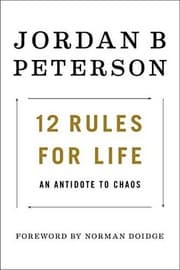
Elevate 2017 killed me. I was, like, on the floor drooling afterwards 'cause I just didn't have enough energy. And it was that event that I said to myself, "This will never happen again." And I lost weight, and I started reading. Uh, I read j- the first book I read was Jordan Peterson's "12 Rules for Life."
And I just said, "There's a better way to live." And I reengaged with my faith, and I started, like I said, eating, working out. I started reading more, started going deeper and trying to think, be more self-reflective, and it's really what changed my entire life. Uh, but i-i-if you're not healthy, you can't get there, right? You're always going to be a weaker version of yourself if you're not healthy.
So if you need help with your health, if you have questions, I'm not any kind of licensed expert, but I am happy to share everything that I know and all the places that I got information from so you can go do your own research. Hit me up in the comments if you're watching on YouTube or if you're listening on the podcast, you can go to the YouTube channel and, and leave comments or just DM me on social media, whatever. Um, or if you have questions, ryan@findingpeak.com. You can always email me there, ryan@findingpeak.com. Uh, guys, you know, that's the seven.
Competition is not a dirty word. Compete as often and as hard as you possibly can. Prepare, prepare, prepare. Leadership comes at a cost. It absolutely does.
Be aware of it, embrace it, work through it. Discipline is destiny. If you're not disciplined, you ain't gonna get there. Incentives dictate action. If you want people to fall in line with you, set up incentives that create opportunity for them so that they wanna do the things that you want them to do.
And I don't mean that in a nefarious way, right? You can... You know, m-my original goal when I founded Rogue Risk was to make 50 people millionaires. That's not gonna come true through Rogue Risk, but maybe I can make that happen through Finding Peak. Tell the truth.
Life will be harder. It will also be better, and you will be living in reality. And health is a competitive advantage. If I could teach my 32-year-old version, the 32-year-old version of myself these seven lessons, I feel like I could have avoided a lot of dark moments in my life. Um, but maybe I had to live the last 10 years to understand these lessons as much as I do to be able to share them with you.
So would love your thoughts, would love what you would tell your te- you know, 32-year-old self, regardless of how old you are today. Uh, I'd love for you to hear that. I'd love to hear what you think about these. Leave your thoughts in the comments. Guys, I love creating these videos for you.
I love, uh, sharing with you. If you work in the insurance industry and you are looking to grow your business, Finding Peak is, is, will be the number one consulting agency in this industry for organic growth. That is what we are building. We have tons of stuff coming out. If you wanna get on a mailing list, there should be a link around this somewhere.
Go to masterclass.insure. Whether the, uh, Finding Peak is already launched or you're watching this before we launch, masterclass.insure will get you there. Uh, we'll be launching kind of a one-to-many program, kinda self, self-program, and we'll be doing one-on-one, you know, kind of custom consulting, uh, for, uh, organizations as well. And, uh, reach out if you wanna learn more, and if, if you want a speaker for your next event. Guys, uh, I'm back, back on the tour.
You know, it was really tough growing Rogue Risk. It was very, very difficult to go speak. Uh, it, it couldn't be a priority. I couldn't grow Rogue, uh, and, and be, you know, and be true to my commitment to, to, to SIA, who, who bought us. I couldn't be true to that commitment and be out on the road.
I did a couple, but, but I, I couldn't make it a priority. Uh, with Finding Peak, I wanna get out back in front of you guys again. I wanna share these messages. I wanna engage with you. I wanna help you, and if I can do that for you, uh, that's what we're here for.
Um, I have a team at Rogue Risk. It's not just me. Was able to bring two of my, uh, two of my old teammates back from prior lives and, uh, we're cooking with gas and, uh, just looking forward to helping the industry that has given me a life I could have never imagined, uh, the insurance industry, helping you guys, uh, grow your businesses and make all your wildest dreams come true. That's it. So I love you for watching this show.
I'm outta here. I'm going to Shaboom. Close twice as many deals by this time next week. Sound impossible? It's not.
With the One Call Close system, you'll stop chasing leads and start closing deals in one call. This is the exact method we used to close 1,200 clients in under three years during the pandemic. No fluff, no endless follow-ups, just results fast. Based in behavioral psychology and battle tested, the One Call Close system eliminates excuses and gets the prospect saying yes more than you ever thought possible If you're ready to stop losing opportunities and start winning, visit masteroftheclose.com. That's masteroftheclose.com.
Do it today. With Venmo Stash, a taco in one hand and ordering a ride in the other means you're stacking cash back. With Venmo Stash, get up to 5% cash back when you pick a bundle of your favorite brands. Earn more cash when you do more with Stash. Venmo Stash terms and exclusions apply.
Max $100 cash back per month. See terms at venmo.me/stashterms. With Sylvania, seeing better while driving at night starts with you because headlight bulbs dim over time and can lose up to 50 feet of visibility before burnout. That's why you shouldn't wait. Upgrade your drive with brighter lights for better visibility on the road ahead.
Sylvania's step-by-step installation video guides make it easier than ever to take control of your nighttime clarity, all without a trip to the mechanic. So before a burnout darkens your day, upgrade to Sylvania and see better tonight. The McDonald's Snack Wrap is back. You brought it back. Ranch Snack Wrap.
Spicy Snack Wrap. You broke the internet for a snack. Snack Wrap is back. Ba-da-ba-ba-ba. Hiring isn't just about finding someone willing to take the job.
You need the right person with the right background who can move your business forward. If you want candidates who truly match what you're looking for, trust Indeed Sponsored Jobs. With Indeed Sponsored Jobs, your post stands out to quality candidates who actually fit the role. According to Indeed data, 90% are more likely to be hired and trusted by 1.6 million companies. Spend more time interviewing candidates who check all your boxes.
Less stress, less time, more results. Now with Indeed Sponsored Jobs. And listeners of this show will get a $75 Sponsored Job credit to help your job get the premium status it deserves at indeed.com/podcasts13. Just go to indeed.com/podcasts13 right now and support our show by saying you heard about Indeed on this podcast. Indeed.com/podcasts13.
Terms and conditions apply. Hiring? Do it the right way with Indeed. If you like the show, please take a moment to rate, review, and subscribe. It really does help the show to grow.
Thank you for listening.