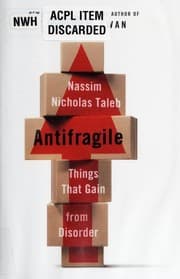
in a crude laboratory in the basement of his home hello everyone and welcome back to the show today we have an absolutely tremendous episode for you it is a conversation with dave and helen edwards authors of make better decisions a tremendous new book with the subtitle of how to improve your decision making in the digital age and we talk this is really a fantastic conversation it's one of those conversations that like it's why i love doing these podcasts you get to meet new people that you didn't know who are doing awesome things with great ideas and we talk a lot about how to make great decisions how to integrate those decisions in the massive amount of data that we have what is the value of data when should we use data when should we go with intuition and instinct as leaders um this is a fantastic conversation i took quite literally two and a half three three full pages of notes during this conversation um i i just i could have talked to these guys all day um and i have the book i'm reading the book it's wonderful it is very much something that is worth uh picking up uh you can get make better decisions on amazon or anywhere that books are sold uh you can always go to the show notes for the page and and and find the book link there if you want um wherever you uh consume books you can find this book i highly recommend it i really like it i think you're going to know exactly what i'm talking about after you have a chance to listen to dave and helen and their thoughts on how to make better decisions it's a tremendous conversation before we get there guys make sure that you are subscribed to finding peak go to findingpeak.com it is my new sub stack uh free content coming out every week around uh peak performance in business in life and in insurance specifically tailored to us the insurance industry uh we do a wide range of topics everything from personal development to leadership development development in business um our relationships and also uh deep dives into marketing into lead generation into digital sales into what we're doing at rogue risk uh to be a human optimized digital agency very much the model that i believe is the future of the insurance industry the future of the independent agency if you want to learn how we're doing it go to findingpeak.com uh subscribe get the emails and if you want the deep dives uh you can uh pay for that which is like seven bucks a month so um appreciate you guys for listening to this show uh as always this is uh this is a labor of love and um and i just love that you guys give me your time so i appreciate you uh with all that said uh it is time to get on to our conversation with dave and helen edwards uh co-founders of saundra studios and the authors of make better decisions awesome well i'm uh i'm excited to talk to you guys thank you same here yeah i um i went through and looked at a lot of what you're doing and i think that it's incredibly relevant to particularly the audience who listens to this show which is primarily insurance professionals from up and down the spectrum so our audience is um individuals from you know everything from one person startup agencies in small town wherever america to executives at the highest level and you know corporations in hartford and all the different places des moines and columbus and all the places where insurance companies operate primarily in the u.s so just so you know who we're talking to today but um normally i like to get right into the show so i'd love if you guys maybe start with your origin story um obviously i'd done some background but i'd love to hear kind of you know every good superhero duo has an origin story and uh maybe we start there and we dig into some of the stuff that i that i think is incredibly relevant to what's happening okay you just launch in yeah yeah rock and roll we're talking sounds good well um thanks for having us uh so i guess uh we've been working together for more than a decade i've lost track of the number of years we've been uh we've started multiple companies some have worked out some haven't as well as the others um saundra studio has been around since uh 2019 ish um and uh it continues work that we've done for several years we started off working really closely around thinking about how do humans and machines come together and what's happening to us as individuals as we are digitized as our behavior is being monitored as our communications are being you know managed as the algorithms are making decisions for us and pointing things out in the world as we've been put into finer and finer grain buckets finer and finer grain buckets and being ultra personalized but in a way that we can't interrogate and understand because we can't see it and we sort of started saundra studio with the mission of really wanting to open people's minds of the richness of humans while we're in this digital age you know that it's not us being supplanted it is actually where's the beauty and where's the wonderful parts of being human and how do we help people understand that yeah i mean so many uh you know when we kind of got into this the the the zeitgeist if you like was um you know very much an either or it's either machines or humans and the machines are going to rule us all and uh the more we looked into it the more we did the research the more we talked to people the less we were convinced of that story and so this is very much uh um how do we do both yeah and we spent time with organizations that sit there and say we've spent all of this money on these huge data projects and putting all kinds of ai into organizations to make more predictive analytics and it's not really working or people aren't really using it or they feel like decisions are harder than they would have been before with all of this data what do we do about this um and that was the genesis of of the book make better decisions was helping people really understand the core of who we are as humans and who we are as decision makers as individuals who we are as team decision makers and how we think about making decisions with data and with ai and we would that uh book accompanies workshops that we do with uh large organizations and we also are uh have started up working in complex problem solving which is an interesting area of thinking about complexity and how do you think about solving complex problems in a way that it's quite different from simple or complicated problems um there's lots to unpack there which is awesome um that makes my job very easy so i'll give you some context to some of the issues that we're facing specifically in the insurance industry and then i think it's going to be highly relevant to what you guys do and i think we'll have an awesome conversation here so um you know i actually i own uh a independent insurance agency called rogue risk one of the very first things that i wrote down was the term human optimized and what i meant by that was not necessarily all the way to uh a a i m l situation however um what what i realized throughout my career having done this for 17 years and uh spending a lot of time on the traditional side is that the all human version of our business was dying um there are plenty of boomers that are holding on for dear life to the paper file cabinet very human all human version of this business um and they've been highly successful in that method but we are rapidly changing into uh um an ecosystem that most industries have already moved into which is this mixed up mashed up you know what is the value of data what do we use what that actually allows us to have better outcomes you know how do we capture it who owns it you know i mean there's all these crazy decisions happening and and kind of the premise of my agency was that uh there are moments that add value and there are moments that don't and i want the humans only spending time or spending the most time possible in the moments that add value and have systems processes use data feedbacks and eventually i think we get to a place where we're using um some form of ai i've been playing around with open ai a lot lately um to handle those processes that don't add value the humans don't add value to right so so you waste a lot of time a lot of energy resources brain cycles throughout the day doing stuff as a straight human that uh uh as a full human not necessarily a that wasn't a comment on sexual orientation um as a as a just a human you lose a lot of time and value and energy just doing all these things that don't matter so so where do you mash those up where where do you what value uh what that actually is value um are are enormous questions in our industry i mean we still i think we employ um i think i think something like 80 of the cobalt programmers left in the in the world are employed in the insurance industry in the united states so like it's this it's this snap forward of technology and now we're having these types of conversations and i don't think anybody has an answer and no one is doing it well so um you know kind of unpacking what you said and maybe one place that i'd like to start um just because it's a it's a enormous buzz term in most industries but certainly in ours is data and frankly um the two questions that i wrote down and related to them was can we have too much value and how are too much can we have too much data and what does that look like and does data even have value and this is a conversation i've had multiple times in this podcast is it the data that has value or is it what you bring out of the data what does all that mean you know kind of we're let's start with the actual nuts and bolts and try to get to how we use it to make better decisions on as we go data definitely has value once people understand it right or machines understand it and that's a let's start with that that why do we even want ai in the first place and it's because humans think in one two three four lots and lots and machines can think in unlimited dimensions and this ability for machines to take data um that in some cases is is really quite alien or you know seemingly inhuman like collected below our conscious outside of our conscious recognition eye tracking mouse clicks and things like that um that the the machines can find patterns in that at enormous dimensions now there's really no real sort of practical limit other than compute power and and and cost and but the problem with that is that eventually for most situations a human has to be able to um justify how they use that prediction from a machine so if the if the prediction from the machine is decoupled from the the human level decision making which is um what you'd expect in um most human facing products then we need to have accountability and responsibility and we need some sort of justification which generally means some kind of causality some not just a correlation which is what the machines are good at the humans come in because they need to be it's only us that can really put the causation and put the justification and say yeah the machine says this but we're going to do this or um we're going to do this anyway or we're going to follow what the machine says and this is why and that level of um uh responsibility and accountability that sits only with humans for now the danger is of course that that we fail to recognize that and that's really what the sort of ai ethicists work on is how do you stitch together um hidden bias and in uh data sets and make the right decision on top of of that so i can see dave's itching to jump in here um i would add that you know what matters with humans is that data can be utterly overwhelming that high dimensional space is completely it's like trying to imagine you know it's like trying to apply quantum theory to something it's just not intuitive and people make mistakes on that basis and become overwhelmed so i think a lot of the dichotomy that we hear around well is data of you know is data of value is it too big is it this or that it's actually really more about how humans tackle overwhelming amounts of data that's really what our books about is ways to not be overwhelmed and to recognize when human cognitive biases work against you in your judgment and decision making i think that there's a the distinction for me is that data has value or at least hypothetically value right there can obviously be data that has it has zero value i guess but um the challenge is what it in in order for it to for that value to translate to us we humans have to know what it means and we generally communicate things about what one thing means when we're communicating with each other by telling stories it could be a it could be a simple story you know um here's here's the story for why this is the the primary customer target um here's the story for why this is the right insurance product for you um here's the story of the u.s american dollar which is essentially a story the challenge is that data doesn't tell stories we have to tell the stories with the data and that's a huge that's a gap that is um i think uh misunderstood um and easily overlooked because people are used to seeing these great dashboards you log in and you look at your tableau and it's got all kinds of colors and lines and things and well doesn't that tell you everything you need well no because it's not telling you any sort of sort of story over time it's not telling you any cause and effect it's not applying it in any form of context that we understand naturally because we've evolved to be able to communicate with each other using stories but data is a really recent you know addition into this whole concept and we actually just don't look at data even when it's presented in a two-by-two in a two-dimensional space we don't naturally know and understand and agree upon the story that's there so we have to translate it that's a difficult thing for a lot of people one of the um one of my most interesting takeaways in the move from being a foot soldier in a company to being a leader was how differently the same piece of information could be interpreted by a group of people right you present a stat on a screen to a group of 10 leaders in an executive forum and the feedback you get from the angles that everyone slices that singular piece of data up is incredible um we recently did uh so we were acquired back in april um uh by a larger holding company and i'm now on the executive leadership team of that holding company and um you know so all the division leaders get together and there's 17 of us total and uh whatever and we're walking through different departments and hey you know this result and we're seeing this and you know where our variance is off here and you know why why do we think that might be happening and like you said this without a story to the data the why of that of something all i mean it is just personal context filters biases experience you know all the it gets passed through all these different things and what comes out the other side is like you're you almost start to think like which one of us is the crazy one like we're all staring at the same piece of data yet it's seemingly seeing completely different pictures and i think that's where um i i sometimes get lost uh in my own leadership is how much do i trust the data and how much do i trust my gut and and what does that look like where is you know one of the things i i wrote down during um your your your kind of introduction or origin story was you know where's where's the nuance where where do we where how do we understand nuance in a data rich world um or something that scares me um mostly because probably i read too much is i'm a big fan of um nassim nicholas taleb and right now i'm plowing through his epic uh uh anti-fragile i don't know if you've read that book but um he talks about um black swans and you know the the triad or whatever and i always think to myself i when i look at data and i think patterns and i think pattern recognition and and all these kind of things are we creating fragility in our business because pattern recognition essentially starts to carve out black swan events you're right we start to see things as how they happen on the mean or in the average and we don't realize that there could be this massive thing coming that maybe our gut as humans and experience could possibly see not always but a pattern recognized data set that's pushing everything to means and averages and giving you variances tends to carve off and you know is that is that a concern or something we have to negotiate well there's a couple of things that you raised there first i'll go back to the the very first thing you pulled up which is essentially sort of analysis versus gut feeling that's where we start our leadership workshops with exactly that question um and we start it from the perspective of well you know modern neuroscience is telling us that everything that we that all decisions are emotional and that here's why and we kind of unpack that and we unpack what heart versus head means these days you know the the sort of um and then we look at um the uh the sort of fast and slow thinking that um and how to how to trigger better ways of thinking and what what's really going on and when it comes to finding that nuance is is quite complex you know you've got a mix of a bias for machine learning or a bias for automation and taking what a machine says um at giving higher weight to that recommendation than you would in the even in the face of evidence to the contrary so you know the classic example of the people that follow google maps into a lake um and but these things happen all the time with with data because you put you put a good dashboard in front of someone and all of a sudden they forget to to ask the good question so it's like how do you step in and how do you intervene and know when you when you should ask the right questions and what are those questions and this is a very human process and sitting around that table presenting people with one data point that they um that they see differently we sort of give people a bit of a release from that because that's quite anxiety provoking um and because the the sort of that the promise of the analytics movement has bled into how we think about each other so the promise of the the analytics movement is that there's one single optimizable answer that can be found best by a machine not a human and we forget that all difficult decisions by definition are difficult because people have different perspectives so then why do we have different perspectives now cause and effect reasoning causes us to think in quite noisy ways this is recent work by daniel kahneman and um saboni and um we we have this noisy undesirable variability in our thinking um that variability can be desirable it's called creativity right we all have a different perspective but we'll show people um perception uh illusions perception pictures we'll ask them what do they see and everyone sees something different it's quite predictable it's quite predictable that everyone sees something different so we shouldn't be surprised that everyone sees something different in the same data the question that then becomes what do you do about that and what you do about that is firstly embrace that diversity that that um that diversity and thinking is what's going to get you through a complex problem and um there's lots of techniques techniques for uh optimizing and maximizing the human part of that um some of it is well people do need to have what we call minimum viable math you know you really especially in something like insurance you should be sitting there should know what a mean is should know what a standard deviation is you'd be surprised unfortunately i i'm not yeah i i get it that's why we teach minimum viable math and to give everyone the same common language and so that especially if you're using machine learning or any kind of predictive analytics you you really need to understand what a false positive is you really need to understand what a false negative is you really need to understand how different cohorts in the data will um it can can optimizing for different things in those different cohorts can give you unintended outcomes and overall profitability for example and the final thing i'm i'll just want to touch on is what you were um talking about there in terms of the black swan and this is some this is a new product for us but um moving from decisions to complexity a lot of um our traditional tools whether they be analysis tools or processes and decision-making structures and organizations are just not fit for purpose when it comes to this new world of complexity and um that whether it's because we have because we are sorting by such finer and finer grain cohorts in the data data whether people on the other end are have so much more agency used to 20 years ago you didn't really know what someone thought of you and now you know you know social media will tell you what what they think of you and these things can be organized and um the self-organization and this decentralization of control and this emergent property that uh that is now humanity on the internet that touches all businesses um it we normal statistics just just flat out doesn't work we have to turn to complexity science um which is coming to the point that there are new heuristics and new shortcuts that we can take out of complexity research and a huge amount happened during the during covid just in terms of understanding epidemiological models and things like that but that math is just i mean the insurance industry is probably one of the few industries that's poised to adopt some of that complex math to help with decision making but until humans really have access to some of this new science um we have to kind of glean lessons out of it and that's how we deal with the black black swan is releasing yourself from this from this need to um sort of have every it's really a different way of looking at uncertainty it's not trying to um say that well there's a point zero one percent chance of x because we know that that's just too hard for people to deal with in fact actually that one's not so bad i mean um what are the probabilities we understand one percent ninety nine percent fifty percent zero percent and a hundred percent those are the only five probabilities that human and humans intuitively understand i think that came from richard thaler but um we we try and help people think in a much more dynamic open complex networked way so that um you can be sort of released from this tyranny of having to really sort of grapple with uncertainty in a way that's just counter or not intuitive to us and um open up the team to thinking much more dynamically to solving problems as they come at you to being much more agile about how you use experimentation um and you just see the data in a different way it really is a totally different way of thinking yeah i um one of the things that you have in your book um in which probably which wasn't a huge topic but it was a topic that i was very interested in i just want to bring it up um considering you know my audience probably has uh is on the lighter side with some of these topics of familiarity with them but i think you know when we're looking at say the the and i know where you've talked about predictive analytics but still those predictions are based on past experience and you know one of the one of the i don't want to say questions because i it hasn't been presented to me but that you know people have framed multiple times in different you know when i'm dealing with big dashboards and stuff is you know the concept of how do we know how do we know when to step away from the data and trust say our gut right and having been in business for 20 plus years now and i know you guys have been in business for a long time too i think it's undeniable to say there's moments where you look at everything the way that it looks and you're like nah we got to go this way right here's the answers here and you're like why i'm not 100 sure i see this and i see this over here and i feel this and you know there's this swelling and i just can't explain 100 other than i know this is a direction we at least have to try right and that's a really hard call those calls are becoming even tougher now that we have so much data behind every decision right you you you struggle to justify you know one of the things i seemingly have seen in some of the organizations that i've been in is that more data leads to more bureaucracy people are less willing to take chances because that those chances aren't necessarily backed up by the data that's giving to them so how do you if you're a leader and like um unfortunately my style tends to be more wrecking ball than uh craftsmen um but uh how do you know or or or what is a good heuristic for for when to take the leap away from the data and when to stick to it and i know that's not an easy question but i know it's a question a lot of people in our industry in particular are dealing with i'm sure many more are as well but uh it's a very common question okay we see this happening feels like we should go this way really and but the data is telling us to go here and you know how do we how do we manage that how do we manage that divergence yeah i mean i think it's a terrific question i think it's the core of of sort of where the where we all are right now because what you highlighted is that the that um the data can make us quite risk averse yeah we need the next we need the next data if we if we if if if we need if so much data is available surely the answer's there so there's a couple of things and this is really why we wrote this book because you can't you can't go head on into any of this things that you know there's there's a subtlety the real nuance has been able to sort of look at it from lots of different angles it's you know pick up your wrecking ball and turn it around a few times and um the first one is is feelings that there's no question that feelings come first if you don't like the way that graph looks you're gonna feel you're gonna feel it and that feeling is gonna is gonna impact how you evaluate it yeah it's part of how you um it's part of the we don't sample from our brains in a in a way that like a computer does it's a probability distribution depending on how we feel we're going to take a different um a different reaction to data so the first thing is how is your how your feelings actually influencing the way you process information another reason another thing another nudge that i use all the time is um ambiguous data if the data is unclear if the answer isn't in the data then we have a natural tendency to use our intuition and our gut so as a leader you step back and you say well why is the answer not in the data is this question actually not able to be answered by the data or is the data not representative yeah you know in a way that helps me you know helps me make a decision yeah so going to that next level of of am i do i want to use my gut because the data is not clear or do i want to use my gut because of some other reason um there's a lot of interesting research out of uh i can't remember who did it now but um that that founder-led organizations are able to take a lot more step away from the data moment and that's because the founder has more scope they're seen as more able to take risky bets and it's because their names on it there's an accountability thing so being able to decouple what the data says is the right decision from what the decision that is made by the actual human and that's okay you know there's data is past events it's it's relying on a stable world it's possibly biased so are people but there's going to be bias in there data is not imaginative it has no ability to make transformational creative leaps it can only be used in the service of those things so in the end it's totally fine that a human makes that decision um but i think that we have got ourselves in a little bit of a knot because of this promise of the analytics movement that the answers in the data it's it's it may not be let me go back to what you you started with around feelings and i think that it's an important one especially as you described yourself as saying that you know my leadership style is using a wrecking ball so my question is what's the what's the what's your emotional sweet spot for making a good decision because when we're highly charged when they're highly stressed we will lean more on intuition that's we've evolved to do that that's why we run when something is really stressful when something is scary those kinds of emotions when we're highly charged will lead us to use our intuition more so the question is what is your emotional sweet spot that allows you to find the places where your intuition is actually reliable intuition is great by the way great it's cheap cognitively cheap it's generally good enough it is all based on data meaning are the data of our own individual experience but it is something that's quite useful the question is though where's the emotional sweet spot that allows you to say i'm going to slow down and i'm going to consider this a little bit more i'm going to think how do you think about this and i think the next step would be to really evaluate one of the nudges in our book is talking about experience versus data so when you look at that data and you go hmm i don't think so to stop and query what is it what is it about your experience that's different from what the data is telling you and then thinking about how those two might be well you might want to rely on one or the other experience versus data or combine the two of them so for instance we you know recently done some work with a big retail um operation and this the data about what happens in the retail stores can differ from individual experiences working in those stores that makes sense right large data what individual experience sometimes one is more important than the other but sometimes you have to put you have to mesh them together in order to make a decision you can't just blindly follow one or the other you have to go into it and you learn from the extra context of well my experience is different from the data and here's why okay now that i know why what do i want to do with that why resolving that anomaly is um i think uh a really important step and it's actually really fun to do you know if your gut feeling is telling you something really different than the data like you said you you you you explained the process of sort of digging into it more but resolving that anomaly can be extremely satisfying it's that one of those aha moments oh you know for example i will use a fun little case study that um uh it's come out of um tim hartford's work about his experience of of the the um london underground where the trains are just packed all the time but the data collected by transport london suggests that the trains are empty and he's like wow this doesn't make any sense so he dug into the data and he explained about how the measurements taken because you know really understanding that exactly the moment the measurements taken and why and who's looking at it and and his pithy sort of um putting you know integration of the story is well um one transport for london measures the experience of the trains whereas he measures the experience of the people and that's such a lovely insight right how do you how do you move from measuring the experience of the trains to measuring the experience of the people so we we sort of nudge we have these nudges that that have you really dig into it from the perspective of well where is exactly that data point is taken why is it taken who's looking at it and what kind of processing happens before you see it as a chart or a graph or a table and what you find as you step through that process is you realize huh some of this was taken for an entirely different reason it's measuring a completely different experience yeah what's up guys sorry to take you away from the episode but as you know we do not run ads on this show and in exchange for that i need your help if you're loving this episode if you enjoy this podcast whether you're watching on youtube or you're listening on your favorite podcast platform i would love for you to subscribe share comment if you're on youtube leave a rating review if you're on spotify or apple itunes etc this helps the show grow it helps me bring more guests in we have a tremendous lineup of people coming in uh men and women who've done incredible things sharing their stories around peak performance leadership growth sales the things that are going to help you uh grow as a person and grow your business but they all check out comments ratings reviews they check out all this information before they come on so as i reach out to more and more people and want to bring them in and share their stories with you i need your help share the show subscribe if you're not subscribed and i'd love for you to leave a comment about the show because i read all the comments or if you're on apple or spotify leave a rating review of this show i love you for listening to this show and i hope you enjoy it listening as much as i do creating the show for you all right i'm out of here peace let's get back to the episode um i i love that concept of whose experience are you measuring i love that um so a couple things um one uh they actually just discussed the concept of uh around founders making more decisions off of judgment i don't know if you guys listen to the all-in podcast which is like a big entrepreneurial podcast and whatever um but you know uh one of the hosts jason calcan has said that there's i'm gonna forget the stats so i'm not even gonna try to quote it but uh there's some statistic on there's a certain percentage of equity at which once the founder is below that they they compress down into almost like like they stop taking chances they stop stretching they stop breaking new boundaries they just really start like day-to-day operationally running the company but but any like innovation slows all these things kind of slow because it has to do with the fact that at a certain point of equity they know they can be fired and like when they as soon as the founder hits whatever that percentage of equity is that they could potentially be fired like the the percentage of growth innovation and everything just compresses way down because now they can't step out onto a ledge and come back from it and uh i find that to be incredibly interesting because um i have been fired multiple times and seemingly because i have not learned whatever that trigger point is that's broken in my brain so um you know and again to the part you asked the question like you know your leadership style is to be more of a wrecking ball and and and oftentimes i think um the reason that i prefer that method personally is i like to know the actual answer i really struggle with um uh armchair i don't know why to call it quarterbacking because we're not playing football but you know armchair decision making you know what i mean where we kind of um if i try something and i get a result then i know what the answer is versus if i just kind of sit back and go well you know we think this is what would happen if we tried that thing so we're not gonna do it i tend to just be like you know okay let's let's do it let's let's go try that thing and if it works then you know sure enough we know um we know uh what the answer is and and i don't know that that's for everybody or the right way uh because it gets you in a lot of trouble but what i do think you get is very real tangible data points on what actually happens and what doesn't um that's why the reason i definitely think you want to um you know you want to differentiate between um throwing stuff at the wall and just trying things versus a good experiment you know testing everything is a is a good thing so if you can write i mean the discipline is write down the hypothesis design the experiment go do it that is the way to sort of not be overwhelmed by data it's also the way to um be cautious to be sort of realistic in um what the what the outcomes are that you're expecting one of the nudges that we use an awful lot and so do people that you know we come back and talk to people after a year or so and it's become sort of one of their favorites is uh called calibrate confidence and it's the idea that you that most people are overconfident most of the time and um that's not that's served as well as a species right you don't go and try stuff if you don't have some degree of overconfidence if you knew everything that you were up against over the last decade how many different decisions would you have made sometimes it's better not to know you know it's good so you got to balance this a bit but in general um that it's a good idea to have a good understanding of the state of your own knowledge and that being able to calibrate your accuracy with how well you understand something is actually a pretty good thing and so one of the so so being able to put a number on on your knowledge and i'm 100 sure of that or i'm 90 sure of that or i'm 75 sure of that one of the things that that enables is it enables one you to think huh okay i have to put a number on it so you come up with one and you realize as you do that you sort of generate this curve in your own mind as to where you sit in your state of your own knowledge um but it also allows other people or you to someone else to flip it around and say 80 confident well why not 100 what's that 20 what's up with that and what it does is is it forces an explanation and explanations are generative you don't just blurt out something you actually have to sort of sit and think and most people most of the time under explain so the minute they have to explain them and you can do it to yourself it really draws out and you generate new knowledge by actually doing it you generate a new understanding in yourself and in others it's a very very powerful technique and it doesn't mean that you become a risk-averse um sort of institutionalized ops guy it means that you are more able to recognize the state of your own knowledge because you know none of us want to program in regrets or live a life where we're sort of denying that we regretted a decision a bit of regrets okay i mean you know you want a few false positives right you want to be able to do a few things that were kind of wrong they were just they were the right call statistically to sort of have enough risk taking in your life but starting out with this at least the knowledge of your own sort of state of knowledge i think is really powerful and and yeah you might back off a few things that you otherwise would have plowed into but you might not you might actually have a better perspective on why you're doing something even though it is risky so i'm only 60 sure but this is a real high stakes call if we win this one we've cracked this nut so it's a you're able to differentiate between sort of wild ass non-thought-out risks and a really calculated we're doing this because if we win it we've won everything yeah is it is it and i'm gonna i'm gonna butcher this whatever i'm trying to explain to you um i always get metaphors and analogies i was a math major so this words are not always my specialty but um is it fair to say that like if you're trying to make a decision data gives you kind of the the the the the vector the the the direction that you should be looking and then your intuition gut experience the accumulation of of what you've had as a professional gives you the ability to pinpoint in and where you actually go like like inside that that range it's going to give you a range of a direction if you have 360 degrees it's going to say here this is this data shows us this is kind of where we want to be pointed and then because i've been doing this for 10 years and i've had these seven experiences here's the three places inside that range that we want to run tests it's it's more that's the scalpel your intuition is the scalpel kind of is that or is it the opposite or is that just a crazy example yeah well no it's a it's a really good example the neuroscientists would say it's exactly the opposite okay antonio damasio who says feelings come first say says that this is how it works um feelings and intuition will point you to the appropriate space in the decision in the decision space to look and then data out actually allows you to really sort of hone in on that exactly where that what that analysis outcome is then you would add again that um your your humanity your sense of accountability your risk aversion your your your you enables you to actually grapple with the uncertainty and make the decision so it's kind of like a data sandwich is what you're describing that data sandwich i like that but it's also i mean i'm i'm i'm reflecting back on what you're saying about um the the data about founders and their percentages of ownership and their risks and so forth because i think about you know you express one i i haven't seen the study so i can't um i can't um act i can't have any um reflection other than just hearing what you said and then go huh really like what um because my intuition is telling me i don't know i'm questioning that conclusion from that data and it's because of my lived experience right of which companies have been i think the most innovative at different eras in time ge under jack welch and apple you know after steve came back and disney under bob eiger those are all you know remarkable success stories that where the the leader didn't have uh meaningful ownership percentage does that mean that my experience overrules the data no but it does mean that if i was presented with that and i was thinking about actually using that for some you know for some purpose i'd want to dig deeper into it and question it a little bit more to be able to understand that delta and one of the nudges we do have in our in our in our in our book is around who are the humans in the data so understanding what the data representation is so who are the humans in the data what are the com where where is it and then there's also the question of how are you actually drawing what story out of it so there could be an alternate example so we talk about list which you'd have to believe to believe the opposite is it about the founders percentage or could it be about the size of the company i don't know is there other alternative answers and other i think this is really good to the result yeah i think this is really good to your point and i can forget which one of you made it around like what is good data right because i and again now you say that i didn't put this piece of information in not on purpose i just didn't add it is that they were talking specifically about early stage companies so you're going from a founder who owns 100 to when they lose that percentage it is often because one they just got paid so they went from usually broke to not broke and now they they went from no one can fire me because i'm you know one or three people or whatever to now i can be fired and i have something by lose by venture capitalists like the people who you quote again like they're showing up and actually firing the ceo yes yeah exactly so it's like so you know you you take that and it's a really interesting it's a really interesting conversation because you say at this you know you take that same individual you know they're they're they're you know maybe a co-founder or the the only founder they own the majority of the of the company they're growing it they can't be fired they can also go broke tomorrow but they're you know and they're growing they bring in a big investor they take a smaller cut now they're you know they have some money they have something to lose they have a board that can kick them out right now all of a sudden they start to play it a little safer because you don't want to make that decision against the grain of the data where the the board of directors and your vcs can come in and go the data told you to do this you did this it didn't work you're out right where the flip side of everyone that you just named while 100 true incredibly innovative were also late stage enormous companies that uh also those guys had big huge contracts and there's a lost cost fallacy i would believe in the people who gave them those contracts and then if i'm playing by bob eiger 10 million dollars a year plus a 50 million dollar bonus to run you know disney or whatever that i'm going to kind of give him some leeway and making some decisions and that we're paying this person so you know and i mean again i'm just spitballing off the top of my head but like it is it's incredibly interesting how that one data point of these were early stage companies versus all companies completely changes the reference of of what that story can mean so that that actually worked out i didn't mean it to that actually worked out pretty well i think worked out quite well the serendipity of a good conversation so um um all right so i wanted to go back to uh because i this is a concept i think is is tremendous and um um i just want to flush it out a little more uh yeah that concept with the the train the um subway system we were talking about whose experience are we measuring right that to me feels like that that feels incredibly powerful to me because it feels like just as we just had a slight miscommunication drastically changed our experience with a comment now again he just threw this comment out on a podcast who knows how real the study is right it seemingly felt real good conversation for for what we're talking about but my point is um how do we know we're measuring the right experience for for our business how do we how do we know that what's that filter system or heuristic i guess tick tick tick i'm thinking it's a good question so i i mean i think the how do you know whether you're measuring the right experience um i i think i'm pausing because there's so many different sort of contextual answers to the question yeah right if you think about in the insurance industry obviously you've got the um the perspective of the insurer and the insured potentially also the re-insurer right because you've got lots of different layers in the industry and thinking about let's say you're trying to you know assess whether a new insurance product is successful i'm i'm i'm i'm following your lead and just kind of spitballing here yeah yeah go ahead you know i mean understanding um the first question is um i would say whether you're whether you're measuring the right right question the right um data and the right perspective is to be a little bit more in depth in terms of what the question is so um define success more deeply think about what you mean by that so this sort of this question of um uh of making sure you're starting with that i think there's also when you actually get to the conclusion you say yes this has been a very successful product going through the the classic five whys to make sure you're really digging through to the right answer you know have you actually gotten to an answer that you actually think is truly there because success could be um high revenue you know for the company um success could be um low risk for the reinsurer um success could be customer satisfaction um for the you know for the uh for the insured um there's a lot of different layers of of what success might mean and that's usually where i think people get caught is that they're not sure exactly what they're asking of of data uh and so therefore they're not sure which which experience to rely on well data is you know generally it's harder to collect the thing you really want to know about than it is to collect the easy thing so um i think the first answer is it depends on what your goal is right so that's the that's the kind of overarching meta answer but if you go down a layer from that there's a couple of things that can happen one is that pretty quickly you're in a complex situation like insurance and customer service you probably pretty quickly find there's some sort of paradox there's some sort of dilemma you can't have the perfect customer service at the same time as um keeping costs down or you can't have the i mean in insurance there's always this background of we want to have great customer service and and and settle claims and make everyone happy but at the same time everybody knows that they're on the call with some sort of rationing process some sort of gotcha kind of process um so i think that being able to very quickly get down to the point that you know why measuring something is hard why is this a hard problem to solve what's the the dilemma that we're constantly going back and forth on what are the poles of the dilemma so i think that's an important one and another one is a which is more sort of on the complexity side of our house um but in the decision one there's a really important um concept that again came from danny kahneman which is that we tend to um substitute an easy answer for the right answer so uh a good the simplest example is um the the right question is how happy am i with my life uh the easy question is how do i feel right now and that happens all the time when it comes when it comes to data all the time when it comes to measurement so um using this nudge of right versus easy when is what is the right measure like write that down what do we really want to know and then what's the easy measure and and and actually putting them in front of you and and because in in this in this world of of data gathering by machine of um unconscious stuff or of you know using a product like cogito to to to capture and you know emotional responses and what have you and and put nudges into a say a call center and into with agents in a call center there are so many things that are easy to measure not necessarily right measures so um but doesn't mean you don't do them it just means that you really need to be much more consciously aware of um on one level what are the proxies but then on the other just what what's the right answer what's the right thing we're trying to get versus what's the easy thing yeah um there's two really incredibly relevant uh problems that you guys addressed in there one is uh so technically insurance agents work for carriers so all the marketing that you'll see out of insurance agents is that we work for you that is technically not accurate now there is a term for that it's called a broker but in the united states 90 plus percent of the property casualty insurance agents are not brokers they're agents which means that technically they work for the carrier while in order to get paid by the carrier you have to convince your client to come buy a product from that carrier so when you think about that and that uh you you know have two very large stakeholders who are you know in some cases at odds with each other who's do you care if they do you want the carrier to be happy because if the carrier is happy you get faster response time oftentimes higher and more inclusive compensation you get access to additional products you get access to special programs special pricing right if the carrier is happy but if the carrier is happy that doesn't necessarily mean that the clients are as happy even if they purchased for you it doesn't mean they're as happy as they could be and if you measure straight client happiness and you're only about the client and all that matters is the client relationship well oftentimes and this is very very common your relationship with the carriers starts to actually become at odds and now who you've actually signed a contract with and technically are responsible to and and is is is at you're at odds with to the to the client which sounds good and feels good and everyone likes to thumb their chest and say my clients love me but if your carriers hate you then your business is making less money you oftentimes can't offer as good a product set you may not uh get first pass into different beta programs or specialty programs or specialty lines programs that can ultimately provide either greater access or just better products to your customers and it is a very and that's not even to mention do you care what your what your employees how they feel how they're doing you know their metrics like you know or the vendors that you work with or you know any referral partners that come in so like you have and and we're not alone in this the the the the uh kind of uh principal agent uh problem in the insurance industry is fairly unique not not wholly unique but fairly unique but but it is this like i'm thinking through just the millions of conversations are probably thousands is technically accurate of conversations that i've had around this particular problem where do you where do you focus your attention and which relationship is more important to value and i think that goes all the way down to the baser of where you said um to begin your answer which was how do you define success like is success maximizing revenue in every way shape or form then probably you need your carriers to be happy and focus on the things that make them happy do you care more about the relationship you have with your clients the longevity of those relationships the the ancillary benefits that comes out of having deep rich well well built uh uh uh solid foundation with your clients um which can also be profitable as well but probably not maximizing profit and um you know and i think that's going to be different um for every agency or every individual business um and and who those leaders are and who the people are inside them and that's that is there's no i get um particularly in our industry again and i'm sure this is the case with others it's just i've spent two almost two decades of my life in this one is as soon as someone starts telling me like this is the way you should do it i am like every bell in my in my being starts to go off and say like ah oh like i've been part of too many different conversations for that to be true so it does seem like this is work that very much needs to be done on an individual basis and and this is maybe where my question is my next question is coming from being that i want to be cognizant of your time and respectful to our audience's time um uh it does very it seems very much like we should be doing this work on an individual basis versus and not that we can't look at best practice studies and stuff like that they're probably good good benchmarks but versus relying solely on the benchmarks or the the frameworks passed down by by a consultant we need to be maybe working with a consultant to figure out what this is individually this is individual work that we need to do because it oftentimes can be very unique to us is that a fair is that a fair assessment i think that's fair and and and i'd i'd i'd actually make it even more individual in the sense that um well basically everything's moving to sort of more personalized but i i'd take it i'd hazard a guess that you know when you started out 20 years ago these relationships were were sort of much more one-to-one and not a lot of not a lot of machines involved now what if 50 of the value of that of that relationship is now done by machine and that inside of that there's an artificial intelligence that's that's making predictions that sometimes decisions are coupled still with that prediction because their policies that are put in their rules that are set across at scale across the whole across the whole client base or whatever but if if there's agency in that if there's if there's variability if there's um agency in the in the the way that you're making your judgments and your decisions this is a much more complex system suddenly we're down into self organizing we're down into um emergent properties we're down into adaptation things that you make decisions on within your own discretion and judgment that you that are fundamentally different than you would have made 20 years ago you've got totally different access to information rules are different there's either more rules or less rules more decisions less decisions you know they're sort of on the spectrum so i think that that's actually the real reason that this is so individual and so unique um is and why we went to to nudges because in the end this is about personal practice this is about getting to know what it is that you value and um being able to understand how you specifically understand context how your imagination works how your creativity works you're clearly a bit of a status quo buster yourself so that's worked really well for you right that wrecking balls worked well um worked really well for me until i turned 40 and then it just didn't work and i don't know what it was about that some sort of transitioning it's a little bit of you know you can be a kind of young upstart and a lot of us who are are um uh contrarians in our younger years that doesn't work as you get older people expect the gray hairs they expect that wisdom they're not they're not really as forgiving of those behaviors and plus there's a lot of survivor bias you know you're here it's worked yeah you don't you're not looking at that the people who haven't survived and when they were wrecking balls i can i i won't but i can tell you some names of people who just didn't survive that process yeah um and they're no longer that those kind of decision makers so i think it really is this world of personalization exists because the because we can do it i think that's a i think that it's quite wise to think about this as as an individual decision bubbling up to your organization's decision you know to whatever size your organization is anything but um other sort of industries that have gone through um perhaps somewhat similar major transitions just looking at the you know financial services business and thinking about portfolio management yeah 20 years ago it's all about stockbrokers making individual stock calls for their clients um you you'd be wanting to work with one of the big banks because they had the flow um they had the trading desk right there their their optimization was around what's the you know how much am i getting in terms of my you know trading commissions versus how much money am i making for my clients it was that kind of a debt you know sort of tension you could go to smaller places but they wouldn't have the same access to the to the to the market timing that you could get at the big banks now fast forward 20 years and it's a totally different world um a lot of the you know portfolios that you that you're picking are optimized around etfs that are all you know set up in terms of in large-scale research situations if you go to the the little brokers they can pick anything you want in the market actually when you go to the big banks now they're all regulated out of a single you know central research organizations of what they're allowed to give to their clients because the regulations have changed still same sorts of tensions so you know am i making money for the bank am i making money from my client but the whole profile of who you are and what you do and what you can offer has changed and i have friends who've lived through that entire timeline you know being sort of the high net worth folks at big banks and their jobs are completely different from what they were 20 25 years ago but that now do they stay there well that's their own individual personal decision and that's fine and i would echo i think what what helen said is our premise in our book and our premise around decision making is that there isn't one optimizable answer there isn't one heuristic to follow there isn't one process to follow there isn't a you know six-step process to make a good decision we believe this is truly a practice which is why we have 50 nudges that help you get better that's what we call it make better decisions it's more like meditation you know in terms of practice and thinking about what works for you as an individual inside the sphere of people that you're making decisions with then it is about some sort of step-by-step process that you can put on boxes and have a framework and and and do that can be really unsatisfying for people when we when we say it we truly believe it it's not a we're not having some sort of like easy get out of jail free card by by saying there isn't a six-step process because and we haven't invented we actually just truly believe decision making is way too complex to be able to have a set process you have to think about what how am i what nudge do i want to use right now in this situation with this topic with this group of people to make my decisions just a little bit better than they would have been otherwise yeah i love that i love it guys i uh i have thoroughly enjoyed this conversation um the book is make better decisions how to improve your decision making in the digital age on amazon i'm assuming the rest of the place shop.org yep yep local bookshops wherever you need it um where uh if people want to connect with you guys in the digital space where link you know what's what's your spot website uh linkedin where where do you want people to go to connect with you yeah our website is getsonder.com and you can reach us there hello at getsonder.com is an easy email address you can find us both on linkedin we also have a we uh we have a podcast ourselves called artificiality which is a combination podcast newsletter that we host on sub stack uh so you can find us there that's great and i'm on tick tock yes we do we do we do we do have particularly participate in some of the other social medias how do you like the uh uh tick tock and instagram and facebook tick tock i set a time limit like it's just oh yeah any more than five minutes i'm wasting too much time but it's just too damn addictive yeah i think that the interesting thing about that about tick tock and instagram for us is that you know we wrote this book coming out of working in a corporate setting and working on workshops but it's so quickly becomes really applicable for people in the personal lives so we got a wonderful comment on a tick tock video where someone said you just explained why my my my marriage has been in the shitter for the last five years thank you like and so that was quite an eye-opening moment um especially and it was quite encouraging especially since we're obviously a married couple we worked together we've done this for a long time it's kind of nice to feel like maybe actually this could be you know this people find applicability in their personal lives too that's good that's tremendous i mean i think i mean all the concepts we're talking about while applied obviously to business you know i'm sure there's a derivative that applies very much to how you and and i really like the fact that you position it as a practice i think that um you know in my own life i very much try to approach things as a practice versus when i was younger i think i oftentimes was shooting for the goal right i just was it was you know did i get to this thing or did i not get to this thing and today i think hopefully maybe it's turning 40 which i did recently um you know i i seemingly viewing all changes in our lives as practices unless it's something very acute um tends to be a more sustainable and predictable and proactive way of getting stuff done so i love it this has been absolutely wonderful conversation i wish you guys nothing but success on the book and everything that you're doing um obviously highly recommend this and hope everyone will check it out who's listening uh guys i appreciate your time and and uh hope you have a wonderful day thank you it's been fun thanks so much close twice as many deals by this time next week sound impossible it's not with the one call close system you'll stop chasing leads and start closing deals in one call this is the exact method we use to close 1200 clients under three years during the pandemic no fluff no endless follow-ups just results fast based in behavioral psychology and battle tested the one call close system eliminates excuses and gets the prospect saying yes more than you ever thought possible if you're ready to stop losing opportunities and start winning visit master the close dot com that's master the close dot com do it today