Eric Ries: Why Investors Destroy Your Business (And How to Stop Them)
with Eric Ries
Episode Answer
Eric Ries: Why Investors Destroy Your Business (And How to Stop Them) is a Finding Peak podcast episode hosted by Ryan Hanley with Eric Ries. The conversation explores leadership, performance, entrepreneurship, and the work required to build with clarity under pressure.
Read the Conversation
Show the full transcript
And then- Yeah ... from that moment until the day that I exited, they did everything they can to destroy that business. I feel like we do not really own the organizations, we birth them. So we've actually legalized huge swaths of non-value creating money-making in the name of market efficiency. If you build something really valuable, the more golden the goose, the greater the temptation will be to steal it from you. The market does not reward value creation.
It is easier to do the right thing 100% of the time than 98% of the time. The best time to build structural defenses is when you don't need them. It's always too early until it's too late. The interesting thing about AI is, and you probably know this as well or better than I do- Uh-huh ... is that for all the doors that it opens, um, the hardest part is knowing which ones to close or which ones not- Yeah ... to open in the first place. Um- Totally ... because it opens all the doors.
Yeah, totally. Oh my goodness. So all right, that being said, anything relevant, timely, like you know, just a story that's going on, something that's on your brain that you're like, "Man, I, I, th- I'd love to work this in or tie this concept or this story into what we're doing today," anything like that? No. Obviously there's a lot of AI stuff that the book prophesied, you know, and said it was gonna happen and is happening like right now as we're, as it's playing out, so that's been kinda wacky.
Um, you know, so happy to talk about that, that kind of stuff. But not, we don't have to make it a current events- Yeah, no, no ... episode because yeah, by the time it comes out, you know, who knows what the situation will be. So yeah, I'm- That's right ... I'm totally down. Perfect.
No, that's great. I always just like to ask because, um, you know, I see my goal is trying to search for and tap into the places that you're the most passionate about talking about today. So sometimes that's just 'cause the book- Oh yeah, that's not, that's not what it was when we originally set it up. Yeah, that can happen. All right.
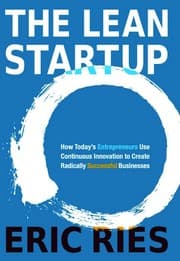
Uh, Eric, man, I, I appreciate your time so much. Um, I know you're busy with, with getting the book out, and it's phenomenal. I was obviously a huge fan of, uh, The Lean Startup, um, and have used that for a couple side quests. I use it as a roadmap, as a side quest, and, uh, I would be lying if I said I haven't taken the PDF and put it into my OpenClaw and said, "Hey, when we do little side quests, use this as a first pass filter." So, um, I appreciate all the hard work you put into that, and now- Oh, thank you ... you can see you've now made it for me to train my OpenClaw to be as brilliant as you are.
Um, that being said, the part of Incorruptible that grabbed onto m- that like I grabbed onto that was very personal and relevant was, um, this idea, and, and you bring it right out in chapter one, it's this like the, you, this kind of mystery of the golden goose, this idea that we're creating these companies and that somehow our relationship to investors, our relationship to how we structure our business is taking this thing that we built that's valuable, that you kinda taught us about in The Lean Startup, and, and now, like y- you even say it, right? Like you, you taught us how to build something worth protecting but not how to protect it. Yeah. I had this experience. This was my most recent startup.
I built this business, and I know we don't know each other that well, but I built a business that I was like, I had been m- mulling it through in my head for almost 20 years, and then I put it into practice. Yeah. And then it started working really, really well, and two years in, we get kind of an offer I can't refuse from a PE company. And then- Yeah ... from that moment until the day that I exited, they did everything they can to destroy that business, and I basically watched my baby like die through death through a thousand cuts. I know I'm not unique.
That's so sorry. How do we make sure that this does not happen as often as it is happening or in a, in a perfect utopian world ever again? Yeah. Well, first of all, thanks for sharing the story. And I know that in business we tend to talk about things, these things in a very clinical way.
You know, the loss of the money, the loss of employment, you know, the, the surface level outcomes. But I also wanna honor the fact that this is like a deeply personal and painful thing. And you said it, like we joke about, "Oh, my startup is my baby," but I don't think that's a joke. Like, I feel like we, we do not really own the organizations we create, we birth them. So entrepreneurship is more like mothering than it is like ownership, and therefore it's, it's really very painful.
And look, I get the pu- the general public is not thrilled to hear stories right now about people who got super rich and are super miserable. You know, like wa, wa, wa. Like I get it, like we live in a time of, of rising inequality and a lot of economic hardship there. But I think it is important that we reckon with the human costs of these decisions because not only are they economically ludicrous, but also, um, they have human, a human toll that is, um, far higher than people realize. And not just for the original founder, but for every human being these organisms touch.
So I call the book Incorruptible because I think what you describe is a form of corruption. I understand it's not legal bribery or embezzlement, like I get that. Today our, our notion of the word corruption is very narrow. But our grandparents and great-grandparents did not see corruption that way. They had a much broader understanding of acts which are corrupt.
And in fact, I would go further, I would say that many ways of making money in our modern economy, our grandparents and great-grandparents would've seen not just as morally questionable, but a lot of them would've been outright crimes. So we've actually legalized huge swaths of non-value creating money-making in the name of market efficiency. So when I call the book, it's funny, I just sent the book to a, to a political scientist, uh, for comment and, and she was like: "Look, this sounds really interesting, but as a political scientist, I just wanna tell you, I'm very skeptical of the claim that anything can ever be made incorruptible. You know, come on. Surely you mean less likely to be c- " And I was like: Well, you could judge for yourself.
Read the book. I actually think it is possible to make this thing that we're talking about stop happening. Like not just that it doesn't happen that often, but we actually could make it extinct. It relies on a very specific set of fundamental forces, but also human practices that are all messed up And one of the biggest shocks I had when researching and writing this book is I've always had this intuitive sense that, like, a lot of our so-called best practices seem kinda weak to me. Like, I was like, "Really?
Those are the best we could come up with?" But I didn't really know. I'm like, "Well, I'm sure somebody a lot smarter than me figured this practice out and it's there for a good reason." Well, actually, so many of the best practices we, we teach people in business, that I used to teach people, are not only, like, inefficient or, you know, kinda suck, but, like, are actively value destroying. So what's incredible to me about this is although we, we live in a time of tremendous cynicism and skepticism that anything good can ever happen, we have the data, the case studies, and the, the communities of practice necessary to adopt these practices that the research shows are both more value creating but also less likely to fall to corruption.
So I actually think although this book is kinda depressing 'cause it has all this bad news in it, ultimately the message is a positive one, that we do have the tools we need to craft and live in a better world. It's funny how ideas or concepts that are associated with what I would say you just described was preparation, right, preparing ourselves, uh, creating, creating a, a moat against corruption, right, and the preparation that that takes, right? You gotta dig the moat, you gotta fill the moat with water, you gotta put little sticks in there, you gotta put the holes in the castle where you shoot the arrow, right? I mean, those are all things that when you're doing them, you hope you never have to use them, right? You hope you never have to use these tools and that, you know, in this case, in our analogy, the corruption never approaches the gates.
But if you're not prepared for it... So it's interesting to me that we, we would view this concept as negative when really it's, it's, it's a positive defense against that negativity. It's actually the, the opposite force t- to the corruption, but if you, you don't do the pre-work, right, then, then the corruption just comes right at you. Rushes right in. Rushes right in.
What's, what's fascinating to me is I, I wrote this blog post, God, many years ago called The, The Curse of Prevention, which is like if I tell you that, like, a doomsday scenario's coming, like, "Oh, my God, a meteor is gonna hit our building," and you're like, "Oh, no. Oh, no. What do we have to do?" And I'm like, "If you all wear tinfoil hats, the meteor won't hit the building." And then the day passes, and I'm like, "See?
It worked." You know, everyone's like, "Oh, thank you for teaching us how to win the tinfoil..." Like, right? Like, we- we're used to the idea that anyone who can claim to be preventing some far-off calamity can get you to do kind of anything, and I think that, that skepticism, again, well earned, but makes us a little bit naive when there's an actual problem that needs actual preventing. And it's really fascinating to me.
Like, I live in Silicon Valley. I work with all the s- famous Silicon Valley people that you know. And they very often, like, they preach a philosophy of bold contrarianism, okay? That's like, that's like maybe the most fundamental idea in the venture ecosystem in Silicon Valley, that in order to make money as an investor you have to be both non-consensus and right. That's the classic two-by-two matrix developed by Andy Radcliffe, the, the OG of Benchmark Capital.
Anyway, so they're, like, really obsessed with being non-mimetic, contrarian, non-consensus, and yet you put those people on your board, or you even just get their advice about how your company should be structured, and, like, these bold contrarians will be like, "Now, listen. You don't want your structure to be too different from anybody else. That might make it hard to raise money. I don't know. Investors might not like it.
I don't know. Seems a little weird to me." And it's, like, so fascinating that we're preaching this, like, um, swashbuckling ethos of the lone individual super genius founder, but then as soon as you're like, "Hey, but what if I want to commit myself to a path that customers, employees, investors in my community can trust? Um, and therefore I'm willing to take some pos- future possible scenarios off the table," they're like, "Oh, man, you shouldn't do that now. You wanna keep your options open."
And I was just talking to someone who was like t- talking to one of their investors. They basically were like, "Look, what about the option to convert my customers to Soylent Green and eat them?" Surely we can agree that that's not an option we wanna keep on the table, and they invest... No joke, their, the person we're talking to was like, "Look, I really think it's better to keep all options on the table. That's how you maximize value."
So I think we've, like, kind of lost the plot about what are we doing here. Like, what is the purpose of a corporation? Why do we build them? And why should anybody trust someone who's doing that? I think the issue of trust is one of the most recurring topics in the book, and as you say, um, as we see with this mystery of the golden goose, because trustworthiness is the most underrated, undervalued asset in all of business today, um, people who get this, people who understand how to build an organization that's worth something, they, they stockpile it.
They build, like, I- I like you to visualize, like, a huge bank vault full of this incredibly precious substance, and then they're shocked, just shocked when someone tries to steal it from them. And it's like, whoa, buddy, if you build something really valuable, the more golden the goose, the greater the temptation will be to steal it from you, so you better be prepared. So a big part of the book is just for the next generation of entrepreneurs to stop being as naive as frankly we were, and the people that taught us were, about what is coming for you if you actually manage to build something worth protecting. Do you think there are more people coming after startups, builders today in a corruptible manner or less the same versus, say, the, the initial boom in we'll say the '95 to early 2000s or even in, um, you know, the kinda secondary digital wave that happened in, like, 2018 to 2015? Like, like, do you think it has steadily increased?
Has it just changed? Has it always been the same? Like, where do we kinda stand versus these other eras? Yeah. First of all, it is getting worse, and- Um, what's happened is, is nothing like nefarious, it's just we've lived through the rise of financialization, especially over the past century, where financial transactions have come to dominate almost every sphere of human life, to the point now where people have a hard time imagining that there ever was a time when we viewed there as being non-financial spheres of influence, right?
Pe- our, our grandparents really would've seen social institutions, political institutions, and financial institutions as basically independent spheres. Our s- we still have the, the term the public sector versus the private sector, but that term has become totally meaningless. You know, I'm, I'm, most kids today are like, "The what? Isn't it just one mega financial system?" Yeah, that's, that's the world that we live in.
And first of all, it wasn't always that way. So it is important to recognize that this is getting worse. The, there was no, you know, the, what we call private equity is a relatively new business model. Um, so many of the best practices I talk about in the book, I always ask, um, people when I'm meeting them for the first time, you know, like, a, a, if I'm on Zoom or something, I'll be like, "Hey, is there a window where you are? Okay, look out the window.
If you can see a tree..." I can see many trees right now out my window. If you can see a tree, you're probably looking at something older than these ideas, okay? These are not, like, bedrock foundations of capitalism, but very recent ideas that have been kind of like a civilization scale experiment that I think we can now call the verdict on and say it's been an utter disaster. But the fact that it's getting worse doesn't mean that it's a new problem, and in the book I trace the history of this back at least 200 years.
I think we could go back further, but the documentary record d- gets harder and harder the further back you go. That basically this phenomenon of what I call enlightened capitalism, that somebody has the idea that, you know, for example, if you treat workers better, then you have to. If you invest in quality, the q- the, the, capitalism has had a longstanding issue with quality because quality is an expense, you pay it up front. As you said before, like, if, if you have to do the work ahead of time before you reap the benefit, it can be hard. So the importance of quality, the importance of craftsmanship, the importance of equality, of fairness, of treating people well, um, and of acting in a trustworthy manner.
Throughout the generations, entrepreneurs have been rediscovering that this is a huge source of advantage. You know, I tell the story of Robert Owen who figured this out in Scotland in 1800, okay? This is not, like, some new idea. People discover it and they, they have a three-part analysis in their mind. They say, "Oh, if I can prove that this alternate way of working is superior, competitively superior in a n- in a commercial setting, then because capitalism is about competition, the market rewards value creation, therefore my ideas will spread, people will copy them, and it will be like a new technology diffusing through our society.
And as a result, like, I'll be a hero. Everyone will celebrate me as someone who helped found a new, better, more efficient way of working. And therefore those who oppose me will actually be, through their obstinance, contributing to the data set that shows that this new way of working is better, and ultimately the data will win out." So that idea seems so logical because, you know, we all have been indoctrinated to the idea that the market rewards value creation. And it just happens to be, empirically speaking, wrong.
It's one of the oldest and biggest fallacies of all time in business. The market does not reward value creation, and over the centuries what we see is person after person after person who figures this out, proves that it can work, and then the golden goose gets utterly butchered, and they're devastated. And you know, I tell a bunch of these stories. Robert Owen died basically penniless and completely dejected. Um, you know, the founder of SAIC built one of the largest employee-owned companies, uh, in the US.
At, at their peak I think they had 40,000 employee scientists making $5 billion of net, net income. Like, it was a huge enterprise. And his board utterly betrayed him, kicked him out of the company, took the company public, and just fully ruined it. Just it was incredible the, the devastation that they wrought. Not for any particular reason, just because they could.
And, and, you know, I tell the story of him, I tell the story of Whole Foods. When you read interviews with these people after this happens to them, they always say the same thing, like, "Oh, I guess I trusted the wrong people. Should've put different people on my board." Like, they see the failure as personal. Which, you know, we're entrepreneurs, of course we take everything personally.
But they are blind to the systemic pressure that made that outcome basically inevitable. And so what I wanna do is educate, like I said, the next generation of founders to just, to know this history and to be prepared to resist it, um, using tools and techniques that, as I said, are, are well established and well proven. So I've been following and reading about, um, um, Jason Fried and DDH a lot lately. Um, uh, uh, they've both been doing a lot of podcasts. That kind of brought them back into my mindset, and then I started reading the books again and digging into them and, and just thinking a lot about how they were able to stay, they've been able to stay private, been able to continue to build.
Obviously very long time horizon, a time horizon that would never suit, uh, VC, PE, or any kind of investment capital, and it's a v- very unique case and we hold them up on a pedestal to a certain extent, de- I guess depending on what circle you're in, et cetera. But obviously they've built something of value. Um, they're very unique individuals. They view the world very uniquely. Uh, is that a proper case study?
Is, is what they're building and how they're building it, like, the goal or at least a version of the goal that we should be shooting for if, if we care to retain, um, control and maybe a, a, a positive and fulfilling relationship with this, with this business baby that we create? Or is there a better model? So I wanna be really careful. First of all, I try hard not to comment on other companies unless I really have a lot of detailed knowledge of what's going on behind the scenes. That, that's fine.
So yeah. Yeah. But, but just, but I know them and I know what you're talking about. And look, one, definitely one potential solution to this problem is to stay private. Um, and if you talk to Dave Wharton who created the Evergreen, um, Evergreen Institute, uh, sorry, the Tugboat Institute, they do something called the Evergreen Certification which is, like, a, a standard for companies that are explicitly designed to stay private forever.
They tend to be closely held, family-run companies, super purpose-driven, no outside investment allowed. Um- That is one way. Certainly one way to avoid investor-driven corruption is to, um, not take any investment, and I tell a lot of stories in the book of companies that managed to, to get to quite a significant scale with no investors. Okay. So people sometimes are like, "See?
Problem solved. No investors." But I think that is unrealistic as a plan for two reasons. One, some companies need investors. Okay?
Like investors are not bad. We, we need investment. Investment is the lifeblood of our economy, and, um, to cut them out entirely I think is really sad. In fact, the fact that we've gotten to this point where so many great companies view taking investment itself as a form of corruption is an indictment of our shareholder primacy-led world, where actually shareholder primacy is causing investors to miss out on most of the growth available in the economy. So it's been a big disaster from that perspective.
But there's a separate issue, which is, okay, then how do we handle succession? My goal is not just, like, I think if you wanna have a company that lasts for you for your lifetime, you know, keep staying private, having complete control over it, tying its fate to yourself as what I call the mission guardian, that's effective. But what happens when you wanna retire? What ha- or what happens if you just, you don't wanna do it anymore? I know so many founders who are just utterly trapped.
They can never really quit. They're basically indentured servants to this thing that they built. And yes, maybe it makes them rich. Yes, maybe it's very fulfilling. There's a lot of good things about it, but nobody should be trapped.
No one should be forced to do it. So the book is not just about how to resist pressure from investors, but how to create what I call the architecture of institutional longevity. What is necessary to build that really strong ethos, that corporate character that is not tied just to an individual leader, and then how do we protect it through the generations? How do we solve the problem of succession? How do we bind future managers to be, uh, consistent with our values?
And it's interesting, I start the book with a lot of discussions about investors, and then they kind of recede for a lot of chapters, and they don't come back until, from my point of view, the way I wrote the book, I was like, look, until we build an organization that is strong enough, we don't know. When we bring investors on, we're just rolling the dice about what's gonna happen. But once we build a sufficiently s- strong structure, then it can become safe again to, to have really productive partnerships with long-term investors where both parties are genuinely better off. And I think because we have these examples of companies that have managed to do this and last, you know, for centuries, like we know it can be done with the right structure. And so a, a lot of the book is really just helping people get over these myths that we have become so addicted to, the myth that, um, you know, s- that, that corruption and bureaucracy, malignancy is like an inevitable outcome of scale or of age.
The older a company is, the more bureaucratic it's gonna be, the less likely you can trust. Just like we have a lot of these, like, stories that we've told ourselves because we see it all over the place that, you know, that investors can't be trusted. You know? But I know a lot of founders who feel like when they lost control of their company, it was to their own employees, not to their investors. So, like, there's a lot of ways to lose control of your company.
We're dealing with Frankensteins here, like, right? You can easily lose control of the monster if you don't know what you're doing. But once you have the right structure, um, the level of alignment and kind of magnetic attraction, like, kicks in, and then it is possible to do things that today most people would consider to be impossible, including, as I argue in the later chapters, to build a company that is by definition incorruptible. Is the trap speed? Is it the belief that you need this money?
I mean, I, I got buddies who, most of which have fallen into some of the traps that you describe in the book- Yeah ... and almost all of them, it was speed. And in, in my case it was speed, right? Um, I know, again, you don't know my story specifically, but what happened was I was building a, a, a technology company and an insurance a- uh, technology-driven insurance agency. Um, national- Yeah ... all 50 states. In 2021, we're the fastest small commercial agency in the entire country, bootstrapped on a $35,000 budget.
So we're doing well. Uh, I had made a deal with my, uh, spouse at the time that if she would allow me three years of not taking an income, and she made enough that that was okay, uh, in eight years I could get her an eight-figure exit. That was the deal we made, and we are executing that mission to a T, mind you, uh, uh, quite, quite proudly to a T. Uh, she has a midlife crisis, decides that our marriage is something she no longer wants to be a part of, and, um, uh, about just over a year and a half into that three-year I'm not taking a salary, she's out. Whoa.
So now I am left with no, no income and no ability to extract revenue for, or income from the business because I've literally structured it in a way where I've put every dollar back because we had this plan. So now I am scrambling, full-tilt scrambling 'cause now I need money somehow, and ultimately- Oh, yeah ... um, found, like I said, this deal that at the time seemed too good to be true, because it was. Mm-hmm. But I blew past so many of, um, I'll call them the filters that you put into the book because speed was so, at that time I had to get money. It was like- Yeah.
Yeah, yeah ... I should be, I should be thinking about this more, but I also need to pay for the apartment that I'm renting. You know what I mean? Like- Totally. Totally ... you know, off we go.
So I guess one of the questions that, that kinda hit me is, is, is the, the mindset, the, some of the, the things that we need to be maybe emotionally dealing with as founders or as, you know, founding members of a team that are maybe making these decisions to think about taking on investment. We'll, we'll approach that one first before employees, right? Like, do we need to hit a certain level of preparation? Do we need- Mm-hmm ... to have a certain group, like pass this through multiple people, or is it just, you know, kinda that strong man philosophy of let's just hope you're a great decision-maker- ... you know, guy or gal, you know what I mean? I don't mean strong man, like strong, like gender, but just- Yeah, I know what you mean.
I know what you mean ... the idea of like, let's just hope you're the, you're the one who can navigate through it, you know? Yeah, yeah. Boy, okay. L- there's a lot to unpack there, and l- listen, I, I thank you for sharing the, the ups and downs of this because I think it's just so important for entrepreneurs to be honest with each other about, like, what happens, the real world consequences of this stuff. I don't think speed is actually a problem in itself.
What happens is, um, there are a class of investors who really enjoy negotiating with high leverage, okay? So like if you put yourself into a low leverage situation, um, there are people who will take advantage of that. But even-- And I tell a couple of these stories in the book. Even if you're in that kind of situation, there are tools that you can use sometimes to nonetheless e-end up with a really strong structure. It's just, it's really difficult to reach for them when you're feeling like almost like you're being coerced, right?
Like you, you, you need to, if you need to make rent, you need to like pay for your kid's healthcare, and you need to like pay for-- Like it's just at a certain point, transactions become non-voluntary. And one of the key ideas in the book is that corruption swiftly follows anyone who breaks the moral logic of capitalism, which is that when a transaction is fully informed and fully voluntary, that is the transaction that magically creates value because both parties are better off. And anyone who violates one of those two criteria, they can make money, sure, but we can't know if they're actually creating value. In fact, that's a path, a lot of times a path to destroying value even, even while you're making money. So but another idea-- So that's kinda like when you're in the crisis moment, your life is very difficult.
But I will tell you one story just to give people a little bit of hope. This is one of my, my-- This is like a completely crazy story to me. Everyone knows Patagonia today as this like behemoth of environmental activism, but they were a, a really ran-- like really crazy company in their ear- in their early years and spent a lot of time trying to figure out like how to run a business with these really, really intense values, which by the way, were originally about like product quality before they were ever about environmentalism. That was kind of an outgrowth of this obsession with product quality. So anyway, when they became environmental activists, they gave a lot of money away every year, you know, in nonprofit grants.
They just thought that was an important part of their ethos as part of what they promised to their customers. And in the '90s and early 2000s, they went through a s- terrible time of overexpansion. They got greedy. The, the outsourcing boom was on. They outsourced all this product to, you know, a-Asian factories and stuff, and they kind of like lost the quality focus in pursuit of growth, like a classic corruption story.
And all things really came to a head. The company almost went bankrupt. Um, they realized their mistake. They had to do a, a layoff. They laid off twenty percent of the staff.
They still to this day call it Black Wednesday. Like they ca- they, they really felt really bad about it, but they had to do what they had to do. And they had to get a bank loan to restructure all their debts. You know, they had to basically do, do a restructuring of the business. Everyone was like, "We'll just take outside investment.
We'll do a recap." But they refused. They were worried that that would lead to corruption, so they were negotiating with banks. And the banks came in, and they were negotiating, negotiating, negotiating to get their loans restructured, and eventually they get, I think it was HSBC or somebody, to agree that they'll assume the debt, they'll restructure it, and they start working on a, on a, on a restructuring plan. So like this is like your classic, like it's an emergency, the company's on the brink of death.
They have absolutely no leverage. They have to do what the bank says. Everyone knows this, right? So they, they get the deal almost done, and the bank's like, "Look, okay, we're on board. We'll do the restructuring.
We'll do the thing. But just during the time of the restructuring, okay, while you're spending the money from this loan, you have to suspend your nonprofit grants, 'cause come on." And they, and I just-- This is such a fascinating story to me. Patagonia said, "No deal." They're like, "No.
The purpose of this loan is to save Patagonia, and if we don't, if we're not who we are at the end of it, we'd rather just go bankrupt now." And I wouldn't have the courage to do that. No way. You know, like to me, it's such a crazy story. Like you're risking everything for what?
For this like abstract principle? But I think people misunderstand this as courage or like cojones when actually to them, this was just we have these principles. The business is just an embodiment of this ethos. So there's simply no business without the ethos, so we'll never sacrifice. Just we won't sacrifice it.
It's not, it's not available. And they, they said no, and the bank had to-- And they put-- I, I, uh, uh, the bank must have been so surprised. No one ever does this. But it put the bank in this situation like, "Look, call the loan or do it our way. If you call the loan, you're getting nothing."
So it was like it was some way to like turn the leverage around on the bank, and the bank relented. Now, they had a lot of other things going for them, including a bunch of employees and customers and even former employees and inve- like tons of people who were like, "We'll give you a loan. We'll-- Like we're, we're here for you. We'll do what it takes to make this happen." I tell the same story of something very similar happened to the early years of Whole Foods.
There was like massive flooding one year in, um, in Austin, and their original store was like flooded with like three feet of mud. All the pro-- Everything was destroyed at a time when they had no investors, no nothing. It should have bankrupted the company for sure. And yet, like their customers like came in on a volunteer basis and helped them bail out the store. Their bankers gave them-- Like what people sometimes see backwards.
They're like, "Oh, well, if you're really special, then you get these like special things happen to you," instead of realizing that having these commitments is what makes these companies special, which sometimes allows them to, to, um, escape these traps. But one more thing. That's what happens in the crisis moment. But one of the other really most important ideas in the book is a principle I call it's always too early until it's too late. The best time to build structural defenses is when you don't need them.
As you said, the moat, when you're building a castle, you don't wait till someone's sieging you to build a moat. It's too late. You need to build it ahead of time. And this is the biggest problem I see founders run into is because like if you talk to most lawyers, investors, investment bankers, you know, any of these experts and you just be like, "Hey, I wanna think about, you know, protecting myself in this kind of far-off scenario," they'll be like, "Don't worry about that. Go get successful.
Build up leverage. You could always do it later. It'll be a lot easier to do it later." And then next thing you know, something unexpected happens like what happened to you, and now you're having to do it in a crisis. It's much more difficult.
So I actually think the, the best solution is to think about this stuff from the beginning and set it up when it's easy. It's so easy at the beginning. You can write whatever you want in your corporate charter. You can-- And so, so to me, the, the battle is mostly about having founders know that these tools exist so that they can reach for them You know, in advance. So yeah, that, that can make life a lot easier.
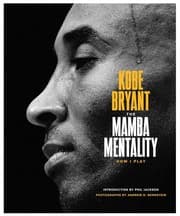
It's funny, I'm listening to the story about Patagonia, and what came to my mind was, like, it- it's the Mamba Mentality. You never negotiate with yourself, right? Once you make a decision. I mean, that was... I did not appreciate Kobe Bryant when he was alive.
Mm. And I have... You know, I appreciate him as an athlete, obviously, and his f- Yeah ... but I didn't appreciate his mentality, and then after he died, I spent a lot of time watching interviews that he had done, especially post his retirement, 'cause- Yeah ... um, he did a lot of interviews. He did... He's a, um, I think Emmy-winning...
Uh, not Emmy, Emmy's TV. Uh, he made a d- he made a, a kids' documentary series or something that, like, won, uh- Oh, cool ... uh, an award. You know, he did all this stuff, and people would ask him, like, "How did you translate... You know, you're a best-selling author. You got..."
Oh, I'm gonna... It's not an Emmy, but it's one of the movie award. Yeah, yeah, yeah. Sure. You know, and, you know, you did all these other things, and, and he's, and he comes back to this idea of this Mamba Mentality, which is what you're describing, which is once you make a decision, in this case, part of our mission is this charitable non- That's part of who we are.
Like, to him it was, "I get up at 3:00 AM and work out every day," right? For basketball. Okay. You, once you make that decision, you don't negotiate with yourself. You can negotiate with other people, but you don't negotiate with yourself once you make a decision, and that is so incredibly difficult to do, especially, and this is why I, I love what you're talking about, about do it early, because the more voices there are, the more people are trying to get you to start negotiating with yourself.
"Well, Eric, you said, but, you know, really is Incorrupt- maybe the book shouldn't be titled Incorruptible," 'cause can you defend that? Like, if someone were to come to... Could you really defend... You know what I mean? And now you're starting to ask yourself all these questions and you're like, "Nah."
Like, I, I decided that this is what it was. It's non-negotiable. And I believe it, and it's non-negotiable, and you can say whatever you want. And, you know, the, the interesting part about that is after I was acquired, you know, going back to kind of one of the stories that I have, it's, you're, uh... This was the part when I was going through your book that I'm, like, reading this thing, like, kicking myself the whole time thinking, "God, where..."
You know, "God dang you, Eric. Why didn't you write this book five years ago when I started my company?" Because literally I'm watching you- I know. That's how I feel too ... describe the things that happened, you know, 'cause once... So I had this special pr- I, special.
I had this very unique process for the insurance industry that allowed us to scale as fast as we did. There were a few core ideas that, that I had contrarian views on that we implemented- Mm-hmm. Sure ... and what allowed us to be successful. And to your point about, about best practices in particular, the minute I lost control of the company by selling it, the corruption, like, it was like it couldn't wait to get in. All the sudden I started having best practice meetings or meetings that they called professionalizing your business.
Oh. Which essentially meant- Oh, no ... taking all- Not good ... the things that made us special, tearing them out, and putting things in that made us look and feel like every other business in the country. And here's the part that I think founders don't... That when I now talk to founders, I, I share this story with them and try to help them see is, look, they're gonna change your business but have the same expectations as when they bought you. So what they were saying to me is, "We wanna see the continued trajectory that you had when you were this unique thing doing things a unique way that allowed you to separate yourself, yet we're gonna tear all that stuff out, put all this generic, you know, shit, corporate stuff in, but expect you to still hit those exponential results," which became almost impossible.
And now you're living in this situation where you feel, like, completely handcuffed. It was like I don't understand. Like, you bought me for this, but you trying to make me this, but you still want me to hit this target. I don't... Like, physics doesn't allow that to work.
And I guess my question there is you find yourself in this situation. You haven't, you, you, you, you haven't read Incorruptible, one, 'cause it's not out yet, but, uh, you're standing in this situation. Is there a way back out? Can you, can you pull the rip cord and say, "Okay. I've, I've gone down this corruption path.
I'm looking around. I don't like where I am." I... Maybe it's 'cause of investors. Maybe it's 'cause of employees, decisions we made, compromises we made that we shouldn't have.
Can you fix it? Like, is this fixable? And, and how deep down the rabbit hole can you be before it's not fixable? Yeah. I wish I could say it's always fixable, but the truth is sometimes it's too late.
I mean, like, if you, if, you know, like, people get in these crisis situations, and sometimes they find out it's too late. But here's what I think is really hopeful about that. It's never too late to try, and just like a s- like, we, we, we fetishize vision so much in the startup world, for good reason. Like, so many companies, you know, that's, that was the initial spark, the seed. An individual person had some kind of insight that...
You know, sometimes we, I think we sometimes we over-fetishize that it's the founder who had the insight. S- often, it's often just as likely to be an, a early employee or sometimes even a lead customer, you know? You never know. But, like, the spark had to come from someone. Um, this is kind of the same thing.
Like, the first step, no matter where, no matter how doomed you think you are, the first step is just to be like, "Where, where do I need to get to? And do I have the courage to open my mouth and say, 'This is where we need to go'"? And this is not just true for the founder. I don't care if you're a board member, founder, investor, employee, foreman, factory worker. Um, I even, I was talking to someone the other day who was going in for a job interview, and they had, they were one of my ear- they were one of my early, uh, test readers for Incorruptible, and they were asking me, "What c-..."
Uh, like, "I'm just a lowly person. I'm desperate for a job. I've been out of work for a little while. I wanna get a job. W- but surely I have no power.
What can I do?" I said, "Hey, no worries." And they're like, "And I'm not courageous, okay?" Like, "I'm not that kind of person." I was like, "You don't need to be a superhero, but can you do the following?
Can you do this? In the, in the job interview, when they ask you any questions Ask them if they're a mission-driven company. Just ask. If they say yes... If they say no, obviously go get a job somewhere else, you know?
What do you want from me? But like, if they say yes, they-- Oh, they're gonna say yes, ask them how they know. Just like, "Oh, tell me about that." And the person will be like, "Oh yeah, we're a great place. We have drinks on Fridays, and we have free yogurt in the fridge," or whatever that, whatever they say, you know?
Or maybe they'll say something really, really inspiring, like, "Oh yeah, we- we're all true believers in this cause," or what- you hear what they have to say, and then be, "Oh, that's cool. Is that also our legal mission? Is that written in the corporate charter?" Just ask. You don't have to say anything that you think it should be.
Just ask, and you're gonna get one of three answers. They're gonna say, "Yes, of course it is." You'll be like, "Oh, cool. Can I see?" Or they're gonna say no, and you could be like, "Oh, that's odd.
Why?" The person you're talking to, they probably don't know why. You're gonna force them to go ask someone else. They're gonna ask. Believe me, you ask them, they're gonna ask their boss.
"Hey, boss, what's, uh..." He's not gonna know either. He's gonna ask his boss, and she's gonna be like, "Uh, I don't know." Like no one's, no one's ever asked us that question before, and it wouldn't-- it is not uncommon for a little ripple like that, next thing you know, they're having a meeting at the board of directors about it. "Does anyone here know what our actual corporate purpose is?"
Or the third possible answer you might get is, "I don't know. Isn't that interesting? Huh. I'm gonna make a note to ask someone about that." And you just dropped a little ripple in a pond, or you've just dropped a pebble on the top of a mountain.
Can I guarantee it will become an avalanche that will do a lot of good in the world? I can't guarantee anything. That's now how it works. But just that first step of, like you, since you know where things need to be, you can start to ask questions. Now, as you get braver and more courageous, you can say things like, "Oh, that would make a big difference to me in term- in choosing whether to work here or not if I knew."
And believe me, every time you make a choice, it's one of the most important ideas in the book, comes at the end. Every choice you make in our modern world, because we live in the age of surveillance capitalism, so every, every choice you make is somebody's OKR. I don't care how minor it is. You think nobody's watching, you think nobody knows, I guarantee you every choice you make, somebody's got a metric they're trying to optimize, and you just showed up in their report. So you don't have to do, you don't have to go to a secret meeting.
You don't have to join a union. You don't have to necessarily pro-- You can do those things if you want to. If you wanna amplify collective action, God bless, go for it. But just by yourself, you choose to do the thing or you don't do the thing, that, that choice w- um, causes gravitational ripples that, that like a pond's surface radiate out from you. So now going back to your question of is it too late.
Let's say you're a founder and you're in a really, really dire situation like you're describing, and it can feel like, man, w- mission is now a nice to have. And, and investors, I think when investors become board members, they're trained, unfortunately, to, to kind of treat mission like th- like the dessert you get after you eat your vegetable, no longer the vital thing that is the reason they invested in the first place. So you can be like, "Okay, I'll just compromise a little bit to get through this crisis or whatever." But like great, Clay Chris- Clay Christensen said, um, "It is easier to do the right thing 100% of the time than 98% of the time." And that's what popped into my head when you were talking about Mamba mentality, that like what if you have to negotiate and decide every time, it's just exhausting.
And so if you're just like, "No, if we're gonna make a turnaround, if we're gonna get through this crisis, the only way is if everyone is truly committed to the thing that is going to galvanize our whole team to make it through, and therefore, we have to do the thing." Sometimes you're gonna get laughed out of the room. You might get fired. The thing you fear, it may happen. I n- I promise you nothing, no guarantees.
But sometimes, and I've seen it, sometimes just speaking that into existence can cause people to be like, "Oh, really? Is that an i- i-- Is that one of the options? I never even considered it." So, um, so yeah, I think, um, educating people about the magnetic pull of, of a profound mission-driven company, of aligning a mission with, uh, human flourishing and with having a principled ethos, um, making honest high integrity decisions. Like there's this package of actions or character traits that if we reach for, no matter how dire the situation my experience has been, it gives us the power we need to accomplish sometimes seemingly impossible things.
That Clayton Christensen quote is really tough to swallow. I mean, it's, I, I believe it 100%. It's just a tough one to internalize because what it immediately makes you start thinking about is all the places where you negotiated with yourself and moved away from the principles that in your quiet moments you decided wanted to be part of either who you were personally or who you wanted to be as, you know, involved in a business. And, you know, that can create a lot of self-doubt, and I, I see, you know, when I'm dealing with... You know, I deal with a lot of early stage founders, m- mostly in the insurance industry, but a few others.
There's this sense of like even if they've done something spectacular, obviously you get the few who are born with or somehow had ingrained in them a level of self-confidence that oftentimes borderlines on delusion, which- Yep, it happens ... if manageable, uh, can be, can be, uh, a superpower, right? No doubt. But I think most of us are always managing some level of self-doubt and, you know, when we're-- I guess, how, how do you coach, talk, advise when they are in these low-- You had mentioned low leverage, low leverage- Mm-hmm ... uh, negotiations. Um, when you know you're in a high leverage spot, even if you're generally have self-doubt most of the time I think you can navigate through that, but it's these more low leverage situations where combined with a level of, uh, insecurity or self-doubt, seemingly you are very open to suggestion and often suggestion that is not in your favor or at least not primarily in your favor. How do you recommend that founder or executive, et cetera, h- how do they manage that situation?
Yeah. Is it Finding a good mentor? Is it going and getting a consultant? Is it bringing in your executive team, et cetera? Like, how do you navigate that particular situation? 'Cause that seems- Oh, it's super- ... to be more and more the case ... it, it's super hard.
And, and I think we should name the, the emotion of shame that a lot of people feel when they feel like, "I was supposed to be the Goliath who protected this thing, and now I've been... Like, and now I failed." And the problem is that investors and a lot of advisors and bankers and stuff, like they encourage this magical thinking. They want the story to be all about you. So when things are going well, like I, I tell this story in the book.
I'll never forget one of these founders I talked to who came to me very concerned about this stuff, and I gave him a bunch of advice and he was really shook by what I told him. 'Cause I was like, "Look, you're gonna take this company public, and you're about to get utterly screwed, okay? Just I need you to understand what you're up against." And he called his various advisors and bankers and lawyers and CFO and everybody, and they were like, "Oh, man. Eric's such a downer. If he really believed in you, if he saw what a visionary you are, he wouldn't talk like that."
And he called me back being like, "You know, sorry. We're, we're covered. This is, this is... That's the advice for normal companies, but we're special." He didn't last even six months as CEO post-IPO.
His company's now, like, completely destroyed. And I don't feel good. I wasn't like, "Oh, told you so." I was like, "This keeps happening." I mean, I feel like I'm like the Cassandra this keeps happening to.
I tell people what's gonna happen, they don't believe it. So the key first thing you gotta do is you gotta figure out who in your life, in your team, in your, in your cap table, just who in your life are what I call torchbearers. Torchbearers are people who are there for the mission, and they don't care about other stuff. So, like, they will be a real... In good times, they can be a real pain because you're like, "I just wanna do this easy, quick thing."
And they're like, "But what about the mission? I, I'm..." And you're like, "God damn it." You're just like, "Right, like, get out of my way. Do the..."
Right? Like, they could be a pain in, a pain in the butt. But when you're in a crisis, that's who you need. So you need to pay cl- I would just... I watch people in a crisis like a hawk.
Who is actually sincerely committed to the mission, and who is either wor- looking out for themselves or, like, trying to make me feel bad so they can get something? Like, you've gotta pay attention. And a lot of fancy people, the most famous, fancy, biggest-name people are actually, like, the worst, even though they seemed great when they, when they, they... You know, you can just feel the... I remember meeting with this one investment banker who was just a genius at sales, and I felt like by the end of the meeting, I was like, "This is, like, the most selfless person who just...
He just loves technology for its own sake." The fact that, uh, you know, the fact that he's a banker is almost like he's a little bit embarrassed about it. He's not trying to make money. He's trying to change the world. And I walked out of his office being like, "This guy is basically like Mother Teresa."
And, like, only once the ch- charismatic, like, magic spell faded a little while later, I was like, "Wait a minute. What did we actually talk about? And what, what did he ask me to do?" I was like, I was like, going back, I was like, "Wait. Hold on.
Hold on a second." Like, I, I got totally b- I was completely bought into it. Like, yeah, I see why people go with him and trust it. Like, it's just like he was really good at it. I was like, wow, this is impressive.
So you gotta pay attention to that kind of stuff. Figure out who are the torchbearers. And then in a crisis, you have to circle the wagons of those people and just figure out, like, who is actually, actually here to defend the mission that we're on. And you can tell right away the people who are like, "I don't know." If they give you vague objections like, "People not gonna like it," or, "Well, what about this?"
Like, you know, "Are we gonna make any money?" It's just, like, the concerns that are on their mind, the things that are keeping them up at night. They're not... And I'm not, it's not a criticism. Like, I, peop- some people need money, okay?
I'm not... There's nothing wrong with that. I'm just saying they're not torchbearers. The torchbearers are people who are like, this is, they're irrationally committed to this thing, and those are the people you need to be able to go to for advice in these crisis moments, 'cause they're the only people who are actually gonna put your long-term interest ahead of their own. And so, again, if you wait for the crisis to happen before you seek those people out, you know, that can be tricky.
But I, I'll give you an example. Like, there's... The, the best practices we teach people can be really antithetical to this. So a very common idea you hear that comes out of Y Combinator and places like that is that, um, startups should not have advisors. If someone is, um, prominent enough to be an advisor, they should just be an investor, right? 'Cause they're like, "Why would you, why give them equity for free when they obviously could pay for it?
So don't let them talk you into free equity. Only have investors." Which, like, I, I totally make a certain amount of time, made. I, I understand the logic of it. But also what you're saying is never have anybody on your side of the ledger on your cap table.
No common shareholders but you. Everybody else you get advice from needs to be a preferred shareholder. It's like, wait a second. Do you... So everyone I go to advice is gonna have class solidarity with the preferred investors?
Really? Is that really a good idea? Like, it seems so reasonable on the surface, and then in a crisis, you're like, "Holy shit, who can I talk to who's not a preferred shareholder? I've got nobody. Only my employees, and I don't wanna freak my employees out."
So I really believe, I'm a huge believer in cultivating relationships with people, whether they're formal advisors or not, you know. Figuring out which of your employees really, really, really, like, understand this. And, like, and Steve Jobs was famous for this. He would conduct what he called, uh, well, I think other people called it skip-level meetings. I don't know what he called it.
He would just, he would have these meetings with people down in the org chart. It would drive his executives crazy. But, like, he understood a lot of his executives, they're not there for the mission. They're there to be a big-time executive at Apple Computer. It's a pretty sweet job.
Get paid really well. It's, you get all this social capital. He goes, like, "It's an amazing job." And they're good at their job. He's not like, "I'm not..."
It's not that he didn't like them or... He hired them, but he didn't really wanna hear what they had to say. He needed to talk to someone who actually knew what the hell was going on and who actually was there for the reason of belief in the mission, the ethos, the product, whatever it was. So surround yourself with those people. Know who they are, um, so that you can go to them in a crisis.
I wanna finish our conversation today 'cause I just wouldn't be doing my duty as a podcast host here if having you on I didn't ask you this question. So all of what we've talked about today, but framed in a world where with a $20 a month Claude- Code subscription. You can spin up your own business, and it feels like there's less moats and there's more information, and there's 10 million companies being started every single day. And, uh, you know, everyone's got a side quest and a side hustle and a side insert whatever buzzword you wanna put on additional jobs and projects. In a world mo- seemingly that's only moving faster, right?
With AI, with information, in, in a place where it's very hard to distinguish good advice for bad advice. I mean, I, I, I talk to a lot of what I call normies, um, and I don't mean that in derogatory at all. I just mean normal human beings who don't think about the stuff that you and I think about every single day at the depth that we do. Um- Totally. Civilians, yeah.
Yeah, civilians. Yeah, when they're starting businesses, and I'll throw a few of these kind of thoughts, uh, maybe not e-exactly the same that you-- the, the way you put them here, but just some of the, some of the thoughts we've discussed today in front of them, have no clue. And if they do, oftentimes you find they're using just standard, very surface level best practice information. As a first step, how do we parse through this- Sure, sure ... to make sure that we're not stepping on some of the most easy or common landmines, um, as we begin may- as we begin our journey into starting maybe our first side quest business? We've been a plumber- Totally ... all our life, and we wanna start a plumber's CRM app that we've had in our head, and we wanna go do that.
How does that guide- Oh, yeah. If you're- Yeah ... the person you just described, this is like the greatest time ever for th- for such things. Yeah. Um, it's amazing. So I have been a big believer for many years now of first principles thinking.
And the reason-- And, and in other eras it's been harder for me to explain to people why. It's always just seemed intuitively right to me that at the end of the day, copying tactics, listening to advice, like you never really know if it's gonna work for you. But if you study underlying principles, you can reason about what's supposed to happen. You can make predictions. So I think a lot of the problem we have today is people are like, "Follow this technique and then you'll get rich."
And so then people are like, "I don't know. So and so followed the technique and he got rich, but so and so other person followed the technique and he didn't get rich. So is it true or not?" Like, we don't have-- We have very coarse-grained ways of thinking about these things. And I'm like, "Hey, man, better to take a more scientific approach."
Like try to understand what the underlying principle is and then see if you can apply it yourself. And not just look for, you know-- People are always like, "Well, you know, if it works, it means I'll become an instant overnight millionaire." No, that's not how it works. The reason why Lean Startup has had staying power, Lean Startup was written 15 years ago now. I think the reason it has staying power is it was derived from these more eternal principles.
And so people are able to make predictions about what's supposed to happen, and then you can evaluate what actually happened compared to what's supposed to happen, and you'll be like, "Oh, okay, yeah, I didn't become an instant millionaire, but I did learn a lot. I did get bet-" You know, like it makes very concrete predictions, and the new book is the same way. Um, so in AI, it's the only way forward. I can't tell you how many so-called best practices we've seen come and go. I've been really in the revolution from the beginning, so I'm like d- I'm, I'm not a civilian.
I'm really deep in with these guys. I know all of the major players and I, you know, I helped start an AI research lab, and I've, I've worked with a bunch of the big companies too. So I've spent a lot of time with AI, and I know the, the scientific papers and everything, but even I, uh, and people who are way deeper than I am have a really hard time predicting what's gonna happen. So we've been through already multiple waves, just in the last two years, at least 10 different waves of best practices that were like absolutely the best for a minute and are now discredited. So if you're like, "Oh, okay, I found the solution.
All you have to do is like do prompt engineering. All you have to do is do agent th-" Like whatever thing you think, "Oh, I just discovered this thing." First of all, you didn't just discover it, okay? Millions of people are discovering it at the same time. And second of all, it's not some internal best practice.
It just happens to be a thing that is working right this minute. So it's much better off to try to understand the technology in a deeper way. What, what are the principles that are driving this technology? What is, what is, what is, what is it capable of and why? And it's funny, people are like, "That sounds like you're having to grapple with like postmodern philosophy."
It's like, yeah. Guess what? All those questions about the self, about language, about intelligence, about, um, seemed like these really arcane things that seemed like they were not important at all to most people are now the most practical areas of s- study in the world. And so many business outcomes are gonna hinge on questions about whether language is intelligence or intelligence has some more capacity beyond language. I think that's exciting and cool.
It-- If you're, if you're someone who likes learning and self-improvement, like what an excuse to go deep into these fundamental questions. But for people who are, who are like, "Ugh, that doesn't sound good to me," I hear you. There's another path, and that is try to get hands-on with the models themselves. So I strongly recommend like p- there's all these companies you can buy AI enhanced whatever vertical for you. Don't buy that stuff.
If you have to, fine. But like as much as possible, try to get access to the underlying models. Claude or ChatGPT, Gemini, the underlying models are available about 20 bucks a month. We're not talking about some massive investment. Learn how to use Claude Code or, or Anthropic Cowork.
Those are my personal favorites at the moment. But, you know, if you wanna use Codex or, um, any of these other, um, interfaces that get you direct to the model, if you wanna learn how to use an open source model, whatever, there's a lot of ways you can go about this. But whatever it is, try to, try to spend some time with the model. Try to understand its capabilities. And there's a couple tips I would give you.
First thing is these models are teaching machines. Like your mental model for the-- what these things are, it's like your most verbose and overconfident friend who like loves some obscure thing that they're super into, but it's everybody's friend. Every person on the planet who loves to talk and talk and talk and talk about the thing that they know a lot about, whether they're right or wrong, they'll still keep talking. That's what we're talking. So ask it, have it teach you things, have it build a curriculum for you, have it-- ask it if your understanding is correct, um, especially with the more recent models, especially like things like, um, um, the, the high thinking, um, new models from Anthropic.
They're very good at teaching. So use it for learning, not just for making artifacts. And the second thing is try to get a sense not just of its strengths, but its severe limitations. This technology is very good at some things and horrendous at others. And the challenge we all have to deal with, it's called dark flow, um, in the-- This, this a, a term that comes from the, uh, psychology of gambling.
People who play slot machines, if you put them in an MRI machine, it's not that different from people who are, like, having tremendous creative output, like flow at work, so like a great poet or a writer. Like, in that moment of channeling the divine, you know, muse, their brain is lighting up kind of the same way as a person playing a slot machine. So it's very easy for vibe coding and all these tools to become a slot machine, and you're just, like, not thinking at all. You're just like, "Ooh, monkey, do my work for me," right? Like, "Make this thing for me, make it for me, make it for me."
And as soon as you catch yourself in that pattern, you gotta break it. These things are super addictive and super dangerous in that way because if it's doing the thinking for you, then you are adopting its weaknesses. And remember, it has-- One of its most dangerous weaknesses, just like your friend who's overconfident, it has the ability to convince you of any plausible-sounding thing, whether it's true or not. It's just insanely good at that because it's a language model. It's not a truth model.
It's not a reasoning model. Deep down under all the-- Like, we add reasoning and facts and cert... We add all this stuff to it. But if you go down, what is this thing at the base, base le-layer? It's the same base crap hardware we carry around back here, too.
It's just a language processing engine. It's trying to produce tokens that sound plausible. So as long as you understand those weaknesses, play with the actual technology and remember that if you, you know, if you try today, you may feel like you're too late, but for the vast majority of the human population, they've never even heard of this yet. So you're actually super, super, super early. Um, but, but don't let it operate you.
You gotta learn to operate it. Guys, I can attest to the addictive nature of this, um, 'cause I am-- I have been building and destroying things over and over again with Claude Code and, um, OpenClaw, and I've try, I'm try-- I just find it to be, I just find it to be fascinating. For someone who, for whatever reason, could never figure out code, I'm sure if I gave it more of a college try, I, I could have eventually figured it out, but it's fairly obvious to me fairly quickly that fingers on keyboards coding was never gonna be my superpower. But holy shoot, the, what this thing can do for you when you can articulate a problem, articulate what you hope the answer could be, and are willing to do the research to find the tools, skills, plug-ins, you know, et cetera, that can help you get there, man, it's a wonderful time to be alive. Eric, I appreciate you so much.
The book is Incorruptible. Um, we'll have links to the book. We'll have links to your website. Do you have a favorite social media where people can follow along if they're not already, um, some place to send them? Oh, sure.
Yeah. I'm on all the, on the usual platforms. I probably post myself personally most to Blue Sky these days, but I'm also on Twitter, uh, you know, LinkedIn, everywhere else you'd expect. And, um, for latest, if people want the latest, uh, updates, you can join the, uh, mailing list at incorruptible.co. We have a whole bunch of special offers and cool events and stuff happening for, uh, for people who are fans.
So, uh, if you wanna come hang out in our community, um, just go to incorruptible.co, uh, where all the links will be. Guys, uh, whether you're watching on YouTube or wherever you listen to podcasts, scroll down. I'll have those links. Sign up for the newsletter. I appreciate you so much.
I know the book's gonna be amazing, and thank you so much for your work, my friend. I appreciate it. Thanks for the kind words, and this was a great conversation. Thank you.
Books from this episode