Hello, everyone, and welcome back to the show. We have a tremendous episode for you today, a conversation with Bob King. He's the author of The Joy of Closing. Bob is a lifelong salesman and sales coach, as well as being the VP of sales for multiple organizations in solar and insurance, as well as the cosmetics industries. And Bob shares his insights into how we can build an emotional journey for our customers, whether we're selling B2C or B2B, to drive more sales through trust, through openness, through connection, through kind of being a closer, not a poser, as he puts it.
And one idea that really caught me, because I do a lot of sales coaching, I've been, run, run my own companies obviously, which had sales teams, as well as being a head of sales for multiple companies. You know, many sales professionals who struggle, you know, and these are Bob's words, they live in their client's resistance. They live in their prospect's resistance. They're operating from a place of resistance from the jump, and we need to overcome that mindset in order to improve our closing ratio, make deeper connections with our clients, and ultimately become that 20% of the sales team that sells 80% of the products for our company. Wonderful conversation.
Absolutely, you're gonna love this one. But before we get to Bob, I have a big announcement, a huge announcement for you guys. Master of the Close, my one-call close system course. The number one inbound closing system that has ever been created. We close north of 80% of all the qualified leads that came into our business, and I have built this process over the course of my 20-year career, implemented it in fitness, in tech, in insurance, and consulted clients from a ton of other industries.
If inbound leads are part of how you grow your business, you wanna go to Master of the Close, that's masteroftheclose.com, today. Get in the course and learn this system. It is a five-step process. I detail out every line of the script. Battle-tested script.
Every word of this script has been tested over thousands and thousands of inbound leads, leading to a north of 80% close ratio. We had new reps coming into our office that were selling day one 25 to 30% of the qualified leads, and within three months, all of them, every single one, was north of 80%, closing 8 out of every 10 qualified inbound leads. If inbound leads are part of your sales strategy, if they're part of your growth strategy, do not miss masteroftheclose.com. You can go there today, get in the course, learn this material, apply it to your work, teach it to your team. I promise you will sell more business.
All right. Let's get on to my guest today, the author of The Joy of Closing, Bob King. In a crude laboratory in the basement of his home. All right, Bob. It's tremendous to have you on the, the show here, man.
You, you wrote this incredible book, and I'm looking forward to digging into your philosophy. I wanna start with why are so people bad at selling, like naturally? Like, most people naturally, like there's those few, you know? But most people, most of us, myself included, I put myself 100% in this bucket, just out of the rip, terrible, and we have to learn all these lessons. What do you think it is about our nature that kinda we have to learn this skill?
I think there's a couple of reasons. Number one, just being a closer. And, you know, you say selling, I'm gonna just flip over the cards and say what you're really talking about is clo- what you're really asking about is closing. That, that how to earn a customer's trust and give them the confidence to move forward with a decision that hopefully is gonna change their life for the better requires commitment. You have to be committed to the idea that moving forward today is the absolute best thing for your customer, for your company, and for you, hopefully in that order.
And, you know, if you're not committed, it's, it's very hard for them to become committed. And, and c- commitment, you know, nobody runs toward commitment, you know? So it's kind of an unnatural state. I think the other reason is because i-i... to get to a yes, you sometimes have to endure a lot of nos. And so, you know, a lot of people don't have the stamina, or they take something personally that isn't personal and, and just don't keep their eyes on, on the prize of actually earning someone's trust and getting them to commit to something that's gonna make their life better, and also put money in your pocket and keep your company in business, and allow, you know, the change that you're advocating for your customer and really the world to be implemented.
You know, to be a change agent is, is to stand in the crosshairs of people's resistance, and that's an unnatural state, but it's one that's incredibly rewarding. So I love that question. No one's ever asked me that before. I, I love your, and I love that your take is around this idea of commitment. In my own sales career, and we talked a little bit about this before we went live, like I grew up in the insurance industry, and the first three years of my career were horrible.
In fact, my, my, my father-in-law at the time, uh, actually fired me. I talked him out of it, but we... I was for a moment, before I got down on my knees in front of him in his office begging him not to fire me, I was fired by my father-in-law for how bad I was, and this is kind of where the question is going. It wasn't until I understood the value of the product that I was providing- I felt this almost physical, like I couldn't even bring my hand to the phone to make a cold call. So how do we develop, if I'm sitting here and I'm, chosen sales as a profession and this idea of commitment is like, yeah, maybe I'm not committed to this.
How do we start to become committed to the product, service, et cetera that we're trying to, trying to sell or close? Well, it's not even a question of... I- it's really what your focus is because there's, you know, so many fa- there's lots of facts that are in the world, right? Like, there's other options. And well, f- let me just start by saying my book, The Joy of Closing, works great if you can believe in your product.
It, you know, a- and especially if you sell, wanna sell on value instead of price. If your product or your services are different and better than the competition and maybe a little more expensive, this is a great book for you. This is, that's what I'm good at. If you are, you know, the cheapest option but not quite as good, it might work because understanding how to value that and how to make your customer value that, you know, is, is good. If you're just ripping people off, then you, then, then it's really hard to manufacture the kind of enthusiasm that you have to have.
And there, and part of the reason I wrote the book is because the companies that are best at training closers often are the worst companies for customers to be in business with, selling overpriced products and things like that. And I really think that's a, that's at a loss because when you were selling insurance for your father-in-law, it's very likely you had a great product that was good for your customers. And until you, you had that sort of come to, well, come to your father-in-law moment- Yeah ... but you could also it's kind of a come to Jesus moment with, you know, is this really something I wanna do and how can I be successful? You probably were not in touch with all the great reasons for the customer to move forward and instead you're just living in their resistance which is this is a really big decision. How can I go forward and, you know, how do I have the confidence to know there isn't something better out there?
You know, or that this product isn't exa- You know, there, there's so many ways to second guess yourself and for them to... You know, when, a, a- the difference between a closer and a salesperson is a closer gives that, that, that customer an emotional experience of understanding the product, understanding the company, and understanding, you know, how that scope of work fits into the price that they, that they, that you wanna charge them. And, and at the end of it, you know, when you say, "Are we doing this?" You want that customer to feel at least, "Of course, who wouldn't?" Or, "When, how soon can we get started?"
And you have a product you believe in and, you know, all the other things that need to be right. Uh, but, but with a lot of times with salespeople, they have all that stuff that's right, but they don't have that commitment to moving forward or they don't have the commitment to... They, they don't know how to make their agenda the customer's idea because it takes, you know, you have to do certain things. You have to shake up the status quo and make them very uncomfortable with what they're doing now if you wanna produce a change. Well, if you don't, if you're not committed to what you are looking to accomplish and really that idea, you're not gonna make that person uncomfortable.
You're not gonna have the courage or even maybe just the skills to, to know how to do that. But that's what it takes to, because the change, you know, you're producing change. Salespeople are, are agents of change and to be an effective agent of change you have to shake up the status quo. You have to make them fall in love with the idea of working with your company. You have to give them a sensual experience of their product.
If you're selling insurance, you're really selling security. You're selling peace of mind. You know, there's a little bit of like tax avoidance and all that stuff and you need to educate them about all that stuff. I'm, I'm obvious- obviously I know a little bit about this because when I, when I, after I started consulting the first sort of non, you know, home improvement/solar/whatever, uh, well the first one was a skincare place, but the second one was an insurance agent and, and I re- you know, we, we, I ended up working for him and his mom and his mom's best friend. Like, you know, they were, it was like a, I guess insurance sales runs in families.
Yes. But, but you know all of them got revamped and, and sh- you know, changed their approach from one of like, "Okay well here's all the stuff you need to think about," to, you know, "Here's everything that you need. Here's all the information you need to make this decision and, you know, just, uh, the first payment's just a check for $114 to get your whatever started." And, and, and I can tell you their, their customers were a lot happier being able to make a decision and having the confidence to move forward than they were when they just left them in the misery of their indecision. And so that's probably what happened.
You went from someone who was more comfortable leaving that customer in the misery of their indecision to someone who had the confidence to recommend a plan, show them, you know, all the great reasons for doing it, make them feel uncomfortable with not moving forward and then sit there and wait after you ask for a price for their resistance to express itself usually with a lie which is a nice name, you know it's a bad name for an objection but most objections are lies and, and then, you know, work with their resistance, have the intimacy with that customer that allows them to have the confidence to move forward with you and your company. That's, that's really why I wrote the book. Yeah. I, I, I love this concept of- And I bet that's what came up in your conversation with your father-in-law. What do, what do you remember from that conversation that made your life different?
What I remember from that conversation first and foremost was the pure terror of going home to my wife's, we're now divorced but, uh, going home to my wife and having to explain to her that her dad just fired me because I couldn't sell. Sorry, I don't mean to laugh but that is hilarious. Yeah, right? It's okay. And literally what I said to him was and probably the best sales line I've ever had in my entire life, right?
I'm, I'm literally, when I see down, I got down on one knee next to his desk and I said, I said, his name was Jim, I said, "Jim- Please do not make me go home and tell your little girl that you fired me. You don't want that call, and I don't want that call. So what can we do here, right? Like, that's what I said to him. Amazing.
Right? Probably the best sale I've ever had because- Yeah ... he literally said, "This isn't working. You know, you can have some time to roll off and find something else, but, you know, we can't keep you here." And I think what that drove me to do is, is two things. One, I didn't have another choice.
So this idea of living in their resistance, I love this concept, living in their resistance. Like, I- that's what I was doing, right? I was imagining all the different- So you closed him on not firing you. Yes. I mean, that's really what you did.
Yeah. So now I had this high incentive to keep going and, and the other thing it did, it forced me to dig into the product. Mm. So I started reading at night policy forms, which is like reading the terms and conditions of whatever product you sell out there, guys. Like, this is the terms that like 250 pages of, "Hey, we give you this, then we take it away when this happens, and then we'll give it back to you here, and then, but then we'll take it away again if this hap-" Like, I dug in, and when I started to get, and I, this is again why I like this i- this idea that you're talking about of being committed to your product, it wasn't until I felt like I knew exactly what this did for the people that I was selling for them, that then I could have a conversation with them, to your point, which actually pulled out some of the emotional stuff.
And, you know, my, my question for you, I guess, is, you know, I've dealt both my own selling career, I've run sales teams, I've also done a ton of consulting on sales, and what I find is most people present themselves as value sellers, yet actually in practice sell on price. How- Totally agree. How- Except for the 20% on every sales team that kick ass. Yes. Yeah, yeah, yeah.
So, like, once you get below that, whoever usually is the top salesperson or sales two or three, everyone below that is going, "Of course I sell on value," yet they actually sell on price. So- Agreed ... and, and to me, oftentimes there's a lack of awareness in what they're actually even doing, right? Like, all- It's not awareness ... yeah ... it's focus. Okay. If they are not focused on...
They know. They know. And by the way, a lot of time- listen, not every product is the best choice for customers, right? Yeah. So you have to learn how to sell that stuff, too, because, because it's really, it's are you focused?
Like, every, everything's a mixed bag a little bit. Like, there's good reasons for going forward, and there's reasons to be cautious. And if your job is to create that change, you cannot be focused on the reasons for being cautious. You have to be focused and make important the reasons for going forward. Closers know how to do that, and salespeople don't, generally.
There's another idea that I'd love to get your take on here. It's a line I use a lot when I'm talking to people, and I also, I coach my kids' sports and stuff, I'm very involved there, and I use the same concept with them, which is- Okay ... detaching from the outcome. The, the other... You know, and I use an example of I ended up playing baseball in college, but up until my junior year of high school, I was not a college-worthy baseball player. I was a good baseball player.
You know, I'd be, you know, I'd make an all-star team or whatever. Like, I was definitely good, but I was never at the top, ever. And then s- Just an all-star. Yeah, yeah. Well, you know- ... if you wanna literally make a team or whatever.
I played, I played literally, the ball came to me one time- ... and I was asleep. I was literally asleep. The coach had to come wake me up. It was my father's proudest moment, I'm sure. That does not surprise me.
Most of Little League is horrendous. My son- It was, it was not for me ... I know we're way off topic here, but my- ... son plays basketball during the winter, and you know what's funny? At his age, at 11, whatever sport he's playing is the sport he wants to play in high school, right? So it's like- Okay ... it's baseball season, it's baseball, whatever, okay.
But he came to me the other day and he goes, "Dad, you know, I really think I want to play basketball in high school." And I said, "Well, why is that, bud?" And he said, he goes, "It's really hard to stay focused playing baseball." And I was like, "Bro, early on it's terrible. I get it.
Like, no one can throw a strike. No one can actually hit the ball. Half the time you're just twiddling your thumbs. Like, I get it." But coming back to this, right, this idea of detaching from the outcome, it wasn't until my junior year, I had my high school baseball coach, like him and I were like oil and water.
I was one from like a town way out in the middle of nowhere that just got sucked into this big district, so there was like a little bit of like other side of the track stuff. I had a, we'll call it a unique style of playing baseball and, and, and he, but he hated me. And I was always kinda, like I had to fight and scrap for every minute of playing time. And it, and then one day I was like, "You know what? I don't care.
I, I don't care what happens. I'm just gonna go up to bat. I'm gonna hit the pitches I can hit. I'm gonna run. I literally don't care," because it doesn't, you know, in my head- Mm-hmm ...
I wasn't thinking about it in a positive way at the time. In my head it was, "It doesn't matter what I do. I could hit a home run or a double, I'm not gonna get more playing time from this guy, so I just don't, I don't give a shit." You detached from the outcome for whatever crazy reason. When I did that, it changed the course of my baseball career, and then the same exact thing happened in my sales career.
I had so much fear of getting fired that I was like, "I'm just gonna call everybody. I'm gonna talk to everybody. I'm gonna sell everybody, and I don't give a shit what happens," because caring almost got me fired. That's so funny. Well, you, it may interest you to know, there is a chapter in my book called, what is it called?
I may get it right. It's in part three. It's called, oh, Slump Streaks and the Cure for Commission Breath. Right there. I love it.
And, and what that is it, and what it says, I mean, I'll give you the cure, is th- th- when you, when you get in a slump, uh, it's almost always for the same reason. When you get on a streak, it's 'cause you sold a bunch of deals and you don't really care, uh, if the next... You care, like you wanna make money, but, but you're like, "Knock yourself out, buddy. Whatever you wanna do." You know, you have a little bit more of a carefree attitude, and people find that very attractive.
And when you get in a slump, it's, it, it, suddenly this thing happens where you're making a sales call about you, which is, you know, if you wanna watch a souffle fall faster than anything else, just make a sales call about you. Talk about yourself instead of their... You know, when you find common interests, you know, talk about it from your perspective instead of from their perspective, and watch how quickly they become uninterested in you. And but, I mean, there's many other examples of that. But, but, but, but when you, when you are And reason, like it's part of what I hate about closing culture right now.
You know, stare at the Ferrari you wanna buy on the back flap of your, you know, car seat. You know, you know, whatever the, the wind v- the, the thing that blocks- Yeah ... the sun out and, and, and, you know, use that to motivate yourself. Well, like that is horrible advice. Yeah. Because if you're making that sales call about you, which is what happens when you get in a slump, suddenly it's like, "I gotta get this deal," instead of, "How can I serve my customer?"
It, it just gets worse and worse and worse. And so the cure is to not focus on your closing rate, but to focus on your decision rate. How many of the customers did I meet with make a decision as the result of the information I gave them and a full understanding of what my product or service or my company can do or not do for them? And if that customer, if, if your customers, if you have a high decision rate, your closing rate will be the highest in the company. Because every indecision is a no.
Every indecision reflects as a no on your closing rate, and not everyone's gonna say no. Like, if you're in sales, 10% of the people are gonna say yes anyway. Like, there's almost no salesperson that doesn't have a 10% closing rate, which is probably what you had with your father-in-law, and your father is like, like, like, you know, you thought, "Oh, I'm selling 10%, I'm making some money." And he's like, "This guy's killing me. He's," you know, "He's taking all these qualified leads, and he's losing the 15% between 10 and 25 that I'm expecting of anybody else."
And but that extra, you know, to get from that 10 to 25 or even 30 or 40, you know, y- you gotta be committed. You've gotta believe in what you're doing. You've gotta have some techniques. You've gotta be able to take that customer on an emotional journey instead of an analytical journey, which a lot of insurance agents are really so focused on the, an analytic brain that they never let the customer aspire to have security and peace of mind. Yeah.
I, actually, I wanna dig into this 'cause we talked about it a little beforehand when I was explaining some of my background, which is, you know, I, I adore the insurance industry, and I've said this to people forever. It's the ins- the, the industry that really where I have cut my teeth. It's provided me with a lifestyle I could've never, uh, dreamed of, and, and I have such a deep value for what we do. That- Well, and also, if you're in sales, like you probably already know this, but one thing I figured out when I went from selling tea to solar power is the more zeros after, you know, before the period of the product you're selling, the better your job is as a salesperson. Like, it's just the, the more zeros the better, and there's a lot of zeros before- Yeah ... insurance, uh, you know, period.
No, 100%. And so that's probably the biggest reason why it's a great job. But it also is great for customers, and you really are providing a lot of peace of mind, a lot of financial, you know, there, there's lots of reasons why insurance helps people financially, you know, having to do with taxes and regulation and things like that. I mean, there's a lot that insurance people can do for customers if they know how to communicate that. Yes.
But, but again, if you're communicating it analytically, you're not giving most of your customers a good reason to go forward with you. And- Oddly ... yeah, and this is the question I wanted to ask you here- Okay ... because, uh, insurance is not unique in this, but it does have this attribute. It is mostly operated by people who are put in sales. It's a sales business, but they're men- but they're, they come to the industry with more of a service perspective or mentality. So for those people who are- Well, that's good.
That's not bad. Yeah, no, that, and I completely agree. I think it, it's probably easier to go from service to sales mentality than it is to go from sales to service mentality. But for those individuals, you know, say in insurance who listen or for- Mm ... in many of the other industries that have a similar dynamic- Mm ... how, if you wanna, if I really wanna sell more, and maybe I know about myself that I tend to be more of a service-oriented person, but I know I need to sell more, how do I start to crack, you know, what, what do I need to do in my mindset or in how I approach my business in my, in the sales side- Sure ... of my operation to, to get myself out of that service mentality into a more sales closing mentality? Well, so first let's acknowledge that the reason you're successful if you're that kind of person in the insurance industry is that your demeanor conveys trust.
Because you're not panicked about getting a sale. You know you have a product that's good for your customer. And even if you're not the best person at communicating why and how and creating urgency and all the other things that get their limbic brain engaged, at least you feel right to them. And you, what the, the trick is to add a little razzle-dazzle and a little bit of urgency and other reasons that the customer connect with, a little bit of emotional appeal, a lot more making them feel uncomfortable with what they're doing now, without losing what you're bringing that's great. So let me preface it by saying like, like those people are successful for a reason, and you don't wanna take away the reason that they're successful by making them super salesy.
That's not the point. The point is to you keep all that, but a lot of times they don't really have a sales pitch. A lot of insurance people just don't, they don't know what's gonna happen between warm up to warm up and price presentation, right? And they kinda make that part up as they go along. That's a little like driving your car and not knowing which pedal makes it go forward and which make it, you know.
If you have to think about how to make the car go forward and how to make it stop or where your wipers are or all that stuff, you are a terrible driver, right? You're, and everyone is when they start off, right? Th- because, you know, you can't look at traffic. You can't look at, at ... So you won't know when the customer's nodding their head and agreeing with everything you say or shaking their head or looking at their Apple Watch and taking emails while you're telling them about how to keep their family secure.
So, so you just need to know what's gonna happen between you warming up, finding common ground, figuring out, you know, doing a little discovery and making them like you, to you telling them a price and then working with their resistance to close them. And that pitch should be an emotional journey that you take every customer on. That, that leads them from chaos to con- uh, from, from chaos to clarity. And the clarity is this person understands me, they have the exact right product for me, their company's been around for 100 years and there's no one better to work with, and the, the price they're charging is, you know, but a shadow of the benefits I'm gonna receive. Like, th- that's what you want the every customer to feel.
And it's not gonna work with every customer, but, but it, it, it should work with, like, the vast majority. And then after all that, there's ways I can, you know, help, help people turn into closers because, you know, the first no is just, you know, an opportunity. But there's lots of stuff about that, and there's a lot of books about that too. I mean, I, I also don't love ... I, I've never, the truth is I don't know.
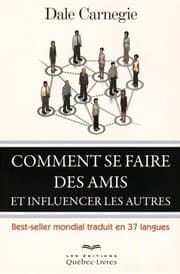
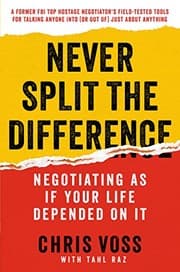
I've never gotten through a book on closing or even sales other than Dale Carnegie's How to Win Friends & Influence People, which is a great book that everybody should read as a human being, in my opinion. But, but the rest of them kind of make my skin crawl, which is why I wrote a book. Yeah. I, I, I agree with you. I have not written a book on sales, but my favorite sales book of all time is actually not a sales book, n- uh, Never Split the Difference by Chris Voss.
I mean, that's- I, I've, I've seen some of his videos, and they're pretty great, I will say. Yeah. Yeah. Yeah. So when you're talking about developing an emotional appeal, is that storytelling?
It is storytelling. An emotional journey is telling a story, and the story is here's your life without the product, here's your life with the product. By the way, we're this, that, and the other thing that you have common ground and that you tribal allegiances, and now is the best time to do it. Are we doing it? Yeah.
H- how do you develop those stories? And I've had a lot of people ask me this question. Y- they'll say, "You know what? There's a, there's a guy in my office, he's been doing it for 30 years." Uh, well, fortunately I distilled ...
So here's the thing about one-call closing. Like, I was trained by scoundrels to, you know, sell a product for more money than people should, should have paid, and I didn't know it. And then when I figured it out, I left, went to another company that was a little better, and then a guy from that company started his own company, and I became their VP of sales and trained other people to do it. And when you train other people, you master it. You know, the yogis say if you wanna learn something, practice it.
If you wanna master it, teach it. And I really mastered the art of one-call closing by training others how to do it, and then went to a very reputable company where I couldn't employ those old tricks, and reflected on why I'd been successful at a certain company and realized that it was all belief. When I believed in what I was doing, magic happened. But having the ability to do a presentation that takes the c- customer on that emotional journey and having the skills to work with their resistance put me at the top of, of a very competitive sales team. And, and, and I knew it, and I loved it, and it was really fun.
And the re- and the other thing that happened was even when I was working for scoundrels, before that I'd been in the film business, and I was hired five times in 19 years. And so when I started learning how I was blowing deals by, by, you know, arguing with customers or making stuff about me or, you know, 100 other things, I realized that learning the skill actually made my whole life better. And so for all those reasons, I, I really embraced what it was, and then I realized, like, like, you can't, if you're working for a modern company and a modern sales pres- presentation, you can't, like, you know, take an hour and a half to get to price, right? Which is sort of the old school one-call closing, you know, throw dirt on the floor and, you know, don't clean it, clean it up with the pro- you know, things like th- all that s- all the techniques I was trained in have been used since the '40s or maybe before. Probably, you know, there's something with cavemen that they did to, to, you know, one-call close people.
But, but, but so I needed to distill it even just to work for the company I was working for into a streamlined process. And as I started coaching other people in other industries, I distilled it down to a thing called One-Call Magic, which is seven steps and a forecast, so really eight, but a forecast is a sentence, so I didn't call it a step. And, and really if you want your sales pitch to be, you know, emotional and persuasive, you really just have to do the things that I'm telling you that are in my book- Yeah ... The, The Joy of Closing. And you will, you know, the, the first part's sort of how I came in.
It's sort of a work memoir about how I came into the information I came into, which is kind of a crazy story. And then there's a big, you know, how to on how to make, not necessarily earn that customer's business the first day because a lot of times B2B customers, like you're not even meeting with someone who can say yes, but you're always meeting with someone who can say no. And you only ever have the element of surprise with a customer one time, and that's at that first meeting. So if you can, you know, make the absolute strongest first impression, there's no sales job where that isn't powerful or profitable. And then the last part's on how to create happy customers and get their referrals and, and five-star reviews, which is also a skill that requires closing because nobody just sits down and writes you a good review.
You have to close the customer on that as well. And so, so that's what the book's about, is really how to do that. And I, I really, so far I have not found an industry that, that, you know, hasn't been effective for to some degree. Actually to a, a really crazy degree. So yeah, I, I want it to be the, the conduit from, you know, old school one-call closing technique into modern ways of selling, where, you know, you're not trying to get the customer's shackles to warm up or wear them down.
You're actually just, you know, using your s- skills and having a, having a pitch. My favorite is, like, you know, coaching teams where they say, "Oh, I don't have a pitch." It's like, "No, you have a pitch, it's just terrible." Or a lot of people who say that, th- this is their pi- a lot of people say they don't have a pitch. Basically the new way, what I've found many time, well, a few times, is they just ask a bunch of discovery questions and then tailor Everything that comes after that to whatever they think is the customer's point of vulnerability, which is a pitch, but it's not a great pitch.
Why does that style break down? 'Cause I do think you're right. I think that's a very common way of going about it. Because you're not taking the customer on an emotional journey. You're sort of picking at a pain point, and that produces some emotion, and some customers will go forward 'cause they're just, you know, in, in so much pain, but, but you're not building trust. The trust comes from the stories and, and that kinda stuff like- The trust comes from be- you know, I did not take a job working for Scoundrels to become a trustworthy person.
Mm-hmm. But it turns out that being, becoming trustworthy is the best way to earn someone's trust, and that has made my whole life better. And so that's the other thing about going from a salesperson to a closer, is my experience is inevitably it will make the rest of your life better. And I, I'm absolutely certain that your whole life was better after that conversation with your father-in-law when you had to go from someone who was just presenting to someone who could earn someone's business. There's no way to get to that point without it improving the rest of your life, but please correct me if I'm, if I'm wrong or, you know.
What, what, what's your thought on that? No, I think you're, I think you're 100% right. I mean, one of the things that it drove me towards was open-ended questions. I had no idea the difference between a closed question and an open question, and I think a lot of times a, an even more systemic issue beyond just discovery questions is those discovery questions are not open-ended. It's just like, "How much revenue do you do?
What has been your three-year rev..." You know, if it's a sales tool, it's, you know, "What has been your three-year reve- re- revenue trajectory?" And, you know, these, like, very tactical closed-ended, and that person's just regurgitating facts back to them and- Well, and the other thing that people don't do when they ask those kinda discovery questions, the, the essential thing that these people who, you know, the, I guess I'll now call it, like, the discovery close, where they just discover some stuff and then beat the customer's head with it. The other thing they don't do which is vital, it, when you ask a discovery question, and the, and they can be open-ended or not open-ended, but especially if they're open-ended. But, you know, it's usually, like, let's look at your bill, or let's look at your skin, or let's look at your finan- you know, how much money do you make, and, you know, if you're insurance, things like that.
When a customer diver- divulges anything to you, or when a human being divulges something any- anything to you, it is essential to respond, and you can respond in one of two ways. The mo- if you're in a sales situation, the, the best way to respond is to use your expertise to benefit them. Give them information they did not have when they disclosed that information to you. So if they're telling you their revenue, you have to tell them something about that that influences, you know, your, basically when you, y- your customer's expecting two things from you on a sales call presentation. A, a scope of work and a price, right?
And so usually if they give you some discovery information, it's essential that you immediately respond by telling them how that affects your recommended scope of work. I- in other words, you're helping them with the decision they're about to make, and you're lending your expertise to them, and that will build trust. It will also empower them to make an informed decision when the time comes. And you're just a decent human being by you're not just sucking in information from them and then using it against them. You are building a rapport by them disclosing information and you making their life better.
And, and that's the first thing. And the other thing you can do if you're in a personal situation is respond by disclosing something of a similar nature about your own life. You know, so if someone tells you about some traumatic incident from their life, you know, y- you, it's important to, like, give them a little blood as well, uh, so that they don't just feel naked and, and, you know, stared at. I've gotten pushback from sales professionals on s- on the adding value in the discovery portion and, and they'll say, "Well, I don't wanna give them the solution to their problem before they've done business with me." Right?
How, how do you, how do you overcome that objection from sales professionals, where they feel like their solution or their information, like they're like a gatekeeper to it? You know, I, I guess, uh, uh, people think that, you know, really great closers, like, everybody likes, and that is not the truth. The truth is a really great closer, you know, a huge percent, 80% of people, once they get to know you, would not do business with anybody else. But there's also 20% that will just hate you because you're paying too much attention to them, or whatever reason. 'Cause, and, and, you know, when I was, you know, going into homes, like, two and three times a day, if I didn't get kicked out of a house at least, like, every couple of months, I would think, "I must be holding back." "I'm not letting myself or my- myself get out there for people to fall in love with."
You know? And, and, and so I would, you know, you know, jazz it up a little bit and, and pay, uh, whatever I do to, that I do. But, but, and, and, and so I think with that type of person where they're just sucking information, there are customers that are just okay doing that. But the vast majority of people, when you take in a bunch of information and don't reciprocate in one way or another, they will hate you, and they will not wanna do business with you, and they also don't know why. Why is that?
Well, people just aren't that self-aware. They just have a visceral reaction to you. "Oh, this guy just asked me 16 questions, and I just told him all these things about my business, and he's just, like, taking notes. He's not giving me any..." It's also you're missing a great opportunity.
You can establish your expertise and give your customer... You're not giving them information about your scope of work or your price necessarily. You're giving them information about how you use their information in order to best serve their needs. And if you don't have enough expertise to lend them, you know, some information about that without telling them the whole s- without ruining the ending, then you need to work on your skills and figure out how to do that. 'Cause storytelling is revealing certain facts that th- the facts put together Take that customer on an emotional journey that reveals the truth. Yeah.
You, you can't, it, it, it's not like, "Oh, y- I'm gonna reveal no truth to you until five minutes before the end." I mean, you think about, I, my, my background's in filmmaking. You know, when you tell a story about a character, you know, every, uh, 99% of feature films are an emotional journey about one character and, and, you know, the most important time in their life so far. Well, 99% of sales calls are about the emotional journey of your customer making a decision that's the most important decision that they're gonna make so far about whatever it is that you're talking about. You know, maybe it's not, maybe they have things going on in their life that's more important, but in terms of their business or whatever it is you're influencing them about, you need to take it really seriously and empower them with all the information they need to make a decision, not piece out little stuffs and not onl- A lot of ti- you know, a lot of salespeople think like, "Oh, you just have to tell them the parts that make them wanna do it."
If there's some reason that working with you or your company or making this decision is difficult or, you know, going to impact them in a negative way, I love talking about that stuff because it builds trust. I don't focus on it, but I want them to be, I want them to have the feeling that if there's any reason they're not gonna do it, I'm gonna tell them that as well. And that's, I think, a huge, you know, advantage when you have the guts to do that. It really makes people, it makes people trust you even if they don't like you. And I, I don't really care if they like me, I care if they trust me.
Yeah. I'm sure you found this in your career at different times as well, but one of the most high-value referral partners I ever had early in my insurance sales career was someone that I told I couldn't, or that we shouldn't do business together with. Oh, yeah. I worked through their whole process, saw what they had, and when I got to the end, I said, "I'm gonna give you to this agency down the street because they do this thing as well as anybody, and I don't do it. Like, I just..."
You know what I mean? "I would be doing you a disservice." And there were some other reasons, but it was just a better fit. Referred them over, had a great experience. They sent people to me- Whoa ... not the agency they ended up doing business with.
And that came out of, a lot of that came out of what you're talking about, these, you know, follow-up questions, you know? The, the other thing that drives me nuts that salespeople do is they have their, their seven things they have to ask or whatever, right? To, this kind of thing. And, and they'll ask, they'll ask those seven things, but they'll never ask a follow-up question. So, like, even if you don't have a story to that question that you can apply, you can ask a simple follow-up question just to, like, validate that you've heard them and that you're not just some robot saying key words.
Or just to be a, just to be a bitch. The other thing that I think people really mi- I think really separates sales are from closers people, closers tend to be curious people, you know? Yeah. That are really in- Look, sales is a hard job in a lot of ways, and if, if you're not interested in people and how they make decisions, it's gonna be a hard job. But it's so easy to become interested in that stuff.
And, and once you do it, it's hard not to do it because it, it, you know, people are awesome and wonderful. And even if I don't sell to them, uh, if I met an interesting human being and saw how they lived and got to see an up close, you know, pers- you know, just an idea of who that person is and how they live their life, if that's not interesting to you, uh, maybe sales isn't the best career for you. And, and so if you have that mindset, you're naturally gonna ask follow-up questions that maybe have nothing to do with the scope of work. And, you know, maybe me asking that question is why 20% of the people are gonna kick me out of their house, but it's also why 80% of the people are gonna fall in love with the idea of working together. Yeah.
Curiosity is a good life skill for improving just about your entire life. I heard a guy interviewed on Fresh Air once, and he was, like, in his 100s, and Terry Gross asked him, like, what his secret is, and he said, "I think it's just I'm still really curious about how all this is gonna turn out." And, and I've, I've v- I've adopted that attitude. I probably heard that in my 30s or something, and I, I still have that attitude. Yeah.
So I wanna pivot just slightly to, you know, we live in social media, internet world now. When it comes to, you know, I get a lot of questions from sales professionals around building their own personal brand on social- Oh, God. You're asking the wrong guy. I have, that's, so struggled with that so mightily, but I have figured out a way that I wanna launch my online presence, so I'm literally, I hired someone to help me do something in that regard. So I'm, you know, stay tuned.
The joyofclo- uh, joyofclosing.com is my website. I'm putting a quiz on there, are you a closer quiz, so that'll be launched in the next week or two. And I'm gonna learn how to do this like every other schmo who wrote a book. Yeah. But I am so not the expert.
Uh, you know, if you wanna see, like, m- me hiking through Scotland, you can look on my Instagram account. I've done nothing. Like, I, I, I, I'm, I'm, I'm a failure so far at that, but I'm not done. I, I'm ready to take it on. Well, I think what the good news is from, from that comment is that you don't have to have built some dynamic, 'cause, 'cause this is- No, you do.
I, I, I ... Listen, your podcast is great, and I'm really loving our conversation. I've, I've been on dozens of podcasts now, and I've sold dozens of books as a result. I, I want ... And the good thing is it's great for my consulting career.
Like, that's great. It's paid for itself. It's awesome, and I love that. But, but I wanna sell some b- I think I wrote a book that's a force for good in the world. I think when someone takes a job as a salesperson, they should get this book so that they are not really trained as a salesperson, they're really trained as a closer.
They connect with all the great reasons for, and not just, you know, for your company and your success and, you know, supporting your family, but just how your own personal growth is affected because everybody is a closer. Everybody has that skill. Whether it's if you've picked the book your book club reads or the movie you go see on a Saturday night or gotten your kids to clean their room or go to college, you have successfully made your agenda another person's idea. And the only thing more satisfying than finding what we want and knowing it is helping someone else do that. And so this is a skill that makes your whole life better.
And, and, and, and, and, you know, learning how to sell and present also can do that, but not in the way that learning how to work with people's resistance and close them does. And so I wrote this book 'cause it's a force for good, and I want people to be able to... I, I think when you, you know, you should get my book and Dale Carnegie and, and go out and be a turn, turn into a closer and don't waste time being a salesperson. That's, that's my, uh, opinion. And so I wanna sell some books, so I'm going to create a social media presence and hopefully I found a, a clever way to do that by putting a quiz on my website and I thought of something I wanna do in my, in my videos that you'll see when I do it.
When I start doing it, you'll know it 'cause it's gonna be cool. Well, Bob, this has been a tremendous conversation. You've mentioned the website a couple times, but just share one more time where, and guys, every link that, that Bob talks about, I will make sure I have in the show notes, whether you're watching on YouTube or wherever you listen, just scroll down or just go direct obviously. Mm-hmm. But where can they get the book?
Where can they get into your world so as you come out- Sure thing ... with more stuff, they're, they know about it? My book is on Amazon and, and it's just Joy of Closing, Bob King. There's an audiobook that I recorded as well as Kindle and paperback. That's the best way to get the book e- even internationally. It's pretty much everywhere.
Um, and then my website is joyofclosing.com. I'm gonna put a quiz on there, the Are You a Closer quiz. So if you wanna know if you're a closer or a salesperson or even a potential closer, you'll be able to assess that in the days and weeks to come. And then, and, and based on where you come out on the quiz, I will send you a chapter of the book so that, you know, you can focus on whatever that lands. You know, if you have a sales job now, there's, there's no chance that reading my book will not bring tons of success you wouldn't otherwise have just because I'm not you and I don't think of the world the way you think of the world.
And having a new perspective on how to get a customer to move forward will be beneficial to you. And closers already know that. Salespeople think they're doing it right already. But trust me, if you're not in the 20% of people that do 80% of your company's sales, there's something in here that will push you closer to that, if not get you over that hurdle. And I'd like to say that it'll get you over that hurdle.
In fact, I'll say it. It'll get you over that hurdle. So that's my book. My website's joyofclosing.com. I'm also on LinkedIn, Instagram.
I have a TikTok account, Joyful Closer, that I've posted like no videos on 'cause like I said, I'm gonna learn how to do this too. When I started coaching people, one of the real things that came as a shock is that it's not enough to have the best idea. Now, you'd think that... 'Cause I was coaching individuals at first, and individuals, you know, they're coming to me, so of course they're gonna listen to what I have to say. Yeah. But when I started coaching teams, I realized that I needed to close the team on what I was coaching them on.
I mean, and so I had to do all the things that I tell people do. I had to shake up their status quo. I had to show them the, the, the, make them feel the pleasure of my solution. I had to take them on an emotional journey just to adopt the best idea that I had crafted for them. So that was a fun thing, and now I feel like I have the same opportunity in terms of being influential in the world of sales.
So I'm getting ready to close the world on the idea that this book will help them, and that's my, that's gonna all launch from my website and social media. I'll go on Threads and I'll go on Blue Sky and X and everywhere else to get people to come to a greater understanding of what their pitch is and how it could be improved and how to close instead of just being a salesperson, or what I call a great presenter. There's a lot of great presenters out there now, which may be the most harmful to customers and because they make their customer want what they have, but they don't work with their resistance to get it for them, and now they're at the mercy of anyone with a lower price or better skills, so. Well, Bob, I'm glad you wrote the book. I'm glad you joined our show.
I love your methodology. I encourage everyone to, to visit your website, get the book, and I wish you nothing but the best, my friend. Great speaking with you, Ryan. In a crude laboratory in the basement of his home. It is 3:00 AM in the confines of his lab