Hiring isn't just about finding someone willing to take the job. You need the right person with the right background who can move your business forward. If you want candidates who truly match what you're looking for, trust Indeed Sponsored Jobs. With Indeed Sponsored Jobs, your post stands out to quality candidates who actually fit the role. According to Indeed data, 90% are more likely to be hired and trusted by 1.6 million companies.
Spend more time interviewing candidates who check all your boxes. Less stress, less time, more results. Now with Indeed Sponsored Jobs. And listeners of this show will get a $75 sponsored job credit. To help your job get the premium status it deserves at Indeed.com slash Podcast 13.
Just go to Indeed.com slash Podcast 13 right now and support our show by saying you heard about Indeed on this podcast. Indeed.com slash Podcast 13. Terms and conditions apply. Hiring? Do it the right way with Indeed.
Hello. I'm here during the lunch rush with Janice who owns her own food truck. Best cheese takes in town. Janice traded up to Geico Commercial Auto Insurance for her food truck business. We're here where she needs us most.
They sure are. We make it so easy for her to save with customized coverage that grows with her business. I'm sorry. I just get so emotional talking about saving folks money. Not this onion I'm chopping?
It's just so beautiful. Get a commercial auto insurance quote today at Geico.com and see how much you could save. It feels good to Geico. This is the story of the one. As the purchasing manager at a manufacturing plant, she knows the only thing more important than having the right safety gear is having it there when you need it.
That's why she partners with Grainger for auto reordering. So her team members can count on her to have cut resistant gloves on hand and each shift can run safely and efficiently. Call 1-800-GRAINGER, click Grainger.com or just stop by. Grainger. For the ones who get it done.
In a crude laboratory in the basement of his home. Hello, everyone, and welcome back to the show. Today we have a tremendous guest, Jennifer Linton, the founder and CEO of Fenris, an insure tech company delivering data to the tools that we use and ultimately unlocking our ability to be real value providers to our clients. This is a dynamic discussion. I was definitely in a mood and so was she in terms of just a lot of energy, a lot of laughing, a lot of back and forth.
And, you know, I've known of Jennifer for a while, but we had never really spoken. And I saw her commenting on some posts around embedded insurance on LinkedIn. And I think it's a really interesting topic, taking insurance products and shoving them into other services and at other points of sale. And I wanted to get her perspective on that idea and a few other things. And we talked about that.
But then we really dive into the practical case for using data pool services to expand how you do business and the practicality of it. And I think you're just going to nerd out on this one. You're really going to enjoy it. Jennifer's a great follow on LinkedIn. And Fenris is definitely a company that you need to keep your eye on because they are going to be a big part of our ecosystem moving forward.
So you're going to love this episode. Before we get there, a couple quick things. Guys, if you're listening to this show, the best way to stay on top of new episodes is to simply subscribe. So wherever you listen, iTunes, Spotify, Google Podcasts, whatever your preferred platform is, just hit that subscribe button. And that's the best way to get new episodes.
So that's cool. Before we get to Jennifer, I want to give a shout out to Tarmika. T-A-R-M-I-K-A dot com. Don't call him Tarmika. Guys, about this time last year, I called Tarmika.
I was the first person advertising Tarmika. I was the first person talking about Tarmika. I was one of the first people to use Tarmika. I saw what this tool had. I knew it could make small commercial profitable.
And they have become a standout in our industry. They are a staple of quoting, binding, issuing small commercial lines for independent agents. And while there are other players in the market, and I've seen them all, I've interacted with all those tools, some of which I've even worked for, I know that Tarmika is the best. And the reason I know they're the best is because the underlying philosophy of how you connect to your carriers. And, you know, that doesn't matter to anyone.
But to me, I like to build a book of business with carriers I have a direct appointment with. That is a huge deal to me. And, you know, just from this perspective of building up value with your underwriters, building up value with a book that eventually you'd like to get some contingencies on. And just keeping your book of business consolidated with carriers that you have hands in. And Tarmika is the tool to do that.
They're fast. They're efficient. You're getting accurate quotes back. They have a huge number of carriers now. And it's all driven through APIs, which you're going to hear Jennifer talk a little bit about.
And you can imagine how tools like this may or may not work together someday. It really is dynamic stuff. And the only way to get Tarmika is to go to Tarmika. T-A-R-M-I-K-A dot com. T-A-R-M-I-K-A dot com.
Get a demo. Know about the tool. You're not going to be sorry that you did. All right. Let's get on to Jennifer.
Hey, Ryan. Hey, how are you? I'm doing great. How are you? I am good.
Can you hear me all right? I hear you great. How's my audio? I went with headset today. You are also good.
I normally have this fancy microphone right here, but I've officially run out of USB ports. So if I want to, I either have to go get a thing that has more USB ports or I have to, like, I've had to, like, trade off being able to do soft phone calling versus, you know, the decisions. The things that we actually, there's, like, the business in memes and stuff, and then there's things you actually have to do during the day. You need one of those things. I think they're called an octopus, right, where there's, heaven knows, way more outlets than you ever think you'll need, and then eventually you get to the point where you need a second one.
Yeah, no, I just, I hired two people this week, employee number one and number two, I guess, in addition to me. So I don't know. Congratulations. You tripled the size of your team is how you should say it. Yeah, yeah.
I tripled the size of my team. Yep, yep. Tripled the size of my team in one week. There's a, you know, I should write that in, like, a LinkedIn post and get tons of, like, hashtag entrepreneur life or whatever. No, I.
Congratulations. It's hard to, hires are so important. So, so close. I'm dying. I can't wait to get, I can't wait to get them both up and running.
So the one, the first one is supposed to start today. Now, so one of them is a, is a full-time virtual assistant managed by agency VA. I don't know if you've heard of them. And she's going to be awesome. I'm so excited for her.
Offshore? Yeah. Puerto Rico. I was listening to how you said you were going to do some, you know, hiring from Puerto Rico and Singapore. And I just thought that's a neat idea.
Yeah. So she is, so, so Wes Anderson, who owns agency VA is a buddy of mine. And I called him in December and I just said, look, man, it's gas pedal time. Like I'm sick of being, but one, just in life, I'm sick of working on this business by myself. And two, I have some things that I, aren't my, aren't my strengths.
You know, I, I know there's like a huge debate. I mean, this is a good question, but like, I'd be interested in your take, but like, I'm so much more of a, I'd rather just do the things that I know are strengths than learn weaknesses. And I, and I've heard other people put it, oh, you know, you should, that's bad advice. You know, you don't want to have these deficiencies. And I just, the idea of learning certain skills that I don't have sounds terrible.
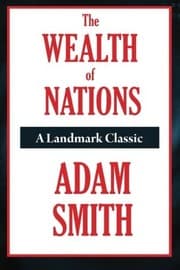
It just goes back to economic theory and Adam Smith's strength of nations, right? And each nation should have one export or three exports and the rest comes in supposedly. Yeah. I think, I think like people, you know, as an entrepreneur, sadly, you're going to do 12 jobs. Yeah.
You might do four of them. Well, you might do four of them. Okay. And you're going to do four of them like shit. I hope you're not recording.
But the truth is at least getting them done is better than not. Yeah. I know you'll hire people in to do those jobs where you just, you're just not great. Like I did hire a director of marketing and I'm so delighted because that was one of the tasks on my plate, but I'm only mediocre at it. And now I don't have to think about it again.
Yeah. Yeah. And she listens to Joe Rogan. So there's a big, that's a big. I know.
Isn't that great? You're so much cooler than I am. Yeah. Yeah. Well, you know, I, I have found what's, what's funny is, um, I don't ever know that I thought I was cool, but I certainly thought that I was like dialed into stuff for a while.
And I thought you were cool. And today. You are. No, I was not. I wasn't until I got to insurance.
I got to insurance. All of a sudden people are like, oh, this shit you say is cool. I'm like, what? I don't even know what I'm doing half the time. This is where the island of misfit toys kind of comes into play, right?
Yes. Yeah. That's part of why I like it too, because, um, I know everyone's story in insurance is like, oh, you know, I didn't, I found. I fell into my way here. I fell into it.
I mean, everyone's the same thing and I'm no different than any of them. But, um, I do think the people that stick have a certain type of misfit-ness, um, and it's wide ranging, but, but you can always come back to, there's something about them. That is a little different, or they wouldn't stay, you wouldn't stay here. I mean, you, there's gotta be something. I don't think it's the same for everybody, but you wouldn't stay here unless there's something like a little off about you.
Because, you know, it's not easy. Everyone hates you. Uh, it's not cool. Like you go to the party and people are like, what do you do? And you're like, I'm in insurance.
They're like, oh shit, he's going to try to sell me something. You know? Yeah. Or I don't, please don't tell me anymore. I'm good.
I, that you've said enough. Can we talk about something else? Um, so yeah, it's really interesting. Uh, to answer your question, we are recording, but you can curse on the show. Um, I most likely will later at some point, but, um, yeah, I, I feel you.
So I am, I have this thing and I've talked about it before on the show and, uh, I'm going to give a shout out to Gordon Coyle on this one who owns an agency down by the city, uh, New York city. And, um, every other week we talk on the phone for like 45 minutes because we both prospect similar markets. And I did an episode about three weeks ago where before it doesn't matter. Some amount of weeks ago where I was like talking about my call reluctance, I really bad cold call reluctance. And when I say really bad, I mean, I've read every frigging book.
I've done the just do it thing. I've played the rock music. I went to nineties gangster rap, which you can usually get me through just about anything. And it doesn't matter. I hate doing it.
And I make every excuse not to do it. Now you give me someone who's even given me a, the door, a, a micro inch open, whatever micro inches. And I'll make that phone. I think you just mixed up them. But that complete system, the metric system.
Do you, um, uh, do you have, do you have kids that watch like Pixar movies? Are you in that vein? Are you Pixar? Penguins? Have you ever seen penguins or knows the movie penguins?
Oh, yes. One of my favorite scenes in that movie is, uh, the movie penguins. And I promise we'll start talking about you. This is, are you, this is, this is what happens when I schedule these in the afternoon, but, um, so, uh, in penguins, they're falling out of the airplane. And, uh, skipper goes to whatever the smart one's name is.
He's going 500 meters, 400 meters. He goes, damn it. Whatever his name is American. And he goes 324 feet, uh, 295, you know, like, cause you know, our system is so screwy compared to the metric system, you know, which is just like 10 on, you know, uh, I don't know why, but that every time I do that crack up. My kids who are seven to five have absolutely no idea why I'm laughing.
I just find that to be so funny. Yeah. Oh, I was, I was a scientist in college. I studied molecular biology and I did a lot of chemistry. So I was really excited about this whole, you know, significant figures and scientific notations.
And so, yeah, I was saddened when my children couldn't figure out that a decameter was bigger than a decimeter. That was a major disappointment. Oh, that's funny. Clearly we are a little off in the insurance space, aren't we? I think, yeah, everyone's got it.
I'm telling you, you're, you're never going to make me a regular person in the insurance industry. Like, oh, you know, she's just like kind of regular. You're never going to meet that person. There's always something weird about them. It might not be as obvious.
There's always going to be something weird about them. So, okay. Well, let's, let's, let's transition to talking about why I want to have you on the show. Well, so the first thing that caught my eye, just for everyone listening, is I was scrolling through LinkedIn and there was a post, which I, I think I found the one that really caught my eye. So, um, embedded insurance and I've heard the term, I think I know what it means.
Uh, I think I have opinions on it, but I also, the more I read and stuff, the less, you know, it's one of those things where like some of it may be, um, uninformed. And I just wanted to get, you know, you had some cool opinions and, and I, and I want to talk about, uh, Fenris too and everything, but I just was like, this seems like somebody cool. Who I'd love to chat with about this topic and others. And, um, so what the heck is embedded insurance and why should we care? Well, it's going to be a term that it's going to, I think you're on the very cusp of something big here.
There, there are a lot of people throwing this term around. I've seen even the venture capital capitalists are, um, starting to include that as part of their thesis for investments. Um, but it was really something that the, is really easy to understand. So the OG of embedded insurance is to, is a travel insurance. Okay.
So go back to last time years ago when you bought an airplane ticket, right? Yeah. And what happens on checkout, you're asked, you're presented by Allianz or another company. Would you like to get travel insurance with this? Right.
And you say, yes, and it doesn't distract you from your purchase. It just is simply an add on and you go through it and done. So what they've done is they've, they've, they've taken a typical purchase pathway where you might have to go to a separate location or direct to get this insurance. And they said, it makes sense to kind of weave it into the purchase pathway, but they have to do it in a way that does not distract them. The primary reason you're there, which is to get your airplane ticket.
So that's, you know, to me, the best definition and example of embedded insurance. And we've all experienced it. Yeah. There's now a lot of really new and innovative ways coming about where they're inserting insurance products into alternate purchase pathways. Okay.
So I'm not as uninformed as I would have thought. Does that align with your thinking? That's close to what I was thinking. And you know what? I never understood about that.
Um, so I am, I am, uh, I don't know if you know this or not, but I am, uh, uh, my, my background is, is heavy into marketing. So, um, being that, um, uh, marketing is a great way for relatively unintelligent people like myself that seem a lot smarter than we actually are. Uh, I tend to work through a marketer's mindset and I never understood why they didn't quote you the price with the travel insurance. And the button was remove versus, uh, add. And I'm sure that there is a logistical reason for that.
But I always said to myself, I would probably purchase this more often if I didn't have to check to add it versus check to remove it. Now, taking that thought and, uh, moving it into a question around some of the other lines, um, you know, there's actually, there is actually an epic Twitter debate happening as we're recording this right now with, um, here, I'm going to, I'm going to pull it up with, uh, Mateo and Nigel Walsh and Charlotte, uh, Halkett and Billy Van Jura and, um, all these Twitter insurance, uh, insure tech geeks that, that I, that I love, um, about a topic very similar to this with home insurance and how, uh, auto seems to auto has embedded both embedded features that they're starting to embed more things into auto and auto is starting to be embedded more, um, Verizon wireless is selling insurance products, starting to sell insurance products now where, um, you know, there's just, there's a lot of these things happening. And the debate was, can this be done with home? Can, can you embed home insurance into different, um, into different processes? And really what it came down to was HIPAA aligning with, um, again, and we're another, we're not afraid to name drop or just straight call companies out in this show.
Um, I haven't been sued yet, but I also don't have any assets. So don't come after me if you get pissed about something to say, um, uh, I have to abide by all my NDAs, but I'm talking generalities. So, um, I have so many NDAs. I even, I say to people, like, I'm not even sure what I'm supposed to say and what I'm not supposed to say at this point, but, um, that'll make everyone question whether they should sign an NDA with me or not. Uh, no, I'm better than that guys.
So, um, the question that, you know, that what was coming up was, um, while, while HIPAA has started in publicly, so this isn't NDA stuff has started to embed their product into, um, mortgage transactions, real estate, uh, transactions, um, the debate that was going back and forth was ultimately where there hasn't been in the main property lines, the main property and casualty lines, there hasn't been a, a real standout winner from a profitability standpoint in, in, in an embedded product or in these, these, these, these, these types of relationships. There's been huge numbers in terms of, um, being able to write policies, but I, it feels like, and this is what the conversation was about is Ken, is it still the standard agent, you know, the, the, the standard independent agent still seems to produce the most profitable business, but they can't produce nearly the volume of business that, um, you know, these types of relationships can. Um, I feel like I've just put like 17 questions out at one time, which is terrible, but, uh, yeah. So it's just funny that we're having this conversation. This debate is happening right here and that's what it's about.
Oh, okay. Um, question one, why does Allianz or why doesn't travel insurance make it an opt out? That's a regulatory issue. So all 50 States, uh, like consumers to opt into a product. That's an insurance product, uh, to acknowledge that they're getting the benefit.
Yeah. So that, to your point, you know, that's so important to think about the regulatory requirements when you're doing any product. Um, I think question two was a little bit about, um, some of the different models that might be profitable in this sense. Yeah. And in comparison, comparison with independent agents, I'll have to, we'll have to debate on that one a little bit, but I, I like to look at embedded insurance as a real game changer.
And there was a really excellent report that, uh, Simon put out a little while ago that said that he literally projects that embedded insurance will grow today from its infancy in the United States to about 230 billion in premium in 10 years. So that's a seismic change. Um, might take another decade or two to get there, but I think the indications are there. So yes, we're seeing a ton of opportunities to disintermediate traditional purchase pathways. And it, it, it, it's more not about forcing it, but it's just a matter of where it makes sense.
So you talked about home insurance. Yes, certainly you're buying a mortgage. You should be offered home insurance, but also you should be offered life insurance to cover that mortgage in the amount that's appropriate because that's a perfect opportunity to say, what if something were to happen to you, you need the safety net and you want to provide for your family, uh, the same, I think goes, uh, logically as well for some of the other products. Um, let's say, uh, you're just a renter because everyone goes through a renter phase. Um, if you're, if you're lucky, you can go right to a house, but when you're signing your lease, why wouldn't you then at the same time get renter's insurance?
Why should those be two separate purchase pathways? Why should the landlord say now go find renter's insurance, right? They're already using softwares to manage their apartments and things like that. So embedding that as a feature within that purchase pathway would make a ton of sense. Yep.
Being a ton of, uh, in the auto insurance space, a lot of dealers, um, are being offered, uh, with the insure tech partnerships. They have the ability to, uh, quote someone while they're getting their test drive so that they can drive off the lot, even though they have, I think up to 30 days in most states, right. To, to, uh, retro and get that auto insurance applied. Um, so I, I think those are your traditional standards, right? Auto home life, uh, just makes a lot of sense because on a profitability basis, I think there's a couple of things to think about.
There's obviously the expense, the cost of marketing. Now I was a marketer too. That's actually how I got my start. Um, I came over from different industry and, uh, was tapped to be the head of marketing for a startup direct to consumer auto insurance company. And we created elephant auto insurance.
Um, and it was like just harrowing and eyeopening at the same time, because I would sit eyeball the eyeball with our head of pricing who had just come from a decade at Geico. He taught me a lot, but mostly he answered all my inane questions. Why does it have to be this way? Why do we have to ask 50 questions? Yeah.
Why, why, why? And every time he had a, a pretty rational argument as to why it had to be that way. So I learned, but I never stopped pushing. I think there's gotta be smarter ways. Don't you?
I mean, it's a bad way. I 100% think there are. I, um, so I, so I have a couple of thoughts on what you just said. I, um, I agree with some of the, so here, here's where, here's where I struggle with some of these things. I wholeheartedly agree.
The best time to purchase a homeowner's insurance policy is during the mortgage procurement process. Um, I think it's even better than when you're actually looking for the homes of the real estate agent. That is the moment. Okay. So that, so that, and, and some of the big guys have already started to do this, right?
We're going to find a carrier like a hippo, like a lemony, like somebody or, or, uh, a technology focused MGA, like an OB or someone like that, who just purchased a, oh man, what the heck is the name of Sudica's old company? It doesn't matter. Um, so, uh, that makes a lot of sense. However, uh, I literally just rewrote one of those. The guy had a home auto.
He's got four kids in a rental property and his, um, streamlined wherever he got it online wrote a hundred thousand dollars on his underlying home insurance policy. So what that, so, so when I come back to it, and I think this is the common independent agent pushback is where's the expertise, right? Cause if you're a mortgage broker, you could be the best mortgage broker in the world. It doesn't mean you have the mental cycles to also be a high quality insurance agent. And as of yet, though, I don't necessarily understand this.
It doesn't seem like one singular organization has been able to build out two competingly expertise driven units, right? A unit of mortgage brokers that are just as, has just as much expertise as the unit of insurance agents feels like one is always lagging. So that's seems like a problem. That's very solvable, but that, I guess that is the common pushback is like, yes, that's the moment to purchase home insurance. Absolutely.
No doubt. And they should be able to do it with four clicks because all the information's already in the, the, the, um, inspection report and the loan application, right? There's no information in those two things, or there's no information on a home application that isn't in one of those two documents. So, but how do we make sure they get the right stuff? And that's, I think the part that I come back to that I don't feel solvable, but no one has solved it yet.
Yeah. So I am actually a big proponent. Uh, is it still two thirds of all insurance is sold through agents? Uh, personal lines is about 50, 50 at this point. Commercial lines is 85% in the States.
Okay. So I, I also think that we've, and even let's, let's even think back to consumer choice and their preferences. I mean, the experiment of Google, when Google created that comparison, um, auto insurance quoting site and Nick was running that and, you know, they shut down, I think after maybe 16 months, but at the time, more than half of the people that were searching, they didn't bind without talking to an agent. So this feels like a very counterintuitive thing right there. Everyone's trying to get more and more digital, but I believe that honestly, the best solution is to meet the customer where they are.
I get that product started, get the best information in there. And then if they would like, I can't see why they wouldn't. And in fact, sometimes we need to suggest that they talk to an agent because it rises to the level that it's not simply a streamlined or straight through kind of processing, right? There's a little more detail there. And that's exactly what agents should be doing.
I think I can't imagine not having access to, to an agent when I have severe concerns or questions about deep problems that I'm just not trained to know about. So yes, I want to have an expert on the call. And I would imagine that's why we're seeing the trends as well, where many of the direct to consumer players, the insure techs, they're also backing up, aren't they? With their models and they're integrating or implementing more of an agent friendly solution set, because I think everyone is realizing that insurance is really, it's, it's not complicated, but it can be complex and it's best handled with someone who has all the information and can be a trusted advisor. I agree with that on that.
Yeah, it's a, I think getting it kicked off though, is really important, right? So you want to capture, every agent wants to capture the most qualified leads. And this is a wonderful way to do it. You're seeing crazy embedded things to happen. Like there's the episodic movement as well with insurance where you're, it's basically like ticket insurance.
I buy a vent and I want to insure either my race or my concert, right? For all of those things. So you're seeing these episodes that are essentially insurable as well. And so those also have to be simplified purchase pathways because it's not a complex product. I agree.
I, uh, you know, I, I look, I look at this and I say to myself, like the fact that this hasn't been solved yet to me isn't, is insane because really there's, there's a couple of components. You need the data and I shouldn't say insane. I understand why it hasn't been solved yet. Like, you know, I, I was actually right on the front lines of the Google thing. You know, one of the company I was working with at the time worked very closely with them to actually find them agents and they're, you know, again, this is a testament to hopefully how far we've come.
Though, if you're listening to this, you're part of the problem because we weren't picking up the phone. Independent agents were picking up the phone. Part of the reason. So Google, when, when we met with them came to us with two main problems, cost of acquisition is higher than what we can make for the ads. And two, your people won't pick up the phone.
When someone clicks, I want to talk to an agent. So, so I think, uh, problem number one, I don't have a ton of thoughts about because CAC is, is in our, in our industry. It's, it's just, it's high. That's why, like you said, everyone's backing up because all these DTC players are looking at their cost of acquisition going, we got to find a way to mitigate it. And I think it was Mateo Carboni that just came out with a report the other day that, uh, since Lemonade has gone to independent agents, which I have opinions about, um, they've reduced their cost of acquisition by like 40% or something like that, just by adding the, I don't even know if they have a thousand appointed agents yet.
So, um, I think that's pretty interesting, but you, you, you, the second part has been traditionally working with, working with a human agent. I'm not even going to say just independence. Working with a human agent has been so terribly difficult that it was a legit trade-off. I'm going to take the risk of going at myself or calling into a call center where I know I'm never going to talk to this person again, if they sell me this policy, but geez, I'm going to have to go sit and fill out a paper form at some dusty office, you know, that, I mean, that was really what the options were. And I think what's, what I find to be one of the most intriguing opportunities, and it's really the basis for the agency that I'm trying to create here in Rogue Risk is the mashup of those two worlds.
The technology exists to be, to be on time, to deliver where people are on their terms and give them a human that if they call me five times, they can get me or someone who sits near me over and over and over again, they can develop a relationship and we can understand what they need. If that's the type of relationship they actually want. And I, and I, and that's why I look at things like, I mean, I don't know if you know him, but he was on the show a couple, like for those who listen a lot, maybe six weeks ago, Matsutica Skylight Insurance, um, he just merged with OB and, uh, some of the things they're doing from a homeowners and rental property and habitational property perspective are exactly what we're talking about. And it's really phenomenal stuff. They have a, I think, uh, not countrywide, but a century American century there and their, their product is embedded into the, into the buying process or the searching process, at least, um, for one of the, one of the big real estate companies.
And it's really interesting stuff how they're mashing the two together. Yep. You're going to see so many more of those partnerships taking place because insurance has to expand its boundaries. It, uh, you, you, so much innovation, right? Even, even to the point where I liked even, you know, talk about your last podcast, you had Steve on from branch and, um, the blending of the products.
So that's, that's a big battle cry for, for Fenris is we do think that insurance tends to be too product centric. And as an agent, your job is to think about everything, right? And so Fenris as well comes at this as applicant centric, right? So it doesn't matter for us what product you're quoting. We are going to have the information on the applicant.
Um, we have data on every adult, every household, every property, every vehicle, and we're able to append that quickly and bring that forward. That enables that embedded insurance process to take place quickly and in a streamlined way. So this is the perfect transition. You were one question early on me and I had my transition over to Fenris. Oh no, it's great.
No, it's great. Um, I would love for you to break down Fenris for everybody because, because like, I'm positive that if they've been in this space, they probably heard the name, but not everyone dives to the, to the data and systems complexity. I think that you guys are at in terms of, you know, they tend to stay like, Hey, is it a CRM or an agency management system? So, so like, where are you fitting into the space and what are you guys actually delivering? Yeah.
So we are a single source for your data and insights. Um, it's real time API delivery system. And that means you can inject that into your customer acquisition flows to identify who's going to become your best customer and then ease their way. And we are also launching a new API suite for post-sale. So to monitor your existing policy holders for life event changes that we detect that would then indicate a moment that matters, helping agents and, and marketers, uh, to leverage those moments to have a deeper relationship, uh, to reach out and, um, right size, you know, any coverage issues or add new coverages.
Um, and then, you know, we're basically trying to take insurance and move it to where some other industries are in terms of the intelligence and the insights and the action that they can take. Yeah. You know, insurance, it's an interesting one. It never really started out as, um, uh, you know, the whole Genesis of insurance is sure it's a safety net, but at the same time it was, let's gather premiums so we can reinvest them and make the money off of us. And, and I feel like it's finally coming full circle.
Like everyone is really actually focused now on the products and if they're meeting the needs. And so what we're trying to do is push, let's, let's actually think more about the applicant or the policy holder from that. What's up guys. Sorry to take you away from the episode, but as you know, we do not run ads on this show in an exchange for that. I need your help.
If you're loving this episode, if you enjoy this podcast, whether you're watching on YouTube or you're listening on your favorite podcast platform, I would love for you to subscribe, share, comment. If you're on YouTube, leave a rating review. If you're on Spotify or Apple iTunes, et cetera, this helps the show grow. It helps me bring more guests in. We have a tremendous lineup of people coming in, men and women who've done incredible things, sharing their stories around peak performance, leadership, growth, sales, the things that are going to help you grow as a person and grow your business.
But they all check out comments, ratings, reviews. They check out all this information before they come on. So as I reach out to more and more people and want to bring them in and share their stories with you, I need your help. Share the show, subscribe if you're not subscribed. And I'd love for you to leave a comment about the show because I read all the comments.
Or if you're on Apple or Spotify, leave a rating review of this show. I love you for listening to this show and I hope you enjoy listening as much as I do creating the show for you. All right, I'm out of here. Peace. Let's get back to the episode.
How does that present to, so are carriers your primary? I mean, I'm sure, like we're in the chain. Who are you playing with? Are your products coming all the way down to retails? Are you staying with some of the larger, like top 100, top 250?
Like what is the market that you're playing in? So with an API, the nice part is we have, maybe I'll explain it this way. We're the Levi Strauss of the InsureTech Gold Rush. We're handing out picks and shovels, right? Data and tools that can be used and leveraged.
So we have several of the top brokers as clients, large agencies, small agencies, medium and small carriers. And a couple of the very large ones are doing pilots. They just take a little bit of time, as you can imagine, to get them through. And we have a lot of intermediaries as well. Some of the, even the lead gen or the comparative radar companies.
Yeah. And the reason why we're so broad is the, the provenance of our, of the data that we use. And we use our data sets really because we're generating machine learning insights. So we, we start, uh, earliest in the funnel is we try to push insights and, um, scores so that folks can prioritize what's coming into the funnel, right? Almost using marketing as underwriting way up front.
I love that. So, so you, you shouldn't have to wait for that moment of truth to come after you've had a 30 minute conversation to collect all the information. I'm an enormous advocate of agents being front, being true frontline underwriters. And I think what you just said is that is, is really the most advanced version of that, which is if the marketing person in your agency was actually a true frontline underwriter from a mentality perspective, then they would drive in the profitable business and you wouldn't have to sift through as much of it. And then, and then what I'm assuming is you layer in your data and now you can pull out the stuff or redirect it to a department that could handle it profitably and, and, and just streamline or pipeline the, uh, the, the stuff that, that, that fits what you want, that that that's right where you want to be.
Yes. It's a series of API calls could be the journey. So it could be simple as, um, they could, uh, be on your website and maybe they use our license snap API, which allows someone to take a picture of the back of the license. And then one click, you answered your first 15 questions. Most Amazon like experience in that is the name and address.
That's how most of our APIs function. We want the name and address of the applicant. We then hearken back to our reference data sets and we would, the next step would be, we would generate a score that says this individual is four times as likely to buy from today. And those are unique scores created for every customer because every customer attracts and has different, uh, strengths as how, as you know, as to who they're going to close. So those scores will tell you, and it tends to fall out that way.
You know, uh, there's a one to five score and the fives are four times as likely to buy as the ones. So you can then prioritize that call center or your reactions. And you sent to see a, uh, uh, a multiple on your conversion rates because you're not getting, you're not having to sift through all of that information, right? We're, we're helping you prioritize. Then when you know who's prioritized, the next API call is go ahead and take the pre-fill, right?
Let's go ahead and pre-fill 50 questions to five for auto. So it's either a more swipe, less type experience if it's online, or if the agents, doing that, the agents should have the ability to walk them through as opposed to interrogating, should now have all that information and advice at their fingertips to be able to guide the conversation to make it really productive. And not just for that product, but it could be auto home or life and it could be the full bundle. And then, you know, that's how we streamline that process to enable, uh, just about any purchase pathway. You got through the call center online or with an agent.
This is the, I mean, for everyone listening at home, what you just described, that is the mission. I mean, that, that's the, to me, this is the next generation of, of what our industry should be is, is not a, uh, you know, we're never going back to thank God paper forms and nonsense like that. But I certainly think, and, and obviously you share my opinion that, that the human agent or professional, whatever you want to call him, whether you call him an agent or not, um, plays a, plays a big role, but they shouldn't be asking how far is the, uh, fire hydrant from your house? That should not be a question that we're asking. Cause you know what?
One people go, uh, I don't know, you know, it's down the street and now you're going, well, is it down the street, like really far or is it down the street? Like you can see it. And then you're typing in 500 or a, that, you know, it's like, would you say it's less than 500? Because you know, that's the answer you want. Yeah.
Because all that's doing, that's just taking away from your time when you should be going, what are we trying to get out of this? Oh, you have, you have three kids. Okay. Well, how important is it to you that if something ever happened to you or your wife or your, you know, your husband, whatever, that, uh, they get to go to college. How important is that to you?
Oh, geez, that's, that's why I live every day. Okay. Well, now we need to set your program up a little differently or the conversation right there. You just did it. That's why, that's why you're good at this.
I mean, you want to tap into the human element. You don't want to be asking them things like, okay, I have a funny story too, about like getting details. So I was buddy jacked in on a call center and we were doing auto insurance and the agent was lovely, um, and asked for that person's VIN. Well, VIN is kind of tricky, right? So they said, oh, it's on my car.
And they described where it was. So, so they took the phone with them outside and you could hear them stepping across the crunches of their gravel driveway. And it was quite a long driveway. And they got to the car, open the door. You could hear ding, ding, ding.
Right. And they got their flashlight out and they found the VIN and, and read it off to us. And she dutifully typed that in and closed the door and they went on their way. You could hear him crunch his way back. And then, you know, a couple of questions later, some, some joviality, but she got to the next series and she said, are there any other vehicles in your household?
Yes, there are. Yes, there are. Well, can you read me the second bin? Okay. Crunch, crunch, crunch.
So you get that sense that those types of hiccups, we're past that, right? We want to enable, we want to make it a good customer experience and a good agent experience. The only way to do that, because you need data, you have to have data and consumers don't understand why you need so much data because they're used to Amazon and they're used to other channels where they can buy something with a click or a couple of questions. So we're trying to enable two question quoting. That's really part of our mission there.
So I just, this is to this point. So there have you, you know, about Plymouth Rock, you've heard of Plymouth Rock, what they're trying to do, some of the things they're doing. So I don't think Plymouth Rock is a perfect company, but I think that they are on a very good path. I really like the path that they're on and what they're trying to do. So I had a carrier whose name just about every adult American would know.
So call me today and question my production with them. And I said, yeah, no, I'm startup agency. So I wasn't going to blow the doors off to begin with. We had that part of the conversation. And she said, well, we haven't seen, we've seen a lot of quotes, but not a lot of finds with us.
And I said, I'm going to run you. And this happened maybe 45 minutes before we got on the phone here. I said, I'm just going to run you through a quick scenario. Okay. Person calls me, home auto umbrella.
So Plymouth Rock doesn't write rentals, just for anyone who's listening. Home auto umbrella. Put it into the rater. I don't always use a rater because there are certain things that I want to put with certain carriers, just because I know they're the best fit for different reasons. But in this case, so I said, I use the rater.
Okay. I click through, you and Plymouth Rock are side by side on price. Let's just say that it's rare. I did drop in because I was kind of a piss that she was calling me. But I said, you know, that's rarely the case.
Just so you know. I didn't put that. I can be a vindictive bastard. Well, here we are nine months into my startup journey during freaking COVID. And I'm getting a, your production isn't high enough call.
I just wanted to say, this is why everyone hates you. So I said, okay, so now here's what I have to think about. Plymouth Rock has five tabs. They're going to pull every driver in the household in. They're going to pull every vehicle in.
They're going to pull every accident and, and, um, ticket in with button clicks, click, click, include, don't include. I can be done rated in three minutes, three minutes. It's completely done. Auto rated, ready to bind as long as there's nothing crazy. Do you know how long it's going to take me to rate in your system?
I have to have them send me pictures of VIN numbers. Pictures of VIN numbers. I'm saying this into the phone. She's like, well, you know, you don't understand what, you know, we have the best high credit score pricing in the industry. And I'm like, how many people have a high credit score?
Seriously. I mean, when a high credit score is 865 for you, how many people have a high credit score? And, and I'm not trying to be a jerk, but my point is Plymouth Rock has figured out a way. They may even be a client of yours for all I know with how much data they have, um, to, to zap in this information. I don't have to ask for VINs.
I need their address. I need the name of household members and birthdays. If I have those things, you probably should get driver's license numbers if I can, because sometimes they don't pull, but they always have VINs. They always have all the vehicles I'll find, Oh, you didn't tell me about the brand new 16 year old driver. Oh, you know, you, so, um, you know, and that experience difference is driving, is driving the placement of business today.
And there are carriers and, and, and, and agents and that get that. And there are those that don't. And it's why, why I was excited to have you on because this topic of, of, of getting data. And, and I, and I do have a question. I promise after the story of, of, of injecting the data into the process so that we can be value providers, right?
I can go through a Plymouth Rock quote on the phone with someone because I know I'm not going to have to stop and spend 20 minutes typing stuff into the computer with this other carrier. I would never have someone on the phone when I went through it because I would most likely drop an F bomb on them at some point because it would time out or I'd have to go back seven screens to copy and paste a piece of data. So here's my question for you. Cause this is the question I get after this. If you don't answer this, I will get this question.
Where the heck does that does all this data come from? That is the question that I think a lot of people who have not invested time in. And you have to tell me the exact spots just maybe so people can understand. Cause that's what they're going, this data, where does it come from? It can't be any good.
Where, where does it, where's all this data come from? I mean, that's, I always get that question. So where the heck does the data come from? So part of, part of our job was we were creating, we started out creating the machine learning scores, right? To predict if this lead would be best suited for a particular agent or carrier or, or we do a couple of other scores as well.
Um, like predicting propensity to churn or propensity to, um, persist. Will they be paying their bill in four or six months? Right. Um, so to collect all of that data for our machine learning, that's, that was why we, we actually didn't set out to collect all that data for that purpose. We consider pre-fill more to be our data exhaust products to be candid.
Right. But we have it and we can package it. So, um, yes, one of the key functions and any organization that undertook this would learn quickly that you have to invest heavily to source alternate data. You have to secure the province of that data. You should not scrape anything because you want to make sure that that data is going to be, uh, has a pipeline to you and that you understand where it's coming from, um, that you're using it for the proper use cases.
For instance, none of our data is SCRE regulated. So that means we can inject it into those workflows earlier than before without customer approval because it's marketing level data. Yeah. And the way those use cases work, that's why we're able to reach further up, uh, earlier in the pipeline. Um, but we have probably 10 to 12 different sources now, and we continue to add more, uh, quality data sources all the time, um, so that we can, uh, create lift in our models first and foremost, but particularly, uh, through some of the accelerators that we've done, like with plug and play or mass challenge FinTech or insure tech New York, right?
We, we find new problem statements. And so we do have, uh, just a cadre of advisors that have been in the data world for decades and the new alternate data sources are public, they're private, they're proprietary, uh, but it's in, it's the labor of love and how you curate, aggregate, you have to cleanse that data. You have to make it readily usable and you have to secure that data. Those are multimillion dollar projects at companies. So that's why a lot of companies come to us because they, they don't want to undertake that role themselves just for those products.
The, the, the next step of course is for us is we've, we've most recently secured our life events data and we have some exclusivity around those, um, data sources for our uses in the insurance industry. And that's also something key, like, so the usual suspects. So if you're going to predict that somebody is listing their house, um, you could try to predict it, or you could just go to real sources that collect that information. That's what we have to protect that. Um, and I'm sure, you know, you know how I, I just yesterday, I got an announcement from my niece.
Um, she's having a baby. And so they've registered with Amazon services or Amazon, um, marketplace, whatever that is so that I could send them a baby shower gift, right? They're having a virtual shower. And that's again, part of our sources will go to that to indicate, Hey, there's a, they're expecting a child in the household. So we're detecting those kinds of, of sources.
So I hope, I hope that helps. There's, there's nothing nefarious or wrong. We were not scraping anything. Um, we're going to these quality sources and we really bet the use cases with our clients to make sure that, uh, everything's on the up and up and it's just, uh, you know, a situation where we know that customer experience is going to improve and that the client's going to use the data to improve that experience and hopefully become more profitable because they'll spend their marketing dollars and, um, you know, their efforts on the best fit for them as well. Yeah, no, I, so I have one more kind of tactical question for you.
Um, and, and that's, you know, these data, I wanted to ask that question because I think, um, well-meaning people who, who haven't spent time really thinking about data. I think they just don't understand that there are all these different data pools, pools of data for, for all different, different things. You know what I mean? For not like, I think everyone immediately goes to, oh, this is some dark web, you know, you're handing bitcoins for chain links and blockchains and, you know, getting all these credit card dumps. And yeah, I think like, uh, it's been so demonized data, I think has been so demonized by, you know, that it kind of, and I just thought it was important to explain that, um, you know, this is, this is how this is done.
Like that. Yeah. Yeah. And it's probably worth even pointing out. A lot of people are familiar with the incumbents that do this, like Lexis and Veris.
Yeah. And they have contributory data sets, um, that they pull from. And, uh, so until maybe the last few years, we couldn't have competed directly head on with those contributory data sets, uh, but we can now those, there are alternate sources for that data under the right use cases. Right. And, uh, it actually opens us up because if you don't contribute, you can't pull.
And sometimes what kind of kills me is a lot of insurance carriers will tell you their own policy data that's in their own systems has a lot of, um, errors, right? Leakage. So premium leakage is a problem, but when they contribute it to those contributory sources, they can't, they buy contract. They can't change it when they pull it back out again. So, um, oftentimes we're told that ours is actually more relevant, more recent, uh, more accurate and, and really fits the bill.
So that's how we're a little bit different in how we're approaching it, but companies are very familiar with that contributory data set. They just, I just don't think anyone's pushed the envelope as to how you could use that very early on in the marketing funnel. Yeah. Um, is, is, is this data pool connection and collection game kind of like the wild west today? I mean, are you out there, you know, six guns a blazing against competitors trying to get at the different pools of information, or is it a relatively calm thing?
And it's more about how you use and connect the data. Uh, yeah, I, I think honestly, there's a lot of shady data brokers out there. So yeah, we're very careful about, uh, who we even start to engage with, right. Making sure that, um, the rights to the data are there and it's permissible and all of that. Uh, I don't, I don't know if it's a wild west yet, but there are so many companies that think they can scrape data and sell it.
And that's just unappealing to us. Um, who knows if they'll be allowed to in the future due to terms of service. So I think it's important to always try to find the right partners. Uh, we just keep an eye on not just the data, but the, the benefit. So we've got to make sure there's a really good problem we're solving with that.
And when that makes sense, it opens up the entire world. I mean, suddenly it's like night and day it's like, Oh, you mean you can help me see this outcome before I get past stage one, I can predict where it's headed. Now I can be much more proactive about the products I present to them, um, what the customer journey is going to look like. And, uh, I'm excited because I wished, I wished I'd had something like this when I was heading up marketing at an auto insurance company, because I just felt so depressed when we'd get a 2% conversion rate and that was good. I know that was the bells run of victory lap around the call center.
Good. I know. Well, you know, it's funny. I, uh, I, I have this database that I use because we're so workers comp is, is the lead for us. Um, and I have this data pool that I pull from called, uh, insurancexstates.com.
And I found it to be the most consistent and accurate pool for that particular thing. Now it doesn't have experience mods. That would be nice if that was pulled in, you know, but what I find myself doing, and this is a problem that you solve for, for certain events, right. For the events that you have, um, use cases for is I, I'm teaching my VA. He's got to go to like four different tabs to get all the info we need to do this.
So we have a cold outreach campaign that we do. And it actually does pretty well. It was retarding, very specific people, blah, blah, blah. But the idea is like, he's got to pull from this database, then go over here and cross reference, then go over here and cross reference. And, and like, you're like, oh my gosh, imagine if like, there was just a spot where I could say, Hey, when this happens for this kind of company, send out this message, then tell my salesperson to pick up the phone and call, you know, call them to follow up on that message to in, you know, and here's our points of differentiation, blah, blah, blah.
And I feel like you're providing more value to the people versus I also bought an email list of like 7,000 contractors in New York that I can spam anytime I want and just hit them all with a blast email. I have no idea if they need my product. I have no idea if they have Gorker's comp. All I know is they're a contractor. And at some point this may have been an email they used and you know, which one of those, which one of those methods is, is more conducive to providing value to the client.
You know, I mean, that's that. And I think that's, that is what, what you guys solve. I mean, that is what you, where you're going and, and, and, but much more scalable than what I'm describing, but you know, that, that it just, to me, this, you know, I, I think like you do, I wish I wasn't in startup mode. I wish I had like a basket of cash somewhere because all the things that you can do are amazing. So, okay, here's, here's what I'm going to get to machine learning score.
How the, one, machine learning is a term that makes blue smoke come out of us neophytes ears. So what does that mean? And, and how do you turn, what is it learning that it's allowing you to produce a score and how the heck do you build that? Yeah. By the way, I'm going to, I'm going to come back to your point about you wish this were the case.
Let's talk afterwards. So we, here's your little preview. We haven't made this public yet, but we are going to launch our, one of our next products is the small business commercial space. So we've secured about 35 million small business records, right? We're keeping that up and we're able to link those micro businesses to the owner name and then pull in some additional insights.
So that's something that I'm really excited about. And the e-mods and figuring out all of that. There's just no end to the opportunity there because that's where the wild west is, right? I agree with you. A lot of people are running that at, I don't think any insurance company has more than 5% market share in small business.
So that's, that's a big one for us to enable. So how, how does the machine learning work? You know, that's, it's really, it's less about the mechanism and more about the result, but yes, machine learning is the latest set of tools that really enable. Well, folks, some people will even call it artificial intelligence, but we're under that umbrella in machine learning. And, um, you know, in the old days, I think people just did progression and you can essentially get very close to the same thing, but, uh, what we would do for clients is let's say you are, um, uh, do you guys buy leads?
Yeah. Okay. So you're buying the leads, um, and you want to know upfront as you buy that lead, um, cause it's pretty time sensitive. Sometimes you want to know within a second, is this lead one of the ones that's most likely to close for you? So simple way to do that is we're going to do a retro analysis and we're going to pretend like we had provided you the scores last month across your leads.
But what we're going to do is we're going to take the name and address of your leads and the outcome, the target variable, tell us if they quoted, tell us if they bought something too sensitive. Let us have that. And what we do is now that we have a name and address, we use our reference data on every adult, every household, every property, and we append that. So let's say we have a thousand data points or features attached to each one of those records and we have your target variable they bought or they quoted or both. And let's say you want to know, uh, which ones are more likely to buy from me and how likely are they to buy from you?
Well, this is where we already have our base models. We'll run you through the base model and we'll come up with a predict, we'll say our base model predicted that accurately called 75% of the time, something like that, right? That's pretty good start. But now machine learning, what that enables us to do is to reweight those variables and even pull in new features from that data set so that we can fit the model, not overfit, but fit the model to your particular outcomes. And we're going to do that on 80% of your data.
We're going to train. Now we've held back 20%. So once we've trained that model and let's say we now have an 85% accuracy, we're going to take that and put it out there against the 20% and see if we can reproduce that using data it hasn't seen before. And if we can, that's voila, that's what we present back to you. And it's about a week or two week pilot.
It's free. We do that for all of our customers to get them started and show them the impact. So we would come back to you and say, hey, Ryan, we know you were getting an X percent close rate before. But if you were to, instead of focusing on the entire lead set, but focus on this one third or half that is much more likely to close, we think, you know, we talked to you, we think you're going to double or triple your close rate, right? And to you, that's worth big bucks.
So that's your ROI calculation where we go in. We like every client to have an ROI and a set of expectations before the implementation. And then it's a simple implementation. We simply score your unique algorithm so that when you hit our API with your credentials, it recognizes that, pulls your algorithm, calculates this, and send it back to you in that moment. And that's how that works.
And that's highly scalable. And it's really working out well because over time, you would keep sending us outcomes, right? And we would keep tuning that model and we would get better and better all the time for you. That is amazing. I mean, you just, it's, this is what people do in their brain, except your brain only has, right?
Like you just have this little tiny piece of your brain. Yeah. Yeah. You know what I mean? You go, hey, I seem to do well with auto repair shops.
Well, how big? Not small, but not big. Well, what does that mean? Like that's kind of. And you may not have all that data until you talk to them, but see, we can bring that data.
So all we need is the name and address. And we're going to basically explode, you know, the information on that so we can feed our model and give you a quick insight. See, and to bring this all the way back to the beginning where I think I went on some crazy tangent, I hired a appointment setter, 23 years old. Literally, she's like, I love telemarketing appointment setting. She's got a history.
I talked to her. She's dynamic. She's fun. She's hungry. It's awesome.
I'm super excited to add her to the team. And it's like, it's like when, when the, where my brain is, as you're talking is going, oh my gosh, I'm going to feed her. Like I could take this data and instead of having this pool where she's kind of, you know, I have a feel for what I think might be good targets, but still, I mean, you don't know. So, you know, it's just narrowing her focus where she's making highly relevant, closable phone calls every single time she dials. And when you think about that from the perspective of she continues to get better, the data gets better.
Now you're now, and then now you build an army of those. Now, you know, she teaches the next person how to do what she does. And now you have two, and then you have four, and now you have 10 and they're, they're focused in on target markets and any insurance company that is listening to this, that wants to, wants to ride this train, you, you, you, you know, I'm willing to play. So, um, cause as you said, it's crazy to me that they, that, that this isn't happening on a commercial lines basis yet. I think about companies like, I mean, I think the big boys that the, you know, the, the, the Hartfords and the travelers, they just, I think they probably see it.
It's just, they're so big already. And, uh, I had a travelers executive say to me one time, Ryan, I know every account that exists in the country. Don't need your help. Well, they're changing. I know.
And I like travelers. If you're listening to this from travelers, I'm not giving you a hard time. It's one of my favorite comments I've ever had. He was also talking about larger middle market business and, you know, we're not talking about small market. It was just funny.
You know, he was like, I do not need your thing, Ryan. Try not, don't sell me something else. I know. But, um, but that's, I look at that and I think this is really where, what you're talking. Cause I think sometimes, um, I don't want to, I don't want to make any agency sound unsophisticated, but if you haven't dived into this world and I've, and I've only been, uh, my, my time at trusted choice and agency nation gave me some opportunity to at least understand partially what you're talking about.
But this partnering, partnering with this type of data set, it allows you to be more focused, more determined, more, um, more of the expert that you are, because it's basically saying you're telling us what you're good at and we're just giving it to you. Like, you know, instead of you guessing your best customer. Yeah. And I like, I just, I'm so happy to think about the fact that it is a better, it's a, it's a better employee experience. One of the call center frustrations is the churn because people are so frustrated.
You mentioned how you are such a fan of cold calling to be sarcastic, right? And nobody likes that. They want to be successful. So, so this tool is making them more successful. And I like that too, because at the heart of it, you know, I just think there's a lot of inefficiencies that don't have to be there.
You know what the other side of that is too? I don't mean, I don't mean for this to be a justification for my lack of desire to cold call and, but, um, no, no, it's okay. Um, and no one wants to hear me belabor this point anymore who listens to the show either, but, but I do think, um, and I was thinking about this the other day and it was part of my decision to hire, um, the woman who's going to be appointment setting for us is that she loves it. She wakes up in the morning and it's something she enjoys doing. Awesome.
Right now, part of it may be she lives in Puerto Rico. She'd give two flying craps what someone in Albany, New York thinks of her, where I always go, geez, am I bump into this guy or this woman at the coffee shop? You know what I mean? Like, so, so maybe that's part of it. I think it's more just her disposition.
She seems to enjoy it. Someone who enjoys something provides a better experience, has more energy towards it. So if I can say to her, okay, you like calling people, but still kind of probably being hung up on or the, the bad experience of a cold call probably aren't your favorite. I'm going to reduce those even more. Now you can be even more excited.
Now your bonus can go up even more because you're setting more appointments and, and you're, instead of doing two or three appointments a week, you're setting six appointments a week. You're selling, setting so many appointments a week. I got to hire another producer, right? Like that's what we're talking about is gains in efficiency, gains in, in, in productivity. And, um, man, I, I am, uh, I think this is such an important topic.
Uh, and I, I'm really glad that, uh, I'm really glad that you're taking this on because it's this, this is the, the, to me, the people who grab onto this and this, I want to be respectful of your time and I know we're a minute over, so I apologize. Um, I feel like the, the, the companies from all the way down to three person independent agencies to, to, to, to the, to the marshes and the Gallaghers and up to the travelers and the Harfords and all this, whoever grabs onto this first and can actually implement it will be so much farther ahead than the competition. Like, I feel like we have a window, right? You have a window. There's a few years here where you can get such an early mover advantage.
And some people already have, but I feel like there's still a window where you can grab onto this and go way out ahead. Um, or you can kind of sit back and wait and, and I don't, I don't see that working out very well. That's, that's kind of where I'll finish this. Yeah. Yeah.
We definitely see a ton of demand for this. We grew 400% last year. Boom. So, um, it's exciting. We're hiring as well, as you mentioned, you know, it's important to find the good people.
So I would love to make sure I got a plugin for that as well. If this is exciting to folks out there and they, they think, you know, I want to be part of this change. I want to make marketing a more efficient process. I want to almost make marketing an underwriting tool to extract and screen and draw through profitable business. And, uh, I want to think about insurance from an applicant perspective and not a product perspective.
If that's exciting to you and you'll happen to like APIs, come and talk to us. Yeah. We're practically doubling our team this quarter alone. I'll be honest with you. All those words you just said, there are so many nerds listening to this podcast right now that are like losing their minds.
I just telling you, I know the agents that listen to, first of all, you got to be a certain kind of person to spend enough time with this show, but, um, that, you know, the people that are listening, you just said a whole bunch of words that turn them on. So that's fantastic. Oh, that's, that's fantastic too. Yeah. All right.
So, uh, I'm listening to this. I love what you're saying, uh, connect on LinkedIn. What's the website? Like how do people either learn more about the product if they're interested in the product or just want to be around the company, follow you guys, or, or if they're potentially interested in a, in a position. Yeah.
So we went from spending zero marketing dollars last year. We're going to spend a little more this year. Yeah. Well, you grow 400%. You can do that.
Yeah, you can. Uh, you're supposed to, uh, I think the best way is come to our website. At Fenris D.com and, uh, just click to get a demo or a free trial and you'll be hooked up. Uh, we often send, set people up next day for free demos, um, get free API access, or we can run that free trial for you with a proof of concept and impact statement. Uh, follow us on LinkedIn.
That seems to be our best channel because it's still a very serious business, right? So I hope you tend to put out most of our news and updates on the LinkedIn channel, but we're exploring other ways to do that. And we're going to launch a bit of a podcast series ourselves. Nice. I would love to invite you to be on our podcast sometime.
Tell me when I'll be there. I will be there for sure. And I'd love to have you on as well. When's the, uh, Fenris, uh, Tik TOK channel drop in. That's, um, that's a little too hip for me.
I don't even have it on my phone. Someone said the other day, Tik TOK me. Someone actually said that to me and I'm like, I, it's not on here. I don't have it. I bet that that that's passed me and I'm okay with that.
I'm Twitter and LinkedIn. We'll Facebook. That's about it. But after this, I got to check in on that Twitter war that you were mentioning. Oh, it's so good.
I'm telling you, they've been going back and forth. I'm not kidding you for like three hours. I think they're doing a clubhouse tonight. They're still going. I'm not even cool enough to have a clubhouse invite yet.
Oh, I'll invite you to clubhouse. I don't even, I haven't gotten on it. I'm not into it. I'm, I get it. I just don't, I'll be honest.
Like, I get it. Like Elon Musk shows up. It's cool to listen to him. Like, I think that's cool. But, um.
Coming from the guy, you're the guy who was on YouTube a decade ago. I know. I know. I get it. But, but everyone's got to age out at some point.
No, the truth is, the truth is, um, I still, to me, I think it's amazing, but I've seen thought leadership platforms emerge before, and I have no desire to be a thought leader in that regard. Um, that, that's what I think it is. If, if you're trying to be a thought leader on a topic, fintech, insurtech, insurance in general, whatever, I think it's probably a tremendous platform for that and would highly recommend people getting involved because of the depth of content that you can get, um, and the access, but that's not the world. I'm trying to grow an insurance agency so that in 10 years I can sell it to someone for a shit ton of money and I can play more golf and to, and watch my kids develop into the next level of their life in college. I, that's what I'm trying to do.
I've already played that game. I've, it was awesome. Now I just want to build a rockstar business, sell it for a ridiculous amount of money. I want to be able to Scrooge McDuck into my money. And, uh, and I, then I want to not have to talk to people ever again.
Hashtag life goals. Right. All right. Thank you so much. This has been tremendous and a lot of fun and, uh, we'll talk soon.
Sounds good. Close twice as many deals by this time next week. Sound impossible. It's not. With the one call close system, you'll stop chasing leads and start closing deals in one call.
This is the exact method we use to close 1200 clients in under three years during the pandemic. No fluff, no endless follow-ups, just results fast. Based in behavioral psychology and battle tested, the one call close system eliminates excuses and gets the prospect saying yes. More than you ever thought possible. If you're ready to stop losing opportunities and start winning, visit masteroftheclosed.com.
That's masteroftheclosed.com. Do it today. If you like the show, please take a moment to rate, review and subscribe. It really does help the show to grow. Thank you for listening.
Happy holidays. Want to give your host a gift? Consider subscribing, rating, and reviewing the show this holiday season. It really helps the show grow. From all of us at Believe, have a Merry Christmas, everyone, and a happy holiday. day.