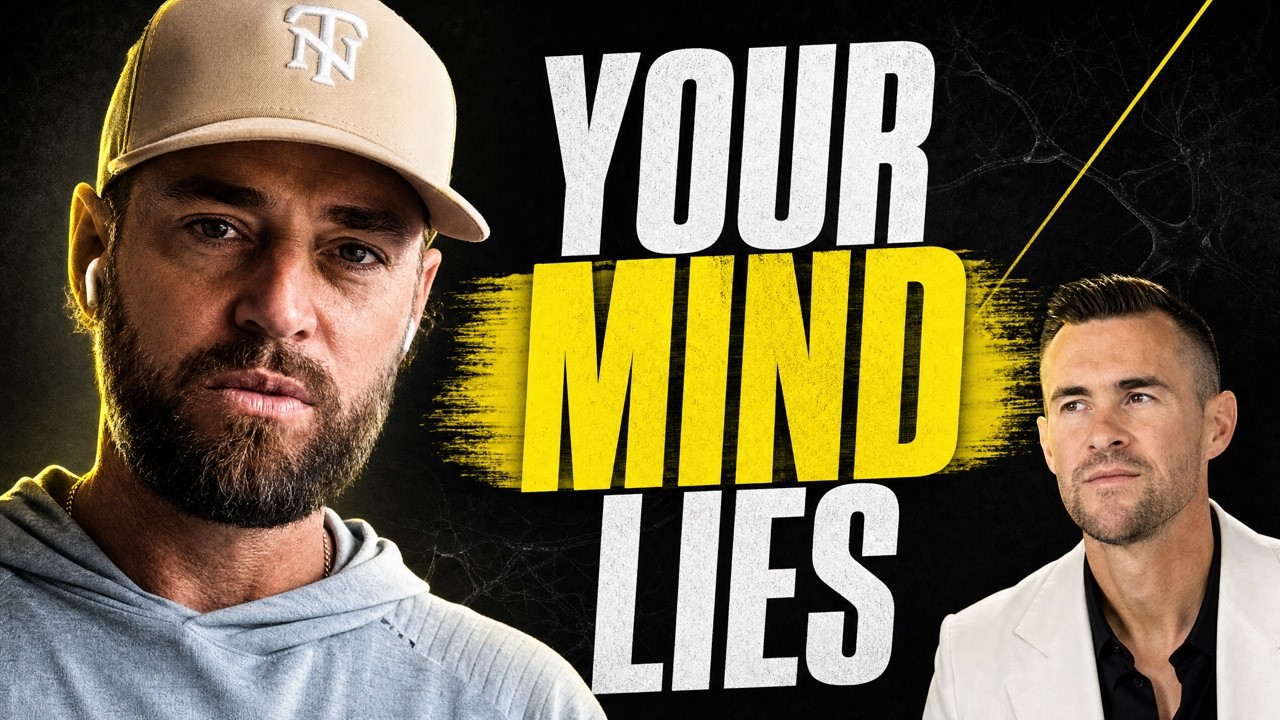
Scott Howell on Crushing the Transition from Captive to Independent Agent
Episode Answer
Scott Howell on Crushing the Transition from Captive to Independent Agent is a Finding Peak podcast episode hosted by Ryan Hanley. The conversation explores leadership, performance, entrepreneurship, and the work required to build with clarity under pressure.
Read the Conversation
Show the full transcript
Hiring isn't just about finding someone willing to take the job. You need the right person with the right background who can move your business forward. If you want candidates who truly match what you're looking for, trust Indeed Sponsored Jobs. With Indeed Sponsored Jobs, your post stands out to quality candidates who actually fit the role. According to Indeed data, 90% are more likely to be hired and trusted by 1.6 million companies.
Spend more time interviewing candidates who check all your boxes. Less stress, less time, more results. Now with Indeed Sponsored Jobs. And listeners of this show will get a $75 sponsored job credit. To help your job get the premium status it deserves at Indeed.com slash Podcast 13.
Just go to Indeed.com slash Podcast 13 right now and support our show by saying you heard about Indeed on this podcast. Indeed.com slash Podcast 13. Terms and conditions apply. Hiring? Do it the right way with Indeed.
If you're the purchasing manager at a manufacturing plant, you know having a trusted partner makes all the difference. That's why hands down, you count on Grainger for auto reordering. With on-time restocks, your team will have the cut-resistant gloves they need at the start of their shift. And you can end your day knowing they've got safety well in hand. Call 1-800-GRAINGER, click grainger.com, or just stop by.
Grainger, for the ones who get it done. Happy Holidays! Want to give your host a gift? Consider subscribing, rating, and reviewing the show this holiday season. It really helps the show grow.
From all of us at Believe, have a Merry Christmas, everyone, and a Happy Holiday! Hello, everyone, and welcome back to the show. Today, we have what ended up being one of my all-time favorite conversations I've ever had on this podcast. Maybe conversations I've ever had ever on any of the podcasts that I've done, and that's actually saying something. Today's guest is Scott Howell.
He is the founder, president, CEO, whatever, of iProtect Insurance Services down in Alabama. And Scott is a 10-year veteran of Nationwide, who, you know, as many of you probably know, or if you didn't know, Nationwide just recently, as of July 1st, moved all their captive agents to independent, and Scott was one of those. And he's now living that independent life. And I guess that was the crux of bringing him on, that transition in his agency's history, I found to be interesting. We didn't end up talking about that really at all.
I mean, a little bit, we did, and it's interesting. But we went so many places, so deep down into running an agency, the emotional aspect of it, the mental, the leadership aspect of it, dealing with people, dealing with clients, this is just, I think you're just going to love this episode. And here's what I'm going to ask you. If you love this episode, please share it. Scott is a tremendous guy.
And beyond just being an agency owner, he also runs one of the best podcasts in our industry with Bradley Flowers. They co-host the Insurance Guys podcast. So, you know, share this episode. If you're not subscribed, if you enjoy what I do, you will love what the Insurance Guys do as well. So make sure you jump over and subscribe to their podcast as well.
And connect with Scott on LinkedIn because, as an independent agency owner, I think this is going to take Scott to a whole other level. I think he's a really deep dude. I think he's goofy and crazy and says, you know, just the banana shit that people from Alabama say. But he's also incredibly deep. That's like the fun side of him.
And then he has this whole other deep side, which is the business owner. And I just, we really got into that side and I loved it. I just loved it. So I hope you love it too. I hope if you will subscribe to this show, if you're not already, you can also subscribe by email.
Just type in RyanHanley.com right on top. You see a little box. Punch your email in there. And I just hope that you love this episode. But before we get there, I just want to give a quick shout out to our longtime sponsor, Tarmica.
Tarmica makes this show happen. There are expenses that come along with running a podcast. And I am always going to give this content to you for free as I have for forever. Every podcast I've ever done has been free to you, the listeners. And it will always be that way.
I'm never going the subscription model ever. I just, I say that and I mean it because I'm willing to work with sponsors. And I'm willing to do the work of having a sponsor. But when it comes to Tarmica, it's not really work. I've talked about them a lot.
You're probably sick of hearing about them. And that's okay. I just, I think they're a great tool. And if you haven't got a demo yet, take the time to get a demo. You don't, I'm not saying you need to subscribe to Tarmica.
Now might not be the right time for you. But know what they're about. Go get the demo. Go to T-A-R-M-I-K-A dot com. Tarmica dot com.
Get the demo. Know what it's about. And if you're into small commercial, I think there's something there. So check out Tarmica. I appreciate you for listening to this show.
I love you for listening to this show. Let's get on to Scott. You are a tough man to get on a Zoom call. Tell you what. I was on the wrong thing.
I clicked the button on my calendar and it took me to a Google Hangout thing. Yeah, that's my fault. For some reason, because I use Google Calendar, and now they've added this feature that you can't turn off where when you send an invite, it automatically adds a Google meeting. Right. You have to turn that off and turn Zoom on every time or it automatically sends the Google one and I just forgot to do that.
Oh man, don't worry about that. Don't worry about that. Yeah, I'm good though. As long as you want to go today, I'm good. But I've got, I'm pretty much free.
I mean, I've got people calling and all, you know, the usual bullshit, but that's fine. We'll deal with them later. Yeah. No, it's good, man. Well, hey, I appreciate you coming on the show.
I'm super excited to chat. I want to hear all about what's going on with your agency. Yeah, dude, it's just, it's exciting. It's exciting to, you know, we were chatting the other day when we both, I think I was the one, I had something come up or whatever, one of us had to reschedule and we were chatting a little bit. Dude, I'm so excited to hear about your move to independent.
Like, you know, the fun stuff, the stuff that's trouble. Like, I just, I want to learn more and, you know, I think I'm just, I'm just interested. I'm so interested in what you have going on. Well, you know, like we talked about the other day, it's easy to talk about, but it's once you get into the thick of it and you know this, you're, you're, you've been dealing with this now for a while too. It's just, I call it an up at dawn pride swallowing siege.
There's that, there's that, have you ever been in a situation and I know you have Ryan in your life where, whether you're changing seasons of your life and I don't know, maybe we need to start the podcast and kind of talk about this or maybe this is the podcast and I don't even know it. Yeah, we're rolling on me. Okay. Okay. Well, you know, you and I both have been at times in our life where you can almost feel inside you that something big is about to change.
Sometimes you know it, you know, you kind of know it the day you graduate high school. You're like, nah, something's, something big's about to happen. Same thing in college, same thing with changes in occupation, changes in marital status, when your kids are born, all that stuff. You kind of feel something big's about to happen. And I think as it relates to you and I specifically, and a lot of other people that are listening to this podcast right now.
And by the way, I am a huge fan of your podcast. I listen to your podcast a lot more than you know I do. Well, thank you. That's very nice. I enjoy your podcast so much because a lot of times you're a little bit like Joe Rogan in that you're very, very talented.
You're a five tool player. You can write. You can blog. You're great on video. You ask great questions.
And you have people on your podcast sometimes that are kind of outside the mainstream. And those are the, I'll be honest with you, those are the ones I enjoy the most. Sometimes, you know, I mean, sometimes you just get tired of listening to this insurance shit all the time. And you've had people on there that were writers and other things. And that's something that I really enjoy with the insurance guys podcast is when we have someone that is kind of outside of insurance, but has a, has a very compelling story or a topic that I can deep dive into and get, uh, you know, get, just get outside of just the norm.
I love that stuff. And you do that a lot. I really enjoy that. But, well, thank you. I, um, you know, I, I will say that, uh, I love talking to insurance people.
Um, I love talking about insurance. I love getting into tactics. I like, I just like hearing, I like, I guess for me, my goal in podcasting is if in an, whatever time period I have, usually episodes are 40 minutes to an hour. If they're less than 40 minutes, then I'm doing something wrong usually. But if I can just find for one, if I can get one question that dials into exactly what that person actually wants to talk about, then that that's my job.
Like, that's what I see my job as is like, sometimes I'll have someone on for a reason, but I can tell as soon as they get on the podcast, that's not what they actually want to talk about. Right. You know, something happened in their day or something happened that week that just has them dialed in that has, you know, gets their, their, the hairs on their back, stand up a little bit. And I can, you can see it in the way they, or, you know, you hear it in their voice. It's like a, and, and that's really what I'm going for.
I, I, I have people that'll email me and be like, Hey, can you send me some bullets of what we're going to talk about? And I will send them bullets. But I also put a little caveat on the end. That's like, and there's a decent chance I'm not going to ask you one of these questions. So just be prepared for that.
Right. You know, I don't know. I, it's, it's, um, you, you had a podcast one time, I guess it was about six months ago. Maybe it may have been a year ago. I don't, I don't remember the timeframe, but the lady came on, you guys are talking and I love this so much.
Somehow you two kind of, and this goes back to exactly what you're saying right now. You spun off and you started having this, you know, fairly deep conversation about the benefits and the negatives of nuclear power. Do you remember that? Yeah. And I, that might've been the podcast of yours.
I've enjoyed the most sitting there listening to you to kind of go back and forth and discuss that. And I was like, man, this is the, this is the content I'm after right here. I'm very pro nuclear power. So, yeah, but, um, and I do the same thing. I get guests on the show and I'm a little bit different.
I know what the topic is that Bradley has picked out for me to talk about, but, but every single time I do a podcast, I, one of the, I think the strengths that I have, and I tell people this all the time, I am 98, I am horrible at 98% of things horrible. But one of the strengths I have is I have this ability to intently listen to what someone says. And every single podcast I get on, somebody will say something and I go, hold, hold on, stop, stop right there. I want to talk in my mind. I'm thinking, I want to talk about that.
I want to talk about that more about that. And you're right. A lot of times it doesn't even have anything to do about insurance or it'll, it'll be something that we never even expected to talk about when we got on the show. So I feel you on that, man. But, you know, getting back to what we're doing here and I, you know, we can small talk all you want, but I, you know, the deep dive into what we're doing.
You know, I started out with Nationwide back in 2010 as a print, as a scratch agent and, you know, was expecting to sell more home and auto insurance. Although, it's kind of like, it's kind of like a good psychologist that will tell you that, you know, you really need to pay attention to your kids as they're growing up because a lot of times you can look back at when they were little or, you know, middle school, high school age and kind of see the things that they were interested in or their personality and it can help them, you know, with what they want to do when they become an adult. And I think for me, when I look back on it, I'm like, man, I was selling the shit out of commercial insurance when I was with State Farm my first two years in the business. And ain't nobody in Birmingham, Alabama selling commercial insurance with State Farm. I mean, it was just home auto, home auto, home auto.
So, I was always kind of commercial oriented. And then about five years ago, Nationwide came out, the powers to be came out and they're like, hey, we're going to give you guys, this was the first shot across the bow right here. They came out and they said, hey, we're going to give you guys a letter of authority to sell commercial insurance through whoever you want to sell it through. And I think for Nationwide agents, they were like, okay. No, most Nationwide agents were not commercial oriented at that time.
And the tricky thing about that was, hell, nobody would give you a contract to sell commercial because they wanted, you know, companies like Travelers would say, oh, yeah, we'll give you a contract, Scott, but we got to, we got to, you got to get a personal lines contract with us too. We're not just going to do commercial. So, it was kind of a, it was kind of a double-edged sword there, but we did start brokering a lot of business through, you know, NGAs and stuff like that. So, I've been calling myself a hybrid independent for five years. But when this thing all came down about two years ago and Nationwide publicly announced that they were going to send everybody independent, for me personally, it was very much like Br'er Rabbit, Br'er Rabbit getting thrown in the briar patch.
Yeah. You know, I was like, oh, okay. That, you know, a lot of people had, you know, some consternation about that and they were very, you know, I don't know about this, but I was more of the mindset that I was already independent. So, it wasn't quite as, I wasn't quite as shook as I think a lot of people were. But then, as I told you on the phone the other day, and when we started talking a little bit off air, it's real easy to talk about stuff.
But then, there comes a time when you have to, you have to do it. And I think our time frame for me, I just let it all go. I let everybody else worry about the contracts and, you know, for a year and a half. But I set a deadline for March the 1st. And on March the 1st, that was when we were going to put all of our effort into the transition to independent, because I knew it was probably going to take the better part of four or five, six months to get everything set up the way we wanted.
I knew how much work was going to be there. And then I had something happen to me that I don't know if you'd call it a God thing. I don't know if it was just a stroke of lightning that hit. I don't know if it's clean living. I don't know what you call it.
But on March the 1st, which was the date that we started kind of really getting into this pandemic stuff, I had an old friend of mine. I'd known him for about 10 years here in Huntsville. He was a farmer's principal agent when I started with Nationwide. And his agency was on one side of the strip center and my agency was on the other. So we were the anchor tenants in the strip center.
He's farmers. I'm Nationwide. And so we had known each other and become friends, even though we were competitors in the exact same place. I've always said, I don't care who sells insurance against me, how far away they are, all that. I've always tried my best to keep a good relationship with agents around me as best I could.
But he left farmers, went independent, with a pretty good size independent agency for about four or five years and did some other stuff. But March 1st, he called me and he said, hey, I'm looking for a job. Some stuff's happened. But, you know, just life, you know, things that boss he couldn't get along with, you know, that kind of thing. You don't know anything about that, do you?
I know I do. I know I do. But that guy has been beyond instrumental because of what I didn't know about him until he got in here. Now, remember, we're smack dab in the middle of changing everything we do. I told somebody the other day, I said, only thing that hadn't changed in our agency is the phone number and the name on the door.
That's the only thing that hasn't changed. But I did not know that he was as technically and technology savvy as he was to the point of being 10 steps beyond me in technology. And so almost literally like a gift from God, he comes in. First of all, he's new, so he wants to make a great impression, right? Now, we've got $6 million of premium that we've got to move from the very antiquated nationwide CRM system over to what we chose, which was Hawksoft, which so far has been a fantastic decision on our part.
Hawksoft is silent. They are. They are. They're really good. And for us, it was a great decision because of the mix of business we have.
I knew that my people were going to need a lot of handholding. And Hawksoft is the, I can't imagine there being a better company out there for handholding. That's the rep on them is that their customer service is tremendous. Unbelievable. Unbelievable.
But having Justin to spearhead all that and be able to manipulate spreadsheets and all the different technologies that we're using now where he's able to integrate all this kind of stuff and zap your connect and just all of it. It's just been, my wife looked at me the other night, we were sitting on our back porch and she goes, what in the hell would you have done if Justin Miller hadn't come along in March? And I said, hell, I don't know what I would have done. I mean, it would have gotten done, but it wouldn't be what it is now. Yeah.
In terms of our integrations and what we're able to do and all the things that happened, it was literally just a, just a blessing that he came along because I think we would have been okay. I would have probably worked an extra hundred hours more than I did and still probably couldn't have done it like somebody that's that technology savvy can do it. Well, good people flow to good people, man. I mean, this is, this is why I was talking to, I had an insure tech call me the other day and they just wanted to, you know, I try to take at least one of these calls a week, right? Just one half hour, like just someone wants to talk about something and I'm, and I'm cool with it.
I don't mean that like it's a burden. I do this on purpose. I just, with the agency, I used to take more, I used to do three, but with the agency, I just can't take more than one. So this insure tech company reached out to me and I had a call and they said, you know, how do we make an impact with, with independent insurance agents? And I said, so many technologists have been dicks to IAs and really the insurance industry for so long that a good start would just be a good person because this is such a small industry.
If you're a dick, if you're a dick, you get found out super, super quick. And there are companies, I mean, I just had an amazing conversation, which I will not talk about the details of with, um, with Sheffy from Coverger yesterday. We talked for an hour. We were supposed to only talk for 10 minutes and we ended up talking for an hour. Um, but we were discussing companies that had risen and fell in our, just since 2016, just since the insure tech, you know, quote unquote revolution.
And, um, and I said, you can pin every one of those companies. Look at the leader was the leader, a good guy who, or a woman, good person. Most of them can be guys. Sorry. Sorry.
My female listeners, a good person who, who, who gave and was thoughtful and considerate and understood that the IA channel isn't broken. It just needs to be optimized, right? They don't start their pitch with, look at all the shit that you're doing wrong. Like they're, they help people. They're, they're part of the community.
They engage. Look at those companies. All of those companies are still here. Look at all the companies that are gone. They're the companies who treated people poorly, who acted like IAs didn't know what they were doing, who gave people a hard time, who played like the Steve jobs, Silicon Valley emperor thing, which just doesn't play in our industry.
You have to be a good person. It's too small. And when you are, you just, you, you, it's amazing what happens. It's just absolutely amazing. You can just see it.
Look, look at all the people in our circle of influence and the reason they got there isn't because any of us are more intelligent than any of us, anyone else. I mean, certainly there's some smart people. There's just good people give and share and care. And it's just, dude, I mean, I'm with you. I mean, you call it clean living that find out hard to believe knowing you the little bit that I do, but I'm sure I would, I, you are.
You're a good guy. So that's, that doesn't make sense to me. Yeah. I, I, I could not agree with you more. I mean, I could sit here and rattle off names, you know, and not just the leader, although that's important too, because that culture flows down from the top.
But then you got people representing that leader, uh, the Nick Barry's of rocket referrals, you know, the, the, I could name a hundred of them that, that are representative of that company that, that, and you are so right about one other fact, which is, it is a very small fraternity of people who, I shouldn't say very small, but a small fraternity of people who have a platform like you and I have, and word gets out pretty dadgum quickly when somebody's, you know, not doing what they say they're going to do or calls to chew your ass or makes you sign some longterm contract or, and I'm going to go one step further than that. Even if just their product's not very good. Yeah. Because, you know, I'll call Ryan Hanley or Bradley flowers or, um, you know, a hundred different people and they'll say, don't do it. Don't do it.
It's either I tried that and this is what happened or, uh, I've heard that this is what's going to happen. And usually it's true. And you know what the flip side to that is, man? Let's say your product's not like, here's where you vision your product to be, but it's right here, right now, but you're a good person and you're transparent and you're honest. And you say, look, like this is where we want to, I, no one can see me, but I'm where I have my hand high.
I'm one side or like, this is where we want to be. We want to be way up here. And right now we're kind of like 40% of the way there, but we're working to get there, you know, but that transparency and honesty, I know our community of agents that the, the brought, we'll, we'll, we'll buy into that. They'll go, okay. I see the vision.
I want to be part of it. I get that you're only 40% of the way there. And that's okay. What, what absolutely drives me nuts is the, they're 40% of the way there, but they sell you the a hundred percent vision without telling you that they're only 40% of the way there. And then you get in and you look around and you're like, what the fuck this isn't what you sold.
And then, you know, and that's how people get in trouble, but they think, you know, they, they, you know, uh, this is, we can go on and on. I just, um, you know, I learned so many lessons about technologists in general. And, uh, you know, someone asked me the other day, why Tarmica and not Semcy? Why did I choose Tarmica and not Semcy or not bold penguin or not any of these other commercial lines raiders? They asked me that question.
And I said, one, I think that, uh, I, I don't know enough about Semcy. Um, and I, but I do know, uh, and I'm forgetting his name. I know him to be a good guy and I think they have a good product. So it's nothing against them. Right.
I said, you know, bold penguin is more enterprise. Um, you know, I spent time there. I have some history there and you know, whatever, and I don't really see any other real players in the market. Right. And the thing about Tarmica to me is not that off the shelf right now.
Is it everything that ragged and Geetha wanted to be? No, they're still building it. Right. I mean, it works. Don't get me wrong.
I mean, I use it every day, but like, it's not a hundred percent of where they want it to be. If they're building and releasing things all the time. But I just, I spent 10 minutes with riot. I spent 10 minutes with him the first time in person. And I said, here's a guy I can trust off the shelf.
He said, look, Ryan, you know, we have four carriers that we don't have yet at the time. They have nationwide now, but they didn't at the time. He's like, we don't have Hartford yet. We don't have travelers. Both of those.
I know are, I think both of them are signed contracts. If they're not, they're coming. I know they're heavy talking to him. Hartford may even already be done. Um, and they need, they were talking about, he's talking about one more Markel.
He's like, he's like, these are our next four. He's like, once we get these, you know, we, and he was so transparent and he always on the podcast, he was transparent on, uh, he was on Cass's podcast. Has he been on your guys yet? Yes. Yeah.
Yeah. Dude. He's always so in that to me, that level of transparency and understanding of our channel said to me, like, I'm going to ride the ups and downs of a new technology being built because I believe that this human and the other humans like Chris Lane and his, and his, and Geetha, obviously, um, his, his technology co-founder, like that. I believe that they give a shit about us. Right.
They care about us. Rock referrals. Exact same way. Chris Langell at advisory evolved. Exact same way.
Things break, things work, things don't work agency, uh, better agency, which I just made the move to last week. I moved to better agency and, uh, a big, when they made the light speed voice integration, that kind of set my bells off in my head that it's time to make the move. They had a, like a little power out, a little glitch, like late, late at night and only a few agents caught it, but they did cause they were working late. They immediately fixed it, you know, put all the things out, apologize for the issue. Like the way they handled it.
I'm not describing it. Well, I said, you know, William Shaw, the whole team, they care about us. They care. And it's, it's not being perfect. It's giving a shit that, that, that's why I make decisions.
Let me, let me go one step deeper for you with that. And you're, you're a hundred percent right. So you can take that same methodology and culture and approach to what companies like Tarmica and some of these other companies that you and I both deal with on the technology side. And you can apply that same methodology and that same belief system, or excuse me, value structure to an insurance agency. Yep.
And I think that's one of my strong points is I ain't afraid to call somebody and say, did it this morning. Had my girls call me at eight 45 this morning and start telling me about this policy holder that was so upset about this claim. And he had just called and his wife was in a wreck Monday. Hadn't heard any from anybody with claims, you know, as of now. And I said, uh, put me on a three-way call with him right now.
I want to talk to him because in my agency, we have what's called the code red button. And the code red button is when they, when a customer, a client, a member, whatever you want to call them, when they call the office, doesn't matter who they talk to, but my people can hear in their voice that they are upset, that they are confused, that they, you know, start this, I haven't heard from anybody since Tuesday, whatever, whatever it is. The code red button is we get Scott involved immediately, call Scott or text Scott, and we get on the phone together, our group, or the person that's been talked to, and we discuss what's happened so far. And then I immediately call that person because I believe it's Grant Cardone that said this. He said, don't ever give problems oxygen.
The faster you can get to them, the better off you are. So I call this guy this morning at 830 and I said, let me explain. I said, look, first thing I want to say to you is I want to profusely apologize that you filed a claim on Monday and here we are Friday and you haven't heard from anybody. But I said, and I go into this, we talked for like 30 minutes and I basically said, we're not here to take money from you. We're not here because of premium dollars.
The only reason that this insurance agency exists, this is exactly what I told him. I said, every single human being that picks up that phone and calls my agency has a problem. Unless they're picking the phone up to call us because they want to quote. And if they're doing that, they're probably doing that because they have a problem with somebody else. And so I told him, I said, I told Harley in my office before we called him, I said, Harley, let me explain something to you.
These people that call us all have problems. We've got four insurance agents in this office who are focused on selling insurance. Everybody else here, including Scott, especially Scott, is only here to solve problems. Whether that's, you know, can't figure out my billing account, need to make a payment, got, you know, had a claim, looked on my schedule. And one of my policies is that every single phone calls a problem.
Now, how well my people are able to communicate to that person and help them solve that problem is going to be the long tail metric of how big this agency can get. And what we do is when the problem's big enough, meaning Mr. Johnson's just called and chewed somebody's ass and said, I am not happy. I am not happy. The first thing they do, the first thing they're supposed to do and they better do or they're going to get their ass chewed worse than they've ever had their ass chewed is pick up the phone, call Scott and get him involved.
Have you ever seen the movie Pulp Fiction where they kill the guy in the car and they're worried and they go to his buddy's house? He's like, dude, y'all can't stay here. And they call, I believe his name was Marcus, and he says, hey, y'all don't worry about it. I'm sending the wolf. I'm the wolf.
I'm the guy that gets the call every time when it gets to that point. And you can hear it in people's voice. And so my job, once I get on the phone, is to do the same thing that Rogoff does to you with Tarmaca, is to be open and honest and admit that somebody somewhere has made a mistake. And I do a lot of listening. You know, the first thing I tell people when I get on the phone with them most of the time is I say, tell me what happened.
And then I just shut up and I sit there and I listen for about five minutes while they tell me this problem. Then I repeat the problem back to them. So, Ryan, what I'm hearing you say right now is that you had an adjuster come out to your house and instead of getting on the roof, he pulled his pants off and smeared butter all over his ass, poured chicken wings on his head and ran around your house three times yelling, I'm not paying this claim. Is that what happened? And every time they go, thank God somebody understands what's going on.
Yes, Scott, that's exactly what happened. So, I think that same methodology you're talking about with these technology people being open and honest and, hey, Ryan, man, we really want you to be a part of this. Let me tell you where we are right now and where we want to be six months from now. And I think that just goes a long way towards both you and I when we – and then you've got that gut thing in your gut. It's like, man, this dude's just a good dude.
Yeah. He's just a good guy. I feel the same way with carriers. Yeah. You know, I – you get such a good feeling from some and, you know, and this is one of the things that I feel like, you know, this has been – starting this agency has been a very odd experience for me.
And by odd, I don't mean negative, just odd because I knew this – I know this industry so well. You know, I do. I've been in it for 15 years in so many different capacities and looked at it from so many different angles and sat at so many different tables from tables full of CSRs talking about certain issues to claims adjusters to principles to agency, you know, fortune, top 50 agency, you know, principle. I mean, I've been in all these – I've heard all these different things. And then to attack it as a principle where you're making the decisions, your eyes are open to – it's like all that stuff came through filters and now I'm getting the unfiltered version and it's just a very odd sensation because you feel like you understand something and then you get the full hose, the full thing, the throttle is completely open and it's a very different feeling.
And I've gotten that – one of the areas that I've been – I found that to be very interesting is in the carriers and in particular the carrier relationships because, you know, you can have very intimate relationships with very large carriers. That's possible. You can also have very distant and disassociated relationships with carriers that you would otherwise think would be your best friend. And that is a very interesting thing. And I'll tell you, I said this to my Hanover rep the other day because I was having some issues with their technology.
Like they haven't – they still make you, quote, an Internet Explorer. And, you know, I just – I said to you – I said to – I say to both my underwriter and everybody I talk to there, every time I talk to them, I said, you lose business from me because you haven't – because I have to log into Internet – not even Microsoft Edge. Internet Explorer to pull business with you. And because that's a piece of technology that was outdated in 2014. Right.
There are times when I'll be in the middle of the quote – the screen will just go blank. And the answer will be, we'll call us and then we just reset it from our end and we'll get it back. And I'm like, that's great. And for big pieces of business that I know are the right fit for you, I'm going to work through that process. But those $1,000 bops, you just don't get them.
Right. I mean, I can't wait until I can put them with you. Right. But you don't get them today because it takes me extra work. And here's my point is that they are receptive and open and are trying to help in different ways and understand that that's a limitation of theirs and that they're working on it.
And that, you know, he even said, he goes, look, our update that's coming out in the beginning of next year is going to fix that problem. How do we get you – how do we get some more business in the door? So we started talking about co-op programs. And, you know, what it made me feel was I've been heard. Now, here's a limitation that this particular carrier that I actually really like has.
And I'm willing to work through that limitation because they acknowledge the problem and then they try to find some ways to say, hey, we get that that frustrates you. Are there some things that we can do to help you kind of through this time until we can get you to where you want to be? And that's so meaningful because, you know, it's a big – I think sometimes it gets lost in the velocity in which we all do business. But it's a big freaking deal what carrier you put a piece of business with. It's a really big deal.
And I think once you've been in the game for a long time, you take that for granted. I know I did at the Murray Group. I just took it for granted where I put business. But being as an agency owner, and I think everyone listening can agree, and obviously this is new to me. It's why I'm sharing it, is where I put a piece of business means a lot.
It means a lot to me. I'm considering it every time. It's not just, oh, they're the cheapest. Let's go there. It's how do I interact with these guys?
How do they interact with me? And so I think this idea of showing that you give a shit, like it really is the currency of our entire ecosystem and probably of life. But certainly of this space, like it just isn't transactional. It feels transactional, but I think that's the surface level. I think what really gets business done and where relationships really happen is below that.
And it's do they care or not? Are they willing to work with me? Are they willing to help me and listen to me? And I just, we can't gloss over that fact. Well, there's so many things you could address that are subsets of what you just said.
First and foremost, I always try to look at people that come to us as a prospect before they're a client. And I think about them as my mom or dad or my sister. And I think are we representing carriers? And I'm talking about standard home and auto and commercial insurance. Are we representing carriers that when something happens?
Because, again, we don't make our money when we take premium from people. We make our money when we solve those problems, i.e. your house just burned down. You just had a three-car accident. And I always think about, am I representative or the carriers that we represent, are they the kind of people, are they the kind of carriers and the kind of company that I would want to put my mom and dad with or my sister with? Would I, you know, we had a carrier that's one of the biggest, probably top five or six carriers in the United States that, as of right now, we've decided that we are not going to represent it.
We had an opportunity to get a contract with just because we felt like, as a group of my team members and business partners, we just thought, you know, I just heard a lot of not so good things about this carrier. And we just really don't feel confident putting people with them when they come to us. And then as another subset of that, I have an acquaintance of mine that's one of the largest agents in the country. And back in the late 1980s, he was probably a $3 or $4 million agency back then. But he, unlike all of his contemporaries that had come in with him here in North Alabama, he figured out that in order for him to reach the level that he wanted to reach, he was going to have to make all these trips that Nationwide Insurance provided, however he had to do that, where everybody else really didn't care about that.
They're like, well, if we make it great, if we don't great, his thought process was, if I can make all these big trips that Nationwide has, that gives me one week to build relationships with the people at Nationwide who are running Nationwide, the board members, the CEO, the CFO, all those people. I can spend time with them, go on small trips within the trip with them, get to know them, get cell phone numbers, you know, all that. And over the course of about the last 25 or 30 years, he's built those types of relationships and parlayed that into, you know, getting just about whatever he wants. And I think the more I'm around bigger agencies and see guys that have that mindset, the more I realize how important that is to have those personal relationships with these people that are running these companies. And then when things happen or you have a problem or you need something or you want something or you need to, you want to start a program or whatever.
Now you've got somebody's cell phone number that you can pick up and call and say, Steve, man, what's happening? I haven't seen you since we were down in Costa Rica last year. What's been going on, man? Hey, listen, I've got something that I want you. I just want to run by you and see what you think about it.
And that's just invaluable. I can't, the more I've, the longer I've been in this, the more I realize that. And then the third leg of that is I can't even begin to tell people, especially if you're in commercial insurance, how important those relationships are with your underwriters. If you've got a premier underwriter or you're writing enough business where you've got a single underwriter, not a pool, but a single underwriter, man, if you're in good graces with them and they like you and you like them, man, that can just, it's just, it's like pouring, it's like pouring gasoline on a fire, Ryan. I'm going to give you, so I'm going to go back to Hanover, right?
So it's another reason why I like them. So I have my commercial underwriter. Her name is Cindy. She's tremendous. And I had an issue where, not an issue.
I had an agent from South Carolina call me up on the phone and say, hey, Ryan, I have this client. They have, they have people in seven states. One of those states is a admin only work from home person, but she lives in Hyde Park, New York. And the carrier that I wrote this account with will write comp in every state that they're in, except for New York. So I need a split policy with just New York.
Can you help me? So I reach out. So I, first of all, the systems auto decline because it's a split account. Um, and then, so I had to reach out to the underwriters. So I reach out to five or six.
No, we won't do that. No, we won't do that. No, we won't do that. And then finally I get to Hanover and I email my Hanover rep and I said, hey, Cindy, I have an agent. I'm doing a favor for, I mean, we're doing, we're talking about like $275 in premium here.
I mean, this is like, you know, there's, there's no money to be made by anybody, but you know, this is what we do for each other. As independent agents, we help each other. So I reach out to this, to her and I said, look, this is, I know you don't do this. I know you don't really want to do it, but I'm helping another agent. It would mean a lot to me to just, it's a, it's a woman in her home doing admin work in Hyde Park.
There's, there's no, there's no risk here. You know what I mean? Boom. She says, you know what, Ryan, we'll do it. Write it up, put it in all good.
Like that's the stupidest little thing, but you know what that does? That gets them every opportunity that I can get them moving forward because it's, I now know that she'll listen to me and not go, nope, that doesn't fit my little box. No, you rejected. She's going to go, Hey, this is a stupid little thing that I can do for one of my agents. And I'm pot, I mean, she's coming from that abundance mindset that by giving him this little bit of help, this stupid little thing where I'm doing a favor for someone else.
That, that enamors me to her to say, I'm going to get you more business. I'm going to find you more business. I'm going to make sure that you guys are, are getting chances at accounts because I appreciate that you were willing to help me help that guy down in South Carolina. And those are those little things, man. And you know, I, there's another carrier that I took on that, um, that I was so excited to get them.
So excited. And I was like, man, this is going to be great. It's the perfect, like I had, um, Cincy, Hanover and Chubb and I needed like, uh, I needed one. There was one, I was missing a segment in the New York market because New York is, is wacky. So in other, other States, you won't maybe necessarily understand, but New York is a wacky state.
Like the way certain carriers just don't write certain things. It's, it's really odd. And I mean, just couldn't, it's cause New York is, uh, over regulated liberal Haven. Um, but, uh, and, and I took, so I took this carrier on. I'm so excited.
I haven't been able to write a single thing with them. I, I, I mean, I've been quote, I probably quoted 30 accounts easily, maybe more. And, and you get this generic templated declination, you try to respond. And it's like this ridiculous phone tree to get to your, you know, which underwriter do I have this time? They have no idea who I am.
And I'm like, I'm sitting here going, I'm just going to stop quoting with these guys. Like I get these, it gets declined. And then you have no ability to explain or say, Hey, you know, like, like, like I was quoting a commercial auto the other day, the guy's got this little crane on the back. It's a tiny little crane and it's just to help him move. Cause he's a plumber and he's got a couple of materials just to get him in the back of the truck.
That's all it is. He's not towing anybody. And, and, and I have a picture of it, dude, this crane is like an out of the box crane. This isn't some big custom thing. Right.
Right. So I quote the count. Um, and, and, and, and I get, I get a declination like an hour later or a decline at the climb. And I'm like, I, and I emailed back and I'm like, they're like, yeah, we don't write cranes. And I said, well, can you look at the picture that I attached?
Because when you look at the picture, this isn't really like a crane crane, this is more just like a, an arm that helps the guy get some of his heavier tools onto the back of his truck. Nope. Decline. And I'm just like, fuck you. Yeah.
Thanks for nothing. Like, you know what I mean? Like I'm telling you, this is a perfectly fine account. The guy hasn't had an auto claim in 10 years. And you can't even open your eyes a little bit to see that this account is worth writing.
I mean, I just, it was like the, the lack of humanity in it just made me go, I don't care anymore. Like I'm ready to give up on you. Like that you're not, this isn't, this isn't the type of relationship that I'm looking for. And you're certainly not helping me because I haven't been able to write anything with them. As an independent agent, you're always going to put business with carriers that make it easy to do business with them.
You're always going to put business with carriers who your, your underwriter answers the phone and seems to want to help regardless of what the situation is. And then you can also kind of tell where that carrier is in the cycle of insurance based on how much of that, you know, nope, not doing it. Nope. Can't do it. Nope.
Versus, yeah, let me, let me see what I can do. Yeah. And so there's, there's probably a couple of things going on there when you see stuff like that happen, but I'm with you. I mean, when we write, when we go to write a piece of business and we put it with three different companies that we think might be a good fit, it's usually the, the same underwriters that we work with that, you know, that, that, that are aggressive, that are wanting to get business in the door, we had a, we had an underwriter, this is kind of the same, that goes in the same vein that what you just talked about. We had an underwriter with a major carrier.
We had, we had been appointed with them, I think in February, March, and we'd quoted something like 25 mid-market accounts with this underwriter. And we had a great relationship with the marketing manager that represented this very large carrier. We quoted 25 mid-market accounts. These are pretty damn big accounts. All 25 came back, no, for some reason.
And one of the funny things that we do here is when we get an underwriter assigned to us on commercial, we'll go Facebook stalk them and see who they are. So as soon as we got this underwriter, my, my big commercial producer sends me this text message with a picture of this person and below the picture, it said, oh shit, we're in trouble. Because you could just tell from the Facebook profile picture of this person that they were not going to, they were not about writing any business. And you know, I mean, you just see it. Yeah.
So I guess it was June the 1st, Tuesday afternoon at four o'clock, this marketing manager for this carrier calls me and he says, hey, can you jump on a call tomorrow with, with your guys and your agency? I need to talk to you for a minute. And I said, oh shit, what did we do now? And he says, no, no, no, no, you're not in trouble. You're not in trouble.
So I just, I need to talk to you. So we all jump on a call. It's like 10 o'clock the next morning. He goes, hey guys, I just want to let you know, you know, your, uh, your mid-market underwriter that you had, that you hadn't placed any business with, but you put well over a half million dollars in premium that you quoted, uh, she's retiring July the 1st and this is who she's going to be replaced with. So I think what today's July the 17th, as we sit here and talk, and I think we probably put, uh, well over $200,000 with them, same accounts, same types of accounts, same company, same everything, different underwriter, young, aggressive.
This goes to your point. This is why you have to have, especially in commercial, you have to have a relationship with your underwriters because if, if you are, if you are not, if you're not nurturing that relationship, you never realize what's, cause you knew what was going on there. Oh yeah. You knew what was going on that she's looking at her book of business going for me to get my max retirement bonus. I need to have a loss ratio that is, you know, in this range and I'm not taking on any accounts that could hose me up in this, in this, you know, in these last six months.
And that's perfectly fine for her to do that. But if you're not on top of that, you don't know. And, um, and I, dude, I just, I completely agree with you that this, this is a huge part of the game, huge part of the game. And, and, and obviously I think some of the seasoned, especially commercial, commercial agents who've been around for a while know this, but for anybody who's coming up, you know, I'm kind of relearning this, I guess you could say to a certain extent, but like, this is just, it's become so obvious in, in me quoting every piece of business myself, like there are carriers I go to who I know are going to listen, even if the answer is no, it's going to be a thoughtful listen. They're going to listen and they're going to say, Hey, there's a couple of things I'm uncomfortable with.
Here they are so that I understand better for the next time. Right. But, you know, the companies that just flat know, or I get some automated, you know, email in tiny little font that says, sorry, we're declining. And then to get to that underwriter, I have to go through a 17 trigger phone tree. Like, no, thank you.
Yeah. Thank you. So, so, so, so we have a saying here in our agency that every time we sell a policy, we've got, and I'm speaking of commercial now because personal lines is just so, um, it's been so bastardized now that you, you know, I can remember 10 years ago, Kristen Clavon, I'll never forget her, uh, was our premier personal lines underwriter with Nationwide and my God, that woman probably gave me a hundred exceptions while she was a personal lines underwriter. But now I don't know of any carrier that we represent that we have a dedicated underwriter. It's always, you know, hit six to go to the underwriting team and then it's just potluck what you get.
But we have a saying on the commercial side and that is you're, every time you sell a commercial policy, you've got two sales to make, you got to sell the client and then you got to sell the underwriter. Not always, especially not on the real small stuff, but especially the bigger you get on stuff or anything, anything that's got hair on it. Uh, you definitely got two sales to make right there, but yeah. So, so, so let me ask you, um, you've been now, I think, what was it around March? March 9th.
Yeah. How, how's every, tell me about how things are going on your side of the house and what, where you guys are at right now with what you're doing. So I'm, I'm doing okay. Um, I am happy with my performance in some regards. Uh, and I would give my, I would give myself, I don't know if I'd give myself any A's.
I think I have some solid B pluses on some aspects of the business. What's your biggest weakness? I am as an, as an agent, terrible at, I cold, I have a immense fear of cold calling. I have to gain, I have to like Metallica rage against the machine up to cold call. And I hate that about myself because in person there, I would have no fear over the phone.
There's something about not being able to see the person, not knowing exactly who I'm going to talk to. I just, dude, it's this weird thing about me. I just, I like become a whole different person. It's so weird. And I have to cold call like, like my agency is set up for commercial.
It's not set up for personal. I can write it. I have some good carriers on personal, but my strength. And, and that's why I went out and got Cincinnati. It's why I went out and got Chubb.
It's why I went out and got Hanover. Um, there, you know, I have Liberty and then I have travelers in Hartford through Indian. So I have everybody that I can need. And even, uh, I have a couple of mutuals, uh, here in the state is in the Northeast. This is a little different from where you are in the Northeast, dude, there's mutuals and domestics everywhere, everywhere.
I mean, there's just tons of them. I lost an account the other day, not lost, but, um, I wrote the comp, but the package in the auto, every other carrier that I quoted, and I quoted everybody in Vermont, everybody was twice the price of this domestic, this domestic mutual, because that's what they can do. Right. They just, they see an account. They're like, we're, we're willing to take 3% margin on this account so that we can keep it, right.
It was like a $50,000 account premium. I was coming in 70, 70, 80,000 with everybody else. It was just, it's just what they can do. So, so there's some nuance there with the mutuals, but, um, my point in saying that to you is, um, I have the carriers, I have the markets, I have the education, I have the background, I know what to say, but over the phone, I turn into like, uh, like, uh, uh, uh, uh, uh, I don't even know what this, I just turn into like, I become the completely different person and I need, and I have to overcome it. So I'm working hard at that.
Uh, David, you know, that's, that's really hard to run because one of the big things that I've found about cold calling that I personally believe is true is when you cold call someone, people are like dogs, you know, they can smell fear and they can smell, uh, indecision or, you know, someone not being confident even on the telephone. Yeah. And so when you are that way, there's pro it's probably harder for you to gain altitude until you kind of get into that phone call. If they will stay on the phone with you and keep talking. And I'm sure knowing you, the longer you talk and you're very knowledgeable, you know what you're doing.
They probably pick up on that, but not having that confidence. Yeah. You're a hundred percent right. Yeah. The moment I can get through, if I can get through the first two minutes, I'm having some success.
Right. I am really, and this sounds like a stupid problem, right? But you know, we, I can, like you said, I can create videos, I can create podcasts, I can blog posts in my sleep. Right. The first two minutes of a cold call are like, it's like, it's like fear.
And I can stand up in front of a stage in front of 2000 people and not even break a sweat. Right. I just feel confident and comfortable. But two minutes on the phone, not knowing who I'm talking to, not knowing that person's name, you know, whoever the gatekeeper is like that, just, and it keeps me from picking up the phone as much as I should. I'm working on that.
David Carruthers is helping me. Mick Hunt is helping me. Who's, who's tremendous. Uh, I'm going to get him on a podcast eventually. Um, and, and Cass has helped me a little bit with some stuff.
You know, he's, he's starting to do some of this. So we're sharing notes a little bit. We talk like once a week, but, um, cold calling is just right now in New York, it has to be done. You can't go to businesses. You just can't.
Um, so you have to cold call. I'm, I'm doing some, I'm doing some, uh, I'm using Zywave to do some, um, cold drip marketing. I love Zywave. Yeah, I love Zywave. We, we, I would love to implement it in our agency and it's not out of the realm of possibility.
I've, I've dated with them for a couple, couple of years now. We've talked about doing it. Uh, I can see some opportunities even in our, our niche, which our guys and property investors habitational, they don't really have a big need for workers comp, but I can still see some things within Zywave that could be very beneficial. We can talk about that offline if you want. Zywave is the second largest, um, investment in my agency that I've made.
And, um, I do not regret it in any regard. I, you know, if you, my wave connect is an incredible tool. Mod master is great for, for, for, if you have people who have experienced mod issues, like it's a tremendous tool, but if you just like, let's say you're not in the workers comp space. So don't, you don't need mod master broker briefcase, PNC broker briefcase. And my wave connect, just those two tools.
If they have employees, those are game changers, absolute game changers. The content on the front end from an education perspective, and then the resources tools and content on the backend with my wave connect, just those two tools together. It's, it's, it's, it really is. You're putting walls up around your clients and you're providing them with services that no one else is providing them. Cause most Zywave users don't even take advantage of my wave connect.
Right. And I've, I've started out of my, you know, I have 22 clients, uh, 12 of which are commercial clients. Right. Um, those 12 clients, I have them all on my wave connect and I've already started to get people going, Oh shit. What is this man?
What is this total cost of risk tool? Can you walk me through it? Ding, ding, ding, ding, ding, ding, ding, ding. I mean, once I walked them through these tools, they're never going to leave. Right.
You've never gotten from anybody else. And they're having someone talk to them about things that no insurance professionals ever talked to them about before. So, um, you know, and then I'm, I'm using better agency. I'm start, I haven't actually implemented this, but I'll have like an onboarding thing. So when someone becomes a new commercial client, I can onboard them into my wave connect, let them know what it is, send them some videos, just some like walkthroughs and stuff.
So, um, I see, you know, these are the kinds of tools, man, when I talk about, I'm actually writing an article for, uh, the big eye of Illinois right now on, um, the human optimized agency, but like this idea of, of optimizing your humans, like this is what it's about. This is, these are the tools that are getting us there. And yeah, do they all talk together perfectly? No, we'll get there someday. It doesn't matter.
But man, thinking a little deeper about your clients and providing them with some of this stuff, it is a game changer. They just, no one. So I obviously am a talker and I'm a nerd. You put those two things together and I have heard from 12 out of 12 clients. No one has ever talked to me about insurance like this before.
Right. 12 out of 12. That's $500 bops all the way up to $40,000 package policies. Right. Which would be the span of clients that I've written so far.
12 out of 12. So that's because you're not selling, you're, you're not selling insurance. You're, you're literally getting with those people, building a relationship and showing them, uh, through communicating with them, how you can help their business be better. And dude, instead of just calling and saying, Hey, I'm Scott Howell and we'd love to quote your insurance. So I was talking to somebody, I was talking to somebody else who's in sales that isn't an insurance about my cold calling issue.
And I said, you know, I said, the issue is all I want to do is add value. That's my goal. I care about the person, right? I probably too much. My wife says this all the time.
She's like, part of your issue with sales is that you care too much. And I don't mean humble bragging. It is a crutch because what it doesn't allow me to do is be aggressive enough at times to actually get the person to make the move that is going to help them. Right. I'm almost too value added service.
And I think there's a happy medium. I swing way too far one way. And, uh, again, we're all have to be self-aware of our, of our pros and cons. But I think that, I think there are a lot of agencies who, who are value providers, but I think are caught in the sell, sell, sell mentality. And like their problem is they just need to swing the other way.
It's not that they're not value providers or can't be. They're just, they've been conditioned over so many years to just sell, sell at all costs, do whatever you got to do. And if we can, you know, for them, they have to swing back the other way a little bit. And, um, it's that middle ground and, and where, you know, where I think where the, where the success lies, what, what, which industry do you sell that kind of mirrors your personality the most? So my disposition tends to be contractors and it's just because I curse and I don't give a shit.
And I'm very, it's very hard to offend me. So, you know, when they're, when you call one of these contractors and they're telling you how insurance works and you know, some people like get mad about that. And I just laughed. I'm like, all right, bro. You know, I've been doing this for 15 years.
You've been digging holes for 15 years. Like I wouldn't tell you how to dig a hole, you know, and, and I can say that to a contractor because I don't give a shit if they come right back at me. You know what I mean? It doesn't matter to me. So that, you know, the, I'm not good with uppity people, which even though I'm in a blue white collar job, I'm not super good with white collar people.
I wasn't raised that way. I think, I think from your perspective of the cold calling issues you've had, it sounds to me like it's just that, uh, that fear of the unknown from the time you dial the number and nobody, and the phone's ringing because I could see you once they answered and y'all have exchanged pleasantries kind of settling down and being fine. It's more that something in your mind psychologically is like, I, you, you're not in control at that moment, you don't know what's going to happen. You don't know who's going to pick up the phone on the other end, but it doesn't sound to me like you have problems once you like really get into the conversation because you are so knowledgeable and you know, probably more than 90% of people out there about what you're doing. Dude, it's the classic, it is, I'm letting a tiny little fear dictate an action that, uh, I actually James clear.
I don't know if you know James clear, he wrote atomic habits to end his book. If you haven't read it, um, he he's, he's also an awesome tweeter. His tweets are, they're just, they're like little nuggets that just get your brain right. They're not like inspirational bullshit. It's just like, here, here's the way to think.
And he basically said, he said, take today and do things that will help you 10 years from now, not 10 minutes from now. Right. So, okay. So I saw that I didn't do any cold calling today because Fridays are service days for the most part. But, um, uh, you know, I said to myself, I saved it.
I took a screen capture of it and I, I, uh, set a task for myself to, to, to have that pop up on Monday. And the reason was because I am allowing, and I'm only sharing this with people, not because this isn't supposed to be about me, but just, I, you know, in case anyone else has this idea, I am currently allowing a 10 second fear to keep me from doing an activity that will pay enormous dividends 10 years from now. Right. And I feel guilt and disgust with myself for allowing that to happen. And, but sometimes talking about it like this, this is like my therapy.
So, you know, I'm not gonna, when we, next time we talk, you're gonna be like, Hanley, you mother effort. Did you make your phone calls? And if I say no, you can, I give you permission to either virtually or physically bitch slap me depending on what venue we're currently in. Well, I'll say a couple of things about it. Number one, you are not the Lone Ranger.
I think if you asked most insurance agents, uh, meaning like agency staff that are associate agents and stuff like that, if you took a poll, I guarantee you 90% of the people you polled in the industry about cold calling would say they absolutely hate it. They, they, it's, it's like phones, like barbed wire. That is not a unusual, uh, you know, problem to have is to not like cold calling because people in general don't like rejection. And again, it goes back to some people about control and not knowing how the conversation is going to go and that kind of thing. What I always tell myself is when I do cold call somebody is, uh, what's the worst thing that could happen?
I mean, is he going to come over here with my ass? No, that is not going to happen. So the worst thing he can, the absolute worst possible outcome would be him or her getting on the phone and being like, Hey Scott, yeah, we're good. You know, love my insurance agent. They, we've been with them for a long time and we're just not interested.
That's pretty much the worst thing that's going to happen. Maybe they hang up on you. Big freaking deal. You know, I had a saying a long time ago. I used to say it all the time when I was cold calling every day, all day long, I would say, uh, some will, some won't God bless who's next.
Yeah. And I don't care if you're the best insurance agent in the world, there will be people that you pick up the phone and call and maybe you caught them on a bad day or maybe they just don't, you know, salespeople call you and I all the time. And a lot of times I don't have time to talk to them and I may come off as being rude or whatever, but it's just like, Hey man, I don't have time to talk right now, buddy. I got 16 different things going on. So, uh, it's psych, it's psychology.
I think you just have to tell yourself, like I said, what's the worst thing that could possibly happen and then, and then be okay with that. You know, you, you, you, I like your, I like your saying there, uh, when you said that, uh, a quote from, um, Bull Durham came to my mind, you know, sometimes you win, sometimes you lose, sometimes it rains. And, um, that's one of my favorite quotes. It's like all time, but, uh, cause it is so true. Yeah.
And you know, it's funny talking to you about this right now. I feel silly, right? Cause I'm like, this is a silly problem. Like you're, you, you have more experience and you're more intelligent than to allow this was submit than to allow the silly fear to stop you from growing an agency that is vitally important to the success of my family for very, for different reasons. And, and really to my own mental, like I started this agency to become my own man.
Cause I was sick of being someone else's man. And, um, and I'm letting something, I'm letting that issue and I'm doing all it, you know, I'm doing all this crazy shit. I mean, I can, we can spend, I can spend an hour telling you about all the crazy shit that I've done to get business. That isn't just the most direct way, which is pick up the phone and ask somebody if they need help. And, and, and, and it's just nuts.
And telling you that I feel silly, but you know, I just got to do the work. And I'll tell you, I'll tell you one way I got over it. You used to have to make 150 phone calls a day. I was in this, this, uh, building called target marketing for a publishing company. When I started, you had to stay in target marketing until the guy that ran target marketing, who was a former Navy veteran.
And it's still a friend of mine would tell the powers to be at the publishing company that you were ready to come out of target marketing and, you know, get your big boy job. But before then you'd go down to this metal Butler building and it was probably almost a hundred yards long, at least 75 yards long. And there was just rows and rows and rows and rows of cubicles, straight lines, people on headsets, calling, calling, you know, it was, you know, things where you just make phone calls all day and they'd keep up with all that. And they'd keep up with success ratio, bond ratio, stuff like that. But so I had some buddies of mine that were started with me when I did and we were good friends and we were all crazy as hell.
So about three of us got together and we came up with this thing where we would bet each other on who could call a major corporation like Texaco or Amazon and get the CEO of the company on his, on the phone. And so we would start with like the gatekeeper and we'd all like pile up and watch each other do this. And sometimes like some gatekeeper for like a Johnson and Johnson's medical supply division would give us the cell phone number of the freaking CEO at Johnson and Johnson. And then you'd call him on his cell phone and you really didn't even know what to say to the guy. The whole, the whole object of the game was to just get this dude's cell phone and call him and be like, Hey bro, what's up?
And every time you get one of these guys like, uh, like Bezos on the phone, on their cell phone, they'd be like, how in the hell did you get my cell phone number? And we would just die laughing because we're in Tuscaloosa, Alabama talking to the CEO of Texaco corporation. Oh God, it was freaking priceless. But stuff like that kind of gets you over the hump of calling the dude that runs an auto supply store and I know wherever. I know it, dude, you know, it's just funny.
I love this stuff. I, you know, so here's what I'm going to tell you. I can talk to you for another hour this week, this again, I got to go pick up my kids. Um, but I, I just, I've enjoyed this so much. Um, I, we said at the beginning, I don't know where I'm going and I had no idea we'd get to where we got, but I'm glad we did.
And, um, and I just, I appreciate you. I appreciate the way you approach business and, and I'm just going to share, I want to share just a quick 30 second story, um, uh, before we get off the phone here. Um, so it was March, uh, it was the end of March, early April. I can't remember the exact day. And I got a phone number from all it said was Alabama with two big red X's on it because us Northerners don't like to pick up phone calls from Southerners.
So you never know what you crazy a-holes are going to say, but I did it. Um, and I'm pronounced to all my Northern training that we get up here and, uh, I hear this Yahoo on the phone and he says, how are you doing? And I said, I'm doing okay. And he said, look, man, he said, whatever you need, if you need me to fly up to Albany and make cold calls for you, I will. If you need me to get Bradley or a whole army of guys, I'll do that.
He goes, if you need me to max out my credit cards and send you cash in the mail, I'll do that. He goes, whatever you need, you call me and we'll get it done because you can't fail and you're not going to fail. And you have, you have people who will help you not fail. And, um, I don't know that you'll ever know how much that phone call meant to me at that moment. That was, I was in the middle of a dark time.
I just started an agency and at that time, both COVID and social unrest and all this craziness was going on. It felt like the phone was never going to ring and I was going to be a failure and I was scared out of my mind and, uh, and that brief, the phone, it couldn't have lasted 10 minutes. Um, uh, that was a bright shining light in a time when I needed it. And, uh, you'll just never know how much that phone call meant to me. So I just wanted to share with you that it publicly, uh, how much I appreciated it.
I will never forget it. And, uh, I will forever be indebted to you, um, from the standpoint of how much caring and thought and just what that meant to me at the time. Well, I'm, I'm not going to get emotional or at least I'm going to try not to, but, um, I'll say this, you know, I was driving down the road that day and I was thinking about you and I was thinking about the, how hard it was when, for me, when I started my journey just in the insurance business in general. And then, you know, like you, I've started over a couple of times and, and, um, and I got to thinking about it and I thought, you know, Ryan has provided so much value. And so given so much of himself to this industry and the people in this industry.
And I just started thinking about the fact that, um, I just, I just didn't think there was any way that we, and when I say we, I mean, all these guys that are doing podcasting and, you know, the quote unquote thought leaders and anti thought leaders in the industry that we could let you fail because, um, you know, I just felt like if you, if for some reason you fail, then we were all going to fail. It was gonna, it was, it was selfish, I guess, in one way, because I thought, you know, we, he's one of us, we cannot let him fail. And so I, that still stands today, whatever you need from me, whatever, uh, whatever, it doesn't matter what it is, pick up the phone and call me because, uh, I love you. And I, I, you mean a lot to me, a lot more than, you know, and, uh, I just, uh, on behalf of all the independent insurance agents out there over the years where you've done videos and you put out content and you've done all the stuff that you've done for them free of charge, by the way, no, no charge. Uh, you know, we, we, we, we can't let you fail in this.
So whatever we have to do is what we're going to do. So that's all I have to say about that. Um, I, I, I do this only because I just think, I just love this industry. I love the people I'm, I'm, you know, I probably said this before and I don't mean to over dramatize it, but the place that I sit in my life today, um, thankfully I made a very good decision to who I married. I have a tremendous partner, um, besides that decision, being part of this industry is the second best decision I ever made in my life because it has taken me from living out in the middle of nowhere, you know, barely scraping by with two parents who did the best they could, but we never had anything more than the basics to living a life where I can provide my children the life that we provide them today.
That is because of the insurance industry and because of the people in the insurance industry, not just the business, but the people who, you know, good and bad, right and wrong fights and friends and, and, and everything we've done together as a space, I, I, I feel indebted to this industry and to the people of this industry. And, uh, and, um, and, and when, you know, just to get that note, man, it was, it was super meaningful. And I've, I've, I've, I've purposefully held off sharing that because I wanted to have you on the show when I did, because it was just, it was like, you talked before about clean living, I certainly don't live clean, but that was a moment when I needed a phone call like that. It came and, uh, and I just appreciate it. Well, you're welcome.
And I told Bradley, when you left the industry, wait, whenever it was, I don't remember when I told Bradley, I said, he'll be back. I said, I said, Ryan, Ryan is passionate about the insurance industry and it comes through on his videos, on his blogs, on his blogs, on the things he writes. He loves the insurance industry. Uh, you're probably a lot like me. I don't necessarily love selling insurance every day and dealing with claims and dumb asses that call me for stuff that I'm like, my, you, you just burned your house down with freaking bottle rockets.
Are you freaking kidding me? But you know, I do love the industry and I love the people. Yeah. And I just never felt like, and I openly said this, that I didn't think that you were going to be able to stay away from it because I did see that passion and videos and the things you did. And I thought, man, wherever, yeah, wherever his place is in the industry, whatever little, you know, part or big part he plays is, uh, he'll be back because he loves it and he loves the people here.
And I think you've made a wise decision doing what you've done. And if I had to bet a hundred thousand dollars in poker chips, I would bet them on you to be successful. You're going to be. Wow. Well, thank you, man.
All right. With that, brother, that a little sappy ending there. Love you. Love you. Thank you.
I love you. I love you. Bye. Bye. Bye.
Bye. Close twice as many deals by this time next week. Sound impossible? It's not. With the one call close system, you'll stop chasing leads and start closing deals in one call.
This is the exact method we use to close 1200 clients in under three years during the pandemic. No fluff, no endless follow-ups, just results fast. Based in behavioral psychology and battle tested, the one call close system eliminates excuses and gets the prospect saying yes, more than you ever thought possible. If you're ready to stop losing opportunities and start winning, visit masteroftheclosed.com. That's masteroftheclosed.com.
Do it today. If you're a maintenance supervisor for a commercial property, you've had to deal with everything from leaky faucets to flickering light bulbs. But nothing's worse than that ancient boiler that's lived in the building since the day it was built, 50 years ago. It's enough to make anyone lose their cool. That's where Grainger comes in.
With industrial-grade products and dependable fast delivery, Grainger can help with any challenge. From worn-out components to everyday necessities. Call, click Grainger.com, or just stop by. Grainger, for the ones who get it done. If you like the show, please take a moment to rate, review, and subscribe.
It really does help the show to grow. Thank you for listening. Happy Holidays! Want to give your host a gift? Consider subscribing, rating, and reviewing the show this holiday season.
It really helps the show grow. From all of us at Believe, have a Merry Christmas, everyone, and a Happy Holiday!