Right. How many other 11-year-olds were leaving seventh grade and going to work? It's kind of crazy when you think you kn- when you know what you want, the civilized side says, "Hey, I wanna work." That's civilized. The savage side, no matter what I had to do, kids were going off and doing fun things, I was going to work.
That's what I chose. My parents didn't force me to do that, and that's where the civilized savage comes from. And if you look at guys that, and, and gals, if you look at somebody like David Goggins today, civilized savage, most people after hearing him say, "Oh, he's a civilized savage." That's the point on, on where you're pulling that out. He's so civilized every day, but he's willing to put himself through things that everybody else either fears or doesn't wanna do.
That's the savage side in you, right? And any of the greats, I don't care if you take a gentleman like Steve Young, most people would say, "Oh, football." He's a gentleman of the gentlemens. He's a civilized savage. Jerry Rice, you ever see his workouts?
They... One of the players asked him, "Hey, we're running routes 10, 20 yards, and the other 80 yards you sprint down to the end zone. Why do you do that? You're putting on miles, and miles, and miles." Why?
Mentally, in his head, he saw himself running to that end zone every time he caught the ball, so he fulfilled it. Now, a lot of people on the sideline used to say, "He's a little crazy. He's putting on, like, 20 miles in practice that he didn't have to do." That's a civilized savage. So you're taking two concepts and you're bringing them in.
Has nothing to do with being a criminal, being a bad person, being a barbarian. That savage side is just somebody knowing exactly what they want and willing to do whatever it takes, put themself through discomfort and o- face all their fears to become so civilized that they are so good at that. So that's- that's where that comes from. Just think about that mentality that Jerry Rice had. I am training my body and my mind to score a touchdown on every play.
Every play. And I- I... The w- wide receiver I think that actually tells that story was a rookie, and he shows up at rookie ball, like, which is weeks before the vets show up, and Jerry Rice is there taking passes with the rookies because he knew that quarterbacks were gonna be on the field throwing passes, and if that was happening, he was gonna be there. And then he's scoring touchdowns on every play. It- it's- it's the kind of mentality that is...
It makes me sad that that's a rare mindset today. You know, it's funny, the- the deeper and more that we get to know each other, the similarities in our stories, while different, are just astound me. Uh, when I was 10, I used to wake up at 4:30 in the morning every Thursday with two 50 gallon trash bags, and I would walk the streets of my town and pull the rec- the recyclables out of people's recycling bins that I could get five cents for. And I would walk around, and- and here I am in a, if it was winter, in a coat, if it's summer, I was in a T-shirt, rummaging through at 4:30 in the morning, blue recycling bins out on the street and carrying around sacks of- of cans. And I'd have two full by the end, 50...
And I'd get 40, 50 bucks in a, in a, in a week just- just doing that. You know? And in, and in my life and where I came from and, you know, that was the only way that I could get money. My parents weren't gonna give me money. They were- I did the same thing ... they were getting by.
But think about this, Ryan. Do you do that for your kids? Do you, do, do your kids get up and do that? They don't, right? It's- it's- it's one of those things that you e- you have it or you don't have it.
That's not something that, uh, that your parents told you to do. My parents didn't tell me. I did the same thing down... We had a beach house. A lot of peop- My dad n- we never went on vacation.
First time we ever left, we were in Connecticut, right? We go to Rhode Island, we had a beach house. The only time we ever went on vacation, I think I was 17, that was when I first got on a plane, we went to Florida. And because what do we do? Saturday my dad worked till 1:00, we would head down the beach, we would stay at the beach.
And what did I do Saturday and Sunday? I said, "Dad, can we stay until 6:00?" 'Cause when the beach closed, I would go through the garbage and pick the cans, just as you did. But nobody told me to do that. Nobody told you to do that. It's, it's different today because if you look at your kids, are your kids willing to do what you're willing, that, what you were willing to do?
And a lot of people today would look at that and say, "I would never go and pick garbage out of a g- garbage can." What would people think? What are they gonna say about us? What are they gonna say about me if they see me doing that? Are they gonna think I'm poor?
Are they gonna judge me? Are they gonna say things? Here's the best part. One of the neighbors caught me rummaging through the bins, saw what I was doing. S- he came out of his house one time and asked me, and I said, "I'm just picking cans."
Didn't say a word to me back, turned around and went in his house. A week later, that son of a bitch was driving in his car around the neighborhood, picking cans in front of me. He became a competitor. This adult, right? And I remember the feeling, 'cause neighbors would be up sometimes, 'cause it would pr- it take, took me, like, an hour, hour and a half.
I'd have to be home by 6:00 to get dressed and get ready for school to get to the bus, 'cause it was a half-hour bus ride into, into school from, from where my house was. And I would see the neighbors rummaging, you know, or, uh, uh, ruffling their, their, their curtains or their blinds or whatever and looking out, and they would peek. Yeah. And I remember the first couple times I was like, "Oh no, am I gonna get in trouble?" And then I just said, "What's the worst that could happen?"
Right? And, and I think we don't ask ourselves that question enough. We immediately wanna jump into the future and start projecting, "Well, this, what's this person gonna say? And i- is someone gonna yell at me? Am I gonna be allowed to do this?"
And obviously operating inside the- frame of general legality, like most of the stuff that we're afraid of, the consequences are so small, yet we create these enormous what-ifs in our head, and it keeps us from moving forward. And I have been pounding into my children's head every day. It do... You know, I, I have this piece of wood. Uh, one of my listeners to the show made this for me, and he's just a woodworker, and he...
Just the letters GNF. Stands for give no fucks, and I, I say that to my kids all the time. I'm like, "If you wanna be great at anything, if you wanna make any kind of dent, any kind of mark on this world, you cannot give a fuck what people think." Doesn't mean you don't want people to like you. I want you to like me.
I do. But if you didn't, my life would be exactly the same. Doesn't change. It, it's I can't control how you feel about something I say, do. I have to build the life that I'm gonna be proud of, and if I care what you think, that's only gonna limit my ability to get there.
Why do you think today in particular, 'cause, 'cause I've been reading a lot of history and, and I do think this is a particular concept to the modern world, maybe the last 40, 50 years or so. We care so much about what other people think, and it drives so many of our decisions. Why do you think that is? Easy to answer if you look at the last 10, 15 years, 'cause I think social media. What is social media?
It- that in itself, you're posting things to get response probably because you're not confident enough yourself. How many likes did I get? How many shares did I get? That's vitally important to who we are, but it shouldn't be, right? It's, it's kinda like you were at the last mastermind, right?
What did Angus Reid say? "The worst thing you can tell your kids is I'm proud of you." You know why? 'Cause now you're telling your kids someone else is telling you you're, you did a good job, and you should accept what other people... So Angus says you need to change that. You ask your son, "Hey, Gianni, how'd you play today?"
"I played well." "Are you proud of yourself?" And he, my son says, "Well, w- are you proud of how I played?" "I'm always proud. You're my son.
Are you proud of yourself?" You make your kids answer that because the outside world shouldn't be telling my son or my daughter whether they should be proud of themselves. Your kids should be proud of... If they're not proud of themselves, what could have you changed that you would've been proud of yourself? Sometimes it's...
Couple weeks ago, my son said, "I shouldn't have said anything to the ref. You always tell me keep my mouth closed." I said, "What happened when you s- when you got mouthy with the ref?" "I didn't get any calls." "You're not gonna get calls.
That's why I said to you nothing good comes out of telling the ref that he stinks. He or she missed a call. He's a human being just like you, right? Hey, ref, good job. Leave it at that," right?
So don't let the outside world tell you or tell your kids if they're doing a good job. And I think social media, going back 50, 60 years ago, that, that's a different, that's a different question, I think, and I, I think, I think social media's been around for hundreds of years if you think about it. When the Indians used to send smoke signals to others, some people could call that social media, right? I mean, it's, it's media, and you're communicating. It's, it's a different form of communication, but I really think social media has damaged society tremendously. 'Cause you don't get to see both sides of the coin.
You don't. There's so few people that are putting out everything that happens, and I don't even think that's healthy. But you see the beautiful car or the house and, and even with a lot of the accounts and individuals that are out there, m- most of the time, those are rented. Those are... You know, they're not telling you that- Yeah ... the beautiful beach house that they're at, they rented for four hours so they could take pictures at it.
I mean, there are literally homes, facilities, and operations in different major cities in this country that their entire business model is renting these things to influencers so that they can take these pictures and build this fantasy life that doesn't actually exist. And, you know, this year, uh, or last year actually, uh, my son, who had played on the A baseball team, the top level baseball team for his age in his town for three years, didn't get asked back to the team. He had to play for the B team, and it was very, very difficult. Mostly because his friends were there and, and he's younger- Sure ... so it wasn't, you know, it's not as big a thing for him, the, the team. But he, he, you know, he felt that disconnect from his friends and, you know, he cried and, you know, it was, it was emotional.
You know, I was probably crying a little bit too just 'cause I felt bad for him that- Yeah ... that he had to go through this. Now, a year later, it's the best thing that's ever happened to him. That pain, that frustration, he started working on the parts of his game that allowed that coach not to ask him back. There were certain aspects of his game that, that he was light on. He's also nine years old.
He hadn't grown into his body. He's still figuring things out. There were some things he was good at, some he wasn't, and he started working. I saw a new determination in him, a new drive, and not that we, especially as parents, want our children to experience these negative things. No one wants them to experience negative things.
However, negative experiences early in life in particular, if we can reframe them from, "Oh, this happened to you. You're a victim. You know, everyone's out to get you. The system is rigged," blah, blah, blah- If you can reframe that as, well, how did you participate in that? You had the lowest batting average on the team.
You might've been the second-best pitcher, you might've been the starting second baseman, but you had the lowest batting average on the team. And unfortunately, until you're a professional baseball player, you can't only pitch, you have to hit. That's what it is. If you wanna play this sport, this is a skill you have to develop. And he turned that part of his game around, and he worked on it.
And that negative experience, the pain, the frustration that he had, the sadness of losing his friend team, that will be something that sticks with him, and the next bad thing that happens, he'll know what to do, hope- hopefully. And it's almo- like, we protect... Like, I hate this idea of safe space. Like, what part of fucking life is safe? Like- Nothing ... driving down here from my house is not safe.
This, this building, while beautiful, is in a part of town that is not safe, right? There is no part of life that is safe, yet we try to create these little bubbles for them that just don't... They do not relate to reality that they're gonna face when they get out in the real world. Right. And I think that's the problem that the generation below me, you know, I'm 43, the, the 25 to 35-year-olds that are struggling so much today with the marketplace, and we can't afford this, and it's like, yeah, no, no duh.
Tr- all of us had that thing in a different way when we were coming up. The only difference is you were never taught that this was coming. You know, you were, "Everything's safe, everything's great, you're perfect, every- you're amazing." All of a sudden, reality smacks you in the face. I think previous generations were just, were just shown what reality was, uh, particularly in America.
Were shown what Amer- what, what reality was really like so that when they got to the real world and shitty things did happen or things were hard or you couldn't afford something, you were like, "Oh, I just have to work harder. I have to figure this out." And I... How do you, with your children in particular, show them the world that they're going to have to fight against w- when they're outside of your home? It's a great question.
Just to step back, I would challenge you, you're at 43, I'm at 51. I would say eight, 10 years ago, roughly your age, I would have thought the same thing, you know, "I can't stand seeing my kid fail, like not make this team or not do well." Today, with the mindset I have is I believe it's a blessing he fails, that he has his mom and dad with him to explain from failure what you learn. So your son had you at nine years old. He had you.
Now, I would challenge you, you gotta stay present when your kid fails. Mm. You gotta stay focused. There is so much to learn from him not making it. "Hey, maybe we need to work on this.
Maybe we d- we weren't in the bestest of shape. Maybe this, maybe that." Let's, let's surround him with why he failed because, you know, one of the questions we were talking about is the difference between losing and failing, failing. I have no problem with my kids failing. I have a problem if they lose.
Losing means they didn't learn anything. They blame other people. "We got beat, they were better than... They've been practicing three years together." That's baloney.
Mm-hmm. They beat you. Why? They beat you. Maybe you weren't disciplined enough.
Maybe you didn't practice enough. You didn't shoot enough free throws. You weren't in good enough shape. There's reasons why they beat you, right? That's...
Failure is learning from that. Losing is just blaming and just, "I got beat because of this." No, you got beat because you and your team, maybe you were out-coached, maybe you were outplayed, maybe you were outworked. You got... You lost, and if you don't learn anything, that's a loser's mentality.
I always tell my kids, "I have no problem if you fail. I have no problem if you're beaten." You're gonna be beaten. People were better basketball players than me. They were taller than me.
They could jump higher than me. But you know what they didn't do? They weren't gonna outwork me. So what do I teach my kids? I teach my kids, "Don't be outworked."
I'll take the person who works the hardest over the talent, most talented person all day long. Mm-hmm. My son was told after freshman year he should never go out for basketball, he'll never make a basketball team. That was the greatest thing that that coach ever gave my son. You know why? 'Cause he chose his enemies wisely.
And we were just talking about that, right, Ryan? Yeah. If you choose your enemies wisely... It's a book by Patrick Bet-David. I recommend everybody reading it.
I look back in my life after reading it and I'm like, "I chose a lot of enemies. I still choose enemies." It's amazing when I stay focused after reading that, I'm like, "My son chose an enemy." That coach looked at him and said, "You're a loser, and I don't believe in you." That's not him being cruel.
That was the state of where my son was, who picked up a basketball only a year prior. He didn't like the game. And I didn't push him. My dad kept saying, "Don't push him. If you push him, he's gonna run from it."
He then, a year prior to getting cut from his freshman team, he picked up a basketball and he lived basketball. When he tried out, he wasn't good enough for the team. He got cut. But what drove him every single day, morning, noon, and night, was not going to dances, was the coach's voice in the back of his head telling him he's never gonna make it. We're going into our senior year.
As a junior, yes, he started one varsity basketball game. He played in almost all the varsity games. They go into the state's tournaments. They win round one. He plays well.
They win, uh, round two. He plays well again. Round three comes in. He's not playing that much. Big guy fouls out.
Who comes in? My son. A minute and 21 seconds left. They go down two points with 10 seconds left. The star shoots, misses, Gianni gets a rebound, gets fouled.
He has two free throws. Down two points. You've only played a couple minutes that game. You haven't started but one game your whole junior year. He gets up, makes both of them.
Now all of a sudden, they go into, uh, double over- they go into overtime. Then they go into double overtime. They win. Gianni played well. Hit a nice three, made the free throws to carry the game on.
They're going on to the quarterfinals. They end up getting beat. The moral of the story is, you have to be prepared. How many people... I was talking to the coach last, uh, couple nights ago, and he says, "I p- I was so thankful that Gianni got fouled."
I said, "Coach, why were you thankful? He hadn't played." He's like, "Because I knew he shot more free throws than anybody else in that gym." It's discipline. It's believing.
It's taking that enemy, that person who said you couldn't do it, and driving you, that- that's that nail or that voice in the back of your head that just drives you every single day. That's what I teach my kids. I teach my kids failing is okay as long as we learn. Regret is okay. Leave no regrets is a bunch of baloney.
Mm-hmm. I, I have friends that say, and I challenge them, I said, "Hey, I, I respectfully disagree. Leave no regrets." No. Regrets is a superpower if we learn from them.
Have you ever done something that you regretted? And when you ponder about it, you're like, "Wow." That's something you're never gonna do again, or you're gonna alter your actions because of what you did, you had a regret. It had a profound impact on your life. These are teachable lessons.
So I would encourage you as a parent, as I encourage parents and coaches, if your kids aren't failing, they're not trying hard enough. They should be failing. Not losing, failing. And mom and dad, and I know what type of guy you are, a guy like you needs to be there to teach him. Not pick him up.
Be there to teach him a lesson. Teach him why he failed, and how we're gonna not fail next time. That's more valuable than, than, than praying for him not to fail or always seeing your son win. Yeah. I, I agree.
I... So there's a bunch in there that I want to respond to. Um, my, my, my older son who I, who I coach his travel team, he had a game in the middle of the season and, and pitching is like his thing. He loves, loves pitching. He's actually...
He- he's, he's figured out ways to make the ball move that I could never in my, in my entire career make the ball move the way that he can make the ball move. He just has a natural ability and it's wonderful, and he works at it. And then we had a game in the middle of the year, and he's getting hit. And he, he's our, he's our, he's our number one, uh... He usually, uh, on a double header, he'll start the second game.
He's r- one, number one, number two pitcher on the team. And middle of the season game, s- season's been going well pitching perspective, and he's just getting lit up. Just every ball is finding a hole. You know, he's all over the strike zone and, and I know what he's doing wrong. I can see it.
But, but I'm just watching him, you know? I can see exactly what he's doing wrong. He was, he wasn't striding far enough, so his timing and rhythm was off, and all these things. Doesn't matter. And, and he doesn't...
He, he, unlike me, I'm a highly emotion-driven person. It's taken me a lot to... It's taken me a lot of work to pull that in. But i- in general, I run very hot. Just, just...
And not always negative. I mean, I just run on that level. He's not that way. He's a thinker. So he's usually c- calm, cool.
He can come in with bases loaded, and did this season multiple times, bases loaded, no outs, come in and just, any other kid's throwing the ball off the top of the backstop, and he's boom, boom, boom. But I could tell he's getting rattled 'cause he didn't, could... And he looks over at me, and I go, "Figure it the fuck out. What are you looking at me for?" And we have a relationship that I can say that to him, and I didn't say it to him in a mean way.
I, I- And some people are gonna say, "Why would you say that to your kid?" Yeah. That's the real world. Yeah. And, and, and the point is, he looked to me for, like, help.
And it's like, "No, I can't come out there and throw the ball for you. You're the one throwing the ball. You know what to do. If I come out and I tell you you're not striding long enough," or, you know, the whatever he was doing, "then you're not gonna be able to correct it when I'm not on the sideline." Like, right now I'm in the dugout.
I can s- I see everything. I'm right there. But there is gonna come a time in the not too distant future where I'm not gonna be in the dugout. Correct. I'm not gonna be able to yell down to him what he's doing wrong.
So you gotta, you gotta use this moment. Absolutely. And, and, you know, he I could tell he didn't like that response from me. But then he pulled his shit together, and he got himself out of the inning. And when he came off, you know, I like, I'm getting a little teary even saying it because it was such, like, a proud moment for me.
I, you know, I grabbed him and I gave him a big ass hug, and I just looked at him and I was like, "Dude, I do not give a fuck that you got lit up out there. What matters is the last three batters where you pulled your shit together, you figured out what you were doing wrong, and you got those guys out and got us out of the inning." He's, you know, so he's like, he's like looking at me and I'm like a little teary-eyed, and he's, you know, he kinda gives me that like 10-year-old look like, you know- Come on ... what the fuck? But like in my head I was like, it was such a moment for me because of the, the, the tumult that he had had in his career, and I knew how hard he would work. And for him to like...
He realized I'm not always gonna be there, and that, and then that played out the rest of the season where we got into the playoffs, one of our pitchers got hurt, and our number three pitcher just absolutely blew up, and he had to pitch two games in two days to, to try to win this tournament. We ended up losing, whatever, but he goes seven innings with no- with 200 runs and like 12 Ks, one walk, just absolutely lights out. Didn't look at me once. Not just 'cause he was doing well. He knew it was him.
And, you know, you see those little things. Like, those moments when we force them into the fire, right? We don't push our kids into the fire, you force them into the fire. And that's a little thing. It's a, you know, some people are gonna go, "Oh, it's a space."
Not a little thing. "Oh, you-" You know what you did? You got your son, without even knowing, to believe in himself. Yes. And, and that's the part that I, that I, I love this work we're doing with Civilized Savage and this book, and why I feel this is so important and, uh, you know.
We'd originally talked about putting it out in the fall, and I said, "No, I wanna do the spring 'cause I wanna do this right," because this lesson of walking into the fire intentionally, intentionally, that's the differ- The universe doesn't give a shit about us. No. The universe is gonna mow us down and not think twice about it. And you can be reactive and just react to the fires that come, or you can pick the fires you want to walk in, and go in intentionally and come out a stronger, more confident, more put together person, so then when those moments do happen, you're like, "Whatever." Right?
The, the... You know, you know the up and down story of my career- Oh, yeah ... the different things that have happened. And, uh, I had someone recently say to me, like, "How do you keep coming back?" And I said, "This... Do you know how many times in my life- Been knocked down ...
I've had my dick kicked?" You know, like, you know how many times I've been knocked in the dirt and had to dust myself off with no one grabbing my hand? This isn't like the first time this has happened. Like, this is everything from, you know, when my, when I was young with my parents and, you know, with all the craziness in my personal life, and my dad went to jail when I was 16. He went to jail before when I was 12.
Like I, you know, and he's a great guy. I don't wanna, uh, disparage him in any way. He's amazing. He made his decisions, and he's turned, turned all those problems around and is an incre- incredible grandfather. But like this is not the first time.
So what are you gonna do? You're gonna baby the shit out of your kids? You're gonna let them live in this safe little bubble where they're perfect, everything they say is wonderful, everything they do is amazing, and then you're gonna push them out into the world and just that's gonna be the first fire that they, that they have to experience, is when they're 18 or 19 or 20 years old? They're in trouble. No wonder these kids turn to drugs, video games, they...
Like, all the different things that they've, that they've now grabbed onto. They've isolated themselves. The, the current, I think it's the millennials are the loneliest generation in history. The loneliest generation in American history is the millennials. How the is that possible?
With all the connectivity, with all the programs, the community things, the sports, all the different things that they have at their disposal to meet and mix with people, they're the loneliest. And I think it's because they have no idea how to deal with even the smallest struggle in their life. So they turtle up and they don't want anyone to know, 'cause God forbid someone knows I'm going through something hard or I failed or, or I, you know, whatever. And they, and they, and they become these little isolated versions of themselves, and then they have no skills to actually deal with that feeling. But remember, it's not the millennials, it's the parents of the millennials.
Oh, yes. Agree. So w- I think society, and including us sometimes, we blame the millennials, but remember, that's parenting. Yeah. And that's something that's not talked nearly enough, right?
Uh, y- we... Because parents are protecting their kids. Even with schoolteachers, uh, it's, it's amazing. Do you really believe your kid came home from high school or came home from eighth grade and little Johnny did nothing wrong and just got a detention, and the teacher just had it out for that person? Come on.
Do you really think that? But there's parents that really think that. Rather than sen- sitting little Johnny down and say, "I wanna know the truth. This is what the teacher says. I wanna know, did it, did it really happen like that?"
And when they tell you a fib, "Are you sure you don't wanna... 'Cause we're gonna go sit down with the teacher and you," and it's amazing when you get the truth, right? Rather than just taking the side and saying the teacher's out targeting y- little Johnny, and, and my kid would never do that. Hey, my kids made mistakes. Your kids are gonna make mistakes. Let's teach them how to own their mistakes rather than protecting them from them and blaming it on the teacher or on the coach.
Hey, I, I thank the coach every time I see him when we're traveling at AAU. My son is where he is today 'cause you basically told him he has no shot at ever playing high school basketball. Boy, were you wrong. But I was grateful that you put that in his head. I d- I, I can't protect him.
I did tell him, "You're not good enough to make the team." That was hard to tell him the truth, but that's true love. If you love your kids, just like if you love your friends, you're gonna be truthful with them. Why do we live in a society that we're afraid to offend everybody? W- do you really don't love people if you're not gonna tell them.
If somebody hurts you, what are you, you gonna run from it? That's what we do today. That's what society says. "Oh, I'm, I'm offended by that." We're offended by everything.
I want people, and I, as I always told you, Ryan, we're, we're friends. If you love me, you'll tell me the truth even if it hurts. That's love ... it's J- Jordan Peterson, one of his, uh, uh, it was the Utah event that, that you invited me to. So at the Utah event, uh, that we went to for Sean Whalen's, uh, Lion's Den event, Jordan Peterson was a keynote speaker, and I'd say the vast majority of that talk was about one topic: tell the truth. And his point was the only way for us to live in reality is if we tell the truth.
That's it. Think about your relationship with your spouse or your partner or loved one. The challenges that you face, the disagreements are most often because you have not told the truth about what you really want. True And then friction creates, and regret and resentment and bitterness because you didn't tell that person, "Look, for my mental health, I need to go fishing once a week, and you gotta deal with it," or whatever. So you don't go do the thing you wanna do, or you don't say the things you wanna say, and then all this tension builds up because you haven't been living in reality with this person, and that person is only responding to what you say to them, right?
If I lie to you about something and then you respond per m- per what I told you, and I don't like that response, that's not your fault. That's my fault. It is Because your, you can only respond... You can't read my mind. You can only respond to what I say to you and the things that I do, so if I am false in my actions and in my words, your response is not your fault.
Your response is my fault. And that idea, we think we're doing favors for people by not telling the truth. We're not doing them any favors. Not at all And it's one of the biggest lessons that I learned in my marriage, and now in, uh, the relationship that I have with the woman that I was talking to you about before. Um, I'm 100% wh- you know, in, in my marriage, I thought the right thing to do was get along.
S- s- say what needed to be said, do what needed to be done to get along for the betterment of the family, and a lot of bitterness and resentment was created because of that. And- And remember, your kids see through that And they see, they see it E- even if they're young, they see that And while, you know, I don't necessarily know that she and I were meant to be together long term, she's a good mother, and we co-parent very well together, but in my re- relationship that I have now, I'm 100% upfront and honest with her with the things that go on, the good and the bad. The bad, and, you know, if I, if I do something, um- So you learn from failure. Yeah You, you, you failed that marriage. Maybe you could say both of you failed that marriage, right?
You failed that marriage, but you learned something so valuable that you're doing something very different in the relationship you are in today because of that failure And, and the truth is, between when I've been divorced and, and today, I had two other relationships in the middle. But by telling the truth, very quickly it was obvious that those were not relationships that would last. Because instead of, I could have tried to, I could have been the person I was during my marriage and just got along to get along, and they were perfectly fine humans, and they could have had a, a nice time, but I, but I wanted to be with someone who wanted to be with... As we all, I believe we all should, and I wanted to live in reality, and I wanted that person. And it's f- you know, those weren't failed relationships.
They just, that's not the person that you're supposed to be with It's the definition of insanity, doing the same thing and expecting a different result Yeah. You can't do the same thing, and you chose not to Yeah. It's, it's, this, this idea of telling the truth is something that, as a, as a people pleaser, I've had to have come to grips with the fact that I'm a people pleaser because there, that, it, that can have very negative connotations. It can be a positive. Yeah Allows me to be a good salesperson.
It allows me to be a good leader at times because I am empathetic in that way, but there's a toxic side of that. And I believe, and, and this is gonna lead into my next question, I wanna transition out of some of the parenting stuff and talk- Yeah ... more about the, about the, uh, individuals who are watching and how we can live our own lives better. Um, there's this concept that I was exposed to called toxic empathy, in which, and I think this is the case for most liberals. I think most liberals and their viewpoints and how they're willing to accept autocratic and authoritarian ideas in the name of doing what's right by people is, is this idea of toxic empathy, and that's the way it's positioned, is we do want every man, woman, and child to have equal rights. We don't want there to be things like discrimination and racism and sexism.
I think you and I both agree these are horrible things. And, and honestly, the answer to me is always capitalism because if you're a true pure capitalist, you're only gonna wanna work with the best, and what color their skin is or who they have sex with is meaningless, right? Meaningless It's just who, you know, who is the best fit for your company Absolutely And honestly, I think I find the people that see this top, see ideas as, although I 100% believe, understand, and know they still exist today, uh, ideas like racism, to be just so insane are athletes. Because when you're on a sports team, you don't care what that other person is. If they got your back and they're pushing in the same direction as you, it's, like you don't even see it.
You don't even care. It's, you know. So I think my, my, coming back to what, what I believe here is that we've developed this idea of toxic empathy. We've, we've, we're willing to do things that long term Have very negative ramifications for both us as individuals and our society in the name of trying to be empathetic to certain humans. Okay.
So with that table set, you wrote, "Modern culture normalizes mediocrity." My take on that line when I first read it was that it's possible our desire to be empathetic and to equalize our world has-- is the catalyst of that. One, do you agree with that? And two, build upon it as to your case for why our society has normalized mediocrity, c- because I 100% agree. I wish I knew the reason why.
I think humans... And I'll go back to a really simple philosophy that I believe in is, is that have you-- And I, and I ask people all the time, it's a really stupid example, but my kids laugh at me because their friends laugh at me. When you go to the grocery store, where do you try to park? Closest to the entry. Why?
Because our mind is, is, its purpose is to keep us comfortable, and keeping us comfortable is a form of laziness. So if you're in my car going to the grocery store, we're gonna park the farthest away from the grocery store. I put that example in the book. Why? Because it, it says a lot.
How many people do you go to grocery store that you see even... I-I've seen acquaintances that I know park in handicap spots, and they're not handicapped. That's how close they wanna get. That's their mind telling them, "We gotta stay comfortable. We can't walk more than 10 feet to get to that front door."
Why do we do that? And why is it okay? I don't... I, I tell my kids all the time, "I pray for a hard life, and I pray for a hard life for you, 'cause an easy life isn't worth living." But our mind wants to keep us easy.
So I challenge not only my kids, but people to do something out of the ordinary. Next time you go to a grocery store, your mind's gonna tell you to park close. It's instinctive. You're doing it automatically. Go to the mall, park the farthest away, like at Christmas when people go to the mall.
They have to park, but there's nobody in the parking lot. Park the farthest away. See what your kids or your wife, your friends... See what your own mind says. "Why am I doing this?"
It's the opposite way we're thinking. So I think a lot of it has to do is our mindset, number one, and I think a lot of it has to do is education. I think teachers, and I'm not just saying, like, teachers teachers, but coaches are a form of teachers. Mm-hmm. We're teaching the wrong mentality to kids, right?
We lose a game, we blame the ref. We didn't lose the game because the ref made a bad call. He or she is a human. They missed the call. We lost the game why?
Let's look at the real reason we lost the game. You ever s- hear say somebody missed a free throw and, "We lost the game 'cause we didn't shoot free throws well." Well, there's... Well, we could have played better defense. We could have got more rebounds.
What's the real reason? Why is our mindset really the way it is? Is it modern society teaching us? Is it coaches? Is it teachers teaching us?
Or is it our mindset? And I would challenge, 'cause I think it's a combination of both. And why I say what I said in that is I challenge my kids. What's the easy way? What's the hardest way?
Choose the hardest way. My son is adamant that he loves to study an hour or two hours before the exam, 'cause it's easy for him. I challenge him, "Hey, you got a test on Monday. When you come home, I'm gonna work out with you in basketball, and when you come home at seven o'clock, we're gonna be home, you're gonna study." He doesn't like doing that.
That's against the way he is. My daughter is opposite. So I then challenge them, "Hey, I'm gonna take those books away from you," to my daughter. "You're gonna study Sunday night." You know what she does?
She panics, because she's, she's rigged differently, right? We do what we're, what we're comfortable with. We're ri- all rigged a little differently, but at the end of the day, we all have a piece of lazy in us. It's what I believe. That's why we do what we do when we go to the grocery store.
When's the last time you took an elevator? Don't you have a rule about- I do ... about walking upstairs- I do ... versus elevators? So we were in, um, um, we were in, um, Switzerland with my wife and, uh, with other insurance people, and it was interesting seeing, they're like, "You're leaving your wife?" "Yeah, she's getting in the elevator, I'm taking the stairs." And I tell the story is because people look at me a little crazy, and I said, "That's the easy road.
I wanna take the hard road." Because what's your mindset set? "Oh, I'm gonna get in the elevator." How many people, the next time you go anywhere, don't take the elevator, take the stairs. I've done this for a long time.
I was w- in Hawaii with my best friend on a company trip, right? We, we were with an insurance company, and my wife couldn't come. And I said to my buddy, who's still one of my closest friends, "We're gonna take the stairs all day, every day." We're on the 18th floor. It was amazing on how we changed our mindset, because you're gonna double check what you have, your cell phone, your c- your, uh, your, your ID, money, credit card.
You always double check. It changed the way our patterns, patterns were for one reason. Because if we came down, we knew and we forgot something, we're going up 18 flights. Now, we average 34,000 steps a day. It's a hell of a lot of steps.
But it changed our mentality from the day one to the end, where we didn't forget anything because we weren't-- we knew it was tough coming back up. So taking the stairs is the hard road. It's just the opposite of way we're thinking. So have I taken elevators? I have.
I still have weak moments. I can't tell you the last time I've took an elevator. It's been a long while. Um, even in the airport, I take the stairs. If there are stairs, we're gonna take the stairs.
Recently at Yankee Stadium, there was an escalator and the stairs. My daughter says-- We were with a- another agent friend, and he's a, he's a little bigger guy. He's like, "Oh, I'm gonna take the elevator." My daughter looked at him, "You shouldn't take the elevator. That's the easy road."
He took the elevator. We sat down, we were eating ice cream, and my daughter said to him, "If you took the stairs and you ate the ice cream, it's a little easier on the conscience than taking the escalator and then eating." And it was funny, the next day he texted me, he's like, "Yeah, she really got to me on that one." Good. That means I got to her, and she's gonna get to people as, "Hey, let's think about before we take the escalator, let's think about why we should take the stairs."
It's a little easier eating that ice cream, right? Discipline. It's all about discipline. Take the hard road. The hard road teaches us very valuable lessons about appreciation of whatever it might be.
One common thing that I do and I have, it'll be six years in January, is I fast. S- People think I'm a little weird when I fast. Why do you l- fast? Well, everybody fasts 18 hours. No, I f- I fast long-term, a minimum of 48 hours, a minimum of two days.
Why do I do that? I do that because originally, six years ago, I pick a, a topic for the year with my accountability coach, and my c- six years ago, I wanna-- I put gratitude on the top. Every day, I wanna, I w- I wanna become a more grateful human being. So I said, of all the things I can take from me to be grateful, I figured food. We take food for granted, right?
We all take food for granted. When you remove food out of-- So just think, every single week for almost six years, I only eat five days a week. It's amazing on how grateful I am for the food that's in front of me, and it's amazing come Saturday when I know Sunday I'm gonna stop eating, how grateful I am for the food. Friday, on the other hand, I-- it becomes distance. But come Saturday, I know I only have a few more hours that I'm eating before I'm not eating for a minimum of 48 hours.
Well, that's changed how grateful I am on appreciation of food. Not only appreciation on food, how grateful I am i- in staying focused just on the little things, for my eyesight, for being able to afford a car. All the little things we all take for granted, but it all started with removing the most important thing that we do every single day besides breathe: eat. I think a lot of people would hear the example with the stairs, and they would maybe pass that off as trite. What-- You know, ah, what's-- That doesn't really matter.
I'm a hardworking person. And I think what I've taken from you over the years is the impact of s- that small activities, small hardships, like taking the stairs at Yankee Stadium instead of the escalator, which is what? Maybe two flights of stairs that escalator gets you up. All depends how high. We were in a box, so it was quite a few flights.
Yeah. So, okay. But- And then we a- actually took an elevator 'cause there was no more stairs in order to get to that special area, so I did take an elevator. We'll give you a pass on that one. But this type of activity, it, it leaks into other areas of your life.
So when you make the mental decision, you're staring at the escalator and the stairs, and you say, "Easy way, hard way. Hard way." Boom, you walk 'em. Okay, great. And then later that day, someone pushes a basket full of cookies in front of you, and you're like, "Hmm, grapes, cookies?
I'm gonna go with grapes. Easy way, hard way. Okay, bam, grapes." And then a big decision hits. What many people don't realize is psychologically, those two hard decisions that you made, so maybe it's stairs to the meeting, grapes in the middle of the meeting instead of cookies, and now all of a sudden, d- uh, uh, now all of a sudden you have to decide between a, a hard business decision or an easy business decision.
You're going to make-- It's going to be easier to make the hard decision- Absolutely ... despite this could be life-changing business decision. But the decision to take the stairs, the decision to choose the healthy option over the, the sugar-filled option, those two hard decisions, your brain doesn't know the difference. Your brain doesn't go, "This is an e-- this is a low-level hard decision, and this is a high-level hard decision." Your brain just buying-- i- is binary in this way. Do you do what's difficult but necessary, or do you take the easy option?
And when that big decision comes, you have prepared your brain to make the tough decision that's necessary and not take the easy way out. Not because you've made 100 decisions of that magnitude, but because you made 100 micro decisions throughout your day, week, month, life that led you to the ability to make that hard decision. No question. So if you're eating cookies and cakes, and not working out, and not telling the truth, and then some incredibly difficult, hard decision gets placed in front of you, your, your brain doesn't know how to process it because you've always chosen the easy way. And we do not give these micro actions- Yeah ... enough.
And when you look at someone like a David Goggins or- Well, you know what David Goggins says, "You gotta harden that shell," right? Yeah. And the one piece that I should have stated when it comes to the elevator versus the stairs, I am only training my mind to think abnormally. Because if we asked 100 people right now that came in through the main entrance, there's an elevator for five flights or they see the five flights of stairs, all 100 are gonna take the elevator. Would, would you agree?
Yeah. Arguably, there might be one, and if I'm in that group, I'm gonna be that one. Because I'm training the mind to think opposite of what it wants, because it's trying to keep us comfortable. That's the real reason why I do it. I don't want my mind to make the decisions for me.
It's making easy decisions which are bad decisions for me. All the time, you see a nice bowl of ice cream. It's only one bowl of ice cream with some hot fudge, this and that. It's only one bowl. Isn't that what our mind tells us?
No big deal. But discipline's gonna tell you, like I tell my son, dis- discipline's gonna say, as, as I'll, I'll never forget our college coach, "When you make the decision to go out and drink during the sea- season," he says, "The average kid in this room is gonna go drink eight beers," or however many beers he stated. He says, "Do you realize you just lost your last five workouts? You just threw away the last five workouts. So you just worked your tail off for five days prepping for a game.
You just had one night out of partying, of enjoyment. You just ruined the last five workouts." I, I still think of those comments, 'cause he used to pound that into us. Yes, it's great to go out. Why, why not leave the alcohol out?
You wanna go to the club and dance and meet girls, that's great. But you know what should... Leave the alcohol out, right? That's discipline. Yeah.
And, you know, the funny part about alcohol in particular and its impact on our decision-making or, or our decisions around alcohol, uh, in September of last year, so just about a year ago, um, I did 75 Hard for the first time. So 75 Hard, for anyone who, who's listening or watching who s- doesn't understand the program, it's a mental toughness program. Two workouts a day, 45 minutes a piece minimum, one of them has to be outside. No alcohol, read 10 pages of a book. You have to stick to a diet.
They don't specify the diet, but you have to pick a diet that's healthy and productive and stick to that. Uh, and you have to take a picture of yourself every day, uh, to track your progress. Very simple. That's it. That's the whole program.
But you gotta do it for 75 days in a row. And when I went in, I thought the alcohol was gonna be the hardest part, 'cause I enjoy having drinks. Um, I don't drink a lot, but in moderation, but I do enjoy it. And I was like, "Ah, I thought that was gonna be the hardest part." Oh, a gallon of water too, I forgot.
And what I found was, uh, so I'm going to speaking gigs, work functions, personal functions where alcohol would normally be part of what I would do, and instead I'd go get a, a, a bubble water or whatever, uh, uh, a seltzer or something, or cranberry seltzer, and stand there and drink it, or just a glass of water, or I tried a non-alcoholic beer, but I didn't really like the taste. Um, guess what? People don't give a shit. They don't. People don't give a shit whether you drink or not at a party.
They don't care. Agreed. And frankly, if someone honestly does care, like really cares, and doesn't just bust your balls... I mean, a lot of people busted my balls, but they didn't really care, you know? Yeah.
After they got their little ribbing in, we just moved on. The ones that do care, those aren't your friends. No question. Those aren't your friends. And- How better did you feel?
Oh, I felt amazing. Yeah, I felt amazing. I felt amazing. I've, I'm probably gonna do it again. Um, I wanna do it with a friend this time, so I've been kinda, uh...
Uh, I may actually do it with my girlfriend. I've been talking to her a little about it. She has done it in the past as well. And, um- What was the hardest part for you? The gallon of water.
The gallon of water was the hardest part. Mostly just because, um, I just ha- I didn't drink a ton of water. I drank water, but it, it wasn't part of my routine. A gallon's a lot of water. A gallon's a lot of water.
Um, and I'll tell you what broke me was, uh, I was traveling and I wasn't drinking water on the plane, which I should have been doing, and I got home at 11:15 and had only had about a quarter of a gallon. So for the next 45 minutes I had to, 'cause this all has to be done by midnight, I had to pound three quarters of a gallon of water, and that was such a terrible night. And then you were up all night. I must have got up five times to go to the bathroom, and I was like, "You know what? That's never gonna happen again."
Now, the flip side is I now drink almost a gallon of water before 10:00 AM every day. I fee- It's... Like, the water changed my life. Sure. It's...
I've learned from it. I now put, like, LMNT in the water and get my sodium and minerals and stuff, and- What was the easiest part? Easiest part was the alcohol. Even easier than reading? Yeah, the reading, uh, I guess, I guess that I read every day anyways- Yeah ... so that was- Well, that was my point.
Yeah, yeah, that one was super easy. But if you look at society, and I'm not- Yeah ... we're just gonna t- we're gonna group society as a whole I bet you reading will be one of those things that would torment most people Could be, yeah. Yeah And the other thing is, is working out twice a day, one inside, one outside. Yeah. Right?
Especially in New England if you're- Yep ... in, in, in the cold. Yep. That, that was... That focus- Yeah, I hit, I hit... There was a rainstorm in November, so it's mid-50s at best, pouring rain, which was probably...
Which was freezing cold. I'm out there doing laps around my building for 45 minutes. My kids were, my kids were in the apartment that I was living in at the time, and, you know, so I didn't wanna go too far, so I'm literally just walking loops around my building. And I did every, uh... I did it with a ruck vest, so I used to- Yep ... wear 40 pounds.
So my outdoor workout every day was a 40-pound ruck vest walk, and I usually walk for an hour, not, not the, not 45, but, uh, that was my outdoor workout every day. So I'm just walking. The neighbors are coming in. They're giving me weird looks. One guy's like, "What the hell are you doing?"
I'm like, "75 Hard." I don't even know if he knew what it meant, but he was just like, "Okay." He went inside. I think what I took from 75 Hard as a kinda tangential lesson was how little people give a fuck about what you do. Hmm.
It's weird. Doing that program is weird. It also, because of the guy that created it and a lot of misrepresentations of him, has this, like, bro culture kind of idea. Like, a lotta young guys and strong... You know, kinda like, uh, more, more masculine workout guys tend to, tend to do the program.
And, and it is tough. I mean, two workouts a day is tough, but I hit my all-time deadlift record, 465 pounds. I, I only lost, like, five pounds of weight, but I felt amazing. I read three full books, uh, four books in that time period. Um, skin was better.
Brain was like... Like, you get about to a day 20 and you're like, "Oh my God, I'm smarter than I thought I was." Yeah. Like, all the sudden that fog from the sugar, 'cause, 'cause my diet was basically just no sugar. I ate pr- I eat pretty good in general, so...
But I do... You know, you'll have, like you say, yeah, ice cream or something, you know, whatever once in a while. And, uh, I was like, my diet is basically gonna be relatively the same. I tried to scope a few things, but I was like, "No fucking sugar. Fucking getting the sugar out."
And without the sugar and without the alcohol, it was like this veil that I didn't know existed- Hmm ... lifted from in front of my face, and I was seeing the world so clearly, and my mind was so snappy. Like, just bam, just pop, and you're like, "Ooh, I haven't, I haven't felt that way in a long time." And, uh, I actually went 79 days, and the last four days I called fuck you days, 'cause I didn't wanna be the guy that just ended at 75. And then, uh- I think that's key in anything. Yeah.
That's why- Even on your workout, if it calls for 40 minutes, always do one extra. Yeah. Even if it's one minute, five minutes. If you're doing a set of 20 pushups, do 21. If you're doing a set of 20 sit-ups, do 21.
Always try to do a little bit more. Ed Mylett has a phenomenal book on this- Trains the brain ... called The Power of One More. If you haven't read it, I- I haven't ... highly recommend. Ed M- Mylett, Ed Mylett is a, is a awesome guy. Uh, very popular podcast business guy.
Um, he has a book called The Power of One More, and while you can basically get the gist of the book off the title- Sure ... there's so much good stuff inside around what it takes and why it's so important to do one more. It's like the micro lessons that we talked about. Um, it's like the micro lessons where the, the micro hard decisions- Yep ... when you do one more, then what happens is one more isn't enough, right? Then you do two more, then you do three more, then you run, uh, you know, instead of running an extra half mile, you run an extra mile. Sure.
Now all of a sudden you're running two extra miles. And the reason that this is important goes back to the original question of why has modern culture and society normalized mediocrity? All of a sudden, your mediocre is so much higher than everyone else's. Everyone's. So your...
When you have a mediocre day, which we all do, we all have days where we just, for whatever reason, it's not our best day, but that bar is so much higher than the, than the s- than the average person that we have to compete against on a day-to-day basis. And if you're not making the hard micro decisions, and you're not doing one more in every instance that you possibly can, then your bar is the same as everyone else's. And then when you look around and wonder why you don't have the life you want, and there's no joy, passion, there's no meaning, fulfillment, these things that actually matter... I, I hate the idea of happiness. I think happiness is...
Happiness to me is like sugar. It's a drug we've been- Sure ... sold that is not good for us. Searching for happiness is insane because it's so fleeting, and it's so trivial, when what we really want is joy. Because if you've ever felt real joy, compare that to when you were happy. I watched a funny show last night on TV before I went to bed.
I was happy. I was j- you know, ah- Yeah ... it's funny, you're laughing. But then a week ago when I was on vacation in Turks and Caicos with a woman that I really care about, and we're sharing a moment on the beach with each other in perfect silence staring at this beautiful place, I was in joy. And how do you compare those two? So are you searching for a laugh on the couch, or are you searching for a moment that you will remember for the rest of your life with someone that you care about?
So happiness, and, and that's, to me, that's like sugar in our food and all these different things. So if you, if you, if you're listening to this and you want to-- You're not happy with where you are, right? That's, that's-- I see people reading this book and, and, and taking on this mentality who know there's more inside them, who want to be something and, and they're not there yet. There are actions that you can take. M-make the hard micro decisions.
Tell the truth. Do one more in every instance that you can. And I wanna finish our conversation with a topic that you mentioned earlier. We were talking a lot before we went live, and it's this idea of being present. I've read, uh, The Untangle or The Untethered Soul by Michael Singer.
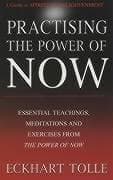
I read-- I just finished about, uh, two weeks ago, uh, The Power of Now by Eckhart Tolle, and, uh, I have another book on presence that, uh, is on my shelf right now as well. And talk about regret, I feel an immense amount of regret that I didn't learn the power of presence and being present in the moment earlier in my life. I wish I did. I feel like there were vast swaths of my life in which I was constantly living in the future or the past, and now I try to cultivate every moment as present as I can possibly be, and it's changed who I am as a person. It's allowed me to feel real true gratitude in moments because I'm here right now.
Sure. If you're living in the future, you can't be, you can't be, uh, grateful for what you're in right now. I am so grateful that I get to spend time with a, with one of my best friends, someone who I respect the hell out of, who's been both a mentor and, and a, and an investor in a company of mine, and someone who I've learned so much from, and I respect their-- I get to be here and spend three hours. I know how busy a person you are. You know how grateful I am I get to spend this moment with you?
Because I'm here. I could be thinking, "Well, shit, I got-- I actually have work I gotta do when I get back to the office, and my kids are gonna be home. I gotta go to baseball pra-" I could be thinking about all these other things, but instead, I'm choosing to be right here with you right now. Talk to me about what presence means for you and how you cultivate being present in your own life. I think not only me, and you just said it, I wish I became more present and learned more about it at an earlier age.
I think that's all of us, and unfortunately, that's one of those things, as we age, we get wiser, right? I, I would agree with you. I only wish I was. And I think what hit me was my kids. Mm.
And if you think about m-when my kids were younger, I was on the road speaking a tremendous amount. But what it taught me was when I was home, I was very present with them. I put the phone down. TV wasn't on. I-- That, that time was invaluable, and I think what my kids have done is it's brought that presence and staying present into my life that maybe I wouldn't have learned until maybe 10 years later.
Kids are 17. I can tell you they taught me a very valuable lesson just by arriving into my life. I knew what I loved, what true love was, changed my life, right? I mean, we talk about love, right? Just kinda like happiness and joy.
You say-- I would say, I get married, "I love you forever." That's a different love than when those kids were born. I remember 9:43, 9:46, July 8th. Uh, uh, I'm sorry, July 8th was when I got married. July 24th.
I'll never forget. I was so present. I remember that feeling. It was the most incredible feeling ever. But staying present allows us so much more.
I, I actually think staying present is a huge part of knowing that we're free. Like we talk about freedom. Oh, we can move around through the country. In some countries you can't move. That's freedom.
That's not really freedom, right? I've read books about prisoners of war. Even though they were prisoners, they got themselves to a mindset that they were free, 'cause they did not want their captors to, to strip everything away from them. And I think staying present is once you can really come in touch with being so focused that you're present, that's when you're truly free. Mm.
And it's, it's a tough topic because I think people say, "I'm present," but are you really present? You'll have a feeling of that freedom knowing that tonight, you know, like last night, I'm meeting my son. We're gonna train, we're gonna work, we're gonna shoot hoops. Every single pass, it's almost like it's in slow motion because I am so present with him that he wants to spend that time with me. Just as you said, "Hey, we're spending time together."
I agree, because being able to be present, I know that I'm appreciative to spend time with you because we're gonna get into topics, and when we get off-- You know, we get into these topics and we dig deeper and deeper and deeper. I leave knowing that there's a spur of growth in my mind, 'cause I'm gonna drive home for two hours and I'm gonna think about some of your answers to some of your questions. Or some of the answers to some of the questions that I then follow back up with you, right? So I would assure you that reading books is an enormous opportunity for you to figure out earlier in life. That was a huge mistake I made.
Mm. I allowed teachers who used to say to me that I wasn't-- I was terrible at reading and comprehension. If I told you how many times I was told I was terrible at it, why did it take when I hit 40 to say for me to have freedom from what I was told? I was told by people, in my opinion, of authority at that time, that I was no good at something. I will assure you, nobody will ever take a book away from me.
Every single day, I'm, uh, presently and have been in the last year and a half, two hours a day. Yes, they're audiobooks while I work out, but I refuse to allow anybody to tell me I'm terrible at anything. Yeah. And reading has changed my life. That's why I do Bikes for Reading for the schools, because I want kids to know that you can do anything and become anything you want to be through reading, you know?
If you think about all the secrets, people say, "Oh, what's your secret sauce of success?" Just read a book. Mm-hmm. Inside of somebody's book is the secret sauce, and there's a lot of secret sauces. That's why I'm a constant reader, and it-- I f- once again feel free because my mind is always learning.
You work out all the time. I work out all the time. But the most important muscle in our body is our brain, but we're not taught that. And when I challenge my son who challenged his PE teacher, I said, "Okay, you get in a bad accident and you're brain dead. That's number one.
This person over here got in a bad accident and they're paralyzed. Who's still living?" Well, my son says, "Both." Yeah, you're right. But who's truly still living?
He or she has a mind that he can still work or she can still work, doesn't have the physical ability 'cause it's paralyzed. This one that's brain dead, most important muscle in our head, uh, in our body is our head, is our brain. We should be working that out every single day. Yeah. The f- the interesting part about reading as much as you and I do is what you start to see are patterns, and there are universal truths to meaning, purpose, joy, satisfaction, fulfillment.
There are, there are universal truths. And, you know, a lot of people, I think who discount books will, "Ah, it's all just the same stuff." I've heard that argument. Like, I'm okay reading that being present is important over and over and over again. Me too.
I'm okay reading that because what it does every time, it builds-- it makes the neuron in my brain that says be present thicker and thicker and thicker so that- Absolutely ... being present is easier and easier 'cause I can go, "This guy that I respect and admire was present. This gal that I respect and admire, she was present. Present, present, be present, be present in the moment." Now, all of a sudden, what am I-- I'm gonna be an asshole, and these 10 people who've been highly successful and achieved all these great things and wonderful pe- They were all present in their lives, but I'm not gonna cultivate that? Who am I, right?
I can't expect to make a dent in the world if I didn't, if I can't live at least by the baseline things that these incredible people are telling me over and over and over again are the universal truths of success and fulfillment. And if you're not reading, w- who-- how do you gauge, how do you gauge where you are in the world? How do you improve yourself? Now, I do think there's something to, um, uh, isolation as well. Uh, something that I started doing is when I go for my ruck walks now, I started leaving, I started leaving my AirPods at home.
Amazing what comes out of your brain. But if you're not putting anything in, you ain't getting anything out, and that's the part that I found so incredible is all of a sudden these quotes from a book or a thought or something that I underlined in a book, 'cause I, I read. I don't-- For some reason, my comprehension on audiobooks is next to zero, but, but I have to read. But when I read, I terrorize the books. If y- If anyone who is, like, a book purist came to my house, they would barf because my books are dog-eared and bent and damaged and underlined.
I have crazy notes written in them. And what I'll find is when I, when I give, when I give myself moments of isolation, especially after reading... So I usually read first thing in the morning, try to get half hour, forty-five minutes in a day at a minimum, and then try to work out. If I don't work out in the morning, it's too hectic, I'll get in the afternoon. But whenever I get that ruck walk in, uh, and I don't have my AirPods in, all of a sudden these ideas that I didn't even know were in there, I'll be like, "Oh, wait.
Eckhart Tolle said this about being present, and Michael Singer mentioned this part about being present. And Jordan Peterson, I saw this clip the other day, and he talked about it. And man, how they framed it." And now all of a sudden, I have this idea woven together that I wouldn't have made that connection if I didn't give myself that isolation, and in that isolation, if I wasn't present in the moment. If I'm on that walk just marinating on all the shit that's going on in my life or, you know, this project is behind schedule or, you know, this person's giving me crap and I'm not happy with this relation, if that's where my brain is at and I'm way out in the future, way out in the past, my mind is, is, is not there.
But if I can go on that walk and be present on that walk, listening to my footsteps, looking at the scenery, watching what's going on- Then all of a sudden it's like it's funny. Your brain goes, "Oh wait, you actually give a shit about me." Mm. "Here, here's some... I'm gonna leak some stuff out on you."
And the ideas that come in are crazy. I started walking with a notebook now. So I got a little pocket notebook. I'll have my... I, I, I bring my cellphone.
I just don't bring my AirPods. So I have my cellphone on this side of the ruck vest, and I put a little notebook in the, in the other side of the ruck vest with a, with a pen because I'll have things hit my brain and I'll be like- Gotta write them down ... gotta write it down. Like, oh, that's a, that's a good one. I wanna do a video about that, or I wanna tell this to my kids, or I just wanna think and marinate on this thought a little bit. But it always comes back to being present.
And the last thing I just wanna talk about, uh, or mention that you said about freedom. I, I don't know where I got this from, but it's what I honestly believe. We are all free all the time if we choose to be. 'Cause to me, freedom is actually freedom from an automatic response to something. So when you are present, when you are, when you've done hard things, when you've, when you've crafted this life that you're proud of, that has meaning and purpose, when something happens, you are completely free in your response to that thing. You are not responding out of fear.
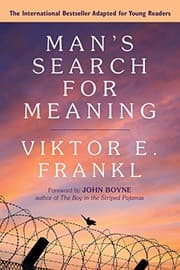
You're not responding out of some passion or emotional drive or regret or trying to just make someone happy because you feel like it's what you're supposed to do. When you've done this work, when you've become a civilized savage, you are free to respond to every situation exactly the way you want to, your soul, the way your soul wants to respond to that thing. And that type of freedom is what you read about, say, in Man's Search for Meaning. It, it's the type of freedom that can get you through anything. It's the type of freedom which allows you to act, you know, in a give no fucks mentality.
And I think it's the type of freedom that you and I are constantly searching for, and I think it's one of the many bonds that we share together. I would agree wholeheartedly, and everybody should read The Man's Search. Oh. I mean, that's- It's brutal ... it's, um... Boy, he, he's hit a lot of people.
He's helped a lot of people come present. He's helped a lot of people move them forward. I mean, it's a must read for everybody. Chris, I'm excited we did this. I'm sure we will do it again, uh, as we get closer to the launch of the book.
Um, for everyone who's listening at home, if you wanna get on the wait list and get some free resources, we put together, uh, a s- a historical list of people we view as civilized savages, quotes from them, breakdowns of those quotes. Um, we also have, uh, 10 kind of rules for life that your father instilled in you and his father instilled in him, and some of these ideas is generational ideas that, that have been passed to you, that have guided you. So those free resources are there. Go to civilizedsavagebook.com, civilizedsavagebook.com. Again, we're looking for probably a spring, late spring release of the book.
Um, almost done with the, with the full draft. Uh, but we'll get that out to editors pretty soon. We'll have tons more updates and free resources coming, but dude, I appreciate the hell out of you. This is, um... I, I haven't been as excited and, and like, uh, uh, you know, some of the delay recently has been on me, and I said this to Chris before we went live, 'cause I keep digging into these sections, and then I get kind of enamored with them, and it just, you know...
It's, it's been incredible. Um, we had 21 questions I was supposed to ask you. I think I asked you two. But I wanna be respectful of your time and of the audience's, and like I said, I'm sure we'll do this again, so thank you, my friend. Awesome.
Hey, guys. I hope that you enjoyed that conversation with Chris. I know I thoroughly enjoyed the time that I spent with him when I was actually having the conversation. If you want to learn more about the book, if you wanna sign up for the wait list, again, go to civilizedsavagebook.com. I'll have a link in the show notes, whether you're watching on YouTube or listening, uh, wherever you listen to podcasts.
Uh, there'll be a link there as well. Go to civilizedsavagebook.com. Sign up. You'll be the first to know about the book when it goes live, free bonuses that we're gonna do, as well as free resources that we have available for you right now, uh, excerpts of the book, as well as resources that we put together that support the content and the material. As always, I love you for listening to this show.
I appreciate the hell out of you, and go out there and be a civilized savage. Let's go. Yeah. Make it look, make it look, make it look easy. Ice.
Thank you for listening to The Ryan Hanley Show. Be sure to subscribe and leave us a comment or review wherever you listen to podcasts. Game ain't a thing for me. I never switched up, no changing me. The only thing changing is- Close twice as many deals by this time next week.
Sound impossible? It's not. With the One Call Close system, you'll stop chasing leads and start closing deals in one call. This is the exact method we used to close 1,200 clients in under three years during the pandemic. No fluff, no endless follow-ups, just results fast.
Based in behavioral psychology and battle-tested, the One Call Close system eliminates excuses and gets the prospect saying yes more than you ever thought possible. If you're ready to stop losing opportunities and start winning, visit masteroftheclose.com. That's masteroftheclose.com. Do it today.