Key Takeaways
- →AI amplifies misallocated effort — it doesn't fix it
- →Using AI to do more of the wrong work is a faster treadmill, not Easy Mode
- →Easy Mode is architecture: design your work around what only you can do, then let AI hold everything else
This morning I'm in Germany.
Before I headed out, I reviewed 10 X posts. Posts my AI surfaced from conversations already happening in areas I'm interested in (AI, business, psychology, etc).
I then talk-to-text a comment/reply into Telegram, Maximum Effort cleans up the text and posts each for me.
They went out, five minutes apart, while I was eating breakfast.
That's it.
It's called an engagement campaign.
What Berkeley Actually Found
UC Berkeley just published research on AI and the modern worker.
Over eight months, they followed 40 people across engineering, product, design, and operations.
AI made everyone more productive.
So they filled every recovered minute with more tasks.
Breaks disappeared. Then quality. Then energy.
One worker said it directly:
You had thought... you can work less. But then really, you don't work less. You just work the same amount or even more.
The machine gave them capacity. They poured more into the machine.
Faster treadmill.
Same direction.

I Built It Backward First
I made this mistake at Rogue Risk.
When I built the agency, I used better tools to push through the operational work. Processing. Managing. Responding.
Got more efficient at the things that drained me.
The parts that lit me up were building the brand, creating content, telling the story. Those were my zone.
But every tool I had was pointed at improving the grind.
Every hour in the grind, even when I ran it well, cost something I couldn't account for until the invoice came due.
Hard Mode tax. Every hour. For over a year...
Then I started listening to my own advice and implemented my "Human-optimized" business model (Which is now called Easy Mode).
When Rogue Risk was acquired, they didn't buy the policy count.
It was the operating system.
The way the business was built, so the humans did what only humans can do.
The Wrong Engine Problem
The Berkeley researchers thought they were studying productivity.
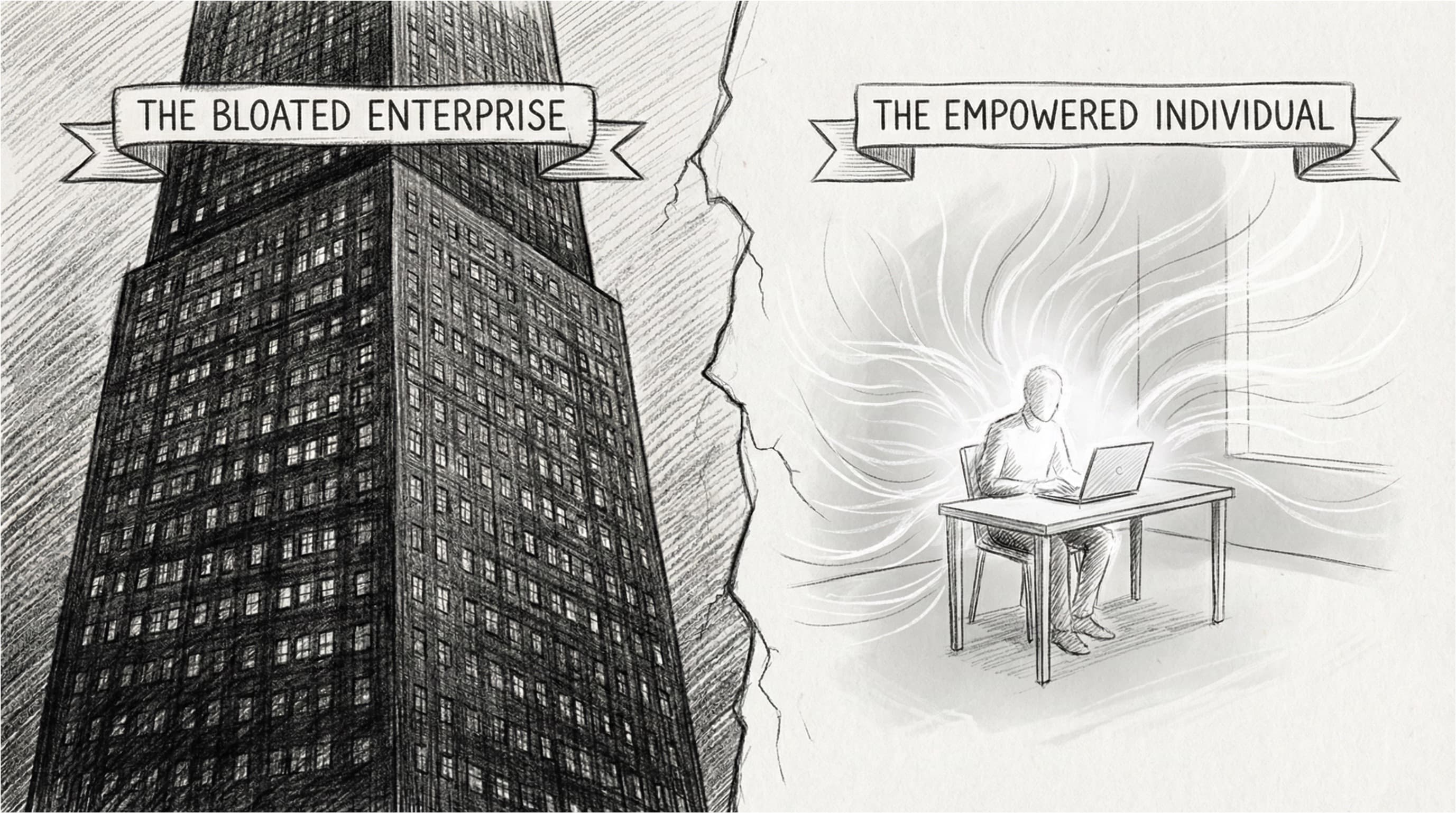
They were watching what happens when you bolt a turbocharger to the wrong engine.
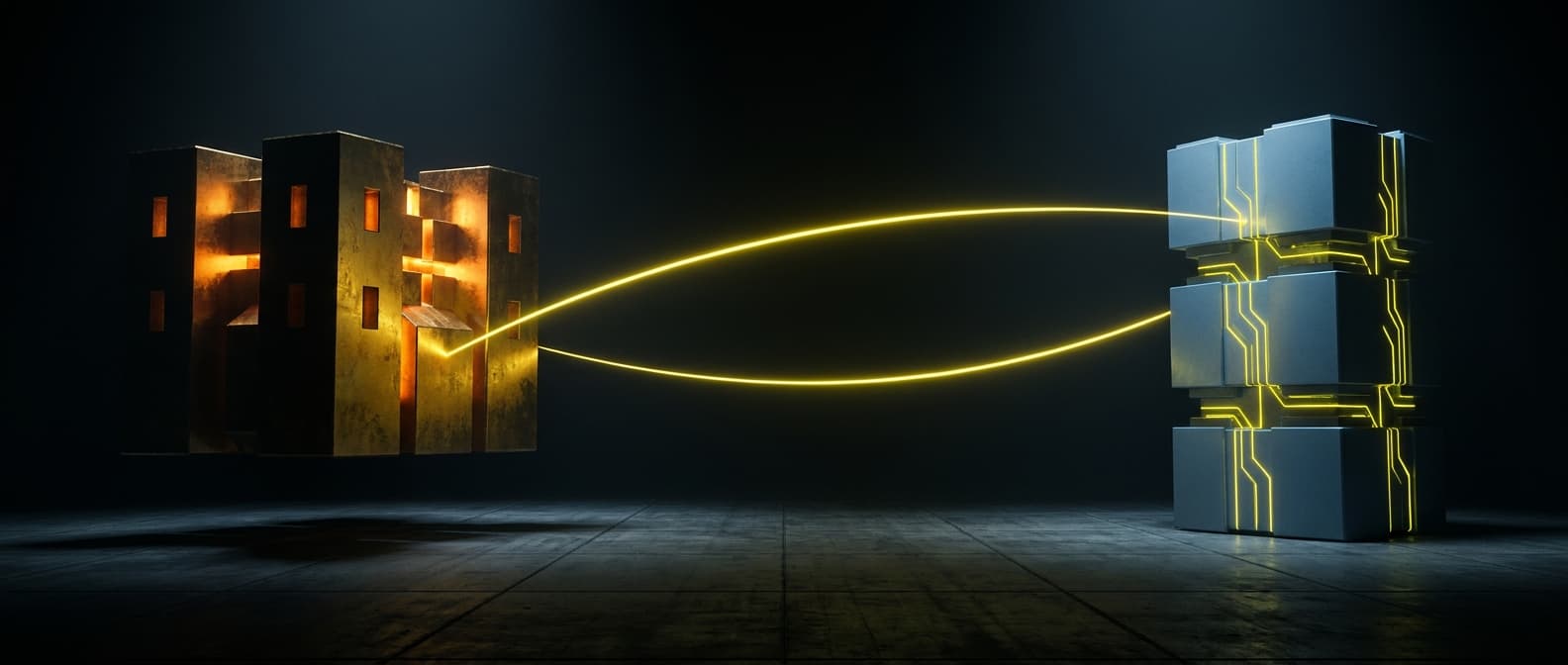
AI doesn't fix misallocated effort. It amplifies it.
If your work is designed around what you were built for, AI buys back hours you can actually use.
If it isn't, you run harder in the wrong direction.
READ NEXT: The Airplane Didn't Work Either (an AI Story)
The Question That Changes the Design
Easy Mode is the zone where your natural obsession creates disproportionate results. It's architecture. Output is what happens when the architecture is right.
Most people are asking, "How much can I do with AI?"
That question optimizes for volume.
Better question: what would you do with your best hours if AI held everything else?
Most people never ask it.
Too busy answering the first one.
The Game
This morning in Germany, someone else is running the numbers, drafting the follow-ups, handling the distribution.
I'm doing the work only I can do.
Once you understand the difference between those two categories, you stop optimizing for speed.
You start building for real.
Start here: ryanhanley.com/subscribe
This is the way.
Hanley.
P.S. I'm writing the book on Easy Mode. If you'd like to receive notifications and announcements, click here.